

As pet ownership rises and businesses expand their offerings, a critical yet often overlooked aspect surfaces—how to store pet food safely, particularly in plastic containers. This article navigates the perilous realm of plastic container dog food, emphasizing health implications for pets and the operational impact on businesses like yours. Behind the convenience of plastic lies an array of risks, including chemical leaching and bacterial growth, which can significantly affect food quality and animal health. Throughout this exploration, we will delve into the risks associated with plastic dog food containers, the chemistry behind their safety standards, and comparisons with safer alternatives. Additionally, we will discuss industry practices that shape manufacturing and regulations, alongside actionable insights for consumers and businesses alike. Each chapter will shed light on the urgency and relevance of this topic, ensuring that you are well-equipped to make informed decisions for your customers and furry clientele.
Hidden Hazards in the Pantry: How Plastic Dog-Food Storage Shapes Health and Behavior

In many households, the storage of dog food is treated as a purely functional task. We reach for the largest, most affordable plastic bin, or a transparent container that lets us see whether the bag is full or nearly empty. The lid clicks shut, a pleasant sense of order settles in, and the routine feels reliable. Yet beneath that sense of convenience lies a web of health questions that can quietly influence a dog’s metabolism, immune resilience, and digestive comfort. The chapter that follows threads together several strands of evidence about plastic storage and dog health, offering a grounded, practical view for caregivers who want to balance ease with long-term well-being. The core insight is surprisingly simple: containers are not neutral vessels. They interact with food, climate, and time, shaping what your dog ultimately ingests and how that food ages in the cupboard, cabinet, or pantry corner. That appreciation reframes how we evaluate a container’s value, especially when it comes to fatty dry foods that dogs favor and whose fats can accelerate chemical migration if given the chance.
Chemical leaching is the first thread to consider. Modern plastics come with a murky but increasingly studied history. Even when a container is advertised as BPA-free or constructed from what many assume to be a safer polymer, hidden solvents and plasticizers can still migrate into food. A growing body of work suggests that certain compounds used to soften plastics, such as various phthalates, can leach into fatty foods at levels that exceed recommended safety thresholds over time. In practical terms, that means a bag of kibble stored in a container with a compromised barrier could encounter small, persistent doses of estrogenic or endocrine-disrupting substances. The linkage between these chemicals and metabolic disorders, reproductive challenges, and cancer risk is not abstract in veterinary science; it translates into real concerns for dogs across breeds and life stages. Veterinarians and toxicology researchers note that the risk is not solely about high-dose exposure but about cumulative, long-term exposure that can subtly alter physiology.
A second thread follows the life of the plastic itself as it wears. PVC and polystyrene have particular vulnerability to heat and repeated handling. When exposed to fluctuating temperatures—think a kitchen that warms in the afternoon, or a sunlit corner near a window—plastic can become more brittle or shed micro-particles. This degradation matters, not because the container suddenly becomes a poison, but because micro-cracks and roughened surfaces create crevices where fats, sugars, and moisture coalesce. In those micro-environments, oxidation accelerates and mold or yeast can gain a foothold even in the presence of a lid. The human tendency to assume “sealed means safe” deserves scrutiny here: a plastic seal can be excellent at keeping air out, but micro-imperfections inside the plastic can provide the perfect microhabitat for microbial growth, especially in humid climates or when the dog food is moisture-rich. A threefold increase in mold counts, observed in controlled studies under high-humidity conditions, is not merely a theoretical concern; it translates into faster nutrient loss, altered texture, and potential gastrointestinal upset for pets that ingest spoiled morsels.
A third thread concerns the practical reality of bacterial and fungal colonization in storage environments. Plastic is inherently porous at the microscopic level compared with metal or ceramic. Small scratches, nicks, or scuffs created during daily use can become hiding places for bacteria and mycotoxins. Even with an airtight lid, the interior walls of a container can harbor lingering residues that feed microbial communities when warmth and humidity align. The consequence is not simply an unpleasant odor or a vague sense of spoilage. Dogs that ingest food contaminated with mold or certain bacterial byproducts can experience vomiting, diarrhea, reduced appetite, or more significant gastrointestinal distress. For households that stock large quantities to minimize trips to the store, the risk compounds: longer storage times give micro-ecosystems more opportunity to take hold.
Guided by this triad of concerns, the practical question becomes how best to store dry dog food to preserve both safety and nutritional integrity. The chapter’s research points toward several principles that can coexist with the desire for convenience and space efficiency. First, prioritize materials that minimize chemical leaching and tolerate routine cleaning. Stainless steel or high-quality, food-grade ceramic containers demonstrate durability that does not shed volatile compounds into the food. When plastic becomes unavoidable, choose containers that are clearly designed for food contact, ideally with third-party testing data to verify safety. Even then, the emphasis should be on minimizing storage time, avoiding heat exposure, and performing regular inspections for cracks or clouding that might indicate material fatigue. If you must use plastic, keep your containers in cool, dry places away from direct sunlight and avoid exposing them to hot surfaces or devices that could warm the food or accelerate degradation.
The lids deserve particular attention. The most effective designs feature airtight seals with reliable gaskets made of non-reactive silicone. A gasket that fits snugly, without warping, helps maintain low humidity inside the container—an important factor in slowing microbial growth. It is worth noting that a lid designed only to keep crumbs from wandering is not a guarantee of safety. True airtightness matters because moisture inside a container fuels microbial activity and accelerates fat rancidity, especially with fatty dog foods. Cleanliness is the companion of airtightness. Containers should be washable in a standard kitchen sink or dishwasher, and they should be dried thoroughly before re-use. A clean container reduces the inadvertent introduction of yeast, mold spores, or bacteria that would otherwise ride along with a re-filled bag.
Understanding the regulatory lens helps bring some clarity to these practical steps. Food-contact materials are subject to safety criteria established by agencies like the U.S. Food and Drug Administration and international standards organizations. The emphasis in these frameworks is on preventing migration of contaminants into food at levels that could harm health over time. For large-scale or long-term storage, it is reasonable to look for certifications that align with those standards. The overarching theme is not about fear, but about applying a precautionary approach to the storage of pet foods—especially when owners juggle multiple bags, seasonal purchases, or bulk buys.
A broader behavioral dimension also deserves attention. The way we manage a pantry, the environment in which the dog eats, and even the habit of rotating stock can affect health outcomes. When a container is easy to label and track, owners can implement a first-in, first-out routine that reduces the chance of older food lingering in storage long enough to degrade. If a container shows visible wear—faded printing, scratches, or clouding—it might be time to replace it rather than risk unknown chemical leaching or bacterial growth. The behavioral link between daily routines and health outcomes is subtle, yet it matters. For some dogs, flavor and smell can trigger stronger appetite responses when the food is fresher, while for others, the opposite is true; either way, poor storage can cloud those cues and lead to inconsistent feeding patterns.
The chapter’s recommendations aim to empower pet guardians to make informed choices without sacrificing practicality. Start with a critical assessment of any plastic container you plan to use for dog food. Look for clear indicators of food safety, robust build quality, and a design that supports thorough cleaning. Favor containers that are explicitly described as food-grade and that offer a truly airtight seal. If you decide to use plastic because of space or cost constraints, adopt a disciplined regime: keep containers away from heat and sunlight, replace them at the first sign of wear, and monitor the food for changes in odor, color, or texture. When possible, transition to non-plastic storage options and reserve plastic for non-food uses or secondary purposes that do not involve direct contact with pet food.
The practical implications extend even to feeding bowls. The same logic of material safety applies: ceramic and stainless steel bowls resist bacterial colonization better than plastic, and they do not degrade with repeated washing. While bowls are separate from storage containers, adopting safer materials for feeding mirrors the broader precautionary approach that begins with what we put in the mouth of a beloved pet. The net effect is a more resilient feeding ecosystem: fewer opportunities for toxin exposure, less risk of mold-related spoilage, and greater confidence in the integrity of the dog’s daily nutrition.
To close the loop, consider aligning your storage choices with trusted guidance while staying attentive to your own dog’s responses. Some dogs may tolerate minor changes in texture or scent if the food remains fresh and free of off-flavors; others are more sensitive and may show subtle gastrointestinal discomfort after even small exposures to degraded fats or contaminants. The goal is not perfection but mindfulness—an ongoing commitment to reducing risk without compromising convenience. In this way, safe storage becomes a routine extension of responsible pet care, not a separate task that lives only in theory.
For those seeking formal guidance and standards, official sources provide current frameworks about safe pet food storage. You can consult the FDA’s Pet Food Storage guidelines for the most up-to-date recommendations and safety considerations. External resource: FDA Pet Food Storage Guidelines. This chapter’s synthesis reflects the converging scientific observations and practical experience of caretakers who watch the pantry as closely as they watch their dogs’ meals. The pantry, in that sense, becomes a space of ongoing vigilance rather than a merely convenient corner of the home.
In sum, plastic containers for dog food offer undeniable convenience, but they carry trade-offs that are easy to underestimate. Chemical leaching, material degradation, and microbial growth create a trio of risks that can quietly shape a dog’s health and comfort. By prioritizing safer materials, ensuring robust airtight seals, and maintaining disciplined storage practices, caretakers can preserve food quality and protect pets from hidden hazards. The aim is not to demonize plastic in all its forms but to acknowledge the science and translate it into practical, evidence-informed habits that safeguard a dog’s health across the years of companionship. The pantry becomes a thoughtful, proactive instrument in the broader endeavor of responsible pet stewardship, aligning daily routines with the long view of canine well-being.
Chemical Leaching, Endocrine Concerns, and the Duty of Care: Reassessing Plastic Storage for Your Dog’s Food
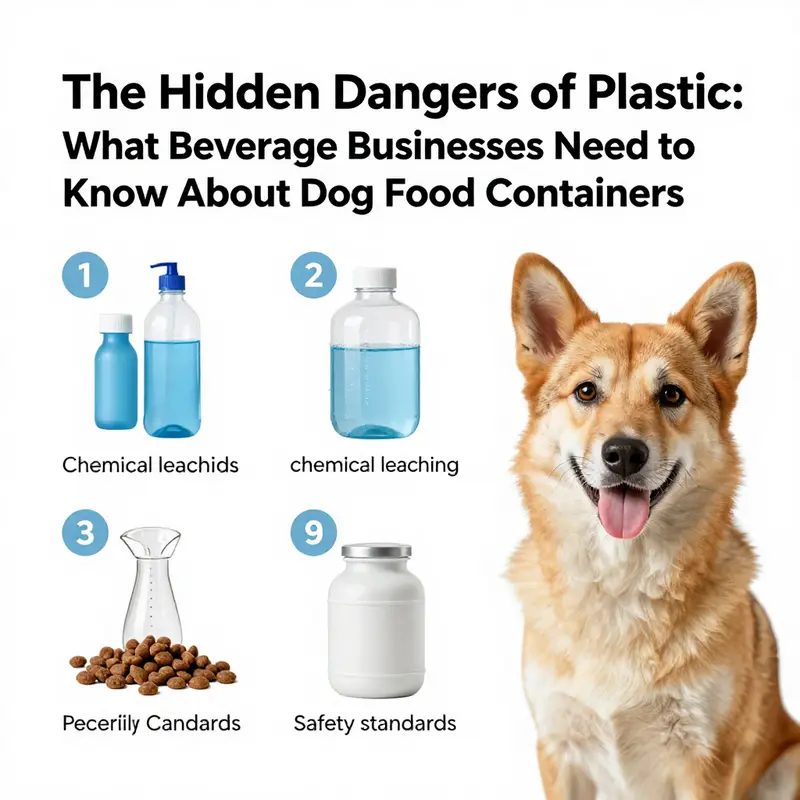
Storing bulk dog food in plastic containers is popular for space and convenience. Clear, stackable bins let you gauge stock at a glance and lidded designs promise an airtight seal against pests and moisture. But the practical benefits come with concerns about pet health, especially when storage stretches from weeks into months. The question is not just whether a container holds food well, but what could leach into the food over time and at what level.
When a product is marketed as BPA-free, it may still contain substitutes like BPS or BPF that can mimic BPA’s hormonal activity. Endocrine-disrupting compounds may alter metabolic signaling, fat storage, and reproductive development—outcomes with particular relevance for dogs consuming long-term plastic-contact foods. Studies cited by environmental health researchers note that these substitutes often behave similarly in the body, particularly with extended exposure. Tiny amounts migrating into food can accumulate during weeks on a pantry shelf.
Different plastics carry different migration risks. PVC, associated with phthalates, can interfere with hormone signaling. Polystyrene can release styrene when heated or in contact with fatty substances; dog foods are often fatty, so this is a real consideration. Polycarbonate has raised concerns about BPA-related migration under heat or acid conditions. Polypropylene (PP) is generally considered safer, but prolonged exposure to fatty or acidic contents and aging can still alter migration.
Regulatory safety frameworks aim to limit harmful substances in food-contact materials, but they rely on human exposure models that do not map perfectly to pets. FDA guidance emphasizes that plastics used in consumer products should not transfer harmful levels of chemicals into food, yet microwave-safe or food-grade labels do not guarantee zero migration. This is why many veterinarians and safety advocates encourage cautious use of plastic for long-term pet food storage, especially in environments with heat, sunlight, or frequent handling.
Practical alternatives emphasize inert materials. Glass and stainless steel do not interact with fats or acids in the same way plastics do and are easier to clean in the long run. They may be heavier, breakable, and more expensive upfront, but many guardians find the peace of mind worthwhile for dogs with health concerns. If plastic must be used, look for explicit safety certifications (for example NSF/ANSI 51) and avoid containers that show wear or clouding.
Maintenance and routine are part of the preventive approach: inspect for cracks, clean thoroughly, dry completely, and replace aging containers on a planned schedule. Even sealed plastic can develop micro-damages over time, increasing the potential for residues and migration. Combine cautious plastic use with regular cleaning and proper storage away from heat and direct sun.
Ultimately, the goal is a balanced approach that protects a dog’s health while accommodating household needs. For some guardians, a largely inert setup—glass or stainless steel with a simple plastic lid—offers the best compromise. For others, plastic can remain but with strict controls: no heating, no sun exposure, scheduled replacements, and attention to certifications and new safety data. Staying informed about evolving research helps keep daily choices aligned with long-term well-being.
null

null
Industry Practices Reassembled: How Manufacturing Standards and Safety Culture Shape Plastic Dog-Food Containers

The journey from resin to shelf-ready container for dog food is more than a product pathway; it is a carefully orchestrated balance of material science, process discipline, and public health safeguards. In an industry that promises convenience, space efficiency, and brand differentiation, the underlying practices determine not only performance but long-term pet safety. The narrative begins with material selection, but it quickly expands into regulatory expectations, voluntary guidelines, and the everyday realities of production that quietly influence what ends up in a pet’s pantry. Reading the story of these containers requires seeing beyond the snap-tight lids and clear panels to the choices, tests, and assurances that support a claim of food safety over years of storage and routine handling.\n\nAt the heart of manufacturing is material science. Producers typically rely on food-grade polymers such as high-density polyethylene (HDPE) and polypropylene (PP). HDPE is favored for its chemical resistance and durability, forming a robust barrier against moisture and light. PP adds stiffness and resilience, helping containers resist cracking during transport and repeated use. The selection is not arbitrary; it is guided by migration concerns—how much, if any, substance can move from the plastic into the dog food over time. The aim is to minimize leachables while preserving the integrity of the pet food’s moisture, aroma, and nutrient profile. Even when plastics are marketed as “safe” or “durable,” the science behind long-term storage shapes material choice and wall thickness, the presence of stabilizers, and the permitted additives that flavor, color, or stabilize the polymer.\n\nRegulatory compliance anchors the industry’s core responsibilities. In the United States, the FDA 21 CFR regulations spell out the conditions under which plastic materials can contact food, including migration limits and the list of approved substances. In the European Union, EFSA frameworks carry similar weight, requiring rigorous safety assessments and continual monitoring. These requirements help ensure that what comes into contact with dog food cannot compromise the product’s quality or pet health. Yet these standards are not a ceiling; they are baseline guardrails. They work in concert with voluntary guidelines from trade groups that promote sustainability, recyclability, and responsible production. The Association of Plastic Recyclers and the Plastics Industry Association, among others, push for design-for-recycling principles, clearer labeling, and transparency about composition. Compliance and transparency are not merely legal obligations; they are reputational currencies in a market where informed pet guardians increasingly demand evidence that a container’s value extends beyond a glossy lid.\n\nDesign and functionality are not afterthoughts in this ecosystem. The industry’s best practice often blends airtight performance with practical features that support daily use. Resealable lips, built-in handles, and color-coding for brand identity or batch identification have grown into standard expectations. Clear windows for quick visual checks are common, as are moisture barriers that help slow the degradation of dry kibbles. The goal is a container that protects contents during storage and transport while resisting the scuffs of household use. Behind these conveniences lies a rigorous quality-control regime. Manufacturing lines employ precision molding and sealing processes to minimize gaps and micro-cracks. Any tiny imperfection can become a site for organic matter entrapment, which, with time, may foster oxidation, mold growth, or mycotoxin development—risks that are especially pertinent for fat-rich or nutrient-dense dog foods. Even when a container appears sealed, the interior surfaces must be designed to be relatively impervious to microbial colonization, and the crevices where residue might accumulate are minimized through careful engineering and post-molding finishing.\n\nThe reality of production also includes ongoing oversight of the material’s life cycle. Cracks and scratches accumulate with use; sunlight and heat can accelerate polymer degradation, altering barrier properties and increasing the risk of leachables. Manufacturers, therefore, invest in lifecycle thinking—ensuring that containers intended for long-term storage can endure typical home environments without compromising their intended function. This is where testing becomes essential, not as a box-ticking exercise, but as an ongoing commitment to safety and reliability. Independent third-party testing, though not always universal across all brands, is increasingly treated as a mark of credibility. It is not unusual for responsible producers to publish data on migration, chemical stability, and the absence of heavy metals or prohibited substances. However, transparency remains uneven across the industry, which is why pet guardians and veterinary professionals often advise looking for evidence of external testing and certifications rather than marketing slogans alone.\n\nIn practice, these considerations intersect with consumer behavior and household realities. Many households store dog food in spaces that expose containers to fluctuating temperatures, sunlight, and occasional heat from sunlight through kitchen windows or garage shelves. The industry’s response is to emphasize materials that resist these conditions and to design seals that are not only tight but durable enough to survive repeated opening and closing. Yet even with a strong design, the risk of degradation over time remains. This underscores the recommendation that plastic containers, while convenient, are ideally paired with vigilant cleaning, regular inspection of the container walls, and timely replacement. The decision to replace is not purely economic; it is an acknowledgment that any container’s performance envelope, including its seal integrity and surface finish, can drift with use. In short, long-term safety rests on a combination of sound material selection, thoughtful design, proactive testing, and prudent consumer maintenance.\n\nAn important nuance in this ecosystem is the ongoing tension between sustainability claims and practical safety assurances. Some manufacturers promote “eco-friendly” or recyclable features as part of their value proposition, while others emphasize the durability and longevity of a plastic container. The APR and PLASTICS guidance on recyclability, for example, encourages designs that facilitate end-of-life processing, yet real-world recycling rates often fall short of ideal goals. This is not to diminish the value of circularity but to acknowledge that it must be pursued without compromising food safety. The industry’s duty is to reconcile the promise of recyclability with the realities of migration potential, the stability of additives, and the integrity of the food contact surface over time. Consequently, clear, evidence-based labeling becomes essential—labels that honestly reflect material composition, intended use, and any testing that substantiates safety claims.\n\nThe broad regulatory and manufacturing landscape also intersects with consumer education, a domain where misperceptions can shape choices. The public discourse around BPA-free plastics and other substitutes has illustrated that removing one substance does not automatically eliminate risk. Some studies report that certain BPA-free polymers exhibit higher estrogenic activity than BPA-containing variants, complicating assumptions about safety. This is not a call to panic but a reminder that industry choices around plasticizers, stabilizers, and surface additives must be guided by robust toxicological data. For pet owners and veterinarians, the implication is clear: when evaluating a container’s safety claims, look beyond slogans and seek out third-party testing, transparent ingredient lists, and assurances that the product adheres to recognized food-contact standards such as NSF/ANSI 51 where applicable. Bounded by the realities of home storage, the optimal approach is to prefer containers designed for real-world use, with documented testing, and to replace them before noticeable wear or discoloration appears.\n\nIn this context, one practical takeaway for readers is to consider how the broader industry’s practices translate into daily decisions. If you are selecting a plastic container for dog food, the governance around material choice, production control, and testing matters as much as the lid’s seal. The container’s ability to resist moisture, protect against light exposure, and maintain structural integrity over time reduces the chances of contamination and preserves nutritional quality. For households that prioritize minimalism in kitchenware, this means recognizing that even a well-made plastic container is a single link in a longer chain that includes storage conditions, cleaning discipline, and timely replacement. It also means acknowledging that the market increasingly values not just a product’s immediate performance but the credibility of its safety narrative—whether the label communicates clearly about tested materials, migration data, and adherence to food-contact regulations.\n\nTo tie these threads back to practical intent, consider how a container’s design and the industry’s standards shape your daily use. A well-engineered plastic dog-food container should resist chemical migration, tolerate regular cleaning without degrading, and maintain a reliable seal that minimizes exposure to air and pests. It should be part of a household regime that keeps food fresh and nutritionally stable while avoiding the false security of greenwashing or vague safety claims. And when a manufacturer discloses third-party verification or prints certifications and migration data on the packaging, it helps transform prudent storage into a tangible safeguard for a pet’s health. For further reading on packaging design considerations that extend beyond dog food, you can explore examples of eco-friendly takeout boxes for food packaging with practical insights into material choices, durability, and consumer-facing labeling. eco-friendly takeout boxes for food packaging\n\nLooking ahead, the industry’s trajectory will likely converge more tightly around verified safety data, consistent labeling, and a measured emphasis on long-term sustainability without compromising performance. Regulators will press for greater traceability of material streams and clearer migration testing across product lines, while manufacturers will continue to refine their processes to minimize defects and to offer more transparent disclosures. In the quiet intersection of resin, mold, seal, and shelf, these practices determine not only a container’s practicality but its true contribution to a dog’s health over years of daily meals. The chapter of manufacturing and regulation is ongoing, evolving with science, and ultimately measured by the trust guardians place in the containers that hold their dogs’ most essential nourishment.\n\nExternal resource: For a broader industry perspective on how packaging standards and supplier practices shape container quality, see the industry reference on plastic container manufacturing and sourcing available at Alibaba. https://www.alibaba.com/product-detail/Custom-Food-Grade-Pet-Dog-Food-Storage_1600537849585.html
Storing Dog Food in Plastic Containers: Safety, Science, and Smarter Storage Habits

Plastic storage for dog food is practical but requires care. Durable, food-grade HDPE or PP containers can slow oxygen and moisture ingress compared with original packaging, helping preserve freshness. The seal matters: a tight lid with a silicone gasket and a reliable locking mechanism minimizes air entry and moisture exposure. Regular cleaning after refills and keeping kibble away from the container walls further reduce surface residues that can harbor microbes.
Even with good materials, fats and oils can migrate into plastic over time, creating odors or off-flavors and potentially cross-contamination. Look for containers labeled food-grade with third-party certification when possible. Avoid reusing containers beyond their service life, and inspect seals and walls for wear. If you must store large quantities long-term, consider glass or stainless steel as lower-risk alternatives.
Storage conditions matter too: keep stored dog food in a cool, dry, dark place; avoid heat and sunlight; hold to a practical use window aligned with product guidelines. Opening the container repeatedly introduces moisture; plan pre-measured portions to minimize air exposure. While BPA-free plastics are common, transparency about materials and testing is essential to protect pet health.
Final thoughts
The implications of using plastic containers for dog food extend far beyond mere convenience, impacting both the health of our pets and the integrity of your business operations. Safeguarding dog food from potential contaminants must be a priority for beverage shops, restaurants, and related services catering to pet owners. By recognizing the dangers of chemical leaching and exploring safer alternatives such as stainless steel and ceramic containers, you are not only ensuring the well-being of pets but also enhancing your brand’s commitment to quality and safety. Stay vigilant and educated about risks and best practices as you serve the vibrant community of pet owners who trust you with their furry friends’ needs.