

5 oz clear plastic cups have become a favorite choice for serving ice cream and desserts across various establishments including bubble tea shops, restaurants, and catering services. These cups combine functionality and elegance, making them perfect for enticing presentations while ensuring durability for takeaway or dine-in options. In this article, we will dive into an overview of these cups, discussing their materials and durability, applications in different food contexts, available packaging and purchasing options, and their eco-friendliness. Each chapter will contribute to a comprehensive understanding of why these cups are essential for your business needs.
null
null
Crystal Clarity and Enduring Chill: The Material Science Behind 5 oz Clear Plastic Cups for Ice Cream Desserts
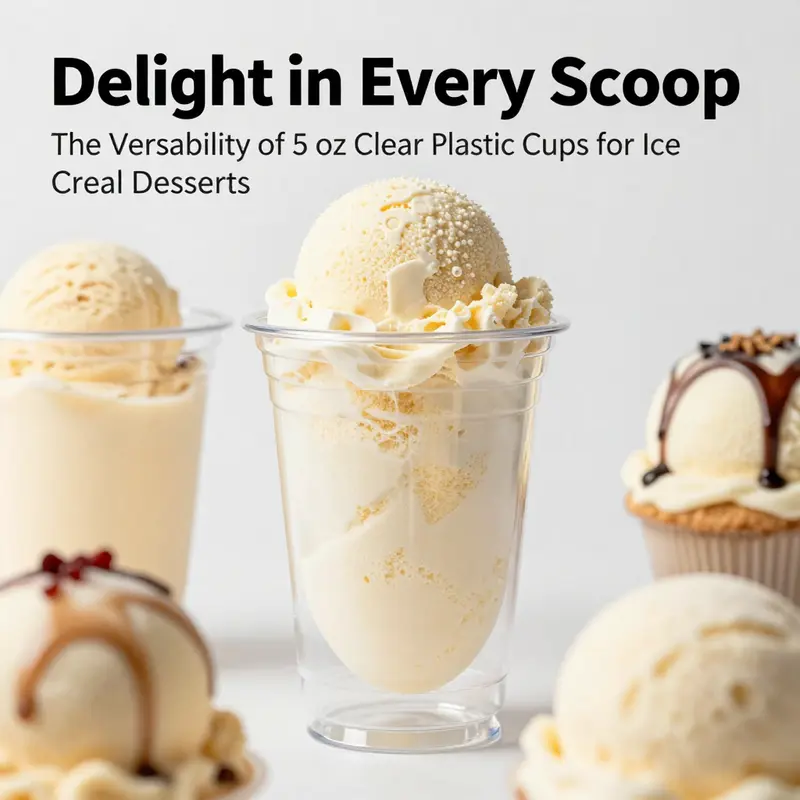
The seemingly simple choice of a 5 oz clear plastic cup for ice cream dessert cups hides a careful balancing act between clarity, strength, and practicality. In spaces from bustling cafés to carefully staged catered events, the material that forms the cup—its transparency, its resistance to cracking, and its behavior under cold and transport—becomes as important as the dessert it holds. This chapter threads together the core materials that dominate the market for these intimate, single-serving vessels, focusing on two clear contenders: PET and PS. By tracing their properties in real-world serving contexts, we illuminate why one material often feels more premium in a display case, while the other may be favored for cost-sensitive batches. The discussion stays rooted in the practicalities of serving ice cream and similar desserts, where presentation matters as much as performance and where the cups must perform reliably from scoop to curbside pickup.
PET, or polyethylene terephthalate, stands as the premium option in most dessert applications. Its standout feature is optical clarity, which makes the parfait layers, swirls of color, and fruit garnishes pop under lights and in photographed menus. The same clarity helps the dessert speak for itself in a takeout scenario, where a consumer might judge freshness and quality at a glance. But PET’s appeal goes beyond looks. The material’s toughness translates to a resistance to cracks and fractures when cups are pressed by tongs, stacked in a display, or jostled during transport. In the freezer, where ice cream solidifies and expands slightly as it cools, PET maintains structural integrity far more consistently than many alternative plastics. That structural resilience matters because a cup that shatters or deforms can ruin not only a single serving but an entire service run for the night. For operators who rely on a predictable, leakproof experience, PET’s wall thickness and molecular structure contribute to a sturdy, spill-safe portfolio of cups that can be used in both dine-in display and quick-service takeout. The leakproof performance is particularly valuable when dome lids or flat lids are used to keep moisture from forming on the rim or to prevent spills during transport. The result is a confident, professional presentation that supports premium pricing and a perception of higher quality.
From a safety and compositional standpoint, PET cups are frequently marketed as BPA-free and food-grade, which aligns with consumer expectations around contaminants and taste integrity. This is not merely a regulatory checkbox; it translates into a tangible difference in how ice cream, yogurt, or mousse tastes after contact with the cup. The absence of taste transfer helps ensure that chocolate swirls remain true to their flavor and that fruity dessert layers don’t pick up unexpected notes from the packaging. PET’s surface chemistry also contributes to its clean, glare-free surface that makes the dessert appear as vivid as possible under restaurant or event lighting. In practice, PET cups are designed to be stackable, which streamlines both storage and service. They can be chilled quickly and kept stable during busy service periods, a practical advantage when servers are refilling cases or rotating stock in a crowded kitchen. The reusability angle often comes up in conversations about sustainability. While many environments favor single-use disposable cups for efficiency and hygiene, PET’s durability makes it more amenable to light reuse after proper washing, if the operation’s policies permit, and it remains a strong candidate for recycling streams in regions with robust PET recovery programs. The broader sustainability narrative matters in the choice between PET and PS, because consumers increasingly expect packaging that aligns with eco-conscious values without compromising the experience of the dessert.
PS, or polystyrene, presents a contrasting set of strengths and limitations. On the plus side, PS cups typically deliver excellent rigidity and clarity at a lower cost, making them attractive for budget-conscious events or insert menus where every unit price matters. The rigidity helps the cup hold its shape when filled with frozen or semi-frozen desserts, preventing collapse that could squeeze the contents or distort the visual presentation. PS is also notably lightweight, which can ease handling for staff and reduce shipping weight for bulk orders. However, PS cups are generally more prone to brittleness in cold conditions, a critical consideration when serving ice cream directly from the freezer or during transport when temperature fluctuations are common. A crack or fissure in a PS cup can lead to leaks or drips that complicate service and require quick countermeasures. In practice, this brittleness can translate to higher breakage risk in high-volume takeout settings where cups are repeatedly loaded, transported, and unpacked. PS’s cost advantage must be weighed against the potential for waste and the challenges of maintaining pristine presentation during each service cycle. Its surface rigidity, while useful, can also translate into a flatter, less vibrant appearance than PET when viewed through the same lighting, particularly for desserts with vivid color gradients. In sum, PS offers a compelling value proposition, especially for events with shorter service times or where the budget is constrained, but it often demands careful handling and substitution policies to minimize disruption in busy environments.
The decision between PET and PS for a 5 oz clear dessert cup is ultimately a balancing act that weighs performance, safety, and sustainability. PET’s advantages in durability, leak resistance, and visual appeal often position it as the preferred choice for venues that prize a polished, premium look and reliable everyday performance. Yet the lower cost, lighter weight, and simpler production requirements of PS cannot be ignored for applications where large volumes, quick turnarounds, or tight margins dictate the economics of the moment. In such cases, planners may opt for PS as a practical workhorse, while still maintaining strict food-grade standards and clear labeling to reassure customers about safety and quality. Regardless of material, the broad design thrust remains the same: to protect the contents, showcase the dessert’s appeal, and travel well from scoop to final bite. In this sense, the 5 oz clear plastic dessert cup becomes less a disposable prop and more a carefully engineered component of the dessert experience, where the material’s properties support both the culinary and logistical needs of modern serving.
Lids, packaging, and presentation are inseparable from material choice. A dome lid can preserve the dessert’s top aesthetic, especially when whipped toppings, fruit garnishes, or intricate layering are part of the dessert’s appeal. Flat lids, while simpler, still offer an essential barrier to moisture and dust, and they can help stabilize the cup during transport. The interplay of lid design with material choice further reinforces how PET and PS must be considered not as isolated plastics but as components in a holistic serving system. For operators planning bulk purchases, the ability to source reliable, food-grade cups in consistent diameters and wall thicknesses is crucial, and that consistency underwrites quality control across shifts and staff. In evaluating suppliers, attention to wall thickness, clarity, and the presence of certification marks goes beyond aesthetic judgments; it translates into a dependable user experience that supports confidence in the brand. When orders come in large quantities—whether for a pop-up dessert bar, a hotel event, or a cafe’s seasonal push—the choice of material interacts with supply chain logistics, shipping weight, and the speed with which cups can be stacked and stored before service. The net effect is that the material choice for a 5 oz clear cup becomes a strategic decision, shaping not only the dessert’s taste and presentation but the cafe’s operational rhythm and the event’s overall success.
If readers want a tangible example of how these considerations come together in a bulk-buy scenario, a practical point to remember is the role of transparency in showcasing the dessert’s colors and textures. The right cup can elevate a layered parfait or a fruit-forward sorbet, turning a simple serving into an enticing visual experience that photographs well on menus and social feeds. For a broader sense of practical options and to explore compatible, clear plastic cups for outdoor and indoor use, you can explore the following resource: https://ecocupbowl.com/product/disposable-clear-plastic-cup-outdoor-picnic-pet-cup-drinking-cup-for-parties-birthdays-weddings-camping-utensils/ . This reference illustrates how a simple, well-designed cup supports varied service contexts, from shaded patios to bustling tents, while maintaining the elegance and ease that customers expect from a dessert cup.
For readers seeking additional context on material selection and bulk purchasing considerations, a widely used external reference provides deeper technical insights into PET’s performance in food-contact applications. See the external resource here: https://www.alibaba.com/product-detail/GF-BDDessert-cup-2-Clear-PET-Mini_1600739488224.html?spm=a2700.productlist-merchant-100100101.1.3c4f6d3aQmYnRj&scm=1007.19259.100100101.1600739488224&searchIndex=1. The combination of transparency, rigidity, and safety data often guides decision-makers toward PET when the goal is a premium exhibit of dessert styling and long service runs, while PS remains a practical fallback for high-volume orders where cost and weight are pressing considerations. In the end, the 5 oz clear plastic dessert cup is not merely a container; it is a carefully engineered interface between dessert artistry and the realities of service, transport, and consumer perception.
From Clarity to Consistency: Mastering 5 oz Clear Plastic Cups for Ice Cream Desserts
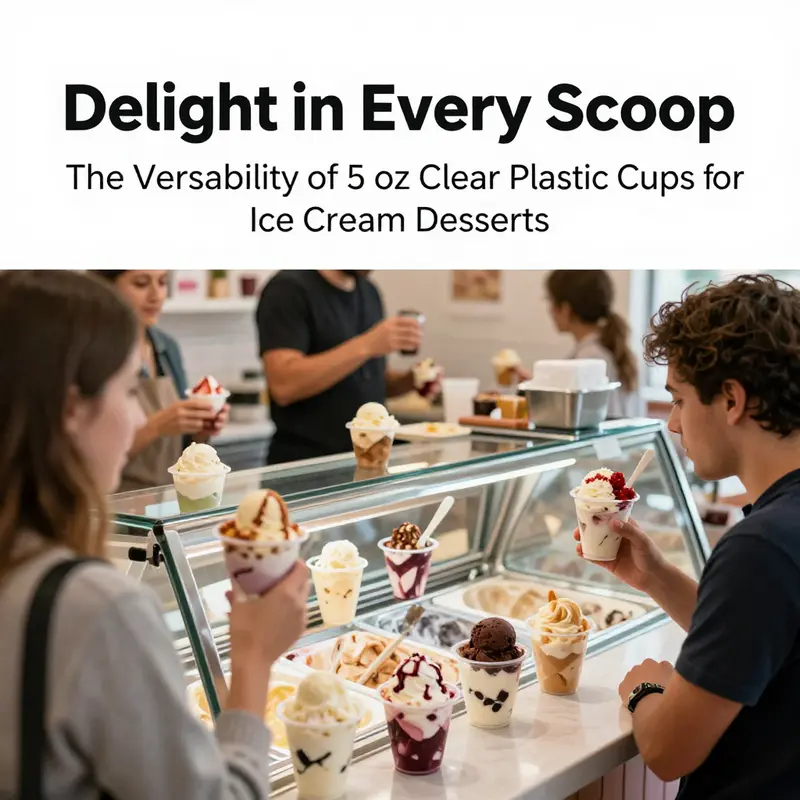
The 5 oz clear plastic cup stands at a quiet intersection of practicality and presentation. It is not merely a container but a small stage for dessert possibilities, especially when the service pace demands both speed and consistency. This size is precisely calibrated for single servings, which helps operators manage portions, reduce waste, and guide guests toward tasting multiple flavors without overindulgence. In a display case or at a self-serve station, the cup’s transparent walls let the dessert do the talking—color, texture, and the promise of a cool, creamy bite all spilling into the customer’s line of sight. A well-chosen 5 oz cup supports a visual narrative that begins before the first spoonful and continues through the last bite, turning simple ice cream into a carefully choreographed experience of flavor and mood.
Materials and durability shape how reliably this narrative can be delivered. Most cups in this category are molded from PET, a clear, food-grade plastic prized for its rigidity and light weight. PET resists cracking under the bumps and squeezes of a busy service window and remains crystal-clear even after long display periods. That clarity is more than cosmetic: it reassures customers that what they see is what they’ll taste, from the swirls of vanilla to the stripe of fudge through a parfait. The surface accepts labeling and simple branding work, which helps a dessert program feel cohesive across counter, takeout, and event settings. PET’s chemical invariants also mean that the cup can handle a range of toppings and sauces without softening or warping, so a drizzle of caramel or a spoonful of berry compote keeps its shape through transport and brief showcases.
A practical design feature for takeout and mobile service is the dome lid. Dome lids with a no-hole design are common, and they’re more than a convenience—they’re a safeguard against spills and a way to preserve the integrity of layered desserts. The extra headspace under a dome accommodates whipped cream, fruit layers, and decorative toppings, without crowding the rim or squeezing delicate textures. This makes the combination of 5 oz cups and dome lids especially well-suited for takeout, catering, and on-the-go consumption in busy venues or at outdoor events. When staff pre-pack cups with domed lids, it streamlines the flow at the counter and reduces the chance of leaks during transit, which in turn elevates the customer’s confidence in the brand’s reliability.
The versatility of the format extends well beyond the counter. In retail settings, small dessert bars, and cafés, these cups enable a practical yet premium approach to dessert portions. A tasting flight of mini sundaes, yogurt parfaits with seasonal fruit, or ice cream samples can be offered without committing to larger, more expensive portions. Home users, too, benefit from portion control and ease of storage: the cups make it simple to freeze homemade ice cream, sorbet, or frozen yogurts in evenly sized servings, which helps keep freezer temperatures consistent and speeds up service when guests arrive with friends or family. The durable PET keeps the contents contained during handling and brief multi-stop outings, so toppings stay neatly distributed rather than merging into a single, pooled layer.
From a presentation standpoint, the clear cup becomes a storytelling tool. The transparent walls reveal the dessert’s layers, inviting curiosity about flavors and textures even before tasting. This is especially valuable when colors shift or layers create a marbled or striped effect. For operators who want to stretch branding without heavy equipment, simple customization options become meaningful. Labels or stickers positioned on the cup or lid can carry a seasonal motif or a sponsor’s logo, turning every serve into a small advertisement—without sacrificing the clean, professional look that customers expect from disposable packaging. The ability to coordinate colors with a theme or event adds an extra dimension to the guest experience, making the cup feel deliberate rather than incidental.
Environmental considerations increasingly influence buying decisions in this space. PET is widely touted as recyclable, and many programs encourage recycling after use. This aligns with a broader push toward responsible disposal while preserving the convenience that customers associate with disposable dessert cups. To maximize the positive impact, venues can set up clearly labeled streams for cups and lids, remind staff to separate materials where possible, and communicate recycling guidelines to guests during peak events. The goal is to balance the operational efficiency of disposables with a thoughtful approach to end-of-life handling, so that the dessert program can maintain speed and cleanliness without becoming a sustainability liability. In practice, this often means offering guidance at the point of sale and providing easily accessible recycling containers near the pickup area.
Cost considerations and bulk options shape day-to-day decisions as much as aesthetics does. The 5 oz format is particularly appealing for tasting menus, sample flights, and take-home portions because it delivers perceived value at a manageable cost. Bulk packs—ranging from hundreds to thousands of cups—align with peak seasons, catering needs, and event-based demand, allowing operators to scale quickly without sacrificing consistency. When paired with dome lids, these cups create a reliable, scalable kit that works for pop-up booths, wedding receptions, charity fundraisers, and school events where service speed and portion control matter. The stackability of PET cups also contributes to space efficiency in back-of-house storage, reducing clutter and making inventory management more straightforward during busy shifts. In such setups, staff can pull from a uniform stock line, minimizing the risk of mismatched lids or incompatible shapes that slow service or confuse guests.
For teams seeking to optimize operations, a few practical routines can yield meaningful gains. Pre-chilling cups and lids can help desserts set more quickly, preserving distinct layers and reducing the risk that toppings melt into the base before a customer sits down. When pre-filling is used, it should be done with care to avoid soggy edges or compromised textures; many venues reserve a dedicated pre-fill station where scooped desserts are capped only moments before serving. A well-organized toppings station—sauces, fruit, sprinkles, and whipped creams—empowers servers to assemble desserts in a matter of seconds, giving patrons the impression of a custom, chef-crafted product even in a high-volume environment. Label-ready cups, with short, legible descriptions of the flavor or allergen information, can further streamline takeout packaging, particularly during lunch rushes or multi-outlet operations that share a common dessert program.
If you are exploring bulk purchasing and want a straightforward reference, you will find relevant, bulk-ready options that include the clear plastic dessert cups described here. Consider the internal resource that consolidates sizes, lids, and compatible takeaway accessories; it helps ensure a consistent supply chain and predictable pricing across locations. The choice of a single, reliable cup system reduces waste, simplifies training for new staff, and creates a uniform guest experience across interactions—from dine-in to takeout and special events. For those who want a direct path to bulk clear plastic cups, the following internal link provides a practical starting point: disposable clear plastic cups.
In closing, the 5 oz clear plastic cup embodies the essence of efficient dessert service. Its combination of clarity, durability, and adaptability makes it a quiet workhorse in many dessert programs, capable of elevating simple flavors into memorable experiences. The format supports fast service without compromising composition, and the lid options extend that convenience into reliable takeout and transport. The transparency invites customers to appreciate the dessert’s layers, while branding opportunities and thoughtful merchandising turn each serving into a tangible touchpoint with the brand. When used with an eye toward sustainability, consistency, and a well-planned stacking and stocking strategy, these cups can enhance both guest satisfaction and operational performance across different service contexts. External considerations aside, the core value remains clear: a well-chosen 5 oz cup helps dessert teams deliver a high-quality, repeatable experience that guests remember long after the spoon has paused over the last bite.
External resource: https://www.amazon.com/dp/B0B1YJ7VXQ
Crystal Vessels for Single-Serve Pleasures: Mastering 5 oz Clear Plastic Cups for Ice Cream Desserts
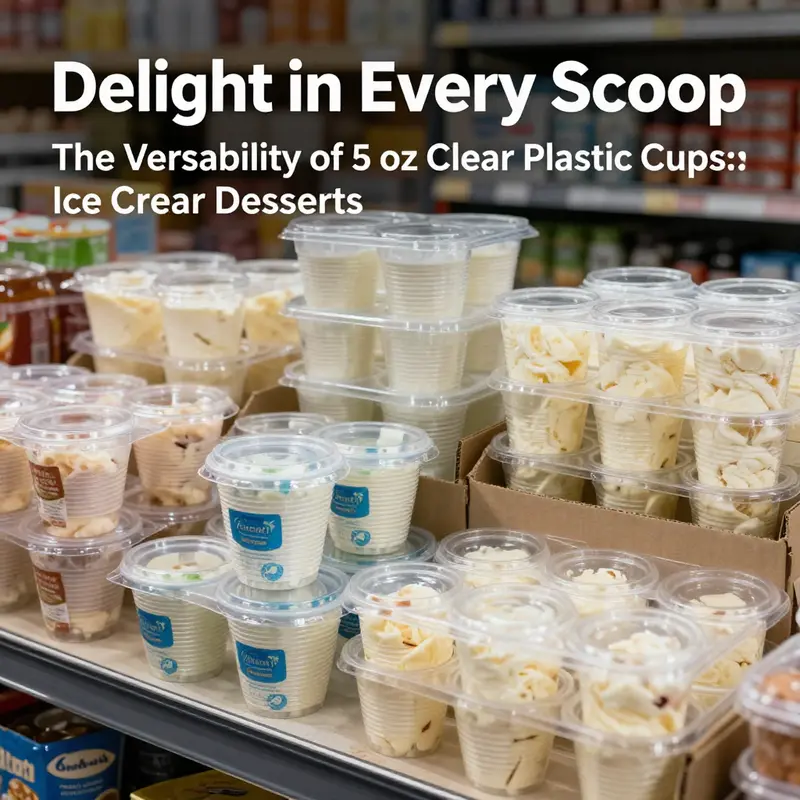
A single-serve dessert can be more than just a treat; it is a micro-environment where color, texture, and temperature meet in a transparent vessel designed to protect and present. The 5 oz clear plastic cup is a quiet workhorse in this space. Its size is carefully balanced: large enough to hold a generous scoop or a layered parfait, small enough to encourage impulse purchases and precise portion control. The clarity of the cup does more than show off a dessert; it is a visual invitation. When customers can see the swirls of vanilla and chocolate, the ribbons of fruit, or the delicate dusting of cocoa, the dessert becomes a moment they want to capture with their eyes before their first bite. The material choice—a food-safe, BPA-free PET resin—provides that glass-like transparency while offering durability and shatter resistance that are essential in busy service contexts. A cup like this pairs with a dome or flat lid to manage transport, preserve freshness, and reduce the risk of spills during takeout or at events. The practical and aesthetic dimensions work in tandem, shaping both the customer experience and the operational realities of serving cold desserts in a fast-paced setting.
When a business evaluates packaging options for 5 oz clear cups, the packaging format itself becomes a strategic decision. A typical small-to-midscale setup might favor a 50-pack or similar pre-packed assortments. This approach keeps inventory predictable and ensures that staff can dispense uniform portions with minimal handling. It also helps control waste, since each unit is a defined serving, reducing the temptation to over-serve in a bid to satisfy customers. For caterers and event planners, bulk purchasing is another viable path. Platforms that facilitate wholesale orders allow buyers to scale up in response to seasonal peaks or recurring promotions. The flexibility to switch between small, ready-to-use packs and larger bulk lots without sacrificing quality is a critical advantage. The result is a supply chain that can adapt as a cafe expands, a dessert bar grows, or a home-baker turns into a neighborhood favorite. To see a practical example of how these cups can be deployed in a real-world setting, you can explore a visually rich option for packaging and presentation at this resource: clear cake cups for dessert packaging.
Beyond the counting of units, the design details matter. The cups are typically produced from PET because the material delivers a combination of clarity and robustness that is hard to beat for disposable tableware. A good PET cup resists cracking when stacked and transported, yet remains light enough for quick handling by staff and customers alike. Clarity is more than cosmetic; it enables the dessert maker’s artistry to shine. The layers in a parfait, the marbling in a churned ice cream, or the gradient from fruit to cream are all on display, turning a simple vessel into part of the dessert’s storytelling. The lids that commonly accompany these cups—domed for whipped toppings and flat for simpler presentations—are engineered to seal effectively. Dome lids, in particular, reduce spill incidents during takeout while preserving foam and airy components that might otherwise flatten if upright during transit. The lid-and-cup combination thus contributes to a consistent, salon-quality presentation from counter to customer. The practical advantages extend to the back of the house as well. Dome lids can be pre-fitted during packaging, speeding up service and limiting contact with the contents. In a service environment where speed and safety are valued equally, such features translate into measurable gains in throughput and guest satisfaction.
The opportunity for customization has grown with the rise of brand-conscious consumers. Suppliers now frequently offer customization options such as logo printing on cups or other design touches that reinforce brand identity without sacrificing food safety or recyclability. Customization can transform a disposable cup into a marketing tool, a small but powerful signal of care and professionalism. When a business uses a consistent, branded presentation for desserts—whether for in-house dining, takeout queuing, or catering events—the perceived value of the entire product rises. This alignment between packaging and the sensory experience of the dessert helps forge a cohesive brand story. It is also worth noting that many of these cups are produced with an eye toward environmental responsibility. Recyclability and the use of sustainable manufacturing practices are increasingly standard expectations. For operators and guests who are mindful of waste, choosing packaging that can be recycled where facilities exist adds a layer of responsibility to the act of enjoying a treat.
In practice, the 5 oz size remains a reliable default for a wide range of applications. While markets occasionally introduce larger formats—9 oz, 12 oz, and beyond—the 5 oz cup’s combination of portion control, cost efficiency, and display versatility keeps it central to dessert programs. The transparent shell supports not just ice cream but also yogurt parfaits, pudding cups, fruit cups, and even small frozen confections. In environments that prize speed and consistency, the standardized shape and size reduce variability, helping staff measure portions and maintain uniformity across dozens of display cases or catering trays. The ability to pair the cup with dome lids means cold desserts can be staged for outdoor events or delivery without compromising quality.
Choosing suppliers is a matter of balancing scale, cost, and branding goals. A smaller venue might lean toward a manageable, ready-to-use pack that minimizes storage space and simplifies inventory. A restaurant or event business preparing for a busy season may opt for larger runs to secure a lower per-unit price, while still maintaining strong quality standards. The procurement decision is not only about price but also about compatibility with existing systems. Compatibility matters in terms of dishwasher safety, if reusables are considered elsewhere in the operation, and in terms of how lids fit securely to the cups to prevent leaks during transport. For many operators, the most sensible approach is to view packaging as an extension of the product line—one that supports ease of use for staff, enhances the consumer’s perceptual value of the dessert, and aligns with the establishment’s sustainability commitments.
From a consumer perception perspective, the appeal of a transparent cup is its honesty. The cup communicates confidence in the dessert inside. It signals that the shop believes in the quality and color of its offerings, inviting customers to scrutinize the layers rather than relying on opaque concealment. This transparency invites a sensory payoff that is immediate and emotionally satisfying—the first glimpse of a well-layered parfait, the bright contrast of fruit against creamy dairy, the gleam of a glossy gel-based topping. For operators seeking to strengthen retail impact, the combination of a reliable 5 oz capacity with clear presentation offers a flexible, scalable path. It supports seasonal menus, limited-time offerings, and promotional sampling, since a uniform cup can be quickly repurposed for different flavors without the need for new packaging architecture. In short, the 5 oz clear plastic cup is not merely a container; it is a stage for dessert artistry and a facilitator of efficient service in diverse settings. The purchasing strategy behind it—whether through small, pre-packed lots or bulk orders via global marketplaces—becomes the operational backbone that enables consistent, compelling dessert experiences every day.
External reference: https://www.walmart.com/ip/100-Pack-5-oz-Clear-Plastic-Dessert-Cups-Disposable-Durable-PET-Cups-for-Ice-Cream-Parfaits-Pudding-More/1234567890
Clear and Conscientious: Redefining Sustainability in 5 oz Ice Cream Cups Without Compromising Clarity

The 5 oz clear plastic cup has earned its place in the modern dessert service as a practical, single-serve vessel that showcases color and texture with a precision that is hard to achieve with bulk bowls or clamshells. The appeal rests on more than just its transparency; it is about a compact, portable experience that fits neatly into a crowd-pleasing format—little scoops crowned with ribbons of fruit, swirls of chocolate, or layers that reveal themselves with a lift of the lid. In busy cafes, on event tables, and at casual gatherings, these cups offer a reliable canvas for pastry chefs, gelato artisans, and home cooks who want to present dessert as an individual moment rather than a shared portion. This fusion of clarity, durability, and convenience is precisely why these cups are so widely adopted, yet it is also why their environmental story matters as much as their domestic practicality. The chapter that follows threads these threads together, showing how clarity does not have to be at odds with responsibility, and how the choices around material and disposal shape the broader impact of a simple dessert cup.
Material choice sits at the heart of the eco-conversation surrounding 5 oz cups. Many of these cups are produced from a clear, rigid plastic that performs well in a dessert context: shatter resistance, light weight, and a surface that shows off the dessert’s colors. The most common resins in play are polyesters and related clear plastics, prized for their ability to hold shape and resist moisture. But the environmental consequences are not incidental. Standard materials that are not easily recycled contribute to waste streams that persist far beyond a single event. In markets where recycling infrastructure is robust, certain cups can be accepted back into the system as recyclable PET or similar resins. In others, the same cups end up in landfills or are diverted to less efficient waste streams. What matters is not only whether a cup can be recycled in theory, but whether it is recycled in practice, which hinges on whether local facilities accept the resin type and whether consumers actually dispose of the cup in the correct stream.
The more nuanced conversation centers on the path from production to disposal. Clear plastic cups used for ice cream typically align with PET or PS in practice, each carrying distinct implications for end-of-life outcomes. PET, when recycled, can re-enter the manufacturing cycle as new containers or other products, helping to close a loop that reduces the demand for virgin materials. PS, particularly the solid plastic variety used in some dessert cups, presents a more complex recycling picture. While not inherently unusable, PS recycling is uneven across municipalities and, in some regions, limited to specialized facilities. The growth of certified biodegradable or compostable variants introduces a new spectrum of options. These cups are engineered to break down more readily in controlled composting environments, though they often require industrial composting conditions to reach the stated end-of-life goals. Certifications such as industrial composting standards provide a level of assurance that a cup will depolymerize as claimed, but the reality of disposal depends on where and how it is discarded. Consumers and businesses alike must verify local capabilities before assuming a universal outcome.
A crucial distinction in sustainability comes from the idea of design for recyclability. Cups that are labeled BPA-free and food-safe align with broad consumer expectations for safety, yet the question extends beyond safety into the realm of lifecycle performance. Choosing cups that incorporate post-consumer recycled content can significantly reduce the environmental footprint by lowering virgin resin demand. Yet this benefit can be realized only if the PCR material does not compromise durability or food safety, and if it can be reliably processed by local facilities. For takeout or catering, the decision often turns on a balance between practical performance and environmental ambition: a cup must tolerate cold temperatures, resist condensation, and maintain its integrity during transit, all while remaining compatible with efficient recycling streams after use.
The practical implications for foodservice operators become clearer when we translate these materials into actionable choices. First, partner with suppliers who can verify resin type, certification for food safety, and whether the cups contain post-consumer recycled content. Second, weigh the trade-offs between a purely recyclable design and a compostable option. A recyclable cup can support a closed loop in communities with robust recycling programs, but it demands consumer participation and municipal capability. A compostable cup can address post-consumer waste in regions with active industrial composting but may require specialized sorting, labeling, and infrastructure. Third, consider the overall packaging system: lids, sleeves, and lids play a supporting role in contamination control, leakage prevention, and user experience. A well-sealed dome lid can sustain dessert presentation during transport, enabling takeout or event service without compromising the cup’s integrity. Each element—cup, lid, and labeling—should be designed with end-of-life realities in mind, so that the experience remains seamless from purchase to disposal.
Educating guests and staff about disposal practices is not a one-off task but a core part of the operating ethos. A clear, concise message can transform the daily act of tossing a cup into a recycling bin into a meaningful participation in a broader system. This is where branding and clarity intersect with responsibility. Companies that invest in straightforward disposal guidance—whether through in-cab signage, napkin notes, or simple cards accompanying the dessert cups—help ensure that the intended recycling or composting pathway is followed. When consumers understand the destination of their cup, they are more likely to choose the sustainable option aligned with local capabilities. In this sense, the cup becomes more than a container; it becomes part of a responsible dining narrative that communicates care for resources and for the people who handle the waste downstream.
To bridge the practical and the aspirational, many operators now emphasize material transparency as part of their service ethos. Labels that indicate resin type, safety certifications, and if a cup includes PCR content can reassure customers that durability and appearance do not come at the expense of the environment. The transparency of the cup mirrors the transparency of the process: what goes into making the cup, what happens after use, and how the end-of-life path is determined by local infrastructure and consumer behavior. When this information is shared openly, it invites a broader conversation about responsible packaging and encourages collaboration among producers, retailers, and customers to optimize outcomes.
The narrative would be incomplete without acknowledging the decision point faced by businesses that supply and use these cups: how far to push eco-credentials while preserving performance and cost. The most effective approach typically centers on three pillars. First, maximize recycled content without compromising strength or clarity. Second, design for recyclability with materials that fit existing municipal capabilities. Third, invest in consumer education that aligns with local recycling or composting realities. The synergy of these pillars creates a lifecycle-wide benefit: less virgin material, clearer disposal pathways, and a stronger connection between dessert presentation and environmental stewardship. It is a disciplined balance rather than a binary choice between eco-friendliness and practicality, a balance that sees the 5 oz cup not as a disposable afterthought, but as a thoughtfully designed product that helps elevate a dessert experience while respecting the ecosystem that sustains it.
For readers seeking deeper guidance on industry standards and best practices, consider exploring a detailed overview of eco-friendly ice cream cups that covers standards, performance, and implementation strategies. This external resource provides a framework for evaluating materials, testing performance under cold conditions, and aligning packaging choices with evolving sustainability expectations. It can be a helpful companion to the broader discussion of clarity and responsibility that frames this chapter. clear cake cups for desserts packaging
In closing, the journey of a 5 oz clear plastic ice cream cup is about more than the moment it holds a scoop of gelato or a parfait. It is about how we design, label, and manage the cup across its life, from manufacturing choices to the daily rituals of recycling and disposal. Clarity remains a powerful feature, but the true measure of the cup’s value lies in the clarity of the system that supports it. When suppliers, operators, and customers work in concert to choose materials with real end-of-life pathways, to implement straightforward disposal messaging, and to align packaging with local infrastructure, the humble dessert cup becomes a small but meaningful participant in a larger push toward sustainable consumption. For further reading on the standards and practical best practices shaping this landscape, see the external resource linked above.
Final thoughts
In summary, 5 oz clear plastic cups for ice cream desserts present a reliable and attractive way to serve various delectable items. Their combination of durability, aesthetic appeal, and diverse applications makes them an excellent choice for businesses in the food service industry. As sustainability becomes increasingly essential, many manufacturers address eco-conscious consumers with recyclable options, enhancing their appeal further. Investing in quality disposable cups is not just a practical choice but a strategic one that can elevate customer experiences and improve operational efficiency.