
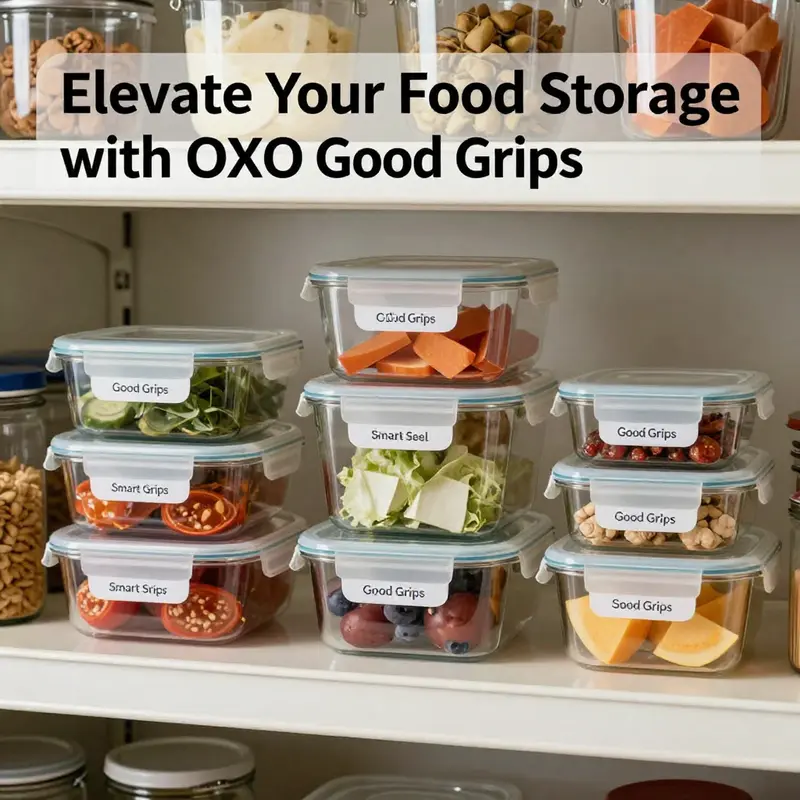
Maintaining food freshness and organization is paramount for businesses in the food industry, from bubble tea shops to corporate caterers. The OXO Good Grips 5.1-Cup Smart Seal Plastic Food Storage Container offers a reliable solution for effective food storage, ensuring ingredients remain fresh and presentation-ready. In this article, we will delve into the key features of this innovative container, explore its significant benefits regarding food preservation, and analyze how it compares against other storage options available in the market.
Smart Seal, Clean Space: The Subtle Architecture of a 5.1-Cup Square Storage Solution
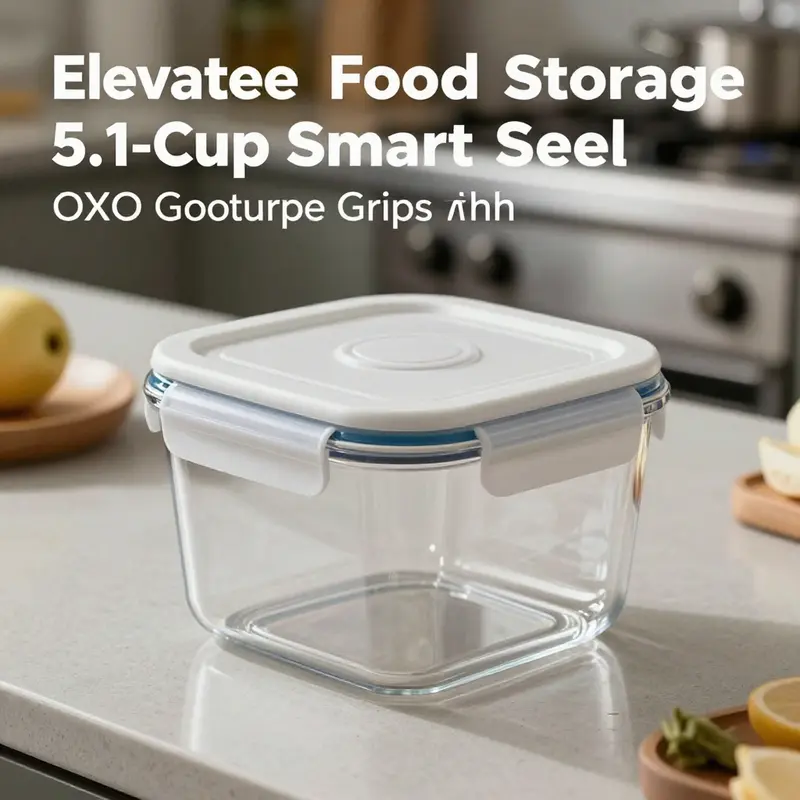
In the quiet choreography of a well-organized kitchen, the right storage containers do more than hold food. They shape how we plan meals, how long leftovers last, and how little of our precious fridge space gets wasted chasing mismatched lids or leaky leaks. The square, 5.1-Cup container at the heart of many modern kitchens embodies this philosophy with understated engineering that quietly improves everyday routines. Its design follows a single principle: freshness is a process, not a momentary condition, and every detail—every seam, hinge, and seal—serves that ongoing effort to keep what we cook and store as close to peak as possible. When you lift the lid and feel the hinge’s give, or hear the click signaling a secure seal, you sense more than convenience. You sense a carefully tuned system that respects ingredients, time, and space, the three forces that determine the quality of the food we eat and the energy we expend in the kitchen.
This container is built around a four-tab locking lid that anchors tightness into habit. The mechanism is not flashy, but it matters. Four points of contact create a sturdy perimeter that resists accidental pops and spills, a reassurance that a lunch bag or a crowded fridge won’t betray your best intentions. The importance of this kind of seal becomes clear only when you’ve experienced a leak that ruins a bag of produce, the alert of moisture creeping into a cardboard sleeve, or the unplanned scent of yesterday’s dinner sneaking into today’s. In a practical sense, the lid’s secure fit translates into less waste, fewer cleanups, and a calmer kitchen rhythm, especially when the container is stacked among other boxes or parked beside a tall bottle of dressing. The lid is not the lone hero, though. It is part of a pair of complementary systems—one that locks, and one that breathes—that together preserve what’s inside with a measured precision.
The material choice further reinforces this respectful approach to food safety and durability. The container is crafted from BPA-free plastic, a decision that aligns with wide consumer expectations for non-toxic storage. This is not merely a compliance note; it signals a thoughtful stance toward everyday contact with food. BPA is not the sole determinant of safety, but minimizing exposure to potentially problematic substances is a standard that grows more important with every fresh harvest, every batch of meal prep, and every child’s lunch that travels through the day. BPA-free construction also tends to be robust against the kind of daily wear that can leave ordinary plastics looking dull or brittle after months of use. The choice supports longevity—containers that survive the dishwasher, the freezer, and the occasional careless carry to the car without clouding or cracking.
A further layer of utility comes from the lids’ interchangeability across the same size in the line. This feature may seem minor, but it unlocks a practical flexibility that helps a busy kitchen stay tidy. Instead of accumulating a shelf full of mismatched pieces, you can mix and match lids to fit the stack that’s already in use. This kind of interchangeability is more than a nicety; it is a design solution to a common headache. The result is a more efficient storage system, where the right lid is more readily found, the right container is more easily repurposed, and the entire setup contributes less to clutter. It is little more than a pragmatic convenience, yet it cascades into measurable benefits: quicker meal prep, easier rotation of ingredients, and a more organized refrigerator that makes the act of cooking feel less like a chore and more like a craft.
Another consequence of thoughtful design is the way these containers nest and stack. The square footprint is not accidental; it is a deliberate choice to maximize real estate in the fridge, the cabinet, and the busy countertop where space is always in short supply. When nested, the containers take up less vertical space, a boon for those who juggle multiple portions or store a week’s worth of ingredients in a single set. Stacking clearly defined ridges and flat, stable bases prevent tipping when a shelf becomes crowded, ensuring that a bag of greens or a prepped protein can rest securely without shifting. This spatial efficiency matters not only in small apartments or dorm rooms but also in households that pride themselves on careful portion control and predictable meal planning. The ability to tuck one container into another and slide it back into a cabinet without wrestling with misfit lids is a quiet but real time-saver.
Visibility is another understated strength of this design. Clear walls allow quick scanning of contents, which reduces the time spent shuffling containers to locate what’s needed. In a kitchen where efficiency and mindfulness about food waste are valued, the ease of seeing what’s inside becomes a daily advantage. It converts guesswork into knowledge: you know at a glance whether a half-empty starter, a chunk of chopped vegetables, or a remaining portion of last night’s dinner still has its dignity intact. This transparency fosters smarter decisions about what to cook, what to freeze, and what to repurpose, thereby supporting a cycle of freshness rather than a tendency toward oblivion in the back of the fridge.
The built-in vent is a feature that reflects a nuanced understanding of how vegetables and fruits respond to storage conditions. Some produce benefits from a little controlled airflow, while others are better kept sealed until they’re ready to be used. The vent in this container can be opened to adjust the internal atmosphere, allowing air to circulate for items that tolerate or even require it, such as apples, pears, and citrus fruits. When venting is appropriate, the container helps slow the onset of moisture buildup that can soften textures and accelerate spoilage. When storage calls for a tighter seal, the vent can be adjusted to reduce air exchange, preserving crispness and concentrating flavors. The vent is not a gimmick; it is a small, purposeful mechanism that recognizes the nuance among produce varieties and storage needs. It invites a more adaptive approach to how we arrange the fridge: a single container can cradle a range of ingredients with different airflow requirements, reducing the need for multiple specialized vessels and simplifying the question of which container to grab for a given recipe.
Maintenance is another field where the design shows care. A removable silicone seal enhances cleaning and reusability. Seals can collect residue from food and, if not cleaned, can compromise an otherwise strong seal. Making the seal removable ensures that every nook and cranny is accessible for thorough washing, which in turn helps sustain the container’s performance over time. The top-rack dishwasher compatibility adds a practical, time-saving aspect to routine cleaning. Home life often pivots on how easy it is to maintain tools and gear, and dishwasher compatibility is a feature that lowers the barrier to ongoing hygiene. The reminder to place such items on the top rack is not merely a safety precaution; it is a tacit acknowledgment of how people actually use kitchen gear—on the busy weekday schedule and the relaxed weekend cadence alike—ensuring that life’s pace does not dictate compromises in cleanliness or safety.
Beyond the immediate practicalities, there is a broader logic at work. The combination of leakproofing, material choice, lid interchangeability, nesting capability, visibility, vented airflow, and washable seals creates a storage system that aligns with a philosophy of thoughtful consumption. It is a stance that values not only the preservation of food but also the reduction of waste and the efficient use of space. When leftovers are stored properly and meals are prepped with a predictable rhythm, fewer groceries go to waste, and the days become easier to navigate. The square shape helps you design a fridge that respects gravity and gravity’s tendency to rearrange chaos into order. The consistent 5.1-Cup capacity offers a natural, repeatable unit for portioning, which can support mindful eating patterns and make it simpler to track intake, whether you’re preparing for a week of lunches or a family’s dinner schedule.
In this light, a storage container ceases to be a mere receptacle and becomes an instrument of daily habit. Its design invites you to think about how you plan meals, how you store components of a dish, and how you reuse ingredients across days. The empty spaces in a fridge can become a canvas for fresh planning when you have a reliable partner in storage. The lid’s secure closure and the container’s resilient shell reassure you that what you put away today will still be ready for tomorrow’s use, with the texture and aroma of its original state preserved as much as possible. The interplay of seal integrity, air management, and visual access creates a rhythm that, over weeks and months, can alter how we approach cooking, how we reduce waste, and how we appreciate the value of organization as an extension of care for the food we choose to prepare and share.
As this chapter threads through the attributes of the container, it becomes clear why a single square, 5.1-Cup vessel can anchor a broader approach to kitchen life. The features described are not isolated gimmicks; they form a cohesive system that translates into tangible benefits: fewer spills, longer freshness, easier cleaning, and a calmer, more deliberate use of space. The result is not merely a more convenient lunch box or a neater refrigerator; it is a framework for thinking about how we store, access, and reuse food, with an emphasis on safety, efficiency, and respect for the ingredients we value. In the end, the true value of such a storage solution lies in how it supports ongoing clarity and predictability in the kitchen—the quiet, practical foundation upon which meals are planned, prepared, and enjoyed.
External resource: https://www.oxo.com/products/5-1-cup-smart-seal-plastic-food-storage-container
The Quiet Science of Freshness: How a 5.1-Cup Smart-Seal Container Prolongs Pantry Life

In the quiet, routine rituals of a well-used kitchen, the science of freshness often hides in plain sight. A sturdy plastic container with a clever lid can do more than just hold leftovers or dry ingredients; it can actively slow the clock on spoilage, defend against the creeping intrusion of moisture, and keep every bite as vivid as the day it was sealed. For anyone who cooks, stores, and plans meals, the right storage vessel becomes a quiet ally—a tool that translates culinary effort into longer-lasting flavor, texture, and nutrition. At the heart of this discussion is a 5.1-cup, smart-seal plastic container designed to be more than a bin for food. Its value lies in the integrated technologies and thoughtful design choices that together form a cohesive approach to preservation. Rather than a single feature, preservation depends on an ecosystem of decisions: how air is managed, how materials interact with food, how the shape and lid behave under real-world conditions, and how easy it is to keep the container clean and ready for its next task. Each aspect matters because preservation, in the end, is practical science translated into everyday life.
Air is both essential and dangerous to food. It carries the moisture that can encourage mold and freezer burn, and it also carries oxygen that can facilitate enzymatic reactions and oxidation that dull flavors and degrade nutrients. In environments like kitchen pantries and refrigerators, even small amounts of air can accumulate over days and weeks, nudging rice, grains, and dried legumes toward staling, rancidity, or loss of aroma. A high-quality storage container counters these risks by establishing an airtight seal. The mechanism is simple in concept but powerful in effect: when the lid is pressed, a push-button action initiates an evacuation of air, removing much of the oxygen and moisture that would otherwise accelerate spoilage. The result is not only a perceptible reduction in exposure to the elements but also a psychological benefit—the confidence that comes from knowing your bulk staples and prepared foods are shielded from the factors that sap their life.
Beyond the airtight seal, the container’s construction contributes to a broader preservation strategy. BPA-free plastic is chosen to minimize potential chemical leaching over extended storage, a consideration that becomes especially meaningful for long-term storage of staples like rice, grains, and dried fruit. BPA-free also aligns with the practical reality that many households reuse containers across weeks or months; a material choice that reduces risk while maintaining the clean, transparent surfaces that make contents visible at a glance. Visibility matters in food storage because it supports better inventory management. When you can see what’s inside without opening the container, you are less likely to forget a bag of rice at the back of a shelf and more likely to plan meals that use existing supplies before they age.
A practical feature that often surprises pantry planners is the built-in vent that accompanies this kind of container. By offering adjustable airflow, the vent acknowledges that not all foods enjoy identical storage conditions. Fruits such as apples, pears, and citrus can benefit from controlled ventilation, especially when stored together with other items that release moisture or ethylene. The ability to regulate air exchange helps to slow dehydration of certain foods while preventing sogginess in others. In effect, the vent becomes a tiny balancing act—enabling micro-environments within the same container that suit the specific needs of its diverse contents. It is not a single magic trick but a nuanced approach to maintaining texture and aroma, a quiet optimization that can measurably extend the perceived freshness of stored items.
Design-wise, the container folds into a practical, space-conscious footprint. A square shape, with a compact profile, stacks neatly with other pieces in a family of containers that share the same sizing. This nesting capability is more than a space saver; it reduces the cognitive load of organization. When every container fits predictably with its siblings, it is easier to rotate stock, plan meals, and keep a tidy fridge or pantry. The clear walls serve a dual purpose: they allow quick visual scans of contents, so you can see at a glance whether you’ve got rice, pasta, or dried beans on hand, and they also contribute to the reasoning behind inventory planning. With visibility comes the ability to apply the principles of first-in, first-out in a practical, ongoing cycle that helps prevent stale staples from lingering beyond their prime.
A wide mouth enhances usability and hygiene. It is easier to scoop, portion, and clean when you can access the container’s interior directly. This matters for rice and dry goods just as much as for leftovers with sauces or herbs that might cling to the lid gasket. The ease of cleaning reduces the chance that residue will harbor microbes or odors, which could otherwise compromise future storage experiences. In this sense, the container’s design supports not just preservation in the abstract but preservation in daily life—an ongoing, repeatable practice that aligns with how people actually cook, store, and re-use foods.
Interchangeable lids further broaden the practicality of a smart-seal system. The concept of lid interchangeability means that you can adapt a set of containers to different capacities while maintaining robust sealing performance. This consistency matters when your kitchen evolves or when you reorganize your pantry to accommodate seasonal produce, holiday baking, or bulk purchases. A closing mechanism that remains reliable across sizes reduces the cognitive and physical effort required to maintain an orderly system. It also reinforces the idea that good preservation is not a one-off event but an ongoing discipline, a routine that becomes easier as the tools you rely on reliably perform across a range of volumes and configurations.
The practical taproot of all these features is how they translate into real-world preservation of staple foods and prepared dishes. Rice, for example, is a common test case for long-term storage. The airtight seal reduces oxygen exposure, which minimizes oxidative reactions that can lead to rancidity in fats and the breakdown of starches. The opaque or semi-opaque nature of many high-quality containers helps limit light exposure, which can contribute to nutrient loss in some foods over extended periods. Together, these elements can significantly extend shelf life when combined with stable storage conditions—cool, dry environments, away from heat sources. In professional settings and home kitchens alike, even modest improvements in seal integrity and material safety can yield meaningful gains in how long food remains safe and flavorful between uses.
In the context of grains such as white rice and brown rice, the preservation window shifts with the type of grain and the surrounding environment. White rice naturally lasts longer when kept in an environment with minimal oxygen and moisture, while brown rice, with its higher oil content, is more susceptible to rancidity and should be stored with even tighter control over humidity and temperature. A trusted preservation specialist notes that an airtight, opaque container in a cool pantry can extend the shelf life of white rice by up to two years and brown rice by about six months. While real-world results depend on temperature, humidity, and cleanliness, the principle remains clear: if you reduce the elements that drive spoilage, you extend the usable life of staples. The 5.1-cup smart-seal container embodies that principle by combining a secure, air-reducing seal with materials designed for safe, long-term storage.
The story of preservation is rarely about a single breakthrough. It is about a reliable workflow that respects both the physics of storage and the habits of the household. The four locking tabs on the lid provide a practical, tactile signal of security. They ensure that the seal remains engaged during transport, which is essential for meal prep on the go, school lunches, or a quick trip to the office. A spill-proof design matters as much in the car as it does in a stacked cabinet; the confidence that contents won’t leak or shift during movement translates into less mess and less waste. For dry goods and leftovers alike, the ability to transport, store, and retrieve without compromise becomes a quiet but invaluable part of daily life.
Stability in storage also means predictability. A square, stackable container makes efficient use of space, which in turn simplifies inventory management. When you can stack several containers in neat alignment on a shelf or in a fridge, you can plan meals with a clear sense of what you have and what you need. This is the practical heart of preservation: a well-organized pantry reduces waste because it makes it easier to see what’s available, plan ahead, and rotate stock before items approach their prime. The container’s design supports not just long-term storage but more deliberate, week-by-week planning—an alignment of physics, usability, and habit that reinforces good preservation practices in a tangible, everyday way.
To extend this discussion beyond mere hardware, consider how households integrate such storage into a broader approach to food preservation. The built-in vent offers controlled airflow, a feature that acknowledges the dynamic nature of food quality. It invites users to tailor the storage environment to the kind of food they are protecting at any given moment. You might keep apples and citrus in one configuration while adjusting airflow for items that benefit from slightly more dryness or more humidity. The principle is flexible, not prescriptive, allowing cooks to calibrate storage to seasonal produce, weekly menus, or the rhythms of a busy household. When paired with safe materials and a careful approach to cleanliness, this flexibility helps sustain food quality with less effort over time.
As with any system designed for preservation, routine maintenance matters. Regularly cleaning the gasket and the interior surfaces helps prevent odor transfer and residue buildup that could otherwise undermine the seal or harbor unwanted microbes. The presence of a removable silicone seal adds a practical cleaning advantage: it can be separated from the lid for thorough washing, ensuring that the seal itself remains pliant and effective over many uses. This feature reinforces the idea that robust preservation requires attention to how gear is cared for, not just how it is designed. In practice, a quick wipe-down after a meal, a weekly deep clean, and a careful dry-before-stow routine contribute to a longer, more reliable life for stored food.
The preservation story also intersects with the human dimension of cooking and eating. When people feel confident in the safety and freshness of their stored ingredients, they are more inclined to plan meals ahead, batch-cook on weekends, and reuse leftovers creatively. The container’s combination of airtight sealing, safe materials, easy cleaning, and ergonomic handling helps transform a routine task—storing food—into a reliable, repeatable process that supports healthier choices and reduced waste. In kitchens of all sizes, these small, well-considered design choices accumulate into measurable benefits: better flavor, longer shelf life, easier organization, and less time spent chasing spoilage. Preservation, after all, is not about denying the realities of decay; it is about shaping the conditions under which decay occurs so it happens more slowly and less often.
For readers seeking a broader context on how such tools fit into household logistics and sustainable practices, consider pairing storage discipline with careful packaging choices that minimize waste and optimize transport. One relevant example in modern packaging discussions is the availability of eco-friendly disposable packaging boxes designed for takeout and storage. These solutions illustrate how even a small step in sustainable design—reusable, easy-to-clean containers and compatible lids across a family of sizes—can harmonize with everyday cooking and storage routines. If you want to explore a practical, real-world option in this space, you can learn more by following a representative example here: eco-friendly disposable packaging boxes for fast-food takeout.
In this context, the preservation lifecycle becomes clearer. The design choices—the airtight push-button seal, the vented airflow option, the BPA-free material, the four locking tabs, the wide mouth, the stackable form, and the lid interchangeability—work together to create a system that supports practical, daily preservation. They acknowledge that storage is not only about keeping food safe but about keeping it convenient, visible, and ready to use. When these principles are embraced, home kitchens can move toward a model of everyday efficiency: meals planned with confidence, ingredients rotated with ease, and leftovers transformed with minimal fuss into fresh, delicious dishes. The story is not one of magic, but of method—where science and habit converge to extend the life of ingredients and the joy of eating well.
External resource: https://www.oxo.com/products/good-grips-5-1-cup-smart-seal-leakproof-container
Seal, Space, and Versatility: A Close Reading of a 5.1-Cup Plastic Storage Solution for Modern Kitchens

Final thoughts
The OXO Good Grips 5.1-Cup Smart Seal Plastic Food Storage Container is not just a storage solution; it’s an essential asset for any food-centric business. Its key features, combined with the significant benefits of food preservation and its competitive edge against other storage options, make it a smart choice for maintaining food quality and efficiency. Investing in reliable food storage solutions like this can lead to greater satisfaction for both businesses and customers alike.