
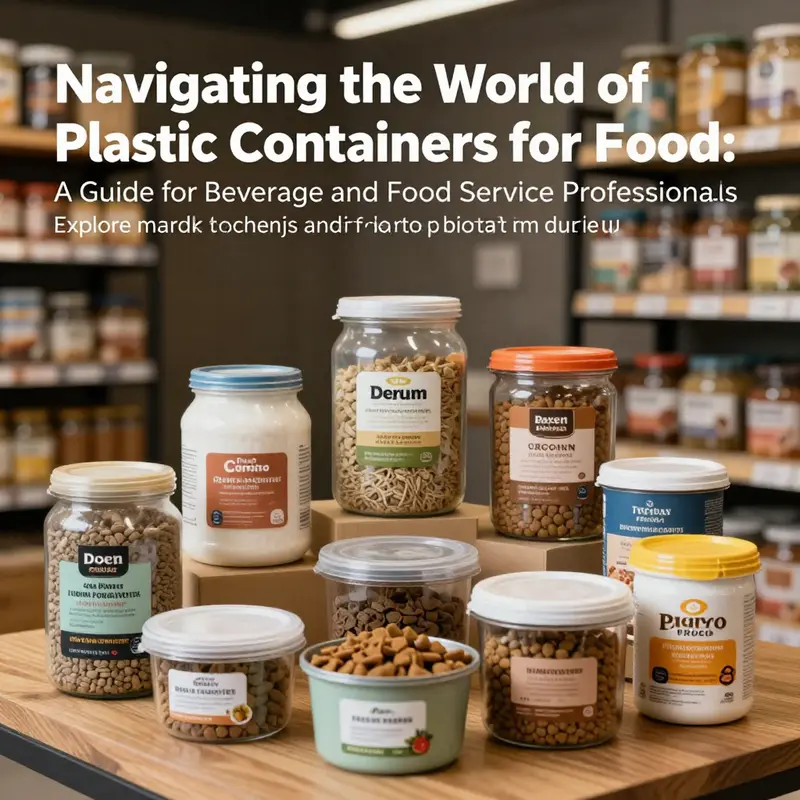
The increasing relationship between pet ownership and consumer spending has led to significant innovations in pet food storage solutions. Among these, plastic containers for dog food have become a staple due to their affordability and convenience. However, understanding the market dynamics, associated safety concerns, and expert recommendations regarding alternatives is essential, especially for businesses operating in the food and beverage industry. This thorough exploration will dissect market trends, highlight critical safety considerations, offer expert suggestions on safer alternatives, and examine the broader impact of these containers on pet health and environmental sustainability. As we delve into each chapter, you’ll gain valuable insights to make informed decisions that prioritize both efficiency and safety in your storage practices.
Rethinking the Pantry: Market Shifts Redefining Plastic Containers for Dog Food

Treating a dog as family changes how households manage every aspect of care, including the simple act of storing food. The chapter on plastic containers for dog food cannot be separated from the broader currents shaping packaging: sustainability, safety, and the demand for convenience all collide in the way owners, manufacturers, and retailers approach storage. In recent years, plastic has remained a dominant workhorse for dry dog food because of its durability, light weight, and cost-effectiveness. Yet the long-term health implications of microphysical contact between pet food and plastic have sparked a growing debate among veterinarians, scientists, and informed consumers. Even containers marketed as “safe” or “BPA-free” are facing scrutiny because the journey from raw polymer to pantry-safe storage is not a single stop but a continuum of materials, design choices, and usage patterns. The evolving landscape suggests that the market is not abandoning plastic but reimagining its role—balancing function with safety, and convenience with responsibility.
Across this evolving landscape, several forces converge to redefine what “good storage” means for dog food. First, there is a pronounced shift toward eco-friendly packaging. The appeal of high-barrier, sustainable packaging is not merely a public relations message; it translates into tangible benefits for product integrity. When moisture and oxygen are kept at bay, dry dog food maintains its crunch, aroma, and palatability longer. This is crucial because odor and texture are often the first signals a pet owner uses to judge freshness. Second, regulatory developments are accelerating the transition toward recycled content and improved end-of-life outcomes. The EU’s Packaging and Packaging Waste Regulation, known to industry watchers as PPWR, sets a clear horizon: by 2030, packaging in the European market must contain at least 30% recycled content. This mandate nudges brands toward recycled plastics, better recycling streams, and more robust circular economy strategies. Third, consumer expectations have broadened beyond shelf life to include transparency, safety, and aesthetic appeal. Pet owners increasingly view packaging as part of a brand’s promise, not merely a container. The interplay of these forces shapes how plastic containers for dog food are designed, marketed, and ultimately used in homes.
Safety concerns surrounding plastic storage are not new, but they have gained renewed attention as ownership practices evolve. A body of research and professional opinion cautions that plastic, even when labeled BPA-free, may still be associated with chemical migration over time. Substances such as bisphenols and certain plasticizers have been shown in some contexts to leach into contents, particularly when fatty dog foods are stored for extended periods. The risks extend beyond the chemical to include physical and biological hazards. Micro-pores and seams in storage containers can harbor residual fats that oxidize, producing off flavors and, over time, promoting microbial growth. Mold and spoilage not only undermine nutrition but can provoke digestive upset in dogs or trigger more serious health issues, especially in pets with sensitive stomachs or compromised immune systems. While the science on exact risk levels remains nuanced, the precautionary stance advocated by many veterinary professionals, including many in the field, is to minimize prolonged contact between pet food and plastic containers and to prioritize materials with a proven track record of inertness and cleanliness.
Against this backdrop, manufacturers and retailers adopt a layered approach to packaging. In many markets, traditional plastic containers retain strong demand for dry dog food because they deliver reliable protection against moisture, pests, and contamination, and because they are cost-efficient for large-scale distribution. However, the push toward safer and more sustainable alternatives is creating a spectrum of packaging options that coexist with plastic. Paper-based packaging, in particular, is gaining traction due to its biodegradability, recyclability, and branding potential. This shift is not simply a reaction to consumer sentiment; it reflects real product design decisions aimed at reducing life-cycle impact and simplifying supply chains. Market data indicate that consumers in several major markets are willing to pay a premium for packaging perceived as environmentally responsible. In online platforms and retail channels, surveys and observational data consistently show a willingness to accept a 5–10% premium for brands that demonstrate clear commitments to sustainability and visually appealing packaging.
Yet the story is not one of plastic decline alone. The industry is leveraging innovations inside the plastic sphere to address concerns about shelf life and safety while preserving the advantages that plastic offers. Multilayer barrier films, incorporating recyclable or bio-based polymers, are being developed to enhance moisture barriers and oxygen control without sacrificing recyclability. Lightweighting—reducing material usage while maintaining integrity—has become a core design objective, not only to lower material costs but also to improve transport efficiency and reduce the climate footprint of distribution. In some cases, these advances are complemented by hybrid solutions that combine the protective performance of plastic with the environmental benefits of paper-based elements. Designers explore clever geometries, seal technologies, and cleaning-friendly architectures to make containers easier to sanitize and reuse, while ensuring that the primary function—keeping foods dry, safe, and appealing—is not compromised.
Regulatory pressure and consumer demand are converging on a shared aim: packaging that is more transparent about content, safer in use, and more responsible in disposal. The PPWR framework informs not only the amount of recycled content but also the design for recyclability. Containers must be easier to recycle, with fewer adhesives, coatings, or composite layers that complicate end-of-life processing. In practice, this accelerates the adoption of materials that can be efficiently sorted and processed in recycling streams, such as certain grades of PET or HDPE, along with compatible barrier additives. It also encourages manufacturers to pursue circular packaging models—designs intended from the outset to be returned, collected, and reprocessed into new containers. This is not mere theory; it is a practical shift seen in the broader packaging ecosystem, and it will gradually shape the dog food segment as well.
The market’s appetite for eco-conscious solutions is not limited to recycled content alone. There is a burgeoning interest in materials that reduce overall footprint without compromising safety or convenience. Beyond recycled content, there is exploration into bio-based polymers and compostable alternatives for select applications. While these options are not universally suitable for all dog foods—especially some long-life or high-fat formulations that require robust barrier properties—they demonstrate a willingness in the industry to diversify material strategies. The objective remains consistent: deliver dependable storage that preserves freshness and nutrient integrity while aligning with environmental responsibilities and regulatory expectations. This balancing act is why the market continues to rely on plastic for certain segments, but with much more sophisticated thinking about materials, design, and end-of-life outcomes.
From a practical standpoint, the lesson for pet guardians is to understand that the simple act of choosing a container is now a decision embedded in a broader value proposition. A container is not just a seal and a lid; it is a choice about how the pet’s food will stay fresh, how the packaging will be disposed of or recycled, and how the product aligns with the owner’s own sustainability commitments. The idea that a container should be light, cheap, and leak-proof is no longer sufficient if it carries a risk of chemical migration or creates a disposal burden that complicates recycling. Instead, a modern approach blends a well-sealed container with materials that are easy to clean, nonreactive with fats and oils, and compatible with recycling streams or composting infrastructure where available. In many households, this translates into a practical preference for materials that can tolerate a regular cleaning routine, resist odor absorption, and withstand repeated opening and closing without losing seal integrity.
The governance around food storage for pets also encourages better handling practices in homes and in the supply chain. It is no longer enough to rely on the container’s own claims; responsible ownership means rotating stock, preventing prolonged exposure of food to any storage medium, and regularly inspecting containers for cracks, warping, or signs of mold. These behaviors are part of a broader safety culture that recognizes the complexity of modern pet nutrition, where fat-rich formulations are common and the risk of spoilage rises with storage time. Veterinary guidance often emphasizes maintaining a cool, dry environment and avoiding direct sunlight to further slow degradation and limit microbial growth. While not all of these steps are unique to plastic, they become particularly salient in the context of plastic’s interaction with fats and odors over time.
Within this evolving framework, brands are also paying more attention to the consumer experience in the kitchen. The visual appeal of a container matters because it communicates quality and care. Transparent or frosted plastics, tactile seals, and intuitive pouring and scooping designs are part of a package that helps owners manage feeding routines more efficiently. Yet, even as aesthetics improve, the deeper questions remain: what is the lifecycle impact of a given container, and how straightforward is it to recycle at the end of its usable life? The converging trends point toward a spectrum of solutions rather than a single winner. In practice, households may use glass or stainless steel for primary storage where feasible, especially for households seeking the utmost in inertness and durability. Meanwhile, plastic remains attractive for travel, garages, and multi-dog households where easy stacking, lightness, and cost are decisive.
To connect these threads, one can consider a hypothetical yet practical scenario. A family with two dogs buys a large dry food container designed with a robust seal and a modular lid system. The container keeps the contents dry and preserves flavor for weeks. Over time, however, the family learns that fats from the dog food can accumulate in tiny crevices and, if the container is used repeatedly without thorough cleaning, odors begin to linger and the product’s freshness indicators become less reliable. The family then experiments with alternatives: a glass jar for a shorter-term portion, a stainless-steel canister with a superior seal for longer storage, and even an eventual shift to packaging that uses higher recycled content and is designed to be recycled more easily after use. This practical journey illustrates how the market’s push toward safer, more sustainable packaging translates into real-life decisions about how households care for their dogs. It also mirrors the wider industry trend toward harmonizing performance, safety, and environmental stewardship in packaging strategies.
In this context, one internal narrative stands out: the future of dog food storage will be characterized by smarter materials choices, smarter design, and smarter consumption patterns. Smart materials will include barrier systems capable of maintaining product integrity while meeting recyclability criteria. Smarter design will focus on seal reliability, ease of cleaning, and compatibility with a range of storage environments—from kitchen cupboards to pet areas that experience fluctuating temperatures and humidity. Smarter consumption will reflect how owners approach shelf life, stock rotation, and disposal, guided by transparent information from manufacturers about material composition and end-of-life options. The convergence of these factors signals a market that is not simply adapting to constraints but actively shaping them, with consumer preference and regulatory standards acting as powerful levers for change.
The trajectory is not merely theoretical. Market intelligence and consumer research suggest that demand for sustainable packaging is not a niche concern but a mainstream expectation in many regions. In several large markets, data indicate a willingness to support brands that demonstrate a clear environmental and safety profile, even when it means paying a modest premium or adjusting purchasing routines. This sentiment translates into strategic moves for suppliers and retailers: increase the recycled content in plastic formulations where feasible, invest in barrier technologies that preserve product quality while enabling recyclability, and provide clear, consumer-friendly information about how to dispose of or recycle containers. As packaging strategies evolve, the dog-food aisle will increasingly feature packaging that communicates safety, sustainability, and practical convenience in a single, coherent story.
For readers seeking a broader lens beyond the immediate product category, the external market perspective is instructive. The pet food packaging market has grown in tandem with the broader packaging industry’s push toward sustainable solutions. Reports project continued expansion of recycled-content use, advances in barrier performance, and shifts toward hybrid packaging designs that combine plastics with paper-based elements to balance functionality and environmental impact. These dynamics shape not just what we buy for our dogs but how manufacturers look at product stewardship as a core business discipline. The practical upshot for consumers is clear: when choosing storage solutions, consider both immediate needs—ease of use, odor control, cleaning—and longer-term implications—recyclability, end-of-life handling, and the container’s compatibility with a sustainable lifestyle.
From a policy perspective, the momentum toward recycled content aligns with broader climate and waste-management goals. The packaging guidelines that emphasize recyclability and recycled content are driving industry investment, competitive differentiation, and supply-chain innovation. While some markets may implement these requirements at different speeds, the underlying objective remains stable: reduce environmental impact while maintaining product safety and consumer trust. In dog food packaging, this translates into continued experimentation with material science and design that respects the pet’s health as well as the planet. As the market matures, expect further disclosures from manufacturers about material choices, testing for chemical migration, and ongoing improvements in the safety profiles of storage containers used for pet foods.
For readers who want to explore related discussions outside the immediate scope of dog food but relevant to packaging decisions in the home, a broader reference point offers useful perspective. See the external resource for a market-wide view on how recycled content and packaging innovations are shaping consumer goods, including pet food. https://www.grandviewresearch.com/industry-analysis/pet-food-packaging-market. At the same time, practitioners and enthusiasts can investigate practical examples of sustainable packaging in related domains that illuminate what is possible when design, materials science, and consumer behavior align. To illustrate a practical move toward sustainability within the packaging ecosystem, one can explore examples of eco-friendly takeout boxes and containers used in various food-service contexts, which share core principles of barrier performance, recyclability, and user-friendly design. For instance, eco-friendly takeout boxes for food packaging demonstrates how packaging solutions can blend aesthetic appeal with functional performance and responsible material choices.
In sum, the market trends surrounding plastic containers for dog food reveal a cohesive narrative: plastic remains indispensable for certain storage needs, but its role is increasingly conditioned by safety considerations, environmental imperatives, and regulatory expectations. The industry is moving toward smarter materials, smarter designs, and smarter usage patterns that together deliver on the triple promise of freshness, safety, and sustainability. For pet guardians, this means staying informed about the materials and end-of-life options associated with the containers they use, embracing storage practices that minimize risks, and supporting brands that pursue transparent, responsible packaging strategies. The chapter closes not with a definitive verdict but with a practical orientation: shop for containers that preserve nutritional integrity, reduce environmental impact, and come with clear guidance on care, cleaning, and disposal. This balanced perspective will help ensure that the seemingly ordinary act of storing dog food remains a reliable cornerstone of your dog’s health and wellbeing, now and into the future.
External reference for broader market context: https://www.grandviewresearch.com/industry-analysis/pet-food-packaging-market
Hidden Risks in Plastic Dog-Food Containers: Safeguarding Pets Through Safer Storage Choices
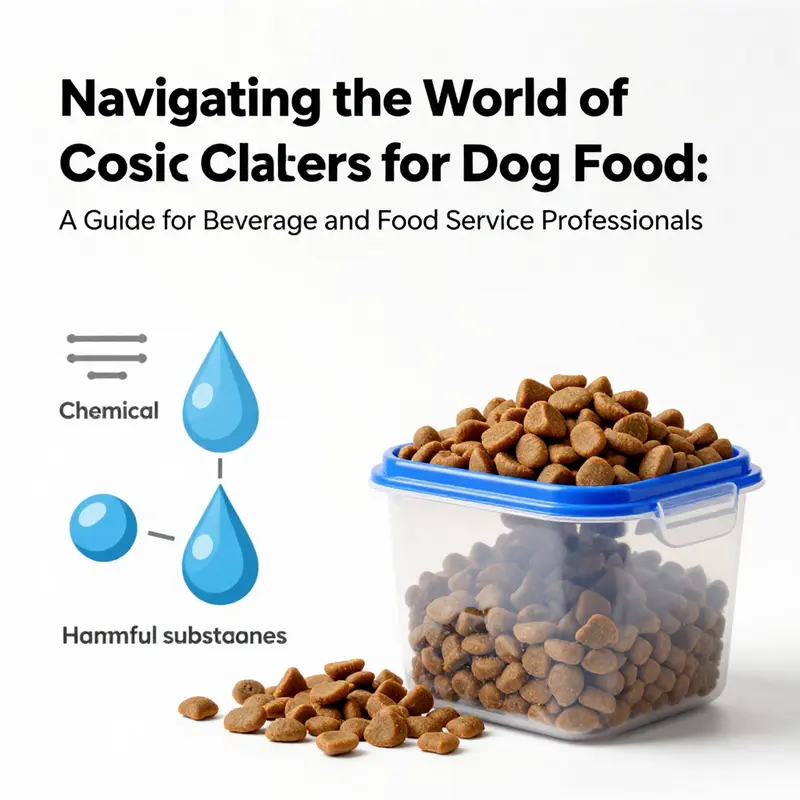
When people imagine the daily rhythm of a pet household, the sight of a plastic bin on the kitchen floor or a stack of sealed canisters by the pantry often signals order and efficiency. Yet the very utility of plastic storage for dog food hides a set of questions that go beyond convenience. This chapter invites readers to look past the glossy, claim-laden packaging and examine what happens when bags of fat-rich dog foods sit in contact with plastic over weeks and months. The heart of the matter is less about immediate spoilage and more about the subtle, long-term interactions between food, container material, and the pet who depends on that food for nourishment, energy, and health. Plastic is not inherently dangerous, but its safety profile is nuanced, especially when used for long-term storage of fatty pet foods. The risk calculus becomes more complex when one considers heat exposure, repeated opening and sealing, and the natural wear that develops in a plastic vessel over time. In that space between function and safety lies a set of practical considerations that every pet guardian deserves to weigh as they choose how to store dog food in their homes.
To begin, a central concern is chemical migration. Modern dog-food containers are often made from plastics labeled as food-grade and designed to minimize the migration of substances into the food. Still, migration is not an impossibility, particularly with fatty foods. Substances such as bisphenol A (BPA) and various phthalates have historically attracted scrutiny for their potential endocrine-disrupting effects. Even when a product is marketed as BPA-free, it is important to recognize that other chemicals used in plastics can play a similar role in hormone signaling pathways. In the context of dog nutrition, where the gut and metabolic systems are finely tuned, any chronic exposure to such compounds—however small the daily dose—raises legitimate questions about long-term health outcomes. While the exact risk level may vary based on the material, the design of the container, and the dog’s susceptibility, the precautionary principle remains a prudent guide for pet guardians who want to minimize unnecessary chemical contact with food.
In practice, many commonly used plastics for food storage fall into categories such as polyethylene terephthalate (PET), high-density polyethylene (HDPE), and polypropylene (PP). These materials are widely regarded as relatively safe for food contact when used as intended. Yet the safety verdict hinges on several conditions: the exact formulation of the plastic, the presence of any additives, whether the container is intact, and whether the container has been subjected to heat or damage. A container that has developed microcracks, discoloration, or a rough interior surface can become a site where food interacts with the polymer in ways that may not be present in a pristine sample. In such cases, the risk of chemical migration or physical contamination grows. Moreover, heat—whether from a dishwasher cycle, a warm kitchen, or storage near a heat source—can accelerate migration, particularly for fatty foods whose components have a greater affinity for lipophilic materials. This is especially relevant for dog foods rich in fats and oils, which are precisely the types of meals many dogs enjoy because of palatability and energy density.
The mechanism of risk extends beyond chemical migration. Fatty dog foods do not simply stay inside their bags; they can seep into micro-fissures and interstices within a plastic container, where fats can oxidize and degrade over time. Oxidation products can alter flavor and aroma, and more importantly, they may contribute to a form of spoilage that is not yet fully visible to the eye. The intersection of fat migration, oil infiltration, and microbial growth becomes a triad of concerns. In sealed environments, the risk may be contained, yet seal integrity matters just as much as the material itself. A container with a compromised lid, warped gasket, or imperfect seal can invite moisture, air, and contaminants into contact with the dog food. Moisture is a facilitator of mold and bacterial growth, and mold can produce a range of mycotoxins that are harmful to dogs when ingested, even in small amounts. The cumulative effect of these factors—migration of compounds, oxidation of fats, and microbial proliferation—can manifest as digestive upset, reduced palatability, or, in rare cases, more serious health consequences over time.
Guidance from veterinary professionals and pet-health researchers repeatedly emphasizes caution with long-term storage of dog food in generic plastic containers. While many clinicians acknowledge that perfectly sealed, high-quality food-grade plastics can be safer than porous or damaged containers, they also point out that plastics designed for non-food use or containers with visible wear should be avoided. This is not a blanket condemnation of plastic storage, but rather a call for discernment: opt for materials and designs that minimize chemical contact and maximize seal performance, and regularly inspect containers for signs of wear or damage. A practical interpretation of this guidance is to prioritize containers that can be cleaned thoroughly, do not retain odors, and maintain an airtight seal under normal kitchen conditions. In other words, the goal is to reduce opportunities for fat migration, moisture ingress, and microbial growth, thereby protecting the dog’s nutrition and overall health.
From a regulatory and safety standpoint, there is a broad consensus that materials used for food contact must meet certain safety standards. The U.S. Food and Drug Administration (FDA) provides guidelines on food-contact materials, outlining questions and answers that help manufacturers and consumers understand what constitutes acceptable practice. For pet guardians who want to dig deeper, these guidelines offer a framework for evaluating the safety of containers used to hold dog food. The core message is not that all plastics are dangerous, but that safety hinges on the material’s chemical resistance, its stability under conditions of use, and its freedom from hazardous substances that could migrate into food. When readers encounter labels such as “BPA-free” or “food-grade,” it is essential to interpret them in the context of the broader safety landscape. BPA-free labeling reduces one specific risk, but it does not automatically guarantee absolute safety against all potential migratory substances. The chain of evidence underscores the importance of selecting containers designed for food storage and maintaining strict hygienic practices around food handling and storage.
Given this nuanced landscape, what does prudent practice look like for households storing dog food in plastic? First, consider the container’s material and design. Containers made from robust, food-grade plastics with proven resistance to fat migration, combined with airtight seals, are preferable. Yet even with these characteristics, ongoing durability matters. A container may perform well when new, but over time, repeated opening, washing, and exposure to ambient temperatures can degrade seals and create micro-leaks, undermining the protective barrier between food and the external environment. Regular inspection is therefore essential. Look for cracks, delamination, clouding of the interior, or a lid that no longer closes evenly. Discard and replace any container showing signs of compromise. In a food-storage context, the cost of a replacement is a small price to pay for reduced exposure risk to a pet with a sensitive gut or metabolic concerns.
Another layer of consideration concerns how to store containers themselves. The storage environment matters as much as the container. Cool, dry, and dark places are ideal for minimizing heat exposure and degradation. Direct sunlight and heat sources can raise the interior temperature of the container, accelerating chemical reactions and fat oxidation. Conversely, damp environments invite mold growth within the container or on the exterior, especially if the seal has already become less than perfect. The practical upshot is to position food-storage containers away from heat sources, maintain a stable room temperature, and keep humidity in check. An orderly, rotating system—using older portions first and marking dates—helps ensure that food is consumed well before approaching the end of its shelf life. This not only preserves palatability but also reduces the likelihood of spoilage that could harm a dog’s digestive system.
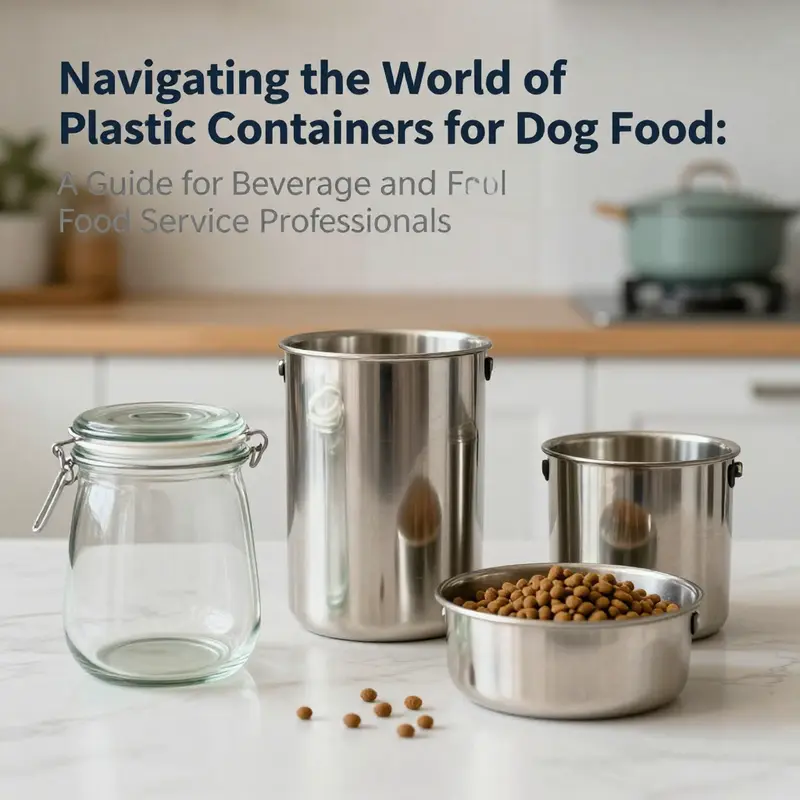
In terms of materials, there are legitimate advantages to moving beyond plastic for long-term storage. Glass and stainless steel containers present compelling safety profiles: glass presents minimal risk of chemical migration, is easy to clean, and is highly resistant to odors and staining. Stainless steel containers offer durability, corrosion resistance, and a natural barrier to chemical interactions with the contents. Each option carries its own practical considerations: glass can be heavy and breakable, while stainless steel requires careful cleaning to prevent any residual odors or contamination. For many households, a hybrid approach works best: using glass or stainless steel for primary storage and reserving plastic for short-term or travel use, when the risk window is narrower and the container can be thoroughly cleaned between uses. The core idea is to align the storage solution with the duration of storage and the dog’s health profile, rather than defaulting to a one-size-fits-all plastic approach.
A frequently overlooked, yet simple, strategy is to maintain fidelity to the original packaging when feasible. The original dog food bag is designed to preserve freshness, and many bags include desiccants or oxygen absorbers meant to mitigate spoilage. If you must transfer food to a container, ensure that the outer vessel is of food-grade quality and that the transfer process minimizes exposure to air and moisture. A secondary practice is to keep the container clean and dry between refills. Residual oils, moisture, or food particles can transform a container into a micro-habitat for bacteria and molds. Thorough drying before re-filling and a regular cleaning routine help keep the storage environment aligned with best-practice safety standards.
In discussing safer storage, it is important to acknowledge how consumer choices intersect with daily practicality. Plastic containers are attractive for their affordability, light weight, and the convenience of a tight seal. These are compelling advantages for busy households and multi-pet homes. The question is whether convenience should eclipse long-term health considerations. The answer will depend on individual circumstances, including the dog’s health status, the frequency of food purchase, and how long the food typically sits before being consumed. For households that buy in bulk or feed multiple dogs, the cumulative risk of repeated exposures is not negligible. In such cases, adopting more resilient storage solutions—such as glass or stainless steel—can reduce risks associated with long-term fat migration and microbial growth, while also simplifying cleaning routines and inspections.
Consideration should also extend to how containers are used in daily life. It is common to reuse containers that previously held other non-food items, or to buy second-hand options that may have unknown residues. In either case, this increases the chance that prior contaminants or residues could mingle with dog food, compromising safety. The guiding principle is straightforward: select containers clearly designated for food storage, maintain them in good condition, and avoid reusing containers that show signs of wear or that previously stored non-food substances. When in doubt, replacing an older container with a new, food-grade option is a wise investment in pet health. The goal is not to strain budgets with an excessive number of specialized vessels, but to establish a storage setup that consistently minimizes exposure to potentially harmful substances and preserves the integrity of the dog’s meals over time.
The narrative above is not a manifesto against plastic; rather, it is a call for mindful selection, inspection, and use of any storage material in the context of dog nutrition. If plastic remains a practical choice for many households, the emphasis should be on choosing designs that emphasize durable seals, avoiding containers that show wear, and aligning storage duration with the container’s performance characteristics. It is also prudent to recognize that not all plastics behave identically under the same conditions. Some are engineered specifically for prolonged contact with fatty foods and rapid temperature changes; others, especially those used for general packaging, are not designed to endure repeated cycles of washing and exposure to air and moisture. In short, the safety of plastic storage depends on both the material’s intrinsic properties and the user’s maintenance of the container over time.
For readers who wish to explore alternatives that align with a cautious safety posture, there are practical options that balance safety, convenience, and cost. Transitioning to glass or stainless steel for primary dog-food storage reduces the likelihood of chemical migration and mold growth, while still offering a straightforward cleaning routine. If a plastic container must be used, selecting one that is explicitly designed for food contact, labeled as BPA-free, and able to maintain a tight, durable seal is essential. Regular inspection—checking for cracks, warping, staining, or degraded seals—should become part of a routine, not an afterthought. In addition, consider keeping an eye on the environment where food is stored: a cool, dry, and dark area helps preserve the food’s quality and reduces the conditions that foster microbial growth. The overarching message is that storing dog food responsibly is a continuous practice, not a one-time decision, and the tools chosen should support that ongoing diligence rather than undermine it.
To deepen the practical relevance of these considerations, readers can explore products and packaging solutions that emphasize sustainability and safety in everyday contexts. For instance, a broader look at consumer packaging highlights how even convenient takeout and storage options can benefit from thoughtful material choices and robust design features. You may come across options described as eco-friendly or greentech-oriented, which foreground the minimization of chemical migration and the enhancement of seal performance. While such products are not dog-food-specific, the underlying principles—selecting food-contact-safe materials, ensuring durable seals, and avoiding damage-prone designs—translate directly to home pet-nutrition storage. When choosing a container, remember that the safest path is a combination of appropriate material selection, intact seals, clean handling, and a storage environment that minimizes exposure to heat, light, and moisture.
For readers who want a concise reference on safety standards and practices related to food contact materials, the FDA guidelines linked in the broader materials provide a compelling starting point for understanding what constitutes acceptable design and use. They offer a framework for evaluating plastics used in food storage, helping pet guardians interpret labels, assess risk, and make informed decisions about containers and handling procedures. As you continue to navigate the choices around dog-food storage, keep in mind that the most protective approach is to combine a clear understanding of material properties with disciplined maintenance and proactive replacement of worn containers.
If you are curious to see practical packaging examples that align with the safety-first mindset described above, you might explore examples of food-grade containers and related packaging solutions that emphasize durability, ease of cleaning, and reliable seals. In particular, consider formats that can be cleaned thoroughly without retaining odors, and that can be sealed tightly enough to limit air exposure. Such considerations are not merely about cleanliness; they directly impact how long dog food stays fresh, how well fatty components are preserved, and how readily pets accept their meals without compromising health. Viewed through this lens, the chapter becomes a practical guide rather than a theoretical warning—a guide that helps guardians tailor their storage choices to the realities of pet nutrition, household life, and long-term wellbeing.
For readers seeking a direct reference to consumer resources, consult the external material on food-contact guidelines. It offers a broader regulatory perspective and complements the day-to-day decisions pet guardians make in their kitchens. As you move forward through the article, the ideas discussed here about material safety, seal integrity, and storage conditions will connect with discussions on food sourcing, freshness, and feeding routines, ensuring a cohesive understanding of how container choices influence not only the shelf life of dog food but also the health trajectory of the dogs who rely on it.
Internal resource for further reading: eco-friendly takeout boxes for food packaging.
External reference: FDA Guidelines on Food Contact Materials can be consulted for a broader regulatory context and is a valuable companion to the practical considerations outlined above. See https://www.fda.gov/food/food-contact-materials/food-contact-materials-questions-and-answers for more details.
null
null
Between Convenience and Caution: The Health and Environmental Footprint of Plastic Dog-Food Containers

For many households, feeding a dog highlights the backstage of pet care: how we store the food that nourishes our animals. Plastic containers sit at the intersection of practicality and caution. They are light, affordable, and widely available, shielding kibble from moisture, pests, and air that accelerates staleness. Yet the story extends beyond convenience to the material itself, its manufacture, and the life cycle that follows after the lid clicks shut. The questions extend beyond practicality: how safe are these materials for a dog’s health, and what is the broader environmental cost over years of use and disposal? The narrative around plastic dog-food containers is, at its core, about balancing everyday practicality with the long tail of health and sustainability.
From a health perspective, plastic is not just a neutral shell. It can be a vehicle for chemical additives designed to give plastic its properties—rigidity, flexibility, and durability. Bisphenol A (BPA) is well known, but other additives may migrate into food, especially with heat, moisture, or fatty contents. BPA-free labeling provides some reassurance, and many containers marketed as food-grade or BPA-free are designed to minimize risk. However, literature warns that BPA-free does not guarantee total safety. Other bisphenols or plasticizers may occupy the same niche, and their long-term effects on hormones, metabolism, and gut health are still studied. In practical terms, even BPA-free does not guarantee safety; risk is mitigated but not eliminated, especially with repeated washing and occasional heat exposure.
A crucial dimension is how plastic interacts with the contents. Dog food, particularly fatty varieties, sits at the interface of chemistry and microbiology. Fats can migrate into microscopic pores and seams, causing oxidation and rancid flavors, and potentially digestive upset if consumed. Residual fats in micro-cracks can also harbor mold or bacteria if moisture enters. The storage environment becomes a factor in a dog’s gut health and overall wellness.
The life cycle matters too. Long-term use wears down seals and gaskets, creating micro leaks. Hairline cracks or scratches can develop with regular cleaning and handling, altering the internal climate and encouraging condensation, odor transmission, and microbial growth. The practical takeaway is that even a sturdy container today may be far from ideal after years of use.
HDPE and PP containers labeled as food-grade and BPA-free are often considered safer options, but the story is nuanced. Physical integrity matters: hot-water washing and abrasive tools can abrade surfaces and create micro-scratches that harbor fats and microbes. Temperature fluctuations can accelerate deterioration. The ideal scenario is clear labeling, sturdy design, and vigilant maintenance. The trade-off between convenience and risk becomes a personal calculus, shaped by the dog’s health needs and the household’s tolerance for maintenance.
Environmentally, plastic’s durability translates into a long end-of-life journey. Contaminated containers are hard to recycle into high-quality products, and energy-intensive processes do not guarantee recovery as premium material. Discarded plastic often ends in landfills or less desirable places where degradation is slow and microplastics can enter ecosystems. The footprint includes raw materials, production energy, and emissions. The cumulative effect is a significant contribution to plastic waste streams that continues as households accumulate more containers.
Alternatives often align with long-term health and environmental goals. Glass jars with airtight seals resist chemical migration and can be cleaned to high standards. Stainless steel offers durability and non-toxicity, though weight and fragility are considerations. Some owners keep the original packaging and use a well-sealed inner bag or desiccant within a dedicated container, balancing containment with material stewardship. Flexible solutions like silicone storage can be durable and easy to clean, but silicone can degrade with certain exposures, and residues can harbor microbes if not maintained.
A practical approach combines careful material choices, regular maintenance, and end-of-life thinking. Choose containers clearly labeled as food-grade and BPA-free, with a robust seal. Inspect for cracks and gasket wear, and replace when wear is evident. Do not expose containers to prolonged heat or direct sunlight, and clean interiors with non-abrasive brushes and mild detergents, ensuring no soap residues. Rotate stock and consider using multiple containers to limit repeated exposure of a single material.
Veterinary guidance often emphasizes a precautionary approach. Practitioners like Dr. Karen Becker advocate safer material choices when possible, while recognizing that plastic storage can be part of a practical routine. The point is to layer safeguards: durable, inert storage, meticulous cleanliness, and a balance between convenience and health and environmental responsibility.
Daily routines can reflect these choices. Some households dedicate a single container to dry kibble and a separate one for treats, both kept cool and dry away from heat. Others use a glass jar for main storage and a smaller sealed container for dispensing. Regular opening, scooping, resealing, and washing accumulate wear over months and years, underscoring the importance of regular inspection.
The broader takeaway is not to vilify plastic per se but to adopt smarter choices. Favor materials that resist migration, resist wear, and are easy to clean; maintain interiors; avoid heat exposure; and plan for end-of-life practices that minimize waste. This approach aligns daily practice with current science and stewardship, recognizing that the health of a dog depends on many small, well-considered choices.
Finally, a practical framing for readers is to view plastic containers as one piece of a larger packaging conversation. The same design decisions—barrier properties, usability, and cradle-to-grave considerations—apply across everyday containers. If you seek a fuller picture of packaging sustainability, consider cross-domain comparisons that highlight how materials, durability, and disposal policies shape environmental impact.
Final thoughts
The journey through the world of plastic containers for dog food elucidates crucial considerations for businesses in the food and beverage sector. As we have explored, while these containers offer practicality, they also pose significant health risks and environmental challenges that cannot be overlooked. Embracing alternatives such as glass or stainless steel containers not only enhances pet health but also aligns with sustainability goals. By staying informed about market trends and prioritizing safety, your operation can both protect pets and positively impact the environment. Let informed decisions around pet food storage be your commitment to both business success and community well-being.