
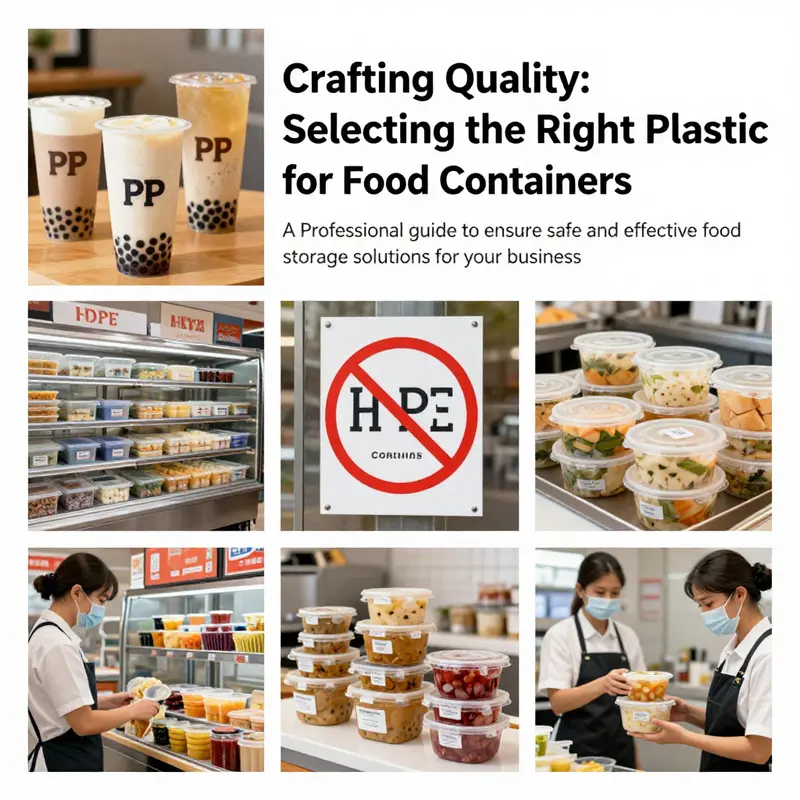
In the dynamic world of food services—from bubble tea cafes to gourmet catering—selecting safe and reliable food containers is paramount. Choosing the right plastic materials can significantly affect food quality, customer satisfaction, and compliance with safety regulations. This article explores the most recommended plastics for food contact, namely Polypropylene (PP) and High-Density Polyethylene (HDPE), while also addressing materials to avoid. Each chapter will delve into specific material properties, best practices, and guidelines that cater directly to the needs of beverage chains, restaurants, food trucks, catering services, and event planners. By the end, you’ll be equipped to make informed decisions that promote safety and sustain your business operations.
Polypropylene at the Core: How PP Shapes Safe, Reusable Food Containers in a Modern Kitchen

Polypropylene sits at the center of many modern decisions about what to store, serve, and heat in the kitchen. Its prominent role in food containers stems from a practical balance of strength, thermal tolerance, and chemical inertness that matter to both households and food producers. When a consumer places a reusable box, a baby bottle, or a microwaveable tray in the path of hot food, the material has to perform without compromising safety or flavor. PP delivers on that front, and it does so with a clarity that makes it a default choice in many sanitary and serviceable applications. The material is light, reasonably rigid, and surprisingly resistant to impact, which translates into containers that tolerate everyday life on the go, in the fridge, and during the occasional bump of a dishwasher cycle. Above all, polypropylene is valued for its heat resilience, chemical stability, and broad regulatory acceptance, which together create a dependable platform for both household use and consumer packaging across the food system.
From a materials science perspective, PP’s standout feature is its heat resistance. It can endure temperatures up to about 130°C (266°F), a threshold that enables safe microwave reheating for short durations and allows boiling water to clean or sterilize containers when needed. This high heat tolerance is not just a matter of convenience; it is a practical safeguard that helps preserve the integrity of food during quick reheats and during processes that require sanitization between uses. The stability under hot water, steam, or brief direct heating means fewer warps, leaks, or structural failures that could otherwise release unwanted substances into food. In this sense, PP behaves as a reliable workhorse for households that demand both safety and flexibility from their containers. In addition, its chemical stability ensures that acids, bases, and many organic solvents do not readily degrade the polymer or migrate into food. This makes PP suitable for a cautious approach to storing a wide range of meals and beverages, including those with citrus, vinegar, or light oil components, when used within recommended limits. The combination of heat tolerance and chemical inertness is a cornerstone of PP’s reputation as a safe contact material for everyday food storage and preparation.
Nonetheless, the dialogue around PP is not simply a celebration of performance. It sits within a broader safety framework that continuously evolves as new research and regulatory considerations emerge. In recent years, concerns about microplastics and long term exposure have sharpened the public and scientific focus on materials used for infant feeding and direct contact with hot foods. A pivotal study in Nature Food highlighted that heating polypropylene baby bottles with hot water can release large numbers of microplastic particles. That finding does not negate the material’s overall utility, but it does underscore the need for careful handling, appropriate use, and ongoing assessment of long term exposure, especially for the most vulnerable populations. It also points to a broader precautionary principle: the way PP is heated, the duration of exposure, and the types of foods involved can influence the extent of any particle release. In response, researchers and regulators are increasingly attentive to how repeated heating, particularly with fatty or sugary foods, might affect the safety profile of PP containers, and they emphasize avoiding damaged or aged containers that show wear. This nuanced picture helps explain why recommendations emphasize short duration reheating, gentle handling, and the retirement of any container that shows signs of degradation.
The regulatory landscape around PP has begun to reflect both confidence in the material and a call for tighter controls that address new research findings. In East Asia, for example, policymakers have started to recalibrate safety margins by tightening the permissible content of certain substances and introducing more transparent pathways for the use of recycled PP in food packaging. South Korea’s Ministry of Food and Drug Safety, for instance, has proposed revisions that include stricter management of harmful substances such as specific phthalates and related additives, alongside tighter limits on heavy metals. The aim is to reduce potential migration without compromising the circular economy goals that many companies now pursue. A notable feature of these regulatory developments is the creation of a green channel for physically recycled PP that comes from pure, food grade PP waste within a closed loop. The concept is not just about recycling for its own sake; it is about ensuring that recycled material maintains enough purity and is subjected to rigorous cleaning and quality control so that safe standards are preserved even as packaging moves toward greater sustainability. This approach reflects a broader shift in the packaging industry toward circularity, without sacrificing the safety plate that underpins consumer trust in food contact materials. The regulatory dialogue, therefore, is increasingly about balancing performance, safety, and environmental responsibility, rather than choosing one objective at the expense of another.
In parallel with these developments, work continues to chart the life cycle and safety performance of PP in direct contact with diverse foods and in self heating or self warming contexts. The body of evidence points to important nuances. PP’s robust heat resistance supports a wide range of applications, including microwave safe meal containers and containers used for hot or warm foods in controlled circumstances. At the same time, the dynamic nature of safety science means that ongoing monitoring is essential to detect any shifts in material behavior under real world use. For instance, studies that probe microplastic release under high heat and with specific food matrices remind manufacturers and researchers to consider the interaction between polymer, heat, and content. This is not a critique of PP as a material, but rather a call to manage its use with a deliberate safety framework that contemplates both immediate performance and long term implications. It also means that self heating or self warming designs based on PP require careful validation across temperature profiles, contact with fats, and the presence of additives, to avoid unintended outcomes.
The narrative around which PP should be used where also intersects with sustainability considerations. PP is often celebrated for its durability and compatibility with recycling streams, especially when compared with some alternative plastics that pose greater challenges in end of life management. The possibility of reclaiming PP through closed loop or near closed loop systems aligns with circular economy goals and can reduce the overall environmental footprint of food packaging. However, achieving truly safe circularity relies on stringent quality controls, careful material provenance, and rigorous testing to ensure that recycled PP maintains its food grade status after cleaning and processing. Here, the so called green channel for recycled PP becomes more than a policy label; it embodies a practical strategy for maintaining safety while closing the loop around packaging waste. Producers who engage in these closed loop cycles tend to emphasize traceability, evidence of food grade purity, and the absence of contaminants that could migrate into food. In this way, PP becomes not just a material choice but a system of accountability that supports safer packaging across multiple life cycles. Consumers increasingly expect both safety and sustainability, and PP’s potential to satisfy both is a key reason it remains central in the conversation about plastic materials for food containers.
For consumers who want to translate these developments into everyday decisions, practical guidance matters as much as the science. First, look for clear labeling that signals food grade compliance and regulatory alignment. Labels indicating compliance with safety standards, such as GB 4806.1–2016 where relevant, offer reassurance that the container has been evaluated for contact with food. Second, inspect containers for visual cues. Transparent, smooth surfaces are generally preferable to colored, opaque, or matte finishes, not only for aesthetics but also because dyes and fillers can sometimes reflect impurities that influence leaching behavior. Third, avoid repurposing single use bottles for hot foods or oils. Water and beverage bottles are designed for one time use, and their composition and surface finishes may not be suitable for repeated heating or contact with varied food types. Fourth, regularly check for physical signs of wear, such as scratches, cloudiness, or warping. These are practical indicators that the material’s barrier properties may be compromised, increasing the likelihood of chemical migration or microbial harboring. And finally, when in doubt about the safety of a given container or its suitability for heating a particular food, err on the side of caution and replace older or damaged items. These guidelines help translate the science into everyday safety and practical decision making, ensuring that PP continues to serve as a reliable backbone for reusable and microwave safe containers while acknowledging the evolving evidence base.
A note on the broader materials ecosystem can help connect the PP story to a larger manufacturing and consumer landscape. Although PP is highly compatible with many food contact applications, it is not the only option. HDPE remains a top choice for non heated cold storage due to its excellent chemical resistance and lower risk profile when heating is not involved. PVC should be avoided for most food contact uses because of potential phthalate migration, and PET is generally managed as a single use option with heat limits that make it unsuitable for repeated heating or robust reuse. PC, another material once common in certain baby bottles and reusable containers, is now avoided in many circles due to concerns about BPA and related bisphenols. The practical takeaway is not to abandon PP but to recognize the conditions under which each material shines and to apply a risk-based, evidence-informed approach to material selection, use, and end of life. In other words, the PP story is not about a single triumph but about a delicate balance among function, safety, and sustainability that continues to evolve as science refines what we know about microplastics, chemical migration, and lifecycle impacts.
In tying these threads together, it becomes clear that polypropylene is a keystone material for food containers because it affords usable heat tolerance, reliable chemical compatibility, and a track record of regulatory acceptance. Yet the field keeps refining its guardrails as new insights emerge about microplastics and long term exposure. The push toward a circular economy adds a new layer of complexity and opportunity. A green channel for recycled PP in food packaging shows promise, but it also demands robust controls, thorough cleaning, and careful source material management to maintain safety across generations of containers. In this evolving landscape, PP’s appeal endures because it provides a practical solution to the everyday needs of households and the collective goals of industry: safety, efficiency, and the possibility of more sustainable packaging practices that still safeguard what people put into their bodies. The result is a material that remains central to conversations about plastic for food containers, not as a flawless ideal but as a rigorous, adjustable platform that can meet changing standards, consumer expectations, and environmental aspirations.
To connect these themes with everyday choices, consider how a family naturally integrates safety and convenience. A reusable PP lunchbox, kept clean and undamaged, can become a workhorse for meal prep and daily reheating. Its compatibility with short microwave reheating cycles lets families reduce waste without sacrificing safety. The same PP material, when kept in good condition, can endure the routine wear of a busy kitchen without becoming a hazard. At the same time, responsible usage means recognizing when a container has aged or shows signs of wear and choosing to replace it rather than continuing to reuse a compromised vessel. The conversation about PP thus blends scientific insight with practical stewardship: use the material within its heat and chemical comfort zone, avoid aging containers and high risk cooking scenarios, and stay attentive to evolving regulatory and safety findings. As researchers continue to quantify microplastic release and explore long term exposure, the PP narrative remains a dynamic, evidence driven story rather than a static endorsement. The outcome is not simply a safer kitchen, but a more informed approach to packaging that aligns everyday practice with broader public health and environmental goals.
Internal link for related packaging concepts: eco-friendly takeout boxes for food packaging, a resource that showcases how packaging design and material choices intersect with safety and sustainability in practical contexts. This example illustrates how the industry is translating regulatory and scientific insights into real world products that are designed for microwaving, cleaning, and reuse while maintaining a clear commitment to safety and performance. By exploring such links, readers can better understand how a polypropylene based system fits into the larger packaging landscape and how circular economy principles can be operationalized through careful material selection, rigorous cleaning, and transparent labeling. The ongoing conversation about PP therefore touches not only the chemistry of plastics but also the logistics of waste management, supply chain responsibility, and consumer education, all of which reinforce the central place of polypropylene in safe, reusable food containers.
For readers seeking a deeper dive into the safety assessment of polypropylene in food applications and the shifting regulatory context, a detailed scientific resource provides a comprehensive overview of current knowledge and future directions. This resource offers nuanced discussion about direct food contact applications, self heating scenarios, and the evolving regulatory landscape that shapes how PP is used in packaging and containers. External link: https://www.sciencedirect.com/science/article/pii/S026802092300277X
null
null
Avoiding the Hidden Dangers: Steering Clear of Hazardous Plastics for Safer Food Containers
Choosing a plastic container for food is more than a matter of color, shape, or price. It is a careful balancing act between convenience and safety, where heat, fats, acidity, and time all play roles in how a material behaves once it meets food. This chapter pulls back the curtain on the materials that should be treated as red flags in the kitchen and the storage areas of homes and workplaces. It also points toward safer paths, showing how to read labeling, understand regulatory signals, and select alternatives that reduce the risk of chemical migration into meals. The emphasis is not on one universal law but on the principle that, when heat and fat come together, the potential for interaction between plastic and food increases. In practical terms, this means that some plastics, though common and inexpensive, should be avoided for food contact, especially when warm or fatty foods are involved, and others become preferable because of their stability and safety profile under a range of conditions.
Central to this conversation is the recognition that safety in food contact plastics is a multi-faceted issue. It includes the chemical composition of the polymer, the presence or absence of residual additives, the presence of additives that can migrate under heat, and the device or vessel in which the material is used. The literature emphasizes that certain materials have long-standing safety records and are widely used in consumer products precisely because their properties resist migration under normal usage. Polypropylene (PP) and High-Density Polyethylene (HDPE) are often highlighted as reliable choices for a wide range of applications. They tend to offer a favorable balance of heat resistance, chemical stability, and relatively low risk of leaching when used as directed. But even these champions come with caveats that consumers and professionals should heed.
When food contact is heated, the dynamics change. PP demonstrates notable resilience, with a high heat tolerance that makes it a common choice for microwave reheating and certain sterilization steps like boiling water in containers designed for that purpose. However, the caveat is real: prolonged heating, particularly with fatty or sugary foods, can shift the leaching landscape. Recent ecotoxicology research has suggested that repeating microwave exposure to PP containers may lead to microplastic release, especially if the containers show signs of aging or damage. This is not a condemnation of PP; rather, it is a reminder to use such containers for short heating intervals, to avoid heating in damaged or worn containers, and to be mindful of repeated cycles that are beyond the intended use. The practical takeaway is simple: PP is a strong choice for disposable or reusable containers that will be heated briefly, but it should not be treated as indestructible and should be retired when signs of wear appear.
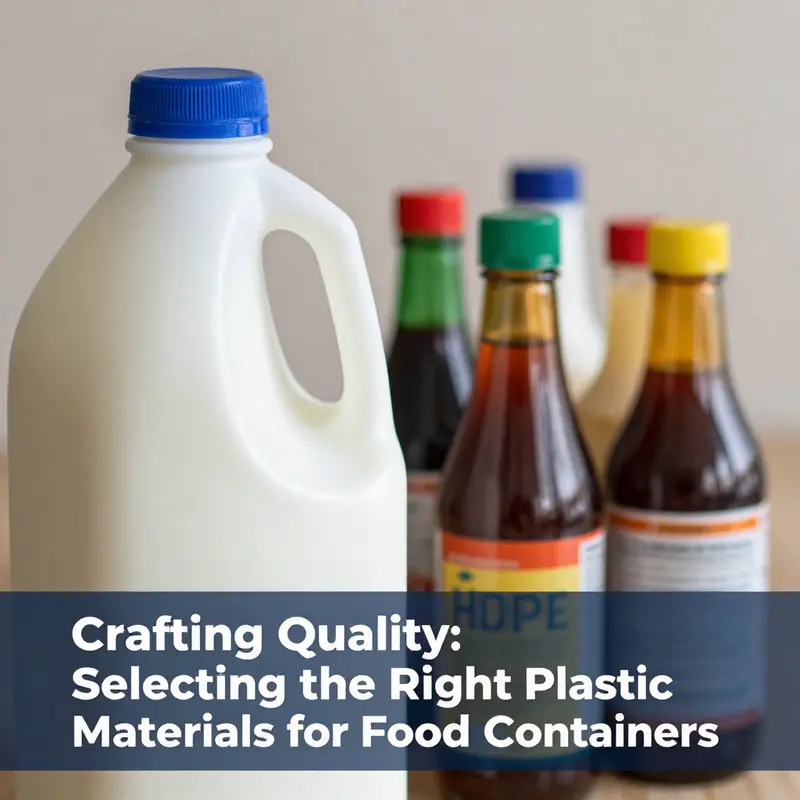
HDPE, by contrast, is prized for cold storage and non-heated uses. It resists many acids, bases, and other reactive substances, making it dependable for storing acidic liquids and foods for which high temperature exposure is unlikely. Its chemical resistance is a meaningful advantage. Yet HDPE is not a container for hot meals or for use in microwaves. Its thermal thresholds sit around the point where heat can soften or deform the material. When heated, HDPE softens around 90°C and melts near 130°C, and prolonged exposure to warm conditions can increase the risk of deformation and leaching of additives if present. That combination of strength and heat limitation is unusual in the plastics world, and it clarifies why HDPE is often selected for cold storage and non-heat applications, including certain beverage jugs and meal-prep boxes that are kept in the refrigerator or freezer rather than heated directly in the container.
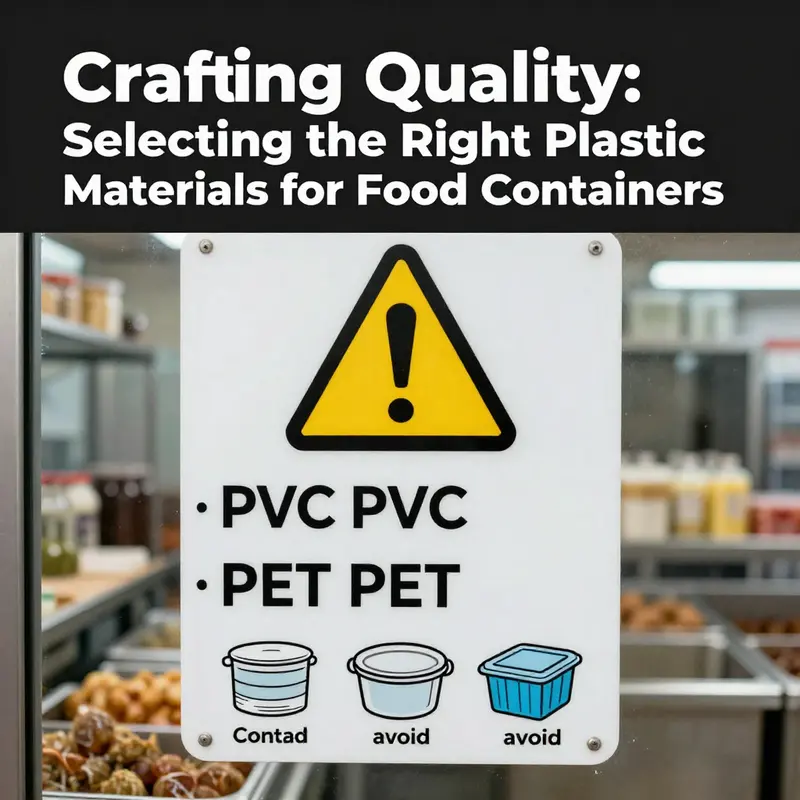
Against this backdrop, there are materials that should be avoided for food contact, particularly when heat or fats are involved. Polyvinyl chloride (PVC), identified by the #3 recycling code, is a frequent source of concern due to the presence of phthalates, which act as plasticizers. These additives can migrate into food, especially when fats or oils are in contact with the container. The potential health concerns span endocrine disruption to possible carcinogenic effects, and the regulatory environment in many jurisdictions reflects a cautious stance. In many countries, including China, PVC has been prohibited for food packaging because of these risks. The practical implication for households and kitchens is straightforward: PVC should be avoided in containers used for storing or heating foods, and wraps or films containing PVC should be used with great care and ideally avoided for hot foods.
Polyethylene terephthalate (PET), recognized by the #1 recycling code, is another material that demands careful handling. PET is widely considered safe for single-use cold beverages and cold storage. It is not designed for repeated use or heating. The risks associated with PET become more pronounced when containers are reused or exposed to heat. Repeated use can increase the leaching of antimony and other contaminants, and heating PET-containing containers can accelerate material degradation. This means PET is best reserved for cold storage reminders or single-use purposes, rather than a go-to for reheating or long-term storage of hot dishes or oily residues. The message here is not a blanket ban on PET; rather, a call to respect its design intent and to avoid repurposing or heating PET containers.
A related caution concerns polycarbonate (PC), widely recognized for its toughness and clarity but infamous for its BPA content. BPA, or bisphenol A, is an endocrine disruptor that can mimic estrogen in the body and has been linked to a range of health concerns, particularly in infants and young children. Although many markets have banned BPA in baby bottles and certain products, older PC containers or those from less regulated sources may still contain BPA, or other substitutes like BPS that carry their own set of concerns. The takeaway is clear: avoid relying on PC containers for baby feeding and other high-risk situations, especially when there is a possibility of heat or fatty foods coming into contact with the material. In modern practice, many families turn to glass or heat-stable, BPA-free plastics for baby bottles and similar items. For general food storage, PC is not a universal solution; where possible, safer alternatives should be preferred, especially for heating or repeated use.
Beyond these core materials, it is essential to recognize the danger of heating any plastic wrap not explicitly designed for microwave use. Wrapping materials and films can be deceptively convenient but may contain PVC or other plastics not intended to bear high heat. When subjected to microwave energy, hidden plasticizers and additives can migrate into the food, with fats acting as solvents that facilitate this transfer. The climatic realities of modern kitchens—speed, convenience, and a diverse range of foods—can tempt quick, hasty decisions, but the risk is real and cumulative. A wrap that melts or deforms under heat is not merely a cosmetic failure; it is a potential exposure pathway for chemicals that should not ride along with meals.
The practical consequences of this knowledge go beyond a shopping list. They shape how households organize their kitchens, how they think about meal prep and storage, and how they approach the reuse of containers. A core principle emerges: avoid repurposing single-use bottles for food storage, particularly for hot foods or oils. The idea of “one-time-use” design often signals a material and manufacturing choice that is not well-suited to repeated exposure to heat and fatty foods. Scratches, cloudiness, or warping in any container are not merely cosmetic flaws. They indicate material breakdown, which can accelerate chemical migration and degrade both food safety and sensory quality.
Reading labels becomes a critical skill in this landscape. Look for clear indicators of food-grade safety and appropriate standards, such as compliance labels that reference recognized standards. In several markets, this includes documentation like QS certification and compliance with GB 4806.1–2016, China’s national standard for food contact materials. A straightforward signal of suitability is a designation that the container is explicitly labeled for food contact and temporary heat exposure. When in doubt about a container’s heat tolerance or chemical stability, err on the side of caution. Choose PP or HDPE for typical storage and basic reheating tasks, but keep an eye on the container’s age and physical condition. Replace old or damaged containers promptly.
The consumer’s toolbox for safer choices includes knowledge of alternatives and a practical mindset about usage. For many, this means selecting glass, ceramic, or certain high-heat-stable plastics such as PP for reheating tasks, and reserving HDPE for cold storage, non-heated uses, and packaging that will stay in the refrigerator or freezer without heating. It also means recognizing when the packaging is serving more as a protective shell than as a heat-transfer vehicle. For baby bottles and other items exposed to baby feeding scenarios, many experts advise glass or PPSU (Polyphenylsulfone) as safer, heat-stable options that are inherently BPA-free and robust under repeated cleaning and sterilization cycles. In essence, the safer path is to favor materials with a proven safety record under the expected usage scenario and to eschew materials that carry a history of regulatory scrutiny and consumer warnings.
As we connect these threads from chemistry to everyday cooking, the practical philosophy becomes clear: safety in plastic food containers rests on understanding the material’s design, its permissible use, and how heat and fat interact with it. This is not about a single universal solution but about a spectrum of choices aligned with intent and usage. For everyday refrigeration and cold storage, HDPE and PET can be appropriate when handled correctly. For reheating, brief microwaving, or sterilization, PP remains a strong option when used as intended and replaced when signs of wear appear. In all cases, the emphasis is on labels, on the integrity of the container, and on not pushing a material beyond its designed purpose.
To help translate these ideas into everyday practice, consider a few actionable steps. First, always check for labeling that explicitly states food-grade safety and heat tolerance. A notice such as GB 4806.1–2016 compliance signals a commitment to regulatory standards that reflect safety testing. Second, choose containers that are transparent, smooth, and colorless. Dyes and fillers can increase leaching risk, so a simple, clean appearance often correlates with a more stable formulation. Third, refrain from repurposing bottles originally designed for beverages for storing hot foods, oils, or spices. Such containers often lack the structural resilience or chemical composition to withstand repeated exposure to heat and fats. Fourth, scrutinize the container’s condition. Scratches, cloudiness, or warping are red flags that point to cumulative material degradation and higher potential for chemical migration. Finally, adopt a habit of rotating containers and retiring older items that have been subjected to repeated heating and cleaning cycles. A proactive replacement routine reduces risk and preserves meal quality over time.
In the larger frame of food safety, the dialogue about plastics is evolving. It intersects with regulatory developments, manufacturing innovations, and consumer education. As guidelines become more precise and as new materials enter the market, the emphasis remains steadfast: choose the safest material for the specific task, observe the limits of use, and prioritize containers that demonstrate stability under the conditions you actually use them in. For those who want a practical anchor in this evolving landscape, a simple rule of thumb helps: favor PP for heating and everyday use and HDPE for cold storage and non-heated tasks; avoid PVC for any direct food contact, especially when fats or oils are involved; treat PET as suitable for single-use cold scenarios rather than multi-use heating applications; and minimize or avoid PC entirely in contexts involving infants, and in any situation where heating or prolonged contact with foods is likely. This approach supports safer meals, clearer labeling, and a more reliable, thoughtful use of everyday packaging.
The discussion here is not merely academic. It informs how kitchens, schools, food service operations, and homes across neighborhoods manage the materials they rely on daily. It informs procurement choices in settings where containers are used as part of a larger food safety program. It informs consumer decisions at the point of purchase and at the moment of use. It also serves as a bridge to the next chapters, which will build on these safety principles by exploring surface design, recycling pathways, and the broader environmental considerations that accompany material choice in the food packaging ecosystem. In sum, the chapter on materials to avoid complements the broader narrative: safe, durable, and appropriate plastics for food contact exist, but they require discernment, attention to use, and a mindful respect for the limits of each material.
For those seeking additional guidance that aligns with regulatory expectations and practical usage, consult authoritative resources that outline permitted materials, testing standards, and ongoing regulatory updates related to plastic food packaging and containers. External standards and regulatory bodies continually refine what constitutes safe use, making it prudent to stay informed about both current practice and emerging research. One foundational resource to review is the U.S. Food and Drug Administration’s official stance on food-contact materials. This guidance offers a comprehensive overview of the materials approved for contact with food and the testing and regulatory framework that supports it. You can explore the FDA’s guidance at the following link: https://www.fda.gov/food/food-contact-materials
Internal link note: for readers looking for packaging options that align with safe, microwave-friendly designs and sustainable materials, a practical example can be found in the eco-friendly takeout boxes designed for safe microwave use and grease resistance. These reusable and disposable options illustrate how packaging choices can prioritize safety without sacrificing practicality. See the longer discussion and related products at this internal resource: eco-friendly takeout boxes for food packaging.
In closing, the avoidance of hazardous plastics in food containers is an ongoing, dynamic concern. It requires vigilance about how containers are used—whether for cold storage, heating, or long-term storage of foods with fats and oils. It demands attention to labeling and regulatory compliance, and it benefits from a clear preference for materials with proven stability in the contexts in which they are employed. The path to safer food storage is not just a list of do’s and don’ts but a practiced approach to choosing the right material for the right task, recognizing aging and wear, and embracing safer alternatives that align with both health and practical needs. Through this lens, readers can navigate the complex landscape of plastic materials with confidence, reducing risk while preserving the convenience and efficiency that plastic packaging makes possible.
External resource: FDA guidance on food-contact materials offers authoritative context and updates on permitted materials, testing standards, and regulatory considerations that support safe decision-making in food packaging and containers: https://www.fda.gov/food/food-contact-materials
Choosing Wisely: Safety, Durability, and the Lifecycle of Plastics in Food-Contact Containers
Plastics have become a quiet architecture of our daily meals. They hold, protect, and transport food with remarkable convenience, from the lid on a weekday lunch to the microwavable container that turns yesterday’s dinner into today’s reheated comfort. Yet as consumers, we are called to balance convenience with responsibility. The material choices behind every container influence not only taste and texture but also safety, environmental impact, and the practical realities of storage and cleaning. In this chapter, the story of plastic for food contact unfolds as a careful negotiation among heat tolerance, chemical stability, regulatory standards, and the lived experience of kitchens, offices, and families. Central to this negotiation are two polymers that dominate reusable and cold-storage applications: polypropylene and high-density polyethylene. Their properties map a practical path through the murky territory of safety and performance, while a longer view reminds us why some materials have earned cautious avoidance in food packaging altogether. As with any durable good, the aim is to choose containers that perform predictably, stand up to use, and minimize the risk of unwanted migration of additives or degradation products into food.
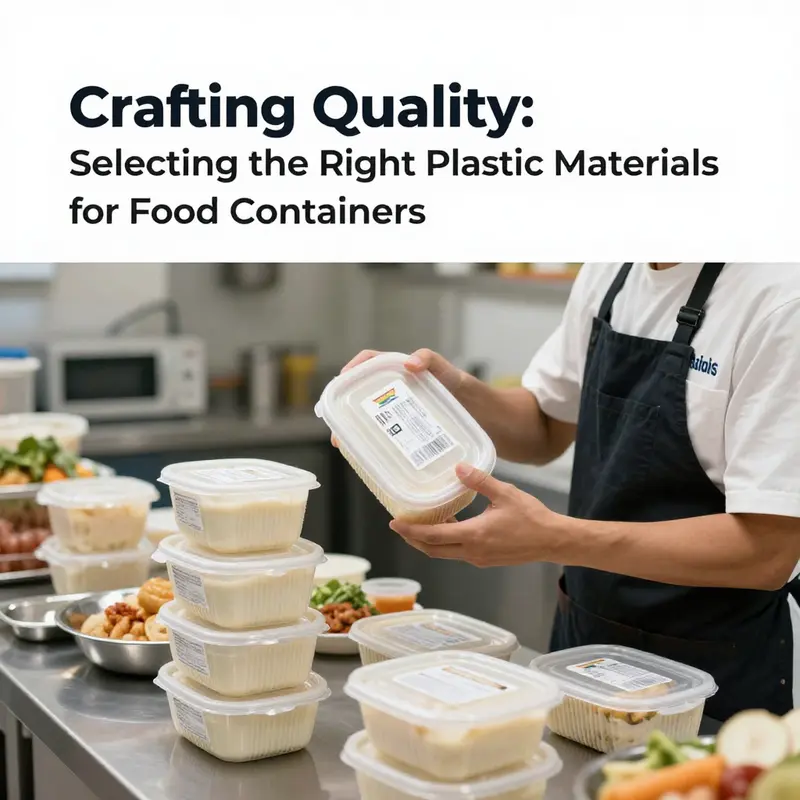
Polypropylene, identified by the familiar code #5, is widely celebrated in the realm of reusable meal boxes and microwave-safe containers. Its claim to safety rests on a combination of heat resistance, chemical stability, and a robust regulatory footing that is recognized across markets. Polypropylene can endure temperatures up to about 130 degrees Celsius (266 degrees Fahrenheit). That heat tolerance translates into practical capabilities: short-term microwave reheating, gentle boiling water sterilization, and the comfort of knowing that the container won’t instantly warp or deform when a hot meal is placed inside. In everyday use, this means a container that can go from fridge to table with minimal fuss and a reduced risk of softening or structural breakdown during typical home cooking routines. The chemical resilience of PP is another advantage. It resists acids, bases, and many organic solvents that might otherwise cause leaching or migration, which makes it a stable choice for storing a wide variety of foods. The material’s safety record—underpinned by national standards such as GB 4806.1–2016 in certain regions—has helped it become a default for reusable lunch boxes and baby bottles, as well as containers designed for heat exposure.
But no material exists in a vacuum. Recent work in the broader scientific literature cautions that the safety picture can become more complex when heat is applied repeatedly over time, especially with fatty or sugary foods. Prolonged heating, even with polypropylene, can alter surface chemistry and potentially accelerate microplastic release. This finding invites practical precautions: limit repeated microwaving, avoid using damaged or aged PP containers, and pay attention to signs of wear. A container that has developed scratches, cloudiness, or warping is a signal that it may no longer perform as intended. In short, PP remains a strong choice for many common needs, but it benefits from mindful use, timely inspection, and a preference for newer, undamaged pieces when plans involve frequent heating or longer storage durations.
High-density polyethylene, or HDPE (code #2), provides another essential axis on the safety and performance matrix. HDPE is renowned for its chemical resistance. It stands up well to acidic liquids such as vinegar or citrus juice, making it a trusted option for cold-storage tasks—from milk jugs to condiment bottles and sturdy salad containers. Its low toxicity profile adds to its appeal for general food contact, especially in households and educational settings where reuse and washing are routine. However, HDPE has a clear limitation when heat enters the equation. It softens at relatively modest temperatures and can melt around 130 degrees Celsius. The practical implication is that HDPE is not a microwave-friendly choice and should not be used for hot foods or hot environments. Its promise lies primarily in cold storage and careful handling rather than thermal processing. In kitchens and cafeterias that prioritize cold-chain integrity, HDPE delivers reliability, predictability, and ease of cleaning, all with a simplicity that reduces the risk of chemical migration under typical cold storage conditions.
Together, PP and HDPE form a duo that covers a broad spectrum of everyday needs. They are the backbone of careful, repeated-use packaging and of containers intended to survive multiple trips through the fridge, freezer, and lunchbox cycle. They also reveal a broader pattern: materials that perform well in one domain may falter in another. This underscores a guiding principle for food packaging: tailor the material to the task. When the task involves heating, consider polypropylene and verify that the product is explicitly labeled as microwave-safe for the intended duration. When the task centers on cold storage or non-heated use, HDPE can offer durable performance with a favorable safety profile and strong chemical resistance. The choice, then, is not simply about which polymer is best overall, but about aligning material properties with the food, the expected thermal profile, and the care plan required for reuse and cleaning.
Beyond these core options, the landscape of plastics offers a spectrum of materials that should be approached with caution or avoided altogether in food-contact contexts. PVC, or polyvinyl chloride (code #3), is one such material. It has historically contained phthalates, a class of plasticizers that can migrate into food, particularly when fats or oils are involved. Phthalates have been linked to endocrine disruption in some studies, and the presence of these additives has led to prohibitions or strong restrictions on PVC in many food packaging applications. Given the availability of safer alternatives, PVC is generally avoided for food-contact use. Its presence in wraps, films, and some non-food-grade containers remains a concern, making it prudent to prioritize materials with clearer safety profiles when shopping for containers that will encounter oil-rich or acidic foods.
PET, or polyethylene terephthalate (code #1), has earned a place in our collective pantry as a dependable one-time-use material for cold beverages and short-term storage. Its safety in single-use applications is well-established for cold or room-temperature contents. However, PET is not designed for repeated use or for exposure to heat. Repeated use and heating can increase the risk of contamination through leaching of additives or breakdown products, and antimony migration is a particular concern in some contexts. For this reason, relying on PET for hot foods or for long-term storage is not advisable. Even when labeled as food-grade, PET is best treated as a single-use option or as a container for cool, non-fatty foods used for brief periods. The broader lesson is that the lifecycle of a plastic matters: what is safe for one-time use or for cold storage can become a risk when repurposed or heated repeatedly.
A material that has sparked significant debate is PC, or polycarbonate (code #7). While this category encompasses a range of polymers, many PC formulations historically contained bisphenol A (BPA). BPA is an endocrine disruptor, and although some brands offer BPA-free variants, substitutes like BPS have drawn scrutiny for similar health concerns. As a result, PC is generally avoided for food containers, especially those that will see heat or acidic contents. The existence of BPA-free labels does not automatically eliminate risk because alternative structural components may carry their own hazards. This caution underscores a broader reality: the absence of one known contaminant does not guarantee universal safety, particularly when a product is used in ways that stress the material or expose it to harsh conditions.
The foregoing materials map a practical decision framework: prioritize PP and HDPE for reusable and cold-storage applications, and approach PVC, PET, and PC with caution or avoidance depending on the use case. This perspective aligns with regulatory guidance that emphasizes food-grade labeling, material code awareness, and the distinction between single-use versus reusable contexts. A consumer who wants to minimize risk can rely on a few concrete practices: examine product labeling for clear food-contact assurances, seek transparency about material codes, and favor containers with minimal colorants and smooth, defect-free surfaces. In addition, the relationship between heat, food composition, and plastic is not merely theoretical. Acidic foods, oils, and high-temperature conditions act as catalysts for chemical migration, especially when the container has undergone wear or is older. Keeping containers out of direct sunlight and avoiding repeated cycling through extreme temperatures further reduces the potential for migration.
To translate this knowledge into everyday behavior, a set of practical guidelines can anchor shopping and use without devolving into a long, prescriptive checklist. Start with the basics: look for labels that declare the product safe for food contact and, whenever possible, provide reference to a standard such as GB 4806.1–2016 or a recognized food-safety certification. Inspect the container for clarity and integrity. A transparent, smooth surface tends to indicate fewer additives or fillers that could leach into food, whereas opaque or matte finishes may signal the presence of dyes or fillers whose safety profiles are less transparent. While it is tempting to repurpose every bottle or box, resisting the reuse of single-use plastics for hot foods or oils can spare households from unexpected chemical exposure. Even when a container has served well for cold storage or moderate use, the moment it becomes scratched or discolored is a cue to retire it and replace it with a fresh piece.
These considerations naturally lead to a broader conversation about the lifecycle of plastics in food systems. Reuse and recycling are essential levers for reducing downstream risk, but they require careful management. For many households, the simplest strategy is to maintain a set of dedicated containers for hot foods and another set for cold storage, with attention to the thermal limits of each material. In workplaces and schools, robust policies around dishwashing, microwave use, and proper labeling help minimize cross-contamination and misapplication. The emphasis must remain on keeping heat away from materials not designed to withstand it, and on avoiding aggressive cleaning regimes that could scratch surfaces and accelerate leaching. Consumers who adopt such practices contribute to a broader public health culture that refuses to compromise safety for convenience.
Engaging with these choices also invites a consideration of alternatives. For long-term storage or cooking, glass, stainless steel, or certain ceramics present compelling advantages. These materials often lack the chemical migration concerns associated with plastics and can offer superior durability under repeated heating, though they come with trade-offs in weight, cost, and breakability. The aim is not to demonize plastics but to recognize their specific strengths and limits. Plastics remain unbeatable for lightweight, shatterproof, and cost-effective packaging that travels, stacks, and stacks again in a busy kitchen. The optimal path, however, is a thoughtful one: knowing which plastic families fit which uses, applying heat and storage practices that stay within safe parameters, and staying informed as research evolves.
For readers seeking a concrete touchstone in the sea of options, consider this linked resource that highlights a category of packaging designed for practical, everyday use while reflecting a broader trend toward safer, more sustainable designs: eco-friendly takeout boxes for food packaging. This example illustrates how design choices—such as grease resistance, microwave compatibility, and material composition—can influence both performance and safety in real-world settings. The link underscores a broader point: even within the world of plastic, designers and manufacturers are increasingly balancing functional demands with health considerations, offering products that perform well without compromising food safety. A discerning consumer can apply the same logic when evaluating containers for home, school, or workplace use, seeking products that clearly communicate their safety credentials and practical limits.
The practical upshot of these considerations is clear. If you want the comfort of a container that travels well, resists leaks, and tolerates some heat, polypropylene-based options are often your best bet—provided they remain within safe heating guidelines and remain free from physical damage. If your priority is cold storage and long-term durability in a fridge or freezer, HDPE-based containers can be equally dependable, with the caveat that they should not be exposed to heat. In all cases, understanding the material code and being mindful of the conditions under which the container is used helps reduce risk. And when the food involves fats, acids, or high heat, consider alternatives beyond plastics or choose a plastic product explicitly labeled for the specific condition. The end goal is a consistent, evidence-informed approach to packaging choices that honors both safety and practicality, turning everyday meals into experiences that are not only convenient but also responsibly managed.
External guidance from health authorities confirms these themes. Regulatory bodies emphasize that safe use hinges on labeling, material selection, and adherence to tested performance standards. Staying current with guidance from credible health agencies helps consumers navigate evolving findings about additives and potential substitutes. As the science advances, the take-home message remains stable: minimize reliance on plastics for high-heat or long-duration storage and prefer materials with transparent safety credentials, clear labeling, and tested performance under the intended conditions. In practice, that means choosing PP or HDPE when appropriate, avoiding PVC, PET, and PC for most food-contact uses, and reserving non-plastic alternatives for processes that involve high heat or acidic and fatty foods. For ongoing education, readers are encouraged to consult authoritative sources and to remain vigilant about changes in standards and labeling practices as new evidence emerges.
External resource: FDA guidance on food-contact materials provides comprehensive information on permitted materials, testing standards, and regulatory updates regarding plastic food packaging and containers, aligning with international best practices. https://www.fda.gov/food/food-contact-materials
Final thoughts
Choosing the right plastic materials for food containers is crucial for any food service operation. With Polypropylene and High-Density Polyethylene at the forefront of food safety, understanding their benefits and limitations helps to elevate product quality and compliance across your offerings. Avoiding unsafe materials prevents potential health risks and aligns your brand with best practices in safety. By following the outlined guidelines, your establishment can enhance its reputation for quality service. Remember, investing in safe materials is not just about compliance; it’s about fostering trust and satisfaction among your clientele, ensuring they return time and again.