

Clear plastic cups are an utter delight for beverage shops, food trucks, and event planners alike. This essential product, especially in a convenient 24-pack, merges style and functionality, setting the stage for beautifully presented drinks while maintaining high safety standards. Across various industries like bubble tea shops, restaurants, and catering services, the use of these cups can significantly enhance both customer experience and product appeal. In this exploration, we will delve into their material properties, economic aspects, environmental considerations, usage trends, and the convenience they offer consumers, uniting these threads to illuminate their comprehensive value.
Crystal Clarity in a 24-Pack: The Material Story Behind Clear PET Cups
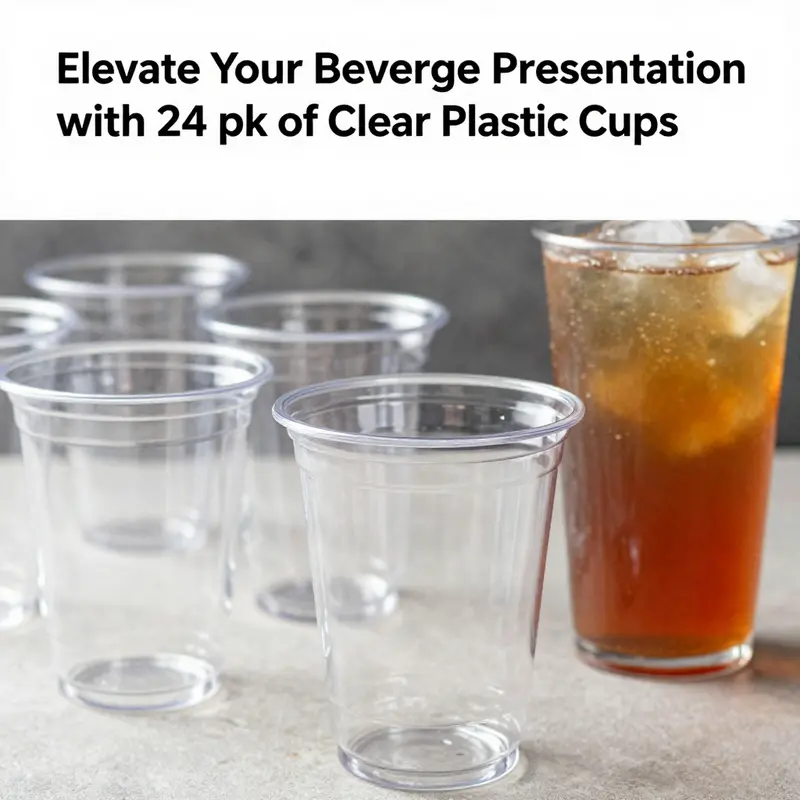
The 24-pack of clear plastic cups sits at a quiet intersection of everyday practicality and material science. It is easy to overlook the chemistry and design choices that make these cups reliable for serving everything from iced coffee to fruit smoothies. Yet the material story embedded in a crystal-clear PET cup reveals why this humble packaging item became a staple in offices, coffee shops, and informal gatherings alike. At the heart of the story is PET, or polyethylene terephthalate, a plastic known for its remarkable clarity, resilience, and recyclability. When a cup is pressed into a cold beverage, its success hinges on how well the polymer resists yellowing, cracking, and deformation while remaining light enough to handle in mass service. PET’s reputation for transparency means the drink’s colors—the amber of a strong iced tea, the deep brown of cold brew, or the vibrant swirl of a smoothie—can shine through. That optical clarity, however, is not just about aesthetics. It is a functional attribute that helps servers judge fill levels at a glance, showcases the drink’s presentation to customers, and reduces the need for opaque lids or decorations to convey the product inside. In a world of disposable tableware, clarity becomes a practical advantage, helping drinks look as appealing as they taste without adding extra embellishment that would push up costs or complicate recycling streams.
The material properties that make crystal-clear PET cups suitable for cold beverages are tightly linked to the polymer’s stiffness, impact resistance, and surface smoothness. PET is relatively tough for a disposable item, resisting minor impacts that might occur during bustling service or a hurried cup handoff. The cups remain resilient when ice is present, a common condition in beverages served in these 24-pack configurations. The same properties that prevent cracking also contribute to a predictable feel in the hand, a comforting rigidity that signals reliability to servers and diners alike. Even as the cups float in a liquid ecosystem—chips of ice clinking, condensation forming on the exterior—the PET maintains its integrity, avoiding deformation that would otherwise spill or vent. In practice, this means a cup can carry a tall, frosty drink without buckling, a crucial consideration for busy environments where performance translates into smoother service and fewer disruptions.
Temperature considerations further define the material’s role. Clear PET cups are designed with cold beverages in mind; they excel when chilled drinks are involved and when the cup is briefly exposed to cooler ambient conditions. While some PET formulations can tolerate warm liquids, these cups are typically marketed and recommended for cold consumables. That distinction matters for cafes and catering operations planning a diverse beverage lineup. It also influences the end-user experience: hot liquids can accelerate the perception of heat through the cup and may demand special handling or different packaging. The balance between a comfortable drinking experience and structural reliability under cold use is a hallmark of the PET cup’s design, especially in a 24-pack where consistency across every unit matters for inventory management and customer satisfaction.
Beyond performance, the design language of these cups leans into two practical advantages: light weight and stackability. A 24-pack system is most efficient when the cups nest neatly, keeping storage compact while enabling quick retrieval during service. The stackable geometry reduces warehousing space and simplifies the workflow for coffee chains, break rooms, and catering teams that rely on rapid turnover. The lightweight character of PET also translates into lower transport costs, a meaningful factor when many packs travel from supplier to distributor and onward to consumer-facing outlets. The clear plastic also accommodates branding work through colored variants, yet the popularity of the transparent option persists. When the beverage itself becomes the focal point of presentation, column-like clarity supports the visual appeal of the drink’s layers, toppings, or color gradient, making it easier to appreciate the sensory details that entice a customer to take a sip.
From a manufacturing perspective, PET’s appeal rests on its processability, food-grade safety, and compatibility with common sealing and lid systems. The crystal-clear, durable PET found in these cups is typically portrayed as food-grade and BPA-free, aligning with regulatory expectations for disposable foodservice items. The material’s chemistry supports high clarity after molding, a feature that reduces the need for post-production polishing or coating steps that could introduce additional costs or potential contaminants. For producers, the clear PET cup embodies a reliable balance between transparency and strength, enabling mass production at scale without compromising the clean, glossy look that helps beverages stand out. The result is a product that can be mass-produced in standard diameters and heights, then deployed into diverse service contexts—from casual picnics to corporate events—without requiring bespoke equipment or specialized handling protocols.
The versatility of clear PET cups extends into the realm of branding and presentation. In some markets, manufacturers offer colored variants made from similar high-grade plastics, intended to align with brand identities or event themes. Yet the classic clear version remains the stalwart choice where the drink’s color is part of the customer’s perception of quality. Desserts, parfaits, or smoothies benefit particularly from this clarity, as the visual cues of layered textures and fruit pieces become part of the consumer’s appetite. The cups’ transparency also works hand in hand with practical considerations like temperature perception; a clear cup can visually convey the coolness of a drink, reinforcing expectations about freshness and taste. When catering to promotional needs, the ability to reserve space for a logo or a short message on a lid or sleeve further expands the cup’s utility, though such branding tends to occur without sacrificing the core advantages of clarity, recyclability, and cost efficiency.
The environmental dimension of the 24-pack clear PET cup cannot be overlooked. PET is widely recognized as recyclable, a trait that aligns with ongoing sustainability conversations in foodservice and packaging. The recyclability of PET cups is most effective when consumers separate them from residual waste and place them into appropriate recycling streams. In practice, this means that an enterprise can offer a convenient, single-use option that still contributes to waste reduction when recycling becomes a norm. The environmental story is not limited to end-of-life considerations; it also encompasses the lifecycle of the material—from resin production to extrusion, forming, and eventual recycling. Each stage offers opportunities to optimize energy use, reduce emissions, and improve overall material efficiency. For operators who manage large volumes of cups, the combination of recyclability with the practical benefits of a 24-pack—storage efficiency, predictable performance, and consumer appeal—creates a compelling balance between convenience and responsibility.
From a consumer and operations standpoint, cost is an important factor that shapes purchasing decisions. A pack of 24 clear PET cups is typically positioned in a price range that makes them accessible for casual use while remaining affordable for business settings. The price reflects not only the material and manufacturing quality but also the design features that support reliability in service. A pricing framework that accommodates lids, straws, or other accessories is common, and buyers often weigh these optional components against the benefits of a straightforward, single-use offering that can streamline service during peak times. The 24-pack format resonates with both small gatherings and larger events, offering a predictable count that reduces the chance of mid-service shortages and simplifies inventory management.
In practice, the choice of a 24-pack clear PET cup becomes a decision about clarity, resilience, and efficiency as much as cost. The material’s optical properties ensure Drink presentation remains visually appealing, while its mechanical properties enable reliable handling and transport in busy settings. The packaging quantity supports streamlined restocking and quick replenishment, which matters when a service line must stay fluid and responsive. The environmental and branding considerations add layers of value, enabling organizations to align their disposable tableware with sustainability goals and corporate identity without sacrificing performance. To readers and buyers, this narrative translates into a practical takeaway: the 24-pack clear PET cup is not a mere vessel; it is a carefully engineered interface between beverage, consumer perception, and operational workflow. For further context on how such cups are positioned in the market, you can explore a related product page that highlights similar transparent, disposable options designed for parties and events disposable clear plastic cup for parties.
Ultimately, the chapter on material properties ties the tangible experience of serving and enjoying a cold drink to the invisible architecture that makes it possible. The PET cup’s clarity, strength, and recyclability cohere with the everyday expectations of both servers and guests. They support a seamless dining moment—from the moment a server picks up a chilled glassy cup, through the instant the straw is inserted, to the final sip of a perfectly presented beverage. In this sense, the 24-pack clear plastic cup embodies a quiet efficiency: a dispenser of color, a guardian of temperature, and a participant in a broader story about sustainable convenience. External resources that discuss the specifics of 24-oz clear plastic cups reinforce the same conclusion—that when a disposable cup is well-made, it earns its keep by delivering performance, presentation, and responsible waste practices in equal measure. For readers seeking a detailed product-oriented reference, the external source provides a complementary perspective on the same class of items. External resource: https://www.gustocups.com/products/24-oz-clear-plastic-cups-disposable-iced-coffee
null
null
Clear Decisions, Lasting Footprints: Reframing the 24-Pack of Clear Plastic Cups in a World Questing for Circularity

A 24-pack of clear plastic cups sits at the crossroads of convenience and responsibility. Their transparency makes the contents easy to read, their cylindrical forms fit neatly into party coolers and breakroom fridges, and their light weight invites quick, practical service at gatherings big and small. These cups are typically made from food-grade materials such as PET or PP, chosen for safety, durability, and the ability to hold beverages without leaking or warping. They are often designed for single use, a feature that makes them a staple for picnics, events, and quick-service settings where cleanup time translates directly into more time for socializing. The common 24-ounce size is especially practical for iced coffees, sodas, smoothies, and fruit-infused drinks—drinks that invite a certain visual appeal when presented in a clear vessel. In the moment, the choice feels efficient, tidy, and economical, and the price point for a pack of 24—typically ranging from five to fifteen dollars depending on supplier and whether lids or straws are included—appears to offer a straightforward bargain. Yet the quiet calculus behind that bargain is more complex than the surface suggests, because the same cup that saves time on event day can carry a heavier cost in waste management and environmental impact long after the party ends. Understanding that trade-off demands a look at how these cups are produced, used, and disposed of, and how those steps align—or clash—with efforts to reduce single-use plastics and foster a more circular economy.
The lifecycle of a PET or PP cup begins in the factory, where fossil fuels provide the energy to extract, transport, and synthesize the polymers that become rigid, clear cups. The production process itself consumes water and energy, and it generates emissions that accumulate in the atmosphere and in the surrounding environment. Once manufactured, the cups travel to distributors and retailers, then into homes, offices, and event venues. After a typical event, many cups are discarded, and the fate of those cups depends less on innate material properties and more on the surrounding waste systems. In places with robust recycling infrastructure, PET is technically recyclable; in practice, however, contamination—leftover liquids, labels, adhesives, and residues—can hinder recycling streams. This contamination, coupled with uneven collection and processing facilities, means that many cups end up in landfills or, worse, our oceans. The potential for recyclability is real, but it is conditional on consumer behavior, local facility capabilities, and effective supply chains that keep the material at high value in the economy rather than part of the waste stream.
Policy signals from around the world are sharpening the lens on these everyday choices. In Australia, a broader push to curb problematic plastics has translated into a ban on several hard-to-recycle items, with timelines that foreground significant change across the nation. The move, effective from September 2025 in South Australia and anticipated to widen nationwide, reflects a growing willingness to curb items that complicate recycling or linger in the environment. The 24-pack clear plastic cup, while technically recyclable in theory, sits within this policy context as part of a class of products whose net benefit depends on the strength of end-of-life systems and consumer diligence. The Australian framework illustrates a trend toward redrawing the boundaries of what should be treated as a routine, disposable amenity and what should be redesigned, reused, or replaced with more sustainable options. It invites brands, retailers, and consumers to ask not only what is convenient in the moment but what is viable and responsible over the long arc of product life.
Even when PET cups are recycled, the energy and water demands of processing—how much heat is required to separate polymers, how many times streams must be cleaned and refined, and what fraction of output becomes new bottles or new cups—contribute to a carbon footprint that cannot be ignored. Virgin plastic production remains tied to fossil fuels, a reminder that materials science alone cannot erase the climate costs embedded in the supply chain. The short-term benefit of faster cleanup after events—often cited as a roughly 50 percent reduction in post-event preparation when using disposable cups versus reusable options—must be weighed against the enduring question of what becomes of those cups after they have served their moment in the spotlight. If waste streams are inefficient or if recycling rates lag, the perceived efficiency evaporates when the cups are not recovered and reintegrated into the economy.
For brands and organizers seeking a path that aligns with evolving environmental expectations, alternatives are beginning to mature in the market. Compostable cups, often made from plant-based materials such as PLA or paper with biodegradable linings, promise a more favorable end-of-life story when industrial composting facilities are available. These options can avoid the long persistence associated with conventional plastics, but they must be matched with appropriate processing infrastructure to deliver on their environmental promise. In locales without robust industrial composting, or where compostable materials end up in mixed municipal waste, the environmental advantages can be limited or negated. The balance, then, shifts from a simple material choice to a systems question: how waste is collected, sorted, and treated; how consumer guidance is communicated; and how timelines and expectations align with local capabilities.
Crucially, the visual and tactile appeal of clear cups—easy content visibility, clean lines, and a minimalistic silhouette—can sometimes obscure the lifecycle costs embedded in a single-use habit. The design language of these cups communicates convenience; the environmental message, however, speaks to reuse, recycling, or responsible disposal as essential complements to that convenience. These considerations are not simply about choosing a different cup; they are about reimagining the event experience so that the ease of service does not come with an unchecked burden on waste streams. It is here that the idea of a circular economy begins to take shape in practical terms: the aim is to keep materials circulating, to reduce leakage from the system, and to encourage behavior that makes recycling and composting more predictable and more effective. In this sense, the 24-pack becomes a focal point for a broader conversation about how contemporary consumption can harmonize with ecological goals without sacrificing practicality.
As planners and consumers navigate this landscape, one pragmatic step is to recognize that a single product choice carries multiple downstream implications. Clarity about end-of-life options, the quality of local recycling or composting infrastructure, and the relative energy costs of material production can guide smarter purchasing. The economics—where a pack of 24 cups can sit within a modest price band—are still a reality, but the decision framework expands to include the likelihood of post-use recovery, the feasibility of sorting streams, and the potential to substitute compostable or reusable alternatives in contexts where facilities exist to support them. In practice, this translates to a more deliberate matching of product choice to setting: a community event with strong recycling capabilities might lean toward high-quality PET cups paired with clear labeling to support proper sorting, while a campus or corporate function in a city with limited recycling options might benefit more from compostable options or from encouraging a reusable system with dedicated returns.
For those who want a concrete link to practical options while still acknowledging the broader lifecycle questions, the market does offer disposable clear cups designed for straightforward disposal that can be used as a transitional solution in venues where infrastructure is improving. See this option for a disposable clear plastic cup suitable for outdoor and party settings: disposable-clear-plastic-cup-outdoor-picnic-pet-cup-drinking-cup-for-parties-birthdays-weddings-camping-utensils.
The journey toward more sustainable use of the 24-pack clear plastic cup is not a single leap but a sequence of choices. It involves weighing time savings against waste management realities, considering policy shifts that push toward reuse or composting, and acknowledging the role of consumer education in reducing contamination and improving recovery rates. The path forward is neither purely pro-plastic nor anti-plastic; it is about aligning product design, purchasing behavior, and end-of-life systems so that convenience can coexist with responsibility. In doing so, the grocery aisle, the catering cart, and the event stage can reflect a more mature approach to materials—one that preserves the benefits of clear presentation and easy service while honoring a clearer sense of stewardship for the shared environments we all rely on.
External resource for regulatory context and broader policy developments: https://www.environment.gov.au/australia-plastic-ban
Clear, Convenient, and Counted: The Multifaceted Role of 24-Packs of Clear Plastic Cups Across Settings
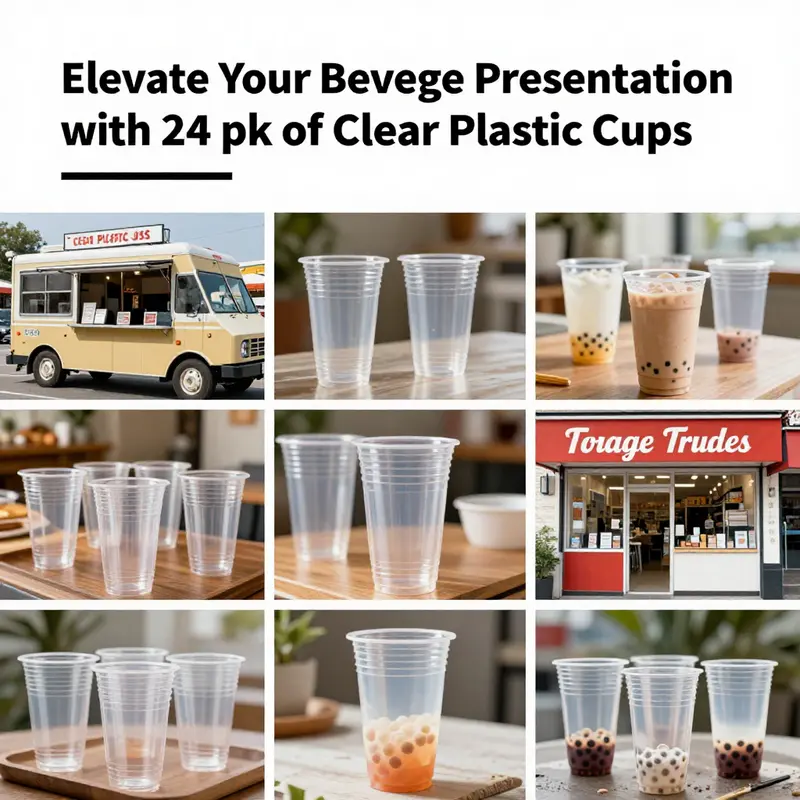
A 24-pack of clear plastic cups is more than a simple utilitarian accessory. It sits at the intersection of convenience, presentation, and practicality, quietly shaping how drinks are served, perceived, and moved through spaces. The cups themselves are designed to be lightweight and sturdy, with a clear surface that invites scrutiny and anticipation. They are typically made from food-grade materials such as polypropylene or PET, chosen for safety, durability, and the way translucence showcases a drink’s color and clarity. In many everyday contexts, especially where speed and turnover matter, their single-use nature becomes a prerequisite for hygiene and efficiency. Yet beneath that practical simplicity lies a set of nuanced decisions about size, handling, and environmental impact that ripple through operations, branding strategies, and consumer expectations.
In the fast-paced world of quick-service dining and coffee chains, the appeal of a 24-ounce clear cup is immediately visible. Clarity is more than aesthetics here; it is a communicative cue. Customers can gauge the drink’s color and depth at a glance, assess the level remaining, and, in the case of layered beverages, appreciate the visual composition. The larger capacity aligns with consumer demand for generous cold drinks—iced coffees, smoothies, frappes, and flavored slushes—without requiring a downgrade in perceived value. The cups’ transparency allows the drink to perform as part of the theater of service, where color, texture, and even frost lines tell a story about freshness and preparation. In a setting where speed and cleanliness dominate, the single-use format becomes equally important. It ensures a rapid turnover, reduces the risk of cross-contamination between customers, and simplifies sanitation protocols during peak hours. The result is a service experience that feels orderly and hygienic, reinforcing a brand’s reliability even in crowded conditions.
Across office break rooms and corporate events, the same 24-pack format serves different priorities. Here, cost-effectiveness is a central consideration. A bulk supply means predictable per-unit costs, simplified inventory management, and straightforward distribution during meetings or large gatherings. The translucent cups also support branding without complicating the aesthetic. They pair neatly with branded lids, sleeves, or logos applied to sleeves or cups, creating a cohesive visual language for a company’s internal events or client-facing occasions. The professional look of clear cups strikes a balance between formality and practicality; they convey a clean, neutral backdrop for water, tea, or soft drinks, preserving the room’s professional atmosphere while accommodating a range of beverages. The convenience of a 24-pack means facilities can stock one reliable option that scales from intimate team huddles to town-hall-style sessions without generating unnecessary waste through ad hoc purchases.
When outdoor events, festivals, and social gatherings come into play, the merits of the 24-pack clear cup become even more pronounced. The physical properties—durability, temperature resistance, and a robust yet lightweight build—translate into tangible benefits for organizers and attendees. Temperature fluctuations, ice, and condensation are common challenges in open-air environments, and the right cup helps mitigate these issues. The cups are typically fabricated from materials known for stability in cold conditions, which helps prevent cracking or warping when filled with icy drinks. Their lightness reduces the burden on staff and volunteers who must transport and replenish beverages across large spaces, while their sturdy construction minimizes accidental leaks or spills during movement. With a clear surface, beverage presentation remains appealing even in bright sun or fading evening light—the drink’s hue and layering stay legible, contributing to the overall guest experience. In these contexts, the cup’s ability to serve as a reliable container without adding excess weight or bulk becomes a practical virtue. The 24-pack format supports efficient logistics, enabling quick restocking between service zones and straightforward disposal after the event—an essential consideration for organizers balancing guest flow with waste management.
Retail and promotional environments add another layer of value to the 24-pack clear cup story. Businesses frequently deploy clear cups with printed logos or designs to reinforce brand identity during product launches, trade shows, or promotional giveaways. The format supports both practicality and visibility: packs ensure consistent supply, while the see-through material and printed elements on lids or sleeves can amplify messaging. These cups also excel in displaying products beyond beverages. For samples or desserts—think mousse, pudding, or gelatin shots—the transparency enhances perceived quality by exposing the contents, textures, and portioning. This visual access can elevate consumer confidence and curiosity, encouraging sustained engagement with a brand or event experience. In such contexts, the 24-pack configuration becomes a logistical advantage, simplifying bulk distribution to event staff or promotional teams and ensuring a uniform customer-facing experience across venues.
Yet amid these varied uses, environmental considerations increasingly influence how and when these clear cups are chosen. Growing consumer awareness about waste and resource use is pushing some buyers toward eco-conscious alternatives, particularly for hot beverages or scenarios where insulation matters most. Paper-based options, with their insulation properties and reduced condensation, are gaining traction in certain applications. The broader market context, however, shows clear cups continuing to hold a robust position due to their low production cost, versatility, and dependable performance. They remain a staple in settings requiring durability, rapid service, and unobtrusive aesthetics, especially where outdoor conditions and high throughput converge. The tension between convenience and sustainability invites ongoing experimentation: some operations combine clear cups with recycling programs, select cups with recycled content, or complement them with more sustainable options where appropriate. The result is a pragmatic approach that preserves operational efficiency while gradually broadening the availability of greener alternatives.
In discussing these trends, it is important to acknowledge the broader market dynamics that shape choice. The literature on disposable cups highlights a tilt toward paper-based options in certain applications, underscoring evolving consumer preferences and environmental considerations. This context helps explain why the 24-pack clear cup remains prevalent in many active environments even as organizations pilot alternative packaging for specific use cases. The dialogue between cost, performance, and sustainability will continue to influence procurement decisions, product design, and event planning. For professionals managing beverage service across multiple settings, the takeaway is not merely about buying a bulk pack but about selecting a packaging option that harmonizes with service speed, presentation, and waste management goals. In practice, that means aligning the cup with the overall workflow: the speed of filling and serving, the ease of restocking, the clarity of display, and the authenticity of the drink’s visual appeal.
For environments that prize portability, hygiene, and quick turnover, a disposable clear plastic cup like the one described here often serves as the standard. Its transparent profile supports brand-neutral presentation while enabling beverage appeals to shine through. The choice of this cup type becomes a strategic lever for operators who aim to balance guest satisfaction with operational efficiency. In this sense, the 24-pack activates a chain reaction: it influences how drinks are displayed, how staff pace service, how waste streams are managed, and how brands communicate clarity and reliability to guests.
External resource and broader context add depth to this discussion. For a wider market perspective on how disposable cups are evolving, see the industry report on market size and share from 2023. It provides insights into consumer preferences that are shaping the move toward different materials in specific applications and the ongoing conversation about sustainability across the sector.
Internal reference for practitioners exploring related packaging options can be found here: disposable clear plastic cup.
External resource: https://www.the-shelton-group.com/reports/disposable-cups-market-size-share/
Bulk Clarity: The Quiet Power of a 24-Pack of Clear Plastic Cups in Everyday Living
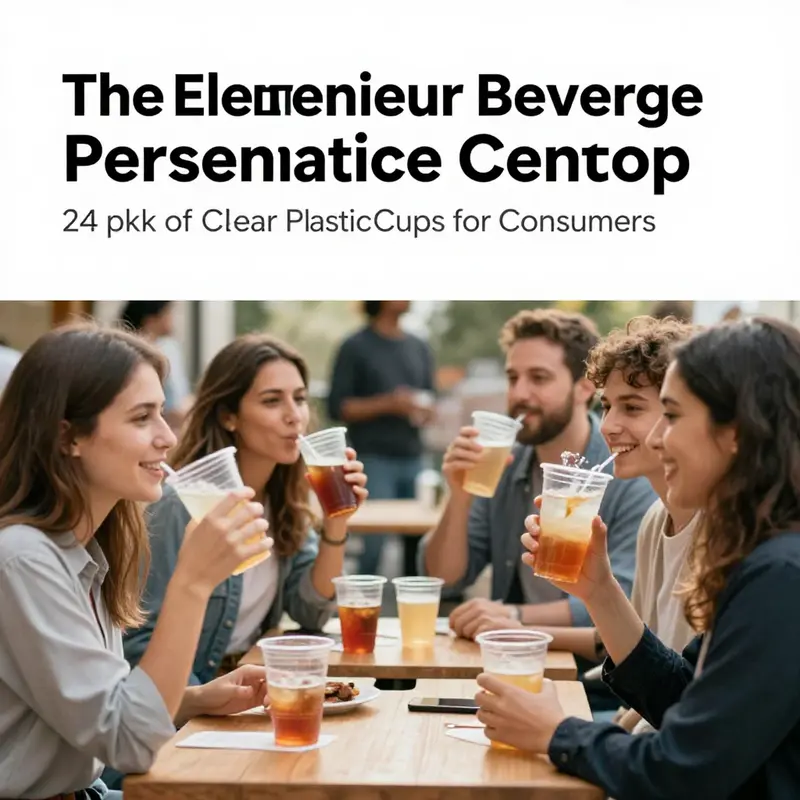
A 24-pack of clear plastic cups functions as more than a simple supply in a kitchen drawer or party tote. It is a small but telling example of how convenience, presentation, and pragmatic science converge in everyday choices households make about serving beverages. The cups, typically made from food-grade polymers such as polypropylene or PET, are designed to balance safety with ease. They are commonly BPA-free, a baseline attribute that underpins consumer trust in homes where children or a busy schedule complicate adherence to more delicate serveware. The 24-ounce standard associated with these cups makes them well suited for iced coffee, sodas, smoothies, or fruit infused water during family gatherings. The bulk format inherently promises fewer shopping trips and fewer interruptions during daily life.
In the quiet calculus of home entertaining, the appeal of a 24-pack lies not only in availability but in predictability. Each pack arrives with a count that scales to common gatherings: a dozen or more guests, backyard barbecues, potlucks, or brunches with friends. This predictability translates into planning ease. There is no nagging math about whether you have enough cups, no mid guest dash to the store, and no improvisation with improvised containers that might not hold up to icy beverages. The bulk approach also reduces the mental overhead of reordering. Consumers can keep to a simple mental checklist: one bulk pack per pantry shelf and a backup supply for emergencies. It is a straightforward, reliable form of practicality that quietly supports daily routines.
The cups themselves are designed for safety and resilience. Lightweight and shatterproof, they minimize the risk of accidents in homes with children or on outdoor occasions where uneven surfaces and spills are common. The transparency of the material allows you to gauge beverage levels at a glance, assess color and texture, and present visually appealing layers of ice, coffee, fruit, or cream. The clear aesthetic is not merely about appearance; it is a practical feature that aids portion awareness and serves as a nonverbal cue for guests. For iced beverages whether cold brew, smoothies, or fruit based drinks, the cups transparency offers a canvas that highlights color, texture, and the frost patterns that form as ice meets heat.
The 24-pack format extends beyond convenience. It supports a habit of preparedness valuable in households with busy schedules or contexts where beverage service is frequent but downtime is scarce. When there is a steady supply, hosts can sustain gatherings with less disruption. The bulk stock reduces the friction of reordering and creates a cushion that maintains the rhythm of daily life. This is not only about immediate cost savings; it is about time and mental energy saved over weeks and months. The sense of readiness fosters a calmer, more intentional approach to hosting where attention can shift from logistics to hospitality itself.
Environmental considerations weave through the conversation about these cups as well. Recyclability is a key attribute in many models, aligning with sustainability expectations. The material choice PET or more advanced options can influence the environmental footprint of a bulk purchase. For consumers mindful of waste streams, the knowledge that a cup can be recycled after use is meaningful, even as recycling realities vary by locality. The tension between single use convenience and environmental responsibility remains central to any discussion of disposable serveware. In response, manufacturers have begun to offer recyclable variants and in some markets compostable labelling. This evolution reflects a broader shift toward products that support waste recovery and the downstream life of packaging.
Price remains a practical lens through which households evaluate a 24-pack. The range from modest to mid tier in typical markets reflects differences in packaging features such as the presence of lids and optional straws, as well as the perceived durability of the material. When families tally the cost of a night out or a small event, the bulk packs economics can appear favorable. Yet the purchase price must be weighed against broader considerations: disposal ease, clean up, and the lifecycle of the cup from production to recycling. In many households, the decision to buy in bulk becomes a balancing act where immediate savings are combined with intangible savings of time and reduced cognitive load during a busy week.
Beyond the kitchen, the cups are quiet allies of picnics, game nights, and impromptu celebrations. They signal a readiness to host with minimal fuss, to share beverages readily, and to do so with simplicity that makes hospitality more accessible. In social settings where guests may help themselves, portion control can be helpful, and where visual appeal matters, the clear cups invite the natural beauty of a mixed beverage to become part of the party venue a plus rather than a distraction. The cups can also be handy in mobile or on the go contexts, where a lightweight spill resistant option matters as much as the beverage inside.
In sum, the appeal of a 24-pack of clear plastic cups extends beyond their immediate function. The combination of safety, presentation, bulk practicality, and adaptability makes them a versatile companion for the rhythms of modern life. They support moments when a simple serveware choice can elevate a gathering from functional to memorable, not through grandeur but through the quiet efficiency of well designed materials and thoughtful packaging. They enable us to focus on what truly matters in social settings the warmth of a shared beverage the ease of connection and the sense that hospitality can be approachable predictable and pleasant even on a hurried weeknight.
Final thoughts
In the domain of beverage services and event planning, 24 pkg of clear plastic cups are more than just a simple serving solution. Their durable, food-safe materials ensure that they are both practical and appealing, catering to the aesthetic needs of businesses while adhering to economic frameworks. Sustainability is also at the forefront, with recyclable options contributing positively to environmental goals. Understanding these dimensions allows beverage chains, food trucks, and event planners to make informed decisions that enhance customer satisfaction and overall experience. Ultimately, these cups represent a symbiotic relationship between functionality and appearance, essential for modern beverage service.