
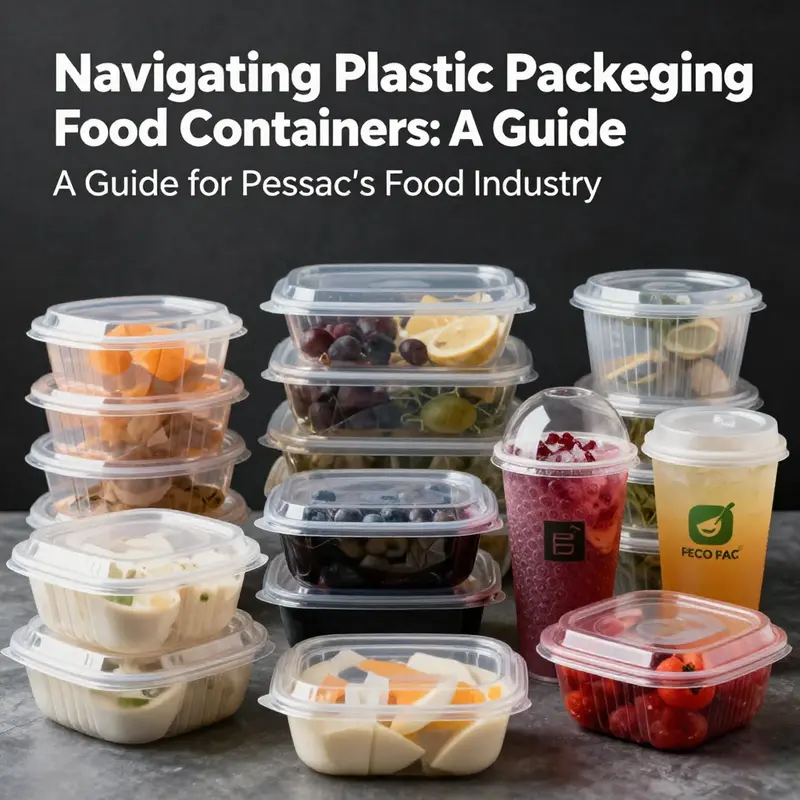
Plastic packaging food containers have become essential components of the food industry, serving a diverse range of sectors from bubble tea shops to catering services. As Pessac, France, experiences a surge in food-related businesses, understanding the dynamics of plastic packaging containers is crucial for business success. This article delves into the latest market trends, sustainable practices, and local suppliers, providing valuable insights for restaurants and event planners looking to enhance their offerings and align with consumer expectations.
Pessac Under Pressure: Tracing the Rise of Plastic Food Packaging Containers in France’s Delivery-Driven Food Landscape
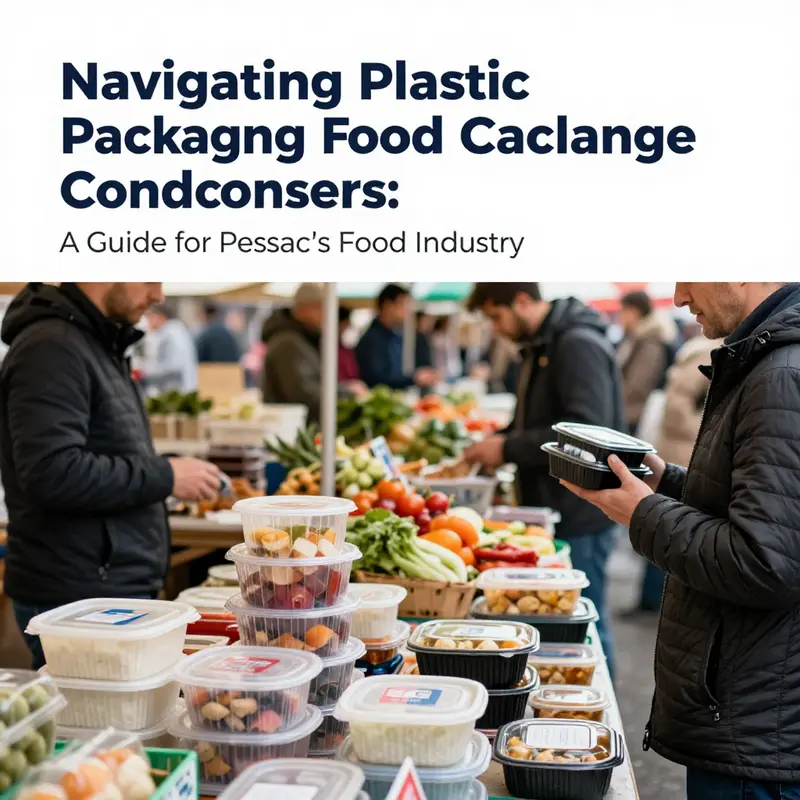
The sidewalks of Pessac, just beyond the Bordeaux city limits, carry the same quiet energy you hear in a city that is both old and young at once. Cafés spill light onto cobbles, market stalls pulse with seasonal fruit, and small eateries lean into the rhythm of a region famous for wine, sausage, and a stubbornly practical approach to everyday meals. In this setting, plastic packaging for food containers is less a niche concern and more a quiet backbone of daily life. It travels from the kitchen to the doorstep, then to the office, and finally to the park where a family shares a late lunch. The story of plastic packaging containers in Pessac might feel local, almost parochial, but it is inseparable from a broader, continental trajectory. Urbanization in Europe has been quietly reshaping how people eat, when they eat, and what keeps their meals intact as they move through dense urban fabrics and the perimeters of suburban life. The necessity of convenient, safe, and hygienic packaging is not a curiosity; it is a core feature of modern consumption, touching everything from takeout boxes to micro-portions for single servings of fruit or dessert. In Pessac, as in many parts of France and the wider European landscape, this need has become a driver of market dynamics that extend far beyond any one city, region, or retailer. The material choices, the design of the containers, and the accompanying rules about recycling all converge to form a picture of an industry under both pressure and influence—pressure to perform in a busy food service ecosystem, and influence from policy, public sentiment, and the push toward sustainability. The market trends that shape Pessac’s packaging choices reflect a larger European urgency: to balance convenience with responsibility, to maintain a fresh and safe product at a reasonable cost, and to align with regulatory expectations that seek to minimize waste and maximize recyclability. The broader European market for plastic packaging containers is not a local footnote; it is a major current that carries ideas, supply chains, and investment across borders and into local neighborhoods like Pessac. In 2024, the Europe food containers market stood at roughly 86.5 billion USD, a figure that signals a mature, complex system of producers, distributors, and end users who have learned to value reliability as highly as price. The projection for 2033, reaching about 133.0 billion USD, indicates not just growth in volume but also a widening appetite for containers that can perform under pressure—hot meals, cold desserts, and everything in between—without compromising safety or sustainability. This growth is a shared narrative across many European markets, including France, where disposable plastic food packaging containers supported a market valued at around 9.88 billion USD in 2025 and are expected to grow at a robust 14.6 percent CAGR through the forecast period. These numbers are not mere abstractions. They translate into the daily choices of local caterers who must decide between a sturdy, recyclable PP container for a ready-meal service and a sleek, laminated option for a dessert tray that must withstand a more humid environment in transit. They shape the inventories of small producers who rely on packaging to keep product integrity from the moment a chef plates a dish to the moment a consumer bites into it at home or in the office. The figures also reflect a broader European packaging ecosystem that is moving toward flexibility and efficiency. The French packaging sector alone is estimated at a scale of about 32.9 billion USD in 2026 and is projected to grow to roughly 39.5 billion USD by 2031, suggesting that plastic packaging will continue to be a central pillar of the region’s food logistics. Yet this growth arrives with a clarifying caveat: it must contend with the regulatory push toward reducing single-use plastics and advancing recyclable or biodegradable alternatives. The European Union has pressed forward with directives and policies aimed at phasing out non-recyclable and non-reusable disposables, aligning market incentives with environmental accountability. France, as a leading national market within this framework, has absorbed these directives into both industry practice and consumer expectations, pushing brands and retailers to innovate around material choice, design for recyclability, and end-of-life management. In such a milieu, the choice of container is never merely technical. It is a statement about how a kitchen, a café, or a small producer in Pessac imagines its relationship with waste, with customers, and with the city’s future. The practical dimension of these trends is immediate. For a takeout service in Pessac, or for a small baker delivering desserts across the Bordeaux metropolitan area, the container must perform across several axes: it must be hygienic, leak-resistant, and safe to use in microwaves or refrigerated storage; it must be lightweight enough to keep delivery costs manageable; and it must be compatible with recycling streams or composting pathways where possible. The materials most commonly found in these contexts—principally polypropylene (PP) and polyethylene terephthalate (PET)—offer resilience and barrier properties that help preserve taste, texture, and aroma during transport. They resist moisture and grease, tolerate varying temperatures, and can be molded into shapes that maximize stacking efficiency, a critical factor for both kitchen production lines and delivery logistics. In practice, these materials become part of a conversation that includes durability, cost-per-use, and the container’s lifecycle. It is no coincidence that plastics, with their light weight and durability, have become a mainstay of convenience-oriented food packaging, particularly where fast turnover and high volumes demand predictable performance. But the narrative in France and across Europe is rowing toward a more sustainable horizon. The regulatory environment increasingly emphasizes recyclability, and consumers are more aware than ever of the end-of-life fate of their food packaging. In Pessac, this awareness is reinforced by the community’s proximity to Bordeaux’s urban centers and research institutions, which often highlight circular economy approaches and the value of recycled plastics when feasible. The result is a market in which the choice of container is influenced not only by price and performance but also by the container’s ability to re-enter the economy. The shift toward recyclable or biodegradable alternatives becomes a bargaining chip in supplier negotiations, a factor in design decisions, and a metric in reporting to stakeholders who demand transparency about material composition and end-of-life pathways. For local operators in Pessac, the implications are clear: suppliers who offer packaging solutions that can be integrated into a circular economy ecosystem are more likely to secure partnerships, even when initial costs may be higher. This is not merely a philosophical stance; it translates into tangible benefits in waste management, compliance, and consumer trust. The Bordeaux metropolitan area, with its dense mix of restaurants, marketplaces, and home delivery services, embodies a living laboratory for these dynamics. The city’s fluid exchange of goods, people, and ideas creates a testing ground where packaging solutions are judged by performance, sustainability, and adaptability. A container that performs reliably under a range of conditions—from the heat of a busy kitchen to the demands of a doorstep delivery service—becomes a symbol of a business’s ability to meet the needs of an ever-expanding and increasingly demanding customer base. In this context, the market trends become a story of strategic choices as much as they are about raw material science. Companies that invest in research and development to improve barrier properties, reduce weight, and enhance recyclability find themselves better positioned to respond to evolving consumer expectations and regulatory requirements. They are the ones who can offer containers that withstand busy service hours, maintain product integrity, and still fit within a city’s waste management framework. The economic signals are clear. The French disposable plastic food packaging container market represents not only a domestic demand but a gateway to cross-border supply chains across the European Union. The scale of France’s market, together with its growth rate, points to the importance of imports and exports within the region. Suppliers located near or within the European market can leverage proximity to French distributors and retailers, enabling faster replenishment cycles and more predictable pricing in a landscape where exchange rates, energy costs, and regulatory compliance can influence margins. This is the broader context that frames a single neighborhood like Pessac. The container choices made by a café owner here may be modest in themselves, but they echo decisions taken by distributors serving all of France and parts of Western Europe. Each small act of packaging choice—whether a lid design that ensures spill resistance during scooter delivery or a film that reduces moisture migration in transit—feeds into a larger pattern that sustains the region’s food culture while aligning with sustainability goals. The social dimension should not be overlooked. Consumers in Pessac and the wider Bordeaux region increasingly expect packaging to perform without creating a sense of guilt about waste. They reward transparency about material content and the feasibility of recycling or reusing packaging. In turn, retailers and food service operators face the challenge of communicating these attributes without sacrificing efficiency or increasing costs to a point where customers push back. The market responds with innovations in design and logistics. Recyclability is enhanced by reducing multi-layer constructions that complicate end-of-life processing. Lightweighting efforts continue to lower transportation emissions, a factor that resonates with the region’s commitment to environmental stewardship. Digitalization of food retail—order platforms, delivery tracking, and online marketing—presents an additional layer of data that informs packaging strategies. When a consumer orders a meal for delivery, the chain of custody begins long before the container reaches the door. Data about order size, temperature exposure, and time in transit can shape container selection, encouraging formats that optimize thermal performance, minimize leakage, and facilitate sorting at recycling facilities. In Pessac, as elsewhere, such data-driven approaches support a more resilient packaging ecosystem that benefits businesses and consumers alike. The numbers accompanying these trends are not distant abstractions; they map a reality that local operators can feel at the point of sale or in the kitchen during peak hours. A French market valued at almost 10 billion USD in 2025, and growing at a double-digit pace, signals the significance of packaging as a strategic competency for food businesses. The European market’s move toward a 130+ billion USD scale by the early 2030s underscores that these investments are part of a continental plan to facilitate efficient food logistics while honoring environmental commitments. For Pessac and the Bordeaux corridor, the implication is that partnerships with packaging suppliers who can demonstrate reliability, recyclability, and compliance with EU standards—while also offering cost-effective options—will be crucial. It is a balancing act that favors suppliers who understand the local context: the rhythms of a university-adjacent district, the tempo of a busy market, and the quiet, steady demand for dependable packaging that reinforces a reputation for quality and care. From a practical perspective, local operators in Pessac should consider how to align packaging choices with the life cycle of their products. For instance, ready meals and desserts demand different performance characteristics than fresh produce or bulk ingredients. The same container that holds a cheesecake must resist grease and moisture, be stackable for efficient carry-out, and still present a clean, appetizing image upon delivery. This alignment is more than a matter of aesthetics; it reduces waste, lowers the chance of product returns due to packaging failure, and contributes to a more efficient delivery workflow. The industry’s broader trajectory also points to opportunities for collaboration across sectors. Food service, retail, and waste-management stakeholders can coordinate on standarized labeling, consistent recycling streams, and shared metrics for packaging performance. In Pessac, where residents enjoy both the pleasures of a historic town and the conveniences of modern living, such collaborations could yield tangible benefits in terms of cleaner streets, better-maintained public spaces, and a more robust local economy. The future, in this sense, is less about a single technology and more about an integrated approach to packaging that respects both practicality and responsibility. It involves producers who continuously improve the durability and safety of containers, retailers who optimize packaging for efficiency and customer experience, and policymakers who create clear, implementable rules that reduce waste without stifling innovation. It also invites a reflective stance from consumers, who increasingly weigh the trade-offs between convenience and sustainability when they choose a takeout option in Pessac or browse groceries in nearby Bordeaux. If the public conversation around packaging emphasizes the total lifecycle—from raw material sourcing and manufacturing to end-of-life processing—the market can evolve in ways that align economic vitality with environmental stewardship. In such a scenario, the container is not simply a disposable object but a link in a circular journey. The container supports the dish, the dining experience, and the urban ecosystem that makes Pessac a vibrant place to live and work. It becomes part of a broader narrative about how cities manage waste, how supply chains adapt to changing consumer tastes, and how regions like Bordeaux-Francais integrate European-scale markets with local realities. For readers following this chapter in a longer article, the message is not that plastic packaging is a monolith with a single fate. Instead, it is a nuanced story about how materials, regulation, consumer expectations, and logistics interact to shape a market that is both resilient and evolving. Pessac’s experience mirrors the larger European arc: growth tempered by responsibility, efficiency tempered by sustainability, and a relentless focus on keeping meals intact, affordable, and accessible in a world where convenience has become a daily staple. For businesses contemplating entry or expansion in the region, these insights translate into practical considerations. Invest in packaging that demonstrates clear recyclability pathways and compatibility with local and European recycling streams. Prioritize designs that minimize waste while maintaining product integrity. Embrace digital tools that help understand how packaging performs in real-world delivery scenarios. And cultivate relationships with suppliers who can navigate the regulatory landscape while offering reliable service levels. The chapter closes, not with a proclamation of triumph or a lament of challenge, but with an invitation to see packaging as a strategic component of everyday life in a city like Pessac. A container is more than a box; it is a gatekeeper of freshness, a guarantor of safety, and a participant in a larger social contract about how communities eat, move, and share space. The European market signals that the trajectory is upward, with strong demand across the continent, including in France. The practical implications for Pessac are straightforward: align product packaging with performance and sustainability goals, stay attuned to regulatory changes, and seek partnerships that enable consistent quality at reasonable cost. When these elements come together, the local scene in Pessac blends seamlessly with the broader European current toward efficient, recyclable, and responsibly produced plastic packaging containers. The takeaway is simple in essence, even as the data behind it grows more complex: packaging decisions made in small French towns influence—and are influenced by—the sweeping dynamics of a continental market that prizes reliability, cleanliness, and the capacity to adapt to an increasingly digital and delivery-centered food economy. For readers seeking further insight into the trajectory of Europe’s packaging sector, the latest market analysis presented in the Europe Food Containers Market Report offers a concise, data-backed view of the scale and scope of this industry as it moves toward 2033. See the external resource for a comprehensive snapshot of market size, growth, and segment dynamics: https://www.statista.com/statistics/1477459/europe-food-containers-market-size-by-value/. In addition, readers exploring practical packaging solutions within a European context might find value in exploring examples of takeout and food-packaging formats that emphasize sustainability and user experience, such as eco-friendly options that balance function with environmental responsibility. For a direct reference to a packaging solution aligned with flexible materials and user-friendly design, consider the options described in this online resource: eco-friendly takeout boxes for food packaging. These examples illustrate how packaging narratives can translate into tangible forms on the ground, even as markets like France adapt to evolving policy landscapes and consumer expectations. In the end, the story of plastic packaging containers in Pessac is not a single chapter but a continuing dialogue among local businesses, regional suppliers, and European frameworks. It is a chapter about how a town near Bordeaux participates in a continental system that values speed, safety, and sustainability as much as it does taste and convenience. It is also a reminder that the choices made in one charming corner of France can ripple outward, informing best practices and shaping competition across borders in a market that remains as dynamic as the city’s own urban fabric.
Circular Packaging at the Edge of Bordeaux: Sustainable Plastic Food Containers in Pessac, France
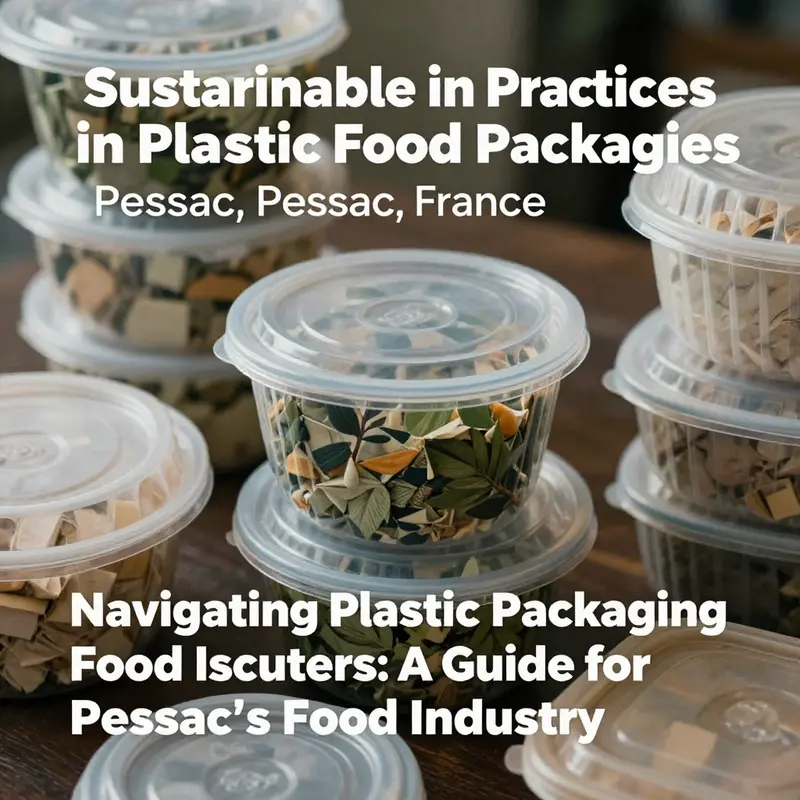
In Pessac, a commune that sits on the suburban fringe of Bordeaux and anchors the Bordeaux Métropole, the story of plastic food packaging containers unfolds as part of a broader European transition toward more sustainable material use. The landscape here is not defined by a single supplier or a silken-smooth turnkey solution; rather, it is braided with the realities of local food economies, municipal procurement practices, and the evolving expectations of consumers who want convenience without compromising environmental responsibility. To understand how plastic packaging in Pessac is evolving, we must trace not only the materials themselves—PP, PET, and their bio-based challengers—but also the systems that make those materials solvent in everyday life: recycling streams, compostability standards, and the logistics of takeout and storage in a region famed for its wine culture and vibrant market scene. The arc from raw resin to a shelf-ready container that travels from a bakery to a family table passes through a tapestry of design choices, policy cues, and consumer behaviors that shape what is feasible here and now, as well as what is plausible in the near future.
A starting point is the material conversation. Plastic food containers in this part of France, as in much of Europe, have long relied on polymers such as polypropylene (PP) and polyethylene terephthalate (PET) for their balance of strength, clarity, and cost. PP is favored for its toughness and temperature tolerance, making it a reliable choice for hot foods, while PET offers the transparency that helps display fresh contents. Yet both materials also carry environmental baggage if not managed correctly. The push toward circularity has shifted attention to closed-loop possibilities where a container is designed from the outset to be recycled or reused and then re-entered into the production cycle. In practice, this means a focus on high-quality mechanical recycling streams, compatibility with European and French recycling infrastructure, and a willingness to invest in post-consumer sorting and processing. It also invites exploration of alternative, bio-based or compostable options, such as polylactic acid (PLA) or other biopolymers, which can play a role in specific applications where compostability or a lower carbon footprint is prioritized. The challenge, of course, lies in ensuring that such materials actually complete a viable end-of-life pathway in local systems and do not simply shift the environmental burden elsewhere.
In Pessac, as in many European cities, the shift toward sustainable packaging is closely tied to regional and national policy signals. Public procurement policies, municipal environmental programs, and regional partnerships influence what kinds of packaging are preferred or even required for public canteens, school meals, and local retailers. These policy levers are not about banning plastics but about steering the supply chain toward materials and designs that minimize waste, maximize recyclability, and reduce overall carbon footprints. In practice, this often translates into preferring containers with high recyclability, clear material labeling, and standardized sizes that fit existing sorting and processing systems. It also pushes manufacturers and designers to pursue lightweighting—reducing the amount of material used without compromising performance—and to consider how a given container’s shape and surface finish affect both its storage efficiency and its end-of-life recyclability.
Lightweighting emerges as a practical, increasingly visible strategy in the region. Reducing material thickness can lower the weight of shipments, improve transport efficiency, and shave off a portion of the embedded energy in production. But light weighting must be balanced with the container’s functional requirements: the need to resist punctures, leaks, and grease during handling; the necessity to withstand temperature variations from kitchen to consumer; and the obligation to preserve food quality over the intended shelf life. In Pessac’s market corridors and restaurant districts, designers and manufacturers are experimenting with multi-layer structures and barrier coatings that aim to extend shelf life while still allowing for efficient recycling. The goal is not merely to cut material use; it is to reimagine the packaging as part of a system where waste can be minimized at the source and streams can be closed when possible.
Conversations about sustainability in Pessac are inseparable from the broader European context. A trusted reference in this field points to a European perspective on sustainable packaging in food and beverage, which emphasizes material choices, technological innovations, regulatory compliance, and consumer behavior. While the specifics of implementation differ from city to city, the underlying principles—design for recyclability, investment in processing infrastructure, and alignment with consumer expectations—resonate across the region. In Pessac, these principles translate into concrete practices: packaging that remains functional for takeout and storage, is easy to sort and recycle, and communicates clearly to the consumer how to dispose of it after use.
One practical thread in this narrative is the exploration of closed-loop or near-closed-loop systems within the local economy. In theory, a container is designed with the end in mind: if collected through municipal recycling or designated take-back programs, it should re-enter production with minimal material loss. In reality, achieving such loops requires cooperation among several stakeholders: food retailers who generate the packaging waste, local recycling facilities with the capacity to handle specific polymers, and manufacturers who commit to designs that align with the processing capabilities of those facilities. In Pessac, as in Bordeaux Métropole, existing municipal structures and regional networks can facilitate pilot projects that test new packaging formats, collection methods, and processing pathways. These pilots may involve variations in resin type, barrier properties, or lid design to maximize recyclability and minimize contamination. They can also examine the viability of post-consumer collection streams that are labeled and organized to support high-fidelity sorting, a prerequisite for maintaining material value in a loop.
A steady emphasis on consumer engagement complements these systemic efforts. The consumer plays a pivotal role in determining how waste is managed after use. In a city like Pessac, where households are familiar with wine, markets, and prepared foods, packaging decisions are judged not only on performance but also on perceived responsibility. Education campaigns that explain how to rinse containers, separate materials, and participate in local take-back initiatives can significantly affect the quality of the recovered materials. When consumers understand that a container labeled as recyclable or compostable has a real chance of re-entering production, they are more inclined to participate in the required waste streams. This, in turn, enhances the business case for brands and retailers to make investments in more sustainable packaging solutions.
The design implications of these dynamics are subtle but important. A container intended for takeout or short-term storage in Pessac should offer reliable performance under typical French dining temperatures, support clear labeling for recycling or composting, and present a form that reduces packaging layers without compromising strength. Designers increasingly favor simple, modular shapes that are easy to manufacture at scale and that perform consistently across the supply chain. They also explore barrier coatings and surface treatments that can extend shelf life and reduce the need for additional packaging components. The outcome is a repertoire of containers that can function as practical, aesthetically pleasing, and environmentally considerate parts of the dining experience.
The local economy also shapes packaging choices through collaboration among bakers, chefs, grocers, and small producers. In a region renowned for its culinary culture, packaging is not merely a protective shell; it is an element of brand storytelling and quality assurance. A bakery that offers pastries for takeaway, a fruit seller who packages fresh goods, or a small caterer relying on ready-to-serve dishes all require packaging that preserves product integrity while conveying a sense of place and responsibility. In Pessac, packaging design often reflects regional preferences for natural textures, clarity of presentation, and efficiency in handling during busy service periods. This sensibility can guide the selection of container styles that are both visually appealing and functionally robust under daily use.
The practical dimension of sustainability also involves the logistics of disposal and collection. In Europe, the efficiency of recycling streams is shaped by standardized labeling, consistent material identification, and reliable sorting technologies. Pessac sits within a language and regulatory framework that supports harmonization with broader European systems. For local businesses, this means selecting containers whose materials have well-established pathways to recovery and whose design reduces cross-contamination risk. A packaging choice that seems straightforward—an opaque or transparent container with a lid—might appear neutral at first glance, but its downstream fate depends on how it is sorted at the municipal level and whether the local facilities can separate multilayer composites without degrading the recovered polymer value. These considerations press the industry toward designs that keep materials single-polymer where possible or that enable the separation of distinct layers at the point of recycling. In doing so, Pessac contributes to a regional momentum toward packaging that not only protects food but also preserves material value for future use.
The narrative of sustainable plastic packaging in Pessac is, in essence, a narrative of design decisions made with an eye toward end-of-life outcomes. It is about balancing functionality and cost with recyclability and social responsibility. It is about the commitment of local players to test new materials and new processes while maintaining the reliability that residents expect from food containers. It is about creating supply chains that can adapt to evolving policies, changing consumer expectations, and the realities of a global market. And it is about recognizing that a container is more than a disposable object; it is a link in a longer chain that, when designed thoughtfully, can reduce waste, lower emissions, and support a resilient, local economy near the heart of one of France’s most storied wine regions.
The aspirational thread in this discussion is clear. If Pessac can cultivate a robust recycling ecosystem and a culture of responsible consumption, the lessons learned here can ripple outward to neighboring towns and across the Bordeaux metropolitan area. The region’s distinctive identity—a blend of historical agriculture, modern gastronomy, and a modern industrial base—offers fertile ground for testing packaging innovations that are both practical and aspirational. Local manufacturers can partner with suppliers to pilot new materials that meet stringent performance criteria while simplifying end-of-life processing. Retailers and food service operators can align their procurement with circular economy goals, using packaging that communicates its environmental credentials through clear labeling and robust design. In the process, Pessac can contribute to a European vision in which plastic packaging does not merely protect food and travel from kitchen to table but also participates in a recycling stream that sustains materials and minimizes waste.
As consumers in Pessac navigate menus, markets, and takeout options, the packaging choices before them are not merely about convenience. They are about the kind of city and the kind of region the community wants to be: a place where everyday products reflect a commitment to the environment, where collaboration among businesses—big and small—drives innovation, and where the end of a packaging life circle back to reuse, remanufacture, or responsible disposal. The path forward is incremental and collaborative. It requires investment in design, materials knowledge, and local infrastructure, and it rewards those willing to experiment with containers that are not only fit for purpose but also fit for a sustainable future. For Pessac, the journey toward sustainable plastic food packaging is a continuous negotiation among performance, cost, policy, and responsibility—a negotiation that, when conducted thoughtfully, strengthens the local food system and elevates the region’s role within a broader European context.
External resource for further reading: Sustainable Packaging in Food & Beverage: A European Perspective. For a deeper dive into European practices and the regulatory and consumer dynamics shaping packaging choices, see this external resource: Sustainable Packaging in Food & Beverage: A European Perspective.
Internal reference for related discussions: a practical example of packaging design that emphasizes visibility and containment is discussed in the article on foldable cake boxes with windows, which can be explored through this product page: Pure Color Foldable Cake Boxes with Window.
From Pessac to Global Shelves: Navigating Suppliers, Standards, and Sustainability in Plastic Food Containers
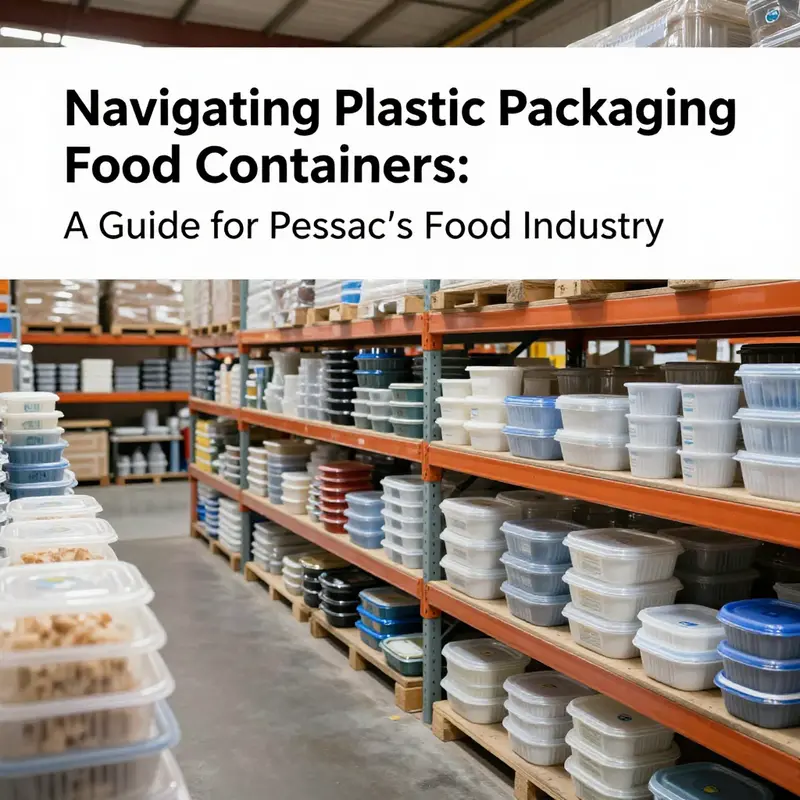
In the quiet edge of the Bordeaux metropolitan area, where the city’s historic streets meet the modern demands of food service and retail, the question of plastic packaging for foods takes on a broader significance. Pessac, with its mix of local markets, bakeries, and small food producers, sits at a crossroads where practicality, safety, and environmental responsibility collide. The containers chosen for takeout, storage, and presentation are more than simply containers; they are a tangible bridge between a product’s origin, its journey through a municipal supply chain, and the consumer who will eventually dispose of or reuse the packaging. This chapter follows that bridge, tracing the threads that connect global manufacturing capability with a French locale that values quality, traceability, and compliance. It is a seamless narrative about how buyers in Pessac and similar urban perimeters navigate suppliers, standards, and sustainability in a field that is at once technical and intimate, offering a window into how local decisions sit inside a global system of plastic food packaging.
The practical realities for anyone seeking plastic food containers in Pessac begin with a fundamental distinction: the material itself. Most containers destined for food contact are fashioned from polymers such as polypropylene (PP) or polyethylene terephthalate (PET). These materials are favored for their balance of clarity, rigidity, heat resistance, and barrier properties. PP, for example, performs well for hot-fill or heated takeout and is resistant to oils and fats, which makes it a dependable choice for savory dishes and pastries alike. PET, with its transparency and strong barrier to moisture and oxygen, serves well for fresh items like salads, fruit, or single-portion desserts where visibility can drive appeal. In Pessac’s context, where consumers value both the aesthetics of display and the reliability of containment, these polymers often underwrite the decision matrix used by retailers and caterers.
But the choice of material is only the starting point. The design of a plastic food container is a calculus that weighs manufacturability, cost, supply-chain lead times, and regulatory compliance. The broader market reveals that, globally, the most responsive suppliers tend to sit in highly industrialized zones—regions with robust injection-molding ecosystems, rapid prototyping capabilities, and the capacity to offer customization for specialized needs. For buyers in Pessac and the surrounding Bordeaux area, this translates into a planning horizon that can blend local procurement objectives with the advantages of international manufacturing networks. The result is a procurement rhythm that favors both efficiency and adaptability. In practice, this means that while local distributors and regional mports partners can offer off-the-shelf solutions, the most scalable packaging programs often emerge from collaborations that include international manufacturers able to deliver consistent quality, complex specs, and large-volume runs with reliable timing.
No conversation about plastic food containers in France today can skip the frame of regulatory compliance that governs materials in contact with food. The European Union maintains a stringent regime intended to minimize risk and ensure consumer safety. The core principle is that materials and articles intended to come into contact with foods should not transfer harmful substances to the food or alter its sensory properties. In practical terms, this means compliance with foundational European rules around food contact materials, such as EC 1935/2004, which establishes general safety requirements for materials and articles intended to come into contact with food, and EU 10/2011, which provides specific migration limits and testing guidance for substances of concern. For purchasers and manufacturers in Pessac, these regulations become a lens through which every supplier is evaluated. They shape the documents asked for in supplier questionnaires, the tests requested on samples, and the audits conducted as part of supplier onboarding. Importantly, these standards are not abstract; they translate into measurable assurances—limits on the transfer of substances, established testing protocols, and third-party certifications that confirm a company’s processes meet recognized safety benchmarks.
Beyond the material science and regulatory landscape lies the broader discipline of food safety management. Even when a supplier can demonstrate compliance with EC 1935/2004 and related migration tests, the food-contact environment demands a rigorous, end-to-end approach to safety and quality. ISO 22000, the internationally recognized Food Safety Management System standard, and the industry-specific FSSC 22000 certification, provide structured frameworks for hazard analysis, critical control points, and continuous improvement. In the context of Pessac and its neighboring communities, these standards offer a comprehensive assurance that the containers are part of a safe chain—from raw materials through production, packaging, transport, storage, and eventual use by consumers. The emphasis on traceability, risk management, and documented controls lends confidence to local restaurateurs, grocers, and manufacturers who rely on packaging systems to maintain product integrity from the moment a product leaves the oven or the bakery case to the moment it reaches the diner’s hands or the household pantry.
Another layer of this conversation concerns the practicalities of supplier selection and the realities of global markets. For global buyers, the calculus often begins with a recognition that high-volume, feature-rich packaging programs are frequently driven by manufacturers with significant scale and advanced tooling. In many cases, these suppliers are located in major manufacturing hubs in Asia, where injection molding and rapid prototyping enable a rapid translation from concept to production. The advantages include a faster path from design to production, access to a wide range of prototype iterations, and the ability to deliver competitive unit costs at large volumes. Yet scale and speed must be balanced with a commitment to safety, regulatory compliance, and local service. For a buyer in Pessac, this means evaluating both the certificate portfolio and the ability of a supplier to provide documentation in multiple languages, to support testing regimes, and to respond quickly to sampling demands or design changes.
To navigate this landscape with confidence, many buyers favor a disciplined approach to supplier evaluation. A well-structured supplier discovery process stores key elements: verified manufacturing capability, proof of compliance to EU food-contact regulations, evidence of ISO 22000 or FSSC 22000 certification, a track record of on-time delivery, and the capacity to provide local or regional service support. The broader lesson from global sourcing is clear: the best partners often combine the reliability and scale of large manufacturers with a willingness to collaborate on packaging design details, testing protocols, and regulatory documentation. For a small business or a medium-sized operator in Pessac, this translates into a lifecycle approach to packaging that encompasses supplier validation, regulatory alignment, testing, and ongoing performance review.
In the local context of Pessac and its environs, there is a pragmatic pragmatism about how to achieve these objectives. The town is not a primary manufacturing hub for plastic packaging, but it sits within a supply-chain network that includes regional distributors, cross-border suppliers, and European e-commerce platforms. Local procurement teams often begin with directory and marketplace searches to identify potential partners who can meet the regulatory and technical requirements while offering responsive service support within France or the broader European Union. Directory-based approaches, such as specialized industrial catalogs or regional B2B portals, can help a buyer assemble a baseline list of potential suppliers. From there, the process typically extends to requesting formal certifications, product data sheets, and migration test reports. A short list is then narrowed through sample testing, which is essential to validate that a given container performs as expected under real-world conditions—whether it is insulated for cold storage, microwave-safe for reheating, or simply reliable for stacking and transport.
An essential aspect of this journey is the concept of design for compliance. Suppliers who are willing to work within the EU framework often provide not only the final product but also the design guidance, testing protocols, and material declarations needed to maintain a compliant packaging system. The willingness to share test data and to adjust formulations in response to migration concerns or consumer safety feedback marks a mature supplier relationship. For buyers in Pessac, this collaborative approach reduces the risk of late-stage non-compliances and minimizes the likelihood of product recalls or regulatory enforcement actions that can disrupt a business model built on taking meals from kitchen to customer.
The procurement path also has a digital dimension. Digital sourcing platforms, supplier portals, and e-catalogs enable purchasers to compare options quickly, view certifications, and request samples in a structured, auditable way. In the European context, having access to a digital record of a supplier’s compliance posture—test results, material declarations, and third-party audit summaries—empowers local buyers to make informed choices without extensive travel or repeated paper chasing. Yet, even as digital tools accelerate decision-making, the human element remains central. Site visits, when feasible, and direct conversations with production managers can reveal subtleties about manufacturing practices, batch traceability, and the robustness of quality controls that no digital profile alone can fully convey.
In this environment, the question of local sourcing in Pessac becomes a matter of balancing proximity with capability. A short-term perspective might favor locally available stock and regional distributors who can deliver within tight lead times. A longer-term program, however, often requires engaging with manufacturers who can meet scale, provide technical customization, and maintain consistent performance across multiple packaging formats. For this reason, many French buyers, including those in Pessac, consider a hybrid approach: rely on local or regional suppliers for routine, volume-driven packaging needs, while maintaining strategic partnerships with international manufacturers able to support innovative designs, barrier improvements, or large campaigns that demand uniform quality and predictable timing.
The path toward reliable packaging in Pessac thus intertwines several strands. Material science informs the choice between PP and PET, with each material offering different performance profiles for heat, barrier properties, and recyclability. Regulatory frameworks provide the guardrails that ensure safety and consumer protection, translating into a demand for certifications, migration data, and traceable supply chains. Quality management systems deliver the backbone of reliability, guaranteeing that the packaging used today will perform as expected in the future. And a pragmatic understanding of global supply networks keeps local buyers aware that price, lead times, and customization capabilities are part of a complex equation rather than a static equation of cost per unit.
When a buyer in Pessac approaches this puzzle, the recommendations tend to emphasize clarity and documentation. The right supplier will offer a comprehensive package that includes a materials declaration, migration testing results, and documentation aligned with EC 1935/2004 and EU 10/2011. They will also demonstrate a commitment to recognized standards such as ISO 22000 or FSSC 22000, indicating the presence of a food safety management system that encompasses hazard analysis and risk-based controls across the packaging lifecycle. In practice, this translates into a supplier relationship built on trust, with a cadence of audits, sample tests, and formal reviews that keep pace with evolving regulations and consumer expectations.
For buyers discerning in the French market, there is also an explicit emphasis on sustainability and end-of-life considerations. While plastic packaging remains indispensable for many applications, there is a growing demand for recyclability, reduced material usage, and clearer labeling that supports proper disposal streams. In Pessac, as in other parts of France and Europe, retailers and caterers increasingly seek packaging that aligns with circular economy principles. That means containers that can be recycled in municipal streams or that are designed for reuse where feasible, along with clear instructions for customers about proper separation after use. The lifecycle mindset—design, use, recover—becomes an operational compass guiding product development, supplier selection, and customer communication. The packaging decision thus unfolds within a broader narrative about waste reduction, resource stewardship, and the role that packaging can play in maintaining food safety without compromising environmental values.
The practicalities of local implementation in Pessac are not abstract. Consider the steps a small business owner or a mid-sized operator might take to align with both local expectations and global standards. First, map the packaging needs against product categories: ready-made meals, bakery items, fruit and vegetable portions, and beverages each impose different demands on barrier properties, moisture management, and thermal performance. Second, request a formal documentation package from potential suppliers that includes: declaration of compliance with EC 1935/2004, migration test results, and certifications such as ISO 22000 or FSSC 22000. Third, initiate a pilot with a limited number of sizes and formats to test performance under actual service conditions, including dishwasher or microwave use if relevant and the intended transportation and display conditions. Fourth, ensure a structured sampling program that captures variability across batches, so that the chosen packaging maintains performance across the expected production run.
All along, the decision calculus remains anchored in the customer experience. A container should preserve the aroma and temperature of a dish, resist grease and moisture transfer, and present the product attractively in a way that communicates quality. It should also be compatible with the restaurant’s or retailer’s brand identity, a factor that often drives the choice toward containers with consistent aesthetics, labeling options, and the potential for custom branding within regulatory boundaries. In practice, this means packaging decisions are not isolated to a plant floor or a marketing meeting; they ripple through production planning, inventory management, and even the customer’s perception of value and safety. The well-informed buyer in Pessac thus navigates a delicate balance: meeting functional demands, complying with rigorous standards, and aligning with ethical and environmental expectations—all within a supply chain that stretches beyond national borders yet remains anchored in local responsibility.
To bring these themes into sharper focus for the regional buyer, consider how digital tools and local networks complement each other. Digital procurement platforms can accelerate supplier scouting, data collection, and the comparison of certifications. However, the human elements—dialogue with a supplier’s technical team, on-site observations of manufacturing practices, and direct evaluation of sample performance—continue to be essential. In Pessac, a balanced approach leverages the strengths of both realms: use digital channels to pre-screen and shortlist suppliers while planning targeted on-site visits or controlled trials that reveal the real-world effectiveness of a packaging solution. The result is a robust, auditable, and adaptable program that supports growth, compliance, and trust with consumers who expect safe, reliable, and responsible packaging.
For those who want a concrete example of the kind of packaging options that are common in Western Europe, including the kind of take-away and storage containers used in cafes, bakeries, and busy kitchens, there are numerous references and product examples available through industry catalogs and supplier portals. One practical way to explore is to review take-away packaging options that emphasize functionality—leak resistance, heat tolerance, and ease of disposal—while keeping an eye on sustainability features such as recyclability and compostability where applicable. The exploration of formats like sealed containers with secure lids, multi-compartment boxes for mixed dishes, and container lids designed to prevent leakage during transport can reveal a range of solutions suitable for the diverse needs in Pessac’s food service landscape. In this sense, the local market becomes a living showcase of how packaging concepts travel from global centers of manufacturing to regional kitchens and storefronts, adapting to the specific preferences and regulatory environment of a French city that values both quality and responsibility.
For readers seeking a direct, practical example of an online resource that aligns with these packaging concerns, consider a representative take-away packaging option that illustrates the kind of containers used for burgers, fries, and other fast-casual offerings. This reference, while external to the local market specifics of Pessac, demonstrates how a supplier might present a complete packaging solution: take-away food packaging boxes for burgers and fries. The link points to a catalog-style product page that highlights container formats, lid compatibility, and potential branding opportunities, giving a concrete sense of how design choices translate into a practical package for everyday use in the city’s dining and takeaway ecosystems. It also underscores the point that the most effective packaging programs often emerge from a dialogue between local needs and broader manufacturing capabilities, a dialogue that Pessac’s buyers are well positioned to sustain through careful supplier selection and ongoing performance monitoring.
This chapter’s exploration is not a call to abandon local sourcing in favor of distant suppliers. Rather, it is an invitation to recognize the value of a hybrid model that respects local market dynamics while leveraging the strengths of global manufacturing ecosystems. In practice, this means prioritizing suppliers who can provide clear, complete documentation, who maintain traceable production records, and who demonstrate a willingness to adapt to regulatory changes and customer feedback. It means recognizing that a container’s journey—from raw material to consumer’s hands—depends on a chain of commitments: safety, reliability, and stewardship, all anchored in standards that protect consumers and ecosystems alike. It means seeing packaging not as a disposable footnote but as a strategic element of product integrity, brand credibility, and sustainable practice in a city like Pessac that sits at the crossroads of culture, commerce, and responsible innovation.
As the chapter closes, the thread tying supplier readiness, regulatory compliance, and local fidelity to a common goal becomes clearer. The packaging choices made in Pessac will resonate in the region’s restaurants, markets, and households, influencing how food safety is maintained, how waste streams are managed, and how consumers perceive value. In a landscape of evolving regulations, shifting consumer expectations, and ongoing environmental conversation, the most robust approach for Pessac is to cultivate supplier relationships built on transparency, verified safety, and collaborative problem-solving. The result is a packaging program that not only performs under the pressures of busy service and high turnover but also aligns with the broader mission of safeguarding public health, supporting sustainable practices, and enabling a vibrant local food scene that remains connected to global standards and global opportunities.
External resource and additional frameworks can provide further guidance on how buyers navigate supplier evaluation and how to identify manufacturers that operate with validated food safety systems. For a broader framework on strategic sourcing and supplier evaluation, see an industry analysis that outlines key suppliers and evaluation frameworks used by global buyers. This resource complements the local focus on Pessac by offering a structured approach to selecting verified manufacturers and assessing their capability to meet European regulations and international quality standards. https://www.sourcingmag.com/strategic-sourcing-plastic-food-containers-key-suppliers-evaluation-frameworks/
In sum, the journey of plastic packaging containers in Pessac is a practical embodiment of how local needs intersect with global capabilities. It is a story about how a city can benefit from high-standard, certified producers while maintaining a close, critical eye on safety, performance, and environmental responsibility. It is also a reminder that the containers we choose are more than vessels; they are instruments of trust between producers, retailers, and consumers, carrying not just meals but the values of a community that respects health, quality, and a future in which packaging can be both useful and responsible.
Final thoughts
Understanding the landscape of plastic food packaging in Pessac, France, is vital for food-related businesses. Recognizing market trends helps establishments adapt and thrive, while sustainable practices appeal to eco-conscious consumers. Moreover, collaborating with local suppliers can enhance operational efficiency and product offerings. Embrace innovation in your packaging solutions to stay competitive in this vibrant market.