
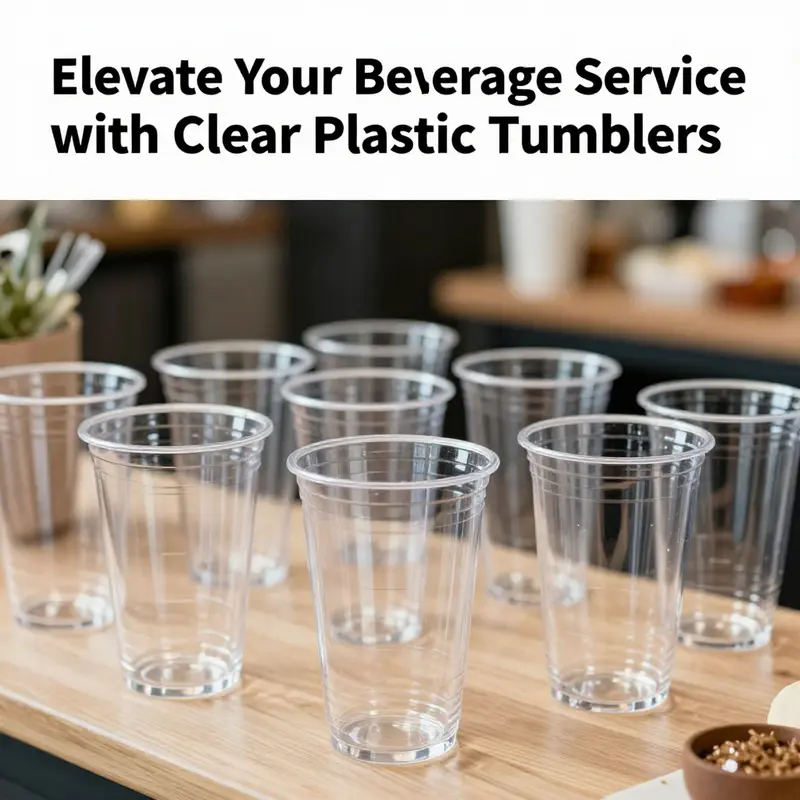
Clear plastic tumbler cups have become essential for a range of businesses, from bubble tea shops to catering services. Their durability, customization options, and ability to enhance customer experience make them a top choice for any beverage-related establishment. This article will explore innovations in tumbler design, their environmental impact, and how they can be utilized commercially to elevate branding and service offerings. Each chapter dives into these aspects, promising insights that cater to your specific needs in the beverage and event planning industries.
Beyond Clarity: Innovations in Clear Plastic Tumbler Cup Design for Function, Branding, and Sustainability

Clear plastic tumbler cups have transitioned from simple, disposable drinkware to purpose-built vessels that carry meaning beyond the liquid they hold. The modern clear tumbler is a canvas where engineering, aesthetics, and responsibility intersect, yielding a product that serves everyday hydration, social rituals, and brand storytelling with equal vigor. What begins as a straightforward vessel—transparent, light, easy to rinse—has become a study in how form and function can reinforce safety, reduce waste, and amplify message. The innovations unfolding in this space are not isolated refinements; they reflect a broader shift in consumer expectations. People want cups that feel durable in hand, that stay cool without sweating, that resist leaks when tossed into a bag, and that can be personalized to reflect a company value, a party theme, or a personal aesthetic. In tandem, manufacturers are embracing materials and processes that support safety, longevity, and responsible production. The resulting chapter in the story of clear plastic tumblers is less about novelty and more about a mature balance of clarity, capability, and care for the environment.
Material choices stand at the heart of this balance. The shift toward high-quality, food-safe polymers—most prominently Tritan and polypropylene—has redefined what a clear tumbler can endure without compromising its hallmark transparency. Tritan, with its exceptional clarity and toughness, offers shatter resistance that makes the cup feel sturdy despite its light weight. Polypropylene brings chemical resistance and a forgiving temperature tolerance that broadens practical use from cold beverages to light hot-holding scenarios. Across these materials, the emphasis remains firmly on BPA-free safety, a standard that has become almost universal in food-contact plastics. The practical upshot is a family of tumblers that not only look pristine at the outset but continue to perform with a clarity that feels almost pristine after repeated use and washing. The material story also aligns with sustainability goals: longer product lifespans, easier recycling pathways, and reduced environmental impact when contrasted with disposable cups that populate landfills far more aggressively.
Design innovations further elevate the everyday experience of using a clear plastic tumbler. Ergonomic shaping has moved beyond mere aesthetics to tangible handling benefits. Subtle contours fit the natural grip of a hand, reducing the chance of slipping and making one-handed use more comfortable in crowded venues or during a workout. Practical integrations—such as deliberate straw-hole placements, built-in straw options, and secure-fit lids with leak-proof seals—address real-world use cases. The result is a cup that travels more confidently from cafe counter to gym bag, from conference table to picnic blanket, without the anxiety of spills or drips. In many contemporary designs, double-wall insulation has become a staple for cold beverages, while some variants blend insulation with a slim profile to preserve portability. The effect is a twofold benefit: robust temperature retention for longer drinking enjoyment and a more satisfying texture in the hand, free from condensation that mars surfaces or clothes.
The emphasis on customization in clear plastic tumblers marks a decisive shift from a purely functional object to a branded experience. The surface of the cup has become a viable advertising and engagement medium. Full-color printing, decals, and screen printing unlock a spectrum of visual possibilities, from bold corporate logos to playful patterns that align with themes for events, campaigns, or seasonal promotions. Yet customization goes beyond visuals; it also encompasses practical aspects such as color-matched lids, coordinated straw hues, and modular components that make branding cohesive across a set. The capacity to add a brand’s logo in a durable, high-clarity format means these tumblers can function as walking advertisements, employee gifts, or take-home mementos that reinforce a message long after the event ends. This evolution in customization is complemented by platforms and communities that foster creative experimentation—TikTok, Pinterest, and similar spaces where wrap designs, graphic motifs, and packaging ideas proliferate. The result is a marketplace where a clear cup serves not only as a beverage vessel but as a storytelling surface that communicates values, energy, and personality.
Sustainability threads through every design decision, from the choice of material to the end-of-life considerations. Clear, reusable tumblers dramatically reduce waste compared with disposable cups. When manufacturers layer insulation or add functional features like ergonomic handles, they are not just boosting convenience; they are expanding the perceived value of reuse, encouraging longer lifecycles and more responsible consumer behavior. The conversation around environmental responsibility also touches on broader regulatory and corporate frameworks. Many clear tumblers now carry BPA certifications and adhere to Extended Producer Responsibility (EPR) regulations in regions like Germany and France. These standards reflect a growing expectation that product developers consider end-of-life behavior, recyclability, and responsible recycling infrastructure as integral components of design. In fast-growing global markets, this alignment with environmental stewardship is essential for scalable distribution and continued consumer trust. Even in the realm of disposable cups, the move toward clear plastic cups with flat lids designed for hygiene and convenience still benefits from this sustainability mindset, underscoring a continuum from single-use simplicity to reusable resilience.
The social and cultural dimension of design also informs innovation. Online communities and influencer ecosystems offer a fertile ground for inspiration and experimentation. Platforms that celebrate creative wraps, seasonal graphics, and community-driven design challenges provide a laboratory for iteration without the high costs of traditional product development cycles. This open-ended exploration—where a consumer can preview, customize, and share a concept—drives rapid refinement of both aesthetics and practicality. It is in this context that the clear tumbler becomes more than a product; it becomes a platform for individual expression and collective storytelling. As brands seek authentic connections with diverse audiences, the cup’s transparency becomes a metaphor for openness and clarity in communication, while its durability signals reliability and respect for the user’s time and preferences. In pursuing this path, designers recognize that the cup is a bridge—between the moment someone takes a sip and the broader narrative of a brand, an event, or a lifestyle.
In discussing the practicalities of these designs, it is useful to consider how the built-in features of a modern clear tumbler translate into real-world benefits. The integrated straw and straw-hole design, for instance, streamlines the drinking process, reducing the risk of spills during transit and enabling a smoother user experience in on-the-go contexts. A secure-fit lid with a leak-proof seal is not a mere accessory; it is a fundamental reliability feature that supports use in a car, during a workout, or at a busy desk. When these features pair with advanced materials and double-wall insulation, the result is a cup that maintains beverage temperature—cold for longer in hot weather and comfortable to hold as condensation is minimized. The longevity of such products becomes part of the sustainability narrative, as consumers save resources by reusing fewer disposable alternatives and enjoying the same cup for months or years rather than days or weeks.
From a manufacturing perspective, the translation of these innovations into scalable products involves careful attention to safety compliance and lifecycle thinking. BPA-free certification is a baseline expectation, and regulatory frameworks around packaging and plastics often emphasize traceability, recyclability, and responsible disposal. In anticipation of global distribution, manufacturers design with clear food-contact standards and align with regional waste and recycling ecosystems to facilitate end-of-life processing. The industry’s progression toward eco-conscious features—such as reducing the energy footprint of production, selecting materials with lower environmental impact, and enabling easier recycling at the consumer level—reflects a broader commitment to responsible growth. These considerations are not merely regulatory box-ticking; they underpin quality and long-term consumer confidence. A well-made clear tumbler thus embodies a practical ethic: it is safe to use, resilient enough to last, and thoughtfully configured to minimize environmental footprint while maximizing user satisfaction.
The connections to branding and promotional strategies are inseparable from product design. A clear tumbler that can be customized with full-color imagery and logos becomes a portable billboard that audiences can use daily. The act of drinking from a branded cup creates micro-moments of engagement—an opportunity for recall, affinity, and even peer sharing. The tangible experience of the cup—how it feels, how it handles, how long it keeps a drink cool—feeds into a brand’s narrative about reliability, innovation, and customer care. When a marketer pairs a high-clarity cup with a cohesive set of message-forward graphics and color schemes, the result is coherence across touchpoints, from the promotional event to social posts and everyday use. This alignment is increasingly important in crowded markets where attention is finite and every detail contributes to a brand’s perceived value. In practical terms, this means investing in durable customization techniques, durable print methods that withstand washing, and colorfast inks that retain vibrancy through repeated exposure to cold beverages and repeated cleaning. The payoff is a merchandising tool that does not merely look good on a shelf but performs well in daily life, reinforcing the brand’s identity with every sip.
As the chapter of design continues to unfold, it remains essential to acknowledge the influence of external resources and knowledge networks. For brands that want to explore cohesive packaging ecosystems beyond the cup itself, there are opportunities to consider related disposable tableware and packaging solutions that align with the same design language and sustainability commitments. For example, a customization approach that extends from the tumbler to takeaway packaging can amplify brand impact while simplifying procurement and production planning. A practical starting point for inquiry is custom-takeaway-packaging-supplies-disposable-tableware-for-theme-party. This reference invites designers and buyers to imagine a holistic, theming-consistent kit that includes cups, lids, straws, and complementary packaging—all tuned to a specific event or campaign. The idea is not to replicate a single item but to harmonize the entire user journey, from first glance to final disposal, into a coherent experience that respects both utility and sustainability.
In the realm of inspiration, the ripple effects of social media democratize access to design ideas and prototypes. Platforms dedicated to visual discovery and short-form video enable designers to test ideas quickly and gather feedback from diverse audiences. The rapid feedback loop accelerates learning about what resonates, what performs in real-world use, and what can be improved in the next iteration. The net effect is a continual upgrading of the clear tumbler—from a basic vessel to a flexible platform for creativity, brand expression, and responsible consumption. It also means that the consumer, once a passive recipient of a product, becomes an active participant in its evolution—sharing wraps, color combinations, and usage scenarios that others can adopt and adapt. This participatory dimension has the potential to push the industry toward more inclusive, globally relevant design vocabularies while maintaining the universal appeal of a transparent, dependable cup.
The ongoing dialogue between material science, ergonomic design, branding strategy, and sustainability will shape the next generations of clear plastic tumblers. To readers who design, manufacture, market, or purchase these items, the takeaway is clear: the cup is a multi-functional platform that should be designed with intention. Clarity remains important, but it is the combination of clarity with resilience, safety, and a compelling story that elevates the humble cup into a meaningful consumer experience. When thinking about future innovations, the conversation should pivot around lifecycle thinking, modular design options that simplify customization at scale, and materials that push performance without compromising safety or recyclability. In this sense, every sip becomes a narrative thread—one that connects the user to a product that is not only visually pristine but also purposefully built to support everyday life, brand engagement, and a more sustainable relationship with disposable culture than ever before.
External resource: TikTok Shop – Plastic Tumbler Cup Design.
Weighing Waste and Water: The Environmental Footprint of Clear Plastic Tumbler Cups
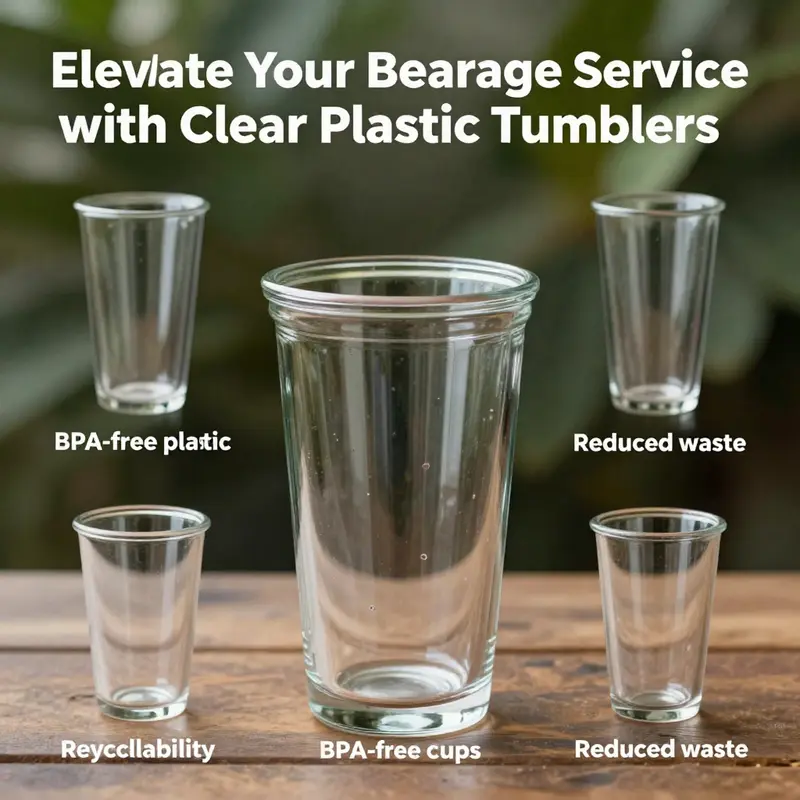
Clear plastic tumbler cups sit at an awkward intersection between convenience and consequence. Their transparency, light weight, and shatter resistance make them ideal for events, outdoor dining, and promotional uses. Yet those same qualities—cheap to produce, easy to discard, and widely distributed—translate into persistent environmental burdens. This chapter traces the life of a clear plastic tumbler from raw materials to disposal, highlights the most pressing environmental problems they create, and explores pragmatic paths that reduce harm while preserving the functional benefits consumers and businesses seek.
The story begins in petrochemicals. Most clear plastic tumblers are manufactured from petroleum-derived polymers such as polypropylene (PP) or polystyrene (PS), and sometimes from acrylic or similar plastics chosen for optical clarity. Extracting and refining fossil fuels, synthesizing monomers, and polymerizing them into usable resin consumes energy and emits greenhouse gases. That embedded carbon footprint is the first environmental cost: every tumbler carries with it a measure of upstream emissions tied to fossil-fuel extraction, transport, and industrial processing. While a single 16–24 ounce cup may seem insignificant in isolation, the ubiquity of these items magnifies the impact—millions of cups produced, shipped, and discarded annually add up to a material contribution to climate change.
Durability and disposability form a paradox. Clear plastic tumblers are prized because they resist shattering and are lighter than glass. Those features reduce breakage-related waste and lower transport emissions per unit compared to heavier alternatives. However, many are treated as semi-disposable: used briefly at a gathering or event, then discarded. Unlike truly durable drinkware designed for repeated use, disposable tumblers often end their lives within hours. Because the common plastics involved are not biodegradable, the physical material persists for decades or centuries. In terrestrial environments, they fragment into microplastics that infiltrate soils and waterways. In marine environments, they accumulate on beaches and in surface waters, where wildlife mistake fragments for food or become entangled in debris. The result is ecological harm across trophic levels and landscapes.
Recycling sounds like a straightforward remedy, but the reality is complex. Some clear tumblers are technically recyclable where local programs accept PP or certain clear plastics. Still, contamination is a pervasive barrier: food and drink residues, mixed materials (for example, a plastic straw lodged through a lid), and the presence of glitter additives or coatings can render items non-recyclable in many municipal streams. Even where collection systems operate efficiently, the economics of recycling are finicky. Virgin resin prices fluctuate with oil markets, and when virgin plastic is cheap, recycled plastic can be less competitive. Furthermore, mechanical recycling degrades polymer quality over cycles; clear optical clarity and physical properties may be lost, pushing recycled output into lower-grade applications. The net effect: a substantial proportion of clear plastic tumblers avoid closed-loop reuse and instead become downcycled or, worse, enter landfill or the environment.
Beyond waste streams, tumblers contribute to plastic pollution that is visible and invisible. Visible pollution includes littered cups along streets, parks, and coastlines, which harm aesthetics and tourism and require costly cleanup. Invisible pollution manifests as microplastics created through weathering and fragmentation. These tiny particles move through air, water, and soil, carrying sorbed chemicals and even transporting invasive microorganisms. Research indicates microplastics have been found in marine organisms, freshwater systems, agricultural soils, and even in atmospheric dust. While the specific health risks to humans from microplastic exposure remain under active study, the ecological consequences—disruption of feeding, reduced reproductive success in wildlife, and altered nutrient cycles—are already evident.
Greenhouse gas emissions, waste persistence, and pollution are interlinked with social and economic systems. Packaging choices are not made in a vacuum; businesses select tumblers based on cost, customer preferences, branding opportunities, and regulatory requirements. For many enterprises, clear tumblers are a pragmatic option: they showcase beverages, allow for decorative customization, and offer lightweight, inexpensive serviceware. Yet these short-term benefits often externalize environmental costs to municipalities and ecosystems. Extended Producer Responsibility (EPR) policies in regions such as parts of Europe aim to shift that balance by making producers accountable for end-of-life management. When manufacturers and distributors internalize disposal costs, product design can change—favoring materials that are easier to collect, recycle, or compost, or moving toward reusable models. Compliance with EPR frameworks has already prompted some firms to adopt more recyclable materials or invest in take-back systems, demonstrating that policy levers can reshape the supply chain.
Alternatives to conventional clear plastic tumblers fall along a spectrum. On one end are lightweight, compostable options made from biopolymers like polylactic acid (PLA), often derived from plant starches. These materials can reduce reliance on fossil fuels and, under the right conditions, biodegrade. However, they typically require industrial composting facilities—high-temperature, controlled systems—not household compost piles. In regions without industrial composting capacity, compostable cups may persist like conventional plastics or contaminate recycling streams. On the other end of the spectrum are truly reusable tumblers made from metal, tough BPA-free plastics designed for long life, or glass. A well-used reusable cup amortizes its manufacturing footprint over many uses, often outperforming single-use items after a surprisingly low number of cycles. Transitioning customers to reusables, however, depends on behavior change, convenience, and sometimes a shift in service models—such as deposit-return schemes or cup-exchange programs that reduce the burden on consumers.
Behavioral and operational strategies can dramatically lower the environmental costs associated with tumblers without eliminating their benefits. For event organizers and foodservice operators, simple steps yield outsized gains. Offering discounts for customers who bring their own cups or incentivizing reusable choices through loyalty programs nudges habits. Implementing staff practices that minimize single-use distribution—such as using washable pitchers and reusable servingware for on-site consumption—reduces reliance on disposables. When single-use items are unavoidable, choosing designs that are easily recyclable, free of mixed materials (like glued-on paper bands), and clearly labeled with disposal instructions increases the chance they enter the right waste stream. Signage that educates patrons about proper sorting can reduce contamination, as can providing separate collection bins for compostables, recyclables, and general waste.
Infrastructure matters as much as individual choices. Municipal recycling and composting systems vary widely, and compatibility between product design and local infrastructure should guide procurement decisions. For example, selecting compostable tumblers makes sense only where industrial composting is available; otherwise, those items can become contaminants. Similarly, prioritizing monomaterial tumblers that are clearly marked with accepted resin codes aligns with many curbside recycling programs. Some organizations have explored closed-loop solutions: collecting used tumblers on-site, sterilizing them, and putting them back into circulation for the same event or venue. This approach reduces the need for single-use items and keeps materials from entering municipal systems ill-suited to manage them.
Innovation in materials and systems offers promising paths forward. Advances in chemically recyclable plastics aim to restore polymers to monomers, enabling closed-loop reuse without the quality loss of mechanical recycling. Emerging coatings and additives improve the recyclability of clear plastics, allowing for better optical properties post-recycling. Digital tracking technologies, such as tagging returnable cups with QR codes and coordinating drop-off points via apps, make deposit-return models easier to scale. Collaboration across stakeholders—manufacturers, brands, waste managers, and regulators—can catalyze these shifts. When procurement policies prioritize long-term environmental performance rather than short-term cost alone, market demand motivates suppliers to produce more sustainable options.
Practical decision-making for businesses and event planners means balancing functional needs with measurable environmental outcomes. For short-term, single-use needs where hygiene or logistics necessitate disposables, choose clear tumblers that are monomaterial, clearly labeled, and compatible with local recycling or composting. Avoid features that complicate sorting, such as mixed-material lids and glitter additives that can degrade recyclability. For recurring uses—coffee shops, campus dining, festival organizers—invest in reusable systems and support consumer participation with incentives or deposits. Track and report usage metrics: how many single-use cups are avoided, how much material is diverted from landfill, and the carbon reduction achieved. Transparent reporting helps customers understand the value of their choices and builds trust in sustainable practices.
Consumers also have agency. Simple steps—carrying a personal reusable tumbler, choosing venues that favor reusables, and refusing disposable straws—reduce demand for single-use cups. At group events, volunteers can run reusable-cup stations. When purchasing clear tumblers for branding or gifts, prioritize durable, double-wall insulated designs intended for repeated use. Durable tumblers serve as long-lived brand impressions and reduce waste over time.
A realistic path forward recognizes that clear plastic tumblers will not disappear overnight. They fulfill real needs, especially where safety, weight, or cost considerations take precedence. The environmental imperative is to reduce unnecessary production, ensure the materials chosen are compatible with end-of-life systems, and favor reuse whenever possible. Combining product design improvements with infrastructure investments, policy tools like EPR, and behavior-change programs creates a layered strategy that addresses both symptoms and root causes of plastic pollution.
For immediate reference on the visible and less-visible impacts of single-use plastics, further reading is available from an authoritative external summary of the issue here: https://www.nationalgeographic.com/environment/article/single-use-plastics-environmental-impact. For businesses and event planners seeking alternative disposable options that emphasize compostability or reduced environmental impact, reviewing supplier offerings can be helpful; for example, a product page for a disposable clear plastic cup outlines typical specifications and intended use cases and may inform procurement decisions: https://ecocupbowl.com/product/disposable-clear-plastic-cup-outdoor-picnic-pet-cup-drinking-cup-for-parties-birthdays-weddings-camping-utensils/.
Walking the line between usefulness and responsibility requires continuous evaluation. Every clear plastic tumbler purchased is a vote for a system: one that either prolongs reliance on single-use petrochemical products or one that accelerates the shift to circular, low-impact alternatives. Thoughtful procurement, supportive policy, and consumer choices together can reduce the environmental footprint of these ubiquitous items while preserving the benefits they offer for hospitality and everyday life.
Branded Hydration: Clear Plastic Tumblers as Canvas and Catalyst

Clear plastic tumbler cups have evolved from simple serving vessels into strategic tools for brand storytelling. Their transparent bodies invite the eye to linger on the beverage and on the design, translating into tangible marketing value for brands of all sizes. When a cup is customized with a logo, a slogan, or seasonal artwork, it becomes a moving billboard that travels with a customer from purchase to event, office, or home. The tumbler thus functions as a portable interface between brand and consumer. This chapter explores how this interface is used across commercial settings, why customization matters, and how tumblers can balance safety, sustainability, and customer experience in practical business terms.
Manufacturers and distributors have recognized that the market for clear plastic tumblers thrives on two core strengths: resilience and legibility. Durability reduces the friction of replacement in high-traffic environments like hospitality venues and trade shows, while transparency enables display-driven branding. A beverage’s color, texture, or garnish visible through a crystal-clear wall can make the drink feel more premium and intentional, reinforcing a brand’s identity. The practical outcome is a product that supports functional needs and aesthetic storytelling without demanding special care from users.
From a business perspective, these tumblers work well in corporate events, promotional giveaways, retail branding, and hospitality services. In corporate settings, a branded tumbler can extend a brand reminder beyond a single moment, while in promotions the ease of logo integration supports reusable, long-lived impressions. In retail and hospitality, clear tumblers act as functional merchandising elements that enhance a brand’s ambiance and encourage repeat use. The chapter also considers safety and sustainability, noting BPA-free, food-grade materials and lifecycle considerations that matter to buyers and brands alike.
Final thoughts
Clear plastic tumbler cups are not just functional but also a significant opportunity for enhancement in the beverage industry. Their innovative designs cater to consumers’ needs for spill-proof and visually appealing options, while their eco-friendly materials meet the standards of sustainability that today’s market demands. By incorporating these tumblers into your service offerings, businesses can elevate their brand visibility through customizable options tailored for their audience. Adopting such practices not only enhances customer satisfaction but also positions your business favorably in a competitive landscape.