
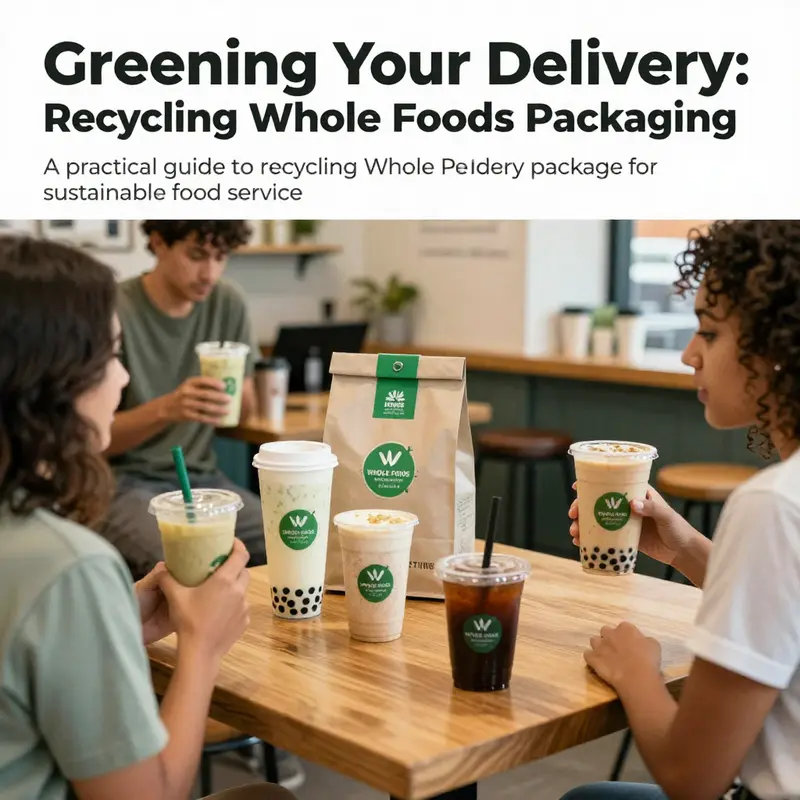
In today’s environmentally conscious market, food businesses—from bubble tea shops to full-service restaurants—benefit from responsible packaging disposal. Whole Foods delivery packaging involves a mix of materials that can often be recycled, reused, or composted. This guide explains how to identify recyclable components, navigate local guidelines, and implement practical practices that reduce waste while strengthening your brand’s sustainability commitments.
From Box to Circularity: Rethinking How We Recycle Whole Foods Delivery Packaging
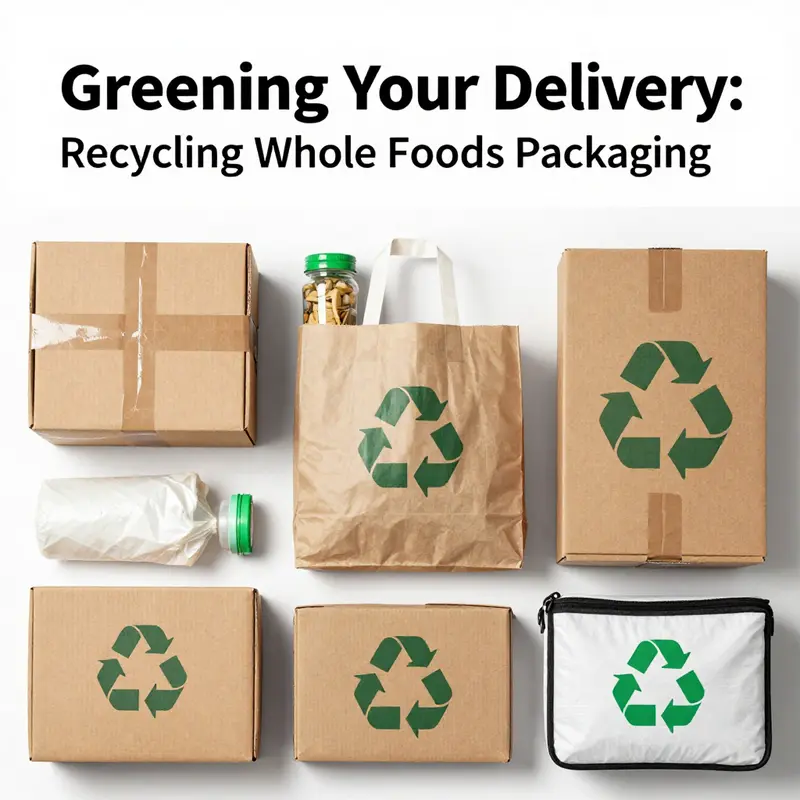
Each delivery box that lands on a doorstep carries more than groceries; it carries the potential to close a loop between manufacture and reuse. As packing systems pivot toward sustainability, the real work happens not only in the warehouse or recycling plant but in the kitchen where each piece of packaging is handled. The evolving approach to Whole Foods delivery packaging reflects a broader shift toward materials that can be accepted by curbside streams and toward practices that empower households to participate confidently in a circular economy. Consumers increasingly recognize that the box, the bag, and the wrap are not passive barriers to freshness but active participants in a system designed to minimize waste and maximize reuse. This awareness comes with practical needs: knowing which materials can be recycled where, how to prepare them for recycling, and what innovations are changing the rules at the curb. The journey from doorstep to recycling bin is a dialogue between material science, municipal guidelines, and the daily routines of households that want groceries delivered with less environmental cost.
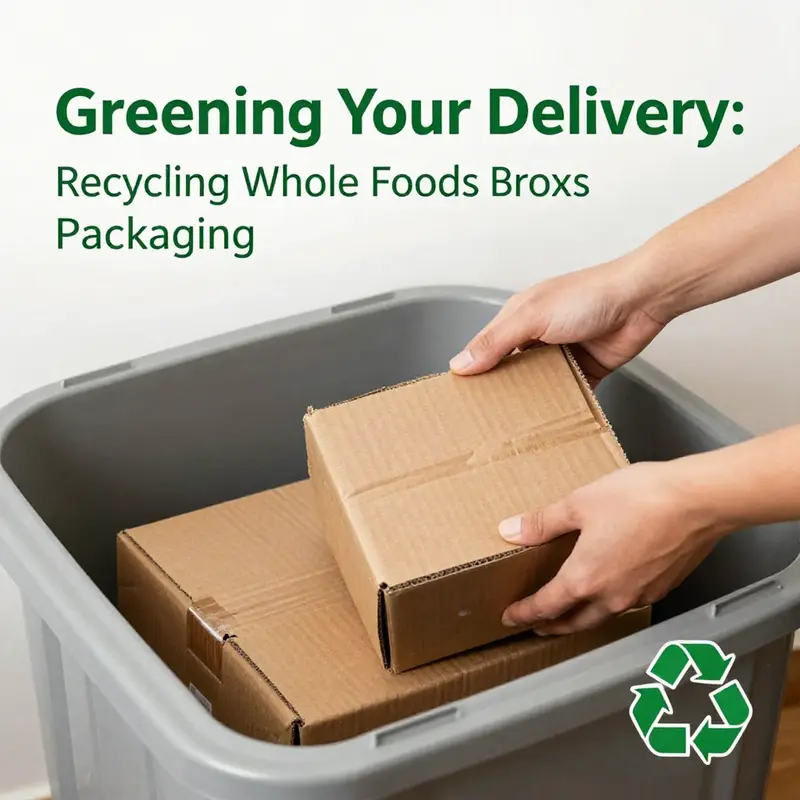
Cardboard boxes, the most common form of delivery packaging, stand at the intersection of practicality and recyclability. In many regions, flattened cardboard is a straightforward entry into curbside recycling programs. The first step for households is simple but essential: flatten the box to save space, then remove non-recyclable components such as plastic inserts, tape, or non-paper liners. When the box is clean and dry, it can flow back into the production cycle, where new cardboard and paper products can be manufactured using lower energy inputs than virgin materials. Yet the story is not uniform across every city. Some municipalities require that tape be removed or that boxes be separated from other recyclables. In others, tape is treated as a minor contaminant that recyclers can handle during processing. The key, therefore, is local clarity: before the box goes out to curbside, a quick check of the municipality’s guidelines can prevent a box from ending up in the wrong bin and delaying the recycling stream.
Beyond the box, the plastic elements of delivery packaging pose a more complex set of decisions. Plastic bags and wraps—whether used for produce protection, cushioning, or to keep items organized within a box—are frequently not accepted in standard curbside programs. This divergence creates a practical divide: households in some areas can place plastic film in their curbside bag, while others must take bags to store drop-off locations. Whole Foods Market stores, recognizing the need for a dedicated solution, commonly provide plastic bag recycling bins near entrances. In these spaces, bags and films can be recycled properly rather than ending up as loose film in a curbside tote, which can jam sorting machinery. The crucial habit for households is to verify whether their local program accepts plastic bags and, if not, to take advantage of store drop-off bins. The idea is simple: keep the film out of the normal recycling stream and route it to a specialized channel that can process it into new materials.
Styrofoam and insulation pouches introduce another layer of nuance. Historically, many municipal programs do not recycle these items, or they require unusual drop-off steps. The consensus among waste management experts is that Styrofoam is not readily accepted through standard curbside recycling. For these items, the practical path often lies in local guidance—checking with the city’s waste service or consulting dedicated resources that direct residents to nearby drop-off locations. This reality can be frustrating for households hoping for universal curbside recycling, but it also highlights an opportunity: as packaging innovations accelerate, new formats can reduce reliance on materials that are hard to recycle through municipal systems. The broader objective is to align packaging choices with local capabilities, ensuring that what is produced can be recovered, reused, or repurposed without excessive energy or transportation costs.
A significant portion of the packaging conversation now centers on the emergence of curbside-recyclable packaging designed specifically for frozen and chilled foods. In response to consumer demand for convenience alongside sustainability, major logistics players have introduced packaging systems engineered to be compatible with standard curbside recycling programs in many areas. These innovations reduce the friction that often accompanies recycling efforts, enabling households to dispose of delivery materials with the same ease they experience with other recyclables. The practical impact is meaningful: faster, cleaner recycling at the household level translates into lower contamination rates and more reliable material recovery. This development does not erase the need for consumer diligence; rather, it changes the calculus. When packaging is designed to be curbside-recyclable, the onus shifts to ensuring that it stays clean, dry, and free from food residue so that it maintains its value through the recycling stream.
For those navigating the particulars of plastic film and similar packaging, it helps to remember the two critical guiding principles: know your local rules and segregate by material when possible. If an item cannot be accepted curbside, explore whether a local store offers a plastic film drop-off. This often involves a simple search or a quick visit to the store’s information desk. The overarching objective is to prevent film plastics from contaminating paper streams and to ensure that every material finds its intended destination. In practice, this means preparing each item for recycling: remove paper labels that could hinder processing, dry all surfaces so moisture does not invite microbial growth in the recycling stream, and avoid contaminating the packaging with food residues that would need extra washing later. Cleanliness, when paired with correct sorting, becomes the quiet engine that makes curbside recycling more efficient and effective.
In addition to material-specific guidance, the conversation about Whole Foods delivery packaging is increasingly framed by the broader concept of MAP—modified atmosphere packaging. MAP technologies actively remove or modify the air inside a package to slow oxidation and microbial growth. While MAP is often discussed in the context of shelf-stable or high-value foods, its role in delivery packaging underscores a broader philosophy: packaging should preserve quality while minimizing waste. Innovations in MAP can help extend freshness and reduce the need for excessive plastic layers that hinder recyclability. The emerging packaging paradigms aim to balance containment, protection, convenience, and communication—four functions that remain essential even as materials and recycling systems evolve. For consumers, this means a continued emphasis on proper handling and informed choice, not a retreat from the responsibility of recycling.
As households navigate the practicalities, practical routines become the connective tissue between innovation and daily life. The core steps are simple but powerful: rinse or wipe surfaces when possible, allow items to dry, and separate components by material so that cardboard, plastic film, and any rigid plastics travel through the appropriate channels. If a box has multiple components, such as a cardboard shell with plastic inserts, consider removing non-paper pieces first and setting them aside for the proper recycling stream. Flattening boxes, detaching tapes, and disposing of non-recyclable elements in the correct bin reduces contamination and keeps the stream flowing smoothly. The more households integrate these small actions, the more effective packaging systems become at scale. In turn, this reinforces the circular economy by turning waste into a resource rather than a burden.
To connect these everyday practices to the larger story of packaging innovation, it helps to visualize the lifecycle from doorstep to material recovery facility. A cardboard box, once emptied and flattened, can re-enter the cycle as new fiber. A plastic bag, if properly recycled at a store drop-off, can be transformed into new film or composite materials. An item of Styrofoam, placed at the right drop-off point, can be diverted from landfills and redirected to specialized recycling streams that handle foam waste. Each step relies on consumer mindfulness and the accessibility of appropriate facilities. In places where curbside programs are robust, the path is straightforward. In others, it requires a network of drop-offs, community education, and ongoing collaboration between retailers and municipalities. The synergy of these elements is what makes delivery packaging less of a one-way burden and more of a shared resource.
For readers seeking a tangible connection to best practices in sustainable packaging, a useful reference point is the broader movement toward recyclable, easily separable delivery materials. The philosophy is not merely about what can be recycled; it’s about how packaging can be designed to be recovered with minimal effort. In this sense, the industry’s progress toward curbside-friendly designs, combined with store-level film recycling options, represents a practical alignment of product design, waste management infrastructure, and consumer behavior. The shift invites shoppers to view packaging as a collaborative element of the grocery experience—one that should be designed, sorted, and disposed of with clarity and care. When this mindset takes hold, the path toward reduced waste becomes less about sacrifice and more about simplicity: fewer mixed materials, fewer contaminants, and more reliably recycled streams that feed back into manufacturing cycles.
Within this evolving landscape, an accessible touchpoint emerges for readers who want a concrete example of how packaging options translate into everyday action. The idea of choosing and handling packaging with recycling in mind can be reinforced by exploring resources that discuss sustainable containers and their end-of-life paths. One such point of reference highlights the practicality of dedicated, recyclable packaging solutions that retain performance while easing recycling at home. This perspective aligns with the broader narrative of curbside-friendly designs and municipal guidance, underscoring that consumer choices and packaging design can move in concert toward a circular system. For readers who want to explore related packaging formats beyond conventional boxes and bags, a resource that discusses eco-friendly takeout packaging can provide additional ideas about how to reconcile style, practicality, and recyclability in everyday meals. See this resource for more on sustainable container options: eco-friendly-takeout-boxes-for-food-packaging-stylish-food-containers-safe-microwave-craft-paper-lunch-boxes-leak-grease-resistant.
The broader takeaway is clear: recycled or recyclable packaging is a shared responsibility that starts with informed choices and continues through careful disposal. The move toward curbside-recyclable designs for frozen and chilled foods marks a meaningful advance, but it does not absolve households from the discipline of cleaning and sorting. The consumer plays a central role in validating these innovations. When local guidelines support curbside recycling for cardboard and certain plastics, households can participate with confidence by keeping materials separate, dry, and free of food residues. When local guidelines require store drop-offs for plastic films, households should adopt the routine of saving those films for a designated bin. The sum of these practices, spread across millions of deliveries, becomes a powerful force for reducing waste and supporting manufacturers who prioritize circularity in their packaging choices. The arc from doorstep to reuse is a story of design meeting discipline, and it unfolds most effectively when consumers, retailers, and municipalities work in harmony to make recycling intuitive, reliable, and accessible to all.
External resources provide additional context for readers who want to connect their daily actions with broader packaging innovation trends. For a detailed look at how packaging design is evolving to enable curbside recycling and to support a cleaner waste stream, see the official discussion on packaging innovation and sustainability from major retailers. This resource offers deeper insight into the goals, challenges, and opportunities that shape how packaging moves from consumer hand to material recovery, and how design choices influence the end-of-life pathways that keep products in circulation rather than in landfills.
null
null
Closing the Loop on Flexible Packaging: Realities and Promise of Recycling Plastic Bags in Grocery Delivery
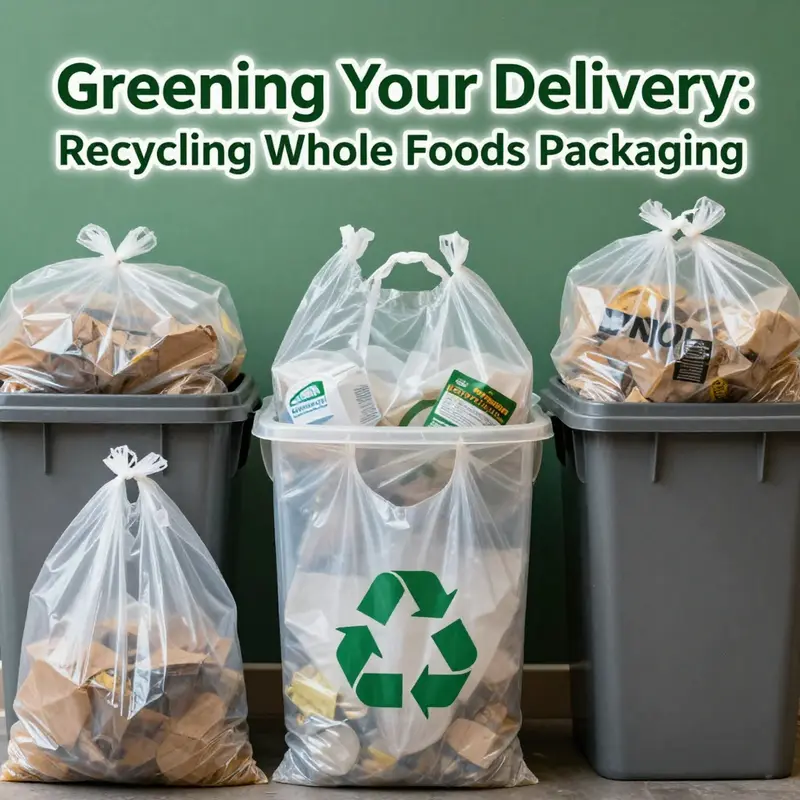
Plastic bags and wraps pose major recycling challenges in grocery delivery packaging. They are lightweight and versatile, but many facilities are designed for rigid plastics, making film difficult to sort and often leading to contamination or disposal in landfills. Policy programs vary by region, and drop-off options are not always available or widely used, which lowers recovery rates. A UK WRAP estimate shows only about 10% of plastic film waste is recycled, highlighting systemic barriers rather than consumer intent. To move toward a more circular system, retailers can design toward mono-material options, reduce multilayer films, and preserve food safety while enabling recycling. Expanding convenient take-back programs and collaborating with technology developers can improve collection, sorting, and processing of mixed films. The path forward is to align packaging design, collection access, and end-of-life infrastructure so that flexibility does not come at the cost of recyclability. While not simple or inexpensive, the combined redesign, expanded access, and collaborative investment offer meaningful reductions in waste and greater circularity for delivery packaging.
Pioneering a Closed-Loop Future: Reimagining Grocery-Delivery Packaging for Recyclability and Regeneration
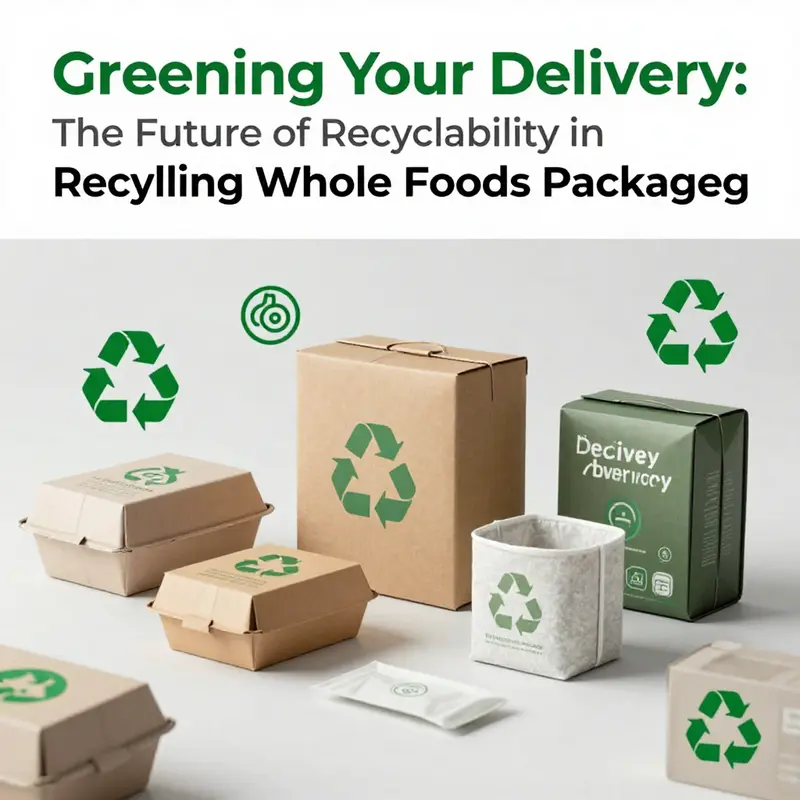
A delivery system that arrives with its groceries in pristine condition should also leave the planet with less waste and more possibility. The vision of a closed-loop future for grocery-delivery packaging rests on a design-led approach that treats end-of-life as a design constraint from the outset. The current landscape shows a spectrum of materials and practices, from sturdy corrugates that can be recycled to multilayer composites that resist sorting. The challenge is to reimagine every packaging layer as part of a system that can be collected, cleaned, and reintroduced into production. In this sense, recyclability is inseparable from materials science, logistics, policy, and consumer behavior. The path forward is not a single silver bullet but a sequence of interlocking choices that push a major retailer toward a fully recyclable or compostable delivery ecosystem, with packaging that is easy to sort, easy to recover, and economical to reuse or recycle.
The transition begins with standardized, recyclable or compostable solutions that can be deployed across a broad delivery network. Standardization matters because it reduces confusion for consumers and streamlines processing for waste streams. When a network offers only a few validated packaging formats, municipal facilities can adapt more quickly, and customers can dispose of each item without guesswork. This is where material choices become strategic: plant-based plastics, such as polylactic acid derivatives, hold promise when properly labeled and managed. Fiber-based composites, crafted from paper with minimal synthetic interlayers, can be designed to behave like familiar cardboard in the sorting stream while delivering the protection needed for food transport. The ultimate aim is to move toward mono-material solutions—single-stream, easily separable materials that avoid layering traps that complicate recycling. Such a shift demands rigorous testing to ensure shelf life, grease resistance, and food safety remain uncompromised as the materials transition to new end-of-life pathways.
Alongside material design, strategic partnerships emerge as a central engine of progress. Retailers will deepen collaborations with material science firms and with waste-management infrastructure providers who understand regional sorting capabilities and composting capacity. Partnerships help align incentives across the value chain, from suppliers who bear post-consumer stewardship to cities that must adapt their collection systems. When researchers, waste haulers, and brand teams co-create, packages are safer and more cost-effective during transit and easier to recover after use. The outcome is a packaging ecosystem designed for end-of-life recovery rather than a one-way trip to the landfill.
Regulatory landscapes shape what is possible and how quickly it can be implemented. As single-use plastics policies tighten, the pressure to replace materials with recyclable or compostable alternatives grows. Compliance is an opportunity to innovate around safety, performance, and consumer trust. Clear guidelines about what can be recycled, composted, or discarded reduce contamination and increase recycling rates. Authorities reward packaging that can be sorted in municipal streams, withstand wet conditions, and avoid multilayer configurations that resist end-of-life processing. The retailer’s approach must anticipate evolving regulations while maintaining convenience for customers and ensuring product protection and food safety.
Innovations in packaging point toward future viability. The emphasis is to reduce material use and improve end-of-life outcomes. Companies are exploring recycled content in new packaging, which lowers demand for virgin materials and closes the loop on material streams. There is a deliberate effort to minimize reliance on multilayer constructions that complicate recycling. The next phase envisions end-of-life design that supports recovery. For example, compostable mailers and food-contact packaging options that break down in industrial facilities can substantially reduce landfill waste when integrated into robust separation and collection systems. Pilot programs have tested options that align with local capabilities, underscoring the need for municipal readiness to absorb such innovations. In practice this means not only creating the right packaging but also shaping the services that collect and process it, including drop-off points, routing for reverse logistics, and consistent labeling for end users.
A broader shift toward a circular economy becomes a practical operational model. In a closed-loop system, delivery packaging is collected, cleaned, and returned into circulation, with reverse logistics designed to minimize water and energy use while maximizing material recovery. Visual cues and labeling play a central role. When consumers can easily identify whether a container is recyclable, compostable, or destined for trash, they participate more effectively in the recovery system. Simple, consistent disposal instructions become as critical as the packaging’s protective features. The retailer can reinforce this education through clear communication that helps customers understand the impact of their choices and provides straightforward steps to participate in the circular process. The result is a culture of reuse and recovery that extends beyond a single shipment to a broader habit of responsible consumption.
Consumer engagement is an ongoing dialogue. Transparent labeling that communicates a package’s end-of-life path—recycle, compost, or trash—helps customers act with confidence. Brands can highlight the environmental benefits of choosing recyclable formats, reinforcing a sense of participation in a collective effort. Beyond labeling, education can be embedded in delivery experiences. Community guidelines could offer guidance on local recycling routes or drop-off locations, making it easier for customers to access appropriate processing. A simple incentive framework—rewards for returning packaging for reuse or recycling—can further motivate participation. The goal is not to shame or overwhelm customers but to empower them to be partners in a system that aims to reduce waste and extend material value.
Even as the vision expands, current constraints remind us that progress is cumulative. Contamination remains a barrier to high recycling rates. When packaging includes multiple materials or non-recyclable adhesives, it can be difficult to recover in municipal streams. Addressing this requires design disciplines that optimize for end-of-life, not only for on-shelf performance. It also demands investments in municipal infrastructure, from more widespread composting facilities to advanced sorting technologies. The success of future initiatives depends on aligning corporate leadership with community capabilities and policy support. In other words, progress is a shared project that involves retailers, manufacturers, waste-management providers, legislators, and the public. It is not enough to craft better packaging; the whole ecosystem must evolve in tandem to realize the benefits of a circular model.
The roadmap to this future is iterative. It begins with better material choices and standardized formats, moves through strategic partnerships and regulatory adaptation, and culminates in consumer education and an integrated circular economy. An important milestone is to design packaging specifically for end-of-life recovery, moving away from heavy, multilayer composites toward mono-material solutions that can be sorted and recycled with minimal effort. The emergence of pilot programs signals a willingness to experiment and learn. Each test provides data about processing capabilities, consumer behavior, and environmental impact, informing subsequent scaling decisions. The future of recyclable grocery-delivery packaging is less about a single breakthrough and more about building a resilient network of practices that can adapt to local realities while maintaining a coherent, company-wide commitment to sustainability.
The narrative connecting packaging, delivery, and sustainability is ultimately about responsibility across the value chain. Corporate leadership can steer the conversation toward a closed-loop model, but reliable progress requires transparent supply chains, compliant practices, and public-readiness to invest in systems that reclaim and reuse materials. As cities and nations refine their waste-management rules, retailers that align packaging strategy with evolving standards will be better positioned to deliver both value and environmental stewardship. In this integrated vision, consumer convenience, product safety, and environmental integrity reinforce one another rather than compete. The journey toward a closed-loop future in grocery-delivery packaging is underway, and its success will be measured not only by grams diverted from landfills but by the ability of people, products, and policies to move together in a more sustainable rhythm.
Final thoughts
Understanding the recycling capabilities of Whole Foods delivery packaging can empower bubble tea shops, restaurants, food trucks, and corporate teams to make informed waste-management decisions. From the recyclable nature of cardboard boxes to the challenges posed by plastic bags, responsible disposal combines local recycling practices with potential packaging innovations. By embracing these opportunities, your business can lead the way toward a more sustainable food service industry.