
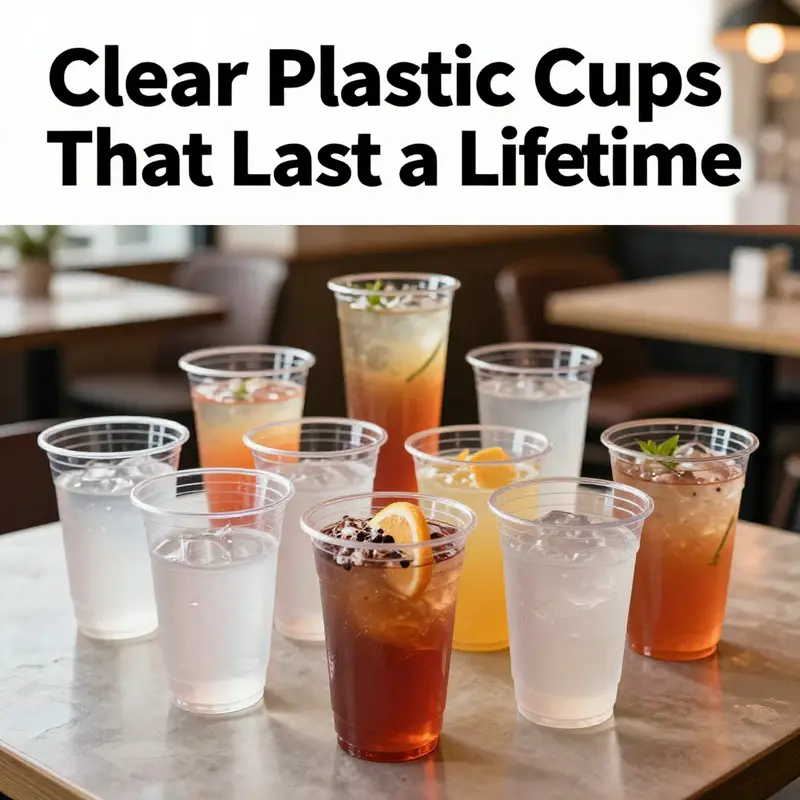
In an era prioritizing sustainability without compromising quality, clear plastic cups made from high-grade polycarbonate are transforming how beverage shops, restaurants, and event planners approach their drink service. These cups, designed for durability and repeated usage, not only resonate with eco-conscious values but also offer a practical solution to the rampant waste generated by single-use plastics. This article explores the exceptional durability of polycarbonate cups, the science behind their resilience, and their economic and environmental impact, providing a holistic understanding of why they are becoming the go-to choice for modern beverage services.
Enduring Clarity: The Engineering Behind Clear Plastic Cups Built to Last a Lifetime
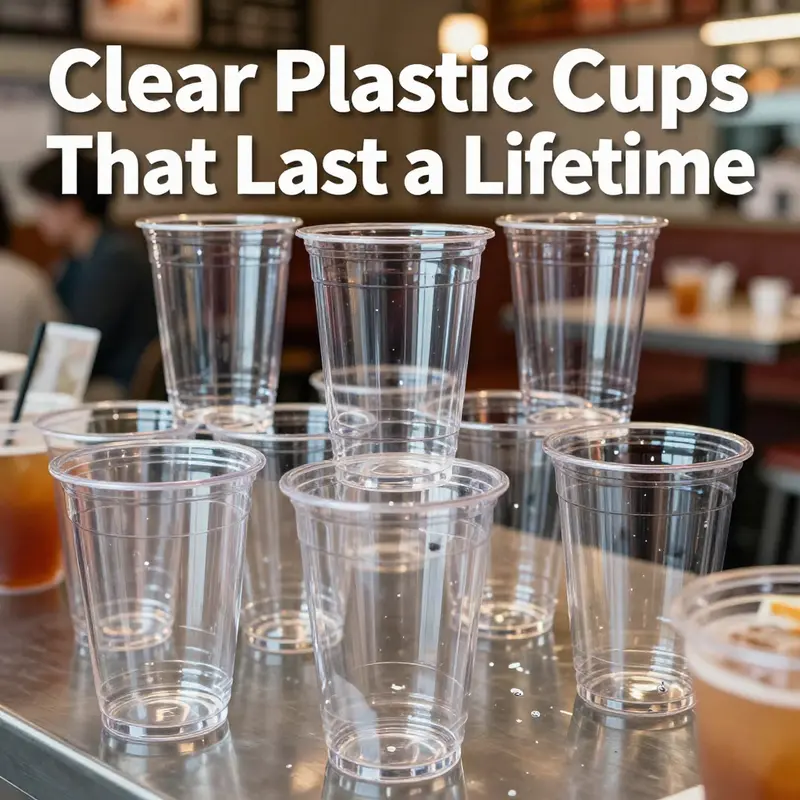
Clear plastic cups that promise a lifetime of reliable service rest on more than a glossy surface and a bright label. They rely on a careful blend of material science, thoughtful design, and practical use that elevates a disposable-looking object into a durable tool for daily life, fast-paced service, and special events. When we strip away the marketing rhetoric, what remains is a clear statement about what a cup must do to endure: resist cracks and breaks when dropped, maintain its form under repeated handling, stay visually appealing when subjected to heat, cold, and the pressure of busy hands, and still feel trustworthy after countless cycles of washing, stacking, and pouring. The chapter that follows treats these cups as real engineering objects rather than mere containers. It traces how materials, design choices, and care practices intersect to deliver a product that can truly last a lifetime of use while keeping safety and aesthetics at the forefront.
At the heart of durability lies material choice. Polycarbonate stands out as a high-performance option for cups designed for heavy-duty use. Its molecular structure delivers a combination of toughness and clarity that ordinary plastics often struggle to combine. The resin’s rigidity helps resist cracking and shattering if a cup is knocked off a counter or slid across a table. The result is a cup that retains its shape and continues to bracket the beverage without warping or deforming. Yet even among polycarbonate cups, there is a spectrum of performance dictated by the level of polymer quality, molding precision, and post-production finishing. High-grade polycarbonate formulations minimize haze and clouding that can accompany repeated washing or temperature swings, preserving the transparent, glass-like appearance that makes these cups so presentable in both casual and professional settings.
Another material commonly involved in long-lasting clear cups is premium PET plastic. PET offers excellent clarity and lightness, two traits that contribute to a premium look without sacrificing strength. While PET is widely associated with single-use applications in consumer culture, when engineered for durability PET can participate in longer lifecycles, especially when combined with design choices that guard against scratching and stress cracking. The advantage of PET in a durable form is its balance: it remains clear and clean-looking after repeated cycles, yet can be produced at scale with consistent thickness and optical properties. For any cup advertised as reusable or designed for long-term use, the material specification often reflects a careful pairing of these plastics with additives and processing techniques that optimize impact resistance and resilience to temperature changes. The emphasis on safety remains paramount; cups marketed as reusable typically carry a BPA-free designation, a signal that manufacturers have prioritized consumer health and regulatory expectations alongside performance.
The question of durability, however, extends beyond raw materials. Design choices—how the cup is shaped, how the walls are proportioned, and how the rims are finished—play a pivotal role in how long a cup can perform without failure. A uniform rim, for instance, contributes to stable pouring and predictable stacking. When rims are free of sharp irregularities and the wall thickness is balanced, a cup resists localized stress that could otherwise propagate into cracks after a drop or a hard knock. Likewise, wall thickness matters. Too thin, and a cup risks cracking under impact or enduring deformation from heat; too thick, and the cup becomes heavy, cumbersome, and prone to fatigue under repetitive handling. The best durable cups demonstrate a thoughtful middle ground: sturdy enough to withstand rough handling, yet light enough to be comfortable for daily use and easy to manage in busy service environments.
Temperature resistance is another critical facet of lifetime performance. These cups are crafted to tolerate both hot and cold beverages. In commercial kitchens and event settings, they may encounter heated liquids, warm hands, and sudden temperature shifts as drinks flow from kitchen to bar to table. A well-designed cup maintains its shape and clarity even as it sandwiches a hot drink between its inner and outer layers, or as it cools from a heated service to a cooler customer’s hand. This thermal stability is not just about comfort; it reduces the risk of material fatigue that can stem from rapid heating and cooling cycles. Polycarbonate and premium PET, when properly formulated and processed, resist such stress better than several common alternatives. The result is a cup that continues to feel solid and reliable, even after years of being used in high-demand environments.
The design ethos of durable clear cups also emphasizes safety and sustainability. BPA-free status is not merely a box to check; it is part of the cup’s cultural alignment with consumer expectations for healthier and more responsible products. In practice, BPA-free formulations reduce concerns about potential leaching, especially when beverages are hot. This makes lifetime-use cups appealing not only for commercial operators seeking reliability, but also for households that want a long-lasting solution they can reuse with confidence. Aesthetic considerations matter as well. Clarity is more than beauty; it is functional. The crisp transparency of the plastic allows the color, texture, and presentation of a drink to come through unobstructed. For cocktails, iced beverages, and fruit-forward drinks, that visual appeal is a core part of the user experience. The beauty of a clean, transparent cup contributes to perceived quality and can influence how often a cup is reused rather than discarded.
In practice, durability emerges from a cycle of testing and refinement that mirrors the realities of everyday use. Manufacturers subject cups to impact tests, drop tests, and repeated washing cycles to observe where and how failures appear. They measure crack resistance, bending fatigue, and deformation under load to determine worst-case scenarios and margins. They also examine surface integrity; a cup that scratches easily loses its pristine appearance, which in turn can be reason enough for a user to switch to a substitute. By focusing on the interplay between material choice and surface treatment, producers aim to minimize micro-scratches that accumulate over time and degrade clarity. In other words, lasting performance is as much about keeping the surface pristine as it is about resisting structural failure.
The environment in which a cup operates also frames its durability story. Reusability is not merely about a product’s physical toughness. It encompasses the lifecycle perspective: how a cup travels from production to end of use, how it is cleaned and stored, and how it eventually enters disposal or recycling streams. For many durable clear cups, recyclability remains a practical option at the end of their service life, especially when a material is chosen with recycling compatibility in mind. This environmental responsibility aligns with consumer desires for products that reduce waste over the long term, provided that the manufacturing and post-consumer handling are efficient and well-supported by recycling infrastructures. In this sense, the promise of a lifetime of performance becomes a narrative about responsible consumption as much as about technical capability.
The everyday applications of these durable cups reinforce their value. Households benefit from a reliable option for family gatherings, everyday beverages, and casual entertaining. In commercial settings—restaurants, cafes, and event spaces—the cups must withstand higher usage volumes, rapid turnover, and frequent handling by staff of diverse experience levels. The cups’ ability to maintain their appearance and structural integrity under such conditions translates directly into operational efficiency: fewer replacements, less breakage, and a more professional presentation. The confidence that comes from a durable cup has ripple effects on workflow, inventory planning, and customer perception. When a server sets down a glass-like, crystal-clear cup that remains pristine after a busy service, it reinforces a sense of care and quality that patrons notice even if they cannot articulate the science behind it.
Beyond the tangible properties, the care and maintenance of these cups contribute to their lifetime performance. While many durable cups are marketed as dishwasher-safe, a prudent approach recognizes that repeated exposure to high heat, harsh detergents, or aggressive washing cycles can gradually erode clarity or edge strength. Manufacturers often provide care guidelines that balance convenience with longevity: perhaps recommending a cautious washing cycle, avoiding extreme heat, and storing cups in a way that minimizes contact-induced scratches. In households and venues where reuse is decisive for cost and sustainability, adopting a respectful care routine ensures the material’s integrity is preserved for as long as possible. This is not merely about protecting a single cup; it is about extending the practical lifespan of an entire collection, a small but meaningful gesture toward reduced waste and more deliberate resource use.
The interplay between material properties, design, and care points toward a broader narrative about consumer expectations and the evolving definition of reuse. A lifetime of performance is not a guarantee that a cup will survive every possible mishap; it is a promise that, under typical conditions of family life, service rhythms, and event logistics, the cup remains a reliable component of a beverage experience. It is a standard grounded in real-world testing, not in idealized scenarios. When a cup resists cracking after an accidental tumble, maintains its clarity after repeated washing, and stays comfortable in the hand through numerous refills, it embodies a practical synthesis of science and daily use. It is this synthesis that makes the concept of lifetime durability credible, not merely aspirational.
To those who design, carry, and use these cups, the message is clear. Durability is not a single feature; it is an ecosystem of materials, processing, geometry, and end-of-life thinking that together make a cup more than a transient accessory. The best durable clear cups are the ones that perform with grace under pressure: they hold temperature, withstand handling, preserve their look, and invite confidence in every pour. They enable meals, gatherings, and celebrations to unfold with the assurance that the vessel will not betray the moment. In that sense, the lifetime promise is a reflection of continuous improvement, a sustained commitment to delivering a product that is both visually pristine and physically trustworthy.
For readers who want to explore the performance dimensions more deeply, the following external resource provides a detailed technical guide on the properties of clear PET cups, including material performance metrics, processing considerations, and types used in industrial applications: https://www.plasticcupguide.com/16-oz-clear-pet-plastic-cups-guide/ . This reference offers context for how engineers and designers evaluate clarity, strength, and thermal behavior in the real world, complementing the narrative of durability with quantitative insight.
Within this broader conversation, the practical relevance of durability also becomes evident when considering related packaging and serving solutions. In environments where presentation matters as much as performance, the ability to offer a consistently pristine, crystal-clear cup supports a cohesive brand or event experience. The choice of a reusable, durable cup sends a signal about quality and care that resonates with customers and guests. It reinforces trust and elevates the perceived value of the beverages contained within. The relationship between material choice, form, and user experience is not abstract; it manifests in the moments when a cup lands gently on a coaster, when a server pours with a steady hand, and when a guest notices that the glassy surface remains bright and unmarred after a busy hour. In those moments, durability is not just a technical attribute; it is an enabler of ambiance, efficiency, and satisfaction.
This narrative circles back to the core idea: a lifetime of performance is the result of deliberate engineering, continuous testing, and mindful use. Polycarbonate and premium PET offer a robust foundation, but it is the way these materials are crafted into cups—the precision in molding, the balance of wall thickness, the safety coatings, and the attention to finish—that makes the difference between a cup that merely holds liquid and a cup that endures. The design choices, from rim uniformity to surface resilience, support a cycle of reuse that aligns with responsible consumption while meeting the practical needs of homes and businesses. When combined with clear advantages in temperature tolerance and impact resistance, these cups become more than containers. They become dependable components of everyday rituals, celebrations, and service workflows alike.
As this exploration of lifetime durability unfolds, it is important to acknowledge that the conversation about reuse and end-of-life dynamics continues to evolve. While the goal is to extend the usable life of cups, it is equally important to consider how to recycle or repurpose them when their service life eventually ends. The most durable cups can still participate in recycling streams or be repurposed for tasks that do not require pristine clarity, ensuring that their materials continue to contribute rather than simply adding to waste streams. The result is a practical approach to a long-lasting product that respects both consumers and the environment. In that spirit, the chapter has looked beyond the surface to understand how durability is achieved, what it costs in manufacturing and care, and how the promise of a lifetime of performance can be realized in everyday life while remaining mindful of sustainability concerns that define the products of tomorrow.
Internal link reference for further exploration: disposable clear plastic cup for parties and camping.
In sum, the durability of clear plastic cups built to last a lifetime rests on a careful orchestration of material science, precision engineering, and responsible usage. The narrative is less about a miracle material and more about what happens when translation from research to practice is done with discipline and foresight. It is about choosing the right polymer, shaping it through thoughtful design, treating it with respect in use, and acknowledging the end of life as part of a broader, more sustainable loop. When these elements align, the result is a clear cup that not only carries a beverage but also carries a story of durability that can be trusted for years to come.
Enduring Clarity: The Material Science Behind Clear Cups Built for a Lifetime
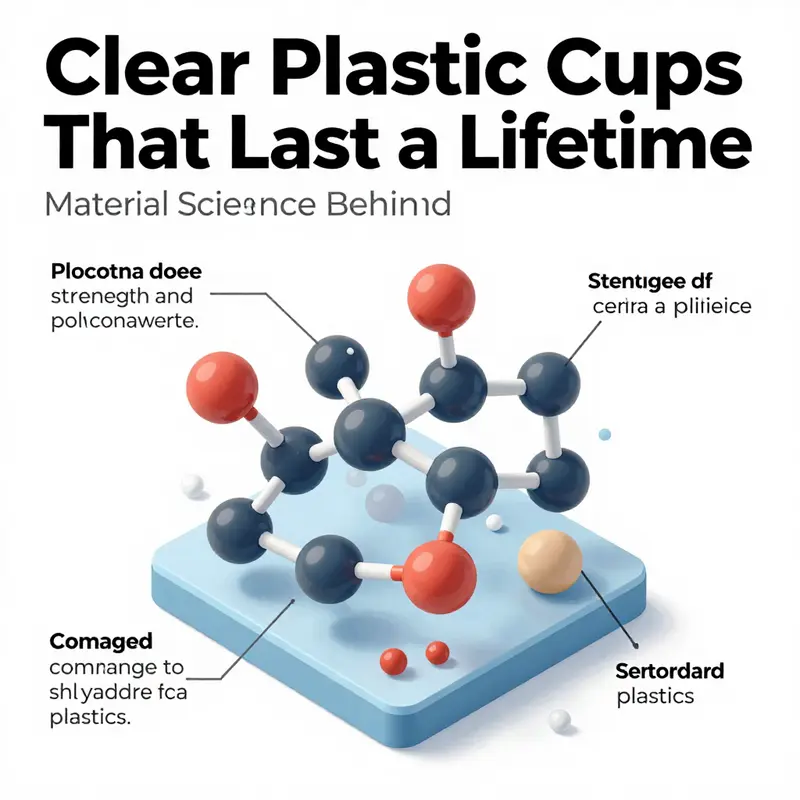
Clear plastic cups that last a lifetime sit at the intersection of everyday practicality and rigorous material science. In many settings, from quick-service eateries to outdoor festivals, the idea of a cup that remains clear, resists wear, and survives repeated cycles of use, washing, and occasional mishaps is not just a marketing promise but a functional necessity. These are not the disposable, throwaway vessels that flood landfills after a single night. They are engineered commodities, born from a careful choice of polymers, precise manufacturing, and processes that relieve internal stresses so the item performs year after year. The arc from raw polymer to a dependable cup is not simply about choosing a sturdy plastic; it is about aligning properties that together deliver impact resistance, thermal tolerance, chemical inertness, and optical clarity. When these attributes line up, a cup can endure the rigors of commercial environments and the household chores of daily life, offering a steadier, more sustainable option for beverages and contents that demand a repeatable, safe experience.
In practice, the lifetime performance of a clear cup hinges on a balance of toughness and transparency. A cup must not only resist cracking or shattering when dropped but also maintain its visual appeal. Clarity matters because it communicates quality and healthfulness; clouding, yellowing, or surface scratches reduce consumer trust and undermine the very purpose of a see-through vessel. The durability target thus drives material selection toward constellations of properties that most plastics struggle to reconcile. Traditional single-use plastics often trade long-term resilience for low cost, lightness, and ease of molding. Durable, reusable cups, by contrast, demand a material that keeps its shape, resists microdamage, and preserves its aesthetic over countless cycles of washing and refilling. In short, a lifetime cup is a product of material science that prioritizes longevity without compromising safety or appearance.
At the core of this durability narrative is the choice of a high-performance thermoplastic that can act as a resilient matrix for repeated use. In practical terms, manufacturers look for polymers that deliver several nonnegotiable traits: high impact resistance so a cup survives drops and bumps; thermal stability so hot beverages and cold rinses do not stress the material beyond its limits; chemical inertness so residual flavors and cleaners do not linger; and exceptional optical clarity that remains stable through years of use. When these traits converge, the cup can handle a kitchen drawer’s daily rhythm, a busy coffee line, or an outdoor pool party without returning to sender as a scratched, hazy, or brittle object. The material must also be safe for food contact, with no leaching or off-gassing that might raise health concerns. In this context, the material landscape expands beyond the conventional single-use plastics, toward specialized, reusable-grade polymers that thrive under repeated thermomechanical cycles and cleaning regimes.
One of the defining features of such durable clear cups is their resistance to the microstructural failures that plague more common plastics. Microcracks, lens-like surface defects, and crazing can develop in polymers subjected to repeated flexing, impact, and shifts in temperature. Each microcrack acts as a stress concentrator, making the surrounding material more prone to fracture under subsequent loads. Over time, small cracks can propagate, magnifying clouding and compromising structural integrity. The long-life cup design fights this through a combination of molecular structure and processing techniques that reduce the likelihood of crack initiation and slow any progression that might occur. A carefully engineered polymer system presents a homogeneous network where stress distributes more evenly. It resists the initiation sites that lead to crack formation, even when the cup experiences the jostling that accompanies transport and handling in dynamic environments.
Another strategic pillar is thermal performance. A reusable cup must tolerate a wide range of temperatures—from hot tea or coffee to cold water and occasional ice. In many cases, the beverage’s heat can challenge the polymer, leading to thermal expansion or contraction that induces latent stresses. Over time, repeated exposure to hot liquids can alter the polymer’s microstructure and surface characteristics, potentially triggering distortion or clouding. The durable cups on the market mitigate this risk through materials whose glass-transition temperatures sit well above typical beverage temperatures, ensuring that thermal fluctuations do not push the material into regimes where deformation or crazing becomes more likely. Additionally, resistance to thermal shock matters. When a cup filled with hot liquid is rinsed with cooler water or placed in a cold dishwasher cycle, rapid temperature changes can be deleterious if the material cannot absorb the shock. The right polymer composition maintains dimensional stability and mechanical integrity during such transitions, helping the cup endure thousands of cycles without the kind of fatigue that leads to failure.
Chemical inertness stands as another guardrail for lifetime performance. Beverages can be acidic, alkaline, sugary, or salty, and cleaning regimes vary from gentle hand washes to hot, high-sudsing dishwashing routines. A cup that meaningfully preserves its interior and exterior surfaces must resist absorption of flavors and odors and avoid leaching any additives into the contents. The flat, clean surface that customers expect—free from lingering scents or tastes—depends on a polymer matrix that does not swell, absorb, or react with common beverage constituents. In that sense, the material behaves as a neutral scaffold for the beverage experience, allowing flavor and aroma to remain defined and unaltered by the vessel itself. The safety profile extends to the cleaning process as well; a material that withstands repeated exposure to cleaners and sanitizers without degradation supports the practical, frequent washing routines demanded by both home and professional settings.
Clarity and long-term appearance are not merely cosmetic concerns. They reflect the molecular stability of the polymer and the effectiveness of the manufacturing sequence. Transparent polymers used for lifetime cups are designed to resist environmental stresses that could dull their brilliance. Ultraviolet (UV) exposure in outdoor settings is a notable challenge; UV radiation can break down certain polymers and catalyze yellowing or loss of transparency over time. A robust clear cup counters this by selecting a polymer matrix with intrinsic UV resistance or by incorporating UV-stabilizing additives that slow the photo-oxidative processes. The lasting clarity also benefits from a surface chemistry that resists staining and adsorption of pigments. Chronically exposed surfaces can accumulate films or odors that compromise the perception of cleanliness and safety. The result is a cup whose transparency remains near-glasslike after years of use, delivering an appealing appearance that reinforces consumer confidence in reusability as a sustainable choice.
Manufacturing plays a pivotal role in translating these material properties into a reliable product. The production line typically employs precision tooling and controlled molding processes to create uniform wall thickness, consistent edges, and smooth interior surfaces. Injection molding is a common method, chosen for its ability to produce high-volume parts with tight tolerances. The challenge is to minimize residual stresses that arise during forming. Post-processing treatments, such as annealing, are frequently used to relieve these stresses after molding. Annealing allows polymer chains to rearrange into a more stable configuration, reducing the likelihood of warping and enhancing dimensional stability. This step also helps slow the onset of microcracking by tempering internal stress fields that accumulate as the part cools. The outcome is a cup that maintains dimensional integrity across cycles of filling, washing, and drying, a crucial factor when the same vessel is expected to return to service again and again without distortion or fit issues with lids or stacking.
The environmental dimension of lifetime cups deserves attention as well. Reusability promises waste reduction, but it is essential to quantify how many cycles are required to justify the environmental costs of production, washing, and eventual end-of-life management. A durable cup designed for repeated use should offer a favorable life-cycle profile when compared with single-use alternatives. This balance is achieved not only by selecting a robust polymer but also by optimizing design features that support reuse: thicker walls that resist denting, smooth rims that endure repeated contact with lips without chipping, and a geometry that facilitates stacking and drying. Cleanability is another practical advantage; a surface that resists staining and odor uptake will remain easier to sanitize over time, lowering the energy and chemical load required for sanitation. In homes and commercial kitchens alike, such design choices lower the total environmental footprint by extending the product’s usable life while maintaining safety, aesthetics, and function.
Durability also intertwines with everyday practicality. People want clear cups that can survive the tempo of busy service, the excitement of parties, and the carelessness of children or poolside festivities. The best lifetime cups rarely rely on sheer force alone; they depend on a synergy between material resilience and thoughtful design. A well-chosen polymer matrix provides a forgiving performance under impact, while the outer geometry supports grip and reduces the likelihood of accidental drops. A smooth interior minimizes places where residues may cling and harbor odors, supporting easier sanitation and repeated use without fading in clarity or texture. In this sense, the material’s performance is inseparable from the cup’s geometry. Even features as subtle as the lip thickness, the rim’s contour, and the base’s reinforcing geometry contribute to a holistic durability that makes the promise of a lifetime cup credible rather than aspirational.
From a consumer perspective, safety and health considerations are inseparable from durability. BPA-free formulations are a cornerstone of the modern conversation about reusable plastics. The avoidance of bisphenol A mitigates potential endocrine-disrupting concerns and aligns with broader public health goals. A durable cup that maintains its integrity without leaching additives prevents a cascade of worries about contaminants, especially when beverages are served at high temperatures. The safety profile complements the performance story: a cup that remains stable and inert under repeated use is a more trustworthy vessel for both hot and cold drinks. This synergy between safety and durability helps justify the investment in long-lasting cups as a practical, responsible choice for households, workplaces, and venues that rely on repeated service without sacrificing quality.
As with any material-driven product, there is no one-size-fits-all answer to crafting a lifetime cup. Engineers and designers weigh trade-offs between rigidity and impact absorption, between ease of manufacturing and durability under stress, and between cost and performance. In some designs, slightly thicker walls may deliver greater resilience against impact but demand more material and energy in production. In others, surface treatments or particular geometries may offer improved resistance to clouding or odor absorption with only marginal changes to processing complexity. The resulting cups emerge from iterative testing, where each variant undergoes repeated cycles of drop testing, thermal cycling, and dishwashing simulations to verify that the selected polymer system and processing parameters meet the target life-cycle performance. The emphasis remains on consistent performance across a broad range of use cases: family kitchens, busy catering operations, outdoor events, and public spaces where cups endure heat, moisture, handling, and occasional mishaps far beyond the average home scenario.
To illustrate the practical dimension of these considerations without drifting into product-specific branding, one can imagine a hypothetical cup family built around a high-performance copolyester. This class of material offers a compelling blend of toughness, clarity, and chemical inertness that supports a long service life. Designers look for a polymer that remains transparent under extended exposure to light and cleaning agents, that resists micro-cracking after hundreds or thousands of flex cycles, and that can withstand hot beverages without warping or distorting. The manufacturing chain must then translate that polymer into consistent parts through injection molding, using precise temperature and pressure parameters to avoid introducing stresses. Post-processing steps, such as annealing, further reinforce the product’s resilience, ensuring that the cup maintains its shape, fit, and surface quality across many uses. When all these elements align, the result is a clear plastic cup that truly lives up to its lifetime promise, delivering reliable performance, safety, and aesthetic appeal year after year.
For readers who crave a deeper technical understanding of the material family that underpins these long-life cups, the broader literature points to the importance of copolyester chemistry and process optimization. Copolyesters strike a balance between stiffness and toughness, offering clarity while resisting the microstructural fatigue that plagues simpler plastics. They also lend themselves to molding processes that produce uniform wall thickness and smooth surfaces—factors that reduce sites where flaws can initiate and propagate. The connection between molecular arrangement, processing, and real-world performance becomes especially evident when examining post-mold annealing. By allowing polymer chains to relax into lower-energy configurations after the part is formed, annealing reduces residual stresses and improves dimensional stability, making each cup more robust against the temperature swings and mechanical shocks of daily use. The cumulative effect is a vessel that not only looks clear and pristine but also survives the rigors of repeated use without compromising structural integrity or safety standards.
In a broader sense, the story of lifetime clear cups is about translating laboratory insights into everyday practicality. It is about recognizing that a material’s ultimate performance is not a single property but a matrix of interdependent characteristics. Impact resistance provides the first line of defense against accidental damage. Thermal stability shields the cup during hot-fill and dishwashing cycles. Chemical inertness preserves both taste and cleanliness. Optical clarity ties everything together, ensuring that the vessel remains visually appealing and consumer-friendly. Surface resilience complements all of these by resisting clouding, scratches, and odors that might otherwise accumulate with time. And beneath all of this lies the manufacturing discipline that makes such capabilities repeatable. Without tight tolerances, consistent wall thickness, and careful post-processing, even the best polymer would fail to realize its potential in the real world. The lifetime cup, then, stands as a testament to the deliberate orchestration of material science, design, and process that together yield a product capable of enduring years of use while maintaining safety, aesthetics, and functionality.
A practical takeaway for readers and designers is that longevity in clear cups is not simply about choosing a tougher polymer. It is about aligning the polymer’s inherent properties with manufacturing realities and real-world use cases. It is about anticipating how cups will be handled, cleaned, and exposed to variables such as sunlight, heat, and food residues. It is about acknowledging that every degree of improvement in resistance to scratching or clouding translates into fewer replacements, lower waste, and a more sustainable approach to serving beverages. When these elements are combined, a clear cup ceases to be a disposable afterthought and becomes a durable instrument for everyday life, capable of standing up to the demands of a lifetime of performance. The narrative of durability is not about heroic one-off demonstrations; it is about steady, repeatable reliability grounded in material science, engineered design, and conscientious manufacturing.
For readers seeking a concrete bridge between theory and application, consider the following practical implication: selecting a cup designed for long-term reuse should involve evaluating not just the price per unit but the expected number of cycles before replacement, the ease of sanitation, and the material’s resistance to common stressors in your environment. In settings with high heat, frequent dishwashing, or outdoor exposure, the bar for durability rises correspondingly. In such cases, the extra upfront investment in a cup built for longevity can yield a lower total cost of ownership over time, along with a meaningful reduction in waste. The fundamental logic is straightforward: when a vessel resists clouding, cracks, and odor carryover through years of use, it improves the overall beverage experience while aligning with responsible consumption and production practices. The lifetime cup thus embodies a philosophy that values durability not as a luxury but as a practical pathway to sustainable everyday use.
Internal link for further illustration: for a tangible example of clear, reusable cup packaging used in dessert-serving contexts, see the clear cake cups product page. https://ecocupbowl.com/product/clear-cake-cups-transparent-cupcake-muffin-packaging-dessert-slice-container-for-weddings-birthdays-parties-bakery-dessert-bowl-for-fruit-pastries/
External resource for technical background: for a technical overview of the high-performance copolyesters used in durable clear cups, see the official data on this class of materials. https://www.eastman.com/products/tritan
Clear by Design: Reimagining Lifetime-Lasting Plastic Cups and the New Equation of Durability, Use, and Waste
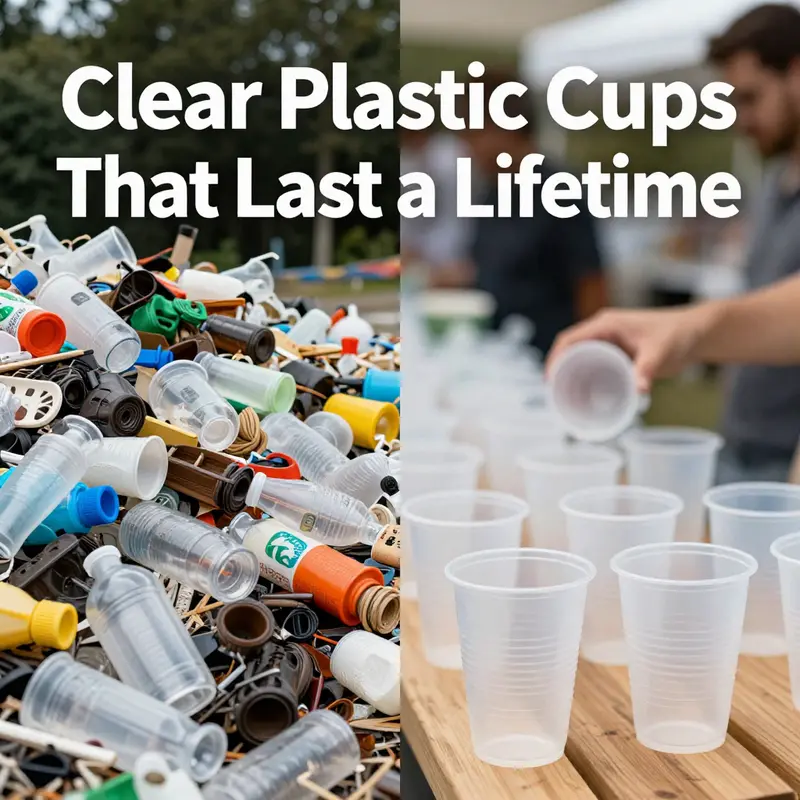
Clear plastic cups that last a lifetime sit at the intersection of material science, business strategy, and environmental accountability. They promise more than clarity of contents; they promise a different relationship between what we consume, how we serve it, and what we finally do with the container after use. In practice, the most durable options are built from high-grade, reusable materials such as polycarbonate or advanced bio-based polyethylene blends. These materials resist shattering when dropped, endure repeated washing, and maintain their transparency through years of service. The appeal is not merely functional. In hospitality and events, a杯 that endures becomes a tangible asset of the operation, a durable workhorse that supports faster service, reduces the call for frequent repurchases, and can sharpen branding through prolonged exposure to customers. The chapter that follows examines how the economics, environmental footprint, and practical realities of lifetime-use cups coalesce, and why durability must be understood not as an isolated attribute but as part of a broader circular system that includes cleaning, reuse, and end-of-life handling.
Durability in this context rests on more than a thickness of plastic or a hard-wearing coating. It hinges on the chemistry of the polymer and the way the cup is designed to withstand the rigors of daily use. Polycarbonate, long recognized for its strength and clarity, has become a focal point for reusable cup designs because it resists impact better than most standard plastics. When a cup is described as BPA-free, the reference is not to a single molecule but to a class of formulations engineered to minimize health concerns without compromising toughness. Yet durability is not a guarantee of sustainability by itself. The environmental advantage emerges most clearly when the cup is used repeatedly, washed under appropriate conditions, and retained long enough to replace dozens or hundreds of single-use alternatives over its lifetime. While polycarbonate and similar materials often require energy-intensive production, their per-use impact can fall dramatically as the number of uses climbs, provided the cup remains functional and clean through multiple cycles.
A companion material set—bio-based polyethylene, or bio-PE—adds another dimension to durability and environmental performance. Bio-PE can be designed to offer similar strength and clarity while offering a different agricultural footprint. In principle, cups made from bio-PE can reduce fossil resource depletion and may lower greenhouse gas emissions when the feedstock system operates with high efficiency and sustainable sourcing. The environmental calculus becomes more favorable the more we reuse these cups, because the environmental cost of producing and processing each cup is amortized across many uses. This is the core premise of a cradle-to-grave view that looks not only at manufacturing energy but also at washing, sanitization, transport, and the end-of-life options available to business operators and consumers.
But the benefits are not automatic. The environmental and economic outcomes depend on how often a cup is reused, how it is cleaned, and how end-of-life streams are managed. A durable cup that is discarded after only a handful of uses reduces the gains achieved through longevity. In other words, durability must be paired with a robust reuse system. Deposit programs, staffed return points at events, and convenient collection at cafes can promote higher reuse rates and proper end-of-life routing. When a cup is returned and refurbished or recycled, the circular logic that justifies the higher initial cost becomes tangible. In hospitality settings, this often means designing operations around a simple, reliable process: customers receive a durable cup, staff ensure it is washed to sanitary standards, and customers return the cup in a designated loop that feeds back into the system rather than into landfills.
The economic logic behind lifetime-use cups is compelling, even when the upfront price is higher than disposables. A restaurant that serves thousands of drinks each week can see meaningful savings over time as it replaces ongoing purchases of single-use cups with a durable alternative. The math depends on local labor costs, washing infrastructure, and the rate at which cups emerge from the market due to wear or misplacement. Maintenance is a real cost, of course—washing cycles, sanitization, and occasional replacement parts for lids or rims—but those costs tend to be predictable and controllable within a well-designed operation. In the simplest terms, each cup that survives hundreds of uses carries that economic benefit forward over years, while the opportunities for branding and customer loyalty accrue through prolonged exposure to customers. A reusable cup can become more than a tool of service; it becomes a visible symbol of a brand’s commitment to quality and sustainability, a small but tangible ambassador during every service.
The environmental narrative runs parallel to the economic one, and in many studies it features a nuanced but increasingly favorable picture for durable, reusable cups. Life cycle assessment work that follows a cradle-to-grave approach shows that second-generation, bio-based materials can outperform conventional fossil-based plastics in several impact categories when reused multiple times. The logic is straightforward: the higher the number of reuses, the more the environmental burden of production is spread across a longer lifespan, reducing the per-use footprint. The energy-intensity of making polycarbonate and bio-PE is nontrivial, yet the repeated use of a single cup offsets that energy cost by displacing many disposables. This calculus is especially meaningful in environments with high drink throughput and reliable return patterns. It is also a potent reminder that environmental benefits hinge on real-world reuse behavior rather than theoretical potential. If a cup is used a handful of times and then discarded, the environmental advantages evaporate, underlining the importance of practical reuse systems that are easy for customers to participate in and for staff to sustain.
The research literature emphasizes several key considerations that shape the net impact of lifetime-use cups. First, the material choice matters. Polycarbonate and bio-PE offer the durability needed for repeated washing and handling in busy environments. Second, the cleanliness and maintenance regime matter. High standards of sanitization, temperature controls, and compatible dishwasher cycles are essential to preserve both safety and performance after many cycles. Third, end-of-life handling matters as much as end-use behavior. If a cup reaches the end of its life but is not reclaimed through recycling or refurbishment, its environmental advantages decline. The most favorable scenarios are those in which cups are integrated into closed-loop or semi-closed-loop systems, where used cups are collected, cleaned, and reintroduced into service rather than diverted to landfills or downcycled into lesser-value products. These findings underscore a central point: durability is most valuable when embedded within a circular framework that aligns business processes, customer behavior, and material science toward a shared goal of waste minimization and resource stewardship.
In practice, a truly lifelong clear cup must also contend with safety considerations. BPA-free formulations are essential for consumer confidence and regulatory compliance in many jurisdictions. The shift away from legacy BPA-containing plastics does not automatically guarantee safety or sustainability; it is a baseline expectation that supports long-term use. The engineering challenge is to maintain the clear, glass-like quality that customers expect while resisting micro-scratches, clouding, or hazing that can occur from repeated washing and handling. The industry has responded with polymers that retain clarity over many cycles, often underpinned by design choices that reduce stress concentrations and improve impact resistance. In this sense, the cup becomes a design artifact as much as a consumer good—a carefully engineered element of a broader experience that communicates care for the customer and for the environment alike.
The environmental potential of lifetime-use cups is also shaped by how society views and uses cups in the first place. A high-quality cup that travels with a customer across multiple events becomes a practical ritual rather than a disposable exception. It can become a brand touchpoint, a token of reliability that customers carry from one visit to the next. The branding potential, while intangible, translates into real competitive advantage when customers recognize the durability and the associated values—consistency, cleanliness, and environmental responsibility. Yet branding must be matched with operational realities. A system that fails to collect used cups or that relies on inconsistent washing can undermine even the best materials and designs. Thus, the most successful models integrate clear protocols that staff can execute reliably and customers can participate in without friction. The result is not merely a durable cup but a durable system for serving, presenting, and reusing that aligns with broader sustainability ambitions.
The broader context for this shift includes policy and industry standards that encourage or require safer, longer-lasting packaging solutions. While the science supports the viability of lifetime-use cups, real-world adoption depends on a confluence of factors: supplier willingness to invest in robust materials, operators willing to restructure procurement and waste streams, and customers willing to engage in return and reuse practices. In many economies, the economic incentive is strongest where cost savings, customer satisfaction, and branding benefits converge. In others, the path to scale requires incentives, infrastructure, and education to normalize reuse as a routine part of the service experience. The literature suggests that, when these pieces come together, lifetime-use cups do not merely replace disposables; they redefine the pace and scale of waste reduction in the foodservice ecosystem by moving from a linear to a more circular flow, where the same cup enters multiple life cycles rather than a single end-of-use outcome.
From a design perspective, turning this concept into practice involves thinking about a cup as part of a system rather than as an isolated object. The supply chain for durable cups must account for the materials’ end-of-life options: recycling, refurbishing, or reprocessing into higher-value products. Each option requires compatibility with cleaning technologies, recycling streams, and market demand for recycled content. In turn, this drives collaboration between material suppliers, equipment manufacturers, distributors, and end users. It encourages innovations such as dishwasher-friendly formulations that can withstand higher-temperature cleaning without loss of clarity, or polymer blends engineered to preserve resin integrity over years of service. It also invites a rethinking of packaging ecosystems: how cups are stored, transported, and returned, and how to balance the cost and complexity of such systems with the performance gains they enable. The goal is to create a durable, reusable cup that remains visually appealing and mechanically sound through hundreds of cycles, while still fitting within existing operational realities and consumer expectations.
A practical takeaway emerges from this synthesis: the environmental and economic gains of lifetime-use cups are maximized when reuse is the default, not the exception. This means designing for return, implementing simple collection points, and ensuring compatibility with a reliable cleaning regimen. It means recognizing that the benefits accrue not merely from the cup’s chemistry but from the entire life cycle choreography—the way cups move through the system, how they are cleaned, how they are counted, and how they re-enter service. In hospitality settings with high throughput, such a choreography can translate into tangible advantages: steadier supply, lower procurement costs over time, and a more coherent narrative about sustainability that resonates with customers who are increasingly attentive to the life stories of the products they use. The cup becomes a quiet ambassador, signaling that a business is serious about resource stewardship without sacrificing the convenience and experience that customers expect.
As with any material choice, there are trade-offs to navigate. The initial investment in durable cups tends to be higher, and the return on that investment hinges on the ability to maintain, clean, and collect the cups efficiently. The presence of a robust return system can tilt the balance decisively toward long-term savings, while a weak system can leave operators with underutilized assets and wasted potential. The lifecycle assessment literature provides a sober reminder: the environmental benefits of reuse multiply with each additional cycle, but they can diminish if the cups are not retained long enough or if the washing process consumes disproportionate energy or water. In short, the promise of a lifetime-use cup rests on a carefully engineered combination of material performance, process design, and customer participation in reuse loops. It is not a magic bullet, but it is a compelling pathway to reduce waste, stabilize costs, and elevate the consumer experience in a manner that aligns with growing expectations for responsible production and consumption.
In the end, the case for lifetime-use cups is not solely about the material they are made of or the number of times they can be reused. It is about how those cups fit into a system that values durability as a practical instrument of sustainability. The cup’s clarity is a metaphor for the clarity of purpose in a business model that seeks to minimize waste without compromising service quality. It is about seeing beyond the next order and envisioning how a simple drinking vessel can participate in a longer, cleaner life cycle. It is about the discipline to design for resilience, the humility to acknowledge real-world usage patterns, and the imagination to align economic incentives with environmental stewardship. When these threads come together, the lifetime-use cup stands as a tangible reimagining of hospitality ware—an everyday object that embodies a more intentional relationship with materials, waste, and the communities that rely on practical, reliable service each day.
For researchers, practitioners, and policy-makers alike, the challenge is to translate this vision into scalable practices. It requires transparent information about material choices, explicit assurances about safety and durability, and the establishment of reuse and recycling channels that are accessible, efficient, and reliable. It also invites ongoing innovation in polymer science, surface engineering, and lifecycle thinking that keep the conversation anchored in real-world feasibility rather than idealized possibilities. In a world increasingly focused on minimizing waste and optimizing resource use, lifetime-use clear cups remind us that durability, properly integrated into a circular system, can be a pragmatic route to both economic resilience and environmental responsibility. The long-term payoff is a cleaner footprint, a steadier bottom line, and a hospitality experience that conveys care not only to guests but to the broader ecosystem in which service occurs.
External resource: https://www.sciencedirect.com/science/article/pii/S095965262031874X
Internal reference (in-context link): For packaging strategies that support reuse and reduce waste in takeout settings, see eco-friendly takeout boxes for food packaging. eco-friendly takeout boxes for food packaging.
Final thoughts
Investing in clear plastic cups that last a lifetime pays dividends not only in durability but also in operational efficiency and sustainability. These reusable, polycarbonate cups embody a responsible choice that aligns with modern consumer values, making them ideal for businesses aiming to reduce waste while maintaining a high standard of service. As the industry moves toward more sustainable practices, embracing durable products like these indicates a commitment to both quality and the environment, reinforcing your brand’s reputation as forward-thinking and responsible.