
The increasing popularity of hot food options in various establishments, from bubble tea shops to catering services, calls for a thorough understanding of packaging materials. Plastic containers, often chosen for their lightweight and affordable nature, pose potential health risks when used for hot foods. This article delves into three essential aspects of using plastic containers safely: the core risks associated with chemical releases, the heat resistance of different plastic materials, and safe usage recommendations. By understanding these factors, your business can implement practices that protect customer health while maintaining operational efficiency.
Heat, Leach, and the Plate: Navigating the Dangers of Plastic Containers for Hot Food
Heat changes the relationship between food and the containers that hold it. When hot food contacts plastic, elevated temperatures increase molecular mobility in polymers and can accelerate chemical migration from the material into the food. The extent of migration depends on the plastic type, additives present, the food’s composition (fat, acidity, salt), container condition (scratches, wear), and how long and how often heating occurs. Repeated heating, greasy or acidic foods, and damaged containers increase the likelihood of transfer.
Several chemical families are most often implicated. Phthalates, used as plasticizers, have been associated with endocrine and reproductive concerns. Bisphenols — notably BPA and its replacements such as BPS and BPF — can show estrogenic activity; substitution does not automatically remove risk if replacements share biological activity. Heat can also promote polymer degradation that yields reactive species and, over time, contributes to oxidative stress pathways in biological systems. In parallel, thermal and mechanical stress can generate microplastic fragments that may carry adsorbed chemicals and interact with the gut environment; the long-term health implications of microplastics remain under study but are a nontrivial part of exposure dynamics.
Not all plastics behave the same under heat. Polypropylene (PP), typically labeled with the recycling code 5 (PP5), is widely used for microwave-safe containers and tolerates higher temperatures than many alternatives, making it a pragmatic choice for heating and hot-food service. Other common materials raise greater concerns: PVC (code 3) and polystyrene (PS, code 6) are more prone to releasing additives or monomers when heated. Thin polyethylene wraps or bags are not designed for high-temperature use. These material distinctions matter both for household reheating and for takeout systems that routinely transport hot meals.
Regulatory labels like “microwave-safe” serve as useful guidance: in many jurisdictions they indicate containers have been tested for typical microwave use and migration limits. However, labeling does not eliminate all uncertainty. Tests reflect particular conditions and may not cover repeated heavy use, very long heating times, high-fat matrices, or compromised containers. Thus, labels should be combined with prudent consumer practices.
Practical recommendations: whenever possible, reheat or serve hot foods in glass, ceramic, or high-grade stainless-steel containers. If plastic must be used for heating, prefer PP5-marked or explicitly microwave-safe products, avoid microwaving flimsy, warped, scratched, or single-use plastics, and transfer very hot foods out of plastic containers for serving. Minimize repeated heating cycles in the same container and avoid heating fatty or acidic foods in plastics that aren’t designated for that use.
Wider solutions include improved labeling, safer formulations, and alternatives to single-use heat-exposed plastics. Compostable or paper-based options, higher-quality reusable containers, and industry shifts toward safer heat-resistant materials can reduce exposure while preserving convenience. Consumers who want authoritative regulatory context can consult resources such as the U.S. Food and Drug Administration’s guidance on plastic food-contact materials and labeling for details on how migration is assessed and what “microwave-safe” typically implies: https://www.fda.gov/food/food-contact-materials-labeling/plastic-food-contact-materials.
In short, heat amplifies the potential for chemicals and fragments from plastics to reach food. The risk is modifiable: choose materials with better heat performance, reduce heating in plastic, replace worn containers, and favor non-plastic vessels for hot food when feasible. These steps balance practicality with precaution and reflect a pragmatic approach to reducing exposure while living with the conveniences of modern food systems.
Which Plastics Hold Up to Heat: A Practical Guide for Serving Hot Food Safely
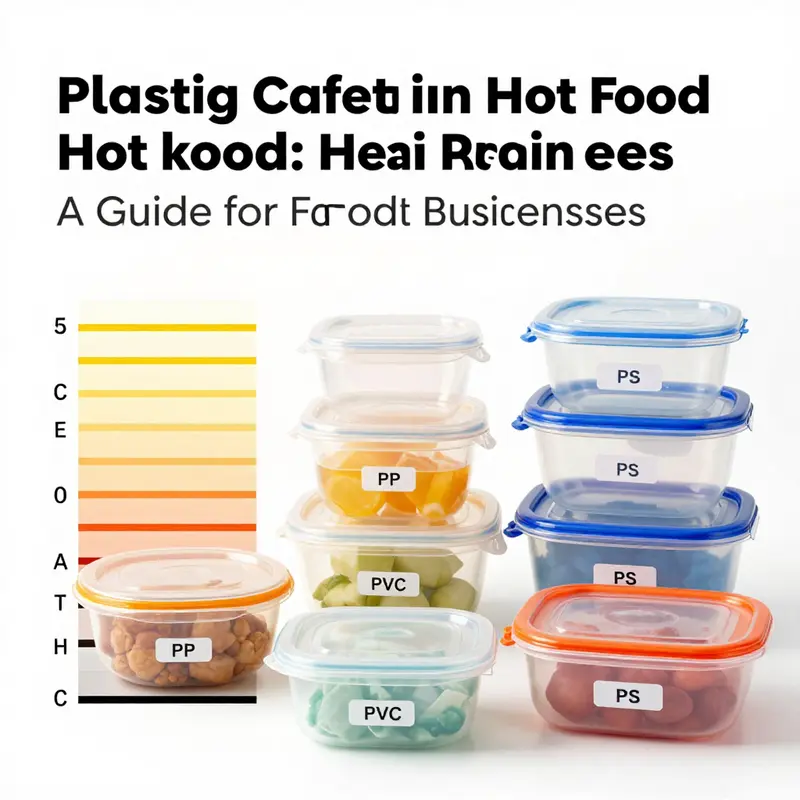
Understanding heat resistance is the single most important factor when choosing a plastic container for hot food. Not all plastics behave the same when exposed to heat; some remain stable and inert, while others soften, deform, or begin to release chemical additives into food. This chapter explains which common plastics are appropriate for hot food, why differences in heat tolerance matter, and how to apply simple, practical checks to reduce risk every time you store, reheat, or transport hot meals.
Most safety problems start with a mismatch between the container and the temperature it experiences. Heat can weaken polymer chains, mobilize additives, and accelerate degradation. Additives such as plasticizers and stabilizers are intentionally mixed into plastics to change texture, clarity, or durability. Under heat, those same additives can migrate into food. Even when a plastic container does not visibly change, tiny particles may leach into food and liquids, and over time repeated use and heating increases that risk. Understanding which plastic families are suited to heat and which are not is therefore essential to limit exposure to potentially harmful substances like phthalates, bisphenols, antimony, and microplastic fragments.
Polypropylene (PP, recycling code 5) stands apart among common plastics as the most reliable and widely recommended option for hot food. PP has a high melting point and good thermal stability, which means it resists softening under temperatures typical for hot meals and most microwave use. Containers made of PP often carry “microwave-safe” marks and are used for microwaveable meal trays, many reusable food containers, and some baby bottle parts. Even so, labels matter: the body of a container may be PP while lids, seals, or decorative elements may be made of different plastics with lower heat tolerance. For safe reheating, remove lids that lack a heat-resistance mark, vent lids to relieve steam, and avoid prolonged, high-power microwave cycles that can create hot spots. When selecting a reusable plastic container for hot food, prioritize ones clearly marked PP or code 5 and explicitly rated microwave-safe.
Not all polyethylene (PE) behaves the same. High-density polyethylene (HDPE, code 2) tolerates moderate heat up to a point. It is robust for storage and can handle warm foods, but it is not a first choice for very hot liquids or direct microwave heating. HDPE appears in many household items such as milk jugs and some food tubs, but manufacturers rarely design HDPE containers for repeated high-temperature use. Low-density polyethylene (LDPE, code 4) is softer and used in wraps and flexible bags. LDPE has lower heat resistance and can soften or melt when exposed to high temperatures. Using LDPE products to cover piping-hot food or in microwave settings risks deformation and chemical migration. For hot soups, stews, or oily sauces, avoid LDPE wraps and thin LDPE containers.
Polyethylene terephthalate (PET or PETE, code 1) is ubiquitous in single-use beverage bottles and clear food trays. PET has relatively low heat tolerance and was never intended for hot liquids. Exposing PET to temperatures above its safe range can cause deformation and increase the likelihood of leaching substances such as antimony or other residual processing chemicals. Using PET water bottles for hot beverages, or placing PET takeaway trays with hot food into a microwave, is unsafe. In addition to chemical migration, PET softens and loses structural integrity under heat, which can lead to spills and burns.
Polystyrene (PS, code 6) is commonly encountered as lightweight takeaway boxes, foam cups, or disposable food trays. It is brittle and prone to warping when heated. More importantly, polystyrene can release styrene monomer and other compounds when exposed to hot or fatty foods. Because fatty foods increase the solubility of many organic contaminants, hot oily food in polystyrene containers creates a twofold risk—chemical migration and structural breakdown. Avoid using polystyrene for hot soups, curries, fried foods, or anything requiring reheating.
Polycarbonate (PC), often marked as part of the “other” category (code 7), gained attention because some formulations leached bisphenol A (BPA), a compound with endocrine-disrupting potential, especially when heated or scratched. While many manufacturers have shifted away from BPA-containing polycarbonate in food-contact products, older or cheaper items may still contain it. For hot food, polycarbonate is best avoided unless a label explicitly states it is BPA-free and heat-safe. Safer alternatives have emerged for reusable water bottles and baby products, but caution is still warranted with any hard, transparent plastic marked code 7 unless the manufacturer provides clear assurance.
Polyvinyl chloride (PVC, code 3) and certain industrial-grade polyethylene forms present specific hazards. PVC is seldom used in food service containers today because of the difficulty of ensuring safe, additive-free formulations; plasticizers commonly used in PVC can migrate at elevated temperatures. Likewise, thin industrial-grade plastic bags and wraps found in informal markets may contain contaminants or heavy-metal residues that are more likely to transfer into hot foods. Avoid PVC and unknown industrial plastics for hot food. If you see a flexible, glossy plastic that lacks food-grade markings, do not use it for hot meals.
Beyond resin type, container design and condition matter. Thin, flimsy plastics heat and cool rapidly and are more likely to deform. Containers with multiple materials—rigid bases and soft lids—should be inspected to confirm each part is heat-resistant. Seals and gaskets can be made from softer polymers or silicone; check their markings. Visible signs of wear—clouding, cracks, permanent stains, or a strong plastic odor—indicate degradation and higher likelihood of leaching. When a plastic container shows signs of embrittlement, crazing, or surface pitting, discard it rather than attempt to reclaim it for hot food use. Repeated dishwasher cycles and high-heat washing also accelerate aging in many plastics.
The nature of the food itself influences risk. Fatty foods and acidic foods mobilize more chemicals from plastics than neutral, aqueous foods. Oils act as solvents for many organic additives, and acids can catalyze release pathways. Very hot and fatty sauces placed in marginal or single-use plastic containers carry the highest risk profile for chemical transfer. If you routinely consume oily or acidic hot meals, favor glass, ceramic, or stainless steel containers. If plastic is the only option, ensure it is PP and designed for contact with hot, fatty foods.
Microwave reheating deserves specific attention. Microwave-safe labeling is not a guarantee that a container is chemically inert; it generally indicates the container will not melt or deform quickly under microwave conditions. Still, if a plastic container is labeled microwave-safe and is made of PP, it is typically acceptable for short reheating cycles. Follow simple practices: remove or vent lids, avoid overheating, stir food halfway through heating to prevent hot spots, and avoid direct contact between plastic and flames or heating elements. Never heat plastic wrap in direct contact with food unless it is explicitly rated for microwave use, and keep it well away from boiling surfaces.
Practical habits reduce risk substantially. Inspect every container for recycling codes and microwave-safe marks before using it with hot food. Prefer heavier, purpose-made PP containers for regular reheating and transport. Use glass or ceramic for prolonged storage of hot food and for reheating in the oven. When accepting takeaway in thin, unlabelled plastic boxes, transfer contents to safer vessels as soon as convenient. Avoid placing hot takeout directly into flimsy plastic bags or thin trays. For businesses and catering, selecting containers designed and labeled for hot food helps protect customers and limits liability.
The environmental and health picture overlaps with material selection. While PP is safer for hot food than many alternatives, it remains a plastic and contributes to waste streams. Using durable, reusable glass, ceramic, or stainless steel cuts both chemical risk and environmental burden. For single-use situations, compostable or paper-based containers with food-grade glazing can offer an alternative; however, ensure such products are rated for hot liquids and oily foods, as some paper coatings may soften or leak when overloaded with heat and fat. If you must use single-use plastics, choose the best available option—PP containers clearly marked for hot food—and recycle when facilities allow.
Simple rules help in day-to-day practice. Start by reading the symbols on the container base. Look for recycling code 5 or a microwave-safe icon. Check the lid separately. Avoid heating containers with mixed or unknown plastics. Do not use PET bottles or polystyrene boxes for hot liquids or for microwaving. Replace any container with visible wear. Use glass or ceramic for long-term storage and high-temperature reheating. When in doubt, transfer hot food rather than risk unknown plastics; the few extra seconds make a meaningful difference to safety.
Awareness of these material differences also helps when shopping and choosing containers for meal prep. Reusable PP containers provide a cost-effective, generally safe option for routinely reheating meals, but confirm that a chosen model is intended for microwave use and that all components—including lids and seals—meet the same standard. For transporting hot items such as soups or curries, insulated stainless steel or double-walled glass containers are superior choices if you want a long-term, low-risk investment. For occasional takeout, transferring food from thin plastic trays into safer home containers eliminates most exposure concerns.
Finally, small behavioral changes deliver outsized benefits. Avoid microwaving plastic when simple alternatives exist. Let very hot food cool slightly before setting it into plastic. Stir hot food to even out temperature gradients, and use short heating intervals. Replace heavily used plastic containers on a regular schedule. These steps reduce the chance that heat will force chemicals into your food, and they preserve the functional life of containers.
For further guidance on regulatory standards and food-contact material approvals, consult authoritative food safety resources. The regulatory perspective helps explain why certain plastics are allowed for specific uses and how temperature limits factor into safety assessments: https://www.fda.gov/food/packaging-food-contact-substances-fcs/food-contact-substances-fcs
If you prefer alternatives that combine convenience and safety, many suppliers offer microwave-safe, leak-resistant paper and craft containers designed specifically for hot takeout meals. One option labeled for hot food and microwave use provides a practical substitute when you cannot avoid single-use packaging: eco-friendly takeout boxes for food packaging. This kind of product can reduce reliance on marginal plastics while offering secure transport for hot, oily dishes: https://ecocupbowl.com/product/eco-friendly-takeout-boxes-for-food-packaging-stylish-food-containers-safe-microwave-craft-paper-lunch-boxes-leak-grease-resistant
Choosing the right container for hot food is largely a matter of matching material to temperature and food type. Polypropylene (PP, code 5) is the most dependable plastic for hot food among common resins. Many other plastics, including PET, polystyrene, PVC, and some code 7 materials, should be avoided for hot, fatty, or acidic foods. Combine material knowledge with good handling practices—inspect, vent, avoid overheating, and replace ageing containers—and you will significantly reduce the health risks associated with storing and reheating hot meals in plastic.
Heat, Health, and Habits: A Practical Guide to Using Plastic Containers for Hot Food
When hot food meets a plastic container, the safety question becomes practical rather than theoretical. Temperature matters because heat can affect the materials in contact with the food, potentially changing how components migrate or alter texture and flavor. The practical takeaway is to know the material, respect the heat, and choose safer options whenever possible.
A straightforward way to assess heat tolerance is to look for a three-arrow recycling symbol with a number. Among common plastics, polypropylene (PP, #5) is widely recognized as the most reliable option for hot foods and microwave use, especially when the item is labeled as microwave-safe or PP5. PP can withstand typical reheating temperatures, but even PP5 is not foolproof: prolonged heating, highly fatty or acidic foods, or damaged containers can still pose risks.
Other plastics—PET (#1), HDPE (#2), PVC (#3), LDPE (#4), PS (#6), or other or “#7” materials—generally carry higher risks with hot foods. PET and HDPE are great for cold use but are not ideal for repeated heating. PVC and PS can release unwanted chemicals when heated, and many #7 plastics vary widely in heat tolerance. Do not assume that a plastic is safe for hot foods based on appearance or price.
Practical daily habits matter as much as material labels. Only heat in containers explicitly marked microwave-safe or heat-tolerant. Avoid heating in damaged, warped, or scratched containers, and retire single-use plastics after one use. When reheating, vent lids slightly to prevent steam buildup and stir to promote even warming. For long-term storage, prefer glass, stainless steel, or ceramic containers for hot foods.
In takeout and consumer packaging, look for explicit heat-safety labeling and favor designs that minimize heat exposure or allow easy transfer to safer vessels after heating. Diversifying the containers you use—rotating among PP-based plastics, glass, stainless steel, and ceramic—can reduce cumulative risk and support sustainable choices.
In summary, plastic can be a convenient tool for hot foods when used thoughtfully. Read labels, respect the heat, replace damaged items, and consider safer non-plastic options for regular heating. The goal is to sustain convenience while minimizing potential health risks, one mindful choice at a time.
Final thoughts
Choosing the right packaging for hot food is not just a matter of convenience; it’s vital for customer safety. With an understanding of the associated risks of chemical release, the heat resistance capabilities of various plastic materials, and concrete safe usage practices, food service providers can confidently select appropriate containers that protect both their customers’ health and their business reputation. Emphasizing safety in packaging is a commitment to quality that pays off in customer trust and satisfaction.