
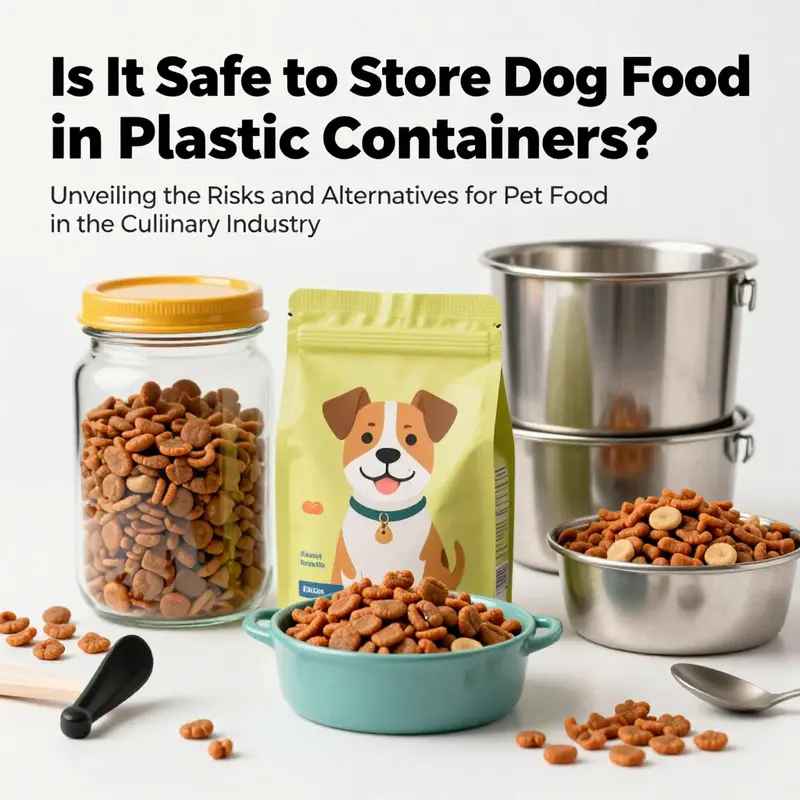
Understanding the safety of dog food storage is crucial, especially for businesses in the culinary sector. With the rise in concern over the quality of pet food, it becomes pertinent to examine proper storage methods that prioritize health and safety. This article explores the potential dangers of using plastic containers for dog food, such as chemical leaching and nutrient loss, while highlighting better alternatives like glass and stainless steel. We will also provide guidelines for those who must use plastic, ensuring that canines receive the safest and most nutritious meals possible. Our journey begins with an overview of chemical leaching—what it is and how it affects dog food.
Leaching, Lipids, and Longevity: Rethinking Plastic for Dog Food Storage
Plastic is ubiquitous in daily life, and many people reach for a familiar container with the idea that it will keep dog kibble safe, dry, and fresh. Yet a closer look reveals a more nuanced reality. The very characteristics that make plastic convenient—light, inexpensive, resealable, and easy to wash—also open doors for potential trouble. When dog food sits in plastic for days, weeks, or months, especially in less-than-ideal conditions, plastic can begin to shed chemicals, alter the food’s stability, and alter its nutrient profile. The risks are not imaginary shadows but measurable possibilities that can affect a dog’s health and long-term well-being. The concern is not merely about one-off scenarios; it is about everyday storage choices that accumulate over a dog’s lifetime. Understanding the mechanisms at work helps owners make informed decisions that balance practicality with safety and health for their canine companions.
At the heart of the issue is chemical leaching. Many common plastics are not truly inert. They can release synthetic compounds such as bisphenols and phthalates into food, particularly when heat and fats are involved. Bisphenol A (BPA) has long been the poster child for plastic-related concerns, but even beyond BPA, related bisphenols like BPS or BPF and various phthalates can migrate from the container into the oil-rich portions of dog food. In dogs, as in humans, these chemicals are endocrine disruptors. They can interfere with hormonal signaling, potentially affecting development, reproduction, and metabolic regulation. The practical implication for pet owners is simple: a container that appears clean and labeled “food-safe” might still contribute small, cumulative doses of chemicals to meals, especially if the food contains fats or oils that act as solvents for plastic additives. The risk does not demand sensational language to be real; it rests on evidence that heat, fat content, and repeated use can drive leaching from polymer matrices into the very substances dogs rely on for energy and vitality.
Heat, even if not microwaving, is a particularly powerful driver of leaching. Warm or freshly served dog food can raise the migration rate of additives from plastic into the meal. If a container is kept in a sunlit kitchen cabinet, left in a car during a hot day, or just stored near a stove, the temperature fluctuations can create an ongoing cycle of chemical transfer. The problem intensifies with fatty foods. Fats and oils act as solvents, drawing more of these additives into the food. The more oil-rich the kibble or canned topping, the more likely it is that a higher fraction of plastic additives will migrate into the meal. Over time, this can contribute not only to chemical exposure but to changes in taste, odor, and palatability that may affect a dog’s appetite and consumption patterns.
Another signal in this chain of risk is wear. Containers pick up scratches, cracks, and micro-scratches from daily use, washing, and handling. Even that seemingly clean surface can harbor micro-crevices where bacteria and mold can take hold if cleaning is incomplete. Scratches can also alter the barrier properties of plastic, allowing more oxygen and moisture to permeate. Oxygen-rich environments are notorious for accelerating oxidation, which degrades fats and vitamins. In dog food, oxidation not only compromises flavor but can erode nutritional value, diminishing fat-soluble vitamins such as A and E and reducing overall energy density if the fats break down. This is not about a single bad bag; it is about the cumulative effect of imperfect storage over time and the subtle changes that accumulate with repeated use of the same container.
The conversation about safety often lands on a familiar, comforting refrain: BPA-free plastics are safer. Yet the science has repeatedly shown that swapping BPA for BPS or BPF does not eliminate risk. In real-world conditions—where containers are heated, exposed to acidic or fatty ingredients, and subjected to repeated washing—these replacement chemicals can leach out with similar hormonal activity. A notable study in the endocrine science literature illustrated that many containers marketed as BPA-free still released endocrine-disrupting chemicals when subjected to common kitchen conditions. The takeaway for dog owners is pragmatic: relying on “BPA-free” as a blanket guarantee of safety is not a reliable strategy for protecting a pet’s health. The safest posture remains minimizing plastic contact with dog food, or at least restricting it to highly stable, limited-use scenarios with careful cleaning and maintenance.
Beyond leaching, plastic’s barrier properties deserve attention. Good storage must slow down the ingress of oxygen and moisture while keeping out light that can hasten nutrient deterioration and rancidity. Many generic plastic containers are not tight, light-blocking barriers; air exchange and moisture intrusion can expedite spoilage, mold growth, and the formation of off-flavors. The problem compounds when the storage environment is not ideal—hot or humid kitchens, basements, or garages—where fluctuations in humidity and temperature can augment both oxidative processes and microbial risks. For dog food, where fats and proteins provide a rich substrate for microbial activity, any lapse in barrier performance translates into faster degradation of nutrients and an increased chance of spoilage that may go unnoticed until a dog rejects the meal or exhibits stomach upset.
In contrast, glass and stainless steel offer markedly different storage dynamics. Glass is inert, non-porous, and effectively impermeable to gases and moisture. It does not shed microplastics, does not interact with oils, and remains stable across a wide range of temperatures and cleaning conditions. Stainless steel shares many of these advantages while adding the benefit of robust impact resistance and ease of maintenance. Both materials minimize chemical interaction with dog food, preserve aroma and flavor, and help maintain the integrity of fat-soluble vitamins. They also simplify cleaning and reduce the risk of surface wear that can harbor residues. The practical upshot is clear: when the goal is long-term freshness, nutrient retention, and safety, glass and stainless steel outperform plastic by a wide margin.
If plastic cannot be avoided, it is essential to be selective and informed. Not all plastics are equally prone to leaching or degradation. Containers made from plastics that are known to be more stable, and that are explicitly designed for dry food storage, can be somewhat safer than generic options. Look for resin codes that signal greater chemical resistance, such as those commonly associated with high-density polyethylene (HDPE) or polypropylene (PP). However, even with these materials, the risk is not eliminated, especially under heat and with repeated use. The best practice is to avoid storing dog food in plastic for extended periods and to clean thoroughly after every use. Consider a layered approach: use a stable material such as metal or glass to preserve the contents, while keeping an outer, lightweight plastic layer only for transport or short-term use, and never for long-term storage.
For readers seeking practical ways to balance convenience with safety, there are design-conscious options that reduce risk without abandoning convenience entirely. If plastic must be used, select containers that are specifically designed for dry food storage and that minimize surface wear and fat absorption. Clean promptly and thoroughly after each use, and avoid storing any bagged food inside plastic containers for extended periods. A cautious, layered approach can offer a practical compromise: keep the primary storage in a safer material, and use a well-sealed, secondary container for shorter-term transport or limited-duration use. This mindset helps maintain the dog’s food quality while acknowledging daily routines that require flexibility. To see examples of safer packaging solutions in modern food storage, you can explore safer, eco-conscious packaging options that emphasize durability and ease of sanitization.
For those who want a concrete path forward, there are recommended routes that align with long-term health goals. Glass or stainless steel are the strongest bets for preserving freshness and nutrient integrity. If you cannot completely abandon plastic, opt for containers that are clearly labeled for dry food and are of sturdy construction, with attention to the absence of cracks and the integrity of the seal. Avoid exposing any plastic container to heat, and be vigilant about replacing containers showing signs of wear, warping, or discoloration. Rotate stock to use older quantities first, and store in a cool, dark place to minimize oxidative stress. These practices reduce the likelihood of rancidity and nutrient loss, ensuring that your dog’s meals remain palatable and nutritionally intact across feeding cycles. When uncertainty arises about a specific storage option, err on the side of caution and favor inert materials that resist chemical transfer and environmental fluctuations.
In the broader conversation about pet health, remember that storage is only one piece of the puzzle. The best safeguard is a consistent feeding plan that uses high-quality, balanced food, stored appropriately, and served in a manner that preserves aroma and palatability. The conversation about containers should dovetail with other protective measures, such as checking expiration dates, avoiding exposure to heat, and ensuring cleanliness of feeding bowls and preparation areas. A well-rounded approach reduces risk across multiple dimensions and supports a dog’s long-term health and vitality. If you need a quick reference on how heat and fatty foods influence chemical migration from plastics, there is a helpful, accessible overview that consolidates current science into practical guidance. For readers who want to explore further, see the Healthline safety guide on chemical leaching from plastics under real-world conditions, which underscores why even BPA-free options are not a guaranteed safeguard.
Internal link for related storage considerations: you can explore safer packaging options in this resource focusing on eco-friendly takeout boxes and their design for safe food handling. eco-friendly takeout boxes for food packaging.
External resource for further reading: Healthline’s safety guide on how microwaving and other heat exposures can cause chemical leaching from plastics, under realistic usage scenarios. https://www.healthline.com/health/microwaving-plastic-food-containers#chemical-leaching
Oxidation, Plastic Containers, and Your Dog’s Nutrition: Preserving Freshness
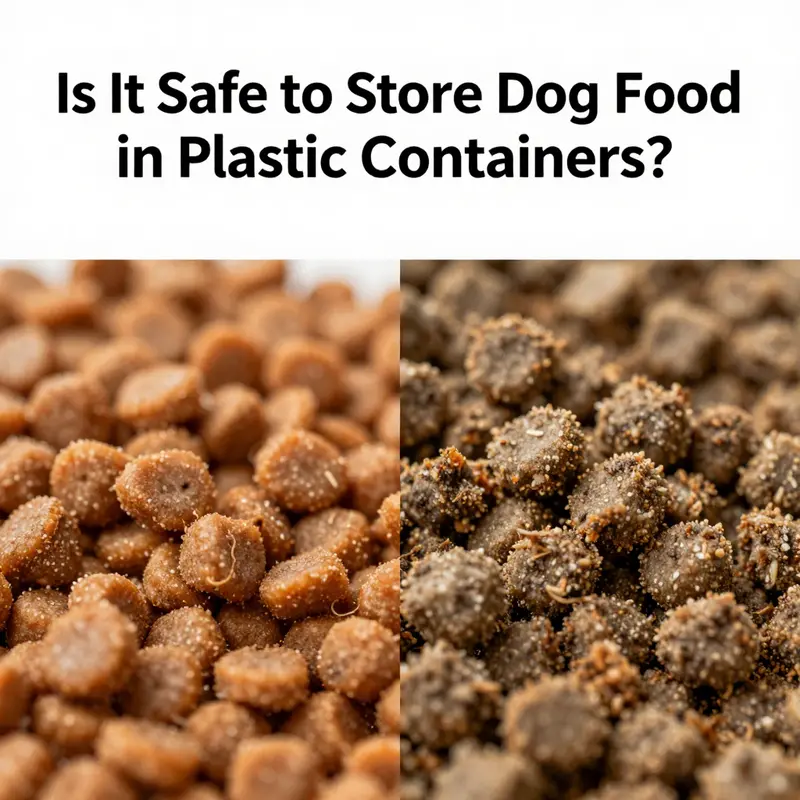
Oxidation in plastic containers can quietly erode the quality and nutritional value of dog kibble after the bag is opened. Fats in kibble are prone to reacting with oxygen that permeates many common plastic lids and containers. When containers are lightweight or reused, air and trace moisture can seep in, accelerating rancidity and the loss of fat soluble vitamins such as A, D, E, and K as well as essential fatty acids critical for skin, coat, immune function and energy. The rate of oxidation depends on how often you open the container, the surface area of exposed food, storage temperature, and the barrier properties of the plastic. Glass and stainless steel offer much stronger barriers, helping preserve aroma, texture and nutrients longer. If using plastic, choose high quality food grade and BPA free options designed for dry foods, and limit air exposure by transferring to a more inert vessel for daily use or by storing inside a sealed, opaque metal or glass container. Regular cleaning and repackaging reduce residue that can harbor odors or microbes. While oxidation is the primary focus, microbial growth can accompany degraded fats in humid environments, further undermining safety. For practical guidance, prioritize containers that minimize oxygen transmission, store in cool dry places away from direct sun, and consider double layering where the plastic sits inside a metal or glass outer container. This approach helps keep the intended nutrient balance in the dog food, supporting coat health, energy and overall well being over the product shelf life.
The Silent Barrier: Why Plastic’s Barrier Flaws Endanger Your Dog’s Dry Food
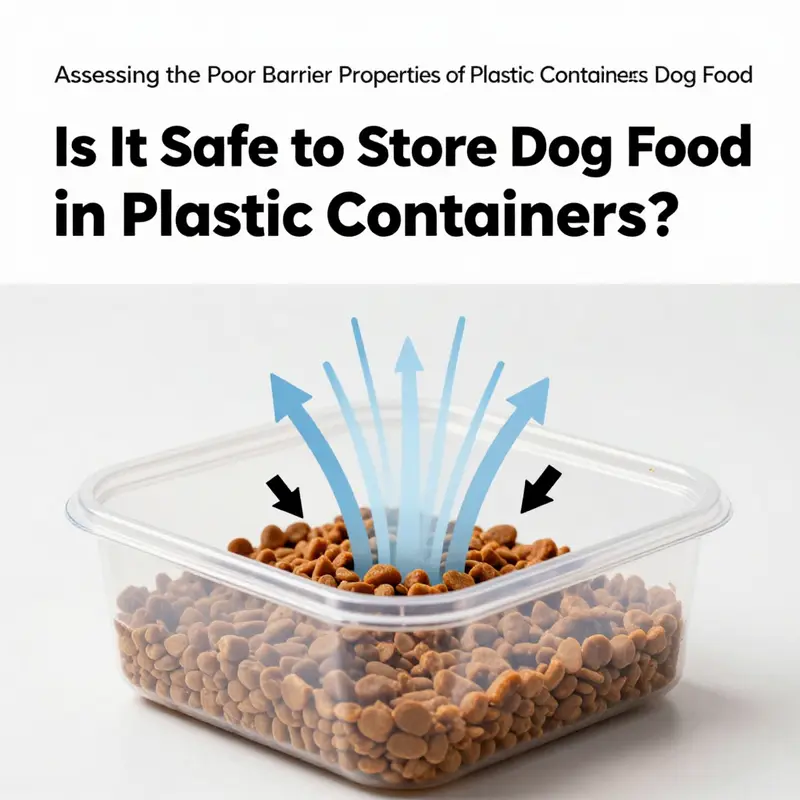
In the pantry, the plastic container often seems like a quiet helper, stacking neatly with its brethren and offering a convenient seal. Yet when you examine what happens to dog food inside these seemingly simple vessels, a more complicated truth emerges. Barrier properties—the way a container resists air, moisture, heat, and oil—are not universal across plastics, and for dry dog foods that are rich in fats, these properties can falter in ways that degrade safety and quality. The question is not simply whether a container holds food; it is whether it preserves the meal long enough to keep flavor, nutrition, and safety intact from the moment you open the bag to the moment your dog finishes the last scoop of the week.
The core problem lies in how plastic interacts with the elements that drive spoilage. Oxygen, moisture, and lipids all push against the boundary that plastic forms around dog food. Many plastics used for household storage do not offer a robust barrier to oxygen over extended periods, especially once the container has been opened and air has regular access. Oils and fats—common in premium dry foods that can be around 15–20 percent fat—are particularly problematic. They cling to the plastic surface and can migrate into the food when a new batch is added or when the container is opened and resealed. This oily residue creates a slippery pathway for oxidation to proceed more quickly. Oxidation translates into rancidity, a smell and flavor shift that dogs may notice even if we ignore it, and it also strips away fat-soluble vitamins that are crucial for canine health, such as vitamins A and E.
The practical reality mirrors this chemical story. In a real-world kitchen, a plastic bin that looks sturdy can become greasy to the touch as fat residues accumulate. This greasiness is not only unsightly; it signals that the interior surface is actively exchanging with the contents. When new food is introduced, those residues can transfer into the fresh batch, accelerating rancidity and reducing palatability and nutrient value. It is not a purely cosmetic issue. The barrier is failing, allowing oxygen to permeate, moisture to enter, and odors to diffuse—each of which nudges the product toward spoilage sooner than expected. The accumulation of these failures becomes a practical timeline problem: the freshness window after opening can shrink far more quickly than the three months or so that some shoppers assume is safe for dry food.
Beyond oil and moisture, the barrier issue touches the chemistry of the plastic itself. Some polymers used for food storage have inherent limitations in their barrier performance. PET or certain HDPE and PP variants can degrade when exposed to prolonged contact with oils or heat, potentially allowing not only moisture and oxygen but also small molecules to migrate into the food. And even when a container is labeled BPA-free, it is important to acknowledge that other compounds from the plastic matrix can migrate under the heat and oil-rich conditions typical of dry dog foods. The concern is not merely theoretical. Chemical migration can accompany the physical processes of oxidation and moisture migration, compounding the risk that a meal may carry residues that are undesirable for long-term health.
The barrier story grows more complex when mold toxins are considered. Mold can infiltrate stored dog food under the right conditions of humidity and temperature, and toxins such as aflatoxin can cause liver damage in dogs within a short window—sometimes as little as 72 hours after exposure. Other toxins, like vomitoxin, can damage intestinal tissues and cause vomiting. The common thread is that poor barrier properties create a permissive environment for mold and microbes to establish themselves or for their byproducts to accumulate. Even a container with a seemingly tight seal cannot be trusted to block gas exchange completely. Oxygen can diffuse through the plastic, particularly if there are microcracks or aging surfaces, and mold spores may find opportunities wherever moisture and warmth align. The net effect is a loss of freshness, a decline in nutritional quality, and in some cases the risk of toxins that threaten a dog’s health.
If the barrier weaknesses of plastic are so pronounced, what should a conscientious dog guardian do? The straightforward answer is to prioritize materials with superior inertness and barrier performance. Glass and stainless steel stand out because they are nonreactive and provide robust protection against oxygen and moisture. A glass canister or a stainless-steel bin can form a true barrier to the environment, especially when designed with a hermetic seal that minimizes air ingress. A truly effective system can create a controlled environment around the food—a freshness chamber where oils, moisture, and microbes are kept at bay. In such a setup, the food’s aroma, flavor, and nutrient profile are preserved for longer, and the risk of toxin formation decreases because the food remains less exposed to heat and oxygen over time.
Of course, life in a typical home is not always so ideal. If plastic must remain part of the storage workflow, the best practice is to choose plastics that are explicitly designed for dry-food storage, are food-grade, and are BPA-free in the broad sense (recognizing that even BPA-free variants may carry other concerns). A polypropylene option with a thicker wall and a tightly fitting lid can offer improved barrier performance relative to generic, lightweight containers. Regular cleaning after every use is essential because residual oils can trap into micro-crevices and serve as seeds for oxidative processes down the line. For those who want to take extra precautions, consider using the original packaging inside a rigid outer container made of glass or metal. This double-layer approach can reduce direct exposure to air and moisture, while letting the primary packaging do the initial job of protecting the food from moisture and odors.
There is also a practical reminder embedded in the science of barrier performance. It is not enough to seal a plastic container; one must think in terms of sustained barrier integrity over time and under the conditions of daily life. Heat from a sunny kitchen, humidity from a humid climate, and routine handling—all exert a small but measurable influence on how well a container preserves its contents. The barrier is dynamic, not a one-time attribute. This is why food guardians who want reliable preservation often opt for materials that inherently resist oil uptake and gas diffusion. A glass or stainless-steel option combined with a high-quality seal dramatically narrows the backsliding path that leads to rancidity or microbial growth. The contrast between a durable, hermetic metal or glass container and a plastic bin with a simple snap lid becomes clear in scenarios where a dog’s food must be stored for several weeks or when environmental conditions favor rapid degradation.
What does this mean for daily decisions? It means measuring convenience against risk. Plastic remains convenient: light, stackable, and inexpensive. But the barrier flaws highlighted by research translate into practical consequences—faster nutrient loss, quicker onset of rancidity, more rapid degradation of aroma and flavor, and a heightened chance that contaminants could migrate into the food. When you plan storage, think about the entire lifecycle of the product—from the moment you open the bag to the moment your dog finishes the last serving. If you can, choose glass or stainless steel for the primary storage vessel and reserve plastic for short-term uses where you can maintain meticulous cleaning and rotation, or where the plastic container is paired with an inner barrier that reduces exposure to air and oils.
Some readers may wonder whether there is a simple, concrete guideline that can be followed without a lab to test barrier properties. In practice, the guidance is practical and conservative: minimize oil contact and air exposure, avoid long-term storage in plastic when high-fat foods are involved, and prioritize containers that are easy to clean and seal. The chemistry and physics behind barrier performance are not stealthy; they show up in the scent, texture, and stability of the kibble over time. If a dog owner wants to preserve quality and protect health, the most reliable route is to favor materials with demonstrated inertness and strong barrier properties, and to implement disciplined stock management that ensures opened food is used promptly rather than left to languish.
In summary, the barrier properties of plastic storage for dog food are a critical line of defense that is frequently underpowered for fat-rich dry foods. The risks include accelerated oxidation, nutrient loss, and potential contamination from chemical migration or microbial toxins. Glass and stainless steel offer a more robust defense by providing inert, low-permeability environments that slow down the processes that degrade quality and safety. If plastic must be used, select sturdy, food-grade options and maintain vigilant hygiene practices, including thorough cleaning after each use and strategic rotation of stock. In all cases, consider enclosing a plastic container within a non-plastic outer vessel for additional protection, or, where possible, transition to inert materials for the primary storage to maximize freshness and safeguard your dog’s health. The science aligns with everyday experience: barrier integrity matters, and the choice of storage material directly shapes the lasting quality of the meals your dog relies on.
To bring this into a concrete everyday choice, remember that the barrier is not a single feature but a system. The container, the lid, the seal, the environment, and your habits all contribute to a safe storage outcome. The simpler the system, the more predictable the result—fewer variables to corrupt freshness and nutrition. If you can lease a system that minimizes oil uptake and gas diffusion, you will likely notice your dog’s meals retaining their aroma and palatability longer, and you will reduce the risk of introducing contaminants that could affect health. In other words, barrier performance is not only about keeping contents inside; it is about keeping the integrity of the food intact for your dog’s welfare.
Internal link: grease-resistant takeout boxes
External resource: https://www.fda.gov/food/food-additives-petitions/bisphenol-a-bpa
Guardians of the Bowl: Why Glass and Stainless Steel Outsmart Plastic for Dog Food Safety
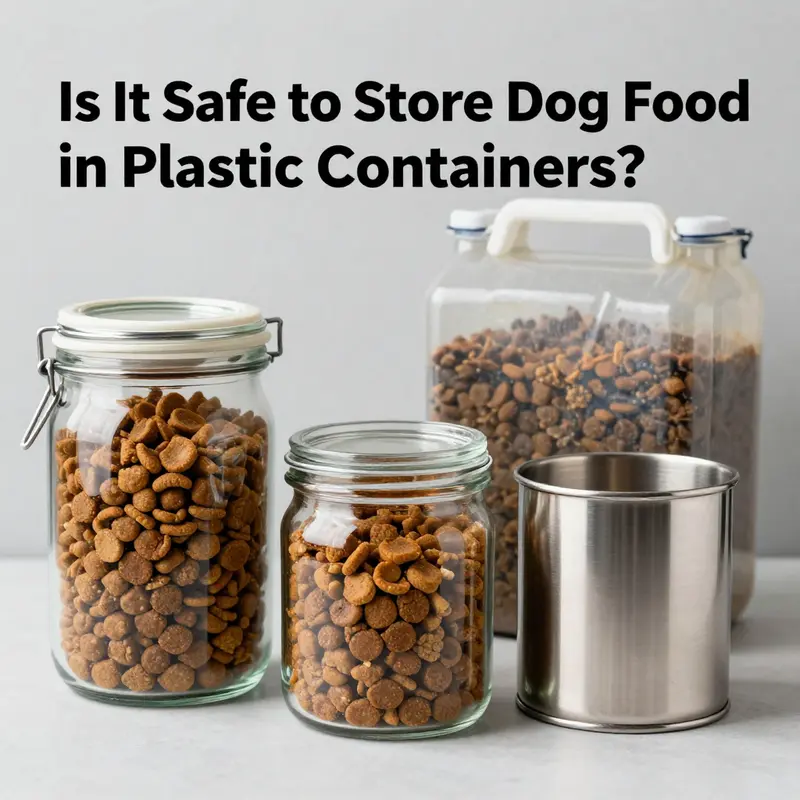
Choosing the right container for your dog’s dry food is more than a matter of convenience. It is a decision that shapes flavor, nutrition, and long-term health. The narrative around storage often defaults to plastic, driven by cost and ease. Yet science and experience tell a different story. The simple truth is that not all containers are created equal, and when it comes to protecting a dog’s most essential daily fuel, glass and stainless steel consistently outperform generic plastic. This chapter moves through the practical reasoning behind that shift, blends in the chemistry of storage with everyday realities, and shows how two timeless materials—glass and metal—become active guardians of freshness, safety, and vitality for a pet’s meals. It is a story of clarity, durability, and the quiet but measurable ways that the right vessel can sustain a dog’s wellbeing through months and years of feeding routines, sniffed by noses that know the difference between good food and spoiled food, and taste buds that depend on it.
First, let us unpack the core concerns with plastic storage that many owners encounter, even when a plastic container is marketed as food-safe. The oils and fats in dry dog food are not inert passengers. They interact with the surface of plastic in ways that can gradually alter both the container and its contents. The concept of chemical leaching has moved from abstract lab talk to practical vigilance: some plastics, especially older polycarbonates that may contain BPA or certain high-uptake polyethylene variants, can release trace chemicals into food over time. For a dog whose meals are oil-rich, this exposure is not merely a theoretical worry; it becomes a potential source of endocrine disruption or long-term health effects. While modern guidelines have tightened the labeling on many consumer plastics, the real world remains cautious. The oils can migrate into the container’s microcrevices, where they mingle with residues from previous batches. As new kibble is added, those residues can influence flavor, aroma, and, importantly, the chemical environment surrounding the food. If a surface has held old oils, it can seed oxidation, a process that dulls nutrients and introduces rancidity. In practical terms, this means vitamin A, vitamin E, and other fat-soluble nutrients can degrade more quickly than you expect, shortening both the perceived freshness and the actual nutritional value of each bag.
The story does not end with chemistry alone. The barrier properties of many plastic containers are simply not as robust as those of glass or stainless steel. Oxygen and moisture can seep in, gradually accelerating spoilage, even in containers labeled as airtight. This is not just about the smell of stale kibble; it is about the integrity of the food’s nutrition and the dog’s digestive health. Oxygen exposure can promote rancidity of fats and can also open the door to mold growth if humidity is present. Some molds produce mycotoxins such as aflatoxin, which pose real dangers to dogs, including liver stress and other systemic issues. The problem compounds when containers are reused over long periods without thorough cleaning. Microbial biofilms can develop in imperfect corners and seams, creating a reservoir for bacteria that may be dormant at first but can emerge with a warm meal and a curious nose. The protective barrier that a container should provide is, in practice, a barrier that can fail in the face of repeated use, imperfect sealing, and the realities of a busy household.
In light of these risks, the proposed alternative is not merely about preference; it is about stability, predictability, and health. Glass and stainless steel stand out because they are inert to food components and display exceptional barriers to the elements that threaten freshness. Borosilicate glass, in particular, has earned a reputation for its durability and thermal resilience. A jar crafted from this material can handle temperature fluctuations—think a fridge transfer, a short pantry transformation, or occasional warm spills—without the microcracks that plague common glass. The transparency of clear glass offers a practical benefit: you can see at a glance how much food remains, whether the kibble is uniform in color, and if any clumping or unusual odors are present. This visibility is more than convenience; it is a quick diagnostic tool that helps you catch spoilage before it affects your dog. An airtight seal is the real ally here. When the lid locks tightly, air and moisture are kept at bay, preserving aroma, texture, and moisture balance. The condensation of scent is often a reliable indicator of freshness, and glass’s sheer clarity makes it easier to observe subtle changes in the kibble’s appearance, such as surface gloss or dullness that might suggest oxidation.
For households seeking rugged, long-term durability, stainless steel emerges as the strongest contender. A well-designed stainless steel container combines resilience with practical features that survive hectic routines. Dents, rust, and corrosion are less of a concern in steel than in other materials, especially in environments where the pet’s meals are accessed multiple times daily or where the container might ride along in a car, be left on a porch, or sit in a busy kitchen. The metal itself is inert with respect to common dog-food constituents, meaning it does not interact chemically with fats, oils, or proteins in the way some plastics can. Airtight seals remain pivotal here; a foam gasket or a double-seal mechanism can keep humidity out and protect the flavor and nutrient integrity. Some stainless steel designs also offer built-in ergonomic features—spouts for easy pouring and scoops that minimize air exposure during dispensing. Even when the price point is higher, the payoff appears in fewer replacements, easier sanitizing routines, and peace of mind that the storage will endure for years.
The choice between glass and stainless steel is, in many households, a matter of personal fit. Glass offers a crisp, modern aesthetic and the added benefit of transparent monitoring. It suits kitchens where aesthetics matter and where the container will frequently be emptied, washed, and refilled. It is often lighter than a comparably sized steel unit and can be easier to handle in smaller spaces. Stainless steel, by contrast, tends to win in households with high-traffic feeding routines, outdoor storage, or children’s play areas where the container might be bumped or dropped. Its performance under pressure is superior; it resists dents, warping, and surface wear that can harbor bacteria if porous materials degrade. Some models incorporate wooden lids or matte finishes that pair practical function with a touch of natural warmth—a reminder that food storage can be both utilitarian and aesthetically pleasing.
No matter which material you lean toward, proper care is part of the decision. Glass demands careful handling to avoid chips or cracks; it cleans easily but can become slippery when wet. Stainless steel invites scrubbing and occasional polishing to maintain its sheen, yet it is remarkably forgiving when it comes to high-heat cleaning or exposure to steam and humidity. The common thread across both options is hygiene and habit: regular, thorough cleaning after every use, air-drying completely, and ensuring a dry, sealed environment before refilling. This habit reduces the risk of residual residues that can interact with new food and minimizes any opportunity for microbial growth. It also helps protect the investment you make in a high-quality container, because both glass and stainless steel containers are designed for long-term use and can dramatically outlast many plastic options when cared for properly.
In conversations with dog-owners, a practical approach emerges: if budget and space permit, prioritize glass for its transparency and gentle cleanliness profile, or stainless steel for durability and ease of maintenance in a busy home. If the decision must involve plastic, it should be a deliberately chosen, high-grade option that is explicitly designed for dry food, with the caveat that it may still carry residual risks related to barrier performance and chemical interactions over time. Even as storage solutions advance, the foundational advice remains consistent: minimize exposure to oxygen and moisture, avoid surface residues that can harbor fats, and select materials that are truly inert with respect to food. These principles guide the choice toward glass and stainless steel, which align with a broader goal of safeguarding your dog’s nutrition and health.
For readers who want a concrete sense of what a premium glass or metal storage setup looks like, imagine a borosilicate glass jar with a tight-sealing lid that doubles as a modern countertop accent, paired with a line of stainless steel canisters that combine bold form with practical functions like pour spouts and built-in scoops. The overall effect is not merely functional; it is a statement about how carefully chosen storage reflects the care you give to your dog’s daily meals. The practical takeaway is straightforward: prioritize containers that are inert, airtight, and easy to clean; prefer glass or stainless steel for long-term storage; and use the original packaging inside a robust secondary vessel when you need an extra layer of protection. In this way, you create a buffer that preserves aroma, postpones nutrient loss, and helps you spot spoilage early—the little advantages that add up to meaningful differences over years of feeding.
External resource for further reading: https://www.simplehuman.com/products/30-liter-pet-food-storage-container
Between Convenience and Canine Health: Rethinking Plastic for Dog Food Storage
Storing your dog’s daily food is a small ritual that blends practicality with care. In many homes, a plastic container sits on a pantry shelf or tucked into a kitchen cabinet to keep kibble neat, dust-free, and easy to scoop. The impulse is understandable: plastic is lightweight, clear enough to see contents, and often inexpensive. Yet beneath that convenience lies a set of health considerations that many pet owners overlook. The question is not merely whether plastic can hold dog food, but whether it can do so without compromising your dog’s health and the food’s nutritional integrity over weeks and months. The answer hinges on a few core realities about plastic materials, how they interact with oily dry dog food, and how storage conditions can either protect or erode quality.
First, chemical leaching is a central concern. Dog foods are rich in fats and oils, which makes them especially effective at carrying any residual chemicals that might migrate from the container into the food. Not all plastics are created equal in this respect. Some common plastics are known to contain additives or have historical associations with substances like bisphenol A, a compound associated with endocrine disruption in animal studies. Even when a container is labeled as food safe or intended for dry storage, the moment it is exposed to heat, oils, or repeated use, there is a nonzero risk that trace chemicals could migrate into the food over time. This is not merely a theoretical issue; it reflects decades of research in materials science and toxicology that highlight how lipophilic substances can travel from container walls into fat-rich foods. The practical takeaway is not fear-mongering, but a precaution: use the lowest-risk materials available and avoid exposure to repeated heat and fat-rich contact whenever possible.
Second, oxidation and nutrient loss are subtle but meaningful consequences of long-term storage in plastic. Plastic tends to attract and retain residual fats on its inner surface. Even after you wash the container, tiny residues can linger in seams, lids, and crevices. When fresh food is added, those residues can form a film that interacts with the new food, promoting oxidation. The result is rancidity that you may notice as a stale, slightly off odor, but more importantly, a loss of sensitive nutrients like fat-soluble vitamins A and E. The chemistry behind this is not glamorous, but it is practical: oils dissolve into the walls and migrate, which accelerates spoilage and diminishes nutritional value. For any dog with heightened needs—older dogs, dogs with joint issues, or those relying on a steady intake of vitamins—such losses can matter more than most owners realize.
Third, barrier properties matter. A container is only as good as its ability to shield food from oxygen, moisture, and light. Standard plastic containers often have only modest barrier performance. Air can invade during opening and re-closing, moisture can accumulate in seals, and light can fade color and degrade certain nutrients over time. For dog food, where moisture and air exchange can lead to mold growth or the development of potentially harmful toxins, this is not a trivial risk. While mold and aflatoxins are not the daily headlines of every kitchen, they are documented concerns in stored pet foods when packaging and storage conditions fail to deter microbes and oxidative processes. The takeaway is not that plastic is universally dangerous, but that plastic alone rarely provides the robust protection that many owners assume, especially when storage conditions are imperfect.
In light of these realities, the safest long-term approach centers on choosing materials that are inert, nonreactive, and highly resistant to the elements that threaten dry dog food. The most widely endorsed options are glass and stainless steel. Glass jars or containers provide a virtually inert environment; they do not leach chemicals, are nonporous, and offer an excellent barrier against oxygen and moisture when fitted with secure lids. Stainless steel bins share those advantages and add durability, ease of cleaning, and a high resistance to odors and residual oils. They are sturdy, easy to sanitize, and do not interact with the food in a way that could influence taste or safety. For most owners seeking to maximize freshness and nutrient retention over time, these materials represent a prudent standard rather than a luxury.
If plastic remains the only viable option due to space, budget, or convenience, there are disciplined practices that can significantly reduce risk. The first priority is material type. Seek containers that are specifically labeled as food-grade and BPA-free, with a preference for plastics in the #5 category, polypropylene. This polymer is recognized for its relative chemical stability and higher heat resistance, which translates to a more durable barrier in dry food storage. It is not a universal safeguard, but it is a meaningful reduction in risk compared to more common household plastics that are not designed for repeated food contact or storage of oils over extended periods. When selecting plastic, avoid those marked #1 PET, #3 PVC, #6 PS, or #7 PC. These materials have associations with chemical migration, phthalates, or other degradation pathways that complicate the safety equation for pet food.
Even when you land on a high-quality plastic, the discipline continues. Do not reuse single-use containers such as takeout boxes or beverage bottles for dog food. These items are not designed for repeated use, and their seals and structural integrity degrade with time, increasing the potential for chemical migration and contamination. If plastic is your only option, choose a container that is specifically designed for repeated use and long-term food storage. The cleaning protocol becomes part of safety: wash with warm soapy water after each refill, and ensure lids and seals are thoroughly scrubbed. Do not neglect the seals, which can harbor oils and residues that contribute to odors, mold, or microbial growth if not cleaned properly. After washing, allow the container to dry completely before refilling. Moisture left behind is a trigger for both mold and bacterial proliferation, which undermines both safety and palatability for your dog.
Storage conditions themselves deserve attention. Even a high-quality container cannot compensate for heat, sunlight, and fluctuating humidity. A cool, dark pantry or cabinet is ideal. Keep dog food away from ovens, ranges, or direct sunlight, where temperatures may fluctuate and heat can accelerate chemical migration or fat oxidation. Consider the surrounding environment as part of the storage design. A tidy, climate-controlled space helps maintain the integrity of the food and reduces the likelihood of odor development that may remind you of something less than fresh. If your kitchen experiences seasonal heat or if your pantry is exposed to windows, upgrading to glass or stainless steel storage options becomes an even more compelling choice.
Regular inspection is a simple, practical safeguard. Look for signs that a container has outlived its usefulness: discoloration, cloudiness, or crazing of the plastic; cracks, scratches, or warping in the lid; persistent odors that do not disappear after washing; or any change in the container’s fit or seal. These signals suggest material fatigue or microdamage that could harbor microbes or promote leaching. When you notice any of these, replace the container promptly. In practice, timely replacement protects both the food and your dog’s health much more reliably than attempting to salvage suspect storage by washing and reusing.
One nuanced point deserves emphasis: even if you choose plastic, you can take a layered approach to protection. Using the original packaging inside a sealed metal or glass container adds an extra barrier that reduces direct contact between the dog food and plastic walls. This approach keeps the dietary fats within the original packaging’s barrier while still offering the convenience of a larger external container for handling, scooping, and storage. It is not a perfect solution, but it is a pragmatic compromise that acknowledges both the realities of household storage and the goal of minimizing chemical exposure.
To maintain coherence with broader safety standards, it is helpful to recognize that reputable guidelines from food-safety authorities emphasize material choice, proper labeling, and evidence-based practices for any container that touches edible products. An informed owner can translate those principles into everyday routines: select appropriate materials, verify that containers are explicitly designed for repeated food contact, practice rigorous cleaning, and monitor for wear and tear. This mindset not only preserves the food’s freshness but also protects canine health over the long term, which is the central purpose of any storage decision.
For readers who want a practical path that aligns with current best practices, a deliberately curated option emerges. If you must opt for plastic, prioritize polypropylene, ensure the container bears a clear food-grade designation, and commit to a washable, reusable habit. Avoid containers that were never intended for long-term contact with fats or repeated use. Pair this with a nonplastic secondary container whenever possible, and always store in a cool, dark place. Acknowledging the trade-offs is part of responsible pet stewardship: plastic can be a helpful tool, but only when used with an informed plan that centers safety, hygiene, and the dog’s nutrition.
As a closing reflection, consider the broader goal of storage safety as part of a larger duty of care. Your dog’s sense of taste and appetite is often a reflection of health signals that extend beyond mealtime. Odors, texture, and palatability respond to how food is stored, and those cues can influence feeding behavior and overall well-being. By grounding storage choices in materials science, food safety guidance, and attentive hygiene, you create a stable foundation for your dog’s nourishment. Even small shifts—switching to glass or stainless steel, or adopting a robust cleaning routine for plastic—can accumulate into meaningful improvements in freshness, nutrient retention, and long-term health.
To deepen your understanding of food-contact materials and safety standards, you can consult authoritative sources on the topic. For more insights on material safety and regulations, see the FDA guidelines: https://www.fda.gov/food/food-contact-materials. And for a practical, consumer-facing option that aligns with safer packaging choices, you might explore disposable and reusable container designs designed for durable, safe food storage, such as eco-friendly takeout boxes for food packaging, which illustrate a philosophy of safer, more sustainable storage options: eco-friendly takeout boxes for food packaging.
Final thoughts
It’s clear that the safety of storing dog food in plastic containers is a significant concern. The potential for chemical leaching, oxidation, and nutrient loss presents serious risks to pet health. While certain high-quality plastic options exist, the safest choice remains glass and stainless steel, which preserve the integrity and nutritional value of dog food. Businesses involved in food service should remain informed and prioritize offerings that enhance the overall well-being of their furry clientele. By understanding and implementing safer storage methods, you can protect the health of pets and enhance customer satisfaction.