
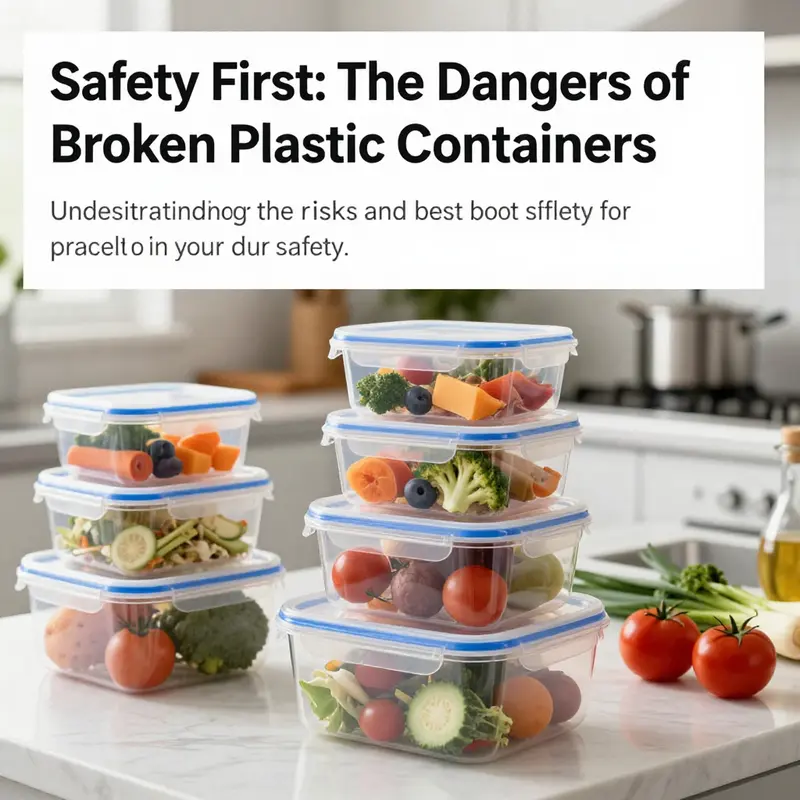
In food service, safety is paramount, and when it comes to heating food, the integrity of your containers significantly impacts the well-being of your customers. Using broken plastic containers in microwaves can lead to serious health risks due to chemical migration and compromised food safety. Throughout this article, we’ll explore the risks associated with using damaged plastic, the chemicals that might leach into food, the implications for safety, and the regulatory perspectives on microwave safety. Finally, we’ll outline best practices for using plastic containers safely, ensuring that your food business maintains the highest safety standards.
When Cracks Meet Heat: The Hidden Dangers of Microwaving Food from Damaged Plastic Containers
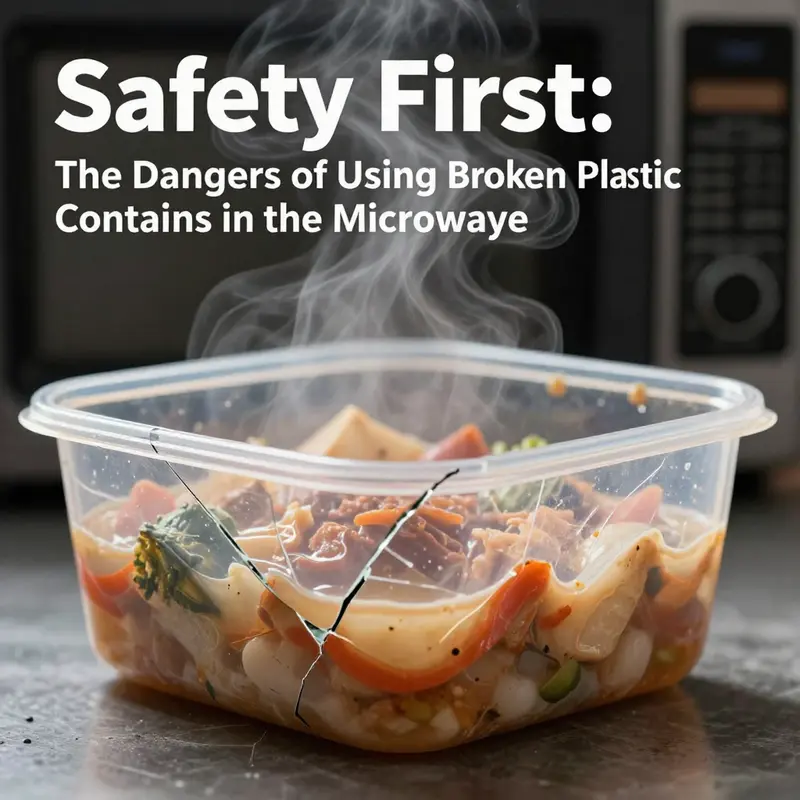
The microwave is a staple in many kitchens, a fast and convenient tool for turning leftovers into ready-to-eat meals in moments. Yet the ease it offers can lull people into a false sense of security, especially when the container seems to be in good shape. The simple act of heating food in a cracked, warped, or cloudy plastic container transforms a routine routine into a potential health hazard. Structural damage is not merely a cosmetic flaw; it is a signal that the material’s integrity has been compromised. In a heated environment, the molecules that hold the plastic together become more fluid, and tiny openings can form where chemicals can migrate. The fate of the food inside is no longer solely a matter of temperature or time, but also of what the container leaks into the meal. The risks scale with the degree of damage and the type of food being heated, and the consequences can accumulate over time in ways that are not immediately obvious in a single meal.
At the heart of this issue is chemical leaching. When plastics are cracked, warped, or visibly discolored—signs that their structural fabric has been strained—the likelihood increases that added substances will migrate into the food they contact. Endocrine-disrupting compounds, such as bisphenols and certain phthalates, have been the focus of extensive scrutiny. These chemicals can mimic or interfere with natural hormones, potentially affecting reproductive health, development, metabolism, and neurological function. A 2019 study in the Journal of the Endocrine Society detected estrogen-imitating chemicals in food after microwave exposure, even when containers claimed to be microwave-safe. The study underscores a troubling reality: labels can offer reassurance, but physical damage and real-world use can undermine safety claims. The risk is not limited to BPA alone; substitutes that aim to reduce one hazard may introduce others that behave similarly under heat, complicating the picture for consumers who assume that a “BPA-free” label equates to risk-free.
Compounding the chemical risk is the possibility of micro- and nanoplastics entering the meal. Research from researchers at Sun Yat-sen University highlights that the combination of plastic packaging and high microwave temperatures can release microscopic fragments into food. Some fragments may be measured in the nanometer range, which makes the body’s ability to detect and eliminate them far more challenging. Once inside the digestive system, these particles can persist and may provoke inflammatory responses, especially with chronic exposure. The concern is not solely about plastics themselves, but about what they carry into the body as they degrade: additives, dyes, and stabilizers that can accompany the fragments. Even containers marketed as “BPA-free” do not guarantee safety, because alternative compounds may share similar endocrine-disrupting properties. In short, the chemical story is not a single villain but a family of substances with the potential to move from container to meal when heat is involved.
The guidance from health authorities is consistent and pragmatic: avoid microwaving food in containers that show any signs of damage. A cracked lid, a warped base, yellowing, or cloudiness should serve as a clear cue to transfer the contents to a container that is known to be stable under heat. The safest operational rule is straightforward: do not rely on a label alone. If the container is damaged, the risk of chemical migration rises and the probability of uneven heating increases as well. The practical consequence of this is not merely a higher exposure to chemicals, but also a chance that the container itself could fail during heating, potentially spilling hot contents or creating a burn hazard. In the real kitchen, where leftovers are recirculated and reheated, these small, cumulative risks matter more than any single incident.
From a materials science standpoint, glass, ceramic, and certain metals withstand microwave heating more predictably than damaged plastics. Borosilicate and tempered soda-lime glass, for example, are chemically inert under typical reheating conditions and do not introduce substantial quantities of additives into food. This makes them robust choices for reheating, especially for fatty or protein-rich foods where the lipid phase can promote the migration of hydrophobic additives. The choice of container thus becomes a line of defense against both chemical migration and physical contamination, such as chipped edges or leaking residues from compromised plastic. It is worth noting that the habit of reusing single-use plastic containers or heating in takeaway cartons is particularly risky. These containers are designed for one-time use and may not maintain their protective barriers when subjected to repeated heating cycles. Even when they survive a single reheating, they may become porous enough to harbor residues or to allow migration pathways that would be unlikely in undamaged, purpose-built microwave-safe receptacles.
For households contemplating a safer path, the practical shift is to warmly embrace heat-stable, non-plastic options. Transfer of leftovers to glass or ceramic containers that are explicitly designed for microwave use minimizes direct contact with potentially leachable materials. The role of consumer choice cannot be overstated: opting for containers that offer chemical stability and mechanical resilience reduces the chances of both migration and spillage. The discussion should not end with a simple avoidance of plastics; it should extend to the reliability of the entire reheating process, including lid integrity, sealing quality, and the uniformity of heating. A well-sealed, heat-resistant container helps ensure that hot spots do not develop and that the food reaches a safe eating temperature without localized exposure to highly heated plastic surfaces.
In this light, the decision to minimize risk also invites a moment of practical reflection: when you reach for a container to reheat, do you rely on a label, or do you evaluate the container’s condition? Damaged plastics often feel deceptively sturdy; a small crack can become a source of risk as heat is applied. The recommended habit is to inspect all containers before microwaving and to err on the side of caution. If there is any doubt about a container’s integrity, the safe option is to relocate the food to a new, undamaged glass or ceramic vessel. This simple discipline can prevent a sequence of risks that might otherwise emerge—chemical migration, microplastic contamination, uneven heating, and the potential for spills or burns.
For those seeking a concrete, practical option that aligns with this guidance, consider containers designed specifically for microwave safety and made from non-plastic materials. In practice, households that adopt these routines often find a reduction in the frequency of reheating-related concerns. To explore safer choices within a broader packaging ecosystem, one may encounter products marketed as eco-friendly and microwave-safe, designed to combine convenience with resilience. An example of this approach is discussed in materials focused on sustainable packaging solutions that emphasize heat resistance and leak resistance. For readers interested in a practical pathway toward safer reheating practices, this concept can be explored further through resources that address non-plastic microwave containers and the broader debate about container materials.
Ultimately, the science and the safety guidance converge on a simple, durable rule: never microwave food in plastic containers that show cracks, warping, or discoloration. Always transfer to a container that is clearly labeled as microwave-safe and free from visible damage. When possible, choose glass or ceramic alternatives for reheating, particularly for foods high in fat. The goal is not to rule out plastics entirely but to minimize the conditions under which their chemistry can influence what we eat. As a practical habit, keep a dedicated set of microwave-safe glass or ceramic containers, and designate a separate, nonmicrowave environment for refreezing or storing foods that may undergo heat exposure later. In the long run, this approach protects flavor, texture, and health, turning a routine kitchen activity into a safer, more predictable practice.
Internal link for a practical option: consider eco-friendly takeout boxes for food packaging—safe for microwave, a container type that aligns with a broader shift toward durable, heat-ready materials. eco-friendly takeout boxes for food packaging—safe for microwave. This kind of option illustrates how design and material choice can support safer reheating decisions without sacrificing convenience.
External resource: for regulatory and safety context, consult guidance from health authorities on microwave-safe containers and chemical migration in heated plastics. https://www.fda.gov/food/food-contact-materials-and-regulatory-information/microwave-safe-containers
Heat, Breakage, and Migration: The Hidden Risks of Microwaving Damaged Plastic
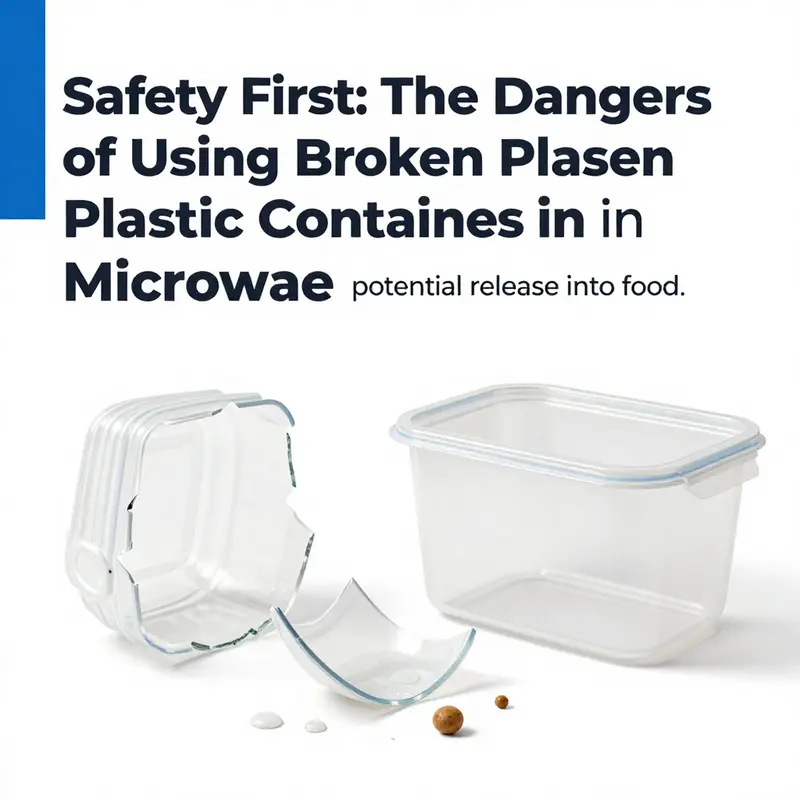
Microwave ovens offer convenience, yet they also force a quiet reckoning with the materials that hold our meals. When a plastic container is cracked, deformed, discolored, or scratched, the very act of heating can transform a routine reheating into a path for chemical migration from the container into the food. The surface that once shielded the food from the interior polymers becomes a compromised gateway, and heat accelerates the movement of substances that would otherwise linger safely away. The risk is not merely theoretical. It rests on solid scientific observations about the way plastics behave under heat and the way additives—such as phthalates, bisphenols like BPA, antioxidants, and photoinitiators—can migrate out of the polymer matrix and into the food we eat. The fatty components of many meals—sauces, cheese, soups enriched with oils—provide a solvent-like medium that can carry these substances more readily, increasing the likelihood that they end up in our bloodstream after a meal. Even when a container looks only superficially damaged, the microscopic fissures that appear during use can dramatically raise the surface area exposed to food and heat, acting like tiny channels for diffusion that would not exist in a pristine piece of plastic. The upshot is simple in principle but complex in practice: heat, contact time, and the integrity of the plastic material all interact to govern how much, and how quickly, chemicals move into food.
A 2023 study conducted by researchers at the University of Nebraska-Lincoln put a sharper lens on this phenomenon by focusing on what happens when baby food is heated in damaged containers. The study found that even when the damage seems minor—scratches or small cracks—the microwaving process can release a substantial number of micro- and nanoplastics into the food, alongside the additives embedded in the plastic. This finding is especially troubling because it demonstrates that a surface that looks only slightly worn may harbor a hidden risk that escalates with heat and duration. It is a reminder that physical integrity matters just as much as the label on the container, and it underscores a critical gap between the idea of “microwave safety” and the reality of safety when the container is compromised.
The broader regulatory and scientific picture reinforces this caution. The U.S. Food and Drug Administration has long warned that only plastics labeled as “microwave safe” should be used for heating in the microwave. Yet that assurance rests on a container that is intact and unaltered. Once a container is cracked, warped, or visibly degraded, the label’s promise can no longer be trusted. Several factors modulate the risk: temperature, how long the food stays in contact with the container, the acidity or fat content of the food, and, crucially, the structural integrity of the plastic itself. The more the container is worn, the more the likelihood that additives or breakdown products can migrate into food, especially under the high-energy conditions of microwaving where the molecules in the plastic are repeatedly stressed and mobilized.
In practical terms, this means that any plastic container bearing visible wear should be retired from use in the microwave. The guidance is straightforward: do not heat foods in cracked, deformed, yellowed, or severely scratched plastics. If a container looks questionable, the safest course is to transfer the food to a container that is clearly labeled microwave safe and that shows no signs of damage. This advice becomes even more important when heating high-fat dishes or foods with dairy, where fats can act as solvents that carry migratory chemicals more efficiently. The takeaway is not merely about one incident of leakage or taste change; it is about preventing a cumulative exposure that could contribute to longer-term health effects.
To bridge theory with everyday practice, it helps to consider the tangible alternatives. Glass, ceramic, and certain kinds of stainless steel provide sturdier barriers against chemical migration during heating and are less prone to the kind of physical degradation that plagues plastic under microwave temperatures. When using glass or ceramic, selecting microwave-safe options with intact lids or vented covers adds another layer of safety by controlling splatter and reducing the need for reheating in lids or wraps that might trap heat and increase contact time. The goal is simply to minimize the opportunities for additives to migrate into food while preserving the efficiency and convenience that microwaving offers. In this regard, the choice of container becomes as important as the choice of the dish being heated. For those seeking safer, practical packaging options that still meet the demands of quick, on-the-go meals, there are modern, safer alternatives—such as the eco-friendly takeout boxes designed to withstand reheating—illustrating a move toward materials that maintain structural integrity under heat while avoiding the leaching of harmful substances.
If you are encountering packaging choices in everyday life, a useful reminder lies in examining not only what a container claims but how it behaves. A container that is sturdy, clean, and free of visible wear is more trustworthy in a microwave than one that shows even subtle signs of fatigue. And when there is any doubt, the safest practice is to repackage the food in a container that has a proven track record of microwave safety and no signs of damage. This mindset aligns with growing public health guidance that prioritizes intact materials, especially when heating foods that contain fats and dairy products. The science is clear enough to justify a precautionary approach: minimize exposure to potential chemical migrants by investing in containers that retain their integrity and by avoiding heat contact with compromised plastics altogether.
As a practical habit, it is worth incorporating a quick inspection into your reheating routine. Before placing any food in the microwave, take a moment to check the container for cracks, warping, color changes, or deep scratches. If any of these are present, transfer the food to a microwave-safe glass or ceramic dish. When using plastic containers that are deemed microwave-safe by labeling, keep in mind that this designation assumes an undamaged state; a compromised container can render the label moot. The risk is particularly pronounced for foods that are not only hot but also rich in fats, as the combination of heat and lipid content creates an ideal milieu for migration to occur more readily. It is a small ritual with outsized importance for anyone who values minimizing exposure to potentially harmful additives and breakdown products over the long term.
The conversation about safer microwaving also intersects with packaging choices beyond the kitchen. For instance, there are safe, microwave-ready alternatives designed to combine convenience with sturdier performance under heat. The shift toward eco-friendly takeout boxes that promise microwave compatibility and resilience against leaks and grease is part of a broader trend toward safer, more reliable food-contact materials. When you encounter such packaging options, a careful read of the product’s assurances can help bridge the gap between convenience and safety. For readers exploring safer packaging solutions with a focus on microwave use, a recent option in the market highlights an approach that emphasizes both practicality and reduced risk, offering containers that are designed to perform under heat without compromising food safety. eco-friendly takeout boxes for safe microwave use.
Ultimately, the message flows from a core scientific and regulatory consensus: heat amplifies the potential for chemical migration, and the physical state of the container matters as much as its labeling. The nasal-tight rear guard against exposure is simple and accessible—choose containers that remain intact during heating, favor glass, ceramic, or other approved materials, and never rely on a label to compensate for physical damage. The public health implication is a cautious philosophy for daily meals: prioritize materials whose integrity is verifiable, and treat any sign of wear as a signal to switch to safer alternatives. The precaution is not merely about avoiding a stained or altered taste; it is about reducing the cumulative exposure to substances known to migrate under heat and, in some cases, associated with endocrine disruption and other health concerns when consumed in the long term. More robust evidence continues to emerge, underscoring the importance of keeping damaged plastics out of the microwave and guiding consumers toward safer habits and safer packaging choices.
For readers seeking a broader scientific context, the substantive research underpinning these precautions is accessible through ongoing investigations into how plastics behave under heating and what that means for food safety. A comprehensive external reference that offers a deeper dive into the mechanisms of plastic migration in heated foods, including micro- and nanoplastic release, can be found in recent coverage of the UNL study: https://www.unl.edu/newsroom/releases/2023/06/30/plastic-microwave-study/. The chapter’s emphasis remains consistent: protect food by protecting the container, and when in doubt, err on the side of safer, non-plastic or intact, microwave-safe options to minimize exposure to unpredictable chemical transfer during cooking.
Cracks, Heat, and Contamination: The Hidden Dangers of Microwaving Damaged Plastic Containers
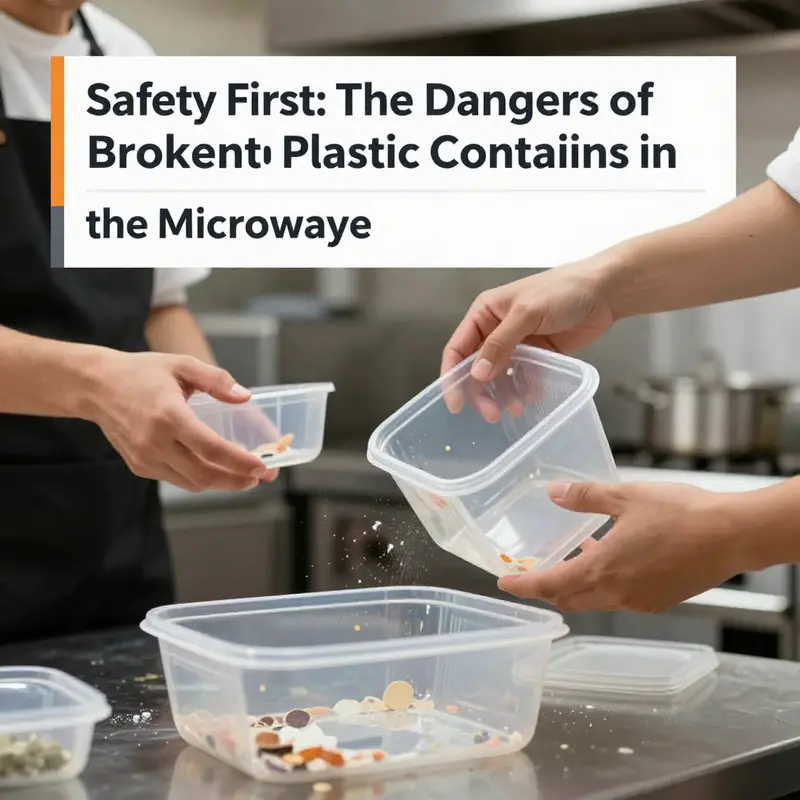
When a plastic food container sustains a crack, cloudiness, or deep scratches, the very surface that kept meals contained begins to fail under heat. The microwave is a harsh and unevenly distributed heat source, and damaged plastics no longer behave like reliable barriers. They may still bear a label that says “microwave-safe,” but that assurance rests on tests conducted with intact materials. Once a container has visible flaws, microcracks and altered surface chemistry become pathways for substances to migrate into food as temperatures climb during reheating. In practical terms, this means the risk that certain chemicals added to plastics—such as bisphenol A (BPA) and various phthalates—may leach into meals, especially when fatty foods are involved. The science behind this migration is not merely theoretical. Heat accelerates molecular movement, and damaged polymers, already stressed by prior use, can shed additives more readily than pristine plastic. The result is not a single alarm but a growing likelihood that ordinary reheating tasks could introduce unintended chemical guests into what we eat, particularly for leftovers like soups, sauces, or dairy-rich foods where fat content can carry these substances more efficiently. The warning does not hinge on rare situations; it reflects a broad and recurring risk associated with physical wear combined with heat. The mind automatically gravitates toward the convenience of leftovers heated quickly, but the evidence points toward treating any cracked, warped, discolored, or heavily scratched container as off-limits for microwave use. Even small blemishes alter how heat travels through the material. Cracks can propagate under repeated heating, creating localized hotspots that may cause pockets of the container to soften or melt. When this happens, the chance of contents leaking or the container failing in the middle of heating increases. A leak can spoil the meal and cause burns or scalds if the container suddenly ruptures. The broader picture is about safety margins and the limits of what manufacturers can guarantee. The assessments that ensure a plastic is deemed microwave-safe are performed on intact items under controlled conditions. In real kitchens, improvisation happens. The moment a plastic vessel shows wear and tear, it exits the realm of tested safety. The simple act of placing a damaged container in the microwave becomes a decision that bypasses regulatory expectations and invites risk into the home. This is why guidance from health authorities emphasizes a straightforward rule: avoid microwaving damaged plastics, regardless of the original label. The rationale is not about fearmongering but about recognizing the gap between lab conditions and household practice. The migration of additives is not a fixed fate but a probabilistic outcome influenced by food composition, container thickness, and the level of physical compromise. Fats are especially problematic because they can dissolve and carry hydrophobic substances more readily than water-based foods. A sauce thick with oil, a cheese-laden dish, or a fatty broth becomes the ideal vehicle for any migrating chemical to reach your palate. The health implications, though they vary with exposure, point to potential endocrine-disrupting effects that could affect reproductive, nervous, and metabolic systems over time. While individual meals may contribute a tiny dose, the cumulative effect of repeated exposure—especially from daily reheating of leftovers in compromised containers—cannot be dismissed. A robust way to approach this risk is to imagine the container not as a passive vessel but as a participant in the cooking process. Heat, fatigue, and microdamage interact to change not only the container but the food it surrounds. The more imperfect the plastic, the more leaky the system becomes. The discussion is thus less about a single event and more about a pattern of risk that grows with continued use of damaged plastics. For households that routinely rely on microwaving, adopting safer practices becomes an essential habit rather than an optional precaution. In this light, a practical ethos emerges: inspect every container before heating. If you can see cracks, cloudiness, faded color, or deep scratches, do not use the vessel in the microwave. If a container’s lid shows damage, or if the seal appears compromised, the entire system has lost its protective function. In such cases, transferring food to a new, intact container is not just a matter of convenience but of protecting health. The alternatives are straightforward and effective. Glass and ceramic containers labeled as microwave-safe provide a much clearer safety profile because these materials do not leach additives in the same way as plastics. Stainless steel options exist as well, though they require caution regarding metal-based cookware and certain microwave safety constraints. The key is to choose vessels that have been validated for microwave use and to avoid plastics that show wear. Even where patients or caregivers must reheat meals in containers that were intended for one-time use, the safest course is to repackage into a heat-tolerant, non-plastic option before heating. In practice, this means keeping a supply of microwave-safe glass or ceramic bowls and plates ready, especially for families with children or those prone to reheating multiple meals daily. It also means adopting a habit of immediate disposal for any container that becomes damaged, rather than attempting to salvage it through continued use. The guidance aligns with regulatory perspectives that emphasize testing conditions based on intact materials. When plastics are compromised, the safety margins used in migration testing no longer apply. The risk is not simply theoretical; it translates into everyday choices that influence meal safety and long-term health. For those who seek familiarity with packaging options while maintaining safety, the path forward can be both practical and aligned with broader consumer trends toward safer, more durable materials. One path is to consider packaging designed to withstand repeated heating without degrading. The market now increasingly offers microwave-safe options that emphasize non-plastic materials or specially engineered plastics with demonstrable stability under heat. A practical note for readers is to consider where these choices fit within your cooking routines and kitchen setup. If you frequently reheat meals, investing in a small collection of microwave-safe glassware can dramatically cut risk. For those who must rely on takeout or meal-prep containers, the importance of selecting packaging that is clearly labeled as microwave-safe and free from wear cannot be overstated. In addition, the choice of container should reflect the type of food being heated. Fat-rich foods call for the most conservative approach, given their propensity to dissolve and transport additives more readily. By keeping these factors in mind, consumers can reduce exposure and maintain the integrity of both their meals and their health. For safe and practical packaging options, consider exploring alternatives that emphasize durability and safety in heating. For example, a packaging option designed for microwave use and manufactured from materials that resist deformation under heat offers a reliable route to reheating leftovers without compromising safety. To reinforce this, you can explore safer packaging options like the eco-friendly takeout boxes that are designed for microwave use and corrosion resistance, which you can read about in our exploration of safer packaging choices. This example emphasizes a broader shift toward materials and designs that prioritize safety and minimize chemical migration. For deeper context and a visual sense of how packaging choices align with safety goals, you can refer to broader guidelines on microwavable packaging and the regulatory standards that guide these products. For safer packaging options, see the resource linked here: eco-friendly takeout boxes safe for microwave. Ultimately, the core message remains clear: damaged plastic containers should not be heated in the microwave, because the physical compromise undermines the safeguards that came with the original safety designation. An informed routine, grounded in careful inspection and a willingness to switch to safer materials, helps ensure meals reheated at home stay as wholesome as they are convenient. And when readers need authoritative confirmation, turning to official guidance—such as the FDA’s safety resources on microwave-safe containers—provides a reliable benchmark for aligning everyday cooking practices with public health standards. For authoritative safety guidelines, see the FDA page dedicated to Microwave-Safe Containers and Packaging, which outlines how safety testing applies to intact materials and why damaged plastics fall outside those tested conditions.
Damaged Plastics in the Microwave: How Regulations Protect Health and What It Means for Everyday Cooking
Regulatory perspectives on microwave safety and plastic container use show a balance between device design, material science, and consumer protection. The safety of microwave ovens is a system of controls that spans production, testing, labeling, and enforcement. In the United States, the safety framework rests with a network of agencies that ensure exposure to microwave energy stays within safe limits and that the materials in contact with heated food do not introduce risky chemicals into meals. The Center for Devices and Radiological Health, part of the FDA, works under the Department of Health and Human Services to set performance standards for microwave ovens. A core requirement is that the oven should not emit more than a defined level of microwave energy at a safe distance during operation. This standard aims to protect people even in unlikely scenarios involving door seal failures or equipment faults. Internationally, consensus standards like IEEE C95.1-2005 reinforce the same precautionary principle by outlining maximum permissible exposure levels. Taken together, these standards create a safety net that translates complex physics into practical guarantees for households, schools, and workplaces. For readers who want to see how these standards are discussed in a broader technical context, a detailed overview is available in the ScienceDirect resource linked in the external references.
The regulatory approach to plastic containers heated in microwaves goes beyond guarding against radiation. The FDA regulates food contact substances through a program that requires materials used for heating food to be evaluated for chemical migration. Containers labeled microwave safe should be used only within the scope of that label and while the container remains undamaged. This regulatory posture arises from concerns about additives that can move from plastic into food when heat is applied. Among these additives, BPA and certain phthalates have attracted particular scrutiny because of their potential endocrine effects. When temperatures rise during microwaving, migration can accelerate, and foods with higher fat content can solubilize these chemicals more readily. The risk is not purely hypothetical; it is mediated by real world factors such as how the container behaves under heat, how the food interacts with the plastic, and whether the temperature and duration of heating exceed what the label assumes. Damaged containers, cracked, warped, discolored, or scratched pose a special threat because their barrier properties degrade and heat distribution becomes uneven. In such cases, not only does chemical migration become more likely, but the container itself may fail, leading to spills, leaks, or even burns.
From a policy standpoint, the emphasis is on clarity, compatibility, and consumer education. Regulators seek clear labeling so that users can distinguish between containers designed for microwave use and those that are not. They also push for materials that can withstand typical household heating without compromising safety. At the same time, they recognize the limits of consumer behavior and the complexity of migration dynamics. In some regions, policy has evolved toward stricter controls on certain phthalates and related substances in food contact materials, signaling a trend toward tighter regulation of what can be heated in plastics. The net effect is a regulatory landscape that favors containers with proven heat stability and low migration potential, backed by transparent testing data and robust labeling.
For everyday cooks, the implications are straightforward but meaningful. If a plastic container shows any sign of damage, it should not be used in a microwave. Cracks, warping, yellowing, or deep scratches are not cosmetic issues; they are indicators that the material may no longer perform as intended under heat. Even when a container is labeled microwave safe, that assurance rests on the material retaining its integrity during heating. Damage changes the physics of heating and may create hot spots that intensify chemical migration or melt portions of the container, risking both food safety and physical injury. A practical default emerges: transfer leftovers to a clearly labeled microwave safe vessel made of glass, ceramic, or stainless steel when possible. This approach minimizes the chances of uncontrolled chemical migration and reduces the risk of leaks or scalding during handling.
Industry and regulators share an interest in packaging that behaves predictably under heat. Packaging designers are tasked with creating materials and adhesives that stay intact during heating and with labeling that accurately reflects performance under defined conditions. Testing regimes simulate real use by exposing plastics to temperatures and times that reflect everyday microwave practice, then measuring any migration of additives and the stability of the container structure. These data underpin the regulatory judgments about what is allowed on shelves and what language must accompany a product when it travels from store to home. The result is not a sterile set of rules, but a practical framework that helps households navigate safety with confidence, especially when time is tight and meals are hurriedly reheated.
For readers seeking concrete options that align with safety aims, it is helpful to acknowledge the broader ecosystem of packaging that is designed for microwave use. Thoughtful packaging choices can support safer reheating without sacrificing convenience. To illustrate how approach and design can align with safety goals, consider packaging that emphasizes sturdy construction and durable labeling designed for microwave use. This kind of packaging is part of a broader move toward safer, more reliable heat handling in everyday kitchens. The linked example embodies a shift toward materials that resist deformation and leakage, thereby reducing both heat related failures and chemical migration risks when reheating meals.
The regulatory story is not only about avoiding danger; it is also about enabling safer choices in real kitchens. It recognizes that the microwave is a tool that remains safe when paired with compatible vessels and when users honor the boundaries of the labeling. It also acknowledges that consumer habits such as reheating food in the same plastic container used for storage or selecting inexpensive plastics that lack clear microwave testing can undermine safety without visible warning. The cumulative message remains consistent: heat safely by respecting the container’s design and by choosing vessels that are truly appropriate for the task, especially when dealing with fatty foods that can magnify chemical exposure.
Looking forward, regulation is likely to continue refining how migration data is interpreted and communicated. Clearer labeling, more comprehensive testing, and greater international coordination may reduce confusion for households that source containers from global supply chains. At the same time, manufacturers will be pushed to improve materials that tolerate heat without significant migration, even when imperfect conditions arise. For households, staying informed about the limits of microwave safety labels and the realities of plastic chemistry offers a practical shield against cumulative exposure that might be overlooked in the rush of daily meals. The core takeaway from regulation in this field is a simple one: heat with containers that are intact, properly labeled, and designed for the microwave, and avoid relying on a label that may not hold under real world conditions.
External resource for further reading: https://www.fda.gov/food/food-contact-materials-and-regulatory-information/microwave-safe-containers
Heat, Breakage, and Leaching: The Hidden Hazards of Microwaving Damaged Plastic Containers
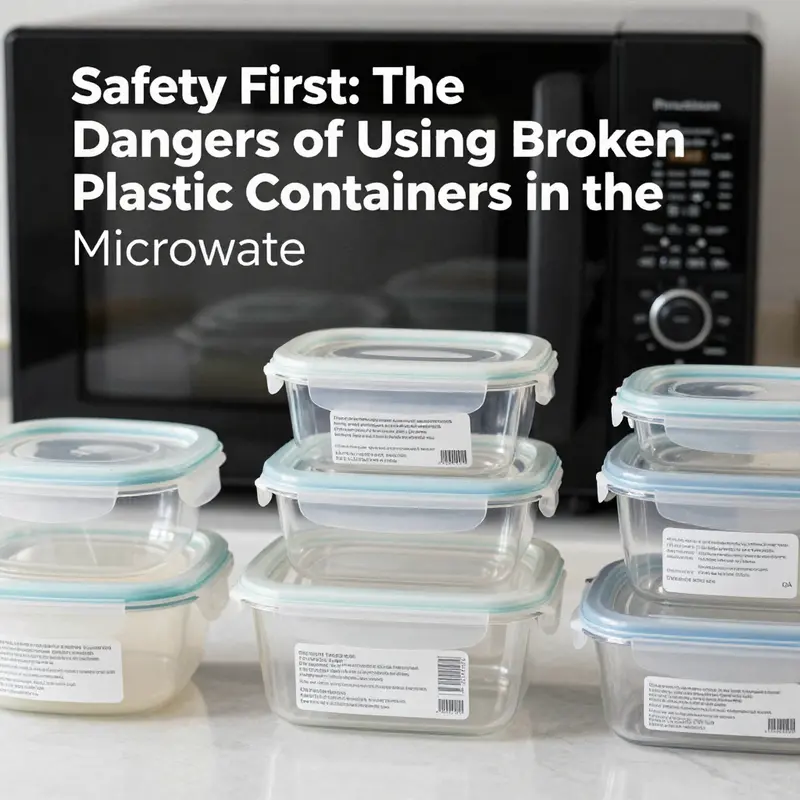
Reheating leftovers in the microwave often feels routine, a quick fix to save time and reduce waste. Yet when a plastic container is cracked, warped, or discolored, that routine becomes riskier. The simple act of heating can push the container from a passive vessel into an active source of chemical exposure. Even containers that carry a generic label of safety are not guaranteed to be inert when their physical integrity is compromised. A hairline fissure, a bend, or a faded yellow tint alters how heat interacts with the material, and that change can open a door for substances to migrate into your meal. This is not a matter of taste or convenience alone; it is a question of health risk that arises from the intersection of two forces: the heat of the microwave and the chemistry of plastics. In households across the globe, the same appliance that makes meals more accessible can, under damaged conditions, contribute to a cumulative chemical exposure that many people overlook. Understanding this dynamic helps explain why the safest choice in practice is to treat damaged containers as disposable problems, not reusable solutions during heat cycles.
Chemistry provides a clear frame for why heat matters so much in this context. Plastics are made from polymers with a range of additives—stabilizers, colorants, plasticizers—that give the material desirable properties. When a container is intact, the polymer matrix acts as a partial barrier, restricting the amount and rate at which these additives can migrate into food. Microwaving, however, raises the temperature dramatically and accelerates molecular motion. The result is a higher likelihood that additives will loosen their grip on the polymer and seep into the food, especially at the surface where contact is greatest. Several substances of concern have been identified in plastics, including certain stabilizers and plasticizers linked to endocrine effects in experimental studies. The potential impact is not uniform across all foods, but there is a consistent pattern: foods rich in fat provide a more favorable solvent-like environment for leaching. Oils and fats can dissolve and carry migrating compounds more efficiently than aqueous foods, so soups, sauces, cheeses, and fatty gravies merit particular caution. When such foods are heated in damaged containers, the rate and extent of migration can be higher than during routine storage or cold consumption. The cumulative effect of repeated exposures over time—especially in households where leftovers are routinely reheated—can become a public health concern, even if any single meal seems inconsequential.
The risk associated with heat and damaged plastics is not only chemical. The structural reliability of the container itself deteriorates with use and age. A micro-crack may seem trivial, but microwaves propagate heat unevenly, and tiny fissures become focal points for stress. Warping invites air and liquid to press against imperfect surfaces, and a degraded surface can trap residues in micro-scratches. Scratches may harbor degraded coatings and pigments from decorative features, drifting into food as microscopic particles. The overall effect is a doubled hazard: chemical migration and physical contamination, each amplified by heat and time. In practice, this means that a damaged container is not merely an imperfect container; it is a material whose safety profile has been fundamentally altered by prior use and by the heat cycle itself. The cautionary takeaway is straightforward. Do not rely on a visibly damaged container to keep your meal safe during reheating. Replace it. Preserve the integrity of your cookware and minimize the number of steps where heat and compromised surfaces meet.
With this understanding in place, the practical rules of safe reheating become clearer, even if they require changes to routine habits. The most basic rule remains non-negotiable: only microwave containers that are clearly labeled as microwave safe should enter the appliance. Labels are not infallible, yet they are a useful first screen; they indicate that the container was designed to withstand typical microwave conditions. But label alone is not a shield if the container has visible damage. A cracked lid, a warped base, or a surface with scratches should trigger retirement rather than continued use. Before microwaving, a quick visual and tactile check can prevent exposure to degraded barriers. If you see cracks, chips, discoloration, or an unusual odor, discard the item. A second screening involves recognizing the resin codes that identify the material family. The code for polypropylene, marked as number 5 inside the recycling triangle, is the most commonly accepted option for microwave use when the container is undamaged and properly labeled. Still, even PP items have limits and may carry usage guidance from the manufacturer. Containers made from other resins—numbers 1, 2, 3, 4, 6, or 7—are generally riskier for heating, given their greater propensity to degrade under heat or migrate more readily into food. Decorative elements are another trap to avoid. Colored patterns, dyes, metallic trims, or printed designs can introduce additives that heat can mobilize, increasing the chances of leaching into food. The same caution should extend to plastic wrap. Do not let wrap touch food during microwaving; use a microwave-safe lid or parchment paper instead, leaving space for steam to escape so that neither the food nor the plastic is exposed to excessive heat. If wrap must be used, ensure it does not contact the food surface to limit direct migration pathways.
All of these considerations come together in a practical philosophy of safer reheating. First, retire damaged containers and select items explicitly designed for microwave use. Second, prefer materials with a more stable history under heat, such as glass, ceramic, or stainless steel, especially for fatty or sauce-rich dishes that require longer heating or higher power. These materials do not share the same leaching risk profile as plastics, though they must be used with regard to lids and heat distribution to avoid burns or uneven warming. Switching to safer alternatives can require an adjustment in kitchen routines, such as using shallower, more evenly shaped dishes that promote uniform heating. It also invites a broader conversation about how we package and reheat food in the era of convenience. If you frequently reheat meals stored in plastic, consider adopting containers deliberately chosen for microwave use, lightweight handling, and durable surface integrity, and pair them with lids that trap heat without sealing off airflow entirely. For readers seeking safer packaging solutions aligned with microwave use, see this resource on eco-friendly takeout boxes for microwave-safe packaging.
Finally, authoritative guidance on what constitutes a truly microwave-safe container reinforces the cautious stance described here. Public health agencies have evaluated the safety of substances used in plastics and set standards for what can migrate into food under heating conditions. They emphasize that heat accelerates migration and that physical damage amplifies risk. While individual exposure levels from typical meals may vary, the prudent approach is to minimize exposure by avoiding damaged containers altogether and by choosing materials with well-established safety records for heating. For those seeking official recommendations, the U.S. Food and Drug Administration provides a comprehensive overview of microwave-safe containers and the regulatory framework governing food-contact materials. This resource underlines the same messages: damage compromises safety, high-fat foods elevate leaching potential, and reliance on intact, clearly labeled containers reduces risk. In sum, the safest practice when contemplating reheating in the microwave is straightforward: use intact, microwave-safe containers, choose safer materials when possible, and retire any container showing signs of wear. For authoritative guidance, consult the FDA’s Microwave Safe Containers page.
Final thoughts
In conclusion, ensuring the safety of food that is microwaved in plastic containers is essential for protecting the health of your customers. The risks associated with broken containers—including chemical migration and compromised food safety—cannot be overlooked. By understanding the hazards, adhering to regulatory guidelines, and implementing best practices in your operational protocols, you can significantly reduce risks and maintain a trustworthy environment in your establishment. Make informed decisions about your containers, and prioritize the safety of your food service.