
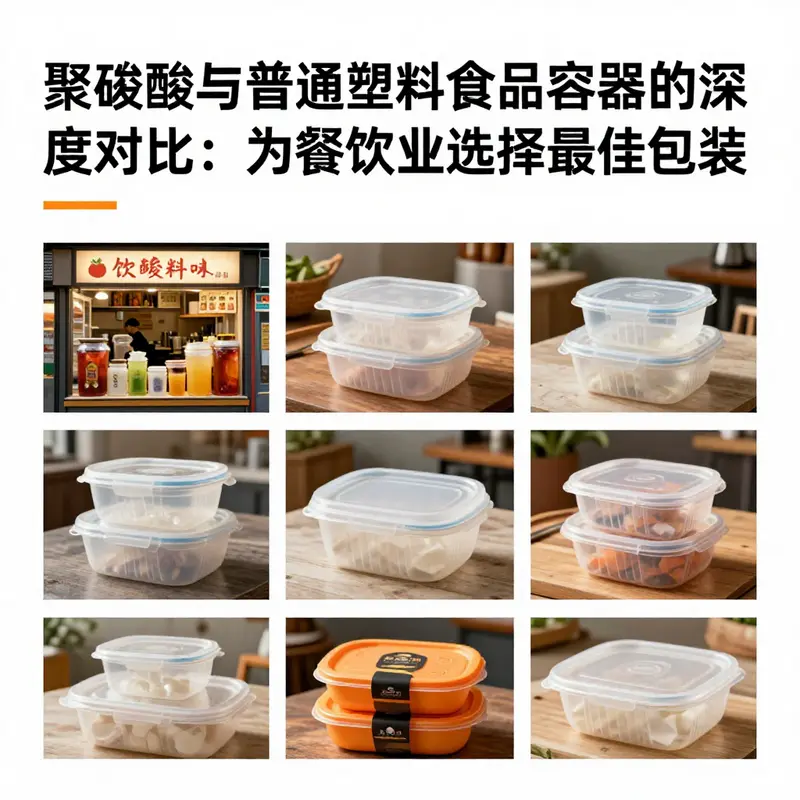
在餐饮行业,选择合适的食品容器不仅影响食品的保鲜和安全性,也关系到品牌形象与顾客满意度。聚碳酸酯与普通塑料作为两种常见的容器材料,各自拥有独特的特性与优势。本文将深入探讨这两种材料的性能、耐用性、安全性、清洁性及环保性,以帮助餐饮企业做出更明智的选择。从而确保食品安全与服务质量。
Seeing Clarity, Withstanding Heat: A Cohesive Look at Polycarbonate vs. Common Plastic Food Containers
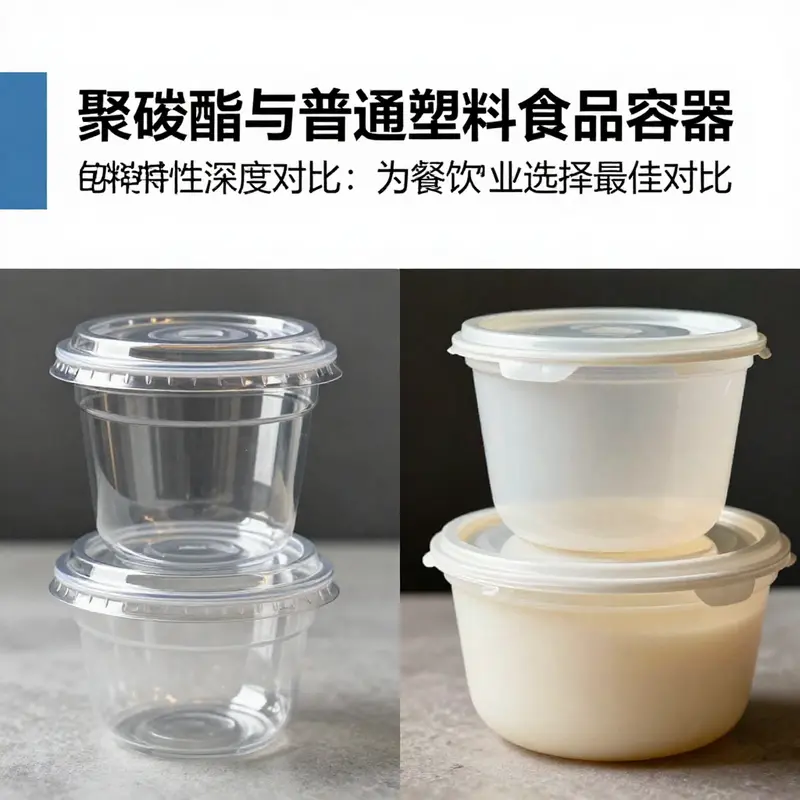
When people start choosing containers for everyday meals, the question often boils down to a simple dichotomy: is there a material that offers the best mix of clarity, strength, and safety without complicating use? The answer is not a single yes or no, but a spectrum. Polycarbonate (PC) stands out for its combination of glassy transparency, high impact resistance, and heat tolerance, a trio of traits that makes it attractive for uses ranging from everyday drinking glasses to durable lunch boxes. Yet PC is not a universal solution. In the broader world of plastic food containers, other materials—most notably polypropylene (PP), low- and high-density polyethylenes (LDPE/HDPE), and polyethylene terephthalate (PET)—offer their own advantages. They are typically lighter, cheaper, and often easier to recycle, albeit with different performance envelopes. The core of the comparison, therefore, is less about declaring a victor and more about understanding how each material’s intrinsic properties translate to real-world food applications, safety considerations, and lifecycle implications. In this light, the landscape unfolds not as a static ranking but as a dynamic balance of physics, chemistry, and daily practice.
Polycarbonate’s optical prowess is a defining feature. Its transparency rivals that of glass, and its surface resists scratching better than many other plastics. This combination gives PC a unique appeal for items where visibility of contents matters—whether you want to monitor the level of soup in a thermally insulated mug or admire the clarity of a fresh portion stored in the fridge. The same transparency, however, comes with a caveat: any surface wear can mar the pristine look, and micro-scratches can become sites where residues cling and odors linger. The mechanical backbone of PC is equally compelling. Its toughness translates into containers that resist bending, cracking, and outright shattering when dropped. This resilience has practical consequences in households with children, on work desks, or in transit where rough handling is a non-trivial risk. In short, PC’s strength-to-weight ratio and its glass-like visibility often justify its premium price in contexts where durability and appearance are valued.
But performance is not a standalone attribute; it is tempered by heat and chemical interactions. PC earns high marks for heat tolerance, typically withstanding sustained use near 120–130°C in regulated conditions, and tolerating brief bursts of higher temperature. That makes PC containers particularly appealing for reheating, hot beverages, or serving foods that must remain warm. Yet the heating advantage comes with a safety note. A long-standing concern about PC has been the potential migration of bisphenol A (BPA) from the polymer into foods. The modern market largely offers BPA-free PC formulations, and many manufacturers clearly label their products as BPA-free. Still, the practical takeaway for consumers is to be mindful of high-acid or fatty foods stored in high-temperature environments for extended periods. Even BPA-free PC is not a universal guarantee of risk-free storage, especially when conditions push the material beyond its tested limits.
Against this backdrop, ordinary plastics such as PP, LDPE, HDPE, and PET present a different set of trade-offs. PP, for example, combines good heat resistance with a relatively high chemical stability, making it a mainstay for microwaveable containers and daily use. Its chemical inertness and stable performance under repeated washing and heating give it longevity that many budget plastics struggle to match. LDPE, by contrast, offers flexibility and resilience in soft-walled designs but generally underperforms PC in terms of heat endurance. PET is prized for its clarity and toughness, yet it is mostly associated with single-use applications or rigid containers not intended for repeated heating. The broader point is that “plastic” is not a single material but a family, each with its own suitability profile. The conclusion, echoed by materials science and safety assessments, is that PC’s physical properties—clarity, impact resistance, and elevated heat tolerance—are exceptional when they are aligned with careful handling and appropriate use conditions. In many everyday scenarios, however, PP or PET-based containers deliver a more balanced combination of safety, recyclability, and cost.
Durability and lifespan illuminate another layer of the comparison. Polycarbonate is designed for longevity; with proper care, its core performance remains stable for a longer period. Yet the surface quality can deteriorate with repeated exposure to oils, fats, or aggressive cleaning agents, especially at higher temperatures. Scratches can accumulate, subtly changing the container’s hygienic profile. This is an important caveat: scratches are not merely cosmetic. They offer crevices where tiny amounts of food particles and microbes can accumulate, gradually eroding perceived cleanliness. By contrast, some high-quality PP containers exhibit remarkable resilience under routine washing and microwaving, and they often show fewer signs of clouding or odor retention over the course of a year or more. The trade-off, again, is that PP’s transparency is usually not as strong as PC’s, so visibility of contents may be compromised in exchange for more forgiving wear patterns and easier recycling routes.
Health considerations have become a central part of consumer decision-making. BPA in PC catalyzed a broad public and regulatory conversation about food-contact materials. The BPA-free PC formulations largely mitigate direct exposure concerns, but the conversation extends beyond BPA. The broader class of plastics can release plasticizers or additives, particularly when heated or used with fatty or acidic foods. The practical guidance has become consistent across many safety frameworks: avoid letting highly acidic or oily foods sit in containers for prolonged periods, especially while heated; follow the manufacturer’s instructions for microwaving and dishwasher use; and prefer clearly labeled, food-grade materials. These cautions are not meant to demonize any one material but to recognize that the safest choice depends on how the container will be used, cleaned, and stored. In the end, the safest and most responsible path is to select BPA-free PC when you truly value its advantages, or to opt for PP or glass when the priority is long-term safety, recyclability, and minimal risk across a broader range of conditions.
Cleaning and odor control further shape everyday experience. PC’s smooth surface simplifies routine cleaning, but micro-scratches can trap flavors and odors that stubbornly resist removal. In practice, this means someone who cooks heavily with garlic or curry might notice lingering smells in PC containers if they are not carefully washed and dried. PP and PET containers often perform similarly in cleanliness, but their edge can be a lower tendency to retain strong odors in the long run, particularly when made with tighter-fitting seals and well-sealed lids. A gentle approach helps across the board: warm water, mild detergent, and soft cleaning tools prevent new scratches or microcracks that could harbor residue. Regular maintenance—occasional deodorizing soaks with vinegar or baking soda solutions—helps restore freshness across materials, yet it will be easier for PP and PET to bounce back to neutral aromas due to their less reactive surface chemistry.
From an environmental and sustainability standpoint, PC’s story is more nuanced. Its recyclability varies by region and by the specific formulation, and PC often lands in a more challenging category for curbside programs. This contrasts with PP and PET, which are more widely accepted by many recycling streams and may incur a lower overall environmental footprint in regions with established infrastructure. As brands increasingly pursue more sustainable packaging strategies, you will frequently see a shift toward PP or even glass in some product lines. Consumers who weigh environmental impact alongside performance may naturally tilt toward these materials, especially when the use case does not require the extraordinary clarity or impact resistance that PC provides for certain applications.
The practical takeaway for choosing between PC and common plastics rests on aligning material properties with use cases. If your priority is high transparency, ruggedness against drops, and the distinct advantage of heating capabilities in a controlled manner, BPA-free PC remains a compelling option for specific scenarios—such as containers used with hot fillings or where visual inspection of contents is important. If your priorities include cost, easier recycling, and resilient performance under everyday washing and microwaving without the temperature extremes that PC sometimes faces, then PP or PET-based designs are sensible choices. In real kitchens, the most effective approach is often situational: use PC for items that benefit from its clarity and toughness, rotate with PP or glass for daily storage that emphasizes safety, and maintain rigorous cleaning practices to minimize odor retention and microbial concerns. For readers who wish to explore practical, durable packaging options beyond PC, look into the broader category of eco-friendly takeout and storage solutions that emphasize safe materials and responsible design. eco-friendly takeout boxes for food packaging.
In sum, the choice between polycarbonate and ordinary plastics is not a single decision but a balanced assessment of how each material performs under heat, how it handles everyday wear, and how it fits into a broader narrative of safety, cleaning, and sustainability. The most constructive stance is to acknowledge PC’s exceptional optical and mechanical qualities while recognizing the advantages of PP and PET—especially in terms of recyclability and long-term durability. By choosing clearly labeled, food-grade options and by applying best practices in use and care, consumers can harness the best of both worlds: the clarity and strength PC can offer where it matters, and the practical, eco-conscious stability of other plastics where it makes more sense. For those who want to deepen their understanding of material safety and how it translates into daily choices, a comprehensive review of plastic container safety provides useful context and guidance. https://www.healthline.com/nutrition/plastic-food-containers-safety
Endurance in the Kitchen: Durability and Lifespan of Polycarbonate Versus Ordinary Plastic Food Containers
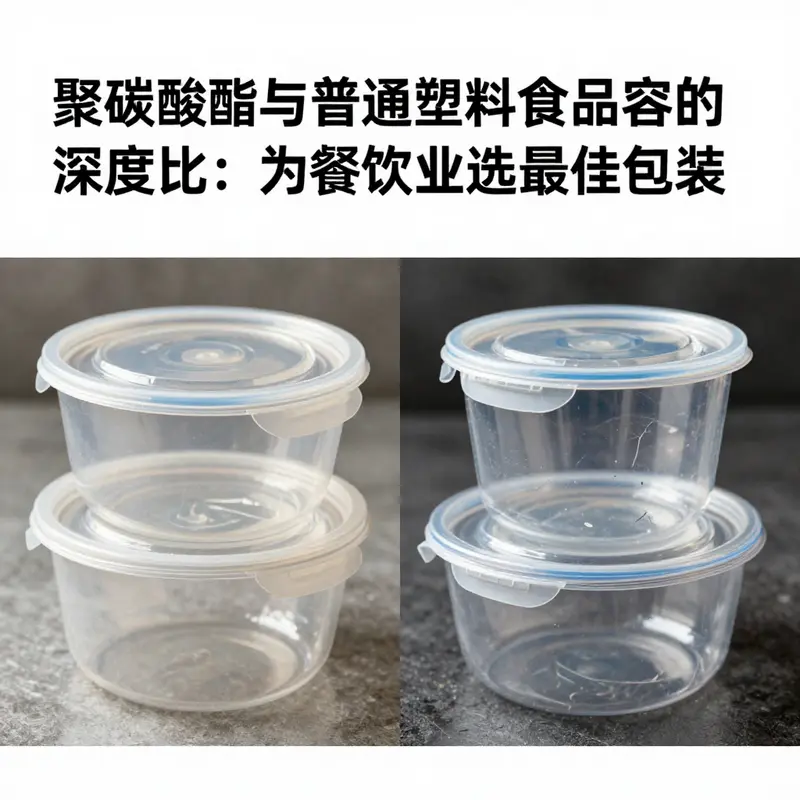
Durability in the kitchen is really about what a container can endure over months and years of daily use. This chapter compares polycarbonate (PC) with common plastics such as PP, LDPE, and PET, focusing on how they stand up to drops, heat, washing, and exposure to light and solvents. PC combines high impact resistance, clear visibility, and a broad heat tolerance that can accommodate fridge-to-microwave use, typically up to about 130-140°C in many formulations. However, prolonged UV exposure or aggressive cleaners can gradually dull its clarity, induce micro-scratches, or cause yellowing, which may trap odors over time. Ordinary plastics are generally lighter on cost and easier to recycle but offer lower impact resistance and heat tolerance, with many options performing best up to roughly 100°C and showing clouding or deformation with repeated heating or dishwashing. The durability choice thus depends on usage patterns: frequent heating and rough handling may favor BPA-free PC; lighter-use storage and stronger recycling or cost considerations may favor high-quality PP or even glass. In practice, careful cleaning, avoiding harsh solvents, and protecting containers from sun exposure help extend lifespan for any material. The takeaway is to match material choice to how the container will be used, cleaned, and disposed of, recognizing that durability is a balance among mechanical strength, chemical stability, and end-of-life options.
Safety, Chemistry, and Everyday Choices: Understanding the Health Impacts of Polycarbonate Versus Common Plastic Food Containers
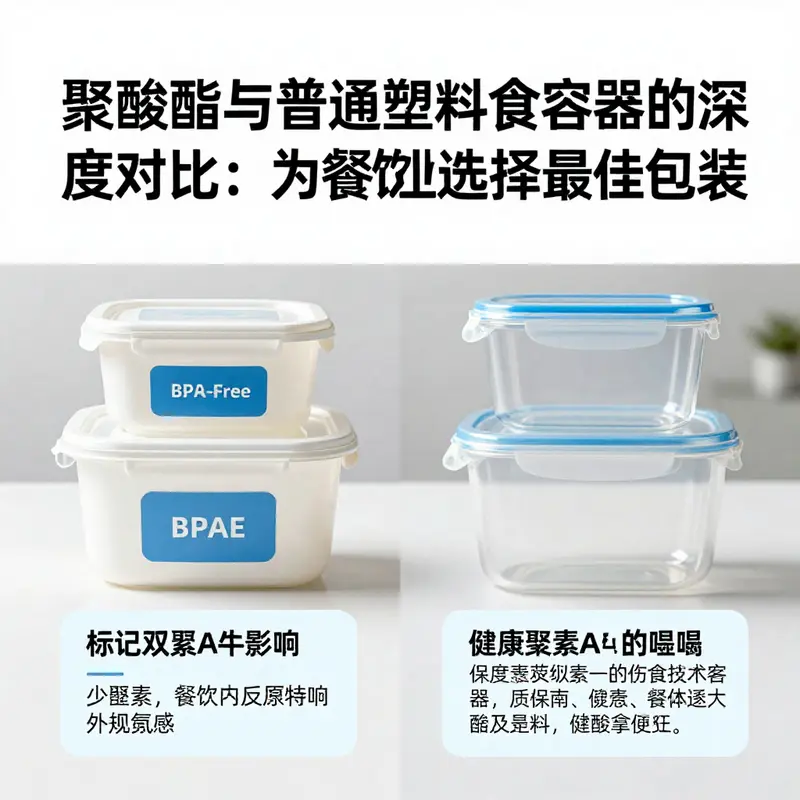
Choosing a container for meals is rarely a mere aesthetic choice. It is a decision tethered to health, safety, and the everyday realities of use. Polycarbonate, often labeled PC, stands out in the spectrum of modern plastics for its combination of clarity, strength, and heat resilience. It is the material engineers reach for when a container must stay transparent while resisting impacts and enduring hotter environments. That performance profile makes PC attractive for households that microwave, freeze, or reuse containers over many months. But the same characteristics that enable long life also invite scrutiny about how the material behaves when it contacts foods and the heat of modern kitchens.
Historically, the concern centered on BPA, the principal monomer in earlier PC formulations. Over the years, regulators in the United States, Europe, and around the world have reviewed the science. In normal use scenarios—as long as PC products are labeled BPA-free and used within established guidelines—the amount of BPA migrating into food is very low. The consensus today is that BPA exposure from properly manufactured and correctly used PC containers under standard conditions does not pose a meaningful health risk. Many manufacturers now market PC products as BPA-free, which adds an extra layer of reassurance, though it remains essential to verify labeling. The caution remains concrete: avoid heating PC to high temperatures for extended periods, and be mindful of the impact of acidic or highly fatty foods on long-term storage. When the container is new, slight changes in the surface could alter how substances move from plastic into the food, and aging products can behave differently from pristine polymers.
In the broader regulatory context, safety testing and labeling schemes guide consumer use. Regulatory bodies have established safe-use thresholds and testing standards. Standards from the U.S. Food and Drug Administration, German LFGB, and other international frameworks emphasize that, for PC used in contact with food, permissible migration levels are strictly controlled and verified under specific tests. This means that choosing food-grade PC with credible certification substantially lowers risk. Yet the practical story does not end there. Real-world use often involves repetitive heating, dishwashing, and exposure to detergents—conditions that can subtly alter the surface and the chemical stability of the polymer. The result is a realistic caveat: even if a PC product is labeled BPA-free, ongoing wear and high-heat conditions can change how it interacts with food over time.
By contrast, a broad swath of conventional plastics—PP (polypropylene), LDPE (low-density polyethylene), and PET (polyethylene terephthalate)—reside on the other end of the safety certainty spectrum. Many PP products are designed to tolerate microwaves and offer good chemical stability, and a substantial portion carry clear food-contact assurances. But the category as a whole includes items without explicit labeling, leaving room for uncertainty. The risk, particularly with high-temperature use, is that untested plastics can release additives or introduce unknown migrants into meals. The risk is not merely theoretical: in some markets, uncertified or low-quality plastics have been implicated in higher migration of substances under heat or mechanical stress. When a consumer heats non-certified plastic in a microwave or stores hot, acidic sauces in such containers for extended periods, the chance of migration compounds can rise. While it would be overstating to declare that all non-PC plastics are dangerous, the bottom line is straightforward: use only containers with explicit food-contact certification if there is any plan to heat, store acidic foods, or reuse for a long period.
From a practical standpoint, the safest posture is to align material choice with usage pattern and safety labeling. For those who value transparency and the option to microwave and reuse, BPA-free PC with reliable certifications can be appropriate for short to mid-term use, provided the container is not damaged and is used within recommended temperature ranges. Crucially, avoid heating PC to high temperatures or for extended periods when the label does not specify microwave suitability, and avoid cooking or storing highly acidic or oily foods for extended periods in PC. If a container shows wear—clouding, scratches, or etched color changes—it is prudent to retire it, because surface flaws can harbor bacteria and accelerate material aging. On the other hand, for households that heat frequently or prioritize long-term durability with minimal risk of chemical migration, high-quality food-grade PP or glass can be a stronger choice. PP provides robust heat resistance near the boiling point and generally tolerates dishwasher cycles well, while glass eliminates migration concerns altogether but sacrifices the drop resistance and light transparency that PC delivers. The choice thus becomes a balancing act between performance, safety assurances, and lifestyle.
There is also the broader environmental conversation, which, while not a direct safety hazard, inevitably informs decision-making. PC is not always easy to recycle in every community, and this contributes to a sustainability concern that some households weigh against convenience. In contrast, certain PP and glass options may offer clearer end-of-life pathways in places that prioritize recycling and circular economy practices. This environmental lens does not negate health considerations, but it adds another dimension to the decision about which container to reach for in daily life. If a family is weighing convenience against long-term impact, the safest approach is to choose simple, well-certified options and to reuse them within the bounds of the manufacturer’s guidance.
For a practical example of consumer packaging choices, see eco-friendly takeout boxes for food packaging. This kind of packaging choice highlights how manufacturers seek to balance safety, usability, and environmental considerations in a single product line. Keeping that in mind helps anchor personal decisions in current standards and real-world use. The core guidance remains clear and actionable: prioritize products that carry credible food-contact certifications, and avoid long-term storage of highly acidic or fatty foods in untested plastics. Replace aging containers promptly, and be mindful of the temperature and food type when heating or reheating. For households with infants, pregnant individuals, or others who may be more sensitive to chemical exposures, leaning toward materials with the strongest, well-established safety profiles—such as food-grade PP or glass—offers a prudent margin of safety.
The health conversation around PC and other plastics is not about a single material turning into a danger at every turn. It is about context: how we use the container, what we store in it, and under what conditions we expose it to heat and detergents. The evidence compiled by major health authorities supports a cautious, informed approach. When PC is used within certified guidelines and when a container shows no signs of wear, its safety in everyday use remains solid. When the container is aging, damaged, or used in ways not supported by the label, the risks may rise, particularly for migrants under heat and in the presence of acidic or oily foods. In those moments, a switch to PP or glass is sensible. And across all choices, maintaining a habit of inspecting containers, replacing them when in doubt, and staying informed about regulatory updates keeps daily meals safer and more predictable.
External resource for regulatory context can further illuminate this landscape. For an authoritative regulatory perspective on BPA in food-contact materials, consult the official guidance provided by health authorities on BPA migration and exposure. https://www.fda.gov/food/chemicals-in-food/bpa-food-contact-materials
Cleaning and Odor Control Across Plastics: A Practical Guide to Polycarbonate Versus Everyday Plastic Food Containers
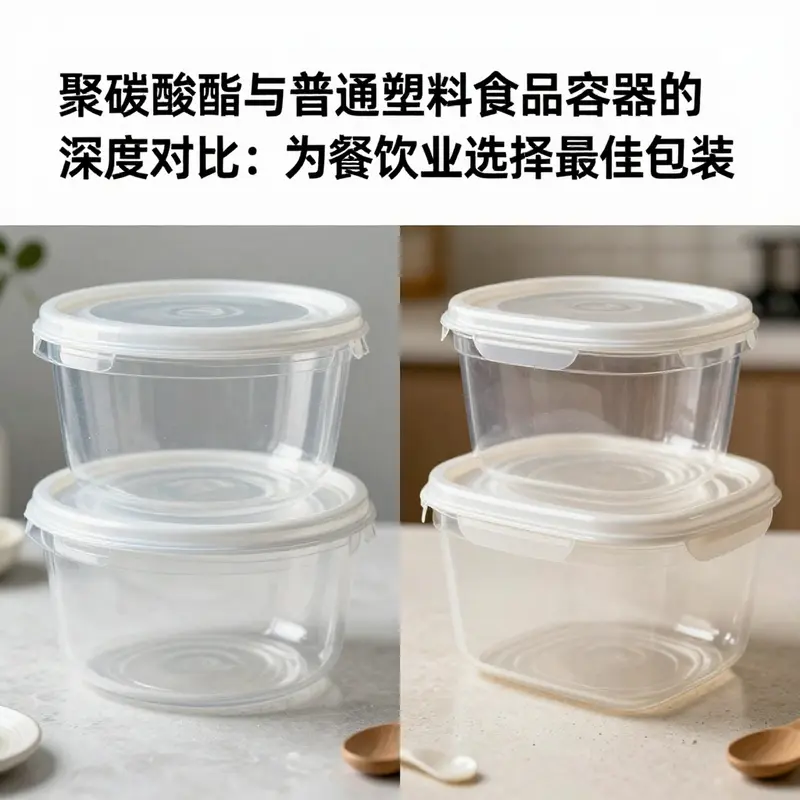
Cleaning and odor control are more than routine chores; they are frontline defenses against lingering flavors and potential bacterial buildup, and they reveal how material choice shapes everyday kitchen hygiene. When you compare polycarbonate (PC) with other common plastics, cleaning demands differ because of chemistry, surface behavior, and how each material responds to heat, detergents, and repeated use. In practical terms, this means recognizing that what works for one container type may not be ideal for another. A nuanced approach—rooted in material science—can dramatically improve safety, extend the life of the container, and keep odors at bay without risking surface damage or leaching concerns.
For polycarbonate, the guiding principle is gentleness and restraint. The material’s remarkable strength and clarity come at a cost: its surface is more vulnerable to certain cleaners and aggressive mechanical action. Although many PC products now advertise BPA-free formulations, the surface chemistry of polycarbonate can still react with strong chemicals under certain conditions. In particular, strong alkalis and concentrated acids can interact with the carbonate linkages inside PC, and at elevated temperatures these reactions can contribute to hydrolysis. This means that alcohol-based cleaners, while convenient in other settings, should be avoided for routine PC care. The idea that alcohol “cleans better” may be tempting, but the broader evidence suggests it can dull the surface over time, create micro-scratches, or accelerate aging, reducing the container’s transparency and overall integrity. The takeaway is straightforward: opt for gentler cleaning strategies and reserve harsher chemistries for truly stubborn residues only when absolutely necessary.
A safe starting point for PC cleaning is warm water combined with a mild, neutral dish soap. This pairing cleans efficiently without stripping the surface or inviting chemical interactions. Soak the container briefly to loosen oil and food particles, then wipe with a soft cloth or a non-abrasive sponge. This approach minimizes friction, preserving the smoothness of the interior where grime tends to collect around seal gaskets and corners. For tougher oil stains—think greasy sauces or baked-on residues—a paste made from baking soda and warm water can work wonders. Apply gently, allow a ten-minute pause, and then rinse thoroughly. The baking soda acts as a mild abrasive that helps lift residues without compromising the polycarbonate’s surface chemistry. It’s important to avoid rough scrubbers, metal pads, or abrasive powders that can scratch the surface and create niches where bacteria can hide.
Odor control, particularly for PC, benefits from a proactive, non-harsh approach. Odors often cling to micro-scratches and porous microtopographies that accumulate food matrix molecules over time. While PC’s smooth interior resists odors more than some other plastics, any superficial wear can harbor lingering smells, especially from strongly scented foods like garlic, curry, or tomato. A gentle deodorizing routine can include a diluted vinegar or lemon juice soak, but it must be followed by a thorough rinse to prevent lingering acidity from affecting future meals. White vinegar diluted in water (for example, a 1:3 ratio) or fresh lemon juice can neutralize sulfurous or aromatic compounds. The key is balance: the solution should be effective yet not so acidic that it risks residue or surface degradation. After deodorizing, rinse again with plain water and dry completely to prevent moisture-loving microbes from taking hold in any crevices.
In addition to cleaning and deodorizing, PC containers benefit from mindful drying and storage. Aimed at preventing mold and odor recurrence, the drying step should be thorough but not rushed. Air-drying inverted on a clean rack reduces water pooling in hinges and seals where odors can linger. For sterilization, a light, periodic sun exposure can provide a natural disinfecting effect, thanks to ultraviolet light, but it must be time-limited. Prolonged UV exposure can accelerate aging or cause surface microcracking, which defeats the purpose of maintaining a pristine, odor-free interior. The best practice is a measured approach: quick solar exposure sessions a few times a month if needed, paired with regular washing and complete drying.
The lifecycle considerations for PC extend beyond cleanliness. A widely discussed concern is the aging of containers under conditions of frequent high-temperature exposure or harsh cleaning regimens. While PC offers superior heat resistance and transparency, it is not immune to wear from aggressive environments. Long-term exposure to strong degreasers, repeated high-temperature cycles, or exposed gaps around lids can gradually erode the surface, enabling odor molecules to become trapped more readily. Therefore, even when PC appears to be performing well, it is prudent to monitor for micro-scratches, color changes, or clouding, and to rotate containers before the material shows visible signs of wear. In practice, a balanced approach—careful cleaning, limited high-temperature exposure, and timely replacement—maintains both hygiene and performance.
Turning to other plastics fuels a different cleaning philosophy. Polypropylene (PP) and high-density variants of LDPE typically tolerate a broader spectrum of cleaners and higher temperatures, which explains their popularity for everyday storage and dishwasher use. Yet this tolerance is not unlimited. Repeated dishwashing cycles and hot-water exposure can still cause cloudiness, distortion, or residual odors over time, especially if the containers are not fully dry or if food residues are not cleaned promptly. It is common to encounter clouding and minor warping in cheaper or thinner-walled PP or LDPE containers after frequent microwaving or dishwasher cycles. In these cases, a simple cleanliness routine—gentle washing with mild detergent, avoiding abrasive scrubbers, and air-drying—often suffices to maintain usability and reduce odor transfer. Markedly, PET, widely used for single-use bottles and some rigid meal containers, tends to resist some moisture-based cleaners and heat; however, its suitability for repeated heating is limited, and odor control in PET often requires more aggressive odor-neutralizing strategies that may not be compatible with safety guidelines for repeated heating.
Maintaining hygiene across these materials also involves mindful consumer habits. Immediate cleaning after use prevents residues from drying and becoming harder to remove. Using dedicated containers for highly odorous foods (for example, strongly spiced or oily dishes) minimizes cross-odor transfer and simplifies maintenance. Regular replacement intervals are another practical consideration. For PC, aging is a factor; manufacturers’ guidelines and safety standards often recommend periodic replacement to avoid increased porosity, staining, or potential release concerns if residues are difficult to remove or surfaces become compromised. In the long run, functionally sound yet simple replacements can keep kitchen routines clean and safe without excessive cost or effort.
To connect this to broader packaging decisions and everyday maintenance, it helps to acknowledge options that emphasize ease of maintenance and sustainability. For readers exploring packaging solutions that balance upkeep with environmental considerations, consider the range of eco-friendly, food-grade packaging boxes designed for takeout. These solutions illustrate how design choices—such as material selection, wall thickness, and seal integrity—can influence the ease of cleaning and odor control in real-world use. eco-friendly disposable food-grade packaging boxes for takeout. Keeping a toolbox of simple cleaning steps, pairing them with sound material choices, and staying mindful of the life cycle of containers can make a meaningful difference in kitchen hygiene while supporting sustainable practices.
For readers seeking external guidance on the safety of plastic food containers and best practices for cleaning and odor control, reputable health resources provide timely, evidence-based information. A trusted overview from a health-focused source offers updated perspectives on material safety, heat stability, and health considerations related to different plastics. External readers may consult such resources to complement this material’s practical suggestions and to stay informed about evolving standards and recommendations. https://www.healthline.com/nutrition/plastic-food-containers-safety
Durability, Dilemmas, and the Circular Path: Reassessing Polycarbonate Versus Ordinary Plastic Food Containers
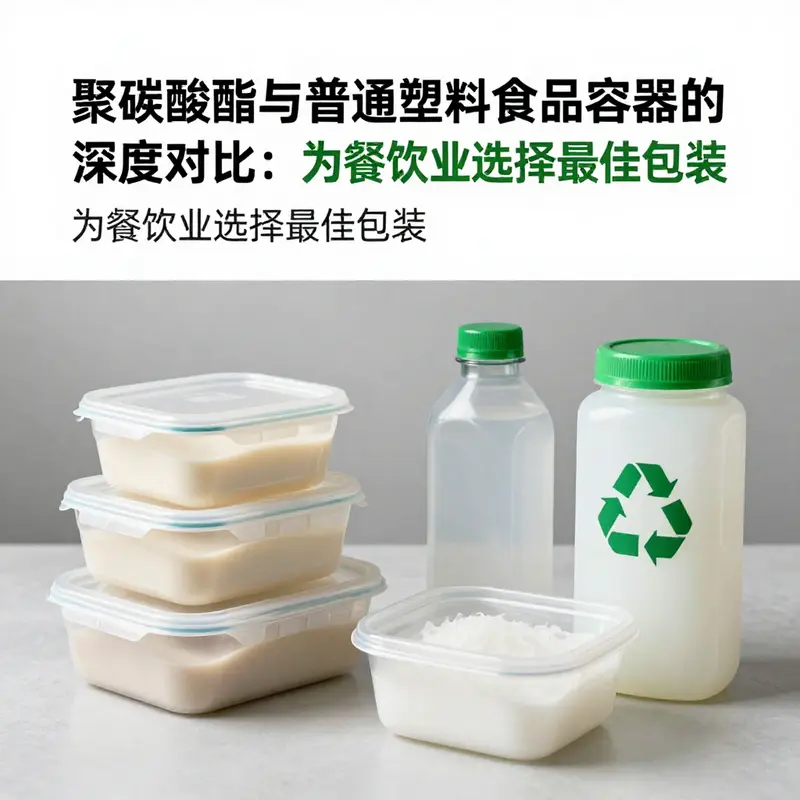
Choosing a food container is more than picking a material that keeps food fresh. It is a decision embedded in a larger conversation about resource use, waste, and how products flow back into the system after their first life. In the realm of polycarbonate (PC) versus ordinary plastics, the sustainability story unfolds across three intertwined axes: how long a container lasts in real use, how easily it can return to the material stream at end of life, and how production choices shape cumulative environmental impact. Read together, they reveal that the most environmentally responsible option is contextual and life cycle driven rather than reliant on a single virtue such as durability or recyclability alone. Polycarbonate, with its well-documented toughness and clarity, often shines in the long-life category. A PC container can endure years of frequent handling, repeated washing, and even occasional microwaving when labeled BPA-free. This durability, in principle, reduces the need for replacements and, therefore, lowers the rate at which raw materials enter the waste stream. In practice, though, the ecological clock ticks differently depending on how the container is used and how it is disposed of. If a PC vessel is subjected to harsh cleaning agents, persistent油脂 residues, or high heat without proper care, its surface can accrue micro-scratches or become slightly discolored. These surface changes may create tiny crevices that harbor microorganisms or odors, undermining the hygiene benefits that the material promises. Yet even here, the broader sustainability calculus favors PC when the use cycle is long and the item remains in good condition for years rather than months. The argument hinges on frequency of replacement: a durable PC bottle or container that remains intact through countless cycles tends to produce less waste than a cheaper, low-durability plastic that must be discarded frequently. The environmental dividend of longevity is clear, but it is not unconditional. There is a caveat: the chemical stability of PC under high heat and aggressive cleaning can, in some formulations, alter the material’s real-world performance over time. If the polymer experiences stress cracking or superficial wear, the life extension might be shorter than anticipated. In that sense, the sustainability case for PC is strongest when buyers choose high-quality, certified BPA-free PC products and follow the maker’s guidance on heat exposure and cleaning. The opposite scenario—frequent high-temperature dishwashing, long-term exposure to acidic foods, or harsh solvents—can erode that benefit, nudging the container toward earlier retirement. Against this backdrop, ordinary plastics such as PP and LDPE present a different set of sustainability trade-offs. These materials are often lighter in weight and less energy-intensive to produce for certain applications, which can translate into lower emissions at manufacture. They tend to perform well within their intended temperature ranges and are widely compatible with conventional recycling streams, though their durability under repeated microwaving or heavy wear can be lower than PC’s. A challenging facet of the sustainability equation is the end-of-life phase: PCs can be mechanically recycled into products of modest performance, or chemically recycled to recover monomers, potentially enabling a near-closed loop if the local infrastructure supports it. In theory, chemical recycling can reclaim both the polymer and its energy content, producing feedstock for new PC products and reducing the need for virgin materials. In practice, the availability and economics of chemical recycling vary by region, and not all facilities are equipped to handle PC waste separately. Combined with the realities of mixed plastic streams, this means that the real-world recycling rate of PC is often influenced by local waste systems rather than the material’s intrinsic recyclability alone. For ordinary plastics, the recycling story is sometimes more straightforward but less favorable in terms of closed-loop potential. PP, LDPE, and PET can re-enter the market through mechanical recycling, but the resulting recycled material frequently carries reduced mechanical properties, limiting its use to lower-grade applications. This phenomenon, sometimes called downcycling, reduces the market value of the recycled fraction and can constrain the overall benefit of recycling as a universal solution. In some contexts, multi-layer or contaminated packaging creates insurmountable barriers to recycling, intensifying the environmental burden despite high material recyclability on paper. The environmental narrative thus rests on the alignment between material properties and recycling infrastructure. A critical factor in PC’s favor is the possibility of a closed-loop pathway through chemical recycling. Although not yet ubiquitous, this approach holds the promise of preserving high performance in regenerated PC resin. It can, in principle, reconstitute the material to near-original quality, thereby sustaining durable products without a continuous demand for virgin feedstock. This is where ongoing industry work toward greener production methods matters. Traditional PC production historically relied on phosgene-based routes with significant energy demand and potential environmental risk. Contemporary practice, however, increasingly leans on melt transesterification and related solvent-free processes, which reduce hazardous byproducts and energy intensity. The byproducts, such as phenol, can be recovered and redirected into a circular system, further diminishing waste and emissions. Yet even with greener chemistry, public perception remains a hurdle. The legacy concern around BPA in PC lingers for some consumers, even when BPA-free formulations are widely available. This is not merely a label issue; it reflects a broader tension between convenience, performance, and precaution. The industry’s pivot toward bio-based polycarbonates, derived from renewable feedstocks, is a forward-looking strand. If biobased PC can deliver the same performance with a lower carbon footprint and without the BPA narrative, it could tilt the sustainability balance more decisively toward PC. In practice, choosing a container for sustainability demands a pause to weigh the local waste system’s capabilities, the product’s expected life, and the likelihood of end-of-life recovery. A long-lived PC container will deliver greater environmental benefits in regions with robust take-back programs or chemical recycling facilities. Conversely, in areas where recycling options are limited, a short-lived but easily recyclable alternative such as properly processed PP or even high-quality glass may yield better real-world outcomes. The decision is rarely binary. It depends on use patterns, storage needs, and the broader supply chain. For households and institutions seeking to align everyday practice with ecological goals, there is value in linking material choice to a broader strategy. This includes designing for durability with careful cleaning, avoiding harsh heat beyond the product’s instructions, and supporting systems that can actually recover and reuse materials at scale. It also invites consideration of packaging choices beyond the container itself. For example, selecting packaging options that emphasize recyclability and minimal multi-material layering can simplify recovery, which in turn strengthens the case for a given material. In this sense, sustainability is a system property rather than a property of a single component. To illustrate how this translates into real-world decisions, consider the option of favoring materials that pair durability with compatible end-of-life pathways. For those who prioritize long service life and are in a setting with strong recycling infrastructure, PC can be a sensible choice. For others, the low-temperature tolerance and straightforward recyclability of PP may offer a more robust, less risky path to lower total environmental impact. The best approach is to assess local recycling capabilities, product life expectations, and maintenance routines rather than relying on a single metric like strength or transparency. As the conversation about plastics evolves, so too does the answer to the sustainability question. PC’s durability is a meaningful environmental asset when harnessed within a system that can responsibly collect, segregate, and process PC waste. The ongoing development of chemical recycling and biobased PC technologies will influence how that asset translates into lower life-cycle impact. In parallel, continuous improvements in the circular economy, including better design for disassembly and more transparent labeling about material composition, will help consumers and institutions make smarter choices. For readers seeking to connect this discussion with practical examples, exploring eco-friendly takeout packaging that emphasizes recyclability and heat resistance can offer a tangible bridge between theory and practice. The linked option exemplifies how packaging design can align with sustainability goals while maintaining usability and safety. eco-friendly takeout boxes for food packaging. This kind of packaging choice signals a broader commitment to recyclable materials, simple recovery streams, and long service life, all of which are central to a more sustainable food system.
In sum, the environmental and sustainability advantages of PC versus ordinary plastics are real but nuanced. Longevity can translate into fewer replacements and reduced waste, yet the ultimate benefit depends on production methods, recycling infrastructure, and how products are used and disposed of. The future of PC in a sustainable kitchen will hinge on continued improvements in green manufacturing, the expansion of closed-loop recycling options, and an ongoing shift in consumer and industry practices toward designs that maximize both performance and recoverability. This is not a guarantee of universal superiority for PC; it is a call to evaluate material choices within a connected system where use, care, end-of-life handling, and local capabilities collectively shape the environmental footprint of every container. External resources can illuminate these dynamics further, guiding readers to broader safety and sustainability insights as part of a responsible, informed decision-making process:
Final thoughts
在餐饮行业中,选择合适的食品容器至关重要。聚碳酸酯和普通塑料各有优缺点,了解这两者的特性、耐用性、安全性、清洁性和环保性,将帮助您选择符合您业务需求的最佳包装。聚碳酸酯容器虽然在性能上更突出,但在环保和成本方面,某些普通塑料可能更合适。因此,依据您的品牌定位、运营方式及顾客期望,做出明智的决策是关键。