
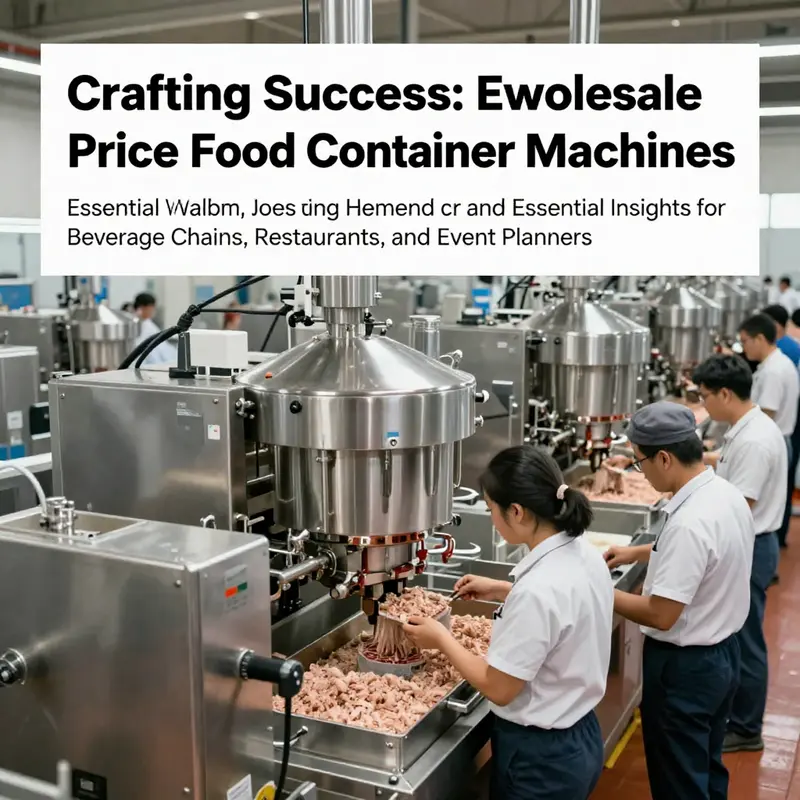
The demand for high-quality food containers is more pronounced than ever, particularly among bubble tea shops, restaurants, and food trucks. As these businesses aim to thrive in a competitive landscape, understanding the wholesale price food container machine making is crucial. This discussion will cover key aspects including an overview of the market, technological innovations that shape the industry, and the economic impacts that accompany these advancements. Each segment will help you appreciate not just the machines but the broader context of investment and returns on packaging solutions.
Consolidating Capacity and Cost: A Strategic View of Wholesale Prices in Food Container Machine Making
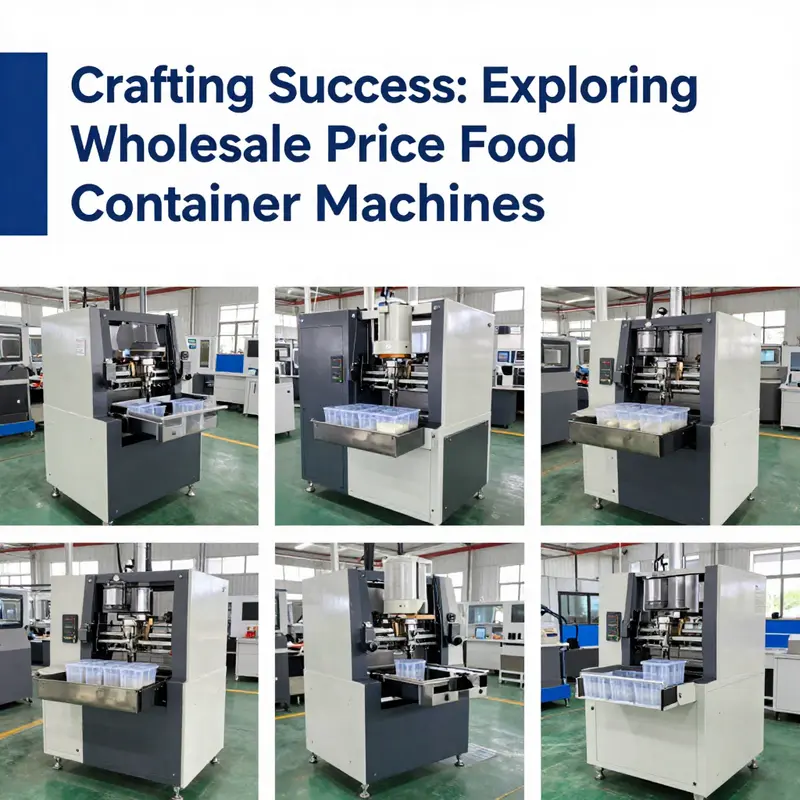
The wholesale price landscape for food container manufacturing equipment sits at a crossroads of demand for hygienic, convenient packaging and the relentless pressure to optimize cost per unit at scale. Across the food service, meal-prep, and retail ecosystems, manufacturers increasingly seek machines that can sustain high speeds, deliver precise, thin-wall formations, and maintain consistent quality under varied input materials. Beyond mere acquisition, buyers are evaluating total cost of ownership, maintenance cycles, energy consumption, and the ability of a line to integrate smoothly with downstream packing and filling operations. In this market, the tilt toward automation is clear. High-precision, high-speed injection molding systems dominate the conversation when the objective is to produce light-weight yet sturdy plastic food containers. Yet the price tag attached to such systems reflects more than raw throughput. It embodies capabilities like multi-cavity designs, short cycle times, and the capacity to produce complex geometries that meet strict food safety standards. Even as the appetite for plastic containers grows due to their durability and margins, the industry also contends with the rising demand for eco-friendly alternatives. In response, equipment vendors are offering adaptable platforms that can switch between materials or processes with minimal retooling, a feature that is increasingly valued as sustainability pressures intensify and regulatory expectations tighten.
Market dynamics play a pivotal role in shaping price trajectories. The global plastic food container making machine market has reached a valuation of approximately USD 7.81 billion in 2025 and is projected to expand at a robust CAGR of about 14.8% from 2026 through 2033. These figures are more than academic; they reflect a sector that is expanding quickly as manufacturers seek the throughput and consistency required to meet escalating demand while preserving margins in a competitive environment. The pace of adoption is not uniform. Regions with strong manufacturing bases and well-developed supplier ecosystems tend to push prices downward through competition and scale economies, while markets with nascent supply chains may see higher upfront costs and longer lead times. Yet even in markets with intense price competition, the value proposition of a dependable, automated line—capable of producing multi-cavity, thin-wall containers at high speed—remains compelling for large-scale producers who must balance capital expenditure with predictable production performance.
From a pricing standpoint, the spectrum is broad. Entry-level forming machines, which are often configured to handle standard containers and offer modular expansion, typically list in the mid-range of the market, around the US$26,000 to US$36,000 band. These machines provide a gateway into scaled production, offering the core capability to form containers efficiently and repeatably, with modest automation, and they can serve as a testing ground for new product lines or for small to mid-sized manufacturers transitioning from hand-forming or less automated processes. On the upper end, fully automatic, highly integrated systems equipped for continuous operation—often with certifications that reassure buyers about safety and quality compliance—tend to price between roughly US$69,900 and US$99,900. In practice, these higher-end platforms deliver not only faster cycle times but also advanced control architectures, integrated vision or quality-check steps, and better compatibility with downstream packing lines. For buyers weighing entry costs against long-term production efficiency, these premium systems may justify the price difference when throughput and reliability translate into lower per-unit costs and less downtime over the life of the equipment.
Discounting and bulk purchasing policies mirror typical industrial procurement behaviors. Bulk purchase incentives are common, reflecting the supplier’s aim to secure a stable production plan and to amortize the capital investment across more units. The economics of scale mean that cost per unit can fall as order quantities rise, especially when buyers commit to multi-year maintenance plans or extended service agreements that reduce the risk of unexpected downtime. Beyond the sticker price, buyers must consider installation, commissioning, operator training, spare parts, and service response times. Maintenance is not a cosmetic concern; it directly affects overall uptime and the return on investment. In practice, a line that can sustain continuous operation with minimal routine intervention tends to yield a lower cost per container over the life of the machine, even if its upfront cost is relatively higher. In this sense, price is only one axis in a larger optimization problem that includes reliability, vendor support, and the ability to adapt to evolving packaging requirements.
Alongside plastic-forming systems, the market also features specialized equipment for paper-based container production. A separate forming subsystem for paper materials commands a higher price tag—often cited in the range of US$100,000 to US$150,000 per set—reflecting the more complex handling, web conversion, and printing or embossing steps sometimes required to meet consumer expectations for paper packaging. The dichotomy between plastic and paper equipment underscores a broader shift in the packaging industry: while plastic remains dominant for its barrier properties and durability, paper-based solutions are gaining traction as sustainability concerns intensify and consumer preferences lean toward biodegradable and compostable options. Even within this segment, the price ladder mirrors the plastics side: basic paper-forming lines offer entry-level flexibility, while fully automated, multi-station systems with integrated finishing steps command premium pricing. The decision for buyers is rarely about one material alone; it is about the feasibility of running a multi-material production strategy on the same facility, or the ability to retool lines quickly to accommodate shifting regulatory or market demands.
A critical layer in procurement strategy is the level of automation and the scope of features that accompany the machine. The most capable platforms deliver high-speed, multi-cavity production with tight tolerances that support consistent wall thickness and strong seal integrity—key quality attributes for food containers. Automation does not end at the forming stage. Modern lines often integrate downstream packing, form-fill-seal steps, and even on-line quality inspection and packaging verification, compressing the cycle from raw resin to finished product. When a line offers such end-to-end integration, the incremental cost can be offset by gains in throughput, reduced labor, and improved product uniformity. In the context of wholesale pricing, buyers weigh the incremental cost of advanced automation against projected production volumes. For manufacturers with high annual output or with plans to scale overseas, the economics of enabled throughput and reduced labor risk frequently justify higher upfront investments. Those who operate at smaller scales or who anticipate fluctuating demand may find mid-range configurations that strike a balance between automation and incremental flexibility to be more prudent.
The purchasing decision is constrained by practical considerations that shape the market beyond the sticker price. Certification and compliance requirements loom large in many regions, particularly where food-contact safety is regulated stringently. Buyers prefer machines that carry recognized certifications such as CE and SGS, which can simplify procurement, import, and installation processes. While obtaining such certifications may add to the initial procurement cost, they reduce regulatory risk and can accelerate time-to-market for new product lines. Additionally, buyers look for supplier reliability and a proven track record in delivering on time with responsive after-sales service. Minimum order quantities, lead times, and the availability of spare parts influence the total cost of ownership and the predictability of production schedules. Platforms that aggregate supplier data—comparing specifications, MOQs, pricing, and compliance credentials—assist buyers in making informed procurement decisions in a field characterized by rapid evolution and ongoing technology refinement.
In practical terms, the decision to invest in a higher-end injection molding system versus a more modest, standardized forming machine is often driven by the intended scale and the product mix. For a producer whose portfolio includes a broad range of container sizes and formats, a flexible platform capable of rapid tooling changes and a quick changeover between cavity configurations can be more valuable than a machine that excels only at a single size or design. The benefits of such versatility show up as reduced downtime during product transitions, faster time-to-market for new packaging formats, and a better ability to respond to short-run demands from retailers or food service operators. Conversely, a business that focuses on a narrow range of containers with high-volume demand may extract greater value from a purpose-built system optimized for that particular geometry, so long as the system can sustain the required cycle times and maintain consistent quality.
Procurement decisions in this market are thus a careful balancing act. Buyers must assess not only the upfront cost but also the life-cycle economics that emerge from uptime, throughput, and the flexibility to adapt to evolving packaging materials and regulatory expectations. The price ranges reported in industry analyses reflect not only the raw capabilities of the machines but also the market’s broader dynamics: the push toward automation that reduces labor costs, the ongoing investments in process control and safety, and the strategic importance of forming lines that can coexist within larger manufacturing ecosystems that include downstream packing and logistics. It is a landscape where the best value is often achieved not merely by chasing the lowest price but by aligning machine capability with production strategy, supplier reliability, and a clear plan for technology refresh over the coming years.
To illustrate the broader context, consider how a packaging ecosystem might integrate a sample packaging option into production planning. In practice, a packaging workflow can resemble a continuum where a forming machine, a downstream packing module, and a quality-check system form a cohesive unit. An injection-molding platform designed for multi-cavity, high-speed production can feed a stream of preforms into downstream lines that wrap, weigh, label, and palletize finished containers. The ability to synchronize these steps with minimal human intervention is increasingly seen as a competitive differentiator. When the automation layer overlays with robust material handling and precise control of seal integrity, the resulting performance translates into more consistent product quality, tighter process control, and improved compliance with food-safety requirements. For buyers, the key is to map the machine’s capabilities to the desired throughput and product mix, then balance that against the price signal in order to estimate return on investment and cash flow implications over the expected life of the equipment.
Within this framework, the broader market context also invites attention to supplier ecosystems and procurement channels. Verified sources and platforms that offer detailed comparisons of machine specifications, minimum order quantities, pricing, and certifications enable more informed decisions. In a sector where technology advances rapidly and suppliers continually refine automation packages, buyers benefit from a structured approach to evaluating total cost of ownership and risk. The emphasis on reliability, spare-part availability, and service responsiveness becomes a practical counterweight to the allure of the latest feature set. In summary, the wholesale price of food container making machines reflects a mosaic of capabilities, scale economies, material strategy, and risk management. It is a market where strategic investment decisions hinge on aligning the right level of automation with production goals, supplier reliability, and a thoughtful view of long-term operating costs.
For practitioners exploring concrete examples of how design choices affect cost and performance, one practical touchpoint lies in packaging options for diverse consumer needs. The packaging world continues to evolve toward versatile formats that can be customized for different product families, from bakery items to ready meals and snack packs. The ability to tailor a forming or molding line to produce a wide variety of container shapes and sizes without sacrificing throughput embodies the kind of flexibility that modern manufacturers prize. In some cases, this flexibility can be achieved through modular tooling and quick-change automation that reduces downtime during line changes. In others, it requires a more substantial investment in multi-cavity designs and advanced process control that deliver consistent results across shifts and operators. The balance between these approaches depends on expected demand, product diversity, and the capital budget available to a given operation. As markets continue to evolve, manufacturers that invest in adaptable, well-supported machinery are better positioned to manage price pressure while protecting quality and compliance.
The discussion would be incomplete without acknowledging the cross-border nature of this market. A substantial share of equipment for food container production is sourced from global suppliers who operate across multiple regions. This geographic spread helps to moderate price volatility and offers buyers access to a broad range of configurations while also presenting logistical considerations, including lead times, import duties, and service coverage in regional markets. For buyers, engaging with suppliers that can provide not only the machine but also a coherent implementation plan, operator training, and ongoing technical support is essential. The ability to count on a supplier for spares and rapid service is often as important as the machine’s nominal performance, because unplanned downtime can erode the financial benefits of a high-speed line. In this light, procurement decisions extend beyond the purchase order to encompass a relationship that supports continuous improvement, technology refresh cycles, and alignment with the customer’s strategic packaging objectives.
As with any capital equipment investment, the question of whether to pursue a cheaper, more modest platform or to invest in a high-end, fully automated system ultimately comes down to strategic fit. For a business aiming to rapidly scale production and diversify its product portfolio, the value of a flexible, automated line can justify higher upfront costs. For a smaller operation or one testing the market with biodegradable or eco-friendly packaging, a lower-cost entry point might be more prudent, provided that planned future upgrades align with demand growth. The wholesale price landscape, with its tiered ranges and volume-based discounts, supports these divergent paths by offering options that can be matched to appetite for risk, desired speed-to-market, and long-term cost efficiency. This nuanced view helps illuminate why the market for food container making equipment remains robust and transforming, even as consumer and regulatory expectations continue to shape what counts as value in an industrial packaging operation.
In the end, the wholesale price of food container making machinery reflects not just the cost of hardware, but the strategic value of what these machines enable: reliable production of safe, compliant, and attractive packaging at scale. It is a market defined by speed and precision, but also by capability, resilience, and the ability to adapt to changing material strategies. For manufacturers, the central task is to translate technical specifications into a realistic production plan, quantify the expected gains in throughput and quality, and weigh those gains against the price and risk embedded in the supply chain. The result is a decision framework that rewards clarity of purpose, disciplined vendor selection, and a long-term view of how automation will shape competitiveness in a market where packaging standards, consumer expectations, and sustainability goals are continually evolving.
External resource for broader industry context: Market Research Future provides ongoing analysis of the plastic food container making machine market, including market size, growth drivers, and forecast implications that help readers place these pricing dynamics within a global perspective. See the external resource for more detail: Market Research Future report.
Internal link reference: For an example of packaging formats that influence machine configuration and changeover considerations, see the detail on foldable cake boxes with window bakery boxes packaging, which illustrates how design variability can affect tooling and throughput. foldable cake boxes with window bakery boxes packaging.
Molded for Margin: How Tech Advances Reframe Wholesale Pricing in Food Container Machinery
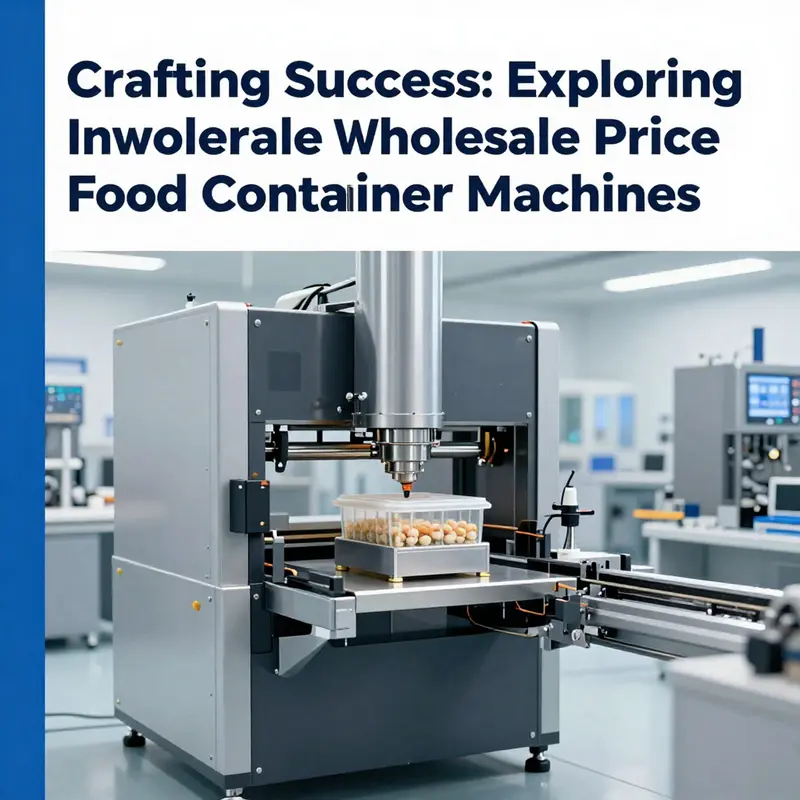
The wholesale landscape for food container manufacturing equipment is evolving at the intersection of automation, materials science, and economies of scale. Across continents, producers and contract manufacturers are reshaping how containers—from takeout cups and lids to thermoformed trays—are designed, formed, and packaged at scale. The thread that ties together the pricing, performance, and sustainability narrative is technology: the emergence of full-automation thermoforming lines, multi-station forming capabilities, and high-precision injection systems that push throughput, reduce waste, and lower unit costs when purchases are made in bulk. As a result, the market for wholesale price food container machine making is no longer solely a cost chase or a single-technology story. It is a holistic shift in how lines are configured, how materials are selected, and how after-sales support becomes part of the total cost of ownership. In this evolving frame, manufacturers and buyers alike gain a clearer view of where prices settle and how long-term value is unlocked when automation technologies align with market demand for sustainability, speed, and reliability.
At the core of this shift is the increasing availability of highly automated, high-speed systems that specialize in producing thin-wall plastics and multi-cavity configurations. These machines are designed to deliver rapid cycle times and consistent geometry, enabling a single line to churn out tens of thousands of containers per day with tight tolerances. In wholesale pricing terms, these capabilities are frequently reflected in tiered cost structures. A leading high-precision, high-speed injection molding option might be priced around the upper end of the market, with per-unit costs that decrease meaningfully when two or more units are bought. For example, pricing models in this segment often present a noticeable step-down: a single unit may sit near a flagship price point, while two units see a reduced per-unit price, and three or more units secure even deeper discounts. While the exact figures vary by configuration, the underlying pattern is clear: bulk purchases unlock significant savings, and buyers who anticipate scale can lock in favorable economics over the life of the equipment.
Beyond the injection molding core, the ecosystem around packaging machinery now includes multifunctional and thermoforming lines that are optimized for food-grade materials. A fully automatic disposable nutrient hot-food container forming line illustrates this trend. These systems fuse automated handling, precise thermoforming, and controlled material processing to deliver high-speed production of biodegradable or compostable containers. Materials that have gained traction in this space include polylactic acid (PLA), polypropylene (PP), polystyrene (PS), polyethylene terephthalate (PET), and even vinyl-based plastics in select markets. The drive toward sustainable packaging has tangible price implications, as new resin blends and biopolymer formulations enter the mainstream with performance parity on many applications. While PLA-based containers are often more expensive than traditional plastics on a per-pound basis, the total cost of ownership may improve through compostability credits, waste reduction on the line, and potential regulatory incentives. In wholesale terms, such a line may be priced in the upper-mid to high range, reflecting the value of automation, material compatibility, and speed, with clear price incentives for buyers who commit to multi-unit purchases.
A related advance is the three-station automatic thermoforming system that can simultaneously produce cups, bowls, lids, and boxes. Multi-station arrangements bring significant throughput gains and design flexibility. The capacity to execute positive and negative thermoforming in a single cell means producers can reduce changeover times and minimize downtimes, a key factor in lowering the landed cost per container at scale. When bundled into a single line with integrated automation—and supported by robust online service and a one-year warranty package—the total cost of ownership becomes more predictable, a critical consideration for wholesale buyers who must finance equipment across multiple plants or rapid expansion projects. These multi-station lines typically occupy a higher upfront cost than single-function machines, but their per-unit economics improve rapidly with volume, and the added flexibility translates into reduced scrap and more consistent quality, which in turn stabilizes downstream production costs and customer pricing.
The pricing architecture for these machines in wholesale markets also reflects strategic supply-chain considerations. A wide spectrum exists—from entry-level automation options designed for small and mid-sized enterprises to more advanced lines that target high-volume, full-scale production. Reported ranges for injection molding machines dedicated to plastic food containers can span from roughly five thousand dollars for modest, entry-level configurations to the upper tiers near sixty thousand dollars per unit for high-speed, multi-cavity, precision-capable systems. The distribution of pricing across tiers mirrors the expected operating performance: higher-speed cycles, greater closed-loop control, more cavities, and improved energy efficiency all contribute to higher price points but also to greater cost savings over the machine’s life. Importantly, the wholesale market often offers tiered pricing for multi-unit purchases. For instance, a two-unit deal may push the per-unit price downward by several thousand dollars, with three or more units bringing further reductions. These discounts are not merely sticker price adjustments; they translate into meaningful improvements in amortization periods, cash flow planning, and return on investment timelines for manufacturers pursuing scale.
In tandem with these pricing dynamics, the suppliers are expanding value-added propositions that influence buyer decisions. A common feature across many leading offers is online after-sales service, supported by remote diagnostics, spare-parts ecosystems, and rapid technician dispatch. This is not a luxury but a core reliability feature in large-scale operations where downtime can quickly translate into a substantial production and revenue gap. A one-year warranty commonly accompanies many of these lines, with options to extend coverage. The assurance of quick service and readily available parts reduces the financial risk of deploying capital into automated lines and helps ensure the line’s uptime aligns with planned production schedules. This service architecture is particularly valuable when lines are integrated into longer manufacturing runs, where consistent performance directly correlates with delivery commitments and wholesale pricing stability for end customers.
The materials story also matters more than ever in a market focused on sustainability and efficiency. In addition to traditional plastics, manufacturers now frequently explore paper-based forming lines as an alternative for certain products. Paper-forming systems, typically priced higher on a per-set basis—often in the six-figure range—address different market demands, such as compostability, barrier performance, and regulatory compliance. The decision to invest in a paper-forming line versus a multi-material plastic line hinges on product mix, desired end-of-life options, and the total cost of ownership, including waste handling, energy use, and maintenance. As customers experiment with multiple packaging streams, the wholesale pricing calculus becomes more nuanced. Buyers weigh the upfront equipment costs against the long-term savings from material efficiency and potential market advantages gained by offering a broader set of sustainable packaging options.
The economic implications extend into the strategic decisions that wholesale buyers must make about capacity, location, and supply chain resilience. In regions with strong demand for eco-friendly and convenient food packaging, manufacturers are more likely to consolidate into larger, automated lines that can sustain high throughput while meeting stringent quality standards. The result is a market where the price per unit becomes a reflection of line ergonomics, energy efficiency, and uptime reliability as much as it is of raw machine cost. Even small-scale players can access compelling automation trajectories through modular lines and scalable configurations, with entry-priced options that enable incremental automation over time. The key is alignment: buyers who forecast growth and commit to multi-machine investments stand to gain the most from wholesale pricing structures that reward scale and consistency.
The broader trend toward modularization and configurability is particularly relevant when considering the evolving needs of food-service segments. The demand for high-quality, consistent packaging—whether for takeout, delivery, or in-store consumption—continues to grow, but the competitive landscape rewards suppliers who can deliver faster, cleaner, and more adaptable lines. The three-station thermoforming concept, for example, carries the promise of rapid setup for multiple product families, a feature increasingly valued by contract manufacturers who support a variety of brands and packaging formats. In wholesale terms, this translates into a broader price band, where buyers at scale may negotiate not just per-unit discounts but also bundled service agreements, extended warranties, and customized automation features that reduce lifecycle costs and increase line efficiency. The result is a more favorable, end-to-end value proposition for those who buy with an explicit plan for expansion and diversification.
The bench of innovations highlighted in recent market signals also underscores the continued importance of materials compatibility and process control. A full-automation line for disposable nutrient hot-food containers typically requires precise thermoforming control to manage wall thickness, sealing integrity, and barrier performance. The ability to work with a range of materials—PLA, PP, PS, PET, and PVC—affords manufacturers the flexibility to respond to customer preferences, regulatory requirements, and environmental considerations. In wholesale pricing terms, the material mix can influence not only the machine configuration but also the ancillary equipment and tooling costs. For instance, a line that can accommodate compostable or biodegradable materials might command a premium in upfront equipment cost but deliver long-term savings through waste reduction, improved end-of-life outcomes, and potential pricing advantages when selling to eco-conscious clients. As supply chains continue to adapt to shifting material costs and demand patterns, the overarching narrative remains clear: technology-enabled efficiency, sustainability-aligned product design, and disciplined pricing strategies together shape the affordable, scalable pathway for food container production.
The market’s price signals also reflect a spectrum of investment horizons. For new entrants or mid-sized players, the range of entry-level automation options—seen as starting points around modest seven-figure margins when considering ancillary equipment—demonstrates that automation is not the exclusive province of large incumbents. In practice, buyers can achieve meaningful capability with smaller, modular systems and then scale up as demand grows. This gradual automation approach is particularly appealing in markets where product variety, customization, or regional regulatory differences drive slower adoption of full-line automation. The wholesale pricing architecture accommodates this by offering scalable options and gradually increasing capabilities, enabling companies to hedge risk while building a modern packaging operation. In the end, the practical takeaway for the wholesale buyer is that the optimal investment is not always the most expensive line, but the line that best matches production goals, product mix, and the expected growth trajectory. The goal is to secure a dependable, efficient, and adaptable platform that can absorb future design shifts without forcing a costly retooling.
Within this evolving framework, a number of concrete pricing anchors emerge. A full automatic disposable nutrient hot-food container forming line commands a premium relative to basic thermoforming configurations, reflecting its higher automation level, speed, and materials versatility. On the other hand, multi-station thermoforming lines that can concurrently produce cups, bowls, lids, and boxes offer a compelling value proposition for manufacturers seeking to shrink footprint and increase output, often at a lower incremental cost per item than separate dedicated lines. Meanwhile, entirely different segments—such as paper-based forming lines—carry distinct cost drivers tied to substrate handling, printing, and barrier performance. Across all these segments, online after-sales support, warranties, and the strength of the service network increasingly become a material part of the price equation. The assurance of rapid troubleshooting, spare-part availability, and predictable uptime creates a compelling case for buyers who want to minimize disruption and maximize mean time between failures. In a market where downtime can erode margins quickly, the value of a robust after-sales ecosystem cannot be understated.
For wholesale buyers who want to anchor their procurement in solid economics, the baseline takeaway is that price is not solely a function of the machine’s sticker cost. It is a composite measure that includes cycle time, reliability, maintenance cost, energy efficiency, and the capacity to adapt to evolving packaging demands. In practice, the best-value purchases come from lines that balance speed with stability and that unlock savings through waste reduction and reduced changeover times. The ability to operate at high speeds while maintaining tight tolerances reduces scrap, increases yield, and lowers the per-unit cost of production—a direct line to improved wholesale pricing for end customers. As manufacturers and suppliers continue to refine the economics of automation, buyers will enjoy more transparent pricing, better financing options, and more predictable long-term costs that align with demand cycles and brand commitments to sustainability.
The consumer and corporate backlash against waste also shapes the price dynamics in meaningful ways. The market is increasingly receptive to packaging that can be recycled or composted, and the lines that support these materials are now part of mainstream production discussions. This means that investment decisions in wholesale markets must account for regulatory trends, consumer expectations, and the lifecycle impact of packaging choices. The dual pull of speed and sustainability is driving equipment developers to optimize energy use, reduce resin waste, and deliver better process control. In turn, buyers gain a predictable cost structure that supports competitive wholesale pricing, improved product consistency, and the ability to offer durable, eco-friendly solutions at scale. The conversation is no longer about choosing between speed or sustainability; it is about harnessing technology to deliver both in a way that aligns with wholesale pricing models and the broader market trajectory.
From a practical perspective, buyers can navigate this landscape by anchoring procurement decisions in a few core questions. How quickly does the line achieve full production after changeovers, and how stable is that performance across batches? What is the embodied energy and waste profile of the material set, and how does that impact total operating cost? What service and warranty options are most aligned with the production schedule and downtime risk profile? How scalable is the line when demand shifts from regional to global, and what is the timeline to realize the per-unit savings that bulk pricing promises? These questions, grounded in real-world usage, help convert listed prices into strategic investments that yield reliable margins and dependable supply chains.
As this chapter closes, the overarching theme is not simply the existence of new machines or the arrival of bulk discounts. It is the synthesis of automation, material science, and service excellence into a coherent value proposition for wholesale producers of food containers. The market rewards operators who invest with a long view, pair high-throughput equipment with reliable after-sales support, and balance the lure of new materials with the discipline of waste reduction and process control. In this environment, pricing becomes a reflection of total cost of ownership and risk-adjusted return, rather than a single-number snapshot. The leading lines in the market—whether they emphasize high-speed injection, multi-station thermoforming, or fully automated forming for compostable substrates—offer compelling paths to efficiency and scale. For buyers, the challenge is to align the choice of machinery with product strategy, supplier capabilities, and a procurement approach that recognizes price as a lever for growth, resilience, and sustainability across the entire packaging ecosystem.
To illustrate the practical implications, consider how a wholesale buyer might approach a multi-machine investment. A single high-speed injection line can deliver premium throughput and tight tolerances for thin-wall containers, but the real savings emerge when two or more identical units are acquired to create redundancy, capacity, and a shared parts ecosystem. The per-unit price compression associated with bulk purchases can significantly shorten the payback period, especially when combined with enhanced service terms and extended warranties. In parallel, a three-station thermoforming system offers the flexibility to run multiple product families with minimal downtime, translating into lower average unit costs as volume grows. If the packaging mix includes both plastic and paper-based formats, a carefully staged plan might involve an automation roadmap that begins with an integrated thermoforming line for plastics, complemented by a later addition of a paper-forming module for select SKUs. Such a strategy reduces the risk of over-capitalizing in a single technology while enabling rapid response to shifting market demands and regulatory environments.
The literature and market signals from the past months suggest that buyers who co-optimize process efficiency, material strategy, and supplier service can achieve a more favorable cost structure than those who focus narrowly on upfront machine price alone. In practice, this means evaluating total lifecycle costs, including energy use, scrap rates, downtime, maintenance, and the reliability of after-sales support. It also means remaining attentive to the broader packaging ecosystem—where eco-friendly options and versatile forming capabilities can differentiate offerings for clients in fast-casual, quick-service, and restaurant concepts that demand both performance and responsible packaging. The wholesale price environment that envelops these machines is becoming more nuanced but more navigable for those who invest with a clear plan and a willingness to align capital deployment with long-term market dynamics.
For researchers, investors, and operators seeking to deepen their understanding, the current wave of innovations signals a durable pivot toward integrated automation and sustainable materials. The price signals discussed here are not isolated phenomena; they reflect a broader shift in how vendors package value, how buyers assess risk, and how policymakers influence packaging ecosystems through standards and incentives. The converging trends—automation for throughput, multi-station flexibility for product diversity, sustainable materials for end-of-life options, and robust after-sales frameworks for uptime—collectively redefine what wholesale pricing means in this sector. As the market continues to mature, the most successful buyers will combine disciplined capital budgeting with strategic supply-chain alignment, ensuring that the machines chosen today remain scalable, reliable, and cost-effective as packaging demands evolve across regions and industries. One conclusion remains clear: the real economic advantage comes not from a single high-tech feature but from the thoughtful orchestration of speed, flexibility, material choice, and service that drives consistent, scalable output at a predictable cost per unit.
Internal link note: For readers exploring environmentally friendly packaging formats and corresponding equipment options, see the discussion of eco-friendly disposable packaging options linked here. This resource provides context on how material choices interact with automation to yield sustainable, scalable production on a wholesale basis. eco-friendly disposable packaging options.
External resource: For a broader view of global suppliers and equipment offerings, see the supplier marketplace page on food container production machinery. https://www.alibaba.com/showroom/food-container-production-machine.html
Turning Price into Production Power: The Wholesale Machine Economics Behind Food Container Making
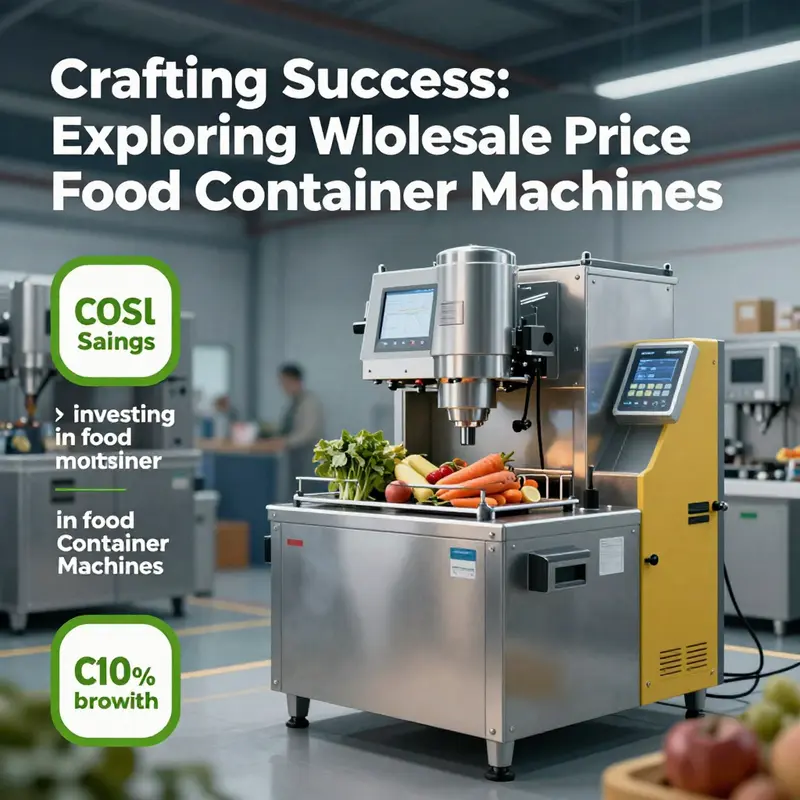
Every packaged product economy hinges on a quiet but relentless driver: the price and availability of the machines that turn raw materials into finished containers. In the realm of food packaging, the wholesale pricing of container-making equipment does more than move a line from idle to active; it reshapes who can enter the market, how quickly products can reach shelves, and how boldly brands can experiment with form and material. The chain from investment to output is not a straight line but a web of decisions where unit costs, production cadence, and capital cost interlock with regulatory requirements, material science, and consumer expectations. When this chain is understood as a strategic asset rather than a mere expense, wholesale prices for container-making machinery reveal themselves as levers for growth, competition, and sustainable innovation.
At its core, the economics of wholesale pricing for these machines rests on a simple premise: higher-volume purchases unlock lower per-unit costs. In practice, the most visible effect is on the economics of a line startup or a mid-size manufacturer looking to scale. A facility that commits to a higher-capacity, higher-speed injection-m molding setup can cut the marginal cost of each container dramatically. The per-unit price drops as the number of units in the order climbs, but the real value comes from what those bulk purchases unlock in production capability. A single high-precision, high-speed injection-molding machine designed for thin-wall, multi-cavity production can churn out containers at speeds that outpace simple, bench-top equipment by a wide margin. When a plant can amortize the machine over a larger output, the cost structure shifts—from a focus on hardware expense to a broader calculus of throughput, uptime, and waste reduction. In practical terms, that shift translates into faster time-to-market for packaged products and the potential to offer more aggressive pricing to retailers and consumers alike, without eroding margins.
A second dimension of wholesale pricing is the feature set tied to the machine’s price envelope. Basic configurations might deliver reasonable speed and adequate stability for small or niche runs, but the more capable and automated options—stability in handling multi-cavity molds, more precise control of wall thickness, reduced cycle times, integrated quality checks, and better energy efficiency—accumulate value that compounds as production scales. A high-precision, high-speed platform, engineered for consistent thin-wall outputs, might carry a higher upfront cost, yet the long-run payback tends to be substantial when a business moves from sporadic runs to continuous, high-volume production. The economics of this transition are often underestimated. A line designed around slower, manual workflows tends to incur more labor costs per unit and suffers higher downtime when changeovers are needed. In contrast, a scalable line built around a fast, automated machine can improve line efficiency, reduce labor intensity, and stabilize quality, which, in turn, minimizes scrap and post-processing costs.
The discussion of price also cannot ignore the alternative material paths that customers may pursue. The market has seen a steady evolution toward paper-based or paper-composite packaging in parallel with plastics, driven by sustainability concerns and evolving regulations. Forming machines for paper-based containers present a different but equally compelling economic story. These machines often require higher upfront investment, and the elasticity of demand is influenced by the material’s price volatility and recycling dynamics. For end users, the decision to invest in plastic-oriented molding equipment versus paper-forming equipment frequently maps onto product mix strategies, regulatory risk tolerance, and long-term sustainability goals. The wholesale price spread between plastic-oriented systems and paper-focused lines may reflect not just material costs but differences in process design, maintenance complexity, and energy footprints. For manufacturers exploring both paths, the purchase consideration becomes a portfolio decision: how to balance risk, capital cadence, and the opportunity to diversify packaging offerings for food-service clients.
A broader market consequence of wholesale pricing is the way it affects market entry, particularly for small and medium-sized enterprises (SMEs). Lowered per-unit costs through bulk purchase options lower the barrier to entry for lean startups and regional players seeking to test new product lines or expand into new markets. When a business can finance multiple machines at a price point that makes sense given anticipated output, the economics of scale become tangible even for players with modest initial demand. The implications extend beyond the factory floor. Cheaper, scalable equipment enables more flexible supply arrangements, allowing SMEs to offer faster turnaround times, customizations, or even limited-edition packaging formats that appeal to niche segments. The capacity to experiment with form, thickness, and coating becomes an input to strategic differentiation rather than a risky cost center.
The influence of wholesale pricing also travels through the supply chain to raw materials and packaging design. The capacity to produce more containers at lower unit costs creates demand for a broader spectrum of packaging materials, from high-clarity plastics for consumer visibility to sustainable bioplastics or recycled-content paperboard for environmental claims. Suppliers of these materials respond to demand signals high and low, reinforcing price stability or volatility across the year. In effect, the economics of machinery and the economics of materials feed into one another. A company with a resilient, high-throughput line may negotiate better terms with material suppliers or invest in research that reduces material waste, enabling tighter packaging budgets across product families.
From this vantage point, the market for wholesale machine pricing is not a one-off transaction but an ongoing dialogue among manufacturers, material suppliers, and brand owners. The per-unit cost of a container is the product of a broader system: capital investments, maintenance budgets, energy use, and the efficiency of changeovers. The most strategic players translate this conversation into a coherent production plan that aligns equipment investment with product strategy, regulatory compliance, and the quality expectations of safety-conscious consumers. They understand that a line with more autonomous operation can deliver not only more containers per shift but also a more predictable quality profile. Predictable quality, in turn, fuels consumer trust and brand loyalty—critical advantages in a market where margins are thin and competition is intense.
In this context, the economics of wholesale pricing serve as a narrative about capability. The lowest price per unit is meaningful only if it accompanies reliability and speed. Conversely, the most advanced machine with the steepest price tag yields substantial returns when it enables a company to fulfill large, diverse orders with low downtime and consistent packaging quality. The balance point—where price, performance, and risk converge—varies by product category, by geography, and by the regulatory environment governing food contact materials. Yet a common thread runs through all successful deployments: the ability to translate upfront capital into durable, scalable production power.
The scale considerations extend to downstream logistics and post-production processes as well. A producer that leverages bulk machine pricing to achieve higher throughput can synchronize packaging lines with automated packing and warehousing systems. A fully automatic packing solution, though priced as a separate line item, can dramatically reduce handling costs and speed up the entire supply chain, from formed container to boxed product ready for distribution. The cost structure of such integrated lines shifts from a series of discrete purchases to a cohesive system with shared efficiencies. In practice, this often means fewer bottlenecks, less manual intervention, and more consistent inventory turnover. The economics of wholesale pricing reinforce the logic that investment in production power should be evaluated as an end-to-end capability, not merely as the sum of individual machines.
Another critical implication concerns sustainability and regulatory alignment. Lower per-unit costs achieved through larger-volume purchases can enable a broader adoption of sustainable packaging options, including recycled or bio-based materials, without sacrificing margins. When a manufacturer can afford to run more efficient, lower-waste processes, the environmental footprint per container diminishes. This is not only a compliance advantage but a market differentiator, as more brands respond to consumer demand for responsible packaging. The wholesale pricing framework thus becomes a tool for aligning economic and environmental objectives. It allows companies to pursue green innovations—such as compostable coatings or barrier properties tailored for specific food products—without compromising profitability.
In discussing the broader economic impact, it is worth noting the ripple effects beyond the manufacturing floor. When SMEs invest in scalable machinery and expand output, local employment tends to rise, not only in manufacturing but in maintenance, logistics, and supplier networks. Communities can benefit from the creation of steady, skilled jobs and the development of nearby supplier ecosystems for plastics, bioplastics, paperboard, coatings, and recycling services. The long-run payoff includes higher local tax bases, more dynamic secondary markets, and the emergence of regional clusters that specialize in food packaging technology. The wholesale price dynamics thus contribute to a broader modernization of the industrial landscape, reinforcing the role of packaging as a strategic sector rather than a marginal back-end activity.
To think through concrete numbers can illuminate the point. The current market landscape for injection-molding machinery designed for plastic food containers often presents a spectrum from tens of thousands to more than sixty thousand dollars per unit, with substantial discounts for two or more units. On the lower end, bulk packs can bring per-unit prices down to the mid-thirties or even lower when the device combines essential capability with robust reliability. On the higher end, the most feature-rich configurations with multiple cavities and advanced control systems can command prices well into the mid to upper sixty-thousand range, particularly when they are paired with after-sales support packages, warranty extensions, and turnkey integration services. For paper-based forming lines, the upfront investment tends to be higher, reflecting the different mechanical requirements and maintenance profiles, with per-set price ranges frequently pegged higher due to the specialized equipment and materials involved. A fully automatic packing machine, while less expensive than core forming equipment, still represents a strategic line item whose value is measured by the speed, accuracy, and compatibility it adds to end-to-end packaging operations.
All of these price levels interact with risk management. Businesses must consider uptime guarantees, spare-part accessibility, and the availability of skilled technicians for installation and ongoing maintenance. The ability to obtain timely service or readily source spare parts reduces the effective cost of ownership, which in turn affects the real-world value of any price discount obtained at the time of purchase. In markets where service networks are less developed, a modest price premium for better support can pay off in reduced downtime and longer equipment life. Conversely, in regions with mature service ecosystems, price sensitivity may rise, making bulk discounts and bundled maintenance plans more decisive in final procurement decisions. In any case, the wholesale pricing structure serves as a practical shorthand for calculating total cost of ownership and the probability of achieving a favorable return on investment over a defined horizon.
The narrative above also hints at a broader opportunity: the potential for innovation triggered by accessible capital. When more players can enter the arena with affordable equipment, the packaging landscape evolves more rapidly. Startups can test novel packaging concepts—such as new thin-wall designs, easier-to-recycle structures, or coatings that improve shelf life—without incurring prohibitive capital risk. This catalytic effect is not incidental; it is an emergent property of a market where wholesale pricing makes scale feasible and experimentation affordable. It is precisely this mix of scale, speed, and flexibility that helps a packaging ecosystem respond to changing consumer preferences, regulatory regimes, and the ongoing push toward sustainable materials.
In closing, the wholesale price dynamics of food container-making machines are best understood as a set of interconnected levers. Price per unit matters, but it is the strategic combination of investment scale, equipment capability, maintenance predictability, and process integration that determines how a business translates capital into competitive advantage. For SMEs and larger manufacturers alike, the path from purchase to market leadership runs through these machines, not only as hardware but as a platform for operational excellence, sustainable packaging choices, and resilient supply chains. The modernization of the packaging industry, fueled by accessible, scalable equipment, empowers producers to respond with speed to evolving demand, to explore new materials with lower environmental impact, and to sustain growth in a marketplace that rewards efficiency and adaptability as much as it does price. In this sense, wholesale pricing is not simply a numerical entry; it is a governance mechanism for how a competitive packaging system is built, optimized, and renewed over time.
For a concrete external reference on automated line equipment that illustrates the practical dimensions of these economics, see this Alibaba listing for an automated disposable nutrient hot food container making machine: https://www.alibaba.com/product-detail/Full-Automatic-Disposable-Nutrient-Hot-Food_1600542789352.html?spm=a2700.galleryofferlist.picker.1.4a6d1e3fQwKZxH&ns=1&s=p. And for a sense of current options in eco-friendly packaging offerings, you can explore this internal resource that highlights modern, consumer-friendly takeout boxes designed for safety and convenience: eco-friendly takeout boxes for food packaging. The combination of accessible tooling and responsible materials is driving a new wave of packaging products to market with speed and confidence.
Final thoughts
In conclusion, the wholesale price food container machine sector presents a myriad of opportunities for businesses involved in the food and beverage industry. Understanding the market landscape, embracing technological advancements, and recognizing the economic impacts can enhance any organization’s operational framework. By investing in the right machine, businesses not only save costs but also improve efficiency and pave the way for future growth. As the service industry continues to evolve, so too should your approach to packaging solutions.