

In the bustling food and beverage industry, the choice of serving cups can significantly influence customer satisfaction and operational efficiency. Disposable plastic cups are a versatile option that caters to a variety of needs, from bubble tea shops to catering services. This article will delve into three crucial aspects: understanding the core types and materials of disposable plastic cups, guiding you on how to choose the appropriate cups based on specific requirements, and highlighting the importance of sustainability in your procurement decisions. Each insight will empower you to make informed selections that align with your business’s identity and environmental goals.
Materials that Matter: Core Plastic Cup Types and How They Guide Your Nearby Purchases

In the hunt for disposable cups, a simple task can quickly become a quiet negotiation between convenience, safety, and responsibility. People often translate “near me” into a search for a quick shelf grab, but the decision about which cup to buy lingers long after the party ends. The core of that decision rests on material science—the way a cup is made determines how it behaves with cold drinks, hot beverages, and everything in between. It also shapes the cup’s environmental footprint and how easily it can be recycled or disposed of after use. The chapter you’re about to read treats these materials as more than labels on a package. They are the quiet gatekeepers of safety, practicality, and stewardship in everyday moments, from a backyard barbecue to a neighborhood potluck, from a street festival to the kitchen drawer where you stash your party supplies. When you can see how a cup behaves at its most demanding moments—when it holds a steaming coffee, or a chilled fruit smoothie, or a child’s spilled juice—you begin to understand why the material matters as much as the design or the price.
The most common core materials fall into a compact lineup, yet each one carries a distinct set of strengths and caveats. Polypropylene, designated as 5 on the universal resin code, has emerged as the most reliable all-rounder for disposable cups. It is the workhorse that makes many hot drinks, from coffee to hot chocolate, practical for a single-use vessel. With a heat tolerance that can exceed 100 degrees Celsius in typical consumer products, PP cups maintain form and integrity even when the beverage inside is hot. They scrub the edge of safety with everyday practicality: they won’t melt in the microwave when the product specifications allow it, they resist warping under heat, and they feel sturdy in the hand without the ghostly crunch that comes with cheaper plastics. The reassuring truth is not merely that PP can take heat; it’s that the material offers robust chemical stability and a proven safety record for direct contact with food and beverages. In a busy cafe, a PP cup can be run through a dishwasher transition or microwaved in a controlled context, which gives kitchen teams a flexibility that many other materials simply cannot match. The practical upshot is clear: if you expect hot drinks or a mix of hot and cold, a PP cup becomes a more dependable baseline.
The second major material set you’ll encounter is polyethylene terephthalate, better known as PET. PET cups are the transparent stalwarts of cold beverages. They hold their shape without clouding or bending under the chill of iced drinks, and for many vendors, their strength translates into a reliable, shatter-resistant experience for customers who want to sip calmly at a parade, a picnic, or a long line outside a festival booth. PET cups are ideal for water, juice, soda, and what many consider a casual, refreshing serving. Yet the very traits that make PET ideal for cold drinks also bound it to caution: PET is not designed to withstand the high temperatures of hot liquids. Exposure to heat can soften the cup and, in some cases, contribute to a perception of leaching where the contents and the cup exchange a little more than a momentary contact. This is why for hot beverages, PET is rarely the recommended option. In practical terms, if your event leans heavily toward iced beverages or ambient-temperature drinks, PET can be an economical and visually appealing choice. The standout property—transparency—also brings a perception advantage: guests can see the color and clarity of their drink, which often enhances the drinking experience in social settings.
A third material category commonly present in the marketplace is polystyrene, the 6 on the resin code. PS cups are light, cost-efficient, and capable of delivering a clean, crisp look with high clarity. It’s easy to mistake PS for a premium option because of its optical quality, but there are important cautions. PS has limited heat resistance; it can deform or soften when placed near hot liquids, and the potential for styrene monomer migration under high heat is a health concern that many experts prefer to minimize in consumer settings. Because of these trade-offs, PS is generally reserved for cold drinks and short-term, low-temperature uses. In practice, if the event involves hot tea, coffee, or hot soup, PS is not the best choice. The plastic’s cheap appearance can be appealing for certain presentation aesthetics, yet the long-term safety and performance considerations should steer planners toward PP for hot-service scenarios and PET for cold-service ones. The result is that PS’s role is narrow, often circumscribed by the beverage’s temperature requirements rather than by cost alone.
Beyond these mainstream materials, there is a growing conversation about alternative or evolving formats that aim to address both performance and environmental concerns. A newer family of cups explores plant-based or compostable pathways, with polylactic acid (PLA) among the options. PLA cups reflect a broader environmental motive: the intent to reduce reliance on fossil-derived plastics and, in some contexts, to offer a product that is more readily compostable in appropriate facilities. However, the story here is nuanced. PLA temperature tolerance consistently lags behind PP, especially under hot beverage conditions, and its performance depends heavily on the specific processing and the presence or absence of composting infrastructure. In many consumer environments, PLA still behaves much like conventional plastics when exposed to heat, and misalignment between composting capabilities and waste streams can undermine its environmental benefits. The upshot is that if environmental goals are a primary driver, you should look beyond the label and check local recycling or composting options before selecting a PLA-based cup for a given event.
Together, these core materials form a practical map for anyone evaluating disposable cups in a “near me” search. When you pull up a shelf or a vendor’s catalog, you can read the cup’s material code and connect it to what you know about your event. If the drinks are cold or at room temperature, PET is a sensible baseline because of its clarity and strength. If hot liquids are expected, PP becomes the safer and more resilient path forward. If sustainability is the guiding principle, you may explore PLA or other innovative materials, but you should also be mindful of how your local recycling stream handles such products. The dialogue between product specifications, customer safety, and environmental impact is precisely why the material matters. It is not merely about “what price” or “what looks nice on the party table.” It is about delivering a reliable experience that you can trust across the duration of your event and in the hands of guests.
In practice, choosing a cup is never an isolated decision. It sits at the intersection of beverage type, serving temperature, handling, and the logistics of your gathering. For many hosts, the simplest rule becomes a concise triage: use PP for hot drinks, PET for cold drinks, and reserve PS for short-lived, cold-only uses where cost savings are paramount and where the cups won’t be subjected to heat. It might sound rigid, but it is a functional framework that aligns with mass production realities and consumer safety expectations. Behind the scenes, manufacturers often tailor cups not only to the core material but also to the presence of lids, the cup’s geometry, and whether it is part of a bulk-pack or a consumer-friendly single-pack. The presence of a lid introduces another layer of decision-making: some cups are designed with secure, leak-resistant lids that help you transport beverages without spills, whether at a home gathering or a pop-up stall. These designs frequently converge with PP because heat tolerance becomes a critical factor when a lid is involved, and the seal’s effectiveness very much depends on the structural integrity of the cup wall under pressure.
The environmental conversation, however, does not end at the material. The lifecycle of a disposable cup includes the whole journey—from production to disposal—and it invites a broader awareness of waste, recycling, and the social responsibility of buying decisions. The industry is evolving toward options that minimize the environmental footprint, whether through coatings that reduce plastic barrier layers on paper cups or through materials that offer recyclability in common municipal streams. A number of emerging paper-based alternatives claim to be plant-based and compostable at scale, and these innovations reflect a growing understanding that people want to minimize plastic waste while still needing convenient disposables for celebrations and everyday use. The reality remains that recycling streams vary by city and country, and not every material is treated equally by local facilities. A cup that is perfectly recyclable in one jurisdiction may end up in a landfill in another if the waste management system does not accommodate it. That discrepancy underscores a practical reality for anyone shopping locally: the best choice is not only about the cup’s performance in the moment but also about how your community handles waste and recovery.
For those who want a more precise path in their search, a practical approach is to start by cataloging the beverages you plan to serve and the context of service. Will you host a family barbecue where guests will be moving around, and cups will be reused in a rough sense for a second round? Will you host a formal event where guests will be encouraged to minimize contact with the cup and reuse a drinking vessel when possible? Are there energy or waste policies in your area that favor certain materials or require specific disposal methods? And what about the need for durability during transport, or the risk of leakage when cups are jostled in a crowded space? Each of these considerations nudges you toward a different material choice and set of design features. If you anticipate heavy-handed handling or significant temperature variation, you might opt for a sturdier PP cup. If visibility of the beverage matters—perhaps to showcase a vibrant juice or layered cocktail—PET remains an appealing choice. If you have a strong sustainability program at your venue, you may be drawn to emerging eco-friendly alternatives, while still anchoring your decision in a clear understanding of how those alternatives perform under heat and stress.
It is during this practical thinking that the value of clear, accurate product labeling comes into play. Each cup you consider should come with explicit temperature guidance, safety notes, and, ideally, an indication of its fit within your local waste system. You should see at least a few straightforward cues: the resin code (1 for PET, 5 for PP, 6 for PS), the temperature tolerance, and any statements about microwave usability or dishwasher compatibility. When hosts neglect to read these signals, they risk choosing a vessel that betrays their real needs—hot drinks that burn a guest’s fingers, or cold drinks that sweat and slip in unpredictable ways. The material detail is not a badge of sophistication; it is a practical map for ensuring that your guests have a comfortable, safe, and enjoyable experience while you stay aligned with responsible disposal practices.
If you are pondering how to verify quality beyond the label, you can consider tactile cues and simple tests. For instance, a cup intended for hot beverages should not become deformed or release unpleasant odors when exposed to moderate warmth. A cup designed for cold drinks should maintain clarity and not crack when slight pressure is applied. When you physically handle a sample in the store or at a wholesale counter, you can gain a direct sense of its durability and rigidity, how the rim feels in the mouth, and how the cup performs when a lid is added. These sensory checks, while not substitutes for formal certification, can reveal a lot about a product’s real-world performance. In a world of near-me searches, where the speed of purchasing can tempt quick, impulsive choices, pausing to feel the cup and read its specifications is a habit worth cultivating.
The journey from material science to street-level shopping is, in essence, a story of balance. It asks you to balance comfort and safety with cost, to balance local recycling realities with the aspirational aim of reducing waste, and to balance the momentary convenience of disposable cups with the longer arc of environmental stewardship. The path is not a single direction; it is a spectrum in which your choices reflect the specific demands of your event, the temperature range of the beverages you plan to serve, and the capacities of your local waste system. In this sense, the core materials of disposable cups do not exist in isolation. They animate the experience of a gathering, influence the confidence of a host, and shape the conversations you have with guests about safety, cleanliness, and sustainability long after the last drink is poured.
For those who want to translate this understanding into an actionable plan, a pragmatic note follows: when you search for cups near you, bring with you a short criterion that translates your event into a material choice. If your focus is simply a cold beverage for a casual crowd, a PET cup offers a transparent, sturdy option. If the environment requires more warmth, stability, and a sealing capability for transport, a PP cup should be front and center. If your aim includes reducing plastic waste through innovative materials, you may find PLA or other alternatives on the shelves, but always weigh their performance against your local waste-recovery capabilities. The right cup is not a universal answer; it is the material that best suits your scenario, your guests, and your local infrastructure. And as you consider nearby suppliers, you’ll notice that many vendors present a tempting diversity of shapes, sizes, and finishes. The trick is to pair those designs with a robust understanding of what the material does under pressure, under heat, and under time.
To close this exploration with a practical anchor, consider the following mental model as you browse: cold drinks tend to favor clarity and strength, so PET is often the simplest, most economical pick; hot drinks demand resilience and chemical stability, so PP is typically the safer, more durable choice; and environmental sensitivity invites a careful appraisal of new materials and local recycling realities. Within this frame, the material itself becomes your guide to a better, safer, and more conscientious serving strategy. In this sense, the challenge of finding disposable cups near you becomes less about hunting for the closest shelf and more about understanding which material aligns with your beverage, your setting, and your responsibility. The next time you stand before a display of cups, you’ll hear the conversation inside your head: Will this cup stay strong with heat? Will it hold the cold without sweating? Will it fit the waste stream that serves my city or town? The answers lie in the core materials—the quiet but powerful gatekeepers of your near-me choices.
For readers who want a compact reminder, here is a succinct takeaway: prioritize PP for hot beverages and leakage resistance, choose PET for cold drinks with an appealing transparent look, and treat PS as a cold-only option with cost advantages but heat limitations. Be mindful of environmental aspirations and the feasibility of recycling or composting in your locale. If you need a concrete point of reference as you shop, you can look for a sample labeled with “5” for PP or “1” for PET and compare the heat tolerance and safety notes on the package. When your search turns toward a simple, clear choice for outdoor gatherings, you may discover a familiar, reliable option that blends performance with everyday practicality—the disposable clear plastic cup designed for outdoor picnics and events. This is a product category that embodies the convergence of function, safety, and accessibility in daily life, especially when the goal is to host well, serve cleanly, and manage waste thoughtfully.
In the broader arc of disposable tableware, the materials you select now connect to broader patterns that shape how communities approach consumption and stewardship. The ongoing conversation about single-use plastics pushes suppliers, retailers, and consumers toward more thoughtful choices, with an emphasis on material performance, safety standards, and the realities of waste management. As you plan your next gathering or replacement purchase, the material logic outlined here offers a practical compass. It lets you translate the science of plastics into decisions you can explain to guests, organize around with a team, and defend with a clear rationale when asked why a particular cup was chosen for a given scenario. The cups you select become a visible reflection of the care you invest in safety, comfort, and the planet beyond the moment of use. And in the end, that is the core value of understanding disposable cup materials: not just what to buy nearby, but why that choice matters when you turn the page from the shopping list to the event’s memory—an easy, efficient moment of hospitality that also respects the world we share.
精确匹配需求:如何用容量、材质与功能选出最适合的一次性塑料杯
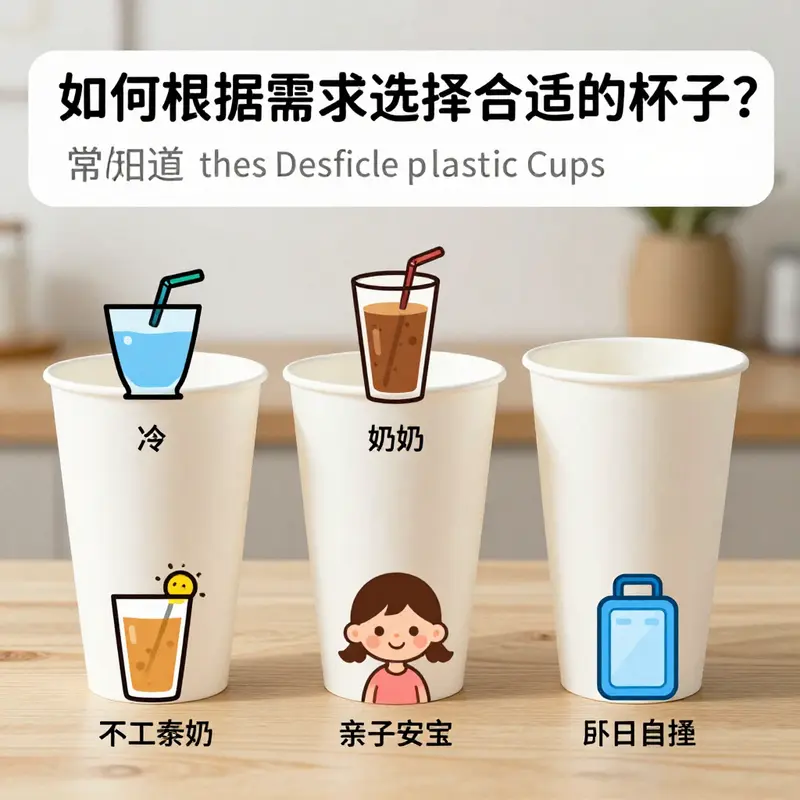
选杯子的第一步是明确用途:你要在哪里用、装什么液体、需要多大的容量、是否要重复使用或一次性处理。把这些关键问题连成一条线,就能把众多选择浓缩成有限的几种可行方案。本文以容量、材质与功能为核心,按使用场景与实际需求串联出一套实用判断法,帮助你在“disposable plastic cups near me”的搜索与采购过程中快速选定合适的杯型。
容量与场景的配对并非随意范例,而是以人体工程学、饮用习惯与活动性质为依据。短时间、少量饮水的场景如会议、候车或服药,200ml~350ml 是理想区间。这个区间的杯型通常矮胖或中等高度,便于稳握,也容易放在桌面或会议托盘上。对于需要长时间补水、运动或户外活动,则应优先考虑500ml~750ml 的大容量杯子。它们能减少中途补给的频率,同时在设计上通常更注重密封和便携性。用于奶茶、冰沙或含配料的饮品时,350ml 常被视为行业黄金容量:既能容纳配料空间,又能避免倒溢并保持饮用舒适感。家庭聚会或快餐场景中,500ml 的细高杯既节省桌面空间,又方便配餐服务。把容量作为判断起点,能立刻排除大量不符需求的选项。
材质直接决定安全性、耐热性与触感。市面上各类塑料一次性杯存在显著差异,选择时应把“被装液体的温度”和“是否重复使用”作为首要判据。冷饮优先选择透明度和刚性较好的材料,这类杯子视觉效果佳,便于展示饮品层次感或颜色,对于聚会与展示尤为重要。盛装热饮的场合则必须慎重:只有具备高耐热标注的材料才能承受烫饮温度并避免释放有害物质。为儿童准备饮用容器时,应优先选择已标注食品级安全与不含有害添加剂的材质,最好能查到完整的材质说明及检测报告。
功能性设计往往决定用户体验的高低。密封性、手柄与提带、开口设计、过滤或分离装置,这些细节能在实际使用中显著降低意外和不便。例如需要带出门的饮品,防漏盖与硅胶密封圈是必备项;跑步或骑行时,轻量化与快开口设计能提升补水效率;在含有固体配料的饮品中,带宽吸管孔或专用吸管更适合。选择时先设定必须有的功能,再在样式与价位中筛选,会更高效。
性价比与批量采购策略也应早在决策中考虑。如果是一次性聚会或短期活动,低单价但满足安全标准的杯子是理想选择。批量采购时,通过了解最小订购量和阶梯价格可以把握单位成本;对于长期使用的单位或餐饮商户,建议在保证合规性的前提下,考察供应链稳定性与交货能力,以免临时缺货影响运营。跨境采购需注意容量单位换算与材质标准差异,避免因规格误判造成不必要的退换货。
环保考量越来越影响采购决策。一次性塑料杯虽然便利,但其环境成本不容忽视。如今市场上出现多种替代方案,包括可降解纸杯、无塑涂层的纸杯与可回收材料制品。选择替代品时,应关注是否适合当前使用场景:如可微波加热、是否防渗漏、是否能在现有回收系统中处理。对于大型活动或长期外卖服务,优先考虑可降解材料或建立回收回收流程,能显著降低后续处理成本与环保风险。你可以在采购清单中为环保替代品预留预算,并将其作为品牌形象与用户体验的一部分。
在具体选购时,一套实用的检验清单能有效避免常见错误。首先查看材料标识和食品安全认证。合格的一次性杯子会在包装或产品信息中明确标注材质代码及食品接触安全声明。其次确认耐温范围,尤其是准备装热饮或需要微波加热的场景。再次检查密封结构,亲手按压盖子或观察密封圈的材质与嵌合方式,可初步判断防漏性能。然后模拟日常使用场景,例如将杯子放入背包或手提袋中,观察盖子的稳固度与是否易于取放。最后评估清洁与储存便捷性:即使是一次性用品,也有可能在特殊场景重复使用,或者产生包装与废弃物,需要方便的堆叠和占位设计以降低后勤成本。
颜色、透明度与外观虽非核心性能,但会影响用户主观体验与品牌呈现。在需要展现饮品层次或色彩的场合,透明或半透明杯子更受欢迎。反之,若需遮挡内容物或强调整洁外观,不透明或印有品牌图案的杯子则更合适。选择时请考虑印刷方案是否会干扰回收或降解处理;若希望强调环保属性,优先选择印刷较少且易于分离处理的款式。
购买渠道决定了信息获取与售后保障的便捷程度。线上平台便于比较价格与用户评价,适合零散采购或试样。线下批发市场或专业供应商则适合大批量、可以协商定制与快速交货的需求。无论渠道,询问样品政策是关键:先拿样品做实地测试,尤其是密封、耐热与强度测试,这比单纯看参数更可靠。此外,明确退换货条件与质量保证条款,能在必要时降低采购风险。
与一次性杯相关的配件也需列入考量,例如吸管、盖子、杯套与杯托。对于含固体配料的饮品,配套宽吸管是标准配置;长时间携带时,符合人体握持的杯套与手提带能增加使用舒适度。若活动或商用场景注重品牌呈现,可以考虑定制印刷或配色,但要确保印刷涂层不会影响回收处理或引入有害物质。
存储与运输方式影响成本与产品完好性。一次性杯通常需要批量堆叠保存,包装应保证防潮与防压。运输过程中要避免阳光直晒与高温环境,以免材质变形。对于易碎或变形的轻薄材质,建议在包装内增加缓冲或使用更坚固的外箱。
在实际选择过程中,常见的误区包括:以单价作为唯一判断标准、忽略耐热与安全标识、低估密封与防漏的重要性、忽视后端废弃物处理方案。这些问题都会带来使用不便或后续成本。避免这些误区的有效方法是把安全、功能与环境成本纳入初始决策矩阵,设定比单价更高优先级的评估指标。
对于特定人群的定制化建议也很重要。儿童使用以安全为先,优先选择小容量、耐摔与有防烫设计的杯子。老年人群体则需关注握持便利与开盖难度,建议选带宽口径与易开盖的款式。餐饮商户在选择时应兼顾外带便捷与品牌呈现,同时考虑物流与储存效率,必要时与供应商沟通定制包装方案来提升运营效率。
最终,选对杯子的最佳方法是在明确需求的基础上进行判别性筛选。首先定义使用场景与优先级;其次用容量迅速筛出不合格选项;第三以材质与功能判定安全与体验;最后用价格、供应链与环保考量来确定最终采购方案。这个过程既逻辑清晰,又兼顾实际应用,能帮助你在“disposable plastic cups near me”的搜索和采购中快速做出理性选择。
如果你需要参考现成的样式或寻找灵感,可以查看一款适合户外与派对场景的透明杯型页面,了解常见规格与配件配置:clear disposable plastic cup product page. 另外,关于材质与新品选购标准的权威说明可参考行业新品选购指南,以便在采购时核对材质、耐温与安全认证:https://www.tupperware.com.cn
这套以容量、材质与功能为轴心的选择法,能让你在纷繁的可选项中迅速定位最符合需求的杯子。明确场景,优先安全,兼顾体验与环保,最终你会发现既能满足使用需求,又能兼顾成本与可持续性的理想方案。
塑料杯的环境足迹:从材料选择到回收再利用的持续性旅程
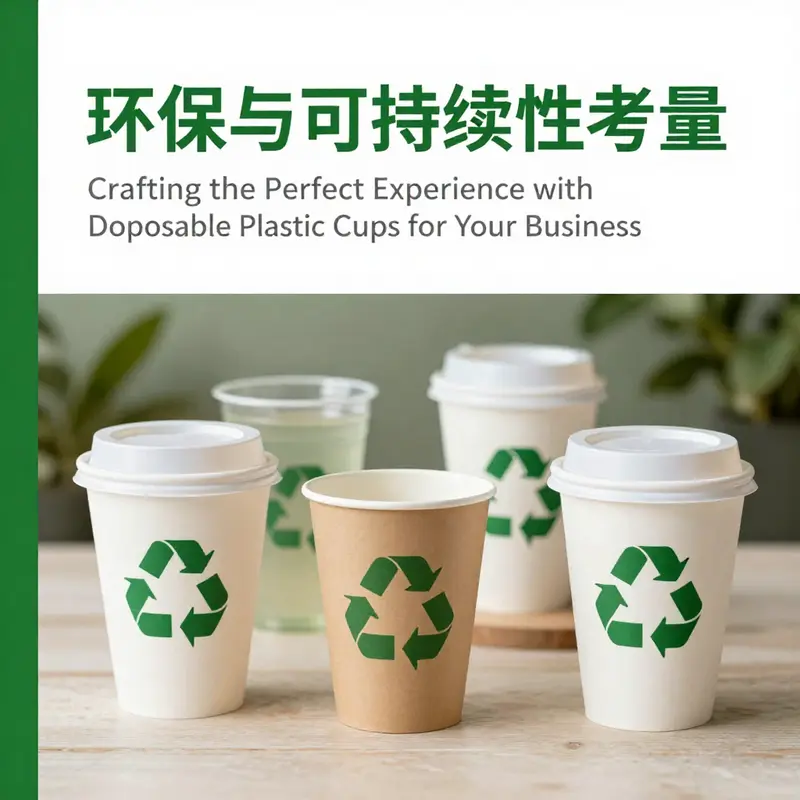
在日常生活的细碎选择里,一次性塑料杯看似微不足道,但它的全生命周期却牵动着资源、能源与废弃物管理的多重挑战。本文从系统性角度出发,探讨材料、制造、使用与处置如何共同决定杯子的环境足迹,并提出在本地情境下实现更高回收率的思路。
从材料出发, disposable cups 主要由 PET、PP、PS 三类热塑性塑料组成。PET 透明、强度适中、成本低,但耐热性较弱,不宜用于高温热饮场景。PP 耐热性极佳,能承受100℃以上的温度,常用于热饮和微波场景。PS 轻薄、成本低、透明度高,但耐热性较差,且回收与再利用的挑战性较大。以上三种材料在回收网络、分拣流程、以及杯盖或涂层等附加部件存在时,回收难度会显著增高。材料选择不能只看当下的功能需求,还要评估进入回收体系后的可处理性与纯度要求。只有单一材料设计、减少涂层与粘接,才更容易实现高质量的原料循环。
回收与循环性是讨论的核心。PET 的回收网络较成熟,但前提是杯身干净、分拣准确、再加工环节对原料质量有要求;PP 的回收率在不断提升,但受杯盖、密封材料、粘合剂等混杂物影响;PS 的回收能力在许多地区仍有限,回收后的用途也更受限。真正的闭环系统涉及收集、分拣、清洗、再加工、再制造与销售回流等环节。在缺乏完善回收设施与消费者参与的情形下,杯子的潜在回收性难以兑现。设计层面的思考对可持续性有放大效应:单一材料化、易拆解设计、去除粘接与涂层等都能显著提高回收纯度与效率。
社会与政策层面的协同也至关重要。城市与社区常通过设立回收点、鼓励重复使用容器、推动商家使用可回收材料等方式推动减塑与循环经济。生物降解材料虽有潜在优势,但在现实处置条件下往往需要特定堆肥环境与专门设施,否则难以实现有效降解。消费者教育与参与度直接决定回收体系的效能,带有清晰回收标签的杯子、遵循本地回收指引、携带可重复使用杯具等行为,都会提升回收率并推动行业向更高效的循环路径发展。
采购与使用的场景需要把焦点从短期的便利性转向端对端的系统性可持续性。企业与餐饮服务者应优先考虑在本地资源与回收网络中易实现回收再利用的材料组合;消费者应关注材料的回收透明度与端对端处置路径。建立与本地回收体系对接的流程、培训员工正确的分拣与包装处理,也是落地的重要环节。必要时可以通过回收激励、杯具归还点或重复使用方案的价格折扣来推动参与。只有当材料、设计、制造、物流、使用与废弃环节在信息、成本与激励层面实现协同,杯子的环境足迹才能被显著降低。
在未来的演进中,法规、技术创新、教育与制度激励将共同塑造杯子体系的走向。企业与机构需要关注最新研究与行业实践,保持对材料与系统改进的开放态度。本文将结合具体案例,探讨在本地环境与监管框架下,设计出更易回收、成本更透明、对人和地球都更友善的杯子解决方案。
Final thoughts
As the beverage landscape continues to evolve, the importance of selecting the right disposable plastic cups cannot be overstated. By understanding the core types and materials available, making informed decisions based on your unique requirements, and embracing sustainable practices within your procurement strategy, your business can thrive while being mindful of environmental impacts. The choices you make today not only enhance your service quality but also contribute positively to the future of the planet.