
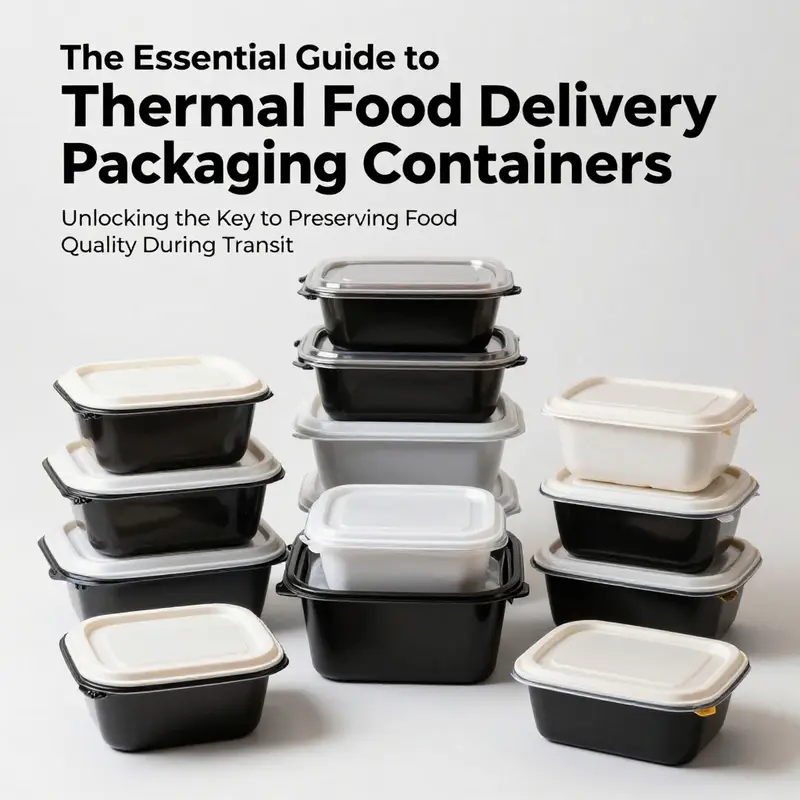
In today’s culinary landscape, delivering fresh and hot food is more than a service—it’s an expectation. As businesses like bubble tea shops, restaurants, food trucks, and catering services strive to meet growing demands, understanding the role of thermal food delivery packaging containers becomes pivotal. These innovative solutions not only maintain the optimal temperature of meals during transport but also enhance customer satisfaction and brand loyalty. This guide delves into the composition and specifications of thermal food containers, their various types and applications, and the broader industry benefits they offer.
Understanding Thermal Food Delivery Packaging: Materials, Performance, and Practical Implications
A concise overview of how thermal packaging preserves temperature during delivery, covering insulation materials, design features, and testing regimes. It explains how different materials such as PP/ABS shells, EPS foam, aluminum liners, and PE foam contribute to heat transfer control, moisture management, and durability. It also discusses the role of lids, gaskets, seals, and internal dividers, as well as considerations around sustainability, recyclability, and end-of-life strategies. In practice, multi-compartment layouts and modular inserts can extend hot or cold integrity, while disposable options may offer throughput at environmental cost. The chapter emphasizes that form should follow function, and that ongoing evaluation against real-world routes is essential for reliable performance.
null
null
Safeguarding Temperature, Texture, and Trust in Thermal Packaging
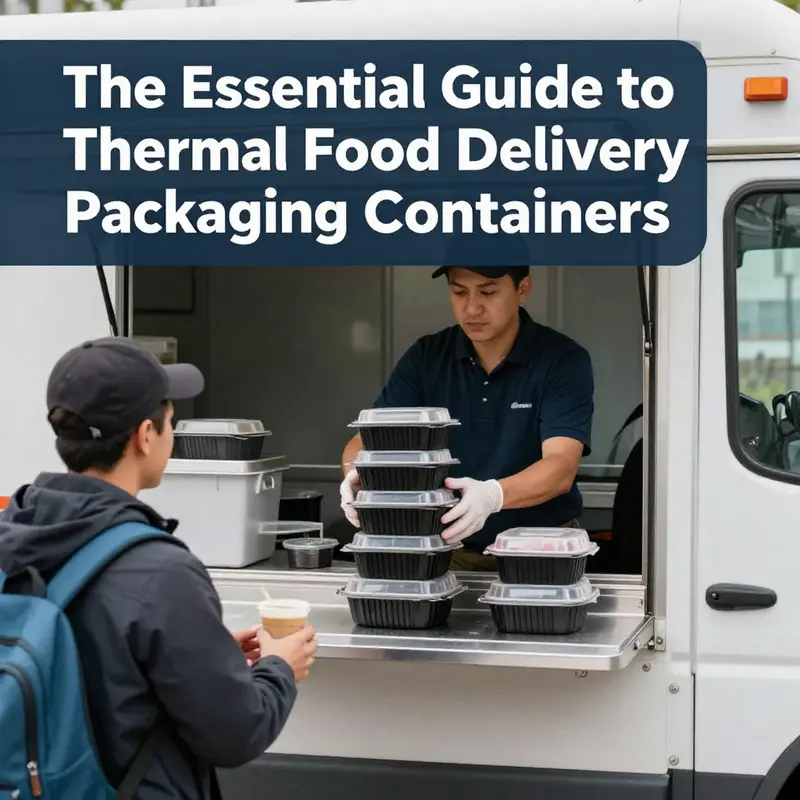
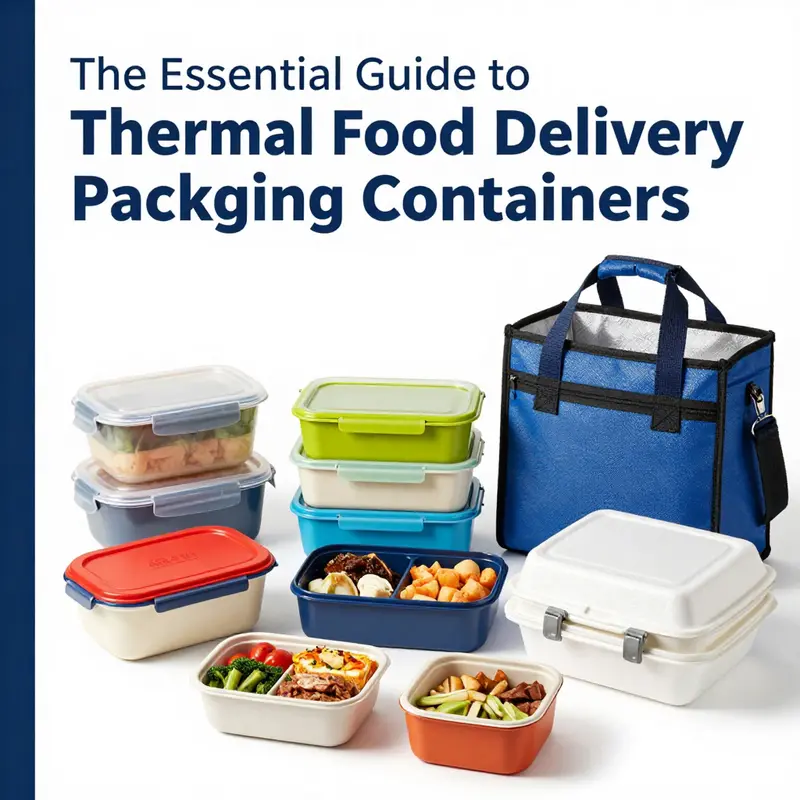
Thermal food delivery packaging sits at the intersection of science and service, quietly shaping outcomes across kitchens, couriers, and diners. Its core task is to maintain temperature, protect texture, and sustain customer trust as meals travel from plate to doorstep. The packaging acts as the first customer experience signal of quality, safety, and reliability. The physics of insulation — minimizing heat exchange through multi-layer walls, vacuum gaps, and reflective linings — translates into practical benefits: meals stay warmer or cooler longer, flavors and textures are preserved, and food safety margins are maintained during transit. Materials vary from rigid EPS foams for stability to reusable plastics and metals for durability, with sustainability considerations driving ongoing innovation toward recyclability, compostability, and reuse. The real-world performance depends on design intent, load, and transit time, so suppliers favor modular, multi-compartment solutions that reduce cross-contamination and simplify handling. In last-mile delivery, portable bags complement containers, offering branding opportunities while balancing weight and heat retention. For hospitals, schools, and catering events, regulatory and safety requirements further shape material choices and sealing technologies, ensuring leaks and odors do not compromise environments or experiences. Beyond temperature, trusted packaging supports operational efficiency, cost management, and brand perception — turning a routine delivery into a consistent, reliable experience. As the industry evolves, focus areas include lifecycle thinking, end-of-life options, and supplier partnerships that align performance with environmental responsibility. For practitioners evaluating options, a practical approach is to match container capabilities to transit profiles, volumes, and menu temperature sensitivities, while prioritizing durability, ease of use, and recyclability. This mindset helps businesses reduce waste, improve throughput, and sustain customer trust from order placement to doorstep delivery.
Final thoughts
Thermal food delivery packaging containers play an indispensable role in modern food service operations, ensuring that meals arrive at their destinations fresh and at the correct temperature. By understanding their composition, exploring the types available, and recognizing their applications across various industries, businesses can significantly enhance customer satisfaction. As the demand for quality food delivery continues to rise, investing in high-quality thermal packaging is not just a choice—it’s a necessity.