
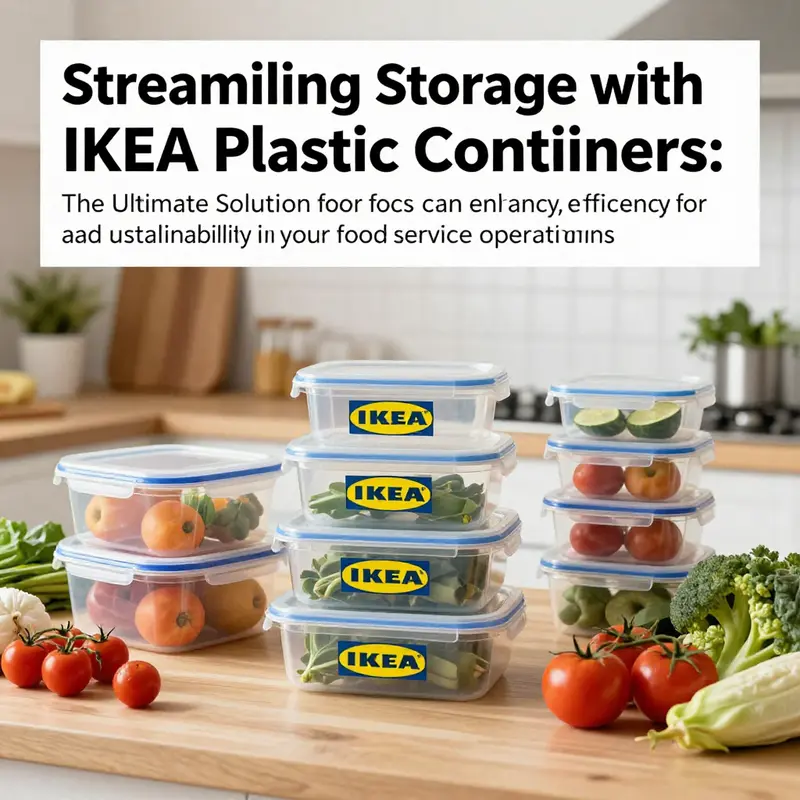
Effective food storage is an essential component for any thriving food service business. Whether you’re running a bubble tea shop, catering for a corporate event, or managing a food truck, the right storage solutions can significantly impact your operational efficiency and food safety. IKEA 365+ plastic food containers offer a robust, versatile, and environmentally friendly option designed to meet these demands. In the following chapters, we will explore the versatile uses, safety features, design efficiency, environmental benefits, and customer satisfaction associated with these containers, empowering you to make informed choices for your business.
From Fridge to Freezer and Back: The Everyday Versatility of IKEA’s Plastic Food Containers
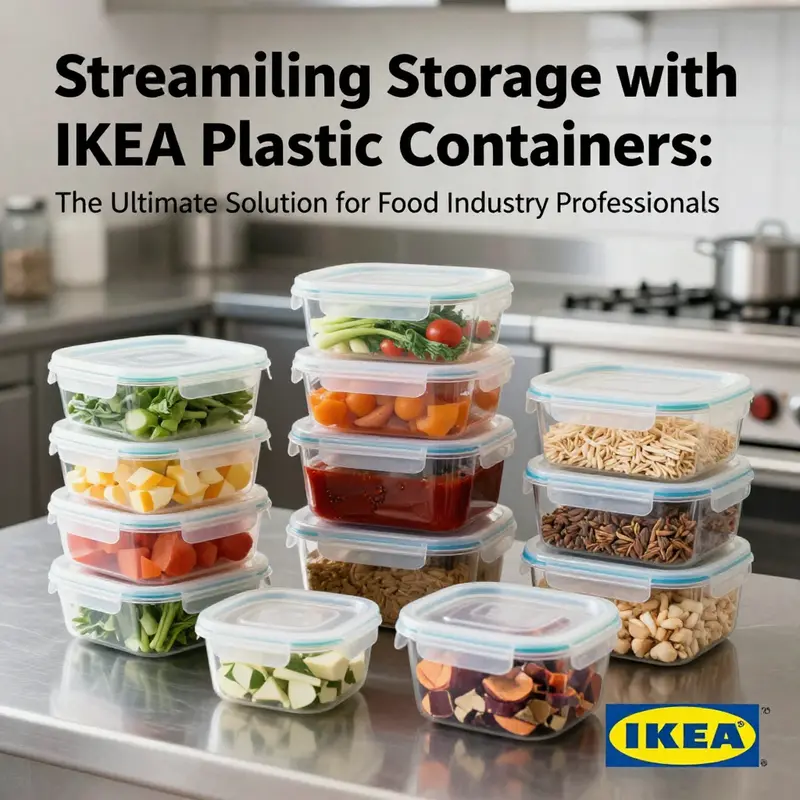
In many kitchens, the challenge of keeping food fresh long enough to prevent waste comes down to the right container, not just the recipe. IKEA’s plastic food containers are designed to address that challenge with a focus on durability, practicality, and everyday flexibility. Fabricated from a sturdy food-grade polypropylene, these containers come in a range of shapes and sizes, from rectangular and square to circular, with a design that emphasizes easy stacking. The idea is simple but powerful: a single system that can accommodate dry goods, leftovers, and freshly prepared meals, while fitting neatly into cabinets and drawers. The lids are designed to seal reliably, so moisture and air exchange are minimized. The result is a storage solution that keeps ingredients and dishes organized, visible, and ready for use, which in turn helps households reduce waste and plan meals with confidence. This is not about a single product but about a family of containers that share core attributes: lightweight yet durable construction, straightforward compatibility, and a commitment to food safety and convenience. The appeal lies in how these containers multiply utility across daily routines, from shopping and meal prep to reheating and cleanup, without demanding a lot of extra space or special handling.
Cold storage and freezing are where these containers often prove their worth most clearly. They excel at shielding food from freezer burn while preserving texture and flavor. The airtight seals are central to this performance, forming a barrier that helps chopped vegetables stay crisp and soups stay evenly preserved, even after days in the fridge or weeks in the freezer. The transparency of many models further enhances practicality by making contents instantly recognizable at a glance, reducing the time spent digging through the fridge or pantry. Clear visibility also helps with portion control and meal planning, as it is easier to see what has been prepared and what needs to be used soon. In terms of safety and hygiene, the containers are designed to be food-grade and BPA-free, addressing common concerns about plastic storage while providing reassurance for families who place a premium on clean, safe handling of ingredients. When time comes to reintroduce cold-stored food to the plate, the same lid-and-container system supports a smooth transition from fridge to plate, minimizing the need for additional transfers that could compromise freshness.
Microwave compatibility brings another layer of practicality. These plastic containers are designed to tolerate heating in the microwave, up to temperatures around 100 degrees Celsius, which means meals can be reheated directly in their original container. This capability streamlines the cooking workflow, letting busy cooks move from prep to warming without extra dishes or transfers. The guidance about heating is straightforward: leave a small gap to release steam and prevent the lid from pressing down or popping off. This simple step preserves the integrity of the seal and the container while ensuring even heating. It also helps avoid messes that can occur when steam has nowhere to escape. Such features make these containers well-suited for individuals who batch-cook, as well as families who enjoy ready-to-eat components for quick weeknight dinners. They invite the convenience of reheating leftovers with minimal fuss, turning what used to be a pile of containers and lids into a coherent, user-friendly system.
Dishwashing ease is another core benefit. The containers are designed to withstand repeated washing, whether by hand or in the dishwasher, which saves time and effort after meals. The combination of durable materials and a straightforward lid design means they hold up well to the wear and tear of everyday use. The BPA-free and food-grade construction supports hygienic cleaning, reinforcing confidence in using the same containers for a variety of foods, from raw vegetables to cooked grains, without worry about residue transfer or lingering odors. The simple, practical design extends to the dishwasher-safe nature of the lids and bases, making clean-up predictable and efficient. In a kitchen where speed matters as much as preservation, this reliability helps families stay on top of food preparation, storage, and cleanup without sacrificing safety or quality.
One important caveat accompanies the practical strengths of these containers: they are not suitable for oven use. High temperatures can cause deformation and may elevate risks associated with plastic containers. This limitation is an honest reminder that the system is optimized for cold and reheated foods rather than for high-heat cooking. Respecting the intended use preserves the integrity of the containers and ensures they continue to perform as designed. The clear delineation between cold storage, reheating, and oven use helps households choose the right tool for the task at hand, reducing the chance of damage or unsafe outcomes. In this way, the containers support a thoughtful approach to meal preparation that emphasizes safe handling alongside efficiency.
Beyond the technical specs, the design language of these containers—stackability, lightness, and visibility—plays a meaningful role in daily routines. Their stackable shapes enable compact nesting and neat shelf organization, freeing up valuable cabinet space and allowing for quick retrieval when planning a meal. The lids, matched to the body, reinforce this tidy aesthetic while maintaining a reliable seal. The system’s versatility shines in real-world applications: a large rectangular container can store bulk pantry staples like grains or pasta, while a smaller round container is perfect for sauces, dips, or snack portions. For families that rotate meals and portion out ingredients in advance, the ability to mix and match shapes and sizes within a single cohesive system minimizes clutter and reduces decision fatigue during busy weeks. The result is not merely a set of containers but a practical framework for modern cooking rhythms, one that supports mindful purchasing, proper portioning, and consistent reuse.
The sustainability message is implicit in the design: long-lasting, washable, and reusable storage that encourages careful inventory management and reduced waste. When food stays fresher longer, fewer items are thrown away, and the household budget benefits as well. The practical features—airtight sealing, compatibility with a range of lids, dishwasher safety, and BPA-free materials—build a case for responsible consumption without sacrificing convenience. The 60-day no-questions-asked return policy, along with an extended window for IKEA Family members, reinforces a consumer-friendly ethos that values assurance and long-term use over disposable convenience. This approach resonates with a growing awareness of how everyday choices in storage can influence overall waste, energy use, and environmental impact. In this sense, choosing these containers becomes a small but meaningful step toward a more organized, efficient, and sustainable kitchen routine.
For readers who are curious about alternatives designed for transport and on-the-go meals, there are related options in the broader packaging ecosystem. A related category includes eco-friendly takeout boxes and compact, microwave-safe containers intended for meals on the move. These products demonstrate how the same principles—simple design, reliable sealing, and thoughtful sizing—translate across different contexts, from home storage to travel-friendly packaging. If you want to explore options that align with this philosophy while offering a distinct format, you can discover more about such packaging here: https://ecocupbowl.com/product/eco-friendly-takeout-boxes-for-food-packaging-stylish-food-containers-safe-microwave-craft-paper-lunch-boxes-leak-grease-resistant/
As the chapter turns toward practical decision-making, the key takeaway is not that a single container will solve every problem, but that a coherent system can dramatically simplify how we store, reheat, and transport food. The shapes and sizes matter because they determine how efficiently you can fill a fridge, how easily leftovers move through prep cycles, and how neatly your cabinets stay organized. The materials matter because they govern safety, cleaning routines, and durability. And the seals matter because they determine how long food stays fresh and how often you will need to replace containers. In short, the right plastic storage system turns planned meals into practiced habits, reduces waste, and supports a calmer, more predictable kitchen workflow. For readers seeking official specifications and detailed usage guidance, external references provide a reliable basis for understanding performance characteristics and official recommendations: https://www.ikea.com/gb/en/p/365-food-container-square-plastic-40382979/
Locking in Freshness: The Safety Architecture Behind IKEA 365+ Plastic Food Containers
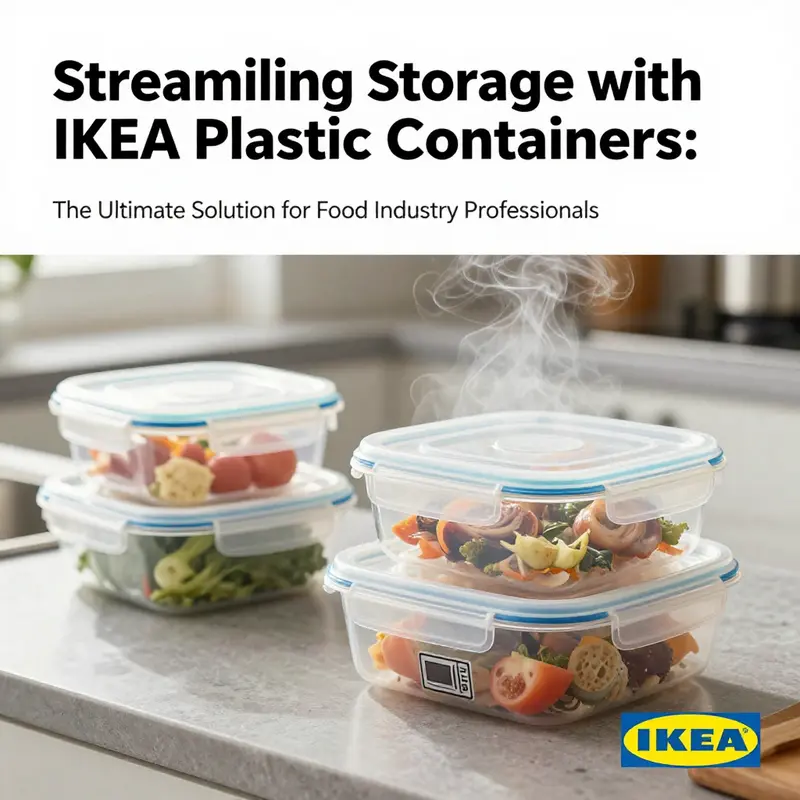
Across kitchens worldwide, the daily challenge is not just storing food but doing so in a way that preserves flavor, reduces waste, and protects health. The safety architecture of IKEA 365+ plastic food containers rises to meet this challenge with a design philosophy that blends practical convenience with a thoughtful approach to food safety. The core idea is simple yet powerful: create containers that seal reliably, use food-grade materials, offer clear visibility, and maintain structural integrity through a busy week. When these elements work in concert, the result is a storage system that makes batch cooking feasible, leftovers safer, and pantry organization intuitive. The story of safety here is about how a set of interlocking properties creates a dependable daily tool for home cooks and busy families alike.
At the heart of safety is the secure seal. The snap-and-lock lids are designed to counter leaks and spills, a simple mechanism with outsized impact. Imagine the moment you cart a lunchbox through a crowded commute, or slide a container with leftovers into a bag for a friend. The lid must stay shut, the contents must remain contained, and the exterior must resist the nudges and bumps of real life. In this design, the lid becomes more than a cover; it is a guardian that keeps liquids from escaping and odours from escaping into the car, backpack, or kitchen drawer. This seal is not about perfection in a sterile environment; it is about reliability under the imperfect conditions of daily use. It is about peace of mind when you are away from home and about avoiding the minor inconveniences of kitchen neglect transferring to clothes or bags.
The choice of material underpins every aspect of safety. These containers are made from food-grade polypropylene, a material well known for its heat tolerance, chemical stability, and generally inert behavior with foods. This choice is not arbitrary. It is a statement that the container can brave common kitchen temperatures, whether you are refrigerating, reheating, or washing. The labeling itself communicates the capabilities: microwavable, freezer-safe, and dishwasher-safe. In practical terms, this means you can prepare meals in advance, portion them, and reheat without swapping to a different vessel. It also means the containers can endure repeated use without significant degradation in performance. Yet the human factor remains central. Some users report a white residue after the first microwave use. While not universal, it reminds us that even well-designed plastics behave differently in real kitchens, and that temperature, duration, and the nature of the food can influence outcomes. The takeaway is clear: follow the product’s instructions, respect the recommended heating limits, and avoid pushing the material beyond its tested boundaries. When used within those guidelines, the containers offer a safe, economical solution that keeps food in good condition longer.
Transparency in material and design contributes to safety in a more nuanced way. The containers and lids often feature a clear, transparent appearance, which is more than a convenience. It allows you to quickly identify contents, assess freshness, and avoid unnecessary waste by avoiding repeated openings to check what’s inside. When you can see a product at a glance, you are less likely to overcook, overeat, or discard food that is still good. This visibility is complemented by a robust build that resists deformation. Even when packed tightly into a fridge or stacked in a cabinet, the containers hold their shape, preserving the lid’s grip and the seal’s effectiveness. In a practical sense, this means less chance of leaks or compromised seals simply because a container was squeezed in a crowded space. The design choice here is about reducing the cognitive load on the user: less guesswork, fewer mistakes, and a clearer path to safer, more efficient storage.
The architectural safety of these containers also extends to their versatility in day-to-day life. They are designed to be multi-use, handling dry staples, leftovers, or home-cooked meals with equal poise. The large rectangular formats may be ideal for bulk ingredients or a batch of soups or stews, while the round 750 ml options suit smaller portions, condiments, or snacks. This variability supports safer food management across a week’s worth of meals. For families who prepare meals ahead of time, the ability to portion out servings, seal them, and label them for the week reduces the chance of forgotten food or ambiguous storage cues. In this sense, safety is inseparable from planning. A container that makes it easy to portion, seal, and identify reduces the risk of confusion that can lead to spoilage or duplicate purchases, thereby cutting down waste.
Hygiene and maintenance are also integral to the safety narrative. The dishwasher-safe attribute simplifies thorough cleaning, which in turn minimizes the potential for bacterial buildup or residual odours. The ease of cleaning encourages regular upkeep, a key factor in keeping containers safe for repeated use. Nevertheless, good practice remains essential. Avoid abrasive cleaners that can wear the surface over time, and keep to the dishwasher’s upper or recommended racks if such guidance exists. The goal is to sustain the integrity of the seal and the clarity of the material so that the container continues to perform as intended after many cycles of use. In kitchens that juggle multiple meals and a variety of ingredients, such durability translates into predictable safety and dependable performance.
Beyond the mechanics of safety, there is an ethos at work. The aim is to keep foods fresher for longer, a goal that aligns with broader efforts to reduce household waste. When containers seal well and make it easy to see what’s inside, households can rely less on disposable wraps and single-use packaging. The material choice, too, supports a calmer, more responsible approach: high-quality plastics designed with food safety and reuse in mind, rather than single-use convenience. The result is a practical compromise that respects both daily routine and environmental considerations. This is not an abstract ideal but a concrete, everyday habit that takes root in a well-designed product: you prepare, you store, you reheat when needed, you eat, and you do so with confidence that the container has supported safe handling every step of the way.
Real-world use often reveals how a thoughtful design translates into tangible benefits. A person who makes meals for the week can batch-cook and portion into a handful of containers, knowing that each lid will snap closed firmly and remain sealed through transport, the fridge, and the microwave. A busy parent can pack lunches with confidence, because the lids won’t pop under pressure and the contents won’t mingle with other foods in the bag. A student living in a dorm can move a packed meal from fridge to microwave without fear of leaks in the shared kitchen. These scenarios illustrate how safety features—sealing, materials, visibility, and durability—work in synergy to create a storage system that supports healthier eating patterns and reduces the chance of food waste. They also demonstrate how design choices made at the material level cascade into everyday practicality, shaping how people plan, prepare, and consume meals.
For readers who explore packaging beyond home storage, a related thread emerges: the broader ecosystem of safe, reliable containers and how design compromises impact everyday behavior. A related resource illustrates how packaging can balance leak resistance, microwave safety, and user-friendly handling in other formats as well. In the spirit of practical, informed choices, it may prove useful to consider options that share these core safety principles, especially when selecting containers for varied settings such as work, school, or travel. As you evaluate what works for your kitchen, remember that safety is about predictability and ease of use just as much as it is about material purity. The right container becomes a quiet partner in daily routines, enabling nourishment without distraction or worry.
External resource: https://www.ikea.com/gb/en/p/ikea-365-food-container-square-plastic-750-ml-60452174/
Internal link for further context on safe packaging design in everyday takeout and home-use containers: eco-friendly-takeout-boxes-for-food-packaging-stylish-food-containers-safe-microwave-craft-paper-lunch-boxes-leak-grease-resistant
Design Efficiency in Modern Plastic Food Storage: Stackable, Transparent Containers for Everyday Kitchens
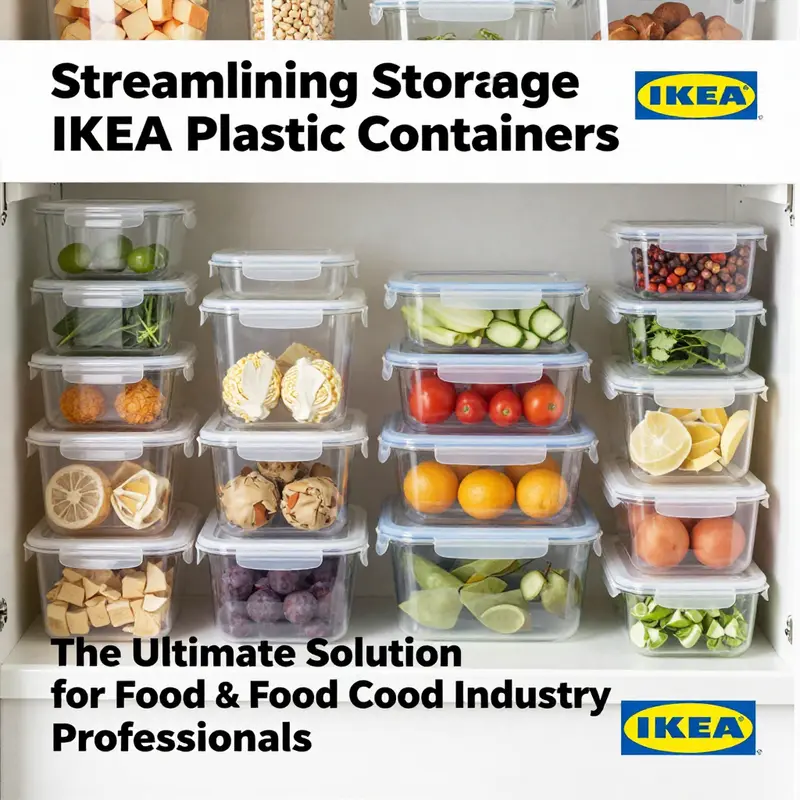
A well-designed storage system can quietly transform how a household handles meals, ingredients, and leftovers. When the goal is to minimize waste, maximize space, and streamline daily routines, plastic food containers deserve careful attention as part of a coherent organizational approach. A widely available line of containers emphasizes practical geometry, durable materials, and intuitive use, addressing real kitchen demands such as seeing contents at a glance, storing a week’s worth of meals, and maintaining flavors with reliable seals. While specific brands vary, the underlying principles remain useful for anyone upgrading a kitchen’s storage strategy. \n\nGeometry and visibility are central. Square and rectangular shapes optimize cabinet and fridge space, and their flat sides support neat stacking. Nesting capability further reduces footprint when containers are empty, helping drawers and shelves stay tidy. This spatial efficiency is especially valuable in smaller kitchens where every centimeter matters. \n\nMaterial choice reinforces the goals. Transparent polypropylene makes contents legible, speeding meal prep and inventory checks. Durability matters too: a container that holds its shape under pressure is more likely to be reused, aligning with broader efforts to reduce single-use packaging. When a container looks sturdy, it invites ongoing use and simpler disposal decisions. \n\nSealing and versatility complete the design picture. Snap-and-lock lids create airtight seals that limit moisture exchange, prevent leaks, and protect frozen foods. A dependable seal supports batch cooking and portioning, while enabling easy transport to picnics or outings. It also reduces cross-contamination and keeps flavors intact. The same container can handle leftovers, freezing, transport, or serving, reducing the total number of pieces needed. \n\nModularity and sustainability tie the system together. A range of sizes that nests and stacks cleanly enables straightforward labeling and future expansion. Durable construction reduces replacement frequency, contributing to lower environmental impact over time. Although debates about plastics persist, the design focus here highlights longevity and reusability as practical paths to lower overall consumption. \n\nIn everyday use, the right containers turn leftovers into predictable, ready-to-use ingredients. Visibility and sealing work together: you can see what you have, recall when it was prepared, and trust it will stay as intended. By supporting better planning and less waste, modular, stackable containers quietly enable healthier habits and calmer kitchens. External reference: https://www.ikea.com/gb/en/p/ikea-365-plus-food-container-square-plastic-750-ml-60452174/
Stackable Sustainability: Unpacking the Environmental Benefits of IKEA’s Plastic Food Containers
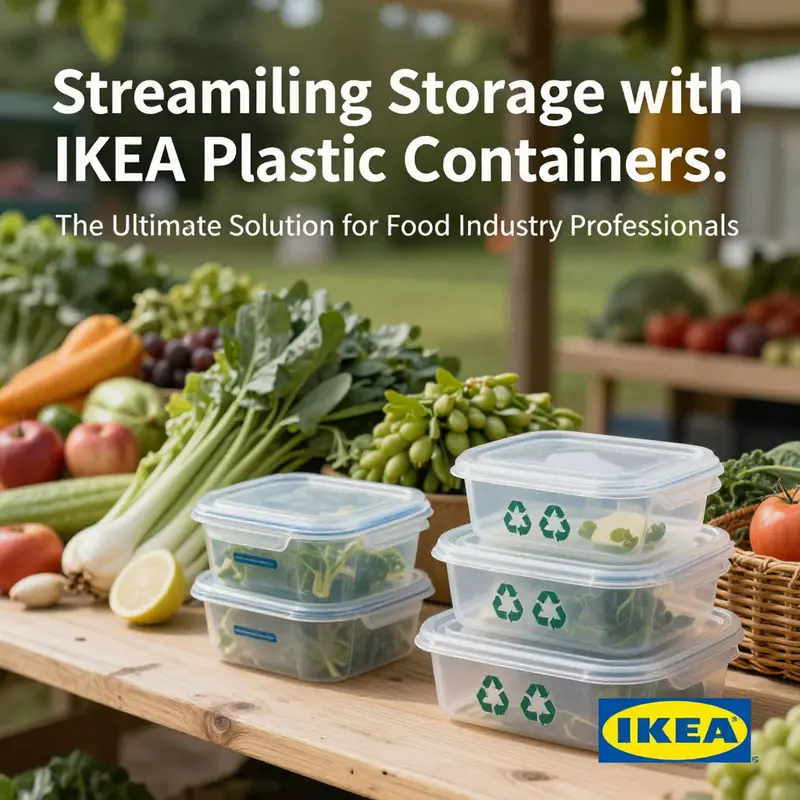
Containers used to store food in the home are more than simple organizers; they are active choices about waste, energy, and resource use. When these containers are designed with longevity in mind, their environmental footprint shifts from a linear, replace-and-discard pattern to a more deliberate, circular one. Durable plastic food containers from reputable retailers are often made from polypropylene, a material chosen for its resilience in daily kitchen life. The result is a line of products that can withstand the oven, fridge, and dishwasher, withstanding the knocks of daily use and frequent re-purposing. This durability is not just a convenience; it is an environmental strategy. Each meal saved from spoilage, each batch of leftovers re-stored for later, is one fewer packing episode in the waste stream. In practice, that means households can extend the life of a single container across years, rather than buying new ones every season.
One of the most important environmental and health signals in modern packaging is the elimination of hazardous additives. The plastics used in these containers are explicitly labeled BPA-Free, a designation that matters both to human health and to ecosystems. In the kitchen, BPA-free plastics reduce the potential for chemical migration into foods during heating and storage, lessening the chance that the environment will bear the load of endocrine disruptors from everyday use. In a broader sense, choosing BPA-free plastics aligns with a precautionary approach that values non-toxic materials. When households can reuse containers without worry about chemical leaching, they are more likely to keep leftovers longer, repurpose containers for sauces and snacks, and avoid disposable alternatives that would otherwise contribute to landfill and incineration.
Recyclability completes the loop. These containers are designed with end-of-life in mind; they can be recycled through municipal streams or store-based recycling programs. The concept of circularity is central: materials stay in circulation rather than becoming waste after a single use. Practically, this means that at the end of a long life, a container can be separated from the kitchen and directed to the recycling system, where the same material can re-enter manufacturing as new products. The environmental payoff grows when households participate in take-back programs or convenient recycling options offered by retailers. While recycling infrastructure varies by region, the design intent remains clear: products should be easy to disassemble where possible and durable enough to be worth recycling rather than discarded after minor damage.
Beyond material choices, the physical design of these containers supports waste-reducing behavior through space efficiency and visibility. Transparent or semi-transparent walls help users identify contents at a glance, reducing the need to open several containers and potentially waste food through spoilage. Stackable shapes maximize shelf and drawer space, encouraging proper organization and minimizing the temptation to buy more containers to cope with clutter. When storage is tidy and inventory is clear, households waste less food and make better use of what they already own. The combination of clear contents, compact stacking, and reliable sealing also makes it easier to portion meals, thaw ingredients methodically, and plan weekly menus around what is on hand rather than what looks appealing in a glossy catalog.
Beyond material choices, the practical care guidance accompanying these containers is part of their environmental value. Detailed care instructions emphasize dishwasher compatibility and heat resistance, which helps extend product life and keeps food safety intact across repeated cycles. The longer a container remains usable, the more it replaces disposable alternatives. Product longevity translates into fewer replacements, less plastic production, and a smaller cumulative environmental impact. This mindset—designing for repair, reusability, and longevity—encourages consumers to see containers as enduring kitchen fixtures rather than temporary accessories. In this light, the everyday act of loading leftovers becomes part of a larger practice of resource stewardship, where small, repeatable choices accumulate into meaningful environmental benefits over time.
Sizes and shapes vary to suit different storage needs, from bulk ingredients to tiny condiments, and each option is meant to reduce the need for multiple, short-lived containers. A rectangular or square form can maximize cabinet real estate when stacked, while circular containers offer steady, uniform storage on fridge shelves. The transparent versions, when available, make it easy to maintain visibility over contents, helping households minimize waste by catching spoiling produce early. The practical takeaway is simple: choose a mix of sizes that mirrors actual daily use—bulk storage for dry goods, mid-sized for leftovers, and small portions for sauces and snacks. When households adapt their containers to the rhythm of meals, they deflect a portion of the demand for new plastics and keep waste from turning into a statistic.
The environmental benefits of these containers are not about the material’s biodegradability or lack thereof; rather, they stem from a deliberate, sustainable design philosophy. Reusability, non-toxicity, and recyclability form a three-part scaffold that sustains a more circular economy in the home. Each reusable container reduces the resource draw of a single-use alternative, and when these units are recycled at end of life, the materials can re-enter manufacturing rather than leaving the waste stream for good. This approach aligns with broader shifts in consumer culture, where durable goods are valued as investments in long-term efficiency rather than cost-saving conveniences that disappear after a season.
People live in kitchens, and kitchens are places where habits are formed. The environmental upside of well-chosen containers grows when households embrace them as reliable tools that support mindful food management. Reuse becomes routine: leftovers are saved, repurposed, and reheated without unnecessary packaging, and spoilage drops as inventory tracking improves. The transparent design—when available—acts as a quick reminder of what is on hand, decreasing impulse buys that lead to waste. And the stackable architecture reduces the tendency to accumulate a surplus of bulky, rarely used containers. For readers exploring similar paths in sustainable packaging beyond home storage, there is a useful example of eco-friendly takeout boxes for food packaging that demonstrates how design choices can carry over into commercial settings. eco-friendly takeout boxes for food packaging.
To situate these ideas within a wider conversation about kitchen storage and sustainability, consider resources that map how brands approach eco-friendly storage strategies and consumer guidance. A well-regarded overview from a major retailer outlines practical, kitchen-centered ideas for keeping foods fresh and minimizing waste through smarter container use and lifecycle thinking. It emphasizes not only the chemical safety of materials but also the practical routines of washing, stacking, and repurposing that extend product life while reducing environmental burden. See the external resource for a broader perspective on how households can translate design into daily, waste-conscious practice: https://www.ikea.com/us/en/ideas/eco-friendly-ways-to-store-food-in-the-kitchen/
Sealed Confidence: How Durable Plastic Food Containers and a Generous Return Policy Redefine Everyday Storage
Every kitchen begins with a space that invites chaos: piles of packets, half-open jars, and a lidless stack that gradually grows into a cluttered obstacle rather than a solution. In this context, a trusted set of plastic food containers becomes more than just gear for the cupboard. It becomes a practical system for organizing meals, preserving freshness, and cutting waste. These containers, crafted from sturdy polypropylene, strike a balance between lightness and resilience. They are designed in a range of shapes—rectangular, square, and circular—so you can tailor your storage to what you cook most often. They stack neatly, aligning with the way modern families live, where cabinet space is precious and every inch counts. The result is not simply a more orderly kitchen; it is a more reliable routine, where cooking, storing, and reheating flow with less friction and more predictability.
Polypropylene is at the heart of this reliability. It resists moisture and temperature swings, so leftovers, dry goods, and batch-cooked meals can move from fridge to microwave with confidence. The material’s resilience is paired with thoughtful design choices: lids that form airtight seals, bases that resist warping, and rims that make opening and closing easy even for small hands. This combination matters when weeknights demand speed. An airtight seal protects textures and flavors, while leak resistance reduces the risk of spills in transit or inside the fridge. The design also emphasizes clarity where it matters most; in many models, you can glimpse contents at a glance without removing the lid, a small but meaningful time-saver when you’re juggling meals, school lunches, and late-night snacks.
The user experience is further enhanced by modularity. Containers come in shapes that fit together without wasted space, so a cabinet or a drawer can accommodate a full spectrum of needs—from storing bulk staples to portioning out sauces or snacks. The shapes are not merely functional; they are practical for real-life routines. Large, deeper rectangular forms handle bulk ingredients or leftovers in generous portions. Round and square variants cover sauces, dips, and smaller servings. The compatibility of lids across the range adds another layer of convenience; lids click firmly onto bases, and a broad line of compatible lids ensures you can customize a setup that suits your family’s habits. This design language—compatibility, ease of use, and space efficiency—translates into fewer days when you feel the fridge is overflowing and more days when you feel you’ve got a handle on the week.
From a sustainability perspective, these containers embody a thoughtful approach to reuse and longevity. They are built for repeated use, resisting the decline that comes with cheaper, disposable options. When a system is durable, households tend to rely on it for a longer period, which aligns with broader environmental goals: fewer single-use containers and less waste. The transparency of some models, while a practical feature for quick content identification, also nudges users toward mindful consumption. It becomes easier to see what’s inside, to plan meals around what you already have, and to avoid buying duplicates or letting food spoil unnoticed. The cumulative effect is a routine that minimizes waste and simplifies decision-making—a small but meaningful contribution to a more sustainable kitchen.
Customer feedback across regions underscores the practical strengths of this storage system. Users consistently highlight durability and airtight performance as core reasons for satisfaction. The containers are praised for being leakproof, stackable, and safe for heat, cold, and cleaning—heat safety meaning you can reheat directly in the container in many daily-use scenarios, a convenience that saves time and reduces dishwashing. The transparent variants that reveal contents without opening also earn recurring praise for saving time and reducing food waste. A reviewer once described the experience as “perfect storage,” a sentiment echoed by countless households who find that the reliability of a well-designed container changes how often they reach for leftovers, how much waste ends up in the bin, and how quickly they can prepare meals during busy stretches. This positive feedback is not solely about material performance; it reflects trust in a system that supports everyday routines, from batch cooking to spontaneous meal planning.
The customer experience is inseparable from the policy framework that surrounds the product. A generous return policy signals confidence in the product and respects the realities of how people shop and use kitchen goods. New and unopened items can be returned within a year of purchase, with proof of purchase, for a full refund. Open items, while still eligible for return, have a shorter window. This structure acknowledges that households may try a new storage system and adjust as their routines evolve, offering reassurance that purchasing a storage solution is not a one-way commitment. The policy encourages customers to adopt a system that fits their living patterns and preferences, not just a design that looks appealing in a showroom. The clarity and fairness of such a policy build trust, making the decision to invest in durable storage less risky and more aligned with long-term needs.
Together, the product design and policy environment illuminate why this storage system resonates so deeply with households seeking efficiency, safety, and waste reduction. The containers’ durable construction, airtight seals, and flexible shapes address core storage challenges: keeping food fresh, organizing the kitchen with minimal clutter, and enabling quick, clean reheating. The system’s transparency—literally and metaphorically—reduces the cognitive load of meal planning and inventory management. When confidence in a storage solution is reinforced by a generous, transparent return policy, households feel empowered to experiment with batch cooking, meal-prepping, and a more intentional approach to leftovers. This alignment of product performance and policy clarity ultimately translates into sustained satisfaction, greater perceived value, and a kitchen that operates with smoother rhythm rather than constant improvisation.
For readers who want to explore related packaging concepts that echo this ethos—durability, safety, and modularity in everyday containers—there are resources that showcase how practical design extends beyond home storage into broader packaging contexts. An online reference to eco-friendly, multi-compartment takeout packaging offers a parallel lens on how sturdy construction and thoughtful design can support both convenience and responsibility. eco-friendly disposable 3-compartment packaging containers.
Those who seek formal guidance on returns can consult the official policy for exact terms and conditions, including how refunds are processed and what documentation is required. More detail on the policy is available here: https://www.ikea.com/us/en/customer-service/returns/.
Final thoughts
Investing in IKEA 365+ plastic food containers presents a practical solution for restaurants, food trucks, and catering services. Their versatility meets the diverse demands of food storage while ensuring safety and sustainability, allowing businesses to reduce food waste and improve organizational efficiency. By choosing these containers, you are not only enhancing your operational processes but also demonstrating a commitment to environmentally responsible practices. In a competitive food industry, making informed choices about storage solutions can significantly influence your success.