
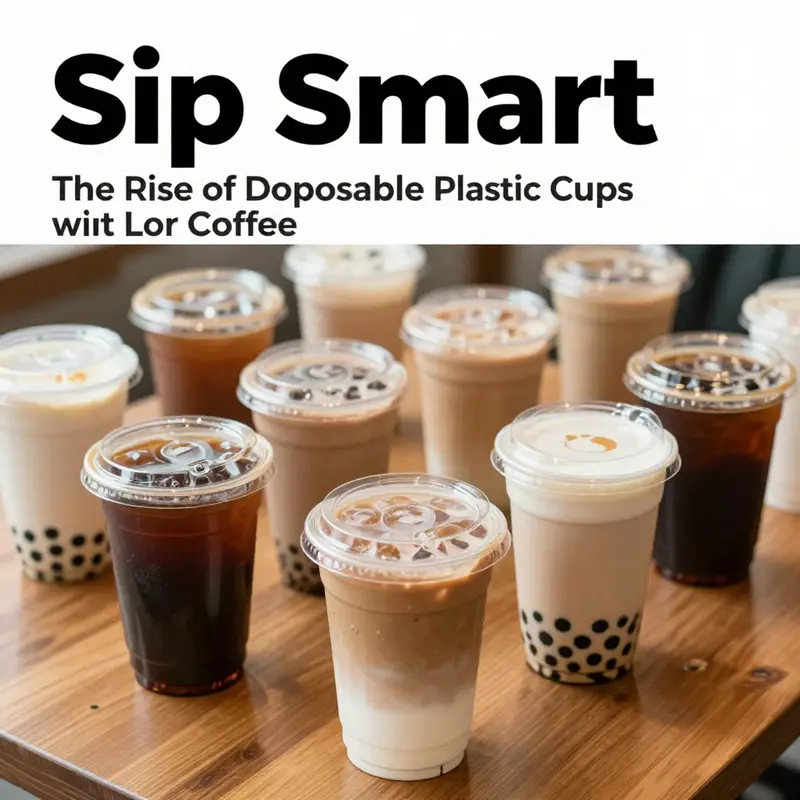
In the ever-evolving beverage industry, disposable plastic cups with lids have become an essential choice for coffee shops, bubble tea vendors, and food service providers. These containers blend convenience with functionality, enabling businesses to serve customers efficiently while maintaining beverage quality. As we delve into the specifics of disposable cups with lids, you will uncover their material composition, customization options for branding, environmental considerations, and current market trends. This comprehensive guide aims to equip coffee and beverage businesses with the knowledge to make informed decisions when choosing the right disposable cups for their offerings.
Sealed for Freshness: The Hidden Construction and Culture of Disposable Plastic Cups with Lids for Coffee
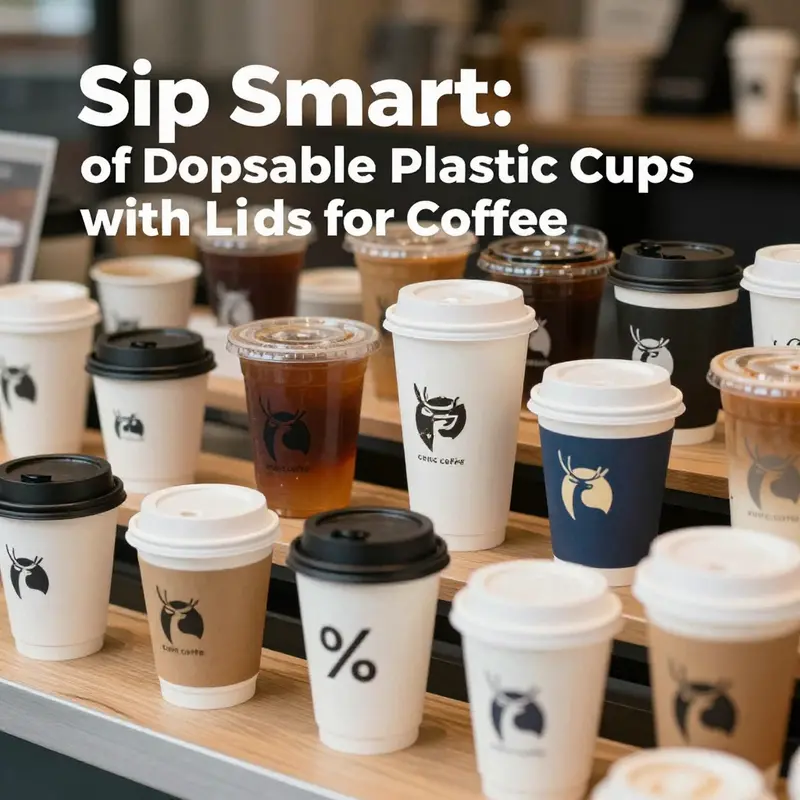
The modern coffee experience hinges on more than aroma and roast; it rests on a small, engineered vessel that can travel from bar to car to office without spilling a drop. Plastic cups with lids have become a quiet backbone of the takeaway coffee economy. They are not merely containers; they are carefully engineered interfaces between beverage chemistry and consumer behavior. The cup, the lid, and the seal together determine how hot a drink stays, how easy it is to sip on the go, and how a brand is perceived in a crowded, fast-moving landscape. Their utility spans cafes, drive-thrus, and busy event settings, where speed, hygiene, and reliability are as valuable as the drink itself. The most common materials—polypropylene (PP) and polyethylene terephthalate (PET)—are chosen for a balance of safety, clarity, and performance, but the conversation has grown broader as sustainability concerns push the industry toward new possibilities and new tradeoffs. The result is a dynamic, layered story about a disposable object that travels far beyond its initial throwaway purpose.
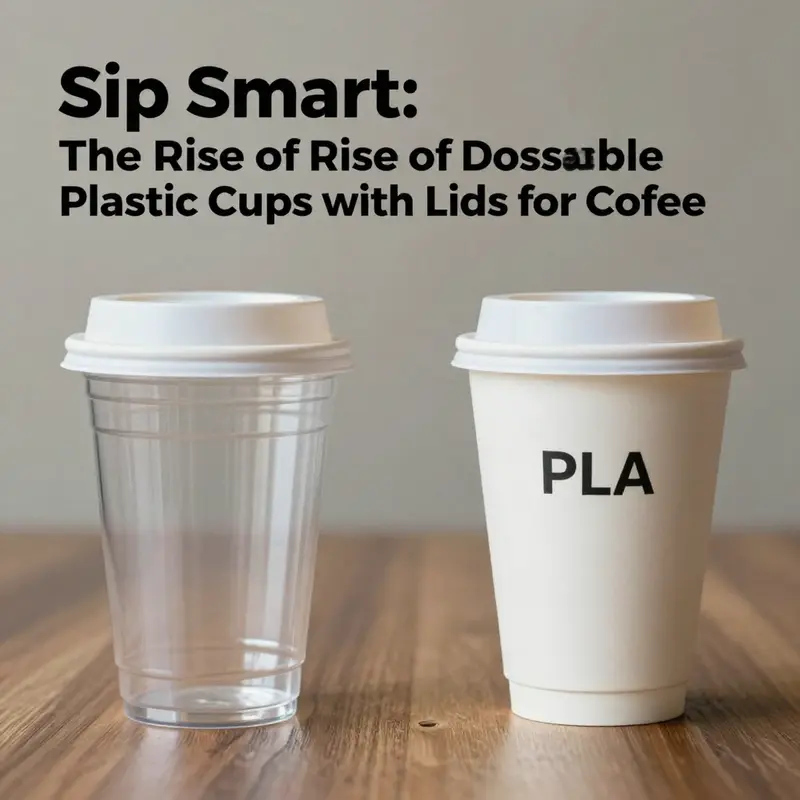
At the core of this story is material science. PP is favored for hot beverages because of its heat resistance and a forgiving border with the human palate; it can withstand the high temperatures of freshly brewed coffee without warping or deforming in the sleeve. PET, by contrast, offers superior clarity and is a frequent choice for cold drinks, where a transparent cup can showcase the color and texture of a latte or a layered iced coffee. The transparency matters: when a beverage is visible, customers can gauge creaminess or the presence of ice, which enhances trust and appeal. Yet both materials are designed to meet food-contact safety standards in many markets, a nontrivial consideration for operators who want to ensure compliance at scale. In recent years, some brands have experimented with PLA, a polylactic acid derived from renewable resources such as corn starch. PLA-based cups promise compostability under industrial conditions, but the caveat is that home composting is rarely sufficient, and the infrastructure to separate compostable plastics from conventional plastics remains uneven across regions. This tension—between convenient disposal, real-world composting capabilities, and the performance expectations of hot and cold beverages—drives ongoing innovation.
The lids are where convenience and protection converge. An integrated lid design that snaps onto the cup helps prevent spills when a drinker is navigating a busy commute or a crowded counter. A sipping aperture or straw slot is not a mere afterthought; it is a carefully placed feature that influences the drinking experience. In cold beverages, breathing room in the lid’s vent, plus a seal that resists sloshing, preserves temperature and prevents leaks through a unit’s outward-facing integrity. For hot drinks, the lid must tolerate steam and pressure while remaining comfortable to touch from the exterior. Some designs incorporate sliding covers that can be closed to limit evaporation and heat loss during transit, while others employ spill-proof valves that permit sipping without removal of the lid. The effectiveness of these features depends on precise manufacturing tolerances, correct pairing with the proper cup size, and rigorous quality testing. The result is a system that not only keeps liquid inside but also preserves temperature longer, a subtle but meaningful factor in customer satisfaction.
Size ranges tell part of the story about how these cups fit into the broader ecosystem of takeaway packaging. Typical offerings span from around 8 ounces (approximately 240 milliliters) to about 20 ounces (roughly 600 milliliters). The choice of size is not simply about portion control; it is closely tied to equipment compatibility, whether a shop uses a cup sealer, a lid applicator, or specialized dispensing systems for self-serve cold drinks. The dimensions must align with standard paper and plastic cup dimensions so that sleeves, holders, and display stacks can perform smoothly. Equipment compatibility is essential for efficiency: dispensers and sealing machines rely on predictable diameters, base shapes, and lid openings. Operators also consider how a cup will appear on a drive-through pickup rack or on a self-serve station, where visibility and ease of access become part of the brand experience.
Branding and customization have moved from premium add-ons to core strategic choices. Clear cups entice customers by showing the beverage’s color and texture, a feature that complements the visual identity of many cafés and chains. For brands seeking to imprint their identity, customization options include not only cup printing with logos and colors but also lid design choices, from color accents to branded apertures. The design language of the cup and lid becomes a moving billboard for the business, embedding memory through repeated experiences of the product. In some procurement ecosystems, suppliers offer a mix of clear and tinted cups, enabling operators to differentiate products by category or flavor without saying a word. The emphasis on customization has grown alongside concerns about sustainability; even as brands pursue striking visuals, they seek to balance this with material choices that support recycling or composting where possible. A practical consequence is that a lot of attention now goes into the packaging’s lifecycle: what happens after the consumer finishes the drink is increasingly a factor in product selection and vendor relationships. For operators who want to explore visible branding while preserving environmental responsibility, there are clear, transparent, or semi-transparent options that can be paired with recycled-content materials and lines that are compatible with recycling streams in many municipalities.
The sustainability conversation remains central. While the everyday reality remains that many plastic cups are recyclable in theory, actual recycling performance depends on local infrastructure and consumer behavior. The industry has responded with a spectrum of strategies. Some cups are made with a higher proportion of recycled content, reducing virgin material extraction. Others explore compostable options in which industrial composting facilities are designed to handle PLA or other bio-based polymers. Yet the environmental benefits require careful attention to end-of-life realities. If a compostable cup winds up in a general waste stream, it may not decompose as intended, undermining the environmental rationale. The result is a nuanced picture: the industry is moving toward greener solutions without sacrificing performance, which leads to ongoing debates about the most responsible paths forward. In parallel, major chains and independent cafés alike are experimenting with reusable cup programs as a complement to single-use options, guided by consumer willingness to participate and the economics of cup washing and logistics. The bottom line is that the search for the right balance—between heat retention, leak prevention, visibility, branding, and environmental responsibility—defines the current trajectory of disposable cups with lids.
From a procurement perspective, the economics of these cups influence store floors as much as the cup itself influences the consumer’s experience. Bulk suppliers frequently frame price points in terms of MOQs, with large-volume orders offering significant per-unit savings. It is common to see minimum order quantities that reflect producer capacity and shipping realities, often ranging into the tens of thousands of pieces. Even at low per-unit costs, the cumulative spend matters for a café’s bottom line, so buyers weigh unit price against factors like lid compatibility, seal reliability, delivery timelines, and after-sales support. The sourcing journey also intersects with regulatory compliance. Food-contact regulations in different jurisdictions set expectations about material safety, labeling, and permissible additives. Operators must confirm that cups and lids meet applicable standards, such as those governing heat resistance, migration limits, and food-grade certification. The decision-making process extends beyond price; it encompasses performance, compliance, and how well a given packaging solution aligns with a business’s sustainability goals and customer expectations.
In practice, the combination of cup and lid is a finely tuned system rather than a single component. A misalignment in diameter, a mismatch in the lid’s locking mechanism, or an insufficient vent can transform a seemingly simple takeaway into a sustainment challenge for staff and a less-than-ideal experience for customers. This is why many operators prefer working with suppliers who offer coordinated sets—cups and lids engineered to fit together precisely, backed by test data and guarantees. The narrative of convenience, safety, and brand impression thus converges on a practical truth: a well-chosen plastic cup with lid can elevate service speed and reliability while still supporting broader commitments to sustainability. To explore one avenue of these offerings and the kinds of clear, customizable options visible in the market, consider the following example of a clear plastic cup designed for cold drinks and compatible with standard dispensing equipment. Disposable clear plastic cup for beverages. This line illustrates how transparency, size variety, and compatibility can come together to satisfy both operator needs and consumer expectations.
In sum, plastic cups with lids for disposable coffee are not mere packaging. They are an intersection of material science, beverage culture, and supply-chain logistics. They must withstand heat and cold, protect against spills, support branding and consumer trust, and align with evolving sustainability imperatives. The most successful packaging solutions in this space do more than contain a drink; they enable a smooth, predictable, and satisfying experience from the moment the order is placed to the moment the final sip is taken. This holistic view helps explain why brands invest in thoughtful cup and lid design, and why buyers approach procurement with a balance of performance, cost, and responsibility. As the market continues to explore greener materials, more robust seal designs, and smarter branding opportunities, the humble disposable cup remains a surprisingly advanced node in the flow of modern coffee culture. External resource: https://www.alibaba.com/product-detail/fun-89-12-380ml-Disposable-Plastic-Cups_1600575722534.html
The Hidden Anatomy of Disposable Coffee Cups: Materials, Lids, and the Quiet Shift Toward Sustainable Simplicity
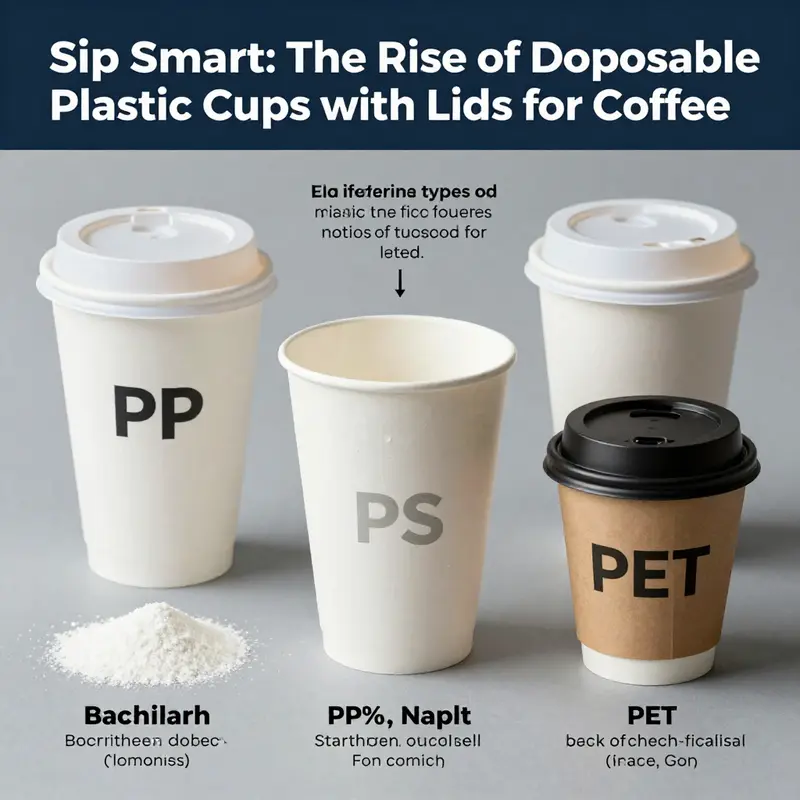
The cup you reach for on a busy morning is not just a container. It is a carefully engineered combination of materials, heat dynamics, and market forces that together decide how hot your drink stays, how clearly you see it through the cup, and what happens to it after you finish. The integrated lid is more than a seal; it is a deliberate interaction between the liquid, the barrier, and the sleeve of air that hovers around the cup as the beverage travels from shop to street. To understand disposable coffee cups with lids, we must look at the material science behind the cup, the design logic of the lid, and the evolving expectations of a market increasingly mindful of waste and safety. In this moment, the most common choices are a triad of plastics—polystyrene, polypropylene, and PET—and a growing family of plant-based and paper-based alternatives. Each category carries distinct strengths and compromises, and each shapes the daily rituals of coffee in fundamental ways.
Polystyrene, commonly used for hot beverage cups, is light, rigid, and offers a respectable insulation profile for its weight. It keeps the steam at bay long enough for the walk to the next destination while preventing the heat from scorching the fingers of an impatient barista. Yet the same rigidity that provides structure can become a limitation. When subjected to repeated use or exposed to higher heat, polystyrene can degrade and, under certain conditions, release substances that raise concerns about safety and long-term exposure. The material’s journey from cup to waste stream is further complicated by how municipal facilities handle it, which varies by city and country. The result is a paradox: a material that performs well in a single-use context while presenting questions when measured against reuse ethics and waste-management reality.
Polypropylene often takes center stage in the lid. Known for its heat resistance and durability, PP is a workhorse for hot liquids. Its toughness helps prevent leaks and spills, a crucial factor in the fast-paced environment of cafes and events. PP is also widely considered safe for food contact, and it remains one of the few plastics deemed microwave-tolerant, making it a pragmatic choice for customers who reheat beverages in the car or at the desk. The lid’s snap-on or press-fit mechanism is designed to complement the cup’s wall, ensuring a seal that minimizes heat loss while allowing a sipping hole that balances user comfort with spill control. The lid and cup pair must align tolerances precisely; otherwise, small misfits can lead to gaps that invite leaks or lid detachment under the pressure of a hot drink.
Polyethylene terephthalate, or PET, adds clarity and strength to the lineup. PET is more commonly associated with bottles, yet its transparency and rigidity translate well into disposable cups for cold beverages. The clarity of PET offers an appealing showcase for branding and product visibility, a factor many operators leverage for marketing impact. For cold drinks, PET’s barrier properties help maintain freshness and prevent condensate from soaking the exterior of the cup. However, PET is typically positioned as a single-use option and, like other plastics, faces debates about recyclability and end-of-life processing. In practice, the decision to reuse PET cups is generally discouraged; these cups are designed for disposal after a single service, reinforcing the need to match expectations with the right recycling streams.
Against the conventional plastics, a broader family of materials has emerged to respond to environmental concerns. Plant-based options, especially polylactic acid (PLA), have found a place in the conversation about compostability. PLA is derived from renewable resources such as corn, and it is promoted as being compostable under industrial conditions. The promise of compostability, however, hinges on the existence of properly equipped industrial facilities that can reach the temperatures and maintain the conditions required for true biodegradation. The reality is more nuanced. Some cups marketed as compostable have been found, under scrutiny, to contain conventional plastics in their composition. This mislabeling—where a product is branded as compostable but remains non-compostable in real-world facilities—dilutes consumer trust and complicates waste processing for municipalities. The takeaway is clear: true environmental benefits depend on certified practices and rigorous verification. Consumers, retailers, and waste processors alike benefit from explicit, verifiable certifications that signal compatibility with established composting streams.
Paper cups offer another route. They are typically made from paperboard and lined with a thin, plastic-based coating or, increasingly, plant-based linings such as PLA. The paper base provides renewability and a lighter carbon footprint in some life-cycle stages, while the inner lining preserves liquid resistance. The lid for these cups often mirrors the same plant-based themes or a plastic lid engineered to work with the paper profile. The challenge here is twofold. First, the plastic-like linings can complicate recycling, because the liner must be separated from the paper to avoid contaminating the pulp stream. Second, “compostable” labeling in this segment often depends on industrial composting conditions. Without access to such facilities, these cups may end up in regular waste rather than a compost stream, undermining the sustainability narrative drivers for customers and operators.
The chapter on materials would be incomplete without acknowledging the broader supply chain and the market dynamics that push these choices forward. In many markets, the demand side—cafés, event organizers, and food-service outfits—seeks a balance between price, performance, and environmental responsibility. On the supply side, manufacturers and suppliers experiment with blends, coatings, and production processes to improve heat resistance, leak protection, and branding opportunities. The integrated lid design plays a crucial role in this equation. A well-engineered lid reduces spill risk during transport, preserves beverage temperature, and even limits steam exposure that could impact the drinking experience. The lid’s hole design is a small but meaningful detail; a larger hole might speed sipping for cold drinks but also raise spill risk for hot beverages. A smaller hole improves control but may frustrate some customers, especially during a quick, on-the-go coffee run. These micro-design choices ripple outward into the waste stream, where labeling, packaging, and end-of-life handling determine whether a cup can be recycled, composted, or redirected to another fate.
From a consumer perspective, the material story is not merely technical. It is about trust and transparency. When a cup claims to be biodegradable or compostable, it invites scrutiny about the conditions required for such a process. The Shanghai Consumer Protection Commission’s findings remind us that environmental claims can be complex and sometimes overstated. The consumer must wield discernment, seeking products labeled with credible certifications that indicate compliance with recognized pathways to end-of-life processing. This precision in labeling is not a luxury; it is a practical safeguard that helps prevent the accidental contamination of recycling streams or the misplacement of cups into composting environments that cannot handle them. For the curious reader who wants to observe a tangible example of the everyday vessel, consider the disposable clear plastic cup that serves as a baseline for discussions about materials, design, and lifecycle. It offers a direct window into how the material choices intersect with user experience and waste management. disposable clear plastic cup
In practical terms, what should a coffee shop or event organizer take away from this material mosaic? First, align the cup system with the intended beverage and service context. Hot drinks require materials with high heat tolerance and robust lids that minimize spills. Cold drinks can benefit from clarity and mechanical strength, but the overall packaging must still be compatible with the establishment’s waste-management infrastructure. Second, assess the local recycling and composting landscape. If the region lacks industrial composting capacity, a compostable cup may be a poor fit and could inadvertently complicate the waste stream. Third, prioritize accurate labeling and third-party certifications over marketing claims alone. Consumers are increasingly attuned to the differences between biodegradable, compostable, and simply degradable materials, and they deserve clarity about whether a product will truly break down under real-world conditions.
The conversation around materials is inseparable from the economics of disposable cups. Bulk pricing, minimum order quantities, and lead times shape day-to-day decisions in kitchens and at event pop-ups. Manufacturers and distributors often offer a spectrum of sizes, from smaller 12-ounce or 350-milliliter options to larger 16-ounce or 500-milliliter capacities. The lids themselves come in variations that balance sealing performance with user comfort. In many cases, operators select a coordinated system—cup, lid, and optional sleeve—that creates a coherent experience for the customer while streamlining logistics for the supply chain. The environmental impulse, when pursued with diligence, can coexist with practical business considerations. It may involve choosing products with renewable content, improving packaging efficiency to reduce material usage, or selecting liners and coatings that favor recyclability. It may also involve exploring plant-based alternatives that, when paired with appropriate end-of-life processing, offer genuine environmental benefits rather than a marketing veneer.
As the industry continues to evolve, the narrative around disposable coffee cups with lids will hinge on transparent certifications, responsible material selection, and the alignment of product design with waste-management realities. The material choices—PS for insulation, PP for lids, PET for clarity, and plant-based alternatives for compostability or paper-based cups—will be weighed against the local infrastructure that processes them after use. The next chapters in this discourse will likely explore how brands communicate sustainability, how cafeterias adjust to new regulatory or consumer expectations, and how innovations in coatings and recycling technologies might reshape what “disposable” means in the coffee-drinking ritual. Yet the core idea remains straightforward: the sip you take is the result of a deliberate material decision that travels through manufacturing, consumer behavior, and waste streams, all converging at the point where a cup and its lid meet the heat of a freshly brewed cup of coffee. For those who want to glimpse a concrete facet of the broader material conversation, the disposable clear plastic cup serves as a practical touchstone—an ordinary object that embodies a complex web of chemistry, design, and environmental consequence.
External reading for further context on compostable labeling and certification can be found here: https://www.okcompost.org/.
Brand Impressions in a Cup: Designing Custom Disposable Coffee Cups with Lids for Identity and Experience
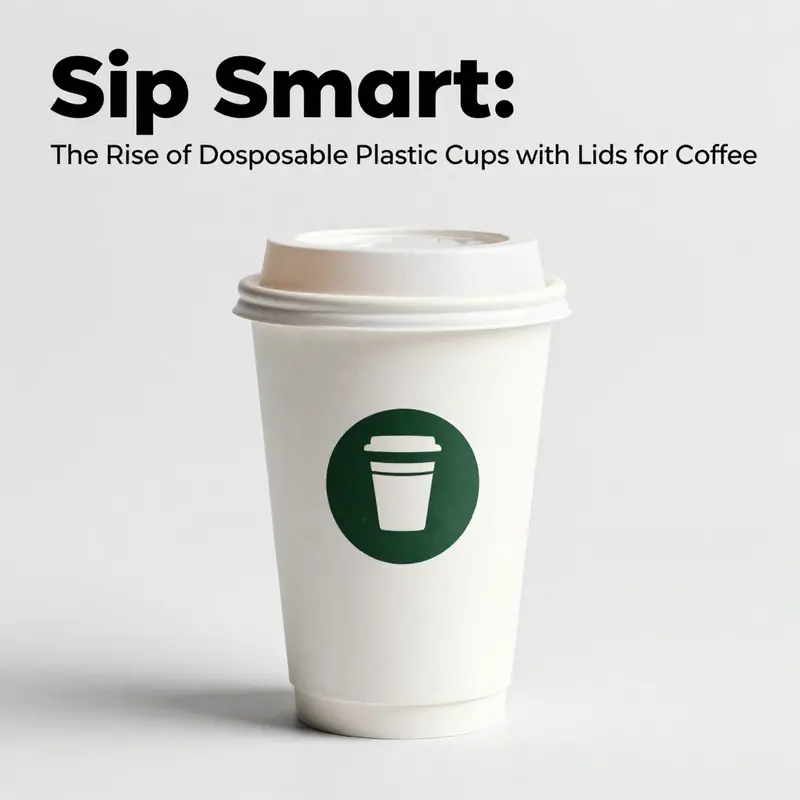
A disposable cup with a lid is more than a convenient vessel; it is a portable advertisement, a tactile touchpoint, and a small stage upon which a brand performs its identity. In the crowded world of hot and cold beverages, where speed and affordability often dominate, the cup and its lid can carry as much narrative weight as the drink inside. The path from a plain cup to a branded, memorable experience begins with customization. Businesses can articulate their values, tell a story, and reinforce consistency across every touchpoint by selecting not only a shape and size but a careful synthesis of material, print, color, and lid design. The modern consumer reads packaging with the same attention they give to the beverage’s aroma and flavor; a well-designed cup communicates care, quality, and a clear sense of brand personality before the first sip is taken.
Customization in disposable cup production has evolved from a simple logo stamp on a single print area to a comprehensive branding dialogue that encompasses the cup body, the lid, and even the surrounding ecosystem of accessories. Suppliers now offer full customization services, including logo printing across multiple materials such as polypropylene, PET, and the increasingly favored PLA for eco-conscious options. Lead times can be surprisingly short after sample approval, sometimes measured in days, which enables brands to move quickly from concept to rollout for seasonal campaigns, store openings, or event-driven promotions. The capacity to tailor every facet of the cup—from message and imagery to color alignment with corporate palettes—empowers businesses to create a cohesive visual language that travels with the beverage from storefront to street, office desk to home kitchen. In practice, customization is not a single action but a sequence: select the core material, determine the print method and placement, choose wall construction, and pair the cup with a compatible lid that supports both function and branding.
Material choice remains foundational to brand strategy as well as to performance. PP and PET are the most common workhorses, each offering predictable temperature resistance and clarity for cold drinks. For hot beverages, double-wall or ripple-wall designs improve insulation and create a more premium feel, while still accommodating a branded exterior. When a company leans into sustainability, PLA-based cups offer compostable or partially compostable options that align with green initiatives. This shift towards eco-friendly alternatives reflects a broader consumer expectation: packaging should perform its role with minimal environmental impact, or at least be clearly labeled to support responsible disposal. The choice of material is more than a technical decision; it signals corporate values to customers who increasingly associate brands with their environmental footprint. In tandem with material decisions, the lid becomes a branded instrument in itself. A leak-proof lid, designed with a sipping hole that suits the cup’s profile, ensures a positive user experience and reduces spill-related friction, turning a routine takeaway moment into a smooth, reliable interaction. Some designs incorporate straws or sipper caps, enabling seamless mobility for on-the-go consumption and presenting another surface for branding through color, logo, or even small graphic elements that can reinforce the brand message during a commute or in a busy cafe line.
From a branding standpoint, the visual impact of the cup is determined by a blend of color, typography, and imagery that must work in harmony with the lid. Color theory plays a surprising role in consumer perception: a distinct lid color can create immediate brand recognition even when the cup is partial view in a crowded setting. The printable surface on the cup, whether a single-color logo or a full wrap around the circumference, must maintain legibility when viewed from multiple angles and at varying distances. This is where design practicality meets marketing psychology. A strong identity on the cup anchors the beverage’s experience in the consumer’s mind, while the lid’s tone and texture contribute to the sense of reassurance that the drink is secure and ready to be taken on the go. The resulting effect is a cohesive package that travels beyond the drink itself; it becomes a moving billboard that customers carry through their day, multiplying the brand’s exposure with each outward-facing sip.
One-stop procurement narratives have become common in the customization landscape, offering brands the convenience of ordering cups, lids, and even accessories in a single, coordinated package. The ability to align materials, printing, and packaging design under one supplier simplifies logistics and queries about compatibility, while ensuring consistency across product lines. For many businesses, this streamlined approach translates into shorter timelines from concept to shelf, lower risk of misalignment between cup and lid, and more predictable quality control across large campaigns. The capacity to accommodate minor or major customization further extends the strategic value of these offerings. A brand can start with a modest logo imprint and gradually scale to a full wrap or multi-color motif as demand grows, while still maintaining cost efficiency through bulk production. In addition to branding, the supplier ecosystem can also provide packaging design insights that help optimize the overall presentation. Suggestions on color coordination with branding collateral, container graphics that maintain legibility at typical customer viewing distances, and even tips on how to position the logo relative to the lid’s sipping hole can elevate the final product beyond a simple container into a crafted brand experience.
The practicalities of sourcing these products are equally important for branding teams that must balance creativity with supply chain realities. Bulk orders, often accompanied by MOQs in the tens of thousands, price per unit at a steep discount compared with smaller runs, enabling brands to extend their promotional reach without sacrificing profit margins. Lead times after sample approval can be compact, but they hinge on the complexity of customization and the chosen materials. For some campaigns, short-run options with basic printing and standard materials can be deployed quickly to test market reception, while long-term partnerships with suppliers allow more ambitious branding efforts—full-color wraps, custom lid silhouettes, or specialty finishes—that reinforce a premium positioning. This flexibility helps brands respond to shifting demand, seasonal promotions, and franchise networks with a consistent carrying case for their narrative.
Beyond aesthetics and logistics, the branding conversation must embrace sustainability and responsible disposal. Consumers increasingly connect with brands that demonstrate environmental stewardship, and cups with lids are no exception. Eco-friendly options that use renewable resources or compostable materials can be integrated into branding stories that emphasize circularity and responsible consumption. Communicating this commitment openly—through labeling on the cup, clear disposal guidance, and consistent messaging about end-of-life options—fortifies trust and strengthens loyalty. Yet, the story must remain practical: the cups and lids must perform reliably in real-world conditions, with heat resistance for hot drinks, leak-proof integrity for takeaway, and compatibility with standard cup-sealing and dispensing equipment that cafes and event venues rely on daily. When these functional considerations align with a brand’s values and visuals, customization ceases to be a cosmetic exercise and becomes a coherent extension of identity.
From a customer experience perspective, the moment a patron receives a cup—a tangible object that carries a brand’s voice—can influence recall and word-of-mouth promotion. An aesthetically pleasing cup invites photos and social sharing, particularly when the design aligns with a current marketing narrative or seasonal theme. The lid, often the most practical element, is also an opportunity for sub-branding through color, texture, or small graphic cues that catch the eye in a fast-moving queue. The resulting effect is a seamless loop: a drink that tastes as good as its packaging looks, reinforced by a brand story that customers remember and share as they move through their day. For businesses seeking to explore the possibilities, the path is not merely about adding a logo; it is about integrating the cup as an interface for brand experience, a miniature billboard, and a practical tool all at once.
For teams curious about broader design and packaging ecosystems, there are resources that showcase how customized takeaway packaging and disposable tableware can support themed events and shared experiences. These examples illustrate how a single design language can extend beyond a single cup to a cohesive set of containers and accessories that tell a story across multiple touchpoints. By aligning the cup, lid, and any accompanying items with the event’s color palette, typography, and messaging, brands can create a unified visual environment that resonates with attendees long after the event concludes. This approach strengthens recall and fosters a sense of belonging among guests, whether they are regular customers or first-time participants in a themed gathering.
As brands navigate the balance between creativity, cost, and sustainability, the cup becomes a strategic asset rather than a disposable afterthought. It is a platform for storytelling, a functional tool that protects the beverage, and a canvas that communicates values. The choices of material, printing method, lid design, and overall packaging system all contribute to a perception of quality that can elevate a drink from everyday fuel to a curated moment. In this light, customization is not just about standing out; it is about ensuring that every interaction—conversation with your staff, moment of purchase, and the act of consuming the beverage—feels intentional and connected to the brand’s larger narrative.
For readers seeking practical paths to implement these ideas, the core takeaway is to treat the cup as an extension of the brand’s promise. Start with a clear set of brand guidelines that include color palettes, typography, and messaging, then select materials that align with both performance needs and sustainability goals. Design the lid to support the cup’s identity, not just its function, and consider how the complete packaging ecosystem—cups, lids, and accessories—will be perceived as a cohesive unit in a bustling cafe or event environment. Finally, embrace the potential of bulk customization to maintain consistency and control over quality as campaigns scale. When this integrated approach takes shape, the cup and its lid become more than packaging; they become a portable ambassador that carries the brand’s story into every street, office, and home.
Internal link reference for further reading on themed packaging and disposable tableware: Custom takeaway packaging supplies and disposable tableware for theme party.
External resource for industry context and product specifications can be found here: https://www.alibaba.com/product-detail/Custom-Disposable-Plastic-Cups-with-Lids_1600487291814.html
null
null
Brewing Trends, Pricing, and the Choice Ecosystem: Navigating Plastic Cups with Lids for Coffee and Beyond
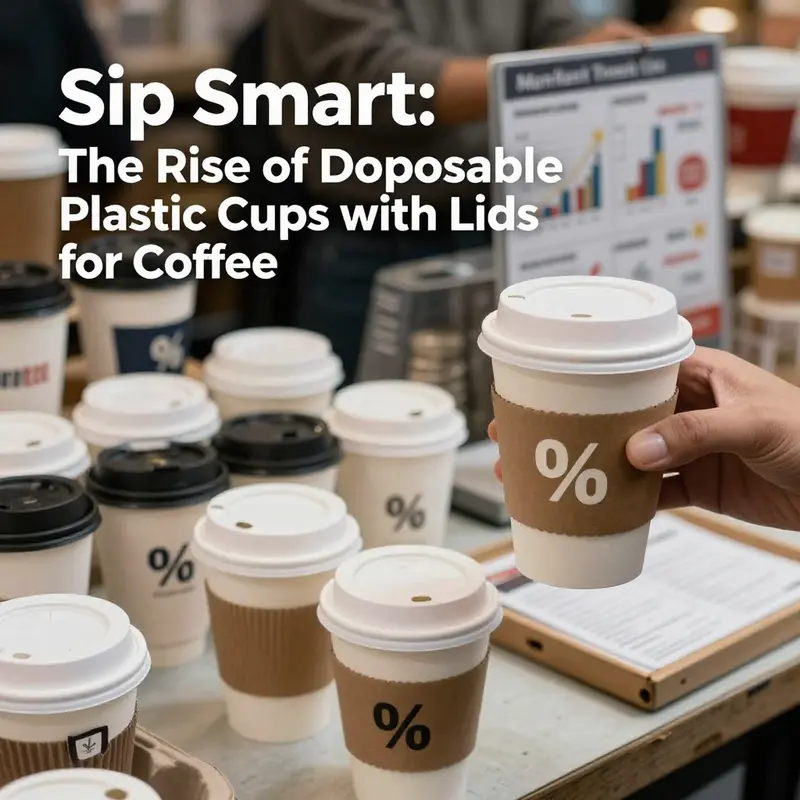
The disposable plastic cup with a lid sits at a quiet crossroads of practicality, design, and value. It is the unassuming workhorse behind countless morning rituals in coffee shops, break rooms, and pop-up events, where heat retention, spill prevention, and user-friendly sipping converge with cost efficiency. In recent months, market data have shown that this simple vessel remains among the most dynamic segments in foodservice packaging. Operators weigh not only the immediate price per unit but also the long game of customer experience, sustainability goals, and branding opportunities. The result is a marketplace that values material choice, performance features, and customization in roughly equal measure, with end users increasingly attuned to how a cup performs under real-world stress—hot liquids, rapid service, and busy service lines.
Material diversity remains the backbone of the category. Polymers such as PET, PP, and PS each bring distinct advantages. PET is prized for clarity and recyclability, qualities that help convey a clean, premium appearance for cold beverages and allow for transparent branding moments where the color and texture of the drink can shine through. PP, meanwhile, is a staple for hot beverages. Its higher heat resistance makes it a reliable option for coffee and tea beverages that customers expect to stay warm without compromising the cup’s integrity or leaching concerns. This material trio has given operators versatility: a clear, attractive vessel for iced drinks, a sturdy hot-drink cup that can withstand steam and heat, and a third option that balances both forms of service in mixed-use venues. The lids themselves are designed to work seamlessly with these bodies, offering sipping holes and secure closures that reduce spill risk during transport and in crowded service environments.
Beyond raw material choice, there is a growing emphasis on functional and aesthetic innovation that aligns with evolving consumer expectations. Double-wall insulation, for example, remains a compelling feature for venues that want to keep beverages at the right temperature without relying on sleeves or extra accessories. Ergonomic shaping—curved, finger-friendly rims, and comfortable grip sections—enhances the user experience in a service environment where speed and comfort matter. Visual design, too, is getting bolder. Operators increasingly explore prints, color accents, and even themed graphics that resonate with a store’s brand or event mood. The trend toward more expressive cups is tempered by practical considerations; even as a cup’s exterior becomes more distinctive, the lid and seal must perform reliably under brisk handling and stacking.
Sustainability has moved from a peripheral concern to a central decision point for many buyers. While traditional plastic cups continue to hold pricing and performance advantages, there is a mounting demand for greener options. This includes cups manufactured from biodegradable materials or those designed for easier recycling. Biodegradable and compostable formulations, such as PLA-based options, are part of the conversation, although the practicalities of composting and end-of-life infrastructure remain challenging in some markets. For many operators, the right path blends cost-consciousness with a clear alignment to sustainability goals, selecting products that can be recycled through existing channels or that offer a credible alternative without sacrificing performance in hot or cold service. The result is a spectrum where the most affordable, high-volume items coexist with premium, branded, or eco-focused versions, each serving particular customer segments and use cases.
Customization and branding continue to reshape how cups with lids are perceived as marketing tools. Large-scale campaigns, corporate gifting, and event activations increasingly rely on cups as moving billboards—capable of carrying logos, messages, and art that extend a brand’s presence beyond cups and into the daily rituals of customers. The ability to tailor sizes, lid configurations, and graphic treatments means more than aesthetics; it enables operators to deliver a cohesive brand experience from cup to cup sleeve and beyond. Budgeting for customization requires a careful balancing act: base-line pricing for standard, unbranded items is attractive, yet the payoff from branded, high-visibility options can be substantial in terms of recall and customer loyalty.
The February 2026 pricing landscape illustrates how widely prices can diverge within a single category, driven by material choice, capacity, quantity, and the level of customization. Basic disposable cups in PET or PP, for instance, can be surprisingly affordable when purchased in bulk for generic, unbranded use. A typical pack of 1000 transparent 10-ounce PET cups with a lid might hover around four cents per unit, underscoring the appeal of scale and the importance of supplier negotiations and MOQs in pricing. In contrast, higher-end or customized configurations push the unit price up. A 500ml or 700ml branded heavy-duty cup with a lid and additional design features can be priced around ¥9.00 per unit, which translates to roughly $1.25 in U.S. dollars at prevailing exchange rates. The same family of products may include more elaborate, injection-molded, double-wall designs priced at about $1.80 per unit. Then there are niche, specialty options with more complex closures or magnetic or other novel design elements, which can reach around $3.90 per unit for single-unit purchases. These numbers reveal a market that rewards scale and branding but remains deeply sensitive to raw material costs, energy use in manufacturing, and the economies tied to customization.
For operators, these price dynamics translate into practical purchasing strategies. When evaluating cups for a coffee program, the first decision is typically whether the drink will be served hot, cold, or in a hybrid service model. Hot beverages often demand PP or PP-based double-wall designs that resist deformation and maintain structural integrity under heat. Cold drinks, especially carbonated or viscous beverages like bubble tea or smoothies, call for clarity and rigidity in PET or clear PP cups that support strong seal integrity with lids. The sizing decision—whether 12oz, 16oz, 500ml, or 700ml—should reflect typical customer orders, with a preference for standardization to streamline production, inventory, and the tipping points at which consumers perceive value. The choice of lid also matters: sip-through designs that minimize spill risk while enabling comfortable sipping, or more protective snap-on closures that can serve as a barrier against leaks during transit.
Branding opportunities are increasingly integrated into the economic math of cup procurement. A branded cup often carries a higher unit price, but in a world where customers carry beverages between locations or share experiences on social media, the incremental value can be meaningful. For many venues, the decision to pursue branding hinges on the capacity to recover some costs through increased sales or stronger brand recall rather than on immediate per-unit savings alone. Customization also creates longer-term relationships with clients, especially in corporate and event settings where the cup becomes a tangible reminder of a brand’s presence.
The supply landscape for large orders often emphasizes bulk procurement with MOQs that reflect manufacturing realities. On the sourcing side, there are well-established pathways for bulk purchases, with clear incentives to buy in volume to lower per-unit costs. The trade-off, however, is lead time and the need for reliable supply continuity, especially in periods of high seasonal demand or during large promotional campaigns. For buyers, the calculus includes the availability of a broad range of sizes and designs in current stock, the compatibility of lids with chosen cups, and the ease with which a supplier can accommodate branding specifications without compromising the performance you expect from a leak-resistant seal.
From a practical standpoint, the concept of a “good value” cup extends beyond sticker price. Temperature performance, seal integrity, and the user experience all contribute to overall value. A cup that resists warping at high temperatures or preserves beverage temperature longer without requiring extra sleeves or accessories can reduce service time and enhance customer satisfaction. Likewise, a lid that seals reliably under jostling or stacking in a crowded service area minimizes spill-related waste and returns, which in turn improves throughput and reduces costs associated with waste and product loss. These tangible performance metrics interact with marketing objectives in a way that makes cup selection a strategic decision rather than a mere procurement exercise.
The internal dynamics of choice are often centered on balancing cost with convenience and brand expression. For example, a café that wants to emphasize sustainability may opt for a PLA-based option, accepting potential trade-offs in printability, shelf life, or composting infrastructure. A shop focused on speed and reliability may settle on a simpler PET/PP mix with a robust lid system and a straightforward branding approach. A venue that hosts events or campaigns may lean into high-visibility custom prints and a range of sizes to accommodate different drink recipes and guest preferences. In every case, the cup becomes a logistical touchpoint—the point at which product design, packaging engineering, and business strategy intersect.
For readers seeking a practical example of the kind of product that underpins these decisions, consider the disposable clear plastic cup designed for events and parties. It embodies the balance of clarity, durability, and lid security that has made disposable cups with lids a mainstay of the industry. See more at this example: disposable clear plastic cup for parties and events.
As the market continues to evolve, buyers should also turn to broader sustainability resources to ground their choices in practical end-of-life realities. Recycling guidance and infrastructure influence which materials and formats are the most responsible long-term options in a given region. For those seeking a broader framework on plastics recycling and responsible disposal, external guidance is available at established environmental authorities and industry-wide resources. For further reading on recycling plastics, see the Environmental Protection Agency’s overview on plastics recycling and its role in sustainable waste management: https://www.epa.gov/recycle/plastics.
The pricing landscape summarized here underscores that affordability and customization are not mutually exclusive. The total cost of ownership includes not only the stated per-unit price but also the costs associated with branding, lead times, inventory management, and the potential savings from reduced waste, faster service, and stronger brand impact. In a market that diversifies by material, size, and finish, the best value comes from aligning procurement with the specific demands of the business model, whether that means prioritizing heat resistance for hot drinks, transparency for visual appeal, or sustainability credentials for corporate responsibility. The chapter’s data reflect a marketplace that rewards scale but also recognizes the premium value of design and performance, a dynamic that will likely persist as consumer expectations and environmental considerations continue to shape packaging choices across food and beverage channels.
Final thoughts
In conclusion, disposable plastic cups with lids are indispensable for coffee shops and beverage chains. Understanding the materials, customization options, environmental impact, and ongoing market trends can empower businesses to select the best products for their needs. As the industry moves towards sustainable solutions, offering eco-friendly options will not only attract environmentally conscious consumers but also enhance brand reputation. Embrace the versatility of these disposable cups and elevate your beverage service today.