
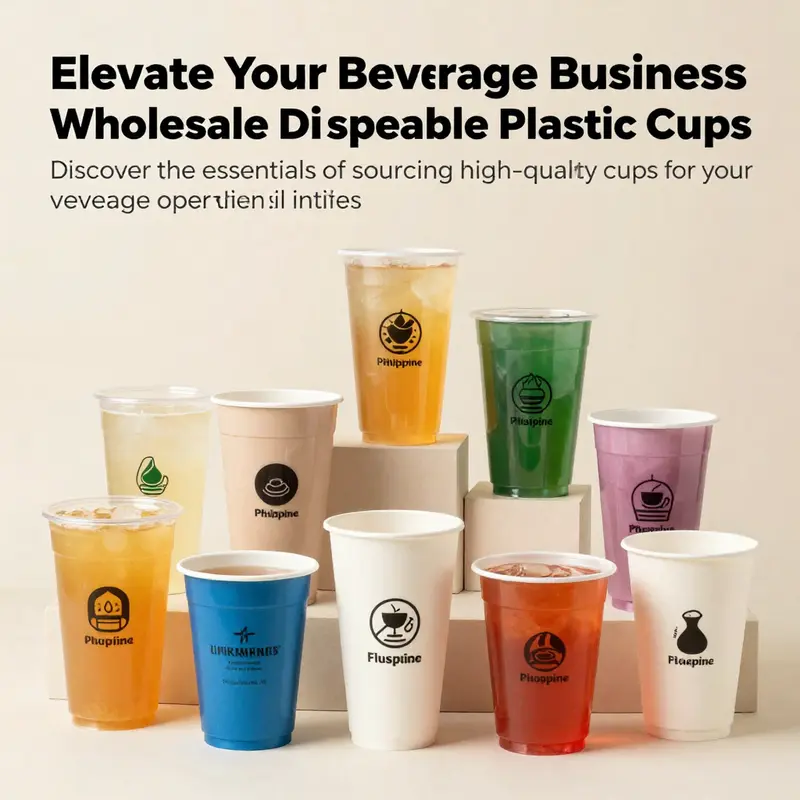
In an ever-evolving beverage landscape, from bubble tea shops to catering services, finding the right disposable packaging can be a game-changer. Wholesale disposable plastic cups are increasingly becoming a crucial element for various sectors, ensuring your drinks are served safely, attractively, and efficiently. This article delves deep into the wholesale market of disposable plastic cups in the Philippines, highlighting the market overview, key suppliers, environmental considerations, and the economic impact. Each chapter aims to provide insights that can support your decision-making as you seek the best solutions for your beverage needs.
null
null
From Wharf to Warehouse: Charting the Wholesale Path for Disposable Plastic Cups in the Philippines
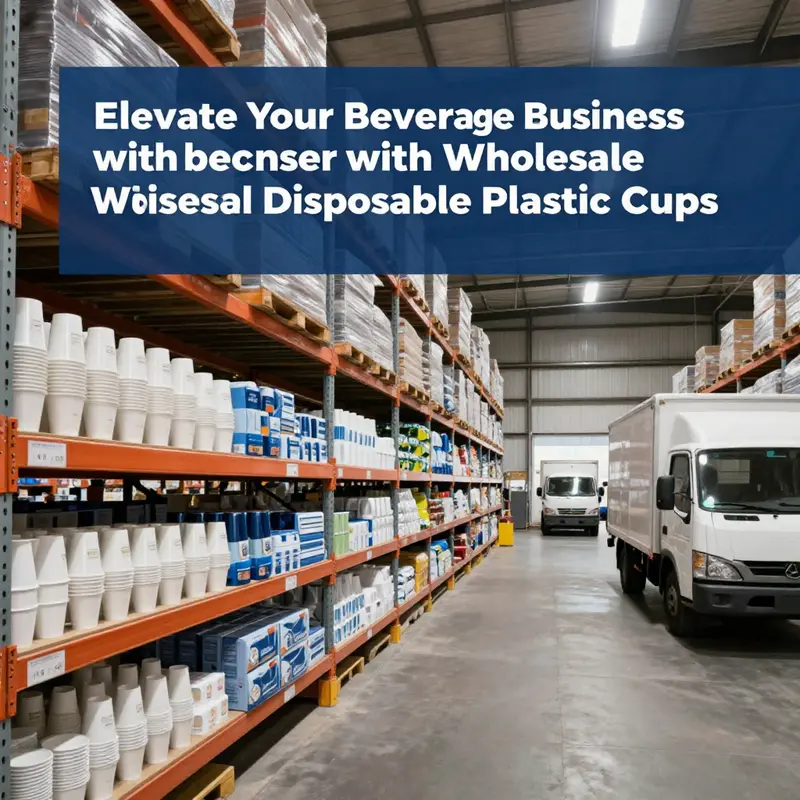
In the Philippine market, the journey of wholesale disposable plastic cups begins long before a vendor places a pallet on a dock. It starts with need—hospitality businesses brimming with demand from cafes, food trucks, events, and delivery services—and then moves through a complex web of sourcing options, price pressures, and logistics that are shaped by the country’s archipelagic geography. What emerges is a picture not of a single, easily mapped supplier list, but of a pragmatic ecosystem where importers, distributors, and local retailers negotiate a steady stream of supply from global manufacturers, especially those in China and across Southeast Asia. The knowledge at hand points to a global supply chain that hinges on efficiency, reliability, and the ability to offer customization at scale. In practice, many Philippine buyers rely on manufacturers and wholesalers abroad to provide high-quality, durable, food-grade cups that can be tailored for different beverage concepts, from hot coffee to cold desserts and iced teas. This reality matters because it reveals how the Philippines fits into a broader regional movement toward standardized packaging that supports quick service,, visual branding, and consistent user experience across multiple touchpoints. The result is a wholesale landscape where price is important, but so is consistency, lead time, and the ability to adapt to shifting demand, be it a wedding reception, a summer festival, or the surge of online food delivery requiring reliable, leak-proof cups in bulk.
The lack of a dedicated, publicly accessible list of Philippine wholesale suppliers in the available research does not create a void so much as a practical invitation. It invites buyers to widen their search beyond domestic listings and to think in terms of supply channels that span oceans and time zones. In this sense, the Philippines mirrors a broader regional pattern: cups are often sourced from manufacturing hubs in China, transported by sea, and then distributed through local wholesalers or directly to large buyers who can manage stock and delivery schedules. This is not a landscape built on one port alone; rather, it leverages the efficiencies of multiple hubs and port operations, from major coastal cities to inland logistics hubs connected by road and rail. Within this framework, a typical buyer builds a pipeline that can deliver a range of sizes and styles, from simple clear cups for cold beverages to sturdier options designed to withstand travel, catering events, and long delivery windows.
A practical implication of this arrangement is the value of reliability and standardization. Buyers in the Philippines increasingly expect packaging that is food-grade, leak-resistant, and safe for handling hot or cold liquids. In many cases, suppliers outside the country can offer a broader spectrum of options, including thicker walls, enhanced stacking stability, and compatibility with brand colors through printing or colorized cup options. The appeal of customization across wholesale channels is clear: brands can imprint logos, adjust cup sizes, and select color accents that reinforce identity, all while maintaining predictable costs at scale. The initial research suggests that such customization is not a luxury but a strategic capability for growth, especially when a business aims to expand into corporate catering, themed events, or franchised concepts. The capacity to order molded cups in bulk and to tailor them with logos or color bands can translate into a stronger market presence, better shelf appeal in cafes, and a cohesive customer experience across delivery platforms.
Yet the path from a Chinese or Southeast Asian factory floor to a Philippine storefront is not a straight line. It involves a sequence of steps that a forward-thinking buyer learns to navigate. First, there is the foundational question of product specifications: what sizes are needed, what temperature tolerance is required, and what material grades will satisfy safety and branding requirements? A typical wholesale inquiry looks for cups that are certified food-grade, BPA-free where applicable, and compatible with standard lids and sleeves. The challenge lies in aligning these specifications with the realities of freight, lead times, and minimum order quantities. For many buyers, the optimum approach is to identify a handful of reliable suppliers who can deliver consistent quality, provide samples, and offer a transparent price ladder that scales with volume. In this sense, a lot of the value is captured not by the sheer variety of products, but by the predictability of supply, the ease of communication, and the ability to adjust orders as demand ebbs and flows through the calendar year.
Within the Philippines, the distribution network often hinges on local wholesalers and distributors who act as the bridge between overseas manufacturers and the end user. These intermediaries carry the advantage of proximity: they understand local regulatory expectations, can facilitate customs clearance, and offer regional delivery services that reduce the risk of stockouts in key cities such as Manila, Cebu, and Davao. For hospitality and foodservice operators, this proximity matters because it translates into shorter lead times, more flexible payment terms, and the ability to run consolidation shipments when demand is high. It also means easier access for smaller buyers who may require smaller initial commitments, smaller container loads, or more frequent replenishments. In practice, this ecosystem works best when buyers can articulate their needs clearly, specify required delivery windows, and establish a collaborative relationship with a trusted distributor who can translate raw supplier quotes into actionable procurement plans.
One of the enduring strengths of the wholesale model in this sector is the capacity for customization without sacrificing efficiency. The initial research notes that customization should not be viewed as a niche capability, but as a core differentiator for brands seeking consistency across multiple outlets or events. In many cases, customization is handled by the manufacturer or through an established local partner who can apply logos, color schemes, or branding elements to the cup and its lid. The result is packaging that not only protects the beverage but also communicates the brand story with every sip. For event planners and caterers, customized cups can become a visual cue that ties together themes, color palettes, and promotional messaging. Importantly, this is not a premium feature reserved for large enterprises; in a competitive wholesale market, even smaller buyers can access customization options through well-managed supplier networks, provided they enter the relationship with clear specifications, agreed timelines, and realistic expectations about artwork approvals and production slots.
The sourcing journey also invites buyers to think about the broader lifecycle of the product. In the context of the Philippines, environmental considerations and the evolving regulatory environment around single-use plastics have a meaningful influence on demand and supplier strategy. While disposable cups remain indispensable for takeout and events, many buyers are increasingly weighing options that balance functionality with sustainability. This means evaluating whether suppliers can offer recyclable or compostable alternatives, or whether the cups can be reused after cleaning in a setting such as a catering service or a festival with proper return logistics. Even when the baseline product remains a traditional plastic cup, buyers can work with suppliers to minimize waste, optimize packaging for shipping to reduce damage, and implement recycling-friendly disposal practices for large events. In this sense, wholesale decisions are not solely about price per unit; they are about total cost of ownership, which includes storage, shrinkage, returns, and the potential for waste management efficiencies that align with local municipal programs.
The practical steps to locate Philippine wholesalers begin with a broadened search strategy. Since the knowledge base highlights a gap in direct, local supplier listings, buyers should tap into B2B platforms that host both international manufacturers and regional distributors. Platforms that allow filtering by region or delivery capability can help identify suppliers who are willing to service the Philippines or who maintain local stock through a regional distribution network. In parallel, local business directories and trade platforms in the Philippines can surface companies that specialize in food packaging and wholesale supply. When reaching out, buyers should be precise about their requirements: exact cup sizes in milliliters or ounces, wall thickness, transparency or color options, compatibility with lids, and any branding or color customization needs. It is prudent to request samples to assess fit, feel, and performance under actual use conditions, especially for hot beverages or for products intended to travel long distances in delivery operations.
An important nuance in the sourcing conversation is the role of freight and logistics. Sea freight remains a common and cost-effective mode for bulk cups, but it requires careful planning around lead times, port clearance, and inland transport. Buyers should engage experienced freight forwarders who understand the Philippines’ import landscape, including any duties, taxes, and compliance considerations for packaging materials. Communication with suppliers should factor in the potential for production delays, especially during peak seasons or in times of supply chain disruption. A practical procurement approach might involve placing a mix of orders: a baseline of ready-to-ship stock with a smaller, staged order for future replenishment. This strategy helps smooth cash flow, reduces the risk of stockouts, and maintains consistency in beverage service. The balance between stock availability and cost per unit is dynamic and depends on the buyer’s scale, event calendar, and growth trajectory.
Beyond logistics and customization, buyers should cultivate a supplier relationship that emphasizes transparency and reliability. This begins with clear quality expectations and documentation. Suppliers who can provide certificates of compliance for food-contact materials, test reports for leakage resistance, and evidence of consistent color and print quality are preferred partners. A robust supplier relationship also includes open communication about production capacity, potential substitutions for components that are out of stock, and a shared plan for handling peak demand periods. It is not uncommon for successful buyers to steward a small set of trusted suppliers who can deliver consistently across several sizes and formats, while maintaining flexibility to accommodate occasional rush orders for large events or campaigns. In this environment, the buyer’s ability to forecast demand, communicate changes promptly, and maintain a constructive dialogue with the supplier translates into a smoother, more resilient supply chain.
For those readers who want a tangible example of the type of product that can be part of a wholesale strategy, consider the broader category of disposable cups that can serve a variety of functions at events and in everyday service. To explore a representative product page that demonstrates the kind of disposable clear plastic cups often used for gatherings and outdoor activities, see this product page. It offers a concrete sense of how clear plastics can function across different settings, and how such items are positioned for bulk purchasers through online catalogs, including customization options and bulk pricing. disposable-clear-plastic-cup-outdoor-picnic-pet-cup-drinking-cup-for-parties-birthdays-weddings-camping-utensils
As a closing thread that ties the chapter back to the larger arc of wholesale plastic cups in the Philippines, the landscape is best understood not as a single supply point but as a network that spans continents and time zones. From the moment a prospective buyer clarifies volume requirements and quality standards to the moment a pallet lands in a city warehouse, the chain relies on a shared commitment to consistent product performance, reliable delivery, and flexible collaboration. The absence of a public, centralized supplier directory does not impede this flow; instead, it nudges buyers toward greater diligence, broader sourcing, and more sophisticated vendor management. In practice, success comes to those who can articulate specific needs, evaluate samples with a critical eye, and cultivate dependable distributor relationships that can adapt to shifting demand patterns. In this way, the wholesale market for disposable plastic cups in the Philippines becomes less about finding a single source and more about building a resilient supply network that can support vibrant hospitality, dynamic events, and the fast-paced demands of modern food delivery—all while keeping the customer experience consistent, safe, and brand-aligned.
External resource: https://www.trade.gov/philippines-packaging-industry
From Convenience to Compliance: Navigating Environmental Change and Regulation for Wholesale Disposable Cups in the Philippines
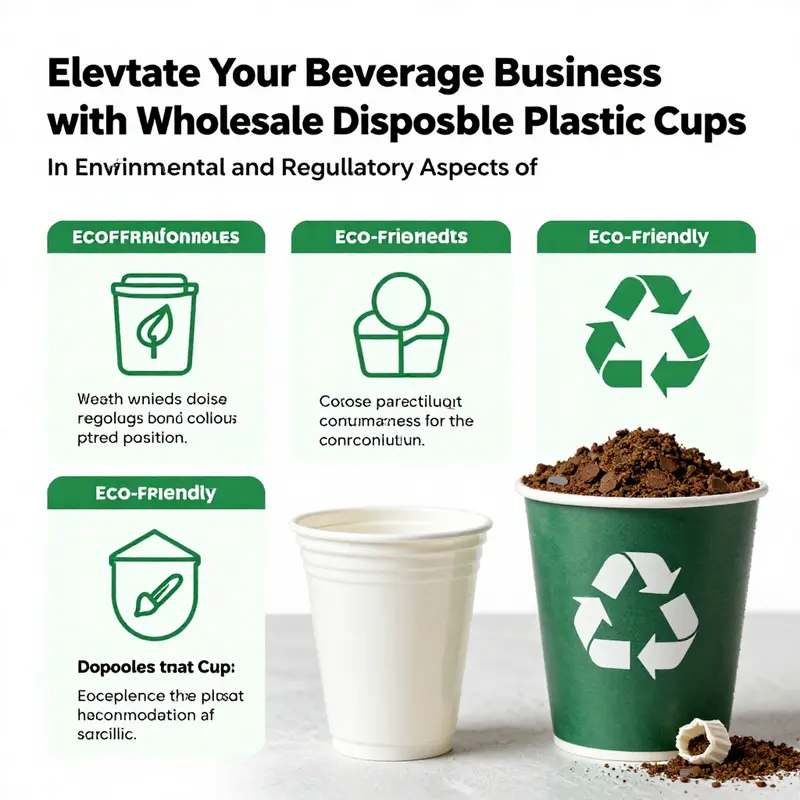
Across the Philippines, the market for wholesale disposable cups sits at the intersection of everyday practicality and rising environmental accountability. In a country where street-front beverage stalls, fast-food counters, and office cafeterias rely on swift, reliable packaging, the cup remains more than a container—it is a conduit for service speed, customer experience, and brand perception. Yet the very convenience that makes disposable cups indispensable is now being weighed against a mounting imperative to reduce plastic waste, protect recycling streams, and align packaging choices with local waste-management realities. The result is not a single policy shift but a gradual transformation shaped by regulatory signals, consumer expectations, and the deliberate work of wholesalers and manufacturers to adapt without sacrificing reliability or margins. This chapter traces how environmental and regulatory forces are reframing the wholesale disposable cup landscape in the Philippines and why that matters for the entire supply chain—from raw materials to end-of-life outcomes.
The regulatory narrative in the Philippines has increasingly signaled a pivot away from single-use plastics, a shift propelled by concerns about litter, marine debris, and the burden on municipal waste systems. At the center of this shift is a recognition that convenience cannot be the sole criterion for packaging decisions. While the National Solid Waste Management Commission has already targeted certain single-use plastics—such as bags and straws—the discussions around extending restrictions to cups are moving forward, though not yet codified into a nationwide ban. This regulatory ambiguity matters deeply for wholesalers who must forecast demand, secure supply, and avoid stranded investments. The practical takeaway is clear: the business environment is evolving toward stricter controls and more stringent expectations around what materials can be used, how they can be labeled, and how end users should dispose of them. In response, the market is gradually tilting toward materials and designs that promise better end-of-life outcomes or that simply align with anticipated policy directions.
This dynamic regulatory environment is one driver behind the rising prominence of paper-based and other biodegradable cup options in the wholesale market. As the shift unfolds, the comparative assessment of environmental footprints becomes essential—not only to satisfy regulators but to meet the expectations of brands, retailers, and consumers who want assurances that their purchases support sustainable practices. polypropylene (PP) cups, with their durability and low upfront cost, remain widely used because they perform well under typical beverage service conditions. Yet their non-biodegradable nature means they can contribute to long-lived pollution if disposed of in settings without robust collection and processing infrastructure. By contrast, paper cups made from renewable resources and lined with compostable coatings are increasingly marketed as more sustainable alternatives. The caveat, however, is that many of these paper-based cups are claimed to be compostable only under industrial conditions. In places where industrial composting is scarce or inconsistent, disposal may not occur in a manner that fully realizes the claimed environmental benefits. This layered reality—high performance in the shop, but uncertain end-of-life performance in the broader waste system—underlines the need for careful material selection that harmonizes regulatory intent with local waste-management capabilities.
Wholesalers and manufacturers are increasingly urged to look beyond material specs and toward the entire lifecycle of disposable cups. Life-cycle thinking forces an explicit reckoning with the trade-offs among durability, cost, and end-of-life outcomes. A lifecycle perspective reveals that even seemingly greener options can falter if disposal systems are uneven or inconsistent. In the Philippines, where municipal waste programs vary dramatically by city and region, the effectiveness of a “green” claim hinges on the actual disposal pathways available to consumers. In some places, households may lack access to facilities capable of industrial composting, recycling, or advanced waste treatment. In others, informal sector waste collectors and local recyclers may salvage certain streams, but only if the packaging materials are easily separable and clearly labeled. Therefore, material selection must account for what happens after the cup leaves the faucet, drive-through, or event space. This is not merely a technical challenge; it is a social and logistical one that wholesale buyers must understand to avoid misaligned expectations and wasted investments.
A critical implication for the wholesale channel is the growing importance of transparent, verifiable environmental claims. In the current climate, suppliers are expected to provide credible information about material composition, sourcing, and disposal options. In practice, this means a move away from broad, unsubstantiated green branding toward precise disclosures—what the cup is made of, how it is produced, and what end-of-life pathways are realistically accessible to consumers. For wholesalers, this translates into several concrete steps. First, prioritize monomaterial designs where feasible. When multiple materials must be combined, ensure the joining methods and coatings do not hinder recycling or composting streams. Second, adopt standardized packaging and labeling that reduce consumer confusion at the point of disposal. Third, collaborate with local waste-management stakeholders to understand which disposal routes are most viable in target markets, and tailor product lines accordingly. Each of these steps requires clear communication with customers—restaurants, convenience stores, event organizers, and institutions—so they understand the environmental implications of their packaging choices and can communicate those implications to their own patrons.
Within this broader regulatory and environmental context, the wholesale supply chain is beginning to embrace more sustainable customization options. The demand for personalized packaging is not being abandoned; rather, it is being reframed within a framework of environmental responsibility. Customization can still play a vital role in brand differentiation and customer experience, but it is increasingly paired with sustainability criteria. For example, shorter supply cycles for recyclable and compostable cup formats can reduce waste and lower the risk of obsolescence as regulations tighten. Some wholesalers are experimenting with takeaway packaging configurations that maintain aesthetic appeal while simplifying end-of-life processing. In practical terms, this means exploring cup sizes, coatings, and sleeve designs that stay compatible with existing waste-handling capacities while delivering the visual and functional attributes that brands seek. The exploration is not merely cosmetic; it reflects a deeper strategic shift toward packaging ecosystems where products are designed with recovery and reuse in mind, even in markets where formal take-back programs remain nascent.
To illuminate how wholesalers might navigate this shift, it helps to consider the practical dimension of material choice in a country with diverse waste-management realities. PP cups offer resilience for busy service environments, but their end-of-life implications escalate the need for robust disposal pathways. PLA cups, derived from renewable feedstocks, promise enhanced compostability under ideal conditions. Yet real-world performance hinges on the availability and reliability of industrial composting facilities, which can be uneven across provinces and municipalities. In regions with limited composting infrastructure, an industrially compostable claim may not translate into significantly reduced environmental impact. Paper cups, often backed by renewable fiber sources, also present an opportunity to streamline recycling streams if designed with compatible inner coatings and minimal adhesive complexity. The challenge is to balance the environmental benefits with the realities of local waste systems, ensuring that the chosen material aligns with what can actually be recovered or processed in the target markets.
The regulatory environment reinforces the need for wholesalers to embed compliance deeply into product development and procurement. The Philippine government’s solid-waste management framework emphasizes reduction, reuse, and proper disposal, with a growing emphasis on preventing litter and diverting waste from landfills. In practice, this means that wholesalers should build compliance into supplier selection, product development, and labeling practices. For instance, material declarations and compostability claims should be traceable and verifiable, and suppliers should be prepared to provide third-party test data or conformity assessments where available. Additionally, packaging should minimize the risk of contamination in recycling streams. This can include using water-based inks, avoiding multilayer laminates that complicate separation, and choosing coatings that do not impede recycling with common local facilities. It also means considering the physical design of cups to aid clean separation in waste streams—such as standardized sizes that align with available disposal infrastructure and easy-to-clean attributes that discourage residue buildup in drains or landfills.
From a business perspective, the shift toward sustainability in wholesale disposable cups brings both challenges and opportunities. On the cost side, alternative materials and more sophisticated supply chains can increase unit prices, particularly for paper and compostable formats. However, these costs are often offset by longer-term competitive advantages: enhanced brand reputation, alignment with regulatory expectations, and the potential for price premiums in markets that value sustainability. Moreover, wholesalers can differentiate themselves by offering bundled solutions that integrate packaging with end-of-life options. This might include partnerships with waste-management operators, educational materials for customers on proper disposal, or take-back programs that recover used cups for recycling or composting where feasible. When executed well, such collaborations can create value beyond the initial sale by fostering trust and consistency in service quality, two attributes that customers consistently seek in wholesale suppliers.
One practical consequence of the regulatory and environmental trajectory is the need for wholesalers to build stronger collaboration with customers and waste-management stakeholders. This collaboration can take multiple forms: sharing best practices for minimizing packaging, co-developing lower-impact formats, and supporting customers in communicating disposal expectations to end-users. The end result is not merely a more sustainable product line but a stronger, more resilient supply chain that can absorb regulatory shocks and shifting consumer preferences. In communities where formal take-back schemes are not yet robust, wholesalers can help bridge gaps with education and design that reduces contamination and promotes more workable end-of-life outcomes. This is not a theoretical exercise; it is a pragmatic response to the realities of how waste flows in a country with varied infrastructure and uneven access to formal waste services.
Interwoven with regulatory and environmental considerations is the broader social and economic context in which wholesale cups circulate. Small businesses, street vendors, and large beverage operations all rely on predictable, cost-competitive packaging. The challenge for wholesalers is to deliver packaging options that meet environmental criteria without sacrificing reliability, heat resistance, leak prevention, or ease of use. This balancing act requires thoughtful product engineering, careful supplier selection, and transparent communication with customers about what materials can and cannot do within their service models. It also invites wholesalers to think more holistically about the packaging system—how cups are produced, transported, used, and ultimately disposed of or recovered. In this sense, the wholesale cup market is moving toward a more integrated, ecosystem-oriented approach where product choices are made with explicit attention to end-of-life reality and regulatory intent.
To anchor this discussion in real-world practice, consider the role of a wholesale distributor that views customization as a value-add rather than a one-off gimmick. Such a distributor might present a curated range of cup formats that align with regional waste-management capabilities while offering brand-friendly aesthetics through careful choice of inks and coatings. They would also actively collect feedback from customers about disposal outcomes and adjust their offerings accordingly. For example, if a city neighborhood has a functioning recycling stream but limited composting capacity, the distributor might emphasize recyclable monomaterial options and straightforward labeling. If another area has stronger composting access, they could pilot compostable formats with clear guidance on end-of-life processing. In every case, the goal is to support customers in delivering consistent beverage experiences while reducing environmental impact and staying compliant with evolving policies. The internal link to supplier resources in this framework can serve as a practical bridge: custom-takeaway-packaging-supplies-disposable-tableware-for-theme-party to illustrate how customization can be harmonized with sustainability objectives and regulatory realities.
The regulatory and environmental currents described above underscore a broader truth: wholesale plastic cup suppliers in the Philippines are more than sellers of containers. They are stewards of a packaging system whose performance depends on clear standards, credible claims, and accountable end-of-life pathways. As the NSWMC and DENR continue to refine guidelines and as local waste-management capabilities evolve, the wholesale channel that remains adaptable and future-oriented will be best positioned to meet demand, satisfy regulatory requirements, and maintain operational resilience. The path forward involves transparent product disclosures, thoughtful design for recyclability and compostability, and collaborative models that connect packaging decisions with waste-management outcomes. It is a path that acknowledges the essential role of disposable cups in service excellence while recognizing that environmental responsibility is inseparable from business viability. The Philippines’ ongoing policy conversations and the practical shifts in materials and designs suggest a market that will continue to tighten the loop between production, consumption, and disposal—an evolution that wholesale distributors are uniquely placed to guide, implement, and benefit from as part of a broader commitment to sustainable packaging ecosystems.
External reference: For an official overview of the regulatory framework and current solid-waste management guidelines, see the government’s environmental portal: https://www.denr.gov.ph/.
Plastic Cups, Big Ripples: The Economic Pulse and Policy Pressures Shaping Wholesale Disposable Cups in the Philippines
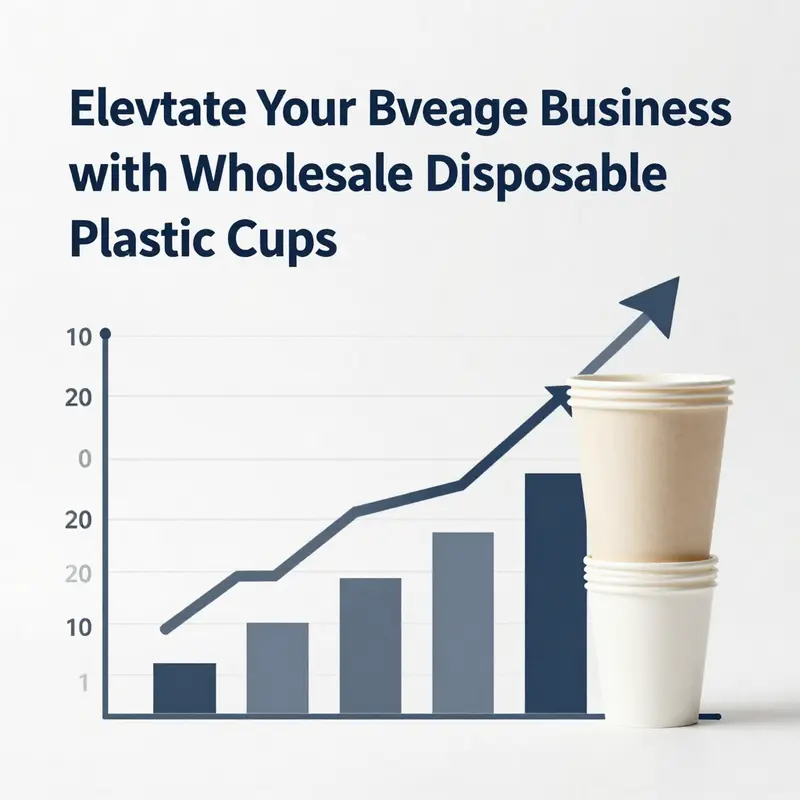
The wholesale market for disposable plastic cups in the Philippines sits at a complex crossroads where brisk service-industry growth meets mounting environmental urgency. On the supply side, wholesalers, distributors, and manufacturers knit together a dense, geographically dispersed network that keeps cafes, eateries, street vendors, and mobile stalls stocked with low-cost, reliable packaging. The demand signal comes from a vibrant foodservice sector that continues to expand across urban centers and provincial towns alike. In the near term, industry analysts project a notable expansion in volume and value, with estimates suggesting a high growth rate of around 11.78 percent through to 2027. That trajectory signals ongoing economic activity, job creation in logistics and warehousing, and the steady flow of capital through regional distribution hubs. Yet this is not a one dimensional story. The same market growth is increasingly scrutinized through the lens of environmental cost, regulatory risk, and the longer horizon question of economic resilience in a country exposed to climate-related disruptions and plastic pollution challenges. The tension between economic momentum and ecological constraints creates a dynamic that businesses must navigate if wholesale disposable cups are to remain a stable element of the country’s service economy.
The demand that sustains this market is deeply rooted in the day-to-day realities of foodservice. Cafes, quick-service outlets, and a broad array of informal vendors rely on packaging that is inexpensive, portable, and convenient. In cities where coffee culture has become a staple and street food vendors crowd markets at dawn and dusk, the ability to offer grab-and-go beverages or ready-to-serve snacks hinges on an accessible supply of single-use cups. The wholesale model responds to this need with scale, enabling small operators to purchase in bulk, buffer stock in modest backrooms, and price their offerings competitively. This configuration supports thousands of micro-entrepreneurs who might otherwise struggle to secure affordable packaging through smaller, ad hoc purchases. The market thus acts as a crucial connective tissue in the service economy, linking consumer demand to a chain of suppliers, transporters, and local manufacturers that collectively animate daily commerce across the archipelago.
The economic logic that underpins the sector rests on several converging forces. First, the cost-per-unit advantage of bulk procurement translates into lower operational costs for individual outlets. This is particularly meaningful for low-margin businesses that rely on high-volume sales. Second, standardization—most cups are designed to fit ordinary beverage sizes and cup holders—reduces waste, simplifies inventory management, and minimizes the risk of stockouts during peak hours. Third, the wholesale channel allows smaller players to compete with larger brands by offering predictable pricing, steady supply, and accessible credit terms that smooth cash flows in busy seasons. Collectively, these factors generate steady employment in warehousing, logistics, sales, and janitorial or maintenance roles that support the packaging ecosystem. The economic symbiosis is tangible: more efficient packaging translates into faster service, higher customer turnover, and the potential for a broader footprint for small businesses that might otherwise operate at the margins.
Within this industrial tapestry, the wholesale plastic cup market also enables a range of value-added activities that help small operators differentiate themselves. For example, some buyers use bulk purchases to implement branding strategies at a manageable cost, leveraging simple customization or color options to create a recognizable customer experience. The broader implication is a service sector that can scale with consumer demand while remaining accessible to start-ups and micro-enterprises. Yet the same scale that underpins affordability can also intensify environmental and social externalities if waste management and end-of-life handling are not adequately integrated into business models or policy frameworks. This is where the twin pressures of policy reform and corporate responsibility enter the narrative.
Environmental and policy dynamics are not distant observers in this chapter; they are active forces shaping market viability. The Philippines faces a well-documented plastic pollution challenge, with land-based sources contributing substantially to marine litter. Marine plastic accumulation and riverine pollution have drawn international attention, underscoring the need for reforms that align economic activity with sustainable waste management and circular economy principles. The UNEP report Turning off the Tap highlights how policy shifts and market transformation can dramatically reduce plastic pollution, projecting meaningful global reductions through coordinated action by governments, businesses, and consumers. While the Philippines is uniquely exposed to these pressures, the pathway toward reform resonates beyond borders. The market’s long-term viability depends on how decisively regulatory frameworks, waste infrastructure, and consumer behavior pivot away from single-use paradigms toward reusable, recyclable, or biodegradable alternatives. In this sense, the financial performance of wholesale plastic cups is inseparable from the health of the broader environmental and regulatory landscape.
The economic costs of inaction are nontrivial. When waste accumulates in urban drainage networks and coastal zones, the downstream effects include clogged waterways, flood risk, and increased municipal expenditure on cleanup and waste management. These costs can erode the short-term profitability that accompanies low cup prices and high-volume sales. In addition, policy risk looms as governments intensify plastic-use restrictions, impose fees on non-recyclable packaging, or require extended producer responsibility schemes. For wholesalers and their downstream customers, such shifts would alter the cost structure and could necessitate changes in procurement strategies, inventory management, and supplier diversification. The long-run economic calculus thus extends beyond immediate purchase prices to include lifetime costs associated with waste handling, regulatory compliance, and reputational considerations tied to sustainability performance.
Within this overarching frame, the sector’s resilience will hinge on its ability to adapt to a rapidly evolving policy milieu and changing consumer expectations. A practical adaptation path includes diversification toward more sustainable packaging formats, such as biodegradable or compostable alternatives, alongside investments in recycling and waste separation initiatives at the local level. The idea is not to abandon the current scale and reach of wholesale cups but to reframe the business model so it can ride the transition rather than be overtaken by it. This requires collaboration across the supply chain: manufacturers exploring materials with lower environmental footprints, distributors building capacity to handle new product lines, retailers informing customers about disposal options, and policymakers creating predictable, supportive frameworks for the transition. In such a scenario, wholesale plastic cup buyers become informed buyers and critical partners in a broader shift toward circular economy practices that preserve service economy vitality while reducing ecological impact.
A crucial element of sustaining profitability in this evolving landscape is recognizing the role of consumer and operator behavior in shaping waste generation. In practice, the same convenience that underpins demand also drives waste streams. Operators may be drawn to the lowest-cost options without accounting for end-of-life costs, while consumers may prioritize price over environmental considerations. The challenge for the wholesale segment is to align incentives so that price, convenience, and sustainability cohere. This alignment may manifest as demand for higher-quality packaging that reduces leakage and breakage, more predictable disposal guidelines, and clearer labeling that facilitates recycling or composting. It may also involve bundling packaging with post-use services, such as take-back programs or partnerships with local waste management entities, to minimize the ecological footprint of the packaging used in everyday transactions.
The narrative is enriched by concrete observations from the ground. In many urban centers, wholesalers report steady demand driven by busy coffee houses, snack bars, and casual dining concepts that emphasize speed and reliability. In provincial markets, smaller operators rely on predictable supply and straightforward logistics to maintain service levels in environments where storage space is limited and transport routes are dispersed. The network effects are real: efficient procurement and reliable delivery enable price stability and competitive service levels that empower small businesses to reach more customers. However, the same network can become a bottleneck if waste facilities lag behind supply growth or if regulatory requirements impose steep compliance costs. The tension between scale and sustainability is therefore not a mere theoretical concern; it is a practical factor that can influence the fate of wholesale packaging in different localities and market segments.
The strategic question for stakeholders is how to balance immediate economic benefits with long-term environmental stewardship. One path lies in embracing reusable or more sustainable alternatives while maintaining affordable access for small operators. This is not about abrupt replacement but about gradual transition bolstered by policy incentives, public-private partnerships, and targeted investments in waste infrastructure. For the wholesale sector, the implication is a need to diversify product assortments, invest in new materials, and build partnerships with customers who are prioritizing sustainability. It also means engaging in transparent reporting on waste outcomes, collaborating with municipalities on collection programs, and supporting education campaigns that guide businesses and consumers toward responsible disposal practices. In the Philippines, where informal waste sectors and municipal systems intersect, such collaboration can unlock efficiencies and unlock broader social value, including improved local health outcomes and enhanced urban livability.
The broader literature and policy discourse reinforce a cautious optimism about the sector’s trajectory. The UNEP analysis emphasizes that coordinated action across policy, markets, and consumer behavior can unlock substantial reductions in plastic pollution. While the economic benefits of wholesale disposable cups are substantial in the short term, the chapter’s synthesis points to a necessary recalibration—an evolution from a single-use, low-cost paradigm toward a more integrated waste-management and circular-economy approach. In practical terms, this means designing procurement strategies that factor in end-of-life costs, selecting materials with higher recyclability or lower environmental burden, and pursuing collaborative plans with local authorities to strengthen waste separation, collection, and recycling capacity. It also means recognizing that the long-term profitability of the wholesale packaging sector depends not only on price and volume but on the societal value derived from cleaner waterways, healthier ecosystems, and resilient urban infrastructure.
To illustrate the lived reality of this transition, consider the following reflection on the intersection of market growth and policy reform. The service economy continues to press for affordable, efficient packaging as a backbone of daily commerce. Yet policymakers are increasingly attentive to the externalities of that packaging, pressing for measures that curb plastic leakage and encourage sustainable alternatives. The resulting policy environment can shift the risk-reward calculus for wholesalers and buyers alike. In the near term, robust demand supports employment and regional economic activity. In the longer term, the same sector may need to absorb higher costs or reconfigure its value proposition to align with environmental and public health priorities. The most resilient path blends market discipline with social responsibility: continued access to affordable packaging for small businesses, coupled with deliberate investments in waste management capacity and sustainable material options that reduce long-run costs to communities and the economy.
As a closing reflection, the chapter emphasizes that wholesale disposable cups are more than a transactional link in the service chain. They are a bellwether for how a growing economy negotiates the twin demands of affordability and sustainability. The capacity to maintain service levels while reducing environmental harm will hinge on deliberate, coordinated action across business, government, and civil society. The chapter thus invites readers to consider not only what drives growth in cup demand but what sustains value in the long run: cleaner cities, healthier ecosystems, and a more resilient economy that can thrive in a future where circularity is no longer an option but a standard. For readers seeking a concrete example of product formats in the packaging ecosystem, one product page illustrating a common disposable format is available here: disposable-clear-plastic-cup-outdoor-picnic-pet-cup-drinking-cup-for-parties-birthdays-weddings-camping-utensils. This page demonstrates the simplicity and versatility that have underpinned both the market’s growth and its ongoing debates about sustainability.
In sum, the economic impact of wholesale disposable plastic cups in the Philippines is a story of growth tempered by risk. The sector already underwrites vital portions of the service economy, enabling countless small operators to reach customers quickly and cost-effectively. At the same time, the accumulating environmental costs and shifting policy expectations require a recalibration of how packaging is sourced, used, and disposed. The path forward will likely involve a blend of continued market activity and strategic transitions toward materials and systems designed to minimize ecological harm while preserving the accessibility that small businesses rely on. The transition is not a retreat from economic momentum but a reorientation toward a more sustainable, circular approach that can sustain both livelihoods and landscapes. External insight from the UNEP report reinforces the magnitude of the opportunity: policy and market transformations can meaningfully reduce plastic pollution and, in doing so, support a healthier, more resilient economy in the Philippines and beyond.
Final thoughts
Wildly used in various beverage sectors, wholesale disposable plastic cups are more than just containers; they are key components driving business success. By understanding the market dynamics, identifying the right suppliers, acknowledging environmental responsibilities, and recognizing the economic implications, beverage retailers can enhance their service offerings significantly. Takeaway insights from this article underscore the importance of thoughtful sourcing and the alignment of products with customer expectations and operational needs.