
White plastic disposable bowls are increasingly essential in various food service environments, from bustling restaurants to intimate catering events. Their practicality is underscored by their material choices, chiefly polypropylene (PP) and polystyrene (PS), each offering unique advantages that cater to different culinary needs. Throughout this article, we will explore the specific benefits of PP and PS bowls, current market trends influencing consumer choices, ongoing environmental challenges, and their significance within the restaurant and catering industries. Each section will enhance your understanding of how integrating these bowls into your operations can elevate service while addressing sustainability.
Heat, Hygiene, and Hurry: The Practical Narrative of Polypropylene White Disposable Bowls
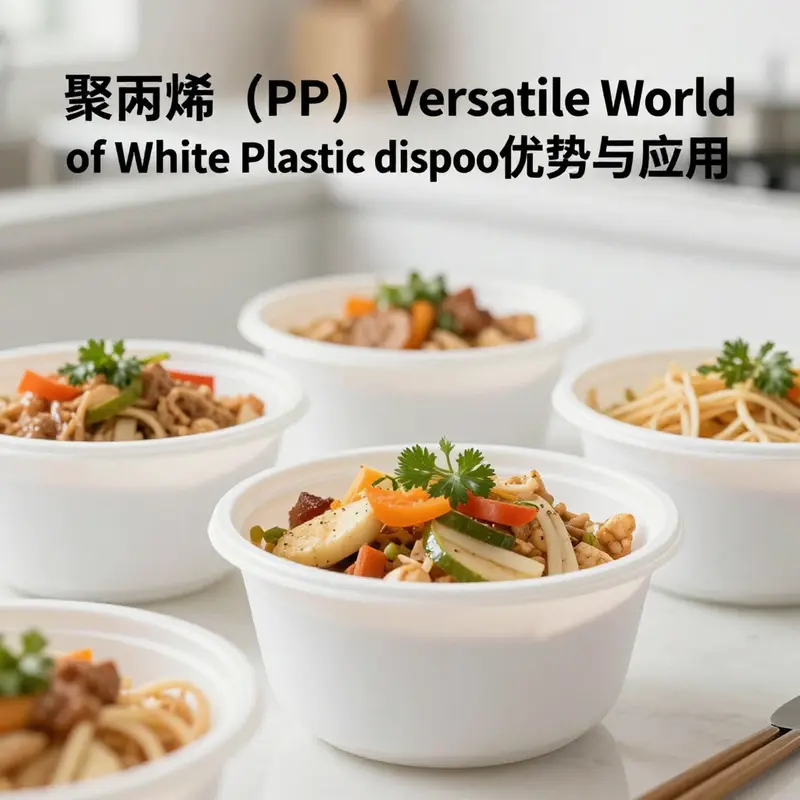
Polypropylene white disposable bowls are more than a convenience in a package. They are a quiet infrastructure of modern eating, a simple piece of tableware that quietly enables speed, safety, and a certain kind of everyday reliability. In the clamor of meals that arrive hot from a kitchen, stand at a buffet line, or sit on a school tray, PP bowls carry a promise: you can trust them to hold a portion without leaking, you can reheat or chill without fear of degradation, and you can move from the kitchen to the dining area with minimal fuss. The core appeal rests on a triad of properties: heat resistance, food safety, and practical durability. These tails of performance, stitched together, explain why PP bowls occupy a central place in the fabric of commercial dining, takeout, and everyday home use alike. Their story intertwines with the priorities of chefs, service staff, and busy families who value speed and reliability as much as safety and affordability.
At the heart of polypropylene’s appeal is its heat tolerance. Polypropylene, as a family, can withstand high temperatures and remains dimensionally stable under stress. In practical terms, a white PP disposable bowl can shoulder foods that arrive steaming from the kitchen, foods that are kept in warm display, and even meals that are briefly reheated in a microwave to bring leftovers back to life. The material’s resistance to heat translates into two concrete benefits. First, it reduces the risk of softening or deforming when hot liquids meet the container’s walls. Second, it allows safe microwave use within typical consumer limits, so diners can nuke a portion without having to transfer to a more robust dish. That capability is especially important in fast‑casual contexts, where speed and turnover hinge on the ability to reheat food quickly and safely, without introducing extra steps or risk. In practical terms, many PP bowls are engineered to handle temperatures that comfortably exceed normal hot-dish temperatures, which means they can hold soup, sauce-heavy dishes, or gravies without compromising the integrity of the container.
This heat resilience sits alongside a stabilizing safety profile. Polypropylene itself is a food-grade plastic that does not impart an off-taste or odor to its contents, and it is widely recognized as suitable for direct food contact. The standard practice in the industry is to certify that molded PP bowls meet referenced food-safety standards, ensuring that the container itself does not become a source of contamination or unwanted flavors. For institutions such as school cafeterias or hospital kitchens, this assurance matters as much as any cooking process. The absence of toxic migration is a cornerstone of consumer confidence when bowls are used for a range of meals, from hot soups to cold salads. In addition, the lightweight nature of PP contributes to a noted efficiency in logistics and service flow. When a staff member can lift and carry stacks of bowls with ease, the risk of accidents diminishes, and service can accelerate without compromising safety.
The end-of-life and environmental narrative around PP bowls has become a more nuanced thread in the broader story of disposable tableware. Polypropylene is categorized among the recyclable plastics, typically identified as #5. This designation points toward a recycling stream that, in many communities, is accessible but not universal. The practical implication is twofold: disposal choices shift with local recycling infrastructure, and manufacturers increasingly explore ways to broaden the lifecycle of PP. Some producers emphasize recyclable content, while others experiment with reformulations that improve recyclability or reduce overall environmental impact. It is important to acknowledge that, while PP is widely recyclable, actual recycling rates depend on regional facilities and consumer participation in proper sorting and cleaning. Against this backdrop, many suppliers also discuss the potential for post-consumer recycled content, which aligns with evolving consumer expectations around sustainability. Yet the most reliable pathway remains straightforward: patrons should rinse and segregate PP bowls after use, then place them into the appropriate recycling stream where available. In this sense, PP bowls become a practical bridge between the convenience of disposables and the responsibilities of waste management.
The breadth of applications for PP white disposable bowls extends across the spectrum of foodservice and beyond. In fast-food and takeout settings, their light weight makes them ideal for single portions of soups, noodles, stews, and gravies, while the containers retain their shape and resist leakage under normal handling and transport conditions. The ability to seal with a lid and stack efficiently means kitchens can pre-pack meals for delivery or for self-service stations with a minimal risk of spill or mess. In schools and hospital cafeterias, the bowls facilitate portion control and hygiene in high-volume service environments, where quick distribution and easy consumption are essential. Large-scale events and conferences benefit from the bowls’ durability relative to their cost, enabling buffered service lines and buffet stations that can accommodate thousands of servings without frequent container failures. In the context of tourism and remoteDining experiences, disposable bowls provide the light‑yet‑reliable ware that travelers expect, where logistics and portability can dictate the success of a food program. The common thread across these scenarios is the combination of reliable heat tolerance, safe contact with food, and a price that makes bulk purchasing feasible for institutions and event planners alike.
A critical part of this narrative is the everyday decision by kitchens and households to choose polypropylene for its practical advantages over alternatives. The translucent or opaque white finish of PP bowls communicates cleanliness and simplicity, a visual cue that aligns with the expectations of most diners. They pair well with a wide range of sauces, spices, and ingredients, and they remain visually appealing even after holding hot dishes. In contrast, other materials—such as certain forms of polystyrene—tend to be chosen for different reasons, such as lower cost or better clarity for cold foods. The trade-offs are understood within professional kitchens: while PS may offer crisp transparency for certain cold foods and desserts, its heat tolerance is often insufficient for hot meals or for extended microwaving, and its environmental footprint tends to be a more persistent concern in public discourse. In the PP spectrum, the balance of heat resistance, safety, durability, and recyclability creates a compelling case for a broad spectrum of use cases, from a simple lunch service to an event catering scenario.
As demand for responsible sourcing and green chemistry grows, the PP narrative also intersects with ideas of stewardship and lifecycle optimization. Some manufacturers pursue recyclable PP with recycled content, aiming to close the loop in a circular economy. Others explore the design of multi-use or reusable options that retain the familiar PP properties while extending the lifespan of the container. In practice, these efforts can reduce waste and support brand commitments to sustainability without sacrificing the operational benefits of disposables. It is essential to keep expectations grounded: even with recycling and repeated use, many PP bowls remain disposable by design, and their ultimate disposal depends on how communities collect and process packaging streams. Yet the direction is clear. The industry sees opportunity in making PP bowls not just a default choice for convenience, but a responsible option that aligns with evolving consumer values around waste, resource use, and environmental impact.
The broader ecosystem of disposable tableware, including PP bowls, exists within a dynamic market that recognizes the realities of supply chains, demand patterns, and consumer lifestyles. The convenience of a disposable vessel should not obscure the attention it requires to ensure safety, efficiency, and sustainability. For brands and venues that aim to balance speed with responsibility, the PP bowl offers a workable foundation: a container that can keep hot foods hot, that minimizes spills, that is safe for contact, and that can be integrated into recycling or recovery streams where systems exist. The conversation extends beyond the container itself to the surrounding packaging and service strategy. In this sense, selecting PP bowls is not merely a procurement decision; it is a statement about how an operation values efficiency, customer experience, and environmental accountability at the point of service.
For teams exploring how PP bowls fit within broader disposable-tableware ecosystems, there are practical avenues to consider. One pathway is to view PP bowls in the context of customizable take-away packaging solutions that extend brand identity and menu experience. This approach invites a holistic look at how containers interface with lids, sleeves, and branding elements to create a cohesive, efficient service model. To explore such options, consider resources that showcase how take-away packaging and theme-party tableware can be integrated into a single, coherent package without sacrificing the benefits of polypropylene’s performance. This perspective helps bridge the convenience of disposables with the operational needs of busy service environments. custom take-away packaging supplies disposable tableware for theme party
In sum, polypropylene white disposable bowls stand as a practical embodiment of modern dining where speed, safety, and affordability meet responsible packaging considerations. They are not glamorous showpieces but reliable workhorses that support a wide range of meals, from the humblest lunch to the most elaborate catering event. They offer a dependable heat tolerance, maintain food integrity, and adapt to the realities of high-volume service. They also participate in a broader conversation about sustainability through recycling and the evolving design of disposables that aim to minimize environmental impact while preserving the conveniences that customers and operators rely on daily. As shopping patterns, delivery models, and dining formats continue to evolve, the PP bowl remains a durable constant in the pantry of contemporary foodservice—a small, unassuming vessel with outsized practical value.
External resource: https://www.plasticsEurope.org/en/industries/food-and-beverage
脆亮外表下的边界:聚苯乙烯白色一次性塑料碗的特性与使用限制
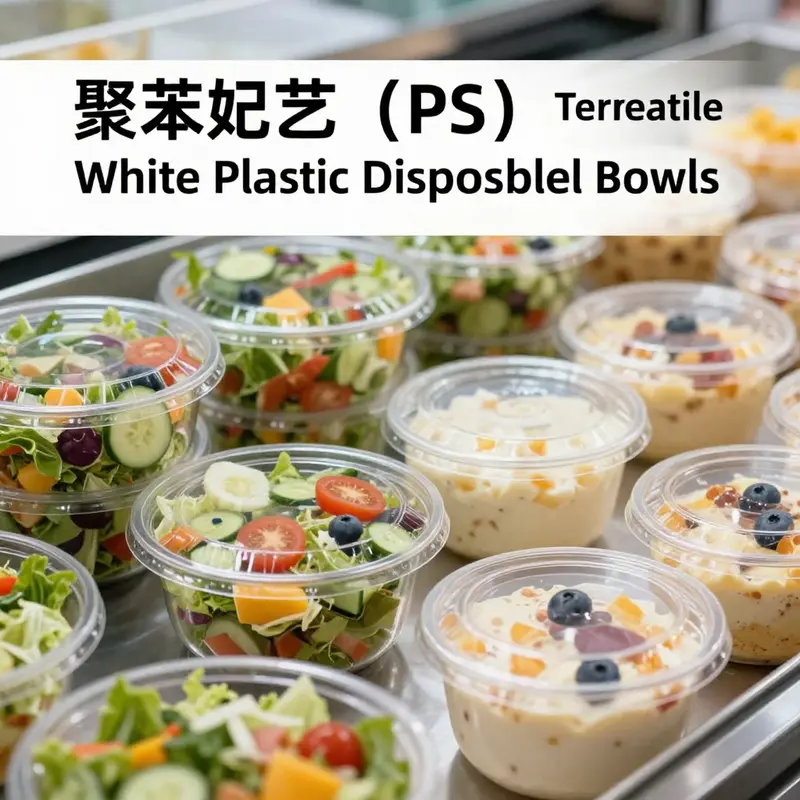
聚苯乙烯(PS)白色一次性碗在餐饮场景中并不少见,它们以低成本、易加工和相对硬挺的结构特征而广泛被选用。包装与餐饮行业对这类碗的青睐,往往来自它们在冷食、甜品、零食等场景中的清洁光泽与直观的呈现效果。晶莹的表层、线条分明的轮廓、以及白色的统一外观,使它们在视觉上给人一种干净、简约的印象。这种外观和质感并非偶然,聚苯乙烯的分子结构赋予了碗体较高的刚性和良好的表面光泽,适合快速成型和批量生产,同时也使得成本在大宗采购中保持竞争力。 使用PS碗的场景多集中在冷食、沙拉、甜点、零食与部分低温饮品的分装。因为材料本身在室温下对水、无机酸(在一定浓度内)、盐类、植物油等具有较好的抵抗性,这让它在日常短期存放中显得稳定可靠。与此同时,PS碗的外观与成型工艺也使它们在购物场景、婚礼、派对以及户外活动中容易被消费者快速识别和接受。 然而,这种“性价比极高”的组合也伴随着一系列需要认真权衡的使用边界。首先,PS的耐热性并不高。尽管有资料提到玻璃化转变温度高于100℃,实际使用中,碗体在温度接近75℃时就会逐渐变软、失去刚性,超过此温度的热食品更容易使碗体出现变形甚至内部材料的迁移。在日常操作中,这意味着热汤、热粥、热面条等高温食物并不适宜盛放于PS碗中,更不可用于微波炉加热,因为微波炉的高温环境会促使苯乙烯单体的迁移和释放,长期暴露于这类环境中对健康存在潜在风险。为避免此类风险,餐饮单位往往采取明确的温控策略,确保高温食品仅使用耐热材料容器,减少对顾客健康的潜在影响。 另一项需要留意的特征是化学稳定性在不同环境中的变化。PS在常温条件下对水、一定浓度的酸、盐、醇类和植物油表现出一定程度的耐受性,但在光照、氧气和热量共同作用下,材料会逐步老化,表现为表面泛黄、透光度下降以及细小裂纹的出现。这些变化不仅影响美观,也可能对食品的呈现与密封性能产生影响。出于安全考虑,PS碗设计为一次性使用,重复使用、重复蒸煮或高温消毒会进一步提高有害物质迁移的风险,因此应严格遵循一次性使用原则。 当监管机构对餐具材料提出要求时,PS碗在某些应用场景中被限定在低温和短时使用范围内;对于发泡聚苯乙烯(EPS)材料,耐热性更差,行业已逐步淘汰,PS在特定场景仍可使用,但须严格避免高温、强酸碱环境以及重复使用。若碗体出现明显变形,应立即停止使用,以避免对食品安全和消费者健康带来额外隐患。 以上的使用边界并非单纯来自材料本身的技术限度,也来自对公共卫生的责无旁贷的预防性态度。对经营者而言,选择PS碗时需要清晰地界定“何时使用、在何种条件下避免使用”,并且对供应链的温控、运输和储存方式进行严格控制,以确保碗具在处置前的状态保持在安全范围内。这一切都指向一个核心事实:虽然PS白碗在成本与加工便利性方面具备明显优势,但它的耐温性、化学稳定性以及可回收性等方面的限制,决定了它并不是无条件的万能容器。 在考虑替代材料时,零售与餐饮业往往关注的是同类功能是否能以更低的健康与环境风险实现。比如,相对于PS碗的一致性光泽和较高的耐塑性,某些非发泡、纸基或复合材料的容器在可回收性、耐热性和微波安全性方面可能提供更稳妥的选择。为了帮助消费者和业界理解不同材料的取舍,一些资源也开始强调在实际操作中对食品温度、食品类型以及加工过程的匹配程度。对比之下,PS碗在冷食和低温场景中的表现依旧稳健,但在任何涉及热物料、油脂环境或长时间暴露的场景中都应谨慎处理。 此外,环境与监管维度也值得关注。聚苯乙烯作为一种非生物降解材料,对环境的长期影响不容忽视。微塑料的生成、回收途径的复杂性以及资源回收体系的局限性,都使得PS碗的环境成本成为食品服务行业需要权衡的因素。鼓励消费者选择更环保的替代品、推动餐饮业对材料的全生命周期评估,以及完善回收体系,都是减少环境负担的重要路径。 对于普通消费者而言,理解这些边界有助于在家庭日常场景中做出更安全的选择。冷饮、沙拉、甜品以及短时保存的食品可以在合适的条件下使用PS碗,但若涉及热食品、油脂较高的食品、或需要重新加热的场景,选择耐热、可安全微波处理或可重复使用的容器则是更谨慎的做法。社区层面的教育与信息传播也十分关键,尤其是在家庭聚会、外卖包装和日常家庭餐具管理中,明确区分不同材料的适用性,能显著降低健康风险和环境负担。 为了帮助读者将理论转化为可执行的实践,本文在本文中的讨论也呼应了对替代材料的探索。若希望了解与PS碗不同材料在具体场景中的应用潜力,可以参考涉及无纸材料与可降解方案的替代选项,以及相对更广泛的包装材料选择,您可以通过以下链接了解更多关于无纸材料汤容器的信息,并获得实际采购建议 disposable kraft paper soup containers with lids。 需要强调的是,选择任何材料时都应综合考虑食品安全、使用场景、成本与环境影响的综合平衡,避免因追逐单一指标而忽视潜在的健康或环保风险。 在当前的知识框架内,聚苯乙烯白色一次性碗的最佳定位是作为低温、短时、冷食或非油脂性食品的便捷载具,同时对高温食品、微波加热以及重复使用保持警惕。通过对材料特性的清晰认知,以及对使用情境的精准匹配,餐饮从业者与家庭用户都能够在保障食品安全的前提下,充分发挥PS碗的高性价比优势。 进一步的权威信息和监管要点可参考相关官方提示,以获取更完整的行业指导与最新合规要求。 官方权威信息可以在以下资源中找到,以帮助你理解一次性餐具的选购与使用要点:https://scjgj.gz.gov.cn/zwgk/tzgg/content/post_10675948.html
Turning the Tide: Policy and Preferences Reshape the World of White Disposable Bowls
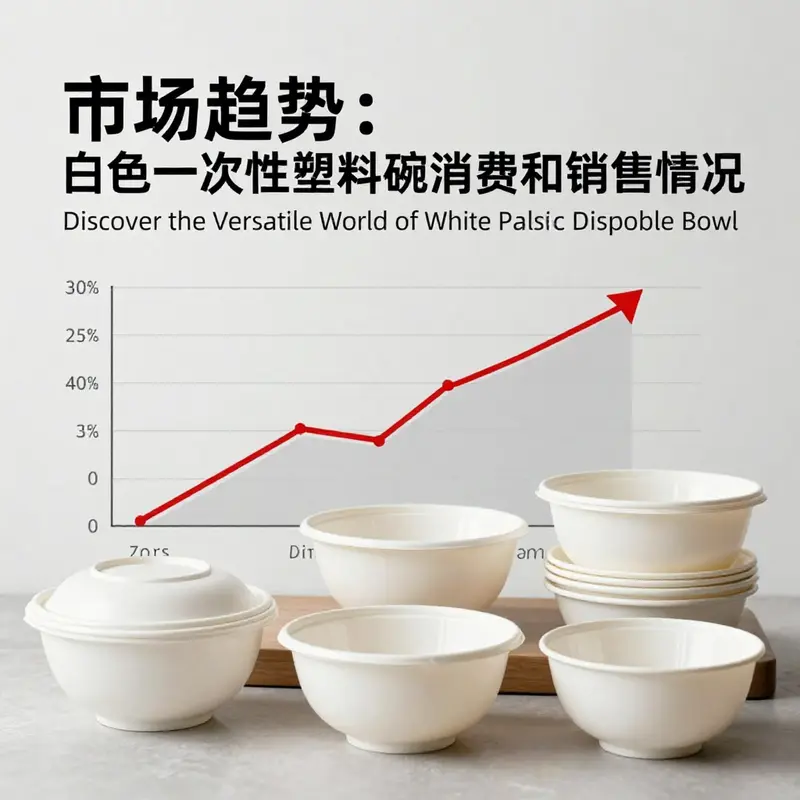
White plastic disposable bowls have long held ubiquity in kitchens, party halls, and takeout counters, prized for lightness, durability, and low cost. Most bowls derive from two thermoplastics: polypropylene (PP), valued for heat tolerance and resilience, and polystyrene (PS), including foam variants that offer a bright white appearance and light weight while raising concerns about heat tolerance and end-of-life management. PP bowls tolerate heat up to roughly 160°C (320°F) and resist cracking and leakage, and PS foam is inexpensive for cold dishes but presents more limited recyclability and higher environmental risk. Policy has become a visible force shaping how these bowls are produced, used, and disposed; for example, in 2021 China restricted non-degradable foamed plastic utensils, signaling a broader move away from disposable foams toward materials with clearer end-of-life pathways. Even where local variations exist, the trajectory emphasizes recycling, composting, or biodegradation and encourages stakeholders to rethink lifecycle costs and post-use outcomes. Against this backdrop, consumer demand has shifted toward substitutes that promise lower environmental impact, including degradable plastics such as polylactic acid (PLA) and other bio-based materials. In 2024, disposable meal packaging volumes remained large, but the share of products designed for recyclability and compostability grew, and analysts expect continued movement away from non-degradable foams by 2025 in many markets, narrowing space for traditional white PS and PP bowls in some segments while expanding options designed for modern waste streams and branding narratives. Market dynamics also reflect practical realities: online ordering and off-premise dining require packaging that travels well, keeps food safe, and presents a clean, trustworthy appearance, while end-of-life messaging and transparency about recovery influence supplier design. For kitchens and households, the implication is pragmatic: PP-based bowls deliver heat resilience and durability, but rely on reliable collection and processing chains, while PS foam faces tighter waste-stream constraints and greater scrutiny over its end-of-life treatment. Ultimately, the white bowl story is about aligning daily choices with a more circular economy: production, use, and post-use fate are considered together, shaping product portfolios, brand narratives, and the policies that influence waste management and consumer behavior.
Beyond White Convenience: Reimagining the Sustainability of Disposable Bowls in a Circular Economy
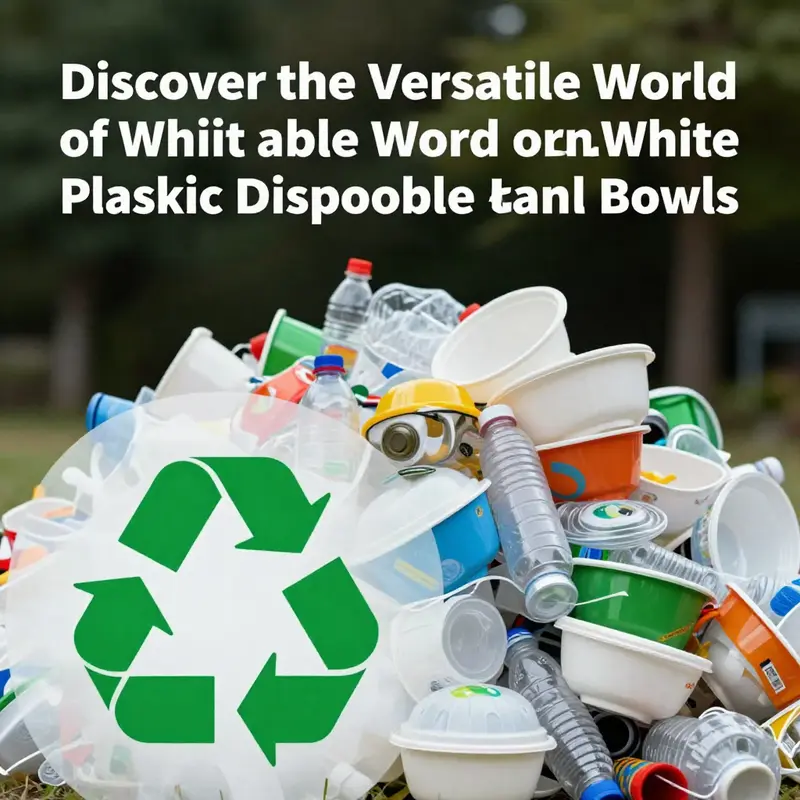
White plastic disposable bowls are a familiar fixture in kitchens, catering spaces, and home gatherings. Their appeal is pragmatic: a clean white surface signals neutrality and hygiene, a smooth edge promises ease of eating, and a lightweight shell keeps delivery and cleanup simple. But as the curtains rise on the environmental stage, the same bowls reveal a more complex performance. The very properties that make them convenient—low cost, clear visibility of contents, and moisture resistance—also anchor a heavier footprint once the meal is finished. The tension between everyday utility and long-term ecological consequences does not resolve itself with a single material fix. Instead, it invites a broader, systems-level approach that weighs materials, waste streams, consumer behavior, and policy design in a single, integrated frame. In this chapter, the focus moves from the visible benefits of white disposable bowls to the subterranean dynamics that determine their sustainability—how they are made, used, discarded, and potentially reimagined within a circular economy.
The material choices behind white disposable bowls matter as much as their everyday function. Polypropylene, a common thermoplastic for hot foods and microwavable applications, offers robust heat tolerance and impact resistance. It can withstand temperatures up to around 160°C (320°F) and often carries a food-grade assurance through quality certifications. In practice, such bowls are designed to perform under the rigors of busy commercial kitchens, lunch breaks, and takeout service, where quick turnover and reliability trump ornamentation. Yet even within the PP family, there are trade-offs: recyclability varies by jurisdiction, and while PP is considered recyclable in many systems under the resin code #5, the presence of food residues, lids, and labels can complicate sorting and processing in curbside programs. By contrast, polystyrene bowls tend to be cheaper and provide excellent clarity, making them appealing for cold foods and desserts. Their lower heat resistance and potential health concerns under high-fat or high-heat conditions, together with a perception of greater environmental persistence, steer many guidance documents toward caution when PS is used for hot or greasy applications. The practical upshot is that the very behavior of these bowls—what they carry, how hot the contents get, and how they are collected after use—feeds into a larger calculus about resource use, emissions, and end-of-life outcomes.
In everyday terms, the environmental story of white disposable bowls is inseparable from the broader phenomenon of what researchers and policymakers call plastic waste pollution. The term often overlaps with notions of “white pollution,” a colloquial shorthand for non-biodegradable litter that accumulates in soils, waterways, and urban landscapes. When disposal systems fail to capture and treat these items effectively, they become part of a long, silent trail that can persist for centuries. During that residence in the environment, plastics can fragment into microplastics, and some degradation pathways may release additives or surface contaminants that raise questions about ecological and human health risks. Even when bowls are diverted to recycling streams, the outcome is not guaranteed. Recycling infrastructure varies widely, and the quality and purity required for mechanical recycling depend on consistent sorting, cleaning, and downstream market demand for recycled resin.
The search for sustainability has spurred interest in biodegradable and bio-based alternatives. Polylactic acid (PLA) and other bio-based polymers promise faster decomposition under certain industrial composting conditions. In theory, such materials reduce the long-term environmental burden by aligning end-of-life with specialized composting ecosystems. However, the real-world sustainability of bio-based, biodegradable options is conditional. Industrial-scale composting facilities are not universally available, and improper disposal in natural environments can render the intended benefits moot. Even when composting is feasible, the production of bio-based materials often requires substantial agricultural inputs, including crops like corn, which raises concerns about resource use, land competition, and potential conflicts with food security. Moreover, some bio-based materials can still generate microplastics during the degradation process or fail to disintegrate fully if composting conditions are not met. These complexities demonstrate that the sustainability of alternatives is not a straightforward substitution but a nuanced evaluation of supply chains, farm inputs, and the realities of waste management, all of which vary across regions and times.
A more systemic route to sustainability emerges when we view disposable bowls through the lens of the circular economy. The circular model asks not only what material is used but how products are designed, how they circulate, and how end-of-life is recovered. In practice, this means designing bowls for repeated use, repair, and easy sanitation; establishing collect-and-return schemes or shared-use networks that minimize single-use consumption; and investing in recycling or composting pathways that can handle streams of food-contact packaging without contamination. It also means aligning consumer incentives with environmental outcomes. A deposit-refund approach, for instance, or a convenient take-back program can encourage people to return bowls for cleaning and refilling rather than discarding them, shifting behavior from disposability toward durability.
Yet moving toward reuse and recycling requires more than hopeful intentions. It requires careful attention to the product’s physical properties, which govern its performance across multiple cycles. Reusable or semi-reusable bowls must withstand repeated washing, maintain their integrity through microwaving or freezing, and resist deformation and staining. They should be designed to minimize cleaning energy and water use while guaranteeing food safety in each use. This design philosophy often pushes away from the most basic, single-use formats toward modular systems that can adapt to diverse service contexts—from street-food stalls to hospital cafeterias—without sacrificing performance or safety. And as with any design choice, trade-offs persist. Heavier, thicker plastics may endure reuse better but demand more material and energy upfront; thinner, cheaper materials may incur higher replacement rates, offsetting any perceived savings.
The policy and behavioral context shapes how these technological choices play out in the real world. Governments around the world have introduced strategies to curb plastic waste, from outright bans to performance-based standards that require recyclability or compostability. In many places, the success of such policies hinges on the lifecycle infrastructure that accompanies them—whether there is accessible curbside collection, whether compost facilities accept restaurant-grade plastics, and whether local markets exist for recycled or composted materials. Consumers, meanwhile, face a paradox of convenience: the same conditions that make disposable bowls attractive—speed, cleanliness, and predictability—also disincentivize longer-term commitments to reuse or proper disposal. Education campaigns, clear labeling, and convenient alternatives are crucial to bridging this gap. The aim is not to demonize disposable options but to create a landscape in which every choice, from material to end-of-life, aligns with broader environmental goals.
From a lifecycle perspective, practitioners must weigh energy inputs, water use, and emissions across production, distribution, use, and disposal. A reusable system may require frequent washing and logistics that add carbon and water footprints, yet it can spread those impacts over many uses, potentially lowering per-meal footprints if designed and managed well. A well-structured recycling stream can reclaim valuable resin and reduce the need for virgin feedstock, but the process must be closed-loop enough to avoid downcycling into low-value applications. Compostable options must be matched with industrial composting capacity; otherwise, they end up in landfills where aerobic or anaerobic conditions needed for meaningful degradation are absent. In short, the most sustainable path is seldom a single material choice. It is a carefully sequenced strategy that prioritizes reuse, optimizes recycling where feasible, and aligns with the local waste-management reality while keeping a vigilant eye on overall resource use and human health implications.
For readers exploring practical paths to more sustainable packaging ecosystems, there is value in examining existing models of eco-friendly disposable packaging that emphasize modularity, ease of cleaning, and user-friendly take-back mechanisms. For example, a widely accessible set of solutions focuses on three-compartment systems and other configurations designed for safe handling and reuse in fast-food contexts. These approaches illustrate how design, service models, and consumer participation can converge to reduce waste without sacrificing the convenience that customers expect. eco-friendly disposable 3-compartment packaging boxes demonstrates how a single design can facilitate reuse or easy return in light-to-medium-load scenarios, while maintaining the sanitary standards required for food contact. This example also underscores the importance of supplier collaboration in creating an ecosystem where bowls are part of an integrated service offering rather than an isolated, disposable artifact.
The trajectory toward sustainability also depends on credible, independent science to illuminate the real-world behavior of alternative materials. The ongoing investigation into degradable plastics, including how these materials behave in natural environments and their ecological risks, remains essential. A growing body of evidence suggests that degradation is highly context-dependent and not guaranteed outside controlled industrial facilities. In some cases, intended degradation may take place only under specific heat, moisture, and microbial conditions, while in other settings microplastics or toxic fragments may persist. The interplay between material science, ecological impact, and waste management infrastructures is intricate and evolving. For stakeholders—designers, policymakers, businesses, and consumers—this means maintaining humility about the limits of any single solution and remaining committed to adaptive strategies backed by rigorous research and transparent reporting.
Ultimately, the sustainability of white plastic disposable bowls rests on a triad of practical actions, policy alignment, and cultural shift. Practically, it requires thoughtful material selection, robust design for reuse or recyclability, and streamlined end-of-life processing. Policy alignment demands regulatory clarity that incentivizes sustainable choices while ensuring safety and convenience for users. Cultural shift involves educating and motivating stakeholders to embrace reuse, participate in collection programs, and demand products that perform well without compromising the integrity of ecosystems. When these elements operate in concert, the simple act of choosing a bowl for a meal can become a conscious contribution to a more resilient, resource-conscious food system.
For those seeking a deeper scientific context on the environmental performance and ecological risks associated with degradable plastics, a recent study provides a grounded, evidence-based perspective that helps frame expectations for industry and policy. External reading: https://www.nature.com/articles/s41598-023-36790-3.
轻量化、速效与隐性挑战:白色一次性塑料碗在全球餐饮业的广泛普及
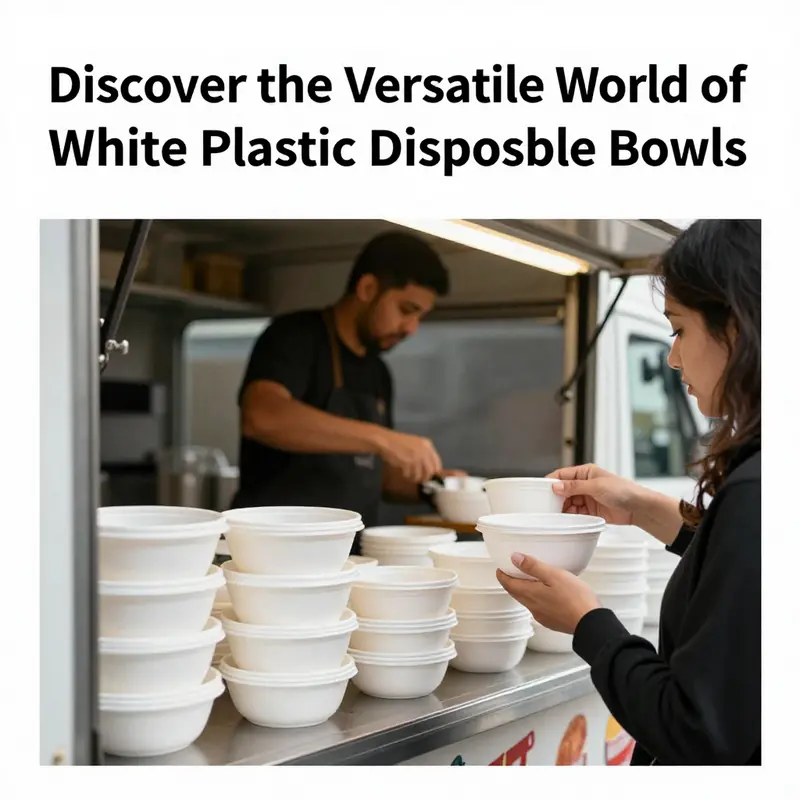
White plastic disposable bowls have become a quiet backbone of the modern food landscape. They are the unglamorous workhorse that makes delivery possible, allows quick service at crowded counters, and enables seamless catering at large gatherings. Yet their significance extends beyond convenience. They embody a set of material choices, manufacturing efficiencies, and consumer expectations that together shape how the global food economy operates. In this chapter, we follow a thread from raw material to restaurant counter, from the street vendor to the banquet hall, and finally to the broader questions of sustainability that increasingly color every decision around disposable tableware.
At the core of the white plastic bowl story is a straightforward reality: it exists to keep food portable, presentable, and safe from contamination during transit and handling. The typical white bowl is made from either polypropylene (PP) or polystyrene (PS), two plastics that vie for dominance in different ways. PP bowls are prized for their heat resistance. They can reliably withstand temperatures up to roughly 160°C (320°F), making them suitable for hot meals, microwaving, and even short-term freezing. This heat tolerance is a practical asset in fast-casual settings and in takeout panels where a dish may travel from kitchen to customer in a matter of minutes. But heat tolerance is only part of the story. PP is also known for toughness and resilience; it resists cracking or deforming when dropped or jostled in transit, an everyday risk in busy kitchens and during curbside pickup.
From a sustainability standpoint, PP bowls sit in the recyclability conversation as a #5 plastic in many jurisdictions. They are recyclable in specific streams and facilities, though actual recycling rates depend on local waste infrastructure and consumer participation. The practical takeaway for foodservice operators is that choosing PP aligns with expectations of durability, safety, and a degree of environmental responsibility, as long as recycling pathways are accessible and clearly communicated to customers. By contrast, PS bowls tend to be more economical and offer high clarity, which makes them appealing for cold foods like salads, desserts, or snacks where a transparent appearance can enhance presentation. But PS has notable limitations: its heat resistance is limited, and when exposed to high temperatures or greasy environments, there is concern about potential release of substances. Moreover, PS is not readily biodegradable, and its environmental footprint grows when waste is not properly managed.
A key insight from market dynamics is the sheer scale of plastic bowls within the broader disposable foodservice segment. In 2024, plastic meal containers, including bowls, accounted for a dominant share of the single-use container market. The sheer volume is staggering: hundreds of millions, if not billions, of units move through restaurants, caterers, and retailers each year. The appeal is straightforward. Plastic bowls offer a low unit cost, reproducible performance, and compatibility with automated packaging systems. They can be manufactured rapidly at scale, allowing operators to keep prices stable while meeting surging demand during peak periods or major events. The economics are compelling: cost efficiency supports a model where meals are designed for quick service, quick cleanup, and reliable integrity during delivery. Operators can rely on standardized sizes and lids to seal in freshness, reduce spillage, and simplify inventory management across dozens or hundreds of locations.
The practical breadth of application for white plastic bowls is vast. In delivery ecosystems, they are a standard component, enabling seamless packaging and predictable handling. In fast-food chains and street food stalls, they support standardized packaging that makes training simpler and service faster. In large events and banquets, disposable bowls reduce the need for extensive washing facilities and generous post-event cleanup, enabling smoother operations and lower labor costs. And in households, disposables have gained a sense of routine convenience that complements busy schedules and casual entertaining. This ubiquity, however, is a double-edged sword. While bowls simplify many logistical challenges, they also contribute to a broader conversation about waste generation, end-of-life options, and the environmental consequences of disposable culture.
The environmental dimension of white plastic bowls has become more prominent as awareness of plastic waste grows. The term “white pollution” has entered public discourse as a shorthand for the lingering presence of disposable plastics in soils, waterways, and landscapes. This reality has prompted policymakers and industry players to rethink product design, material choices, and disposal pathways. Regulations in many regions are becoming stricter, pushing a shift toward materials that either minimize environmental impact or offer clearer end-of-life options. In response, producers and researchers are exploring greener materials and packaging architectures. Biodegradable alternatives, including PLA-based compositions derived from starches, are advancing as potential substitutes for certain applications. These innovations aim to preserve the functional advantages of disposables while reducing the burden on landfills and ecosystems. At the same time, the industry must navigate trade-offs: some degradable formulations require specific composting facilities to achieve desired outcomes, and not all certifications are equally credible across markets. The bottom line is that the path toward sustainability is not a simple substitution; it is a coordinated effort involving material science, waste management, consumer behavior, and policy incentives.
Within this evolving landscape, brands and operators increasingly recognize the value of customization as a means to differentiate themselves without sacrificing practicality. The white color offers a neutral canvas that complements branding colors, logos, and messaging, enabling a cohesive dining experience from the packaging to the plate. This trend dovetails with broader shifts toward brand storytelling in the foodservice sector, where customers expect consistency, reliability, and a sense of identity in every touchpoint. The opportunity for customization extends beyond color and print; it includes shape, stackability, and compatibility with lids, clamshells, or other closures that improve transport safety and user experience. The interplay between design and function becomes a strategic consideration, as operators seek to reinforce their image while maintaining performance under diverse conditions.
For those exploring customization opportunities that align with brand identity and event theming, the supply ecosystem offers a pathway to personalized solutions. Imagine a catering service or venue using disposable tableware that bears a distinct theme through logos or graphics aligned with a party concept. A practical option exists in the realm of takeaway packaging and disposable tableware tailored for theme parties. This approach preserves the convenience and hygiene of disposables while elevating the guest experience through visual coherence. See more about these offerings here: custom-takeaway-packaging-supplies-disposable-tableware-for-theme-party.
Despite the strengths described, the industry faces persistent and rising challenges. The environmental narrative around white plastic bowls is not simply about material performance; it is about end-of-life realities and the logistics of waste management. The availability of recycling streams varies by region, and consumer participation in recycling programs is uneven. This makes it essential for operators to pair product choices with clear, actionable guidance for customers—such as labeling that explains whether a given bowl is recyclable in their local system, or whether a composting option exists. Additionally, the balance between cost and environmental responsibility remains a central tension for many businesses. If operators want to maintain price competitiveness while adopting greener alternatives, they must evaluate full lifecycle costs, including upstream material sourcing, production efficiency, and downstream disposal infrastructure.
In the longer horizon, the industry is moving toward a more circular approach. This involves redesigning products for easier recycling, increasing the share of sustainable inputs, and building partnerships with waste-management providers to ensure that discarded bowls are collected and processed responsibly. It also means embracing consumer education, so customers understand why certain packaging choices are made and how they can participate in effective recycling or composting programs. The trajectory toward sustainability does not entail abandoning the advantages that disposables bring; rather, it requires smarter material selection, smarter design, and smarter systems that close the loop over time.
Amid these transitions, the practical reality remains: for many operators, white plastic bowls offer a reliable, economical, and scalable solution for serving meals on the go. The challenge is to retain that operational edge while addressing environmental responsibilities in meaningful ways. The ongoing dialogue among manufacturers, retailers, regulators, and consumers will shape what the best practice looks like in a given market. In some places, that means a rapid pivot away from non-recyclable options; in others, it means an incremental improvement—choosing PP over PS where heat and durability matter most—and pairing that choice with consumer education and robust recycling streams. In all cases, the goal is to preserve the functional benefits that make these bowls indispensable to everyday dining experiences, while expanding the set of tools available to reduce waste and improve end-of-life outcomes.
Environmental stewardship is not a single lever to pull; it is a portfolio of decisions. Material selection, product design, packaging compatibility, end-of-life infrastructure, and consumer engagement all contribute to a more responsible system. The white bowl remains a useful exemplar of how a simple, widely adopted product can illuminate broader dynamics in the foodservice economy. The chapter that follows will continue to explore alternatives to traditional disposables, including innovations in materials science and recycling infrastructures, to illuminate the spectrum of options a modern operator can consider when balancing performance with environmental accountability. For now, the narrative remains grounded in the everyday utility of a bowl—the small, silent module that helps millions of meals travel from kitchen to table with efficiency and care.
External reading: https://www.epa.gov/smm/single-use-plastics
Final thoughts
The relevance of white plastic disposable bowls in the food service sector cannot be overstated. Whether utilizing PP for high-heat dishes or PS for cost-effective cold food service, these bowls play a crucial role in maximizing efficiency and convenience. As sustainability remains a priority, understanding the impact and potential recycling options forms an essential part of choosing the right disposable tableware. Embracing these products not only enhances service delivery but also aligns with a growing commitment to environmentally friendly practices.