
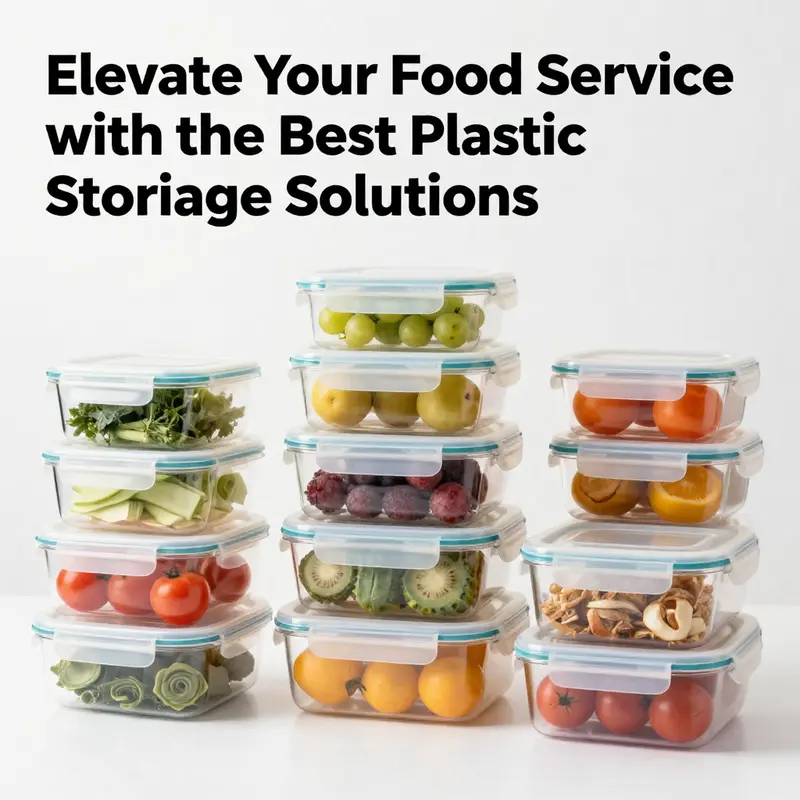
In the ever-evolving landscape of food storage, choosing the right containers is paramount for businesses in the food and beverage industry. Whether you’re running a bustling bubble tea shop, a gourmet restaurant, or providing catering services, food storage containers play a crucial role in maintaining freshness, organization, and safety. This article explores the outstanding benefits of using BPA-Free Tritan plastic storage containers, innovative features that enhance usability, top-reviewed brands to consider, and the essential safety considerations that dictate consumer preferences. By the end of this journey, you’ll have comprehensive insights into the best options available, ensuring your food service remains efficient and on-trend.
Clarity, Safety, and Endurance: Why BPA-Free Copolyester Containers Redefine Plastic Storage
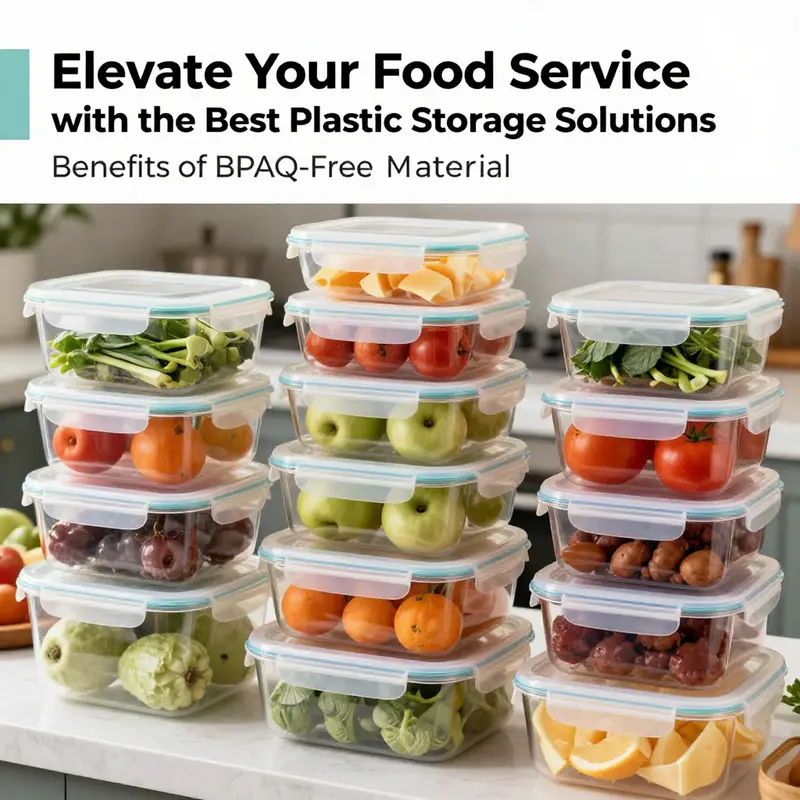
A new standard has taken root in the kitchen: plastic storage that looks as pristine as glass, yet offers the resilience and ease of a modern plastic. This shift isn’t merely about aesthetics; it’s driven by a clear set of needs that households increasingly share. Food that travels safely from fridge to table, containers that survive the bumps of daily life, and a system that makes leftovers feel almost as fresh as when they were first packed. In the most trusted consumer roundups, the winning choices are those made from BPA-free copolyester—an option that blends transparency, strength, and safety in a way that has begun to redefine what people expect from their everyday storage solutions. The rationale behind this preference is not just marketing; it’s rooted in chemistry, testing, and real-world use that prioritizes both health and practicality. A leading industry overview identified three pillars as especially persuasive: the absence of Bisphenol A, the material’s glass-like clarity, and its impressive impact resistance. Taken together, these traits address concerns about leaching, breakage, and the visual appeal of food stored for days, which matters when you’re trying to gauge portions at a glance without constantly opening containers.
The scientific underpinning of this material is straightforward but important. The BPA-free copolyester in question is designed to be nonreactive with most foods and to maintain its integrity under typical kitchen conditions. Unlike older plastics, which drew consumer attention for potential chemical migration when heated, these newer formulations are engineered to resist chemical leaching. They are tested to withstand routine dishwashing temperatures and normal reheating in microwaves, as long as users follow manufacturer directions. That caveat—follow the guidelines—is essential. The temperature thresholds cited by recent analyses place safe handling in an everyday range, with heat stability extending to roughly 195°C (383°F) under controlled circumstances. This means you can normally wash and reheat without worrying about the container becoming compromised. Yet the same caution applies to all plastics: prolonged exposure to high heat, acidic or fatty foods, or aggressive cleaners can erode the surface and reduce longevity. In other words, the material’s safety and performance are not magical; they rely on mindful usage.
From a consumer perspective, the most compelling benefits lie not just in safety, but in how the material behaves in daily life. The clarity of the plastic is striking. It offers a level of visibility that makes meal prep and leftovers easier to navigate. You can tell at a glance what’s inside, which reduces the rummaging and guesswork that often leads to food waste. This transparency also supports portion control and meal planning, letting you see whether a dish needs a quick reheating or a fresh topping before serving. The durability is another core advantage. Where glass may shatter with a single drop, copolyester containers bend, cushion, and bounce back. The resistance to cracks and chips is particularly valuable for households with children, for anyone who travels with meals, or for campers and hikers who rely on dependable gear in unpredictable environments. The practical resonance of this durability becomes most evident in the way it supports long-term use. If your goal is to curb disposable habits, a sturdy container that lasts several years can represent a meaningful step toward reducing waste. It isn’t a perfect solution for every scenario, but in the everyday kitchen, it often delivers a better balance of safety and practicality than older plastics or fragile glassware.
The design language of these containers reinforces their appeal. Leak-proof seals are a common feature, and they matter as much as the material’s safety profile. A tight lid, a secure gasket, and a resilient snap mechanism translate into confidence when you transport a packed lunch, a batch of soups, or a batch-cooked sauce to work or school. For families that juggle multiple meals a day, the reliability of a sealed system reduces the risk of messy leaks in bags or backpacks, which in turn supports a cleaner, more organized kitchen. Stackability is another practical virtue that compounds the benefits of safety and durability. When containers nest neatly, you gain efficiency in storage and fewer toppled stacks in the pantry. This is not merely about conserving space; it’s about making the daily ritual of keeping food organized more predictable and less stressful. The combination of seal quality and stackability often translates into a surprisingly tangible improvement in how you approach leftovers and meal prep.
The environmental argument for durable, BPA-free copolyester is nuanced but important. It is not a panacea for plastic pollution, and it does not replace the need for responsible waste management. However, its longevity changes how households think about consumption. A container that remains usable after repeated cycles of freezing, heating, and washing reduces the frequency with which new containers are purchased. Over time, that drop in replacement demand can meaningfully cut down plastic waste. This is especially relevant in households that compost, recycle, and aim to minimize single-use plastics. Still, even the most durable plastic can contribute to waste streams if it is discarded prematurely or treated as disposable. The best practice remains to select containers with a solid track record for durability and to recycle them according to local guidelines when they reach the end of their life. Consumers who pair these containers with thoughtful recycling habits and mindful purchases position themselves at the intersection of safety, performance, and responsibility.
Care and maintenance are not afterthoughts with BPA-free copolyester; they are part of what sustains the material’s advantages. Routine washing, whether by hand or in the dishwasher, helps maintain clarity and prevent the buildup of residues in seams. It is worth noting that while many of these containers are labeled dishwasher-safe, the upper rack and gentle cycles are frequently the best approach to preserve seal integrity over time. This care routine also extends the lid’s gasket life, a key factor in keeping leaks at bay. When it comes to microwaving, the advice is simple: do not overheat, avoid direct contact between the lid and food, and follow the manufacturer’s guidance on venting if the container is designed for microwave use. Freezer storage, another common use case, benefits from leaving moistened items slightly less full than full, allowing room for expansion. These small practices accumulate into a noticeably longer service life and a noticeably clearer view of what you have tucked away in the back of the freezer.
What matters most to many readers is not a single feature but a coherent package: a material that is safe for everyday foods, a design that makes it easy to see, a construction that resists everyday wear, and a system that actually simplifies storage and meal planning. In practice, that means looking for three things: a BPA-free claim that is supported by independent testing, a surface that remains clear and unmarred after repeated cycles, and a reliable seal that prevents leaks while allowing easy opening and closing. It also means considering the size variety offered by a given line so you can tailor the set to your family’s needs—from snack-sized portions to family-sized meal prep containers. When you connect the dots between safety, clarity, and durability, the equation becomes surprisingly straightforward: choosing containers built on a BPA-free copolyester platform is a practical strategy for healthier meals, more efficient kitchens, and a lower waste footprint.
As you plan your next reorganized pantry or a more thoughtful meal-prep routine, there’s a subtle but significant shift to recognize. Consumers are increasingly prioritizing not just what a container can do, but how it performs after months of regular use. The expectation is that the container will still look new, still seal reliably, and still allow you to identify yesterday’s leftovers with a quick glance. This is where the BPA-free copolyester family earns genuine credibility. It rises above the limitations of older plastics, offering stability under routine kitchen conditions without compromising safety. In short, it aligns with a modern vision of plastic storage: less fragility, more reliability, and a healthier relationship to what you feed your family.
To readers who are navigating the broad landscape of choices, a practical takeaway emerges. Begin by confirming the BPA-free assertion and seek independent testing data or trusted corroboration for heat resistance and chemical stability. Next, evaluate the lid design—how easily you can seal and unseal, how well the seal holds up after repeated washing, and how effectively the container stacks with its partners. Finally, balance your selections by considering size variety and overall lifecycle. Ask yourself how often you use the set for freezing, reheating, meal prep, or kid-sized lunches. A cohesive collection that covers these use cases is more likely to keep its clarity and its seal intact over time. When integrated thoughtfully into daily routines, these containers become more than just vessels; they become part of a disciplined approach to food safety, portion control, and waste reduction.
For readers curious about how these materials behave in different contexts, a broader look at the science behind BPA-free copolyesters can be instructive. The material’s development aimed to provide a safer alternative to older polycarbonates and other plastics while preserving the functional advantages that make plastic storage appealing. The emphasis on clarity owes to the graduate-level engineering behind optical properties in these copolyesters, where light transmission is optimized for everyday visibility. Durability comes from a robust molecular structure that resists impacts and keeps its form without becoming brittle. And safety is reinforced through intentional avoidance of Bisphenol A and related migration concerns, reinforced by testing designed to stress the material under realistic kitchen scenarios. The overall effect is a practical, scientifically informed option that aligns with contemporary consumer expectations about safety and performance in the home.
In this evolving landscape, the narrative around plastic storage is shifting from a debate about safety alone to a broader conversation about design, life cycle, and everyday usability. The BPA-free copolyester option stands out not only for its immediate benefits but for how it supports a pragmatic, long-term approach to kitchen organization. It offers a calm confidence: you can pack a meal, reheat it later, and know that the container remains a reliable partner through repeated cycles. You can stack a set in the cabinet and trust that it will not topple easily. You can see what’s inside without unsealing, which reduces waste and saves time. These are not abstract advantages; they translate into real-life ease that affects how much energy you invest in cooking, planning, and reducing waste. In this light, the chapter you are reading is less a catalog of features and more an invitation to reimagine how you store and serve food, with safety, clarity, and endurance at the core.
As you move toward final decisions, consider this cross-cutting question: which features do you actually rely on most, and which will endure as your family’s routines evolve? The answer will guide you toward a cohesive, compatible set rather than a scattershot collection of containers with partial benefits. When a set offers BPA-free safety, glass-like clarity, and durable seals, you gain more than convenience—you gain a sustainable practice that harmonizes health considerations with daily practicality. That synergy is what makes the modern BPA-free copolyester container a durable centerpiece in a well-run kitchen, a true ally for meal-prep discipline, and a dependable companion for leftovers, lunches, and long-term storage alike. The result is a storage system that doesn’t just protect food; it protects time, reduces waste, and supports a healthier, more organized approach to eating well.
For readers exploring related packaging options that complement home storage—but tailored to different contexts—consider checking out the range of eco-conscious disposable packaging boxes available online. Their design language echoes the same principles of efficiency and safety that underpin BPA-free copolyester containers, making them a natural extension of practical, modern food handling. eco-friendly disposable packaging boxes
External resource for further reading on this material’s properties and safety testing: https://www.agilian.com/tritan-polymer-properties-pros-cons
Clear, Safe, and Stackable: Redefining Everyday Kitchen Storage with BPA-Free Tritan Plastic
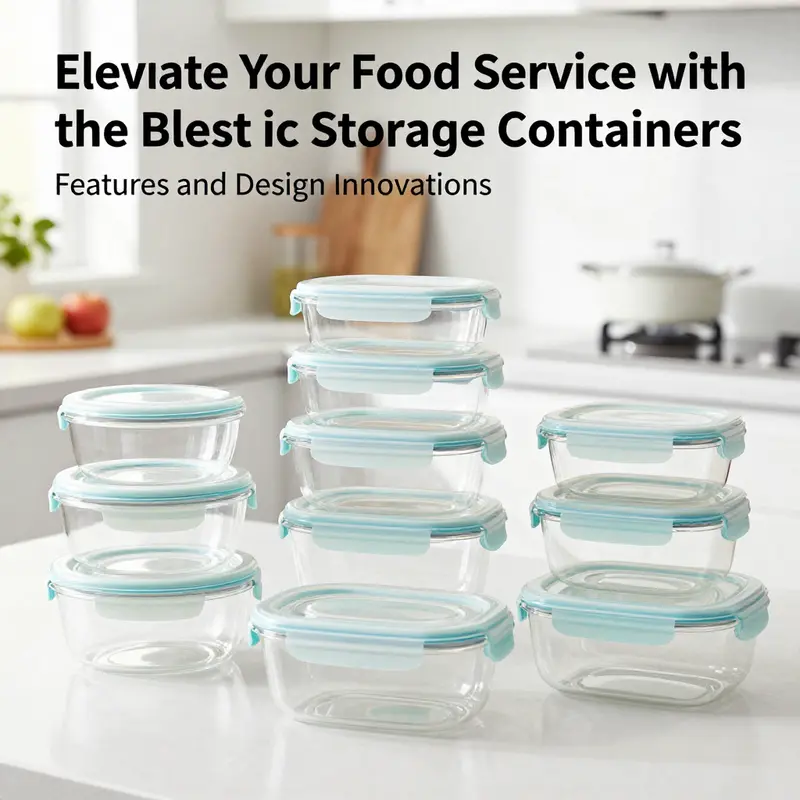
The everyday routine of shopping, cooking, and storing leftovers continues to hinge on a single, unsung ally: the plastic container. Yet this ally has evolved from a simple, visible-to-the-eye box into a carefully engineered system that blends safety, durability, and thoughtful design. Today’s best plastic food storage containers are celebrated not only for their ability to hold a meal but for how they hold a meal safely, how they reveal its contents without guesswork, and how they fit neatly into the rhythms of a busy kitchen. The shift is partly material science—specifically toward BPA-free plastics like Tritan—and partly design ingenuity aimed at real-life uses: how we prep, portion, transport, freeze, reheat, and even measure ingredients with minimal clutter. If you move through a well-stocked kitchen with a discerning eye, you’ll notice that the containers that truly excel combine several core traits in a seamless, almost invisible way: they protect flavors, they reduce waste, and they simplify routines rather than complicate them.
A foundational point is safety, closely followed by practicality. For many cooks, “safe” means more than a label; it means a material that does not leach chemicals into food and does not degrade under the everyday stresses of a modern kitchen. BPA-free is now the baseline expectation. Behind that standard is a material identity that has grown more sophisticated in recent years. Tritan, a durable, clear, and impact-resistant plastic, has become emblematic of this progress. It offers a combination of toughness and clarity that makes leftovers look as fresh as when they were plated. When you can see what’s inside without prying open a lid, you reduce the chance of forgetting something in the back of the fridge. That visibility matters, especially in a household where multiple people are contributing to meal prep and cleanup. Tritan’s glass-like clarity does not come at the expense of shatter resistance, which means fewer worries about accidental drops or bumps in a busy kitchen, a common scenario in households with kids or late-night cooking sessions.
But safety and visibility are only part of the story. The best containers deliver on performance through precise engineering of seals and lids. A leak-proof seal is not a luxury; it’s a necessity for safe transport in bags, backpacks, and lunchboxes. It also safeguards the integrity of the food against the damp, cold environment of the refrigerator and freezer. The modern seal often features a gasket and a well-designed locking mechanism that clicks into place with a reassuring snap. The result is a container that travels reliably from kitchen counter to car seat to office, without ever muttering a spill or a soggy compromise to the contents. In parallel, stackability is not merely about saving space—it’s about sustaining an orderly kitchen mindset. When containers nest or stack with minimal wobble, the cabinet or fridge becomes a quiet, predictable environment where organization supports quick meal decisions rather than sabotages them with clutter.
Alongside these functional essentials, the lids themselves have evolved. Clear, transparent lids extend the same visibility benefit as the body, letting you spot a layered salad or a caramel sauce at a glance. This is more than convenience; it reduces the time you spend rummaging and opening multiple containers just to identify what’s inside. Ergonomic handles on the sides of bowls and rectangular containers contribute to ease of use, especially when hands are wet, when you’re balancing a hot dish from the oven, or when you’re packing lunches for a busy morning. And when these containers incorporate built-in measuring markings, they subtly shift the way cooks think about portions, whether you’re dividing a batch of soup into equal portions for weekday meals or measuring out ingredients for a quick sauce without the extra measuring cup. In every case, the design choices support accuracy without demanding additional tools.
Temperature versatility has also broadened how plastic containers are used. Some designs are oven-safe to a designed limit, extending the lifecycle of a single container by letting it go from storage to reheating to serving in a single vessel. This reduces the number of items you need to manage and simplifies cleanup. It’s not universal, and care guides still advise respecting heat limits and avoiding lid handling that can warp seals, but the option broadens what was once considered a strictly refrigerated or frozen storage tool into a more versatile kitchen aid. This transformation is not merely about convenience; it’s about expanding the container’s role in daily cooking and meal preparation, aligning with a growing preference for fewer, better-made, longer-lasting kitchen items.
Beyond the practical features lies a newer philosophy of design that centers sustainability and user-centered convenience. Modular systems, for instance, allow households to mix and match different sizes into a cohesive, interlocking ecosystem. The idea is to adapt to fluctuating storage needs without creating dead zones in the cabinet. Rather than a scattered assortment of mismatched containers, modular sets enable a small, scalable solution that grows with the family’s routines. Collapsible options push storage efficiency even further. When the containers flatten, they free up precious cabinet or pantry space, a valuable advantage in kitchens with limited storage. Such space-saving designs reflect a broader cultural push toward responsible consumption: it is not only about reusing containers but also about rethinking space as a resource and making it easier to minimize clutter.
Material choices reinforce these design directions. Modern plastic containers often rely on recyclable polymers such as PET or HDPE, which contribute to a reduced environmental footprint compared with traditional single-use plastics. The shift toward recyclability is not a simple marketing promise; it aligns with a growing awareness that durability and reusability should not come at an expense to the planet. The lifecycle of a container—from production to reuse to eventual recycling—matters as much as its immediate function. In practice, this means that even as a container excels in sealing and visibility, it also invites users to consider how it will be recycled at the end of its life and to choose products that offer reliable recycling pathways in their communities.
The confluence of safety, durability, and thoughtful design also changes how we think about the everyday act of cooking and storing. When you know you can trust a container to keep flavors intact, you’re more likely to prepare meals in advance and store them with confidence. That confidence reduces the temptation to recreate meals from scratch every day, which in turn lowers energy use and can cut down on food waste. The built-in measuring marks further support this efficiency by helping you portion out meals accurately. It’s a small feature, but it speaks to a larger truth: the best plastic storage solutions integrate into daily workflows so naturally that they disappear from conscious thought, leaving you with more time for cooking, sharing, and enjoying what’s on the menu.
This is where the idea of a “best” storage container shifts from a checklist of features to a philosophy of use. The most effective containers do not demand drastic changes in how we cook; they adapt to how we already live. They answer the needs of batch cooks who freeze portions for busy workweeks and the meal-preppers who rehearse weeknight menus with calm, organized planning. They serve families juggling after-school soccer, work deadlines, and school lunches, offering a reliable, safe, and accessible option for every member of the household. In this sense, the excellence of a plastic food storage system is measured not by a single wow factor but by a balanced ensemble: safety first, readability and ease of use second, spatial efficiency third, and adaptability to future needs fourth.
To bring these ideas into a practical frame, consider how a typical kitchen workflow benefits from such containers. A well-chosen set supports batch cooking, where a single pot or tray can be divided into multiple portions that fit neatly into the same family of containers. Leaks are prevented, odors are contained, and leftovers can be preserved for several days without compromising texture or taste. The containers’ clarity makes it easy to distinguish a seasoned sauce from a plain broth, and the organized stackable design makes the fridge feel less like a maze and more like a predictable system. As you move through the week, the same containers that hold a vibrant lemon chicken can later cradle a creamy tomato soup, a cold noodle salad, or a fruit-forward dessert, proving that the container’s versatility is as important as its safety and durability.
Design innovations extend beyond the kitchen’s edges into how households relate to waste and recycling. Clear plastics that can be tracked through recycling streams with less contamination are part of a broader strategy to curb waste. The shift toward sustainability does not happen in a vacuum; it’s paired with consumer demand for products that resist the grimace of early yellowing or cracking after dishwasher cycles. The best designs respect both the material’s integrity and the planet’s capacity to absorb it, seeking a balance where longevity and end-of-life options align with the values of conscientious buyers. In sum, the evolution of plastic food storage containers is a story of better materials, smarter engineering, and a cumulative effect on how households prepare, save, and share meals with less waste and greater ease.
If you’re exploring options and weighing the trade-offs between resilience and recyclability, a practical approach is to prioritize containers with clear, BPA-free bodies, durable seals, and lids designed for consistent closure with a tactile, confident click. Look for modular sets that let you build a system around your own routines, and consider collapsible pieces for seasonal tidy-ups or small kitchens. Finally, recognize that the best containers aren’t just containers; they are an integrated part of a kitchen’s rhythm—one that supports healthier meals, reduces waste, and makes everyday tasks feel a little easier.
For readers curious about specific packaging solutions that echo these ideas, there are practical examples in the broader packaging ecosystem that align with this mindset. One entry worth exploring is a collection described as eco-friendly takeout boxes for food packaging, which illustrates how durable, reusable concepts can translate across different forms of consumer containers. This example underscores a common thread: when a design centers safety, visibility, and modularity, it transcends niche uses and informs the choices people make at home. The takeaway is simple, yet powerful: choose containers that feel intuitive to use, stand up to daily life, and support a more organized, waste-conscious kitchen routine.
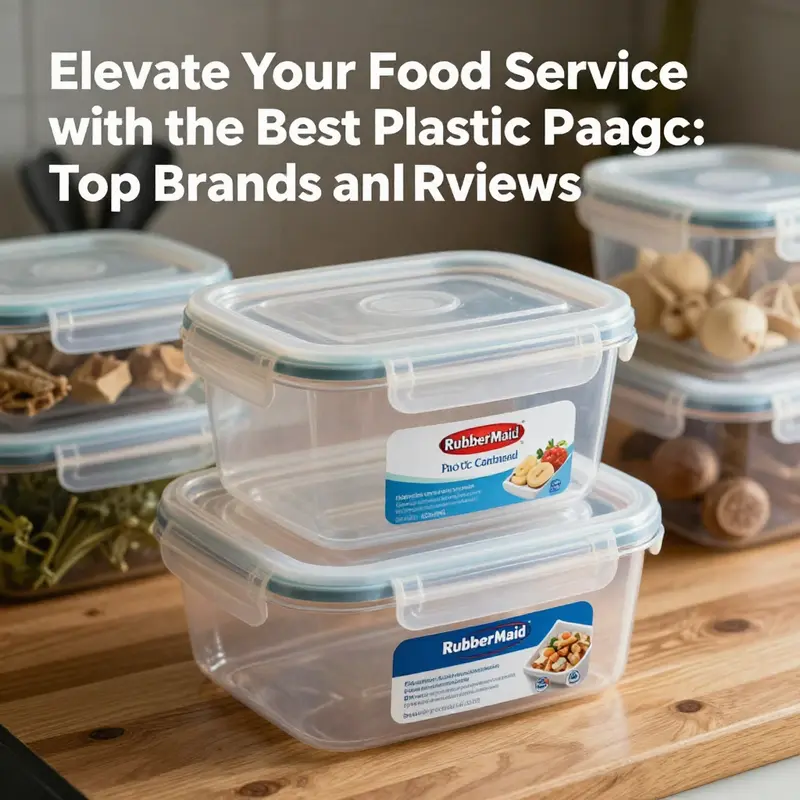
External resource: https://www.rubbermaid.com/en-us/products/kitchen-storage/plastic-food-containers.html
Internal link for further reading on packaging solutions: eco-friendly takeout boxes for food packaging
null
null
Guardians of Freshness: Safety, Material Wisdom, and Everyday Choice in Plastic Food Storage

Choosing plastic food storage containers is about safety, durability, and practicality. In the modern kitchen we balance meal prep, leftovers, and on-the-go use with containers that keep food safe, visible, and easy to access. The best plastic containers use materials that minimize risk, hold up to repeated use, and fit real-life routines. A common choice is BPA-free plastics with clarity and resilience akin to Tritan. This matters because it addresses concerns about chemicals, wear from daily handling, and the need to see contents quickly. Clarity reduces guesswork and helps with portion control, while toughness helps during washing and heating. However, even the sturdy container can degrade: scratches and deformation can harbor microbes and increase leaching risk if misused. The practical takeaway is to treat plastic storage as a living tool and replace worn items on a reasonable timetable.\n\nMaterial safety centers on choosing heat-stable plastics. Some polycarbonates and PET variants may migrate under high heat or long storage. Prioritize microwave-safe containers made from polypropylene (PP) or high-density polyethylene (HDPE), which tend to remain stable at typical kitchen temperatures. This doesn’t mean other plastics are unsafe, but stability matters when heat and acidity come into play. Always look for clear labeling of intended use. If labeling is missing, reassess the container’s place in the kitchen.\n\nTritan-like materials offer durability, shatter resistance, and clarity that helps with portion planning and reducing waste. For households that move containers between fridge, microwave, and dishwasher, such resilience is valuable. A well-sealed lid prevents leaks, and stackable designs help fit into compact spaces. In short, safe storage combines materials with thoughtful design to reduce waste, minimize guesswork, and support reliable meal organization.\n\nWhen in doubt about heating or long-term storage, consider transferring food to glass before reheating. Replace worn containers to maintain hygiene. A grounded approach recognizes that plastic storage is generally safe when used correctly, with three pillars: choose the right materials, use them as intended, and replace them on a reasonable timetable.\n\nFor readers exploring beyond plastics, eco-friendly packaging options can offer safe, microwave-friendly, leak-resistant designs. Look for products that minimize risk and maximize visibility, while fitting your daily routines. For more context, consult reputable guidance on plastic container safety and material choices.\n\nIn summary, the safest path is informed personalization: select microwave-safe, food-grade containers made from stable plastics, prioritize BPA-free options, and choose designs that support easy cleaning and everyday use. The goal is a kitchen that balances safety with convenience, reducing waste and making meal prep smoother.
Final thoughts
With safety and functionality at the forefront, selecting the right plastic food storage containers is essential for any food service operation. BPA-Free Tritan material offers a blend of durability, visibility, and leak-proof design that meets the rigorous demands of daily use while ensuring food safety. As you consider the options available, remember that choosing the best containers not only elevates your service quality but also enhances your customers’ experience. Invest in top-rated brands and embrace innovative designs to stay ahead in the competitive food and beverage industry.