
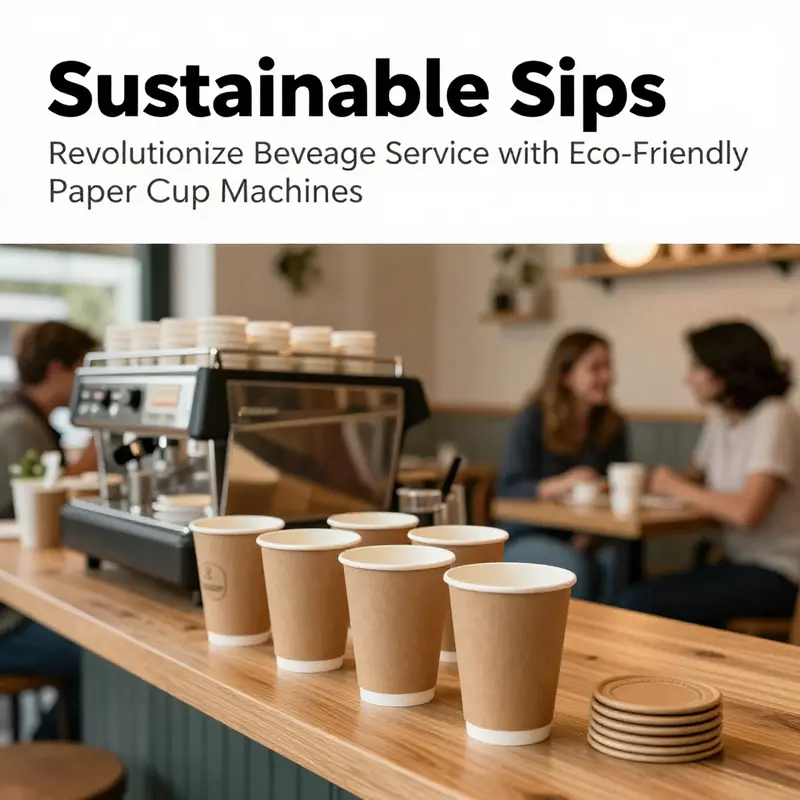
As the world steers away from single-use plastics, eco-friendly paper cup machines emerge as a key player in the beverage industry. These innovative machines, designed to produce biodegradable and compostable paper cups, offer not only an environmentally sound option but also significant technological advancements for high-capacity production. For bubble tea shops, beverage chains, restaurants, food trucks, catering services, event planners, and corporate procurement teams, understanding the benefits of these machines is crucial. Each chapter will delve into technological innovations, economic impacts, geopolitical influences, societal benefits, and future trends of eco-friendly paper cup machines, integrating insights that resonate with your sustainability goals and operational efficiency.
Smart Craftsmanship and Sustainability: Innovations Reshaping Eco-Friendly Paper Cup Machines
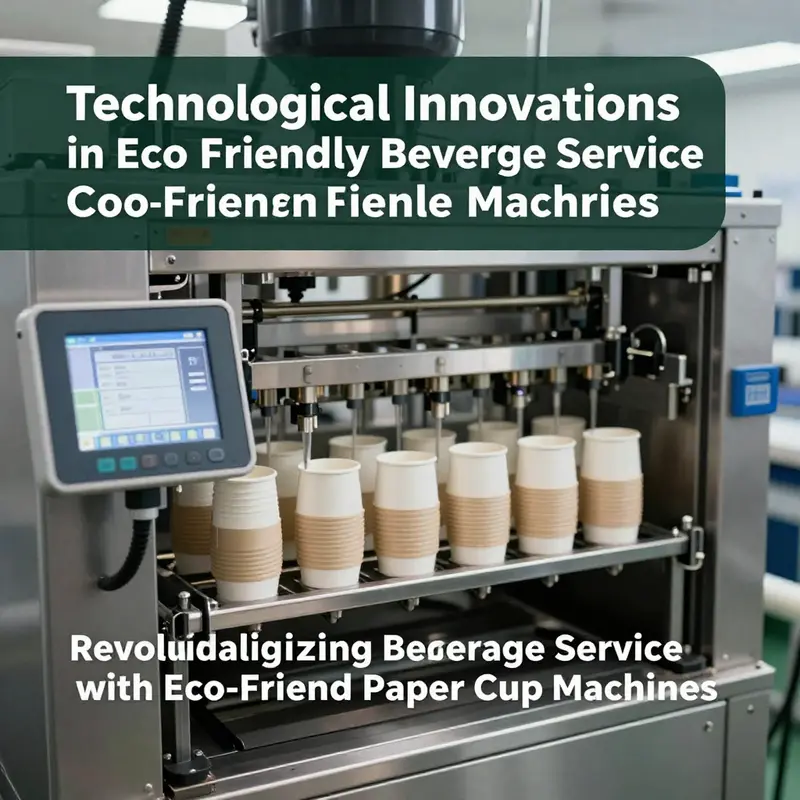
Across modern manufacturing floors, eco-friendly paper cup machines combine speed with sustainability. They go beyond simple upgrades by enabling recyclable and compostable paper substrates, reducing plastic content and waste. Key advances include high speed forming with multi-head rotary molds, efficient sealing that works with diverse fiber blends, and optimized curling that preserves strength while reducing energy use.
A smart control layer collects real time data from sensors, enabling predictive maintenance and reducing downtime. Flexible material handling allows switching between roll fed and flat substrates, expanding supply options and resilience to price volatility. Inline vision based inspection helps catch defects early, protecting quality and minimizing waste. The result is a scalable production line that delivers consistent cups with lower total cost per cup, while supporting a circular economy through easier end of life and material recovery.
Economic Ripples: How Eco-Friendly Paper Cup Machines Reshape Markets, Manufacturers, and Communities
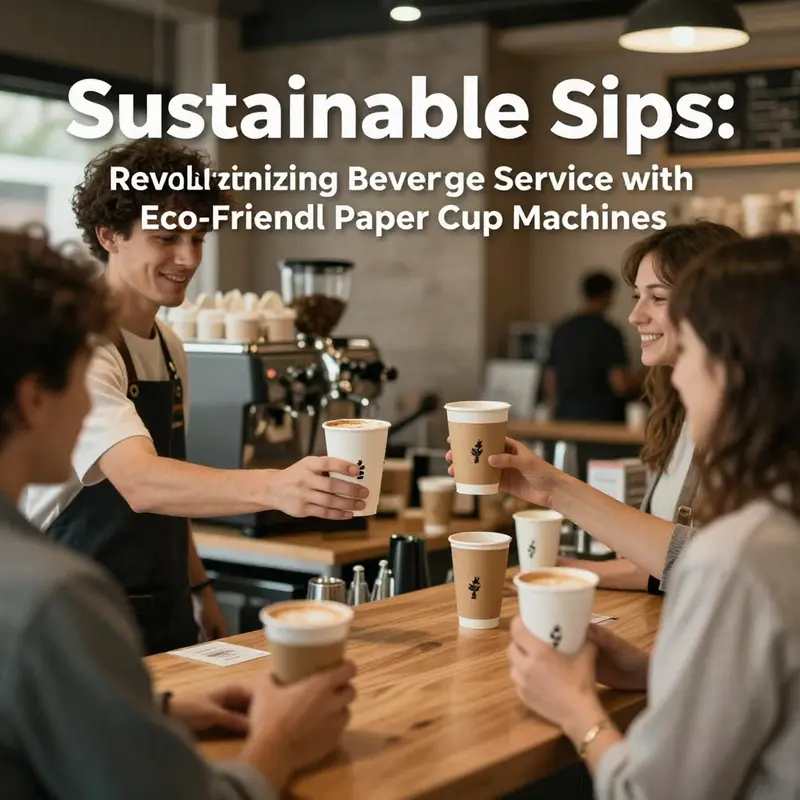
Economic ripples from the rise of eco-friendly paper cup machines travel far beyond the factory floor. These systems, designed to convert sustainable fibers into insulated, single-use cups, influence not only the balance sheets of manufacturers but also the tempo of local economies, the shape of packaging ecosystems, and the expectations of consumers and regulators. As awareness of environmental footprints grows, the demand for biodegradable and recyclable alternatives to plastic cups reframes production priorities. Market analyses place the global paper cup market in the vicinity of several billions of dollars, with projections suggesting a steady expansion through the late 2020s. A commonly cited figure notes a market value of about 8.3 billion dollars for paper cups in 2020, with anticipated growth near 4.5 percent per year through 2028. Such numbers reflect more than consumer preference; they signal a structural shift in how businesses view packaging, waste, and supply chain resilience. The eco-friendly cup machine becomes a central instrument in that shift, capable of turning sustainable materials into a reliable, high-quality end product while accelerating throughput and reducing the need for fossil-based alternatives.
If one thing is clear, it is that demand is not a single-direction impulse. It comes from a constellation of forces: the tightening of environmental regulations in many jurisdictions, the rising expectations of brand stewardship among retailers and chain operations, and the growing sophistication of consumer markets that reward responsible choices with loyalty. In this interplay, the machines themselves act as accelerants. They are engineered for high-output production—often delivering thousands of cups per hour with minimal manual intervention—without sacrificing quality or environmental performance. The ability to run at scale matters greatly in regions seeking to substitute imports with local manufacturing, or to upskill the workforce with more automated, reliable processes. In North Africa and parts of the Middle East, for example, the adoption of advanced cup-making lines has begun to redefine domestic manufacturing capabilities, reducing reliance on imported disposable containers and supporting a broader push toward more sustainable industrial ecosystems. The same logic reverberates in other regions where local suppliers and turnkey production lines expand the capacity to meet growing demand.
The economic logic behind these machines extends into customization as well. Small and medium enterprises can tailor output to niche markets, whether through logo printing, variable cup sizes, or specialized insulation properties. The capability to offer a full spectrum—from compact 4 oz shot cups to 16 oz standard drink cups—enables businesses to segment markets with precision. Even modest players can enter competitive spaces by presenting differentiated offerings that align with brand identity and sustainability commitments. The potential to implement logo printing in short lead times, sometimes within 45 days, lowers barriers to entry and accelerates time-to-market. This flexibility is not a mere convenience; it translates into entrepreneurial opportunities, job creation, and local economic diversification. The ripple effect is amplified when suppliers develop modular features—such as insulating double-wall constructions, ultrasonic sealing technologies, or compact form factors suited to specific applications like ice cream cups—so that manufacturers can adapt to demand shifts without incurring prohibitive capital costs.
Technology sits at the core of this economic equation. The contemporary eco-friendly cup machine integrates programmable logic controllers with touchscreen interfaces, enabling operators to adjust process parameters and monitor quality in real time. This level of control reduces waste, improves consistency, and shortens downtime, all of which strengthen profitability at scale. The most advanced lines blend precision engineering with automated inspection capabilities that can automatically reject defective cups, maintaining high yield and customer satisfaction. While automation drives efficiency, it also raises considerations about workforce development. Training programs and upskilling initiatives become essential to harness the full value of these systems, ensuring operators understand calibration, maintenance, and the nuances of different eco-friendly materials. In a global context, manufacturers that invest in people alongside machines tend to realize more sustained returns, as skilled labor complements high-speed automation with adaptive problem solving.
Beyond the factory, the broader economic impact unfolds through cost savings and reputational gains. Biodegradable materials and compostable polymers can reduce waste handling costs for end users and municipalities, while enabling brands to align with circular economy ambitions. The economic logic extends to regulatory compliance. As environmental standards tighten, companies that embrace eco-friendly production methods position themselves to meet or exceed requirements more readily, avoiding compliance bottlenecks and potential penalties. This proactive stance can translate into smoother entry into new markets where strict sustainability criteria govern procurement and licensing. The credibility gained from responsible practices also strengthens brand equity—an intangible asset that often translates into greater customer loyalty, the ability to command premium pricing for sustainable products, and more favorable terms with retailers seeking to bolster their own green narratives.
The regional dynamics surrounding eco-friendly cup manufacturing reveal a spectrum of opportunities and constraints. In places where local production capacity is expanding, the machines contribute to import substitution and job creation in engineering, maintenance, and logistics. They encourage the development of local supplier ecosystems—from providers of eco-friendly raw materials to developers of ancillary packaging components and printing services. In turn, this fosters a multiplier effect: local technicians attain expertise that spills over into other areas of manufacturing, while small businesses gain access to more reliable supply chains and better quality control. Yet challenges persist. Capital intensity remains a consideration for smaller operators, and the initial costs of automated lines must be weighed against long-run savings and revenue potential. Here, government incentives, mezzanine financing, or public-private partnerships can play pivotal roles in catalyzing adoption and ensuring that regional benefits are realized.
A crucial facet of the economic narrative is the role of standardized safety and environmental certifications. In many markets, compliance with international standards creates a predictable framework for operators and buyers. For manufacturers, CE-like certifications or similar safety endorsements serve as signals of reliability and quality, enabling easier access to global distribution channels and reducing the friction associated with exporting. For customers, certifications provide assurance that the packaging solutions meet environmental and safety expectations, reinforcing trust and reducing the risk of regulatory setbacks in downstream supply chains. This harmonization of standards across regions helps stabilize demand, as buyers anticipate consistent performance from machines regardless of where they are deployed. The outcome is a more resilient market, less prone to volatility driven by shifting regulatory landscapes.
The economic story also embraces the potential for regional specialization. Countries that invest in automation and green materials can carve out niches—whether through insulated designs for hot beverages or ice cream cup applications, or through rapid customization for brand-heavy venues like cafes and event spaces. Such specialization supports workforce development, as skilled technicians learn to operate, maintain, and optimize high-precision lines. It also offers pathways for entrepreneurship, with start-ups and SMEs leveraging customization capabilities to enter segments that previously required heavy capital investment or established relationships. Over time, these dynamics can contribute to a more diversified manufacturing base, reducing exposure to single-market shocks and building more robust regional supply networks.
The chapter would be incomplete without acknowledging the broader context of packaging ecosystems that these machines inhabit. A movement toward eco-friendly packaging does not exist in a vacuum; it interacts with other packaging technologies, recycling infrastructures, and consumer education efforts. When a region develops effective recycling and composting streams, the lifecycle benefits of paper cups multiply, reinforcing the justification for local manufacturing and accelerating demand for advanced production lines. Conversely, gaps in waste management can dampen the perceived value of switching away from plastics, underscoring the importance of integrated policy approaches that align production, collection, and processing. In this light, the economic impact of eco-friendly cup machines is not simply about profits and market share. It is about enabling a coherent, sustainable packaging system that can adapt to evolving consumer expectations, regulatory regimes, and environmental imperatives.
As this narrative continues across chapters, the central theme remains clear: eco-friendly paper cup machines catalyze a more sustainable, competitive, and innovative packaging economy. They empower regions to build domestic capabilities, create skilled jobs, and offer businesses flexible pathways to growth. The choices made by manufacturers today—whether to invest in automation, to pursue customization, or to adopt new materials—will shape regional competitiveness for years to come. In that sense, the economic impact is both immediate in terms of productivity and long-term in terms of resilience and sustainability. For readers seeking a broader lens on how sustainable packaging intersects with industry evolution, a deeper dive into related packaging options can illuminate complementary strategies that align with these machines and the markets they serve. For instance, aspiring readers can explore sustainable packaging options that complement these machines here: eco-friendly disposable packaging options.
Further reading and external analyses can broaden understanding of the regional trajectories and technical considerations that shape this domain. An external perspective on country-specific specifications and industrial applications can enrich this chapter and the overall narrative about eco friendly paper cup production. For researchers and practitioners, the evolving landscape invites ongoing assessment of market dynamics, technology diffusion, and policy frameworks that together determine the pace and direction of growth. External resources provide contextual depth and comparative benchmarks that help map the opportunities and risks ahead. See related external research for deeper context here: https://www.example.com/turkey-paper-cup-machine
Borders, Budgets, and Biodegradable Cups: How Geopolitics Steers Eco-Friendly Paper Cup Machine Adoption
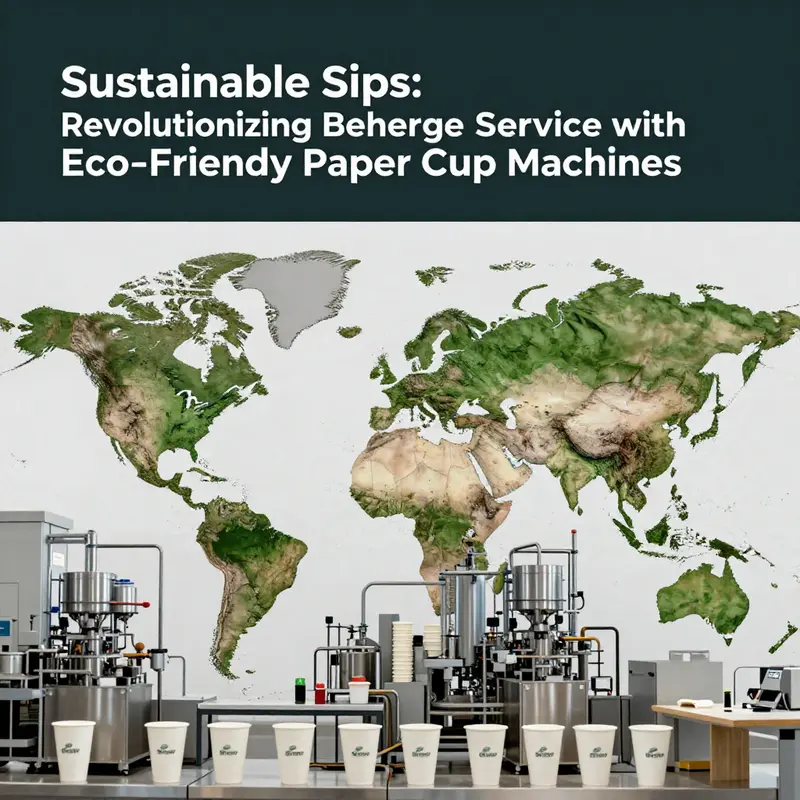
Geopolitics often operates in the background of manufacturing decisions, shaping where money flows, how supply chains are structured, and which technologies gain prominence. For producers of eco-friendly paper cup machines, this invisible layer of risk and opportunity translates into choices about capital allocation, supplier networks, and the pace of innovation. As global tensions rise and trade corridors shift, firms increasingly seek resilience rather than the lowest upfront cost. They redesign procurement models to withstand disruptions, diversify sources of eco-friendly paper materials, and invest in domestic capabilities that shorten the path from order to production. All of these moves accelerate the adoption of advanced, sustainable cup-making systems that are capable of delivering consistent quality even when external conditions are in flux. The result is a manufacturing landscape that prioritizes flexibility, transparency, and long-term value over short-term savings.
One clear impulse arising from geopolitical uncertainty is strategic stockpiling. Businesses are building buffers of essential inputs—eco-friendly papers, coatings, and critical machine components—to cushion operations against sudden tariffs, port delays, or supplier outages. This precaution changes the financial calculus. Companies must balance carrying costs with the risk of stoppages, leading to more sophisticated inventory strategies and longer horizons for capital planning. The same logic extends to spare parts for modular, energy-efficient cup machines. When a disruption risks halting production, the ability to swap modules or quickly reconfigure a line becomes a competitive advantage. In practice, this means a preference for systems that are modular by design, with standardized interfaces that can be swapped or upgraded without retooling the entire line.
A related trend is the push toward domestic capabilities. The drive to localize production is not solely about cost. It is also about control over lead times, compliance with local environmental and safety standards, and the ability to respond rapidly to shifting demand. Domestic manufacturing ecosystems can accommodate shorter supplier cycles and faster iterations in response to policy changes or consumer preferences. In eco-friendly cup production, this often means equipping regional plants with versatile machines that can handle a broad size range—from small shot cups to larger beverage cups—while maintaining consistent quality. Flexible, energy-efficient designs are prized, because they reduce the risk of energy price volatility and dependence on distant infrastructure. At the same time, intelligent control systems—think advanced touch interfaces and real-time process monitoring—allow operators to adapt quickly to material variability, temperature changes, or minor upstream fluctuations that could otherwise degrade output.
Technological advancement itself is not immune to geopolitical influence. The global push toward sustainability dovetails with several policy trajectories that reward energy efficiency, waste reduction, and circular supply chains. In this climate, the industry tends to favor machines whose layouts are modular and scalable. A modular design supports local production goals by enabling incremental capacity additions as demand grows or as regional constraints evolve. It also reduces downtime during upgrades, a crucial benefit when geopolitical events disrupt standard supply schedules. Operators can reconfigure lines to operate with different pulp grades or coatings as new sources become available, without incurring the heavy retooling costs that characterized older equipment. Moreover, intelligent systems offer more than convenience. They deliver data-driven visibility across the line—cycle times, energy use, and defect rates—that informs strategic sourcing decisions and maintenance planning. This transparency becomes a strategic asset when supply chains face volatility, enabling firms to allocate capital toward areas that systematically reduce risk, rather than chasing isolated efficiency gains.
The shift from single-use plastics toward biodegradable paper cups is not merely a consumer preference trend. It aligns closely with geopolitical goals around environmental responsibility and trade policy. As countries tighten restrictions on plastic waste and encourage domestic recycling infrastructure, the demand for compatible, eco-friendly production capabilities grows. Companies investing in adaptive, fully automated cup machines can tune their output to meet evolving standards and product specifications in multiple markets without extensive downtime. This adaptability matters when regulatory regimes diverge across regions. Machines that can switch between coatings, paper grades, or thickness tolerances with simple parameter changes become valuable assets in a geostrategic landscape where market access or tariff regimes can swing quickly.
Quality assurance remains a critical lever for resilience. In an era of disrupted supply chains, reducing the risk of returns or rejected shipments is essential. Some models offer optional visual inspection systems that automatically identify defects and remove failing cups from the line. Even when such systems are not used, the capacity to monitor production in real time—through PLC-controlled touch interfaces and sensor networks—helps managers detect anomalies early. This capability supports strategic stockpiling and domestic production by ensuring that buffers are truly buffers, not policy-limiting bottlenecks caused by quality issues. It also reinforces consumer trust, which is vital as demand for sustainable packaging persists even in the face of economic headwinds.
Throughout these dynamics, the consumer remains a central catalyst. There is a growing public preference for sustainability, and many governments are translating that demand into policies that incentivize local, responsible manufacturing. Consequently, manufacturers are not simply reacting to geopolitical shifts; they are building capabilities that directly respond to the expectations of end users who want low-waste, responsibly sourced packaging. In practice, this means lines that can operate with a diverse supply base, maintain high yield across a wide cup size spectrum, and integrate with downstream sorting, recycling, and composting flows. The production architecture for eco-friendly paper cups thus becomes a strategic platform for broader corporate resilience, capable of absorbing shocks while still delivering on environmental commitments. The synergy between macro-level geopolitics and micro-level manufacturing choices is increasingly evident in the way companies plan capital deployment and select equipment configurations.
Within this broader frame, the decision to pursue domestic or regional production is rarely about a single lever. It involves balancing upfront capital expenditures against ongoing risk exposure, energy costs, labor availability, and the political climate surrounding trade. A plant that supports scalable production and rapid reconfiguration helps firms weather tariff swings and supplier disruptions alike. Operators may favor machines with relatively short cycle times and high uptime, not just for productivity but for the predictability they bring to a volatile supply environment. Real-time monitoring and remote diagnostics reduce the need for frequent on-site visits, a subtle but powerful advantage when international travel or cross-border logistics face restrictions. These capabilities also support lean inventories, as manufacturers can tune production to exact demand and reduce the need for large safety stocks of finished cups. In short, geopolitics amplifies the value of intelligent, modular, and energy-efficient cup-making systems in ways that extend beyond traditional cost calculus.
The geopolitical lens also reframes supplier relationships. Firms now look for partners who can provide not just components, but confidence—visibility into supply chain status, assurance of ethical and sustainable sourcing, and commitment to local or regional manufacturing ecosystems. Such partnerships often translate into long-term contracts that de-risk volatility and smooth capital deployment over several years. They also encourage standardization across regions, so that lines built in one locale can service multiple markets with minimal adaptation. In turn, this standardization reinforces the appeal of machines designed with common interfaces, a design philosophy that supports rapid scaling without sacrificing quality. The interplay of policy, market demand, and manufacturing technology culminates in an ecosystem where eco-friendly cup production becomes a strategic asset rather than a vulnerability.
As these threads come together, it becomes clear why geopolitics matters so deeply to the adoption of eco-friendly paper cup machines. The ability to maintain continuity in the face of disruptions, to respond swiftly to shifts in consumer demand, and to align with stricter environmental standards all depend on investment in adaptable, intelligent equipment and robust supply networks. The story is not merely about mitigating risk; it is about enabling a cleaner, more resilient packaging system that can grow with a world that increasingly prizes sustainability and local capability. In this sense, geopolitics accelerates a shift that was already underway: the transition from disposable, plastic-centric packaging to renewable, biodegradable solutions produced through smart, interconnected manufacturing platforms. The chapter that follows will pick up this thread, examining how policy environments, market incentives, and technological breakthroughs together shape the future trajectory of eco-friendly cup production.
Internal link note: For readers exploring practical pathways to align packaging products with sustainable supply chains, an example of eco-friendly takeout packaging options can be found here: eco-friendly disposable packaging boxes for fast-food takeout. eco-friendly disposable packaging boxes for fast-food takeout.
External resource for deeper context: Geopolitical risks and capital allocation in the U.S. single-use paper cups market. https://www.researchandmarkets.com/reports/5432108/geopolitical-risks-and-capital-allocation-in-the-u-s-single-use-paper-cups-market
From Waste to Worth: Reimagining Everyday Packaging with Eco-Friendly Paper Cup Machines
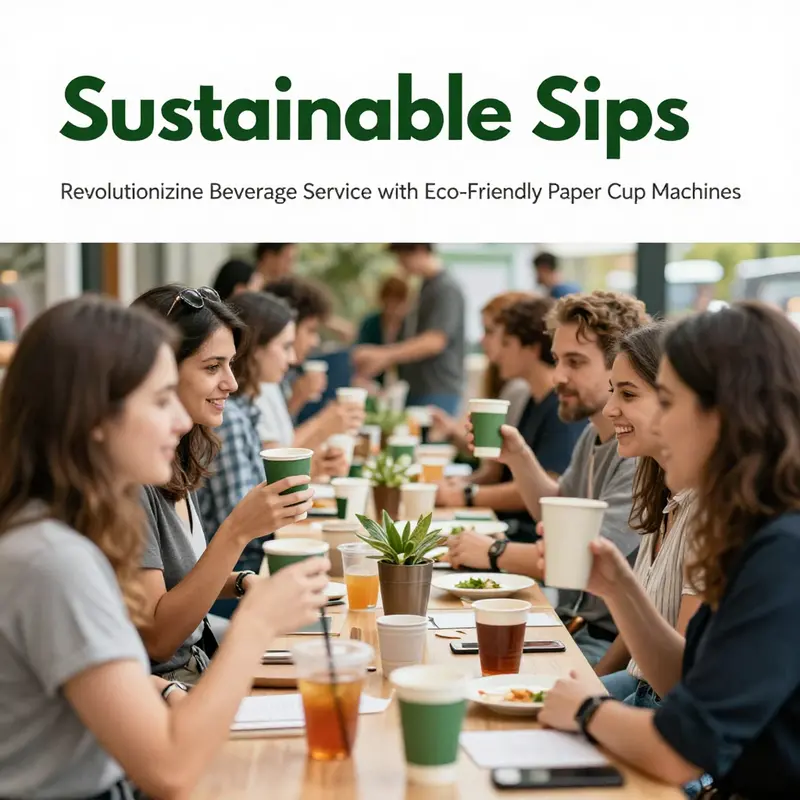
A chorus of small choices is quietly shaping a larger shift in how societies weigh convenience against responsibility. The eco-friendly paper cup machine sits at the crossroads of that shift, turning a simple disposable cup into a signal of intent: to reduce plastic waste, to conserve resources, and to show, in real time, that manufacturing can be both efficient and kind to the planet. When we trace the arc from raw fiber to daily serviceware, the social implications widen beyond a single coffee shop or a single event. They touch communities, supply chains, and cultural norms that increasingly prize transparency, durability, and accountability. The machines that produce these cups are not mere devices; they are engines of a cleaner, more resilient everyday economy, capable of adjusting the tempo of production to match demand without creating waste streams that persist for generations.
A central societal benefit is unmistakable: the reduction of plastic waste. Plastic cups have long been a stubborn fault line in consumer environments, especially in high-traffic venues where quick turnover meets limited waste management infrastructure. Eco-friendly paper cups, crafted with biodegradable or compostable formulations, offer a clearer end-of-life pathway. They break down faster under appropriate conditions, which translates into cleaner streets, waterways, and urban landscapes. The shift from a fossil-fuel–dependent material to a cellulose-based option is not a mere technical preference; it is a practical reorientation of how daily rituals—drinking takeaway beverages, snacking on the go, participating in events—affect the planet over time. The paper-cup production process, when optimized in modern machines, minimizes waste at the source through precise material control, reducing trim scrap and optimizing the use of each roll.
These gains hinge not only on the materials themselves but on how they are produced. Sustainable sourcing of pulp, responsibly managed fiber supply chains, and a disciplined approach to waste reduction throughout the manufacturing line converge to deliver a cup that performs its function with a lighter environmental footprint. The use of recycled content where feasible further lowers energy use and raw material demands. In practical terms, this means the journey from forest to factory floor to consumer hand increasingly embodies the principles of stewardship that consumers expect from responsible brands. When a business can demonstrate that its disposable cups align with recycled or responsibly sourced fibers, it earns more than compliance; it earns trust. That trust spills over into customer loyalty, supplier relationships, and community perception, creating a virtuous circle where sustainability enhances both brand value and social capital.
The societal reach of these machines extends into the heart of local economies. Automation does not necessarily erode opportunity; with the right design, it enables small cafes, pop-up vendors, and craft operations to participate in a green economy without sacrificing efficiency. Semi-automatic configurations, which blend manual control with automation, invite smaller operators to scale thoughtfully, preserving a human-centered approach while benefiting from consistency and throughput. As neighborhoods experiment with new takeout models and micro-restaurants, these machines become gateways to entrepreneurship. They lower the barrier to entry for green packaging, making it feasible for a kitchen or a market stall to offer cups that meet environmental standards without a prohibitive cost of equipment or complexity of operation. In this way, the technology helps seed jobs, stabilize local supply chains, and foster neighborhood resilience in the face of fluctuating demand.
Brand visibility also takes on new meaning in this paradigm. A cup can carry a message, a logo, or a cause—without creating extra packaging waste. Many eco-friendly cup systems integrate printing options directly into the production line, allowing cups to feature brand identity while remaining curbside recyclable or compostable. This integration supports a circular approach to packaging: materials flow back into the economy, rather than piling up in landfills or cluttering waste streams. Consumers increasingly expect industries to keep pace with rising ethical standards, and cups produced on these lines offer an authentic, verifiable form of corporate responsibility. The ability to brand within a single, streamlined process reduces the need for additional printed packaging and labels, cutting both clutter and lifecycle emissions. Such capacities also facilitate on-demand customization for events, campaigns, or product launches, enabling brands to connect with audiences in meaningful ways while staying aligned with sustainability goals.
At the operational level, the heart of these machines lies in real-time control and intelligent quality assurance. Many models incorporate PLC-controlled touchscreen interfaces that translate complex production dynamics into accessible, actionable insights. Operators can tweak temperature, coating thickness, drying times, and substrate tension with precision, while dashboards monitor throughput, scrap rate, and energy consumption. This level of visibility translates into steadier quality, fewer defects, and less downtime—outcomes that reduce waste and extend the useful life of each sheet and cup. Some systems go further with optional visual inspection modules that automatically identify misshapen or flawed cups and reject them before they leave the line. In an era when consumer expectations for flawless presentation are high, the ability to prevent defective cups from reaching customers reinforces trust and minimizes the costs associated with returns, complaints, and brand damage.
Safety and standards provide the solid ground beneath these benefits. A CE certification, common on many modern machines, signals adherence to international safety and environmental benchmarks. This assurance is not a mere bureaucratic checkbox; it signals to buyers and end-users that the equipment embodies rigor in design and process control. When operators can rely on certified equipment, they can implement standardized operating procedures that reduce variance and improve overall efficiency. The net effect is a manufacturing environment that is not only faster but also safer and more predictable, qualities that matter in both high-volume operations and smaller community setups where reliability translates into steady business and consistent outcomes for customers.
The design versatility of these machines further broadens their social impact. The ability to produce cups across a wide size spectrum—from compact 4-ounce shot cups to the more common 16-ounce beverage cups—ensures that the technology can serve a variety of consumption occasions. The capability to handle both hot and cold beverages expands the menu of offerings available to vendors, enabling more complete, service-oriented experiences for customers. This versatility supports a broader shift toward sustainable service models in food and beverage spaces, where short-shelf-life, single-use items can be replaced with thoughtfully designed disposables that still meet user convenience. It also encourages product developers and operators to rethink cup design holistically, considering barrier properties, stiffness, and moisture resistance as living parts of a sustainable system rather than as afterthoughts.
The social landscape around these machines is also shaped by cultural change. As brands and venues adopt more responsible packaging, they contribute to a broader conversation about consumption patterns and waste. Visible environmental stewardship helps cultivate consumer expectations that align with a growing circular economy. In practice, this means more than a single green initiative; it means a shift in how disposable serviceware is perceived and used. Consumers begin to value the end-of-life plan as part of the product’s story, and operators learn that sustainable choices can coexist with profitability. The presence of branding on cups themselves becomes a reminder of shared responsibility—every sip is a reaffirmation of a community’s commitment to reducing waste and preserving resources for future generations.
For those looking to connect these advances with broader packaging ecosystems, the compatibility of eco-friendly cups with compatible takeaway packaging becomes a natural extension. The pairing of cups with sustainable take-away packaging boxes allows a complete, low-wuss waste solution for quick-service settings. See how such packaging solutions can align with green cup production in practical terms at the takeaway packaging resources that illustrate how integrated, low-waste service models function in real-world operations: Takeaway Food Packaging Boxes. This alignment helps customers experience a seamless flow from beverage to meal without fracturing environmental goals along the way.
As regions continue to refine material standards and manufacturing protocols, international perspectives become important touchpoints. Detailed analyses from markets that prize precision and quality—where the standards for paper cups, fiber sourcing, and machinery are closely scrutinized—offer valuable context for practitioners seeking to elevate their own programs. For a deeper look into the standards and industrial applications discussed in this chapter, an external resource on Japan’s approach to cup-making materials and processes provides a comparative lens that can enrich local practice. External resource: https://www.example.com/japan-paper-cup-machine-standards
Rising Currents: The Next Wave of Eco-Friendly Paper Cup Machine Technology
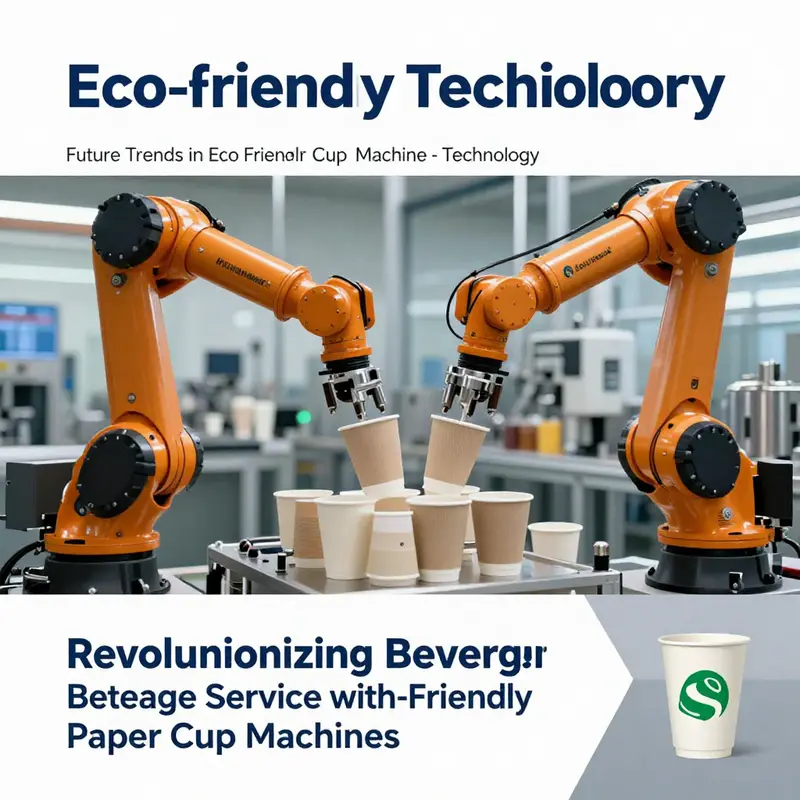
In the ceaseless churn of modern manufacturing, eco-friendly paper cup machines sit at a critical intersection of sustainability and precision. They are not just devices that shape pulp and coatings; they are systems that translate environmental ambition into tangible products. As policy landscapes tighten and consumer expectations shift toward responsibility, these machines must do more than produce cups quickly. They must process renewable materials with predictable quality, minimize energy use, and adapt to brands’ evolving aesthetics. The future, in this sense, is less a single invention than a coordinated shift in design philosophy, control logic, and material science.
The most visible shift centers on materials. Governments around the world are pushing away from single-use plastics and toward papers and biobased coatings that can be composted or biodegraded. Machines are responding by accepting feedstocks with variable fibers and coatings, while maintaining strength and heat resistance. It is no longer enough to rely on a standard wood-piber mix; producers are seeking certified compostable papers and plant-based coatings that meet strict end-of-life criteria. In this context, the machine’s role becomes one of material intelligence: it must sense moisture content, fiber density, and film adhesion, and adjust its processing parameters in real time to maintain consistent cup integrity. This demands tighter control loops, sensor-rich stations, and adaptable die geometry that can handle a wider range of sheet thicknesses and coatings without compromising sealing.
Regulatory momentum also shapes the energy and thermal profile of these lines. The drive toward greener production is materialized in energy-efficient layouts, heat recovery schemes, and advanced thermal processing. Some of the most transformative approaches use hot air or low-grade heat streams to precondition sheets and form lids, rather than relying on energy-intensive injection molding for every component. The payoff is not only lower energy bills but a smaller carbon footprint across the entire production cycle. In practice, this also translates to faster set-up times and reduced cycle variability. When a lid can be formed in mere seconds rather than minutes, and with markedly lower energy input, the operator can redirect resources to quality checks and waste minimization, ensuring that each cup meets a brand’s tolerance for leakage and heat retention. The result is a system that aligns with international safety and environmental standards, offering robust IP-rated sealing and resilience in high-throughput environments.
Beyond materials and energy, the dawn of smart automation redefines what it means to run a cup-making line. Fully servo-driven machines with PLC-controlled interfaces bring a level of predictability that older, mechanically complex lines could only approximate. Real-time sensor networks monitor temperature, pressure, alignment, and coating flow, feeding a central logic that can predict maintenance needs before a part wears out. Downtime is not merely a nuisance; it is a real cost, reframed as data to optimize. Reports and dashboards translate streams of measurements into actionable insights, enabling operators to adjust feed rates, calibrate sealing pressure, and respond to anomalies instantly. In this future, a machine is a learning system. It learns the quirks of a particular batch of feedstock, tracks performance drift, and schedules preventive maintenance so that the line stays within tight tolerances. The upshot is higher yield, fewer rejects, and a more stable supply for downstream packing and beverage operations.
A parallel evolution occurs in the realm of customization and printability. Brands increasingly want cups that tell a story, not just hold a drink. High-resolution digital printing has moved into the mainstream, supported by eco-friendly inks and scalable processes that can accommodate detailed designs on mid- to large-format sheets. Capabilities now exist for printing on cups at speeds compatible with mid-volume lines, with the possibility of variable data or seasonal motifs. Yet the objective remains practical as well as aesthetic: designs must withstand hot liquids, grease, and repeated handling without flaking or fading. The ability to print vibrant graphics at reasonable throughput opens doors for limited-edition campaigns, dynamic branding, and social-media-worthy packaging that can drive consumer engagement without resorting to plastics-based alternatives. In this environment, the line must balance visual quality with functional performance, ensuring that the ink does not compromise barrier properties or heat resistance.
Modularity and multifunctionality form another axis of progress. Modern lines are designed not as monoliths but as configurable ecosystems. They can be adapted to form multi-layered or “sandwich” cups that resist heat, retain insulation, and display complex outer graphics. The complexity does not stop there; some configurations enable one-step production of cups that tolerate temperatures up to 200°C, a capability that expands the range of applications from hot beverages to specialized culinary uses. The modular approach also promises operational resilience: if demand spikes in one segment, a machine can reconfigure to deliver higher output on a subset of cups while maintaining quality elsewhere. In practical terms, this translates to higher daily outputs—on the order of tens of thousands of cups per unit—without a proportional increase in maintenance burdens. The architecture of the next generation favors plug-and-play subassemblies, standard interfaces, and software-driven retooling that reduces time-to-market for new cup formats.
Market dynamics cannot be ignored in imagining these futures. The trajectory is guided by regulatory climates and by consumer willingness to adopt sustainable alternatives. A global expansion is anticipated as manufacturers scale up capabilities to meet rising demand for compostable and recyclable packaging. The same mechanical and digital advances that improve energy efficiency and print quality also unlock cost efficiencies at scale, making eco-friendly cups more competitive with traditional options. The industry appears poised for sustained growth, supported by a steady flow of capital toward automated lines that deliver reliability and compliance. Industry analyses point to a growing market that could connect multiple regions through standardized modules and shared platforms, a trend that reduces unit costs and accelerates deployment in mid-sized operations as well as large-scale facilities. The interdependence of regulation, consumer expectations, and automation technology creates a virtuous cycle: as lines become more capable, more brands seek them out; as demand grows, manufacturers invest in more capable machines; and as machines get smarter and cheaper to run, adoption accelerates still further.
Part of this cycle is the ongoing push toward performance targets that previously lived in the realm of optional add-ons. Digital printing, energy recovery, and predictive maintenance are becoming baseline expectations for new equipment. The continuous improvement in throughput, with potential rates of 70 to 100 cups per minute for certain high-performance configurations, demonstrates how value is no longer measured solely by speed, but by how consistently a line can produce cups that meet brand standards and regulatory requirements. The aesthetic and the practical converge when modern lines couple vibrant, water-based inks with robust barrier coatings that resist oil and heat, while keeping end users safe and the environment protected. The ambition is not merely to replace plastics but to reimagine the entire packaging ecosystem around a sustainable core.
As the chapter on this topic unfolds, readers encounter a broader ecosystem that connects machine design to end-use packaging. A practical reminder lingers: adoption hinges on a careful balance of upfront investment, operating costs, and regulatory alignment. For small shops and large cafeterias alike, the right machine is not simply the fastest or the cheapest; it is the most adaptable, the easiest to maintain, and the most transparent about its environmental impact. The way forward is likely to involve ecosystem-level thinking—integrating raw material sourcing, coating choices, energy recovery options, and digital monitoring into a cohesive system rather than a patchwork of isolated improvements. A glimpse into broader packaging strategies can be found in the realm of eco-friendly takeout boxes for food packaging. eco-friendly takeout boxes for food packaging. This example illustrates how design choices in one segment—takeout containers—reflect and influence the capabilities of adjacent lines that process the same materials and coatings. It underscores how a single modular platform can support multiple product formats, aligning production with a sustainability narrative across categories.
For a macro view of the market potential and strategic considerations driving investment in these technologies, external research offers a broader lens. Industry analyses project notable growth in the paper cup making machine sector, with a global market expansion projection that underscores the interplay of regulation, demand, and innovation. To explore this broader landscape, see MarketsandMarkets’ overview of the paper cup making machine market. https://www.marketsandmarkets.com/Market-Reports/paper-cup-making-machine-market-95863628.html
The narrative of progress in eco-friendly cup technology is not a parable of automation alone; it is a story of how craft, chemistry, and computation align to reduce waste and redefine consumer experience. The future will reward lines that can accommodate diverse feedstocks without sacrificing performance, cut energy per cup without sacrificing throughput, and deliver designs that stand up to the rigors of daily use, whether in a quiet café or a bustling stadium concession. The next generation of machines will not only craft cups; they will orchestrate a system in which sustainability, efficiency, and branding are woven into the fabric of day-to-day beverage service. In the end, the cup becomes a small but telling indicator of how a culture negotiates plastic with paper, convenience with responsibility, and speed with stewardship.
Final thoughts
Eco-friendly paper cup machines not only represent a solution to reducing plastic waste but also signify a commitment to sustainability in the beverage industry. Their technological advancements allow for high-speed production, tailored designs, and improved quality control. Understanding the economic, geopolitical, and societal implications of these machines can empower beverage providers to make informed choices that resonate with consumers focused on sustainability. As businesses adapt to evolving market needs, investing in eco-friendly solutions like paper cup machines will pave the way for future trends in responsible production and environmental stewardship.