

As the food and beverage industry evolves, the demand for stylish and functional serving options has never been higher. Heavy duty clear plastic cups with a gold rim, specifically the 12oz variant, have emerged as a favorite among bubble tea shops, beverage chains, restaurants, food trucks, catering services, event planners, and corporate procurement teams. This article explores the materials and durability of these cups, their aesthetic appeal, environmental considerations, and the latest market trends, providing valuable insights into why these cups are the ideal choice for any beverage or catering service.
Material and Durability: How Heavy-Duty Clear Plastic Cups with Gold Rim 12oz Achieve Elegance and Endurance
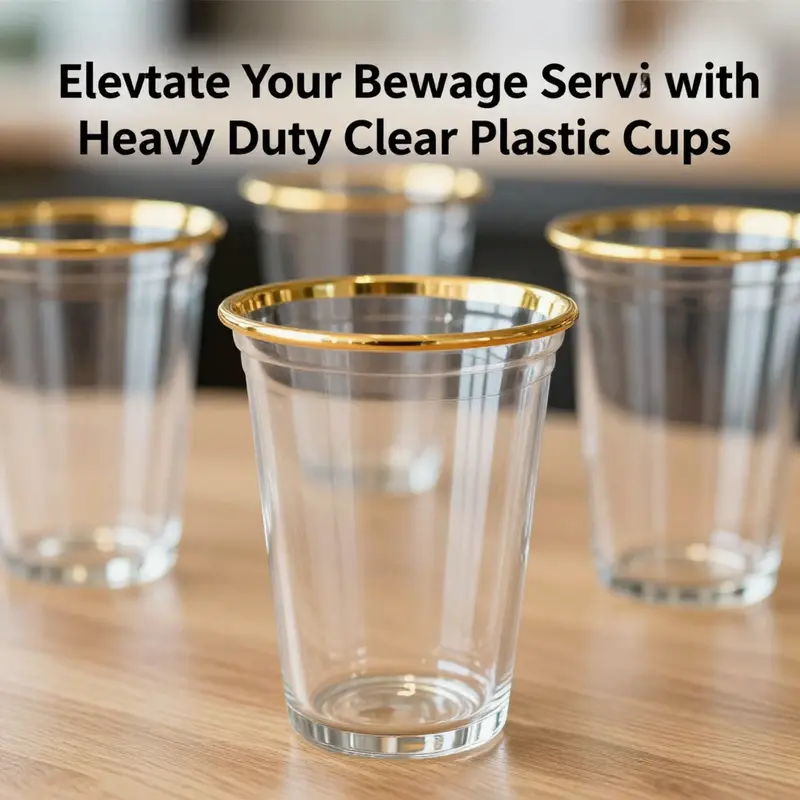
The choice of material and the structural design of a drinking vessel can determine the difference between a gathering that feels carefully curated and one that merely functions. In the realm of disposable ware, heavy-duty clear plastic cups with a gold rim in the 12-ounce size occupy a distinctive niche. They promise the polish of a glass with the practicality and convenience of a single-use option. To understand why these cups have gained traction in events ranging from intimate receptions to bustling catering operations, one must look closely at the material that underpins their performance, the durability that supports their everyday use, and the design choices that fuse form with function. At their core, these cups are crafted from a high-quality, hard plastic—polystyrene—specifically the grade often referred to in industry shorthand as PS6. This material is chosen not for sheer novelty but for a measured balance of clarity, rigidity, and resilience. Clarity matters because the visual presentation of a beverage—its color, fizz, and garnish—contributes to the overall sensory experience. A cup that fogs, yellows with time, or exhibits visible fatigue can betray the perception of quality even before the drink itself is evaluated. PS6 is renowned for its optical properties, offering a near-glass-like clarity that helps beverages shine. This level of transparency is essential when the cup is paired with a light-stemmed wine or a bright cocktail, where the color and sparkle of the drink are as much a part of the event’s aesthetic as the garnish or the tableware. The rigidity of PS6 further contributes to a clean, crisp profile that reads as upscale, even in a disposable format. Unlike softer plastics that may flex or warp under pressure, the hard plastic resists deformation under ordinary handling, which is crucial when cups are passed around crowded spaces, stacked for quick restocking, or handed from a table to a guest who may grip the cup with kinetic, hurried motions. In these scenarios, a cup that remains upright, maintains its shape, and holds liquid without leakage is not a luxury but a baseline expectation. The 12-ounce size itself is a thoughtful compromise. It is large enough to accommodate an ample serving of most standard beverages while remaining easy to grip, stack, and transport. In busy settings, the size helps servers and hosts manage inventory with fewer trips to replenish. When the focus shifts to hot beverages, the tolerance of the material comes into clearer relief. While many disposable cups are designed primarily for cold drinks, the heavy-duty variant with this specific plastic formulation demonstrates a capacity to perform with hot liquids as well. The polymer’s structural integrity does not compromise easily under moderate heat, reducing the risk of cracking along the wall or at the base when a cup contains a steaming coffee, tea, or a hot chocolate. This resilience matters not only for safety and service efficiency but also for the guest experience, where a sudden reveal of a cracked cup or a compromised rim can interrupt the moment and diminish the perception of care that a host strives to convey. The combination of clarity, rigidity, and heat tolerance positions these cups as a versatile option in professional settings and at home alike, where a single cup must manage a spectrum of beverage types across an event’s timeline. The gold rim introduces a dimension that transcends mere decoration. The rim’s metallic accent serves two purposes. Aesthetically, it elevates the perceived value of the disposable cup, aligning it more with upscale glassware and reducing the cognitive gap between reusable and single-use options. The gold rim is not simply a visual flourish; it can enhance the perceived temperature and weight of the cup within the user’s hand, delivering a tactile cue of quality. From a structural standpoint, the rim often plays a reinforcing role at the top edge of the cup. The lip and crown of the cup must withstand repeated contact with lips, stirring spoons, or the occasional impact against a tray or plate. A well-constructed rim can distribute stress away from the body of the cup, reducing micro-fractures and preventing cracking that could lead to leakage or an unpleasant change in the cup’s profile. In this light, the design becomes a collaborative effort between aesthetics and engineering. The gold rim is not merely cosmetic; it is part of a careful approach to durability that acknowledges how guests interact with the product in real-world environments. The design philosophy that underpins these cups emphasizes a confident, balanced silhouette. The rim’s reinforcement is subtle but meaningful, and it translates into a tangible sense of sturdiness when the cup is held, swiveled, or stacked for shipment. This is not to imply that the cups are indestructible; rather, it is to recognize that their durability is calibrated to withstand typical event conditions without crossing into failure. The practical upshot is a product that can be trusted in the middle of a busy service line. It can be used to serve both cold beverages—think chilled water, lemonade, or sparkling drinks—and hot beverages where the user’s grip and the cup’s structural integrity are tested. The material choice and the rim construction work in concert to prevent common failure modes, such as cracking along walls under pressure or lip-edge chipping that can occur when cups are jostled during service or transport. In this sense, durability is not a single attribute but a synthesis of properties: clarity that preserves the drink’s visual appeal, rigidity that resists deformation, heat tolerance that accommodates temperature variation, and a rim that fortifies the top edge while adding a touch of elegance. The safety profile of these cups aligns with consumer expectations for disposable tableware in professional and private settings. The material is designated for direct contact with food, and the product is typically labeled as food-grade. In many markets, this designation implies compliance with standards designed to protect against contaminants migrating into beverages. A common facet of safety discourse is the avoidance of bisphenol A (BPA) in consumer plastics. Although BPA-free labeling is more frequently encountered in other polymer families, many manufacturers of rigid polystyrene ware pursue formulations and processing methods that minimize leaching and meet applicable health and safety guidelines. In practice, this means that the cups are intended for direct beverage contact and are manufactured with attention to the chemical characteristics of the material, surface finish, and handling practices that help ensure purity from the first pour to the last sip. This attention to safety intersects with public health expectations that have risen alongside a growing emphasis on hygiene in food service. The disposable nature of these cups makes them convenient for events where washing up after service is impractical, but it also raises questions about disposal and environmental responsibility. The heavier, more durable design reduces the risk of breakage-related incidents—an important consideration for venues with children, outdoor venues where slips and falls are more likely, or venues where guests might handle cups with less coordination in high-energy moments. Yet durability and convenience should always be balanced with environmental considerations. Polystyrene, as a material family, poses distinctive recycling and waste-handling questions. While some recycling streams exist, not all curbside programs accept polystyrene, and the as-produced cups typically end up in specialized recycling or waste channels. This reality nudges event planners and hosts to weigh the benefits of a higher-quality disposable option against its end-of-life footprint. In practice, venues can mitigate impact by choosing suppliers who provide clear guidance on disposal options, encouraging recycling where available, and coordinating with waste streams that can properly process rigid polystyrene. The environmental conversation also nudges attention toward the entire lifecycle of the cup—from resin sourcing and resin conversion through the molding process to the post-use fate of the product. The 12-ounce size, with its capacity and comfort of use, should be paired with responsible service practices. In high-volume events, staff training can emphasize handling techniques that protect the cup and reduce waste. For instance, avoiding excessive stacking pressure during transport, ensuring proper stacking orientation to prevent slippage, and training servers to minimize drops can extend the useful life of the cups within a single service cycle. This is particularly relevant for cups that must be held for longer periods at a standing reception where guests may linger. In sum, the material and durability story of heavy-duty clear plastic cups with a gold rim 12oz is one of deliberate engineering choices aligned with an elevated aesthetic. The material provides optical clarity and structural resilience, while the rim design delivers both an edge that resists everyday wear and a flourish that elevates presentation. The result is a disposable vessel that can be trusted to perform—maintaining form, avoiding leaks, and supporting a guest experience that leans toward refinement without sacrificing convenience. As event professionals navigate the tension between elegance and practicality, these cups offer a compelling option that respects the expectations of both the host and the guest. The practical takeaway is that choosing the right material and a thoughtfully engineered rim is about more than just keeping beverages upright; it is about sustaining a moment where presentation and reliability converge, from the first toast to the final refill. For readers exploring related disposable-ware decisions, a broader look at options for event tableware can be found here: disposable clear plastic cups for events. This reference helps situate the discussion within a wider landscape of design choices that balance style, practicality, and safety in modern gatherings. External research and market observations corroborate the growth of premium disposable options that deliver both performance and visual appeal, even as environmental considerations continue to shape purchasing choices. For a practical snapshot of the market’s reach and offerings, see a representative listing here: https://www.ebay.com/itm/12oz-Clear-Plastic-Cups-with-Gold-Rimmed-Sturdy-Food-Grade-Disposable-Party-Cups/384597707937
Gilded Clarity: Elevating Everyday Service with Gold-Rimmed 12oz Heavy-Duty Clear Plastic Cups

The sight of a crystal-clear cup catching light, edged with a slender band of gold, can transform a simple beverage into an event. In the realm of disposable tableware, the 12-ounce heavy-duty clear plastic cup with a gold rim occupies a unique niche. It blends the reliability of sturdy everyday use with the elegance of a premium presentation. This combination matters because it speaks to a broader shift in how people experience hospitality in modern gatherings. The cup is not merely a means to hold liquid; it is a tiny stage where color, texture, and mood interact, where the simplest of acts—lifting a glass to toast, taking a slow sip of iced tea, or presenting a dessert with a gleaming edge—becomes part of a consciously designed moment. In that sense, these cups do more than fulfill a utilitarian need. They provide a visual anchor for events that aim to feel both refined and approachable, practical and memorable, everyday and special all at once.
The material foundation of these cups is as purposeful as their appearance. They are described in industry notes as heavy-duty clear plastic, crafted to resist breakage in high-traffic environments like weddings, banquets, corporate receptions, and festive gatherings. The core is a hard plastic, selected for its balance of clarity, rigidity, and resilience. The 12-ounce capacity is particularly versatile. It is large enough to hold a generous pour of cocktails, mocktails, or sparkling beverages, yet compact enough to resemble traditional glassware at a glance. The clear body serves a dual purpose: it showcases the color and texture of the drink while allowing a dessert or garnish layered near the rim to catch the eye. When the liquid’s hue shifts—from the pale gold of a champagne punch to the deep amber of a spiced cider—the cup becomes a showcase rather than a simple vessel.
The gold rim is more than a decorative flourish. It is a design element rooted in the psychology of perception. Gold, in the context of tabletop styling, conjures associations with warmth, celebration, and refined taste. The rim acts as a boundary that guides the eye, framing the beverage as it sits on a crowded buffet or dining table. The contrast between the transparent body and the gleaming band amplifies the visual drama of the drink’s color, carbonation, or foam. In a room filled with cluttered surfaces and competing textures, the gold trim helps the cup stand out in a way that feels intentional, not ornamental. For event planners and caterers who juggle dozens of little decisions at once—lighting, placement, color palette, service pacing—the gold rim offers a reliable cue of quality that does not demand a change in glassware inventory or fragile investments.
From a manufacturing standpoint, the combination of clear plastic with a metallic accent is a particular engineering challenge. The plastic used must be robust enough to withstand the rigors of transport, stacking, and daily wear during an event. Yet the rim must be applied with precision to avoid chipping or dulling during use. The result is a cup that feels substantial in hand, with a finish that remains bright through hours of service. In practice, that means a cup designed to be enjoyed with both hot and cold beverages. While this capacity broadens its applicability, it also calls for careful attention to customer expectations. The phrase hot and cold implies versatility, yet it also invites caution about handling and temperature tolerance. The cups are designed to be comfortable to hold with both iced drinks and modestly heated samples, reducing the need for separate wares for different beverage types.
An essential aspect of any disposable product today is safety and hygiene. Food-safe certification is a core feature of the heavy-duty 12-ounce gold-rimmed cups. This certification reassures operators that the cups meet health and safety standards appropriate for serving a wide range of beverages and even dessert components like soft mousses or fruit compotes. The BPA-free claim, when present, adds another layer of consumer confidence, particularly for events where guests are more conscious about lingering chemical exposure. It is important, though, to recognize that material specifications can vary by batch and by manufacturer. For buyers who aim to maximize safety without compromising durability, the market now presents options that pair BPA-free formulations with the high clarity and stability of heavyweight plastics. Those options are especially appealing to caterers who want to emphasize both purity of materials and the sophistication of presentation.
Market dynamics illuminate why these cups have found a home in both personal and professional settings. The desire for disposables that do not sacrifice aesthetics has grown in tandem with heightened expectations for hygiene and convenience in food service. In many settings, disposable does not mean disposable-looking. A gold rim can bridge the gap between a casual party and a formal reception, providing the visual cues of glassware without the fragility or the glass-cleaning demands. This is particularly valuable in events where speed of service matters, such as weddings with staged toasts or corporate gatherings with rapid beverage circulation. The cups’ translucent bodies preserve the visual appeal of the drink itself—be it the shimmering edge of a citrus twist or the velvety hue of a chilled tea—while the gold rim enhances the sense of ceremony that hosts want to cultivate.
The psychological dimension of presentation cannot be overstated. Humans are conditioned to associate certain materials with certain experiences. Glass connotes tradition and formality; plastic connotes convenience and modernity. A carefully designed hybrid like a clear plastic cup with a gold rim creates a visual paradox: it appears elegant and high-end while remaining practical and disposable. This paradox is not a flaw but a strength. It allows venues to deliver a premium moment without the fragility and overhead associated with glass. For one evening or a weekend-long celebration, these cups can help establish a consistent, polished aesthetic across multiple service points—from the champagne reception to the coffee station—keeping the guest experience cohesive rather than haphazard.
The social function of such cups also extends into the realm of desserts and hors d’oeuvres. The transparency of the body makes it possible to present layered desserts in mini portions or to stage color-forward beverage pairings that complement the menu. A bright layered punch, a mint-green mocktail, or a sunset-hued sangria can all be visually amplified simply by virtue of the cup’s clarity and its gilded rim. When a dessert course appears alongside the drinks, the cups become part of a curated table narrative. There is a subtle theatre to the way light plays off the rim, how the liquid’s surface catches a glint, and how a matched plate of desserts mirrors that same glint in a different medium. In this sense, the cups are not only vessels but components of a larger design language—one that speaks of careful sourcing, thoughtful planning, and a respect for guests’ sensory experiences.
For planners who want to weave cohesive brand or color schemes through every touchpoint, these cups offer a flexible canvas. Their clear bodies accept a spectrum of drink colors, and the gold rim offers a single unifying cue that can tie together napkins, ribbons, and lighting. A wedding with champagne and gold accents finds the cups aligning with the venue’s décor, producing a sensory memory that lingers after the party is over. A corporate luncheon might leverage the same cups to suggest a level of seriousness and polish without the expense and risk of fragile glassware. Even casual gatherings can benefit, as the cups elevate the moment while keeping the operation simple and efficient. The result is a pragmatic luxury—an accessible way to elevate service without complicating logistics.
In practical terms, the availability of bulk options matters. The market has seen a rise in 100-pack or larger configurations that offer the same gold-rim treatment in a more economical package. The value proposition for event teams becomes clear: a consistent, durable product that can be stocked, distributed, and reused across multiple events with minimal fuss. The durability of the heavy-duty construction reduces breakage, a common pain point in high-energy environments where guests are moving between stations and tables. This resilience translates into lower waste generated by accidental breakage and fewer service interruptions caused by swapping damaged wares. It is a small but meaningful contribution to the overall efficiency of event operations, particularly in venues that balance high guest counts with tight service timelines.
For those who plan with an eye toward sustainability, the question of end-of-life disposal is never far away. The heavy-duty nature of these cups implies that they are built to endure. In some contexts, that durability translates into opportunities for reuse within a single event or across related events in a season. In others, it means choosing recyclable or compostable options where available, and designing waste streams that encourage responsible disposal. While disposal is not the same as reuse, the capability to stand up to multiple pours and exchanges is an important factor in reducing the overall environmental impact when compared with fragile glass or lower-quality plastics. The trend toward responsible consumption also prompts manufacturers and buyers to explore coatings, foams, and finishes that minimize weight while preserving rigidity and sparkle. The result is not a monolithic solution but a spectrum of options that can align with different sustainability targets, budgets, and guest expectations.
Within this broader landscape, the idea of integrating these cups into themed experiences gains promotional traction. For instance, planners who curate mood-driven events—festive, seasonal, or culturally inspired—can pair the cups with design elements such as metallic napkin rings, velvet table runners, or candlelight that plays on gold tones. The reflective rim will catch and bounce light from candles or uplighting, creating a photogenic moment that guests remember long after the event ends. In this sense, the cup becomes a prop in storytelling, a tangible touchpoint that reinforces the narrative the host aims to convey. The combination of practical readiness and decorative potential makes the gold-rimmed cup a versatile ally in a planner’s toolkit, especially when the aim is to maximize impact while maintaining smooth, repeatable service patterns.
For those who value seamless procurement and the coordination of multiple suppliers, the availability of these cups in robust bulk formats is a practical asset. It reduces the complexity of ordering and stocking, a quiet but important factor in event success. A single SKU can cover a range of applications—from coffee stations to cocktail bars to dessert tables—while maintaining a unified aesthetic. In the planning phase, this means fewer compromises between form and function. It also means more time and mental bandwidth to focus on guest experience, seating, and programming, rather than worrying about the fragility of wares or the mismatch of decorative themes.
As a practical tip, consider the role of the cup beyond the drink. The gold rim can serve as a subtle cue for staff when coordinating beverage service, helping servers identify the correct category of drink for a given station or course. A staff member might use the rim as a quick visual anchor to distinguish premium offerings from standard beverages, aiding in speed and accuracy without compromising presentation. This kind of implicit cueing is especially valuable in large-scale events where staff knowledge must be shared quickly and efficiently across teams. The cups thus become more than containers; they act as part of the operational choreography that keeps service graceful under pressure.
From a consumer perspective, guests often notice the details that others might overlook. The gold rim can evoke a sense of occasion even before the first sip is taken. It can elevate a simple toast into a shared ceremony and transform a routine coffee break into a moment of mindful indulgence. In a market saturated with disposable options that can feel disposable in more than one sense, these cups offer a counterpoint: a disposable product that maintains a sense of occasion. The balance between disposable practicality and premium appearance resonates with both hosts and guests who want to enjoy a well-curated experience without compromising convenience.
A final reflection concerns how these cups fit into a broader ecosystem of event essentials. The cup’s success depends not just on the beauty of a rim or the clarity of the plastic, but also on the reliability of the entire service chain—the packaging, the transport, the ease of stacking, the speed of passing, and the compatibility with lids and sleeves if those accessories are part of the chosen setup. For planners who prioritize end-to-end coherence, the gold-rimmed cup can serve as a reliable anchor point. It communicates consistency across service points and reinforces the sense that every element has been considered. In that sense, the cup is not an end in itself but a strategic enabler of elevated hospitality—an affordable luxury that travels well from the kitchen to the table and beyond.
For readers who seek to weave this design language into their own event planning, the concept can travel beyond the cups themselves. The linked resource for theme-party packaging illustrates how a cohesive approach to disposable serveware—where cups, boxes, and other tableware echo a shared design vocabulary—can amplify the guest experience without adding complexity to operations. The idea is to treat disposable serveware as a component of the whole show, not just as a default choice when real glassware is unavailable. By embracing a unified aesthetic across cups, napkins, carry-out packaging, and decorative accents, planners can craft immersive moments that feel thoughtful and intentional. This is one of the most compelling benefits of gold-rimmed, heavy-duty clear plastic cups: they enable a designer’s vision to matter at a practical scale, without forcing compromises between style and efficiency.
In sum, the 12-ounce heavy-duty clear plastic cup with a gold rim stands at a productive crossroads of form and function. It offers a confident silhouette that elevates the presentation of beverages and desserts while delivering the durability required by busy service environments. It provides a visual signal of quality that aligns with contemporary expectations for hygiene, convenience, and aesthetic integrity. And it offers a flexible platform for event professionals who want to stage moments that feel polished, cohesive, and memorable. As events continue to evolve toward experiences that balance practicality with glamour, such cups will likely remain a go-to choice for those who understand that presentation matters as much as performance. To explore related themes in event packaging and tableware design, see the linked resource on themed packaging concepts. custom takeaway packaging supplies for theme party
External reference: For a broader look at premium gold-edged disposable options and their market positioning, see https://www.amazon.com/dp/B0C5ZQV9KJ.
Shining Under Footprints: Environmental Considerations and Practical Realities of 12oz Heavy-Duty Clear Plastic Cups with Gold Rims
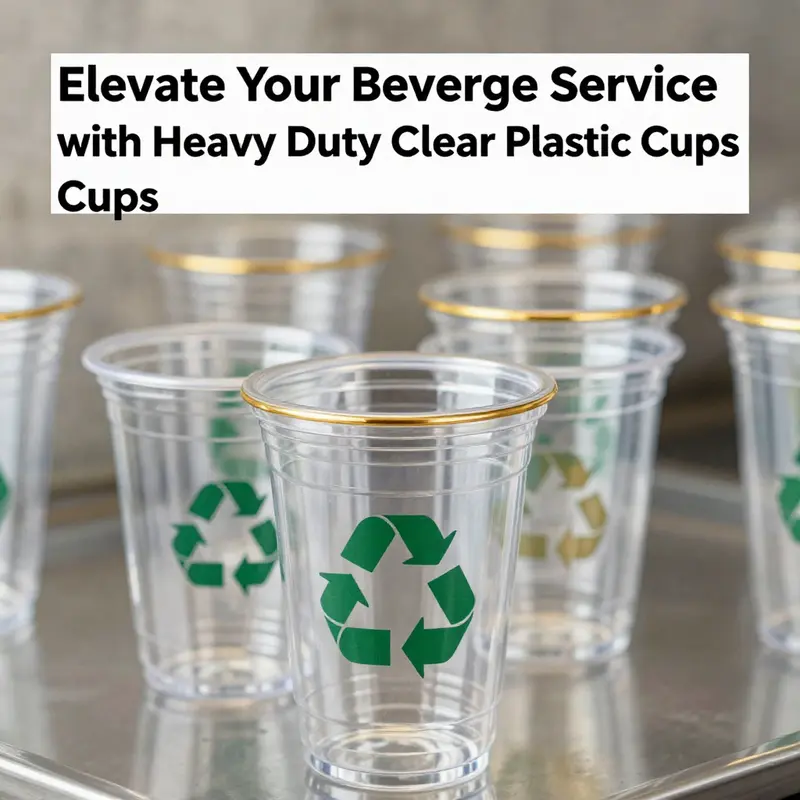
The visual appeal of a heavy duty clear plastic cup with a gold rim is hard to miss at a well‑timed event. In quiet rooms and bustling ballrooms alike, the 12oz size carries a dual promise: resilience and refinement. Guests appreciate the sturdiness that prevents spill and crumble, while planners notice how the slim gold edge elevates the presentation without demanding fragile glass or elaborate setup. That combination—durability and elegance—helps explain why these cups have become a mainstay in contemporary catering, especially for gatherings that strive to look polished without the fragility and chore of real glassware. Yet behind the shimmer lies a set of environmental considerations that organizers and suppliers must weigh. The research that informs these cups’ usage is not a straight line from style to practicality. It loops through the material marrow, the end of life, the energy costs of manufacturing, and the messy realities of recycling infrastructure. In that continuum, the 12oz heavy duty clear plastic cup with a gold rim stands as a case study in how appearance and responsibility can coexist, and where trade-offs demand thoughtful planning from the moment a decision is made to stock the event with disposables.
Material choice is the first thread in this conversation. The clarity and durability that make the cups attractive are tied to a family of plastics that have become the workhorses of single use culture. The cups in question are typically produced from polystyrene or polypropylene. Both materials offer the crisp transparency and rigid structure necessary to resist cracking under pressure, which is essential for hot and cold beverages alike. But these materials share a fundamental environmental trait: they are not biodegradable. They persist in the environment for decades if not diverted into appropriate waste streams. That fact reframes the once‑taken‑for‑granted convenience of disposables into a set of responsibilities—how the cups are disposed of, how the waste stream is managed, and what alternatives a business is willing to consider when sustainability becomes part of the value proposition.
From a life cycle perspective, the production path matters as much as the post‑use fate. Polystyrene, while clear and stiff, is energy intensive to manufacture and tends to generate a relatively high climate impact in some production scenarios compared with polypropylene. Polypropylene cups, by contrast, generally show a lower energy use and lower greenhouse gas emissions during production. Those differences are meaningful to event planners who track environmental footprints across multiple components of a program—from venue sourcing to food packaging to waste handling. Yet even PP’s comparatively lighter footprint does not erase the end‑of‑life challenge. The gold rim itself, often applied through metallization or a printed coating, introduces a layer of complexity for recycling streams. Metals can contaminate otherwise recyclable plastic, and in mixed streams the rim can hinder easy separation and processing. The result is a recycling puzzle: how to reclaim value from a cup whose body is recyclable but whose rim and metallized finish complicate the process.
This is where the conversation often turns to alternative materials. Polylactic acid, or PLA, presents a renewable resource option that can be compostable under industrial conditions. The appeal is clear: a cup that is derived from plants rather than fossil feedstocks, with the potential to break down in a managed composting facility. But PLA is not a universal remedy. Industrial composting facilities capable of handling PLA at scale are not universally available, and some PLA cups do not perform as well under high heat or in high‑moisture environments. For beverages that ride the thermal extremes of a party—hot coffees, spiced ciders, icy cocktails—PLA’s performance can be uneven. The gray area between compostability and practical usability is exactly where many events land when sustainability goals are formalized but the material science at every point of the supply chain remains imperfect. In that context, the environmental discourse is less about choosing one material as the sole solution and more about aligning the cup’s design with an ecosystem of waste management capabilities, logistics, and consumer behavior.
To optimize environmental performance, the path forward often emphasizes several practical strategies. First, selecting materials that maximize recyclability within available systems is prudent. Polypropylene, when properly labeled and collected in facilities designed to handle post‑consumer PP, can offer a comparatively favorable end of life. Clear labeling is crucial because it informs collectors and consumers about how to part the cup from other waste streams. Second, partnering with waste management providers who accept post‑consumer plastic is not an afterthought; it is a prerequisite for achieving meaningful diversion. The most effective programs are those that connect the consumer, the event organizer, and the recycling facility in a closed loop—where cups reenter the manufacturing stream rather than languish in landfills or litter. Third, where feasible, exploring biodegradable or compostable alternatives can be part of a broader sustainability strategy, but only when the local waste infrastructure supports industrial composting. If a venue does not offer such facilities, PLA or other biobased options may end up in the same fate as conventional plastics, underscoring the importance of alignment across supply chains.
The environmental calculus also extends to how the product is designed in the first place. A gold rim adds visual appeal and can be an essential cue for upscale settings. The rim can be applied through metallization or printing, processes that themselves carry environmental tradeoffs. Metallized coatings may require additional metallurgical resources and processing steps. They can complicate recycling streams by introducing metals that complicate separation. Even when a cup’s main body is recyclable, the rim can become a bottleneck that interrupts a straightforward recycling flow. This tension between aesthetics and recyclability is not a call to abandon elegance; it is a prompt to innovate in a way that preserves presentation while minimizing disruption to recycling standards. For instance, some programs are exploring rim designs that maintain the gilded look with minimal metal content or alternative finishes that are easier to separate from plastic at the end of life. In practice, such innovations demand collaboration among cup manufacturers, metallizers, and waste processors to ensure the final product is both appealing and recoverable.
For event organizers, the decision to use these 12oz heavy‑duty clear plastic cups with gold rims should hinge on a robust plan for end‑of‑life management. This begins with clear communication of disposal expectations to guests and staff. Onsite labeling and proactive waste station design help direct streams toward recycling or composting where appropriate. Staff training becomes part of the environmental program, ensuring that cups do not end up in the wrong bin and that the local facilities understand the cup’s material composition and any rim considerations. A proactive approach also involves evaluating the case for reusability in some contexts. In settings where a significant portion of the beverage service occurs at fixed seating or stationary stations, returnable systems or durable, washable alternatives may offer a more sustainable route. Even when disposables remain the norm, it is possible to reduce the environmental impact by optimizing the order quantity, avoiding overstock, and selecting packaging that minimizes the overall carbon and waste footprint.
As the industry continues to explore the balance between durability, style, and sustainability, a catalog of practical guidelines emerges. Choosing recyclable materials such as PP, where local recycling streams support recovery, becomes a best practice. Transparent communication about disposal and recycling expectations builds consumer confidence and participation. Engaging with waste management partners to design closed‑loop or near‑closed loop programs helps maximize the material’s value and reduces the likelihood that cups end up as litter. When alternatives like PLA are introduced, they should be integrated only where the local composting infrastructure can handle them efficiently. In practice, this means asking tough questions about a venue or region’s capabilities before committing to a compostable option that may ultimately fail to decompose in a landfill or simple municipal compost program. The overarching aim is to align the design, production, and end‑of‑life pathways so that the cup’s beauty does not overshadow its responsibility.
For readers who want to explore the broader scientific and industry context of these environmental considerations, a foundational study from the Environmental Science & Technology domain provides a rigorous comparison of material impacts and life cycle considerations. It offers a nuanced view of how the different plastics perform under various conditions and what that translates to in real waste streams. Environmental Science & Technology study dives into the tradeoffs between clarity, durability, energy use, and end of life across polystyrene, polypropylene, and biodegradable alternatives. The findings reinforce the idea that there is no one perfect solution for every setting and that the most responsible choices come from understanding local waste infrastructure and consumer behavior, then designing packaging that fits within that system.
For those who want a concrete example of how internal content strategies can support sustainable packaging choices, there is relevant practical guidance on a related platform. The internal resource touches on disposable packaging options that cater to theme events and party atmospheres while also considering environmental implications. A handy reference point for readers seeking a direct connection to event planning and disposable packaging is the following page, which provides a catalog of disposable clear plastic cup options suitable for a variety of celebrations and service styles. disposable-clear-plastic-cup-outdoor-picnic-pet-cup-drinking-cup-for-parties-birthdays-weddings-camping-utensils/
The interplay between appearance and sustainability in these cups is not a paradox but a design constraint—one that invites ongoing experimentation. The gold rim’s elegance does not have to fade in the face of environmental accountability if the industry continues to push for recyclable materials, clearer labeling, and more robust waste management pathways. The cup can remain a symbol of hospitality and care, signaling to guests that the experience is intentional and well‑considered. The challenge and opportunity lie in translating that intention into practice: selecting a material whose recycling stream is accessible, ensuring end‑of‑life programs exist and are communicated, and staying open to design changes that preserve beauty while reducing environmental impact.
In the end, the chapter on heavy duty clear plastic cups with gold rims 12oz is a reminder that sustainability does not erase style. It reframes style as a conversation among materials science, consumer behavior, and system design. The cup is a case where form follows functional responsibility, not in a single leap but through a sequence of careful choices—from the factory floor to the waste bin. For event planners, hospitality professionals, and suppliers, the lesson is to treat the 12oz cup as a small but meaningful piece of a larger environmental narrative. By prioritizing materials with robust recycling options, engaging waste streams, and thoughtful design, the industry can preserve the confident charm of these cups while helping to ensure that the footprints they leave behind are lighter than the impressions they leave on a guest’s memory. The result is not merely a cup with a gold rim but a story of practical elegance guided by responsible stewardship, where a simple beverage is served in a vessel that honors both the diner and the planet.
null
null
Final thoughts
In conclusion, heavy duty clear plastic cups with a gold rim provide an exceptional solution for businesses looking to combine elegance with functionality. Their robust design, coupled with aesthetic versatility and environmental compliance, meets the demands of modern beverage services. By leveraging these cups in your offerings, you’re not just providing a drink—but creating an experience that resonates with quality and style. Make the switch today and join the growing trend towards classy, practical, and reliable serving solutions.