
As the world increasingly prioritizes sustainability, Wellington is stepping up with innovative approaches to eco-friendly food packaging. This shift is crucial for businesses in the food and beverage industry, particularly for bubble tea shops, restaurants, food trucks, and catering services. The following chapters will delve into groundbreaking practices, agricultural byproducts, regulatory frameworks, biotechnological advancements, and the economic benefits of adopting eco-friendly packaging. By understanding these key areas, businesses can align their operations with sustainability goals while also enhancing their brand value.
Wellington’s Circular Packaging Journey
This chapter describes Wellington’s shift toward eco-friendly food packaging by upcycling agricultural byproducts into biodegradable materials, emphasizing local supply chains, regulatory clarity, and community engagement. It highlights feedstocks like bagasse, bamboo, and citrus residues, processing approaches, end-of-life scenarios, and the social benefits of a circular economy in the city.
From Orchard Debris to Everyday Wrap: Wellington’s Upcycled Packaging Frontier
Wellington sits at a crossroads of wind and water, where a practical stubbornness meets a quiet optimism about the future. In this city, reducing environmental impact isn’t confined to a courtroom debate or a conference room slide deck; it threads through docks, cafes, markets, and laboratories. The drive toward eco-friendly food packaging here grows not from a single breakthrough but from a widening circle of collaboration that treats agricultural byproducts as a resource, not a waste stream. Local farmers, researchers, and small-scale manufacturers increasingly imagine packaging as part of a circular system—one that returns value to the soil and to the economy rather than piling up in landfills. The concept rests on a simple, powerful idea: the very matter that nourishes harvests can also safeguard the meals that come after harvest. When the peel of a citrus fruit, the spent grain from a microbrewery, or the rind of a grape becomes the seed of a packaging material, the city’s waste system begins to resemble a factory of second chances rather than a tunnel of discard. This shift is not merely technical; it reframes what counts as usable material and who benefits from it, aligning environmental stewardship with local resilience and job creation.
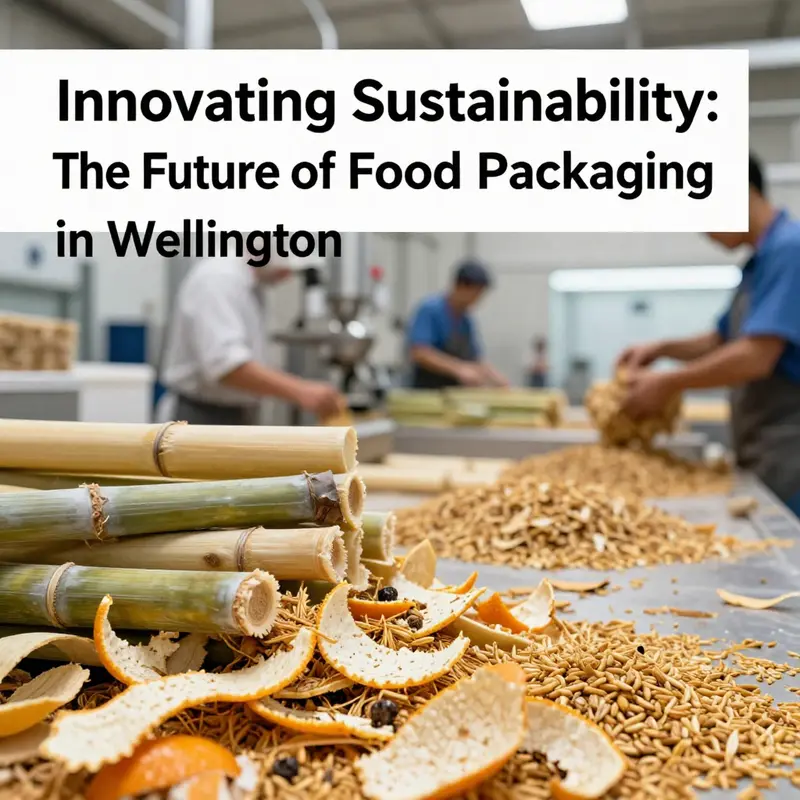
The heart of Wellington’s approach lies in the material stories hidden in plain sight—agricultural byproducts that are abundant, diverse, and locally sourced. Grapes from nearby vineyards leave behind pomace that can be harnessed for films and coatings; spent grain from adjacent breweries contains fiber and biopolymers that, when processed properly, contribute to compostable packaging; fruit peels from orchards carry sugars and subtle pigments that can be transformed into surface finishes or packaging laminates. Researchers are exploring how to extract and reassemble these components into materials that are not only biodegradable and compostable but also safe for contact with food and capable of meeting the practical demands of everyday use. The work extends beyond lab benches: it flows into pilot lines, into workshops that test scalability, and into collaborations with growers who see in upcycling a way to diversify income streams and stabilize rural economies. The resulting materials range from cellulose-based films to bio-derived composites, all designed to degrade without leaving a toxic trace and to perform reliably under refrigeration, freezing, or heat exposure.
Crucially, this is a field where the lifecycle matters as much as the lab bench. Lifecycle assessments, though still evolving, increasingly compare traditional fossil-based plastics with options that originate from agricultural residues. The goal is not to pretend that every footprint can vanish overnight but to understand where reductions are most significant and where improvements are iterative. In Wellington, researchers emphasize that the most meaningful gains come from system-level thinking: aligning harvest timing with processing capacity, coordinating with local retailers to synchronize supply and demand, and building a network that can accept variable feedstock without compromising product quality. Such an approach helps address guest concerns about performance, cost, and end-of-life options. Soft plastics and rigid wraps alike are under scrutiny, with preference given to materials that can be industrially composted or home-composted where appropriate, and that avoid toxic additives that could complicate composting streams.
The practical implications extend into daily life—how food is packaged in markets, how fresh produce is presented in cafes, how ready-made meals are wrapped for takeout. In Wellington, packaging is increasingly designed to fit the realities of small businesses and busy households. The aim is not to replace plastic with a different material labeled as “eco” but to reimagine what packaging can be: a thin, sturdy skin that keeps food safe from moisture and contamination while enabling composting after use; a biodegradable tray that minimizes grease and leakage; a fiber-based wrap that can replace multi-layer plastics without sacrificing clarity or barrier performance. These shifts also touch on consumer experience. People want packaging that is easy to open, that preserves flavor, and that signals responsibility. In response, designers experiment with textures, finishes, and even the scent of materials—subtle cues that reassure buyers they are part of a cycle that respects the land and its producers.
A practical demonstration of Wellington’s trajectory can be seen in the ways communities reimagine common packaging formats. Take the concept of a takeout or retail container; it might increasingly be built from cellulose derivatives derived from local agricultural residues. The material can be engineered to be compostable in industrial facilities or, in some cases, suitable for home composting, depending on the feedstock and processing method. Coatings can be developed to resist moisture while remaining free of heavy metals and persistent solvents, thereby aligning with stringent food-contact safety standards. Because the feedstock is locally sourced, the environmental benefits extend beyond the lab: reduced transport emissions, shorter supply chains, and a stronger connection between farmers and retailers. In this ecosystem, a small café on a neighborhood street can contribute to a larger environmental program by choosing packaging that is intimately tied to regional agriculture. The packaging becomes not just a container but a narrative of place, a tangible sign that everyday choices can nurture both the soil and the city’s economy.
The scale of collaboration matters as well. Local universities, municipal programs, and industry partners converge to test, refine, and adopt upcycled materials. They share data on degradation rates, mechanical strength, and consumer acceptance, while also tackling regulatory questions about labeling, compostability certifications, and end-of-life pathways. In Wellington, the regulatory environment is seen as a guiding framework rather than a barrier. Standards are not merely bureaucratic hurdles; they are tools that help keep materials compatible with composting streams and prevent contamination that could compromise other waste-processing streams. This pragmatic stance—balancing innovation with safety and practicality—helps ensure that new materials can move from the lab into real stores, markets, and cafeterias with confidence from suppliers and customers alike. It also creates a fertile ground for startups and small manufacturers to test ideas, demonstrate performance, and scale progressively as demand grows.
The everyday logic of upcycling in Wellington rests on a social contract: communities expect packaging to be responsible, but they also expect it to work. This means packaging that preserves freshness, reduces waste, and can be disposed of without guilt. It means a packaging economy grounded in local resources rather than distant and geopolitically volatile supply chains. It means partnerships that connect farmers who would otherwise discard surplus or waste material with processors who can convert that material into value, and with retailers who want packaging that aligns with their sustainability commitments and consumer expectations. In practice, that translates into clearer life-cycle narratives for products, transparent labeling about compostability, and accessible options for households and businesses to participate in the circular economy. The result is a packaging landscape that feels both pragmatic and aspirational: technical feasibility paired with a vivid sense of place and purpose.
For readers exploring the concrete manifestations of these ideas, consider the metaphor of a modular, foldable packaging option that can be tailored for different foods and occasions. A representative example is a compact, foldable container with a window that lets consumers glimpse the product inside without opening it. Such packaging not only reduces material use by enabling precise sizing but also supports waste reduction through improved product protection and appetizing presentation. While this illustration references a specific product family, the broader takeaway is the adaptability of bio-based materials to conventional design cues—demonstrating that sustainability can coexist with familiarity and convenience. The dialogue between design, material science, and agriculture is never-ending, yet Wellington’s ecosystem shows how a city can continually refine the balance between performance, cost, and environmental responsibility.
Ultimately, the Wellington story is less about a single breakthrough and more about an ongoing practice: turning what was once discarded into the material of everyday life. By upcycling agricultural residues into biodegradable and compostable packaging, the city is cultivating a resilient, low-waste food system that can scale with growing demand and evolving regulations. This is not a distant dream but a developing landscape that invites farmers, researchers, and retailers to continue co-creating solutions. The goal is to sustain both environmental health and local prosperity, ensuring that the packaging that carries food from field to fork is itself a partner in stewardship. The path forward will require continued investment, cross-sector collaboration, and consumer education. Yet the direction is clear: Wellington is showing that eco-friendly packaging can be embedded in the regional economy, anchored in local resources, and designed for a circular life cycle that rewards communities, farmers, and the planet alike.
To learn more about broader regional initiatives and case studies related to agricultural byproducts and sustainable packaging, you can explore the Sustainable Business Network’s resources here: Sustainable Business Network.
In addition to regional programs, practical examples from accessible packaging formats highlight how design choices influence adoption. For instance, the market may favor materials that perform well under refrigeration and maintain product integrity during transport, yet remain compostable after use. An internal reference point is the broader market’s move toward clearly labeled compostable options and standardized end-of-life pathways, a trend Wellington is actively pursuing through collaboration with researchers and local authorities. This convergence of science, policy, and industry signals a future where packaging is less about containment and more about a responsible, closed-loop system where every component finds a second life. The city’s ongoing experiments with agricultural byproducts offer a blueprint for other regions seeking to align ecological aims with economic vitality, proving that sustainable packaging can be both practical and persuasive for a broad spectrum of stakeholders.
null
null
Biotechnology-Driven Upcycling in Wellington: Reimagining Eco-Friendly Food Packaging
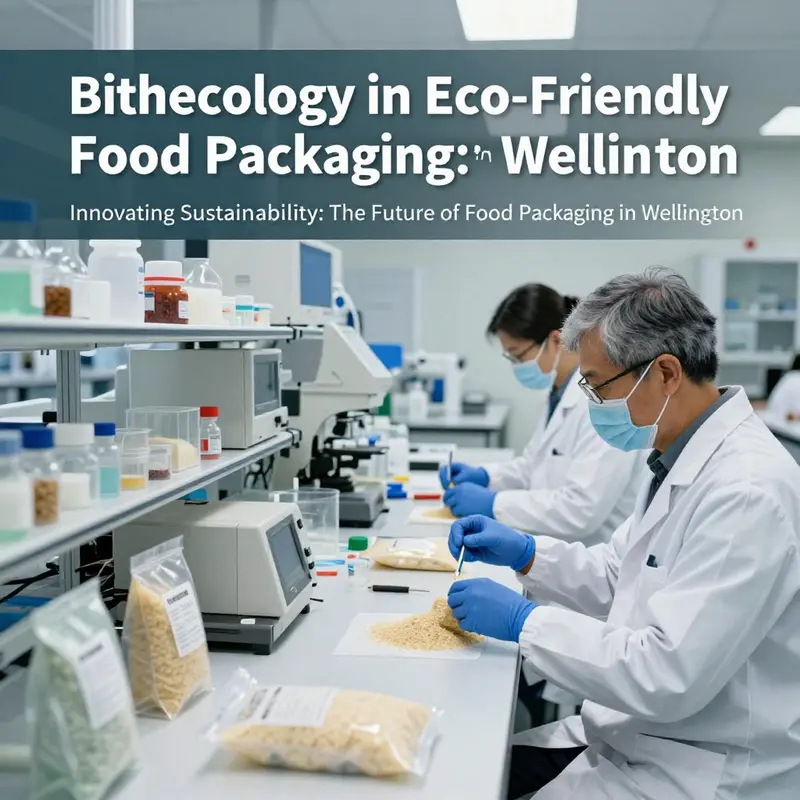
Biotechnology is no longer a distant promise in the realm of food packaging; it has become a practical driver of change that ties environmental stewardship to local economic resilience. In Wellington, a city known for its research energy and close ties between universities, government agencies, and industry, scientists presented a forward-looking vision where biology informs material performance as much as it does product safety. The discussions at a recent gathering underscored a shared urgency: regulations that once lagged behind fast-moving technologies now need to be updated to keep pace with rapid innovations in biobased polymers, enzymatic processing, and nano-enhanced materials. The goal is not simply to replace fossil plastics with greener substitutes but to embed packaging solutions within a circular economy that valorizes agricultural by‑products and channels them back into value chains. In this context, the notion of升级再造, or upcycling, emerges as a practical and culturally resonant framework for turning what was once waste into high‑performance packaging resources that align with public health, consumer convenience, and environmental accountability.
A central thread running through Wellington’s biotechnology discourse is the development of biodegradable and functional materials sourced from natural feedstocks. Researchers are exploring cellulose-based biomass foams as viable alternatives to conventional plastics. These foams can be engineered to balance strength, lightness, and barrier properties, while offering compostability under appropriate industrial conditions. The surface of such materials can be modified to tailor interaction with food surfaces, controlling moisture transfer and aroma retention without compromising recyclability later in the lifecycle. The potential of these materials rests not only in their end-of-life narratives but in their fabrication pathways, which emphasize low‑energy processing, reduced solvent use, and the avoidance of persistent petrochemical residues. Within the same continuum, bacterial cellulose is gaining traction for its remarkable purity, mechanical robustness, and compatibility with food contact. Produced by specific bacterial cultures, this nanofibrillar network yields films and coatings with outstanding tensile strength and elongation, enabling thinner, lighter, yet more durable packaging layers that can be degraded by natural processes after disposal.
The Wellington community recognizes that material innovation alone cannot realize a sustainable packaging system. It requires a concerted push toward integrated technologies, where nanomaterials, surface chemistry, and biopolymer blends come together to deliver active packaging capabilities. Nanotechnology offers avenues to incorporate antimicrobial and antioxidant functionalities directly into the packaging matrix. Such active packaging strategies can help manage microbial risks, extend shelf life, and preserve sensory attributes without resorting to preservatives that may accumulate in the broader environment. Yet these advances demand careful oversight: nanoparticles must be used in ways that are safe for consumers and do not create unforeseen ecological footprints. In Wellington, researchers emphasize a precautionary approach coupled with rigorous testing regimes that examine not just initial performance but also degradation products, interactions with different food matrices, and real-world storage conditions. The intent is to achieve a measurable reduction in food waste while maintaining high standards of safety and traceability for every material stream that enters the supply chain.
The regulatory conversation that accompanied these technical advances was not incidental. Regulatory culture shapes the pace at which laboratory breakthroughs translate into commercial packaging. In Wellington, experts argued that updating guidelines around biotechnological packaging must address clear pathways for risk assessment, standardized testing for biodegradability under industrial conditions, and harmonized labeling that informs consumers about end-of-life options. A streamlined regulatory scaffold would accelerate responsible experimentation while preventing premature adoption of materials whose long-term environmental impacts are not fully understood. The dialogue acknowledged that regulation cannot be static; it must be adaptive enough to reflect evolving understanding of biobased polymers, nanomaterial behavior, and the kinetics of degradation in varied waste streams. In this sense, the city’s approach embodies a broader commitment to balancing innovation with public trust and ecological integrity.
To understand the practical implications, it helps to view upcycling as more than a waste reduction slogan. In Wellington’s labs and pilot plants, agricultural residues such as citrus peels, cane residues, and cereal husks are being transformed into feedstocks for films, foams, and coatings. This approach closes loops by diverting materials that would otherwise contribute to landfill or open burning and channels them into value-adding packaging formats suitable for fresh and prepared foods. The upcycling workflow typically begins with gentle pretreatments that liberate useful polysaccharides and lignin components, followed by enzymatic or microbial processing that yields polymers with tunable mechanical and barrier properties. The resulting materials can be formulated into films and foams with controlled crystallinity, clear or tinted appearances, and compatible processing windows for conventional packaging equipment. Such flexibility is essential for meeting the varied demands of products ranging from bakery items to ready-to-eat meals, where consumer expectations include integrity during transport and convenience at point of use. Importantly, the life cycle thinking that underpins this work also considers end-of-life scenarios: industrial composting, home compostability under certain conditions, or even anaerobic digestion pathways that recover energy and nutrients while leaving minimal residuals.
The narrative around Wellington’s biotechnology-forward packaging also highlights the role of collaboration. Universities provide the fundamental science, research institutes coordinate standardized testing protocols, and local manufacturers pilot scalable production methods. By bringing these elements together, the city builds a pipeline from concept to market that emphasizes reproducibility, safety, and economic viability. The practical upshot is a more resilient local economy: new jobs in materials development, quality control, and waste valorization, plus opportunities for small and medium enterprises to co-create packaging solutions tailored to regional food systems. This is not a purely aesthetic pivot toward greener choices; it is a systemic reorientation of how food packaging is conceived, produced, and disposed. The implication is that healthier ecosystems and stronger local enterprises can grow hand in hand, reducing dependence on imported plastics and creating traceable, auditable material flows that communities can manage with greater confidence.
As these developments unfold, stories from Wellington illustrate how scientific curiosity translates into everyday choices. Consumers increasingly seek packaging that is not only functional but environmentally responsible, with clear signals about how to dispose of materials and what benefits accrue from their use. The science behind cellulose foams and bacterial cellulose is becoming more accessible through dissemination and education, helping to demystify complex biotechnology for a broader audience. Meanwhile, industry players are beginning to experiment with blended systems where natural polymers are paired with carefully chosen additives to optimize barrier properties, mechanical strength, and compostability. The balance is delicate: materials must tolerate the rigors of transport and handling while remaining compatible with composting or other end-of-life pathways that minimize environmental impact. Wellington’s approach—rooted in open dialogue, rigorous testing, and incremental, scalable improvements—offers a practical blueprint for other regions grappling with similar ambitions.
In this evolving landscape, the integration of a robust upcycling paradigm within regional packaging ecosystems becomes both a technical and cultural project. It aligns with broader consumer expectations for transparency, safety, and sustainability while delivering tangible environmental gains. The emphasis on natural, renewable feedstocks and on biotech-enabled control over material properties reinforces a forward-looking narrative: packaging that protects food, respects ecosystems, and contributes to a circular economy rather than compounding waste. For practitioners and policymakers alike, Wellington presents a case study in how to navigate the tensions between rapid innovation and the prudent stewardship of natural resources. It shows that a city can cultivate scientific excellence, support responsible industry practice, and foster a consumer culture that values sustainability without compromising convenience. The road ahead will require continued collaboration, careful regulatory refinement, and ongoing investment in upcycling infrastructure, but the trajectory is clear: biotechnology can redefine what it means for packaging to be eco-friendly, functional, and economically viable in tandem.
For readers seeking a deeper technical grounding on the biotechnological pathways enabling these materials, the literature on bacterial cellulose and related bio-based polymers offers detailed insights into the material science, safety considerations, and processing options that underpin these trends. Such sources illuminate how high-purity BC films, cellulose-derived foams, and nano-enabled biopolymers can be engineered to meet specific packaging challenges while aligning with environmental and health standards. As Wellington’s experience shows, translating this knowledge into scalable, real-world solutions requires coordinated governance, investment in testing infrastructure, and a shared commitment to sustainable prosperity. To explore a rigorous review of this biotechnology-driven approach to food packaging, see the external resource linked at the end of this chapter. For a deeper dive into the science, you can consult dedicated literature on bacterial cellulose and its applications in packaging.
Further reading and scientific context: https://www.mdpi.com/2306-5710/8/4/97
In sum, Wellington’s biotechnology‑driven upcycling pathway offers a pragmatic, ecosystem‑oriented model for eco‑friendly food packaging. It shows how research, regulation, and industry can align to transform agricultural by‑products into valuable materials that safeguard food quality, reduce waste, and strengthen regional economies. As this approach matures, it promises not only cleaner packaging but a more resilient, inclusive, and transparent supply chain that can be scaled beyond city borders while preserving the integrity of local ecosystems. The next chapters will trace how these principles translate into regulatory frameworks, manufacturing standards, and consumer education that solidify the gains already being made in Wellington and its wider network.
From Waste to Wallet: Wellington’s Economic Leap with Eco-Friendly Food Packaging
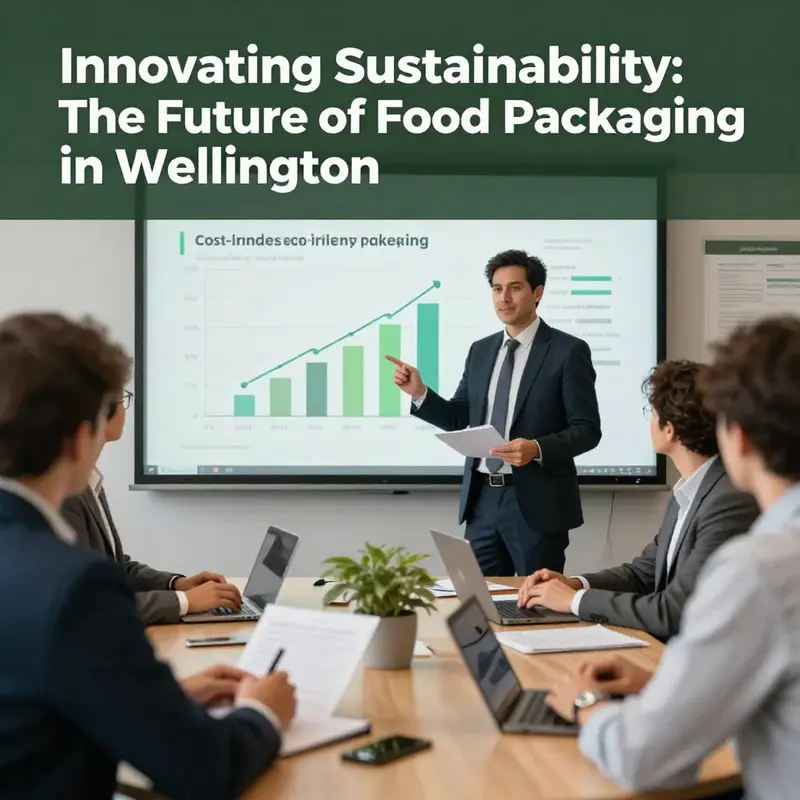
Wellington has begun to wear a new kind of mask—the kind woven from renewable fibers and innovative design. Across university labs, public–private partnerships, and agile local manufacturers, researchers and entrepreneurs are turning agricultural by-products into food-safe, compostable packaging. The core idea is more than swapping one material for another; it is reimagining the packaging system as a closed loop where every kilogram of residue becomes feedstock for a product that preserves freshness, travels efficiently, and returns to the earth in a controlled, sustainable way. Citrus peels, bagasse from sugarcane processing, and cereal hulls no longer sit as waste; they become the building blocks for films, boards, and coatings that meet rigorous safety standards while performing in real-world applications. In Wellington, the city’s climate, its dense urban network, and its proximity to primary producers create an ideal testing ground for packaging that travels shorter distances, weighs less, and functions precisely when needed. In this setting, the economic benefits begin to reveal themselves not as a single windfall but as a sequence of advantages rooted in design, sourcing, and logistics.
The most tangible signal is cost reduction. A growing body of evidence from New Zealand’s flexible packaging sector shows eco-friendly products can be produced at lower input costs when material sourcing is smarter and production lines are run with fewer waste streams. When companies shift to bio-based films and compostable substrates, waste becomes a resource rather than a burden. Offcuts, rejected batches, and processing scraps can be redirected into new packaging formats, reducing disposal fees and material losses. In Wellington, this translates into a direct bottom-line impact: lighter packaging designs diminish transport and storage expenses, while modular formats enable better loading and fewer damaged deliveries. In a market where margins on perishables can be tight, those incremental savings compound quickly and compound again.
Consumer expectations also shape the economic calculus. Today’s shoppers demand transparency, traceability, and a credible narrative linking purchase to environmental well-being. In Wellington, brands that adopt circular economy principles align with rising consumer scrutiny and with regulatory momentum that favors responsible innovation. The result is not a one-off green claim but a durable value proposition: packaging that protects food with less environmental impact and a business model that shares the savings with customers and suppliers alike. When costs drop and reliability improves, firms can invest in better barrier coatings, more precise dosing of active ingredients, and designs that minimize material use without compromising shelf life. The benefits ripple through the supply chain, from farmers who supply agricultural residues to processors who convert that material into usable film or board, to distributors who carry lighter loads, to retailers who stock visibly responsible products. The effect is a more resilient regional economy where environmental stewardship and profitability reinforce each other.
Within this integrated system, processing technologies matter almost as much as raw materials. Advances in enzymatic breakdown of agricultural residues, combined with fermentation and casting techniques, are producing biodegradable films that resist moisture enough to handle greasy foods, yet decompose quickly in the right facilities. Performance metrics—biodegradation rates, barrier properties, and heat resistance—are scrutinized, but early results point toward packaging that can perform under real-world conditions while shortening the end-of-life timeline. This is crucial because the value proposition rests on both function and end-of-life clarity for consumers. Clear labeling and standardized composting streams help avoid confusion, supporting higher participation rates in recycling or composting programs. The research agenda, therefore, extends beyond material science to system design: how to synchronize growers, processors, and waste managers so that every kilogram of agricultural waste adds value in the packaging loop.
Economically, the Wellington story also hinges on differentiation and long-term profitability. Companies that adopt sustainable packaging often enjoy deeper customer loyalty and greater price resilience. A product with a compelling environmental narrative can secure premium shelf space or win repeat orders from institutional buyers prioritizing green procurement. The advantages are not solely reputational; they translate into measurable outcomes such as increased order frequency, better fill rates, and reduced spoilage thanks to packaging that preserves quality more effectively. In markets strained by climate risk and resource scarcity, the ability to minimize waste and optimize delivery routes becomes a strategic asset. The upcycling mindset—reconverting agricultural leftovers into robust packaging—also creates local jobs and stimulates regional innovation ecosystems. Small and medium-sized enterprises can participate because the materials and processes are scalable, modular, and adaptable to new crops and streams as seasons and markets shift.
The Wellington case also sheds light on regulatory and infrastructural dimensions that shape economic viability. Clarity around compostability standards and labeling, paired with accessible testing facilities, reduces risk for innovators and adopters alike. When rules align with industry capability, adoption accelerates. At the same time, the region’s infrastructure—curbside collection streams, municipal composting sites, and partnerships capable of turning residues into packaging—helps close the loop more efficiently. In such an environment, universities and research centers can pilot upcycling pathways that prove economic and ecological viability, then translate them into scalable manufacturing practices. The result is a practical blueprint that other cities seeking to accelerate green packaging can study and adapt, making Wellington a reference point for policy and practice.
A tangible design impulse that often emerges from this ecosystem is a move toward lightweight, form-optimized packaging. Reducing material thickness and using high-strength biobased substrates allows designers to create containers that perform as well as conventional equivalents while cutting both material usage and weight. This not only lowers production and transport costs but also reduces energy intensity in downstream processes like warehousing and distribution. In some instances, packaging formats are reimagined as multi-use or easily separable components that encourage consumer participation in take-back and reuse cycles. It is this convergence of design, materials science, and circular logistics that makes Wellington’s story so compelling: sustainability and profitability are not mutually exclusive but mutually reinforcing.
For readers seeking concrete visuals of upcycling-inspired packaging formats, consider the potential of versatile, windowed cake boxes crafted from sustainable fibers—designs that reveal content while using less material and enabling efficient stacking. The field is moving toward formats that balance aesthetics, functionality, and cost efficiency. A refined, foldable structure can deliver both appeal and practical performance. Pure Color Foldable Cake Boxes with Window demonstrates how a single design concept can leverage multiple economic and environmental benefits, from reduced material use to easier handling and shipping. In the local economy, such formats can be produced near the source of agricultural residues, lowering transport miles and supporting local fabricators. The broader implication is that form and function, guided by circular economy logic, yield a packaging system that benefits producers, retailers, and households alike. The link here is not merely to a product page but to a tangible representation of how upcycled inputs can feed into widely used packaging formats, signaling Wellington’s commitment to sustainable industry.
Despite the optimism, headwinds remain. Scaling bio-based packaging to meet broader demand requires stable supply chains, consistent quality, and robust testing regimes. Farmers and processors need predictable prices for their residues; manufacturers require reliable conversion yields; retailers demand dependable performance data. In these junctions, partnerships matter. When universities, industry bodies, and SMEs align around shared standards, the path from waste to packaging becomes smoother and more predictable. Consumer acceptance varies across segments, where cost perceptions or novelty can slow adoption. Education and transparent labeling help mitigate concerns, but the work must be ongoing. Finally, lifecycle assessment must remain rigorous. It is not enough to claim compostability; the real test is how the entire system—from field to end-of-life—performs under real-world conditions, considering energy use, water footprints, and actual waste diversion rates. The Wellington case shows that with patient investment and collaborative governance, these issues can be addressed, producing a packaging system that earns trust while delivering tangible economic returns.
All told, the economic benefits of eco-friendly food packaging in Wellington extend beyond quarterly profits. They reflect a shift in the regional development model—treating waste as a resource, strengthening local supply chains, and aligning with evolving consumer preferences and regulatory expectations. The upcycling blueprint incentivizes continuous improvement, encouraging new crops, new processing methods, and new partnerships among farmers, processors, and retailers. The result is a resilient, innovative, and prosperous urban environment where packaging is not a byproduct of consumption but a catalyst for sustainable growth. As Wellington continues to iterate on this model, it offers a practical blueprint for cities worldwide seeking to reconcile environmental responsibility with robust economic performance.
External resource: https://www.nzherald.co.nz/business/eco-friendly-packaging-reduces-costs-in-new-zealand-industry-study-shows/
Final thoughts
Wellington’s commitment to eco-friendly food packaging is setting a precedent for sustainability in the culinary sector. By leveraging agricultural byproducts, adhering to regulatory frameworks, and adopting biotechnological innovations, businesses can significantly reduce their environmental impact. The economic benefits further enhance the appeal of these sustainable practices, making eco-friendly packaging a wise investment for bubble tea shops, restaurants, food trucks, and catering services alike. Embracing these changes not only contributes to a healthier planet but also strengthens brand loyalty and market competitiveness.