
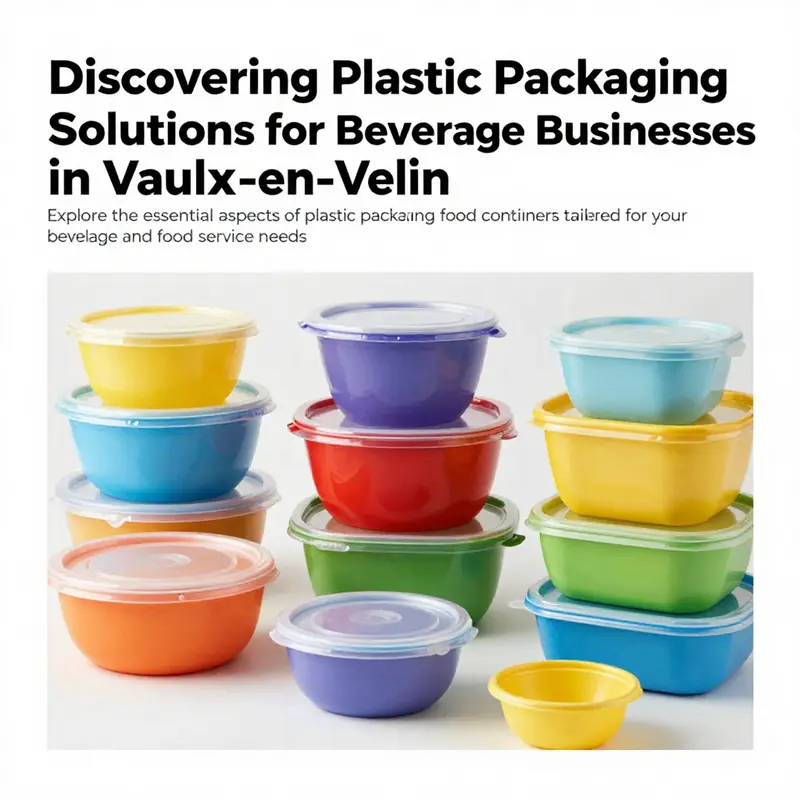
In Vaulx-en-Velin, the demand for plastic food packaging, particularly among bubble tea shops, restaurants, and catering services, is at an all-time high. The intersection of local supply, regulatory compliance, and market trends paints a comprehensive picture of how businesses can effectively use these containers. Understanding the global accessibility of these products is vital, as is recognizing the stringent regulations governing their use. Moreover, awareness of current market trends and sustainable practices is becoming increasingly important for businesses looking to stay ahead. This article explores all these facets, aiming to provide valuable insights for bubble tea shops, beverage chains, food trucks, and corporate procurement teams.
Between Convenience and Compliance: The Global Reach of Plastic Food Containers in Vaulx-en-Velin, France
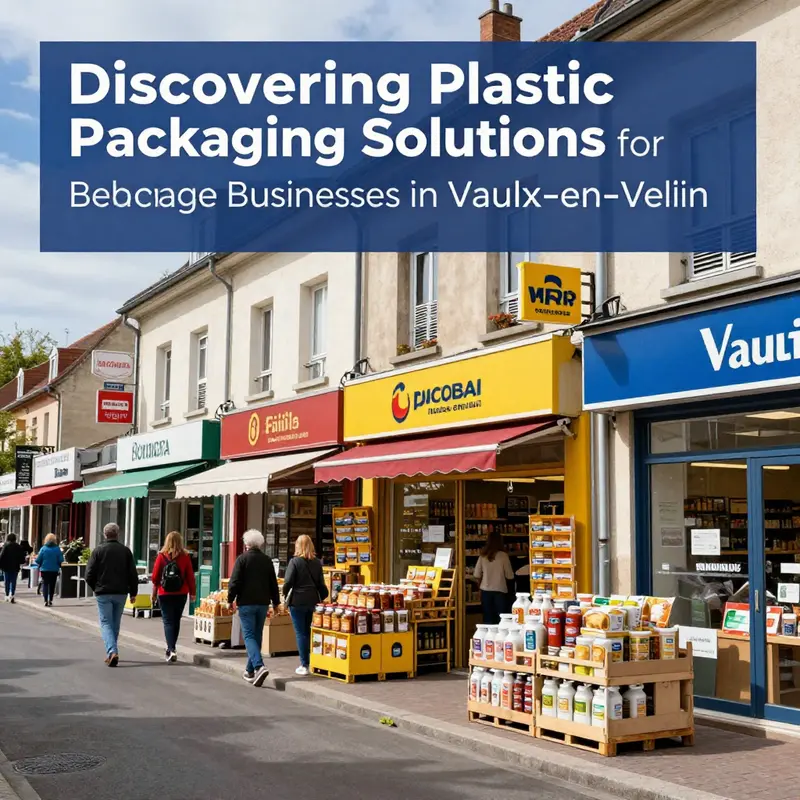
Vaulx-en-Velin sits within the Lyon metropolitan area, a place where everyday routines hinge on practical storage and ready-to-use dining solutions.
In households, schools, and small food businesses, plastic food containers are more than mere receptacles; they are practical tools for preserving freshness, enabling meal prep, and supporting quick service.
The appeal is straightforward: light weight, durability, and a price point that suits family budgets and small-scale caterers. In this context, access to containers from basic sealable boxes to multi-compartment meal kits ties directly to the rhythms of daily life in Vaulx-en-Velin and the surrounding municipalities. The local demand is complemented by broader European patterns, as residents are part of a supply network that stretches beyond regional borders toward national retailers, international distributors, and global sourcing platforms. The result is a market that remains highly visible and readily navigable, even as it sits within a landscape of growing sustainability concerns and evolving policy.
The accessibility of plastic packaging for food involves navigating a web of procurement channels that operate on both local proximity and global scale. In Vaulx-en-Velin, as in many other urban communes, households typically find containers through a mix of supermarket offerings, neighborhood grocery stores, and professional distributors that cater to the needs of home cooks and small food operations. Beyond brick-and-mortar aisles, large-scale buyers and small businesses alike increasingly turn to industrial suppliers and online marketplaces to secure the quantities they require. This blend of local familiarity and distant sourcing mirrors a broader European pattern: plastic food containers are globally traded items whose availability is shaped by logistical networks, warehousing capacity, and the reliability of cross-border trade. Because these materials are designed to meet safety and performance standards, the sourcing process often emphasizes not only price, but also compliance, traceability, and the ability to document material performance for food contact use.
The regulatory backdrop in Europe—and by extension in Vaulx-en-Velin—provides a continuous framework that guides which containers are permissible for contact with food and under what conditions. European Union policy emphasizes that substances migrating from packaging into food must stay within established safety limits. Agencies routinely evaluate the risks associated with key plastic components and additives, including studies on migration and consumer exposure. This climate of scrutiny has direct consequences for product design, supplier selection, and the inherent confidence that retailers and households place in plastic containers. In France, additional measures have reinforced this trend. The 2023 anti waste law, which targets plastic packaging, mandates that by 2025 all packaging be recyclable or reusable. That policy accelerates shifts toward materials and designs that facilitate recycling, reuse, or a lower environmental footprint while still delivering the performance required for food contact. It is a delicate balance: the framework pushes for circularity and lower waste, yet the practical realities of home use, microwaving, washing, stacking, and transporting foods, mean plastics with proven safety profiles remain the dominant choice for most households and small businesses.
Against this regulatory canvas, the material composition of plastic containers in use becomes a central thread in the narrative. In practical terms, polyethylene and polypropylene remain the backbone for many consumer facing containers because of their chemical stability, food safety credentials, and compatibility with common manufacturing and sealing technologies. The migration behavior of all such materials is subject to rigorous limits, and manufacturers continuously refine additives and barrier properties to reduce any potential risk while preserving clarity, strength, and heat tolerance. For Vaulx-en-Velin residents who value convenience, the ability to microwave leftovers, rinse containers in a dishwasher, or stack them compactly for storage translates into real life advantages. The market focus on multi-functionality is not incidental; it aligns with daily routines in families, student households, and small eateries, where space and time are precious commodities. Even as environmental considerations push toward alternatives such as glass or metal for some applications, plastics maintain a dominant position where safety, convenience, and cost converge.
Market trends in this region reflect a pragmatic response to policy shifts and consumer attitudes. While reusable and recyclable options gain prominence, many consumers still prioritize ease of use, durability, and compatibility with existing kitchen appliances. Multi-compartment designs, leak-resistant closures, and containers that withstand repeated microwaving without warping or off-gassing remain particularly popular for meal prep and school lunches. In Vaulx-en-Velin, as in broader France, there is also growing attention to the lifecycle of packaging: end-of-life disposal, recycling capabilities, and the potential for reusability to reduce waste. Retailers and distributors are increasingly mindful of these concerns, shaping assortments that balance everyday practicality with a sense of environmental responsibility. It is a marketplace where convenience does not have to come at the expense of safety or environmental considerations, and where suppliers must be able to demonstrate compliance across the product journey from manufacture to the consumer kitchen.
Access strategies for those seeking containers in Vaulx-en-Velin illustrate how global reach converges with local needs. For households and small-volume buyers, a straightforward route exists through local retailers that stock a spectrum of containers ready for immediate use. For higher-volume buyers or catering operations that require large quantities, procurement typically shifts toward industrial suppliers or online platforms that accommodate bulk purchasing, with tiered pricing models that reflect order size. In this setting, the emphasis is not solely on unit price but on reliability, consistency of supply, and transparent documentation for safety compliance. Buyers often seek products that carry clear indicators of suitability for microwave use, dishwasher safing, and tight seals that prevent leaks during transport. The practical implication is that even as the eco-innovation narrative accelerates toward more sustainable materials, the present-day chooser in Vaulx-en-Velin still benefits from a liquid, well-integrated supply system that blends proximity with global production capabilities.
All of these threads—regulatory discipline, material behavior, consumer expectations, and procurement pathways—cohere to explain why plastic containers remain both accessible and familiar in Vaulx-en-Velin. The town’s position within the Lyon metropolis ensures robust access to a wide distribution network, while EU-level and national policy push the market toward safer, more sustainable packaging solutions over time. In this evolving landscape, the practical choice often reduces to selecting containers that satisfy safety requirements and performance needs while aligning with a household’s or a small business’s waste-management plan. The result is a continuous, dynamic balance: the convenience of plastic paired with a growing imperative to move toward recyclability and reuse, all within a regulatory frame that prizes consumer health as the governing constant.
For readers seeking a broader perspective on the comparative materials that shape packaging decisions across Europe, further context is available through established industry analyses that weigh the physical properties, engineering applications, and market trajectories of plastic, glass, metal, and biodegradable alternatives. This chapter has traced how those forces play out in Vaulx-en-Velin, showing a locality tightly knit to global supply chains yet distinctly influenced by local needs and policy signals. The synthesis suggests that accessibility will persist, while the nature of choice will continue to evolve as France and the European Union push toward more sustainable packaging practices without compromising safety or practicality. External reference: https://www.europabusiness.com/food-container-materials-in-europe
Compliance in Motion: European Rules Meet Local Practice for Plastic Food Containers in Vaulx-en-Velin
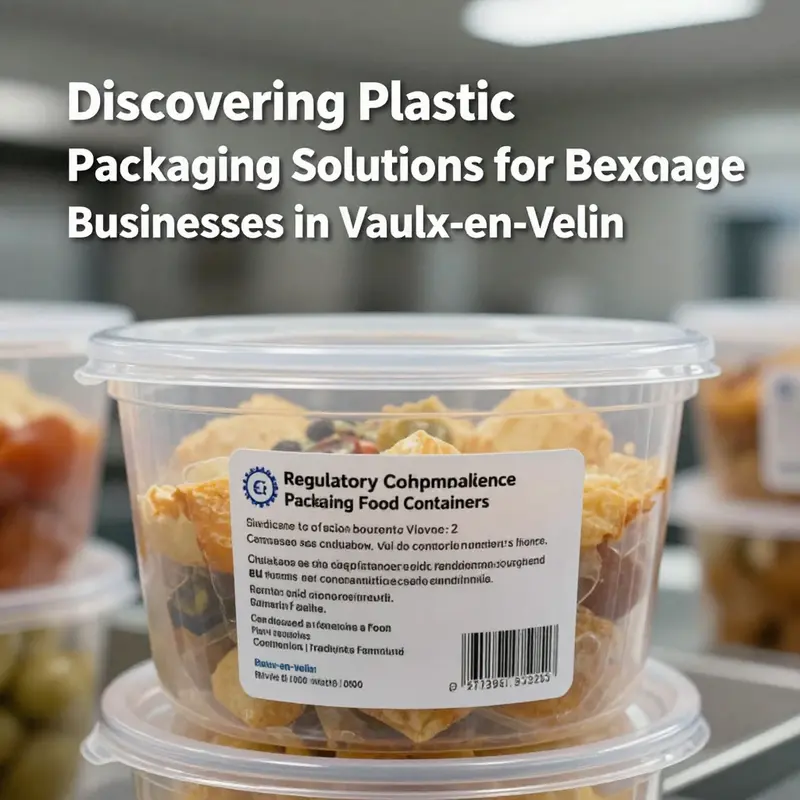
Vaulx-en-Velin, a commune in the Rhône department that sits within the orbit of Lyon’s economic ecosystem, exemplifies how global regulatory frameworks filter down to local markets. The chapter that follows tracks not just the letter of the law but the way it reshapes decision making for manufacturers, distributors, retailers, and food-service operators who rely on plastic packaging for food containers. In the European Union, a unified regulatory architecture governs materials that touch food, and recent milestones have sharpened both the baseline safety expectations and the pathways to end-of-life management. The central axis is the Packaging and Packaging Waste Regulation (PPWR), which became fully effective on August 12, 2026, across all member states, including France. This isn’t a distant compliance checklist; it is a living design brief that dictates what materials may be used, how they must perform, how they should be identified, and how they can be recycled. For a city like Vaulx-en-Velin, where logistics hubs, wholesale markets, and small- and medium-sized enterprises intersect, the PPWR is a driver of procurement strategies, product development, and supplier qualification. At its core are strict prohibitions and limits designed to prevent hazardous substances from migrating into food, and to ensure that packaging evolving from a mere containment function becomes an increasingly sustainable participant in the circular economy. The first tier of compliance is material safety. Plastics used for food contact must not contain Bisphenol A (BPA), lead, or phthalates, and they must avoid other substances that EU chemical regulations flag as hazardous. In addition, the PPWR tightens the noxious material envelope by restricting PFAS—per- and polyfluoroalkyl substances—so that, starting from the same August 12, 2026 date, any packaging with more than 50 mg/kg total fluorine must be demonstrated PFAS-free. These provisions matter for Vaulx-en-Velin because local distributors and retailers must curate product assortments that are demonstrably compliant, with documented proofs of conformity. Beyond the chemical suite, the regulation governs how much can migrate from packaging into food. Total migration into food simulants is capped at 10 mg per square decimeter, a standard drawn from EU Regulation No 1935/2004 and its amendments. Color migration, though less quantifiable than chemical migration, remains a practical expectation: the appearance of the packaging must not change the color of the food in a way that consumers might notice. In Vaulx-en-Velin’s bustling retail environments and food-service channels, these migration limits translate into testing regimes, supplier audits, and robust documentation trails. The second pillar is recyclability and design for end-of-life. The PPWR sets a clear horizon: by January 1, 2030, all plastic food containers must be designed for recyclability. This instruction pushes manufacturers away from multi-material laminates and incompatible composites that block current recycling streams. It also foreshadows the 2038 milestone that only packaging rated B or C on the EU recyclability classification system will be allowed on the market. In practical terms for Vaulx-en-Velin, this means product developers and procurement teams must favor single-polymer systems or clearly separable multilayer structures with defined recycling pathways. The regulation also mandates a minimum content of recycled material. By 2030, PET food containers must contain at least 30% recycled content (PCR). Other plastics used in food contact must achieve either a 30% PCR content or a lower threshold of 10% PCR for non-food-contact applications, with the exact requirement tied to the packaging’s intended use. The emphasis on recycled content is not merely about sourcing; it is about validating that PCR materials meet food-contact safety standards, have been subjected to appropriate risk assessments, and can be traced through the supply chain. Traceability is further reinforced by the PPWR’s labeling provisions. Beginning August 12, 2028, all plastic food containers must carry a digital label—such as a QR code—detailing material type, recycling instructions, and traceability information. In a market like Vaulx-en-Velin, where municipal recycling streams are actively evolving, digital labeling helps consumers and waste collectors make correct sorting choices and provides a verifiable record for manufacturers and regulators alike. The third thrust concerns extended producer responsibility (EPR). Under the PPWR, producers—including manufacturers, importers, and remote sellers who place plastic food containers on the French market—must register with the national EPR system, report annual volumes, and pay fees tied to the environmental impact of their packaging. These reporting obligations create a visibility layer that can influence pricing, supplier selection, and product design decisions. For businesses operating in Vaulx-en-Velin, compliance is not only about meeting technical standards; it is also about establishing reliable data flows with ADEME and the responsible public authorities. Enforcement exists at the national level and is carried out through channels that include the French Ministry of Ecological Transition and local environmental agencies such as DREAL. Inspections can take place at distribution centers, retail outlets, or manufacturing facilities within the region. Non-compliant products may be withdrawn from sale or barred entirely, depending on the severity of the violation. The local implications of these rules require a holistic approach to risk management. A Vaulx-en-Velin enterprise must perform a PPWR gap analysis to identify where current packaging choices deviate from anticipated requirements. This includes verifying the PCR content and ensuring food contact safety through accredited testing laboratories. It also means reconsidering packaging design to align with recyclability targets and ensuring that the materials chosen will pass migration controls without compromising performance. The shift toward recyclability often necessitates reformulation or reformatted packaging layouts. For instance, a company may move away from complex multi-material constructions toward materials that can be recovered through existing streams, or toward mono-material systems with clear disassembly at end-of-life. The challenge in Vaulx-en-Velin is not simply choosing a compliant material; it is coordinating the entire supply chain—from raw material suppliers and converters to distributors and waste-management partners—to ensure consistent performance and demonstrable compliance across thousands of units. In this environment, practical procurement decisions hinge on a combination of vendor qualification, material science, and third-party testing. Accredited laboratories verify PCR content, migration limits, and safety of food-contact substances. The growing emphasis on recycled content places a premium on traceability, so that PCR streams can be confidently used in food-contact applications, with clear documentation of origin and processing. The regulatory landscape also nudges buyers toward transparency and accountability, values that resonate with Vaulx-en-Velin’s diverse community of small businesses and larger retail operators who must communicate clearly with customers about sustainability commitments. Even as the transition unfolds, supply chains continue to respond to demand for safer, more sustainable packaging. A key consideration for local operators is how to source compliant containers without sacrificing efficiency or price competitiveness. While global supply chains remain the backbone of availability, the French market benefits from robust national and European support structures that help identify compliant suppliers, verify SLAs (service-level agreements), and ensure that packaging delivered to Vaulx-en-Velin is documented for safety and recyclability. In the meantime, a practical example of the evolving packaging landscape can be found in the broader shift toward recyclable options that still meet performance needs. For instance, the packaging choice for takeout and ready-to-serve meals increasingly favors formats that balance grease resistance, durability, and recyclability, even as digital labeling and PCR content become standard expectations. Businesses in Vaulx-en-Velin should also consider how to communicate these changes to customers. Clear labeling about recycling instructions and material composition can support proper sorting and waste recovery, and digital labels enable ongoing traceability that regulators and retailers increasingly expect. While the specifics of supply chains vary, the overarching trajectory is consistent: regulatory clarity paired with practical recyclability, safety assurances, and transparent reporting. For readers seeking deeper context on the formal framework, the European Commission’s PPWR overview provides a comprehensive reference point that anchors local practice to EU-wide timelines and requirements. European Commission – PPWR Overview. For those looking to explore related packaging formats and practical examples in the market, a representative example of recyclable, paper-based takeout packaging can be found in the resource that discusses disposable kraft paper soup containers with lids, illustrating how conventional packaging formats are being adapted to meet evolving recyclability and safety expectations. See the linked resource for context on how such formats are positioned within current European standards and local markets. Additionally, the broader dialogue around recyclable packaging is complemented by industry-neutral discussions and testing guidance that help align procurement strategies with the PPWR timeline and the realities of the Vaulx-en-Velin supply chain. In short, Vaulx-en-Velin sits at a critical juncture where EU-wide regulatory milestones meet local procurement realities. The PPWR’s phased requirements—ranging from chemical safety and migration limits to recyclability design, recycled content, digital labeling, and EPR—are not abstract rules but a blueprint for how plastic packaging for food containers must be engineered, sourced, and managed in daily commerce. As the market continues to evolve, the key for local businesses is to integrate regulatory intelligence with supply chain discipline, ensuring that packaging not only protects food and supports operations but also advances the region’s commitment to health, safety, and environmental responsibility.
Sustainability, Safety, and Smart Packaging: Market Trends Shaping Plastic Food Containers in Vaulx-en-Velin, France
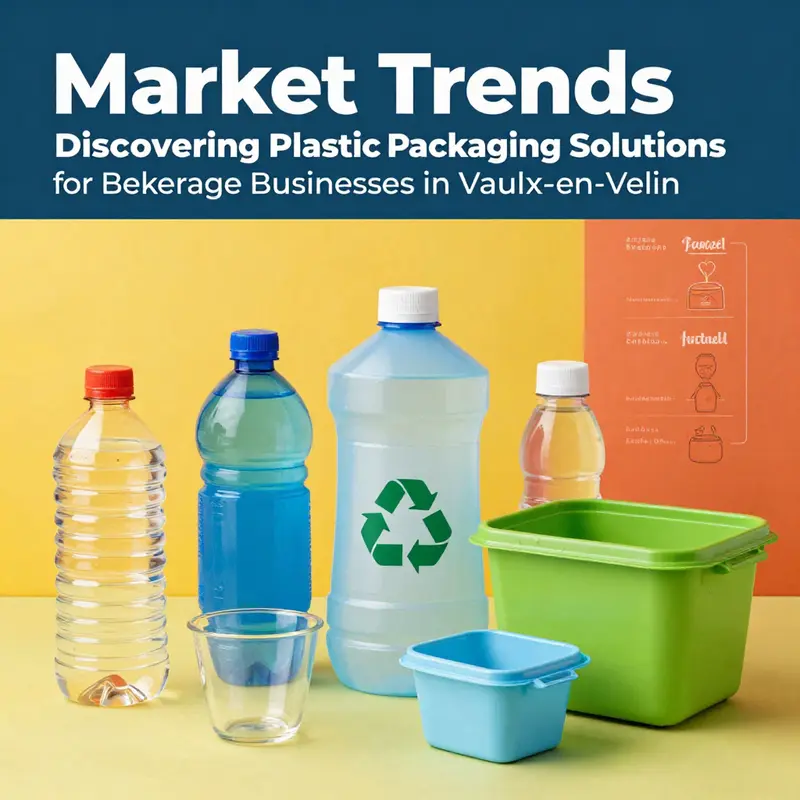
Vaulx-en-Velin sits in the orbit of Lyon, a cityscape where daily life blends dense urban activity with a steady rhythm of food service, retail, and community programs. In this setting, plastic packaging for food containers is more than a supplier category; it is a reflection of policy priorities, consumer expectations, and the logistics of urban living. The market here does not operate in isolation. It absorbs a broad European drive toward more responsible materials, cleaner supply chains, and packaging that can be adapted to evolving dining formats—from home meal kits to on-the-go services. Even as Vaulx-en-Velin residents rely on quick, affordable meals, they increasingly expect packaging that aligns with health guidelines, environmental values, and practical convenience. Those expectations push local sellers, manufacturers, and distributors to retool their assortments with an eye toward safety, recyclability, and the ability to scale up sustainable options when demand spikes during holidays, school terms, or major local events.
Regulatory and policy pressures shape the trajectory of the market in Vaulx-en-Velin in ways that vendors and buyers both feel. The European Union’s approach to single-use plastics has translated into tighter restrictions and clearer incentives for alternative materials. Since 2023, the Single-Use Plastics Directive has guided many retailers and food services to reduce disposable plastic usage and favor packaging that can be recycled or composted through certified streams. This regulatory backdrop nudges suppliers away from conventional polyethylene and polypropylene configurations toward more environmentally friendly alternatives, including bio-based plastics and materials with verified recyclability. The practical effect in Vaulx-en-Velin is often visible in the labeling strategy: containers are more frequently marketed as recyclable or compostable, and vendors openly communicate compliance with European safety and environmental standards. The shift is gradual and iterative, with producers refining formulations and processing methods to maintain performance while meeting stricter end-of-life requirements. It is a shift that resonates not only with mandated compliance but with the broader sensibility of a city and region that recognizes the long-term economic benefits of a resilient, traceable packaging supply chain.
At the heart of these developments lies a growing emphasis on health and safety. French consumers, like many across urban centers, are increasingly vigilant about what touches their food. The concern about bisphenol A, phthalates, and other additives has translated into a clear preference for BPA-free, microwave-safe, and food-grade plastics. In Vaulx-en-Velin, this translates into demand signals that favor HDPE and other materials perceived as safer for reheating and storage, alongside certifications and labeling that help shoppers identify products that meet high safety standards. Retailers and small manufacturers respond by selecting packaging options that can be transparently traced to source materials and tested for migration characteristics. The result is a market where the dialogue around safety is not a peripheral feature but a central criterion guiding choice, price, and supplier relationships. This health-centric orientation also dovetails with efforts to reduce overall exposure to potentially harmful substances, reinforcing a broader European trend toward more conservative material choices, especially for children’s foods and ready meals.
Innovations in packaging functionality complement the safety and regulatory narrative, introducing a layer of practicality that matters to Vaulx-en-Velin households. Smart packaging concepts—though less pervasive than in central metropolitan centers—are beginning to permeate the local retail and food-service landscape. Simple yet effective features such as freshness indicators, clear zone labeling, and vacuum-sealed or multi-layered formats that extend shelf life are gradually gaining traction. For busy families and working professionals in Vaulx-en-Velin, the ability to gauge product freshness at a glance or to extend the usable life of a prepared meal can make a meaningful difference in reducing waste and improving convenience. The adoption of such features tends to cluster around retailers and service providers who emphasize customer experience and value-added solutions. In parallel, manufacturers are pursuing material innovations that balance barrier properties, microwave resistance, and recyclability. These developments are not about a single breakthrough but a portfolio of incremental improvements that enable safer, more reliable containers without compromising cost efficiency or supply reliability in a regional market that remains price-sensitive.
Another powerful driver is the emergence of circular economy models as a practical pathway for waste reduction and resource efficiency. In Vaulx-en-Velin, as in many urban districts, pilots of reusable packaging systems are testing whether customers will participate in a take-back loop that allows containers to be cleaned and reused rather than discarded after a single use. The logic is simple: reduce single-use plastic waste while creating a visible community benefit. While pilots vary in scale and scope, they signal a strategic shift toward redesigning physical packaging for durability, reuse, and easy sanitization. These models also encourage collaboration among retailers, local authorities, and consumer groups, reinforcing the social relevance of packaging decisions beyond mere commodity transactions. The cultural aspect matters: in communities where mutual aid and collective action are valued, reusable systems can gain traction more quickly, supported by local infrastructure for cleaning, disinfection, and reintegration into the supply chain. The business case, while nuanced, becomes clearer as these pilots demonstrate cost offsets from waste management, brand loyalty tied to sustainability, and the opportunity to differentiate on service models rather than price alone.
For buyers and suppliers in Vaulx-en-Velin, market structure and procurement channels are part of a broader strategic calculus. The region’s packaging ecosystem is tethered to national and European supply networks, yet it also benefits from local and regional procurement channels that accommodate smaller orders and flexible lead times. Large retail groups and food-service distributors continue to be important gateways for mass-market needs, offering a breadth of standard formats, consistent quality, and established compliance credentials. At the same time, local businesses increasingly explore direct relationships with producers who can supply specialized materials that meet sustainability criteria or support niche formats demanded by community programs or school cafeterias. In this dynamic environment, buyers weigh total cost of ownership, including not just the price per container but the downstream advantages of recyclability, potential reuse, and alignment with end-of-life infrastructure. It is a balance between conventional cost efficiency and the longer-term value of sustainable packaging that can be recovered, recycled, or repurposed with minimal environmental impact.
The narrative around Vaulx-en-Velin’s market is reinforced by practical pathways to access supply information and suitable options. Local commercial directories and industrial procurement platforms play a central role for businesses seeking reliable sources of plastic food containers. Prospective buyers often begin with regional listings to identify suppliers who can meet regulatory requirements and delivery expectations, then expand to broader platforms for bulk purchasing or specialized formats. The convergence of regulatory clarity, consumer demand for health-conscious materials, and the appetite for innovative packaging creates a fertile ground for a more sustainable yet resilient local market. It is also a moment to recognize the value of collaboration among industry associations and professional networks that can connect buyers with prescreened suppliers who can provide validated materials, migration data, and life-cycle information.
Within this evolving landscape, a practical option stands out for organizations that want to balance performance with sustainability: flexible, multi-compartment packaging solutions that can address diverse meals while keeping the emphasis on recyclability. These kinds of formats support diverse meal occasions—from single-serve to family-sized portions—without compromising safety or waste considerations. For those exploring such options, a concise example of how the market is adapting can be seen in the availability of versatile takeout packaging designed to be environmentally responsible, while still delivering the reliability required by both households and food-service operators. It is a reminder that the Vaulx-en-Velin market is not simply importing global trends; it is translating them into local choices that reflect community needs and municipal realities. For readers who want to explore a practical example of the kinds of packaging formats that are gaining traction, there is growing interest in three-compartment designs that support portion control, ease of use, and recyclability in everyday dining scenarios.
Looking ahead, Vaulx-en-Velin’s plastic food-container market is likely to continue balancing regulatory expectations with consumer preferences and the operational realities of a dynamic urban economy. The interplay between safety, sustainability, and service expectations will shape material choices, manufacturing approaches, and the design of packaging supply chains. As local buyers and suppliers navigate the trade-offs between price, performance, and environmental impact, they will increasingly rely on transparent information about material composition, migration testing, and end-of-life options. The ongoing integration of circular economy practices, the expansion of clear labeling, and the gradual uptake of smart packaging features will collectively move the market toward a future where packaging is not a passive container but a trusted, value-adding component of the food experience in Vaulx-en-Velin. This trajectory aligns with broader European goals while recognizing the unique needs and opportunities of a vibrant, urban French suburb, where daily life and community engagement consistently shape the demand for safe, sustainable, and smart packaging solutions.
From Local Markets to Global Standards: Navigating Plastic Food Container Suppliers in Vaulx-en-Velin and the Lyon Corridor
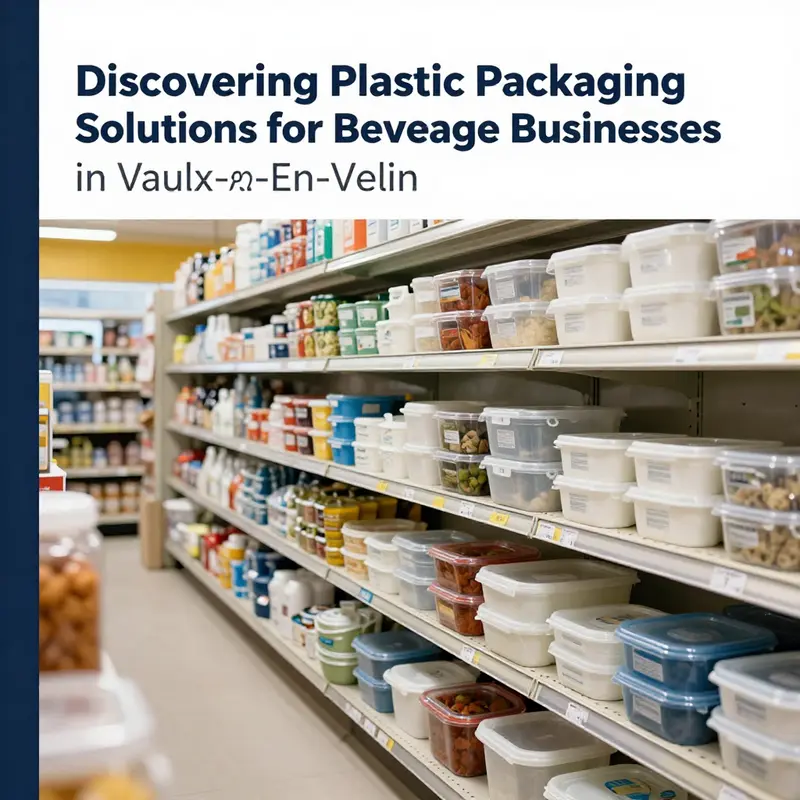
Vaulx-en-Velin sits on the edge of the Lyon metropolitan area, a place where neighborhood commerce meets regional logistics. To understand the supply of plastic food container packaging there, one must look beyond isolated storefronts and consider the broader currents shaping European food-contact materials (FCM). In France, as in the rest of the European Union, the march of compliance, traceability, and sustainability governs what can be sold and how it can be used. The local landscape, while modest in scale, sits within a dense network of manufacturers, distributors, and service centers that cluster along the Lyon corridor. This is a region where fast-moving consumer goods, catering logistics, and food service operations converge, creating a demand for reliable, food-grade packaging that can withstand the rigors of microwave reheating, cold storage, and daily reuse where applicable. The regulatory frame is precise and continuously evolving. Materials intended for contact with food must meet EU standards designed to minimize migration of chemicals into the food. Agencies periodically reassess substances like plasticizers and other additives, and the conclusions they reach ripple through every supplier’s catalog. For Vaulx-en-Velin, this means that any container marketed locally should come with documented compliance, generation of migration data when required, and a clear chain of custody for materials used in the articles offered to restaurants, grocers, and household consumers. In practical terms, this translates into packaging options that are not only affordable and readily available but also demonstrably safe for use with a range of foods, from fresh produce to ready meals and microwaveable items. In a region well connected by road and rail, the distance to Lyon’s packaging players is not merely geographic; it is a logistical advantage. The surrounding supply chain includes manufacturers who operate at scale, yet still maintain the flexibility that local buyers need. The presence of regional logistics hubs facilitates faster replenishment cycles, shorter lead times, and the possibility of small-batch customization that larger metropolitan markets often struggle to deliver with the same precision. When a Vaulx-en-Velin buyer contemplates a batch of containers, an implicit calculation arrives at the fore: does the supplier offer the right balance of food-grade safety, environmental responsibility, and timely distribution to keep the local operation moving without tying up cash in oversized inventories? The response to that question is seldom a single path. It typically weaves together three strands: proximity to Lyon’s packaging ecosystem, the breadth of compliance and certification, and the supplier’s readiness to support the customer’s unique needs. In this triad, proximity matters. A major France-based packaging manufacturer located near Lyon can provide the comfort of shorter transit times and easier on-site collaboration for design and testing. This matters when a local cafe, a school canteen, or a neighborhood market chain wants to validate performance—how a transparent-lidded container stacks, whether it maintains freshness after freezing, or how it handles reheating without warping. The second strand rests on the bedrock of compliance. EU 1935/2004 and related regulations create a common baseline that suppliers in the Lyon corridor adhere to, and they often complement this with ISO 9001 or other quality management standards and, where relevant, environmental certifications. The third strand—customization and service—turns the supply chain from a mere replenishment loop into a responsive partnership. Local providers are increasingly able to tailor sizes, tolerances, and sealing mechanisms; they can accommodate branding, labeling, or packaging configurations for takeaway, meal kits, or salad bars. The practical effect for Vaulx-en-Velin operators is straightforward: access to materials that meet safety requirements, shipped with predictable schedules, and supported by documentation that simplifies audits and quality control protocols. In the broader European setting, the trend toward sustainable packaging adds another layer. Recyclable plastics, bio-based options, and recycled-content formulations are moving from niche to mainstream. At the regional level, suppliers are balancing cost pressures with the demand for responsible materials. This means buyers in Vaulx-en-Velin can expect options that favor recyclability or reduced environmental footprint without sacrificing performance. Some packaging partners even offer small-batch, low-volume runs for local businesses testing new concepts, followed by scalable production if a concept proves viable. For buyers who operate at scale, the wholesale and industrial channels remain essential. When procurement requires large quantities—tens of thousands or hundreds of thousands of units—the market plays out in a familiar language: price per unit, lead times, minimum order quantities, and the ability to provide certificates of conformity and material safety data sheets. While wholesale platforms and cross-border suppliers are a part of the ecosystem, the local dimension should not be underestimated. The Lyon region’s density—its distributors, manufacturer reps, and logistics integrators—often translates into faster reorders, easier returns, and more direct problem-solving when issues arise with batch quality or compatibility with existing stackables and equipment. In the end, the choice of a local or near-local supplier comes down to a balance of safety, reliability, and responsiveness. A credible package for Vaulx-en-Velin would typically present a clear menu of food-grade plastics—PP, PET, and compatible multilayer options—paired with documentation that confirms compliance with EU standards and with certifications that reassure buyers about traceability and responsible sourcing. It would also offer clear pathways for sampling, testing, and small-scale trials before any full-scale rollout. The physical proximity, combined with a robust regulatory framework and an emphasis on service, fosters a relationship in which the supplier serves as a partner rather than a distant vendor. To illustrate the practical steps a local buyer in Vaulx-en-Velin might take, consider a path that blends traditional local search with the efficiency of online procurement. Local business directories, such as those maintained for French commerce, can reveal packaging houses and regional distributors that focus on food-grade packaging. For bulk requirements, industrial procurement platforms—accessible to businesses looking to purchase in the tens or hundreds of thousands of units—offer price transparency and supply chain visibility. Even when working through these channels, the buyer benefits from asking for a conformity file, a written statement of composition, and any relevant migration data. These documents, alongside standard certifications, become a practical shorthand for the EU compliance narrative that has become a baseline expectation for any packaging intended for food contact. As the local market adapts to the evolving sustainability agenda, customers gain the added flexibility of choosing materials with reduced environmental impact, where feasible, without compromising performance in the kitchen or the takeaway line. And beyond the walls of Vaulx-en-Velin, the Lyon corridor continues to act as a bridge to broader European suppliers who can deliver scale while maintaining the regulatory and quality assurances demanded by French retailers, schools, and dining services. For readers seeking concrete illustration within this chapter, an accessible route is to explore a take-away packaging page that mirrors the kinds of products discussed here. It offers a window into the type of packaging configurations that local buyers often require—containers with secure lids, microwave-ready trays, and compartments suitable for meal kits and snacks. This reference point helps connect the dots between local needs and the wider supply ecosystem, reminding us that a regional hub like Vaulx-en-Velin is not an outpost but a node in a sophisticated supply network that blends local service with global standards. Take-away food packaging boxes page. For readers who want to corroborate the broader regulatory and market environment, an external resource provides a complementary perspective on how European safety assessments shape supplier choices and product development in food-contact packaging. This external reference underscores the ongoing evaluation of migration risks and the push toward traceable, compliant, and responsibly sourced materials that matter to Vaulx-en-Velin’s retailers and food-service operators.
External resource: https://www.plastipack.fr
Circular Packaging in Vaulx-en-Velin: Navigating Regulation, Reuse, and Recycling
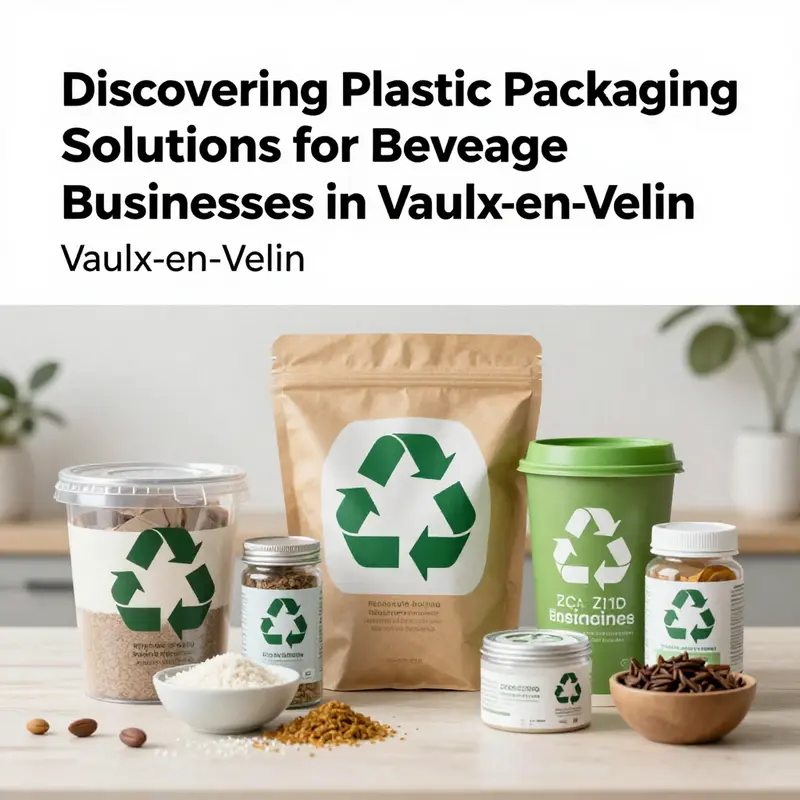
Vaulx-en-Velin sits on the eastern edge of Lyon, a community where everyday life intersects with a broader European push toward sustainable packaging. In the wider French and European context, plastic packaging for food containers is undergoing a steady but perceptible transformation driven by policy, shifting consumer expectations, and advances in materials science. While a publicly accessible, district-specific directory of Vaulx-en-Velin suppliers may be sparse, the city remains enmeshed in a dense network of wholesalers, retailers, processors, and recyclers that operate regionally and across borders. In practice, local kitchens, schools, and shops typically source standard plastic containers from compliant suppliers within this network, yet they face a shared imperative: reduce environmental impact through thoughtful design, reuse where feasible, and robust end-of-life management. The tale of Vaulx-en-Velin thus becomes a microcosm of how a modern city negotiates regulation, market options, and community expectations around plastic packaging for food.
At the heart of this negotiation lies regulatory architecture that shapes every choice, from material selection to how a container is labeled and recycled. France has woven a stringent regime into its Environment Code and the Loi anti-gaspillage pour une économie circulaire, the anti-waste law enacted in 2020, with ambitious milestones that extend into 2025. By that year, the aim is for all plastic packaging to be recyclable or reusable, and for new packaging to incorporate a target of 60% recycled content. This framework does not merely influence what can be sold in Vaulx-en-Velin; it conditions how manufacturers design packaging in the first place. It pushes for monomaterial designs when feasible, reduces reliance on multilayer barriers that complicate recycling, and encourages clear labeling that guides consumers toward correct sorting. These rules interact with European standards for food contact materials, particularly regarding chemical migration from plastics into food. EFSA’s periodic risk assessments of substances such as BPA, phthalates, and the evolving science around micro- and nano-plastics translate into practical constraints for suppliers and buyers alike. In a city like Vaulx-en-Velin, adherence to these standards is not a theoretical obligation but a daily operational reality that informs what containers are available, how they perform in a kitchen, and how they end up back in the recycling stream.
Material choice in Vaulx-en-Velin’s plastic containers reflects a balance between performance, safety, and recyclability. Recyclable polymers such as PET and PP are commonly favored because they align with France’s curbside recovery schemes and with the broader European push toward circularity. Yet this preference sits beside the rising interest in reusable container systems, particularly for institutional meal programs, school cafeterias, and public canteens that seek to extend the life of a container through multiple uses rather than a one-way end-of-life transfer. The conversation around bioplastics and alternatives—biodegradable materials and bio-based polymers—appears in policy debates and pilot programs as stakeholders weigh the trade-offs between faster compostability and the realities of infrastructure for composting at scale. In Vaulx-en-Velin, as elsewhere, the practical path often leans toward materials that can be recycled within existing municipal streams, paired with clear design that facilitates sorting, cleaning, and reuse where appropriate. In this sense, sustainability becomes as much about system design as about the box itself.
Growing consumer demand for responsible packaging nudges the market toward transparent communication about recyclability, origin, and lifecycle. Supermarkets, food service providers, and local authorities increasingly expect packaging to be recyclable or reusable, with a preference for options that integrate easily into regional recycling programs. The move toward circularity is not a theoretical ideal but a market reality that influences product assortment, supplier selection, and even the way suppliers discuss cost with buyers. For practitioners contemplating procurement at scale, the choices extend beyond the immediate container to the full ecosystem: the adhesives used on labels, the inks printed on packaging, and the end-of-life infrastructure that will actually handle the material after it leaves a kitchen. In Vaulx-en-Velin, these considerations cohere with a broader environmental ethos promoted by municipal and regional campaigns that emphasize proper sorting and contamination reduction. The educational work done in neighborhoods and schools helps ensure that when a container is discarded, it has a higher likelihood of re-entering the economy rather than becoming waste. A practical way to explore options is to look at current examples of eco-friendly packaging solutions that align with these goals. For practical exploration, consider this catalog entry illustrating an eco-friendly option for takeout packaging: eco-friendly disposable 3-compartment packaging box for fast food.
Sourcing strategies in Vaulx-en-Velin thus reflect both appetite and constraint. For routine, high-volume needs, buyers often turn to industrial procurement platforms that can quote on large quantities, while still demanding proof of compliance with European food-contact regulations. The price dynamics cited in global sourcing conversations—where volumes from hundreds of thousands to millions of units can influence per-unit costs—speak to a broader reality: the scale of procurement matters for achieving both regulatory compliance and economic viability. Suppliers in or connected to the region frequently emphasize recyclable polymers and, increasingly, recycled-content options that meet the 60% target of the new packaging. Yet there is a price-quality calculus to navigate. High recyclability should not come at the expense of safety or performance, and in France, the chain of custody and traceability of materials is under heightened scrutiny. These realities require close coordination among municipal waste managers, regulatory counsel, and procurement teams to ensure that containers used in Vaulx-en-Velin can actually be integrated into local recycling streams without contamination or confusion at the point of sorting.
The social and community dimension of Vaulx-en-Velin’s packaging narrative cannot be overlooked. Local initiatives around waste reduction, education, and infrastructure contribute to the broader shift toward a circular economy. The city participates in regional recycling campaigns and has established designated collection points for sorted household waste, including clean plastic packaging. Public awareness efforts reinforce correct sorting to improve recycling efficiency and reduce contamination—a critical factor in turning recyclable plastic into a resource rather than a residual. When residents understand the lifecycle of a container, from purchase to recycling or reuse, the system becomes more resilient. In schools and social dining programs, there is tangible momentum toward reusable container schemes that align with circular economy principles, even as single-use options remain necessary in some contexts. The challenge lies in scaling reuse without compromising safety or convenience and ensuring that reusable systems are matched to local logistics, cleaning capabilities, and user behavior.
These regulatory, material, and community strands converge on a practical set of considerations for Vaulx-en-Velin’s food packaging landscape. Designers and buyers are urged to think beyond the container as a stand-alone product and toward the system in which it operates. This includes ensuring that packaging is technical compatible with local washing and sorting facilities, that it can withstand the rigors of transport and use, and that it carries unambiguous labeling for end users. It also means acknowledging the realities of international supply chains. For large-volume orders, cross-border sourcing remains viable, with scale often enabling lower per-unit costs even as regulatory compliance and safety standards must be maintained. In this sense, Vaulx-en-Velin’s packaging ecosystem mirrors the broader European effort: a continuous dialogue among policymakers, manufacturers, retailers, and citizens about what is possible, what is permitted, and what is desirable for a circular future. The pathway forward is not a single solution but a portfolio of choices—materials that fit recycling streams, designs that enable easy separation and reuse, and a culture of sorting and responsibility that makes circularity practical in daily life. And as the city learns from pilots, it may increasingly emphasize products that balance performance with a clear end-of-life pathway. For readers seeking broader technical context on this trajectory, a widely cited resource on sustainability in food packaging offers deeper analysis of life-cycle assessment, material innovations, and policy impacts across Europe: https://link.springer.com/book/10.1007/978-3-031-87492-5.
In sum, Vaulx-en-Velin’s experience with plastic packaging containers embodies a larger European evolution. Regulatory rigor ensures safety and recyclability, while market dynamics push toward materials and designs that support a circular economy. Local initiatives, consumer education, and the practical realities of municipal waste systems shape what is possible in the near term. The city’s path suggests that sustainable packaging is not merely a product choice but a complex orchestration of policy, supply chains, and community engagement, all aimed at keeping food safe, affordable, and disposed of in ways that return value to the economy rather than burden the environment. Practitioners who navigate this terrain in Vaulx-en-Velin—and similar communities—will likely rely on a portfolio of approaches: recyclable materials for everyday use, reusable systems where feasible, and transparent communication that helps every resident participate in a sustainable packaging future. Further reading and context can be found in the external resource cited above, which provides a broader European lens on these trends.
Final thoughts
In conclusion, the landscape of plastic packaging food containers in Vaulx-en-Velin is not only shaped by global accessibility and regulatory frameworks but also by innovative market trends and local supplier dynamics. As the industry continuously shifts toward sustainable practices, bubble tea shops, restaurants, and catering services can gain a competitive edge by aligning with these trends and compliance standards. By choosing the right suppliers and packaging solutions, businesses can enhance operational efficiency and promote environmental responsibility, cementing their place in the thriving food and beverage market.