
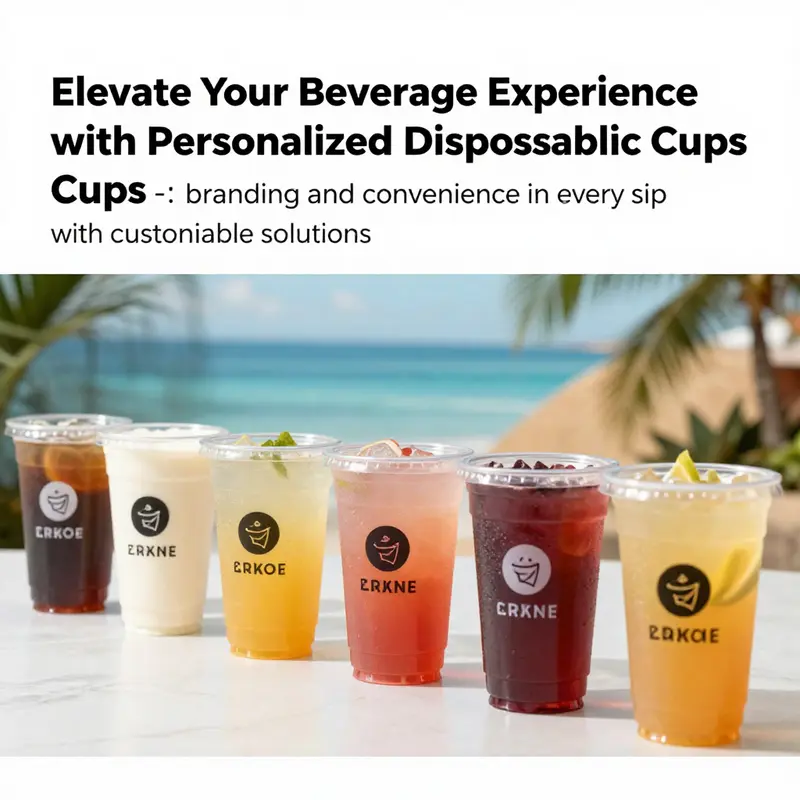
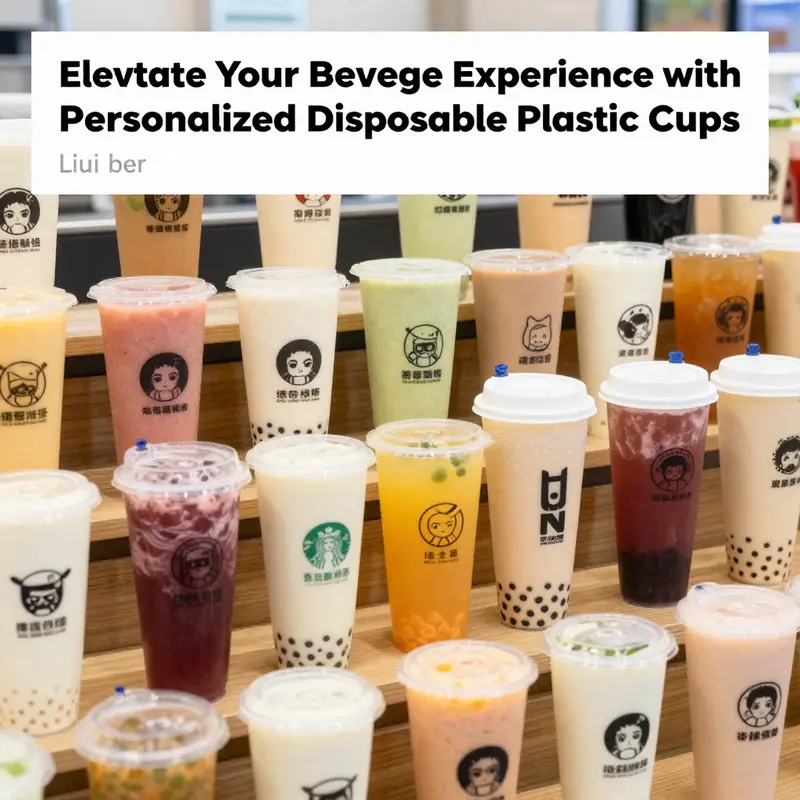
As the beverage industry continues to evolve, the need for personalized, functional solutions becomes more crucial. Personalized disposable plastic drinking cups with lids have secured their place as indispensable assets for bubble tea shops, restaurants, food trucks, and event planners. These cups not only enhance customer experience but also serve as powerful marketing tools, allowing businesses to effectively imprint their identity onto every drink served. In this exploration, we will delve into the unique characteristics of these cups, the manufacturing processes that ensure their quality, their applications in events and promotions, the environmental concerns associated with their use, and the latest market trends driving consumer demand. Each chapter will build towards a comprehensive understanding of how these cups can transform your beverage service.
null
null
From Melt to Message: The Engineering Behind Personalized Disposable Cups with Lids
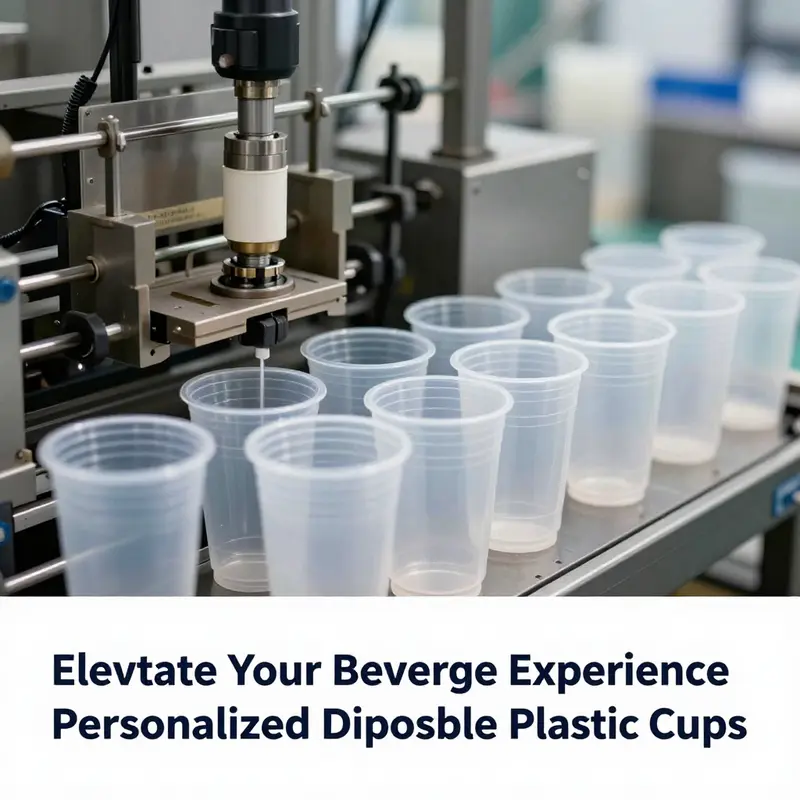
A personalized disposable cup with a lid is more than a vessel; it is a fusion of material science, precise molding, and artful branding that travels from factory floor to event table with minimal fuss and maximal impression. The journey begins with material selection, a choice that anchors everything from safety to insulation to print fidelity. Food-grade polymers such as polypropylene and various forms of polystyrene, and sometimes PET for clarity and stiffness, are chosen to withstand cold beverages and, in some cases, hot liquids. The decision is not only about safety but about how the cup will perform during transport, how long it will keep a drink at its intended temperature, and how the surface will react to ink, coatings, or heat-pressed designs. In this ecosystem, the raw resin is more than a starting point; it is the stage upon which engineering meets marketing. The result aims to preserve flavor, resist odors, and present a brand message with the same calm precision that keeps a beverage at the right temperature.
When the resin is ready, the manufacturing line performs a nearly choreographed sequence of steps that converts plastic pellets into a drinkware system ready for customization. Injection molding forms the cup body and the lid, each mold carefully designed to balance material use with structural integrity. Wall thickness is tuned to resist flex and heat transfer that could distort a drink’s temperature or the printed image. The lid design—whether dome-shaped for insulated hot drinks, flat for easy stacking, or a hybrid with a pour spout—needs to seal securely to prevent leaks when the cup is jostled in a bag or a car cup holder. This is not a one-size-fits-all process; the molds are engineered to accommodate a spectrum of sizes from compact 8-ounce cups to larger 24-ounce options, with tolerances tight enough to ensure every lid fits every cup in a batch.
Quality starts at the mold and continues through every station on the line. Dimensional checks ensure the cup diameter, wall thickness, and lip geometry align with the designed tolerances. Even small deviations can affect stackability, lid fit, or print quality. Visual inspection teams scan for surface imperfections like micro-warping, voids, or extraneous flash around the mold gates. These checks are not cosmetic; they signal deeper process issues such as cooling rate inconsistencies, mold wear, or resin moisture content. For bulk runs, a statistical sampling plan helps maintain consistency across thousands or tens of thousands of units, reducing the risk that a single misprint or misalignment travels to the customer. Throughout, process engineers monitor cycle times and energy usage, balancing throughput with quality, and they adjust cooling channels, mold temperatures, and ejection speeds to minimize warping and yield losses.
Customization enters the workflow once the base parts emerge from the mold. The surface of the cup becomes a canvas for brand identity through methods like screen printing, labeling, or hot stamping. These techniques are selected not merely for vibrancy but for durability in real-world use. Screen printing can deliver bold, wrap-around graphics that survive handling and moisture, provided the ink chemistry and surface energy of the plastic are properly matched. Labeling offers flexibility for shorter runs or highly variable designs, while hot stamping can imprint metallic accents that catch light and attention without adding a thick overlayer that could interfere with the lid seal. Each method imposes design constraints—color limits, line thickness, and the need for clean margins around the printable area. Designers must account for the curvature of the cup, the seam line, and the potential for print migration during high-speed production. In practice, a well-executed customization strategy threads together art direction, material science, and the realities of mass manufacturing to produce a product that looks premium yet costs efficiently.
The personalization step is complemented by considerations of branding longevity and user experience. Print durability matters because cups endure cold beverages, condensation, and repeated handling. Ink adhesion is tested under moisture and wear scenarios to ensure logos do not peel or dull after multiple touches. The final appearance must mirror the campaign brief, with accurate color reproduction and legible typography that remains consistent across batches. An understated yet crucial aspect of the design is the color-matching process. Brands often request specific pantone shades, and mills translate those requests into resin-compatible colorants that perform consistently from batch to batch. This is a field where tiny discrepancies in pigment dispersion or resin base can ripple into perceptible shifts in hue, so the compounding team and the printer work in lockstep, using standardized test panels that travel with each run.
Once the cups emerge from printing or labeling, assembly and sorting play their part in ensuring a smooth supply chain. Some configurations require attaching the lid in a separate station, others allow a snap-fit lid to be molded in a secondary process. The assembly line’s objective is speed without sacrificing fit, because a loose lid can undermine user confidence and lead to spills. After attachment, the finished units move to packaging, where they are grouped by size and design, then wrapped or boxed in bulk for distribution. The packaging itself is optimized for protection during transit, minimizing scratches, smudges, or static cling that could mar a brand’s first impression. A careful balance is struck between the need to ship efficiently and the responsibility to present a pristine product on arrival at retailers, event planners, or direct-to-consumer channels.
The timeline for this entire sequence can vary with the complexity of the design and the scale of the order. Typical production windows range from a few days to about a week, depending on the realism of the customization and the current load at the factory. Minimum order quantities reflect a typical factory calculus: higher MOQs reduce per-unit cost and stabilize the workflow for large runs, while certain suppliers offer lower thresholds to entice smaller campaigns or pilot programs. Beyond the mechanics of production, there is a broader ecosystem of safety and compliance. Food-grade certification and quality inspections—often including third-party verification—provide credibility and reassure buyers that cups will not impart flavors or contaminants to beverages. These certifications are not merely formalities; they anchor trust in a market that includes corporate events, weddings, fitness challenges, and community fundraisers, all of which demand reliability as much as they desire customization.
In terms of practical applications, the interplay between design flexibility and manufacturing discipline becomes visible in how brands approach event kiosks, hospitality settings, and consumer giveaways. The most effective campaigns leverage customization to transform a moment—every sip—into a branded experience. The same cups that keep a beverage hot or cold also carry a message, a color code, or a logo that reinforces an identity long after the party ends. The choice of material, the resilience of the print, and the integrity of the lid all contribute to this perception of quality. When a customer reaches for a cup, the hand encounters a surface engineered to feel solid and premium, then discovers a graphic that communicates a story. The result is not merely a container but a portable, disposable brand touchpoint that travels through space and time with the drinker.
For those seeking a practical touchpoint to this process, consider the experience of a typical order: a brand requests a clear, sturdy cup suitable for both cold beverages and a branded wrap. The supplier recommends a resin with proven clarity and a wall thickness calibrated for sturdy handling and efficient heat exchange. The design team provides a wrap-around graphic with bold colors and legible type, mindful of the cylindrical curvature and the need to preserve legibility when the cup is tilted or stacked. The production line translates this concept into molded parts, then applies the chosen printing method, testing a sample batch for color fidelity and print durability. After passing quality gates, the cups are packaged and shipped, arriving at a site where staff assemble the event display within hours. All of this happens with a careful balance of speed, cost, and aesthetic fidelity, a balance that turns a simple drinking moment into a measurable expression of a brand’s personality.
For readers looking to deepen their understanding of scale and sourcing, the production story often intersects with wholesale platforms and supplier networks that offer customization services at varying MOQs and timelines. When the market demands rapid production, some producers can deliver within five to ten days after order confirmation, provided the design is finalized and the quantity aligns with manufacturing capacity. This pragmatic cadence helps event organizers plan logistics, from attendee flow to service cadence, and it also influences the choice of materials and printing techniques lest a rush order compromise quality. The complex choreography behind personalized cups with lids thus rests on the strength of material science, the precision of molding, the discipline of quality control, and the creativity of branding. The final outcome is a product that not only serves beverages but also carries a narrative—one that travels from resin to rim, from pigment to print, and from the lab bench to the hands of the consumer.
In the spirit of practical connections, this chapter also invites readers to explore how current suppliers align with sustainability and regulatory expectations. The conversation around disposability is nuanced: while these cups are designed for single use, many manufacturers emphasize recyclability and compatibility with local waste streams. Recyclability can depend on the resin type, the presence of inks or coatings, and the compatibility of the cup with which recycling infrastructure. Buyers increasingly weigh environmental impact alongside branding power, prompting a careful selection of materials and printing methods that minimize waste and maximize reuse of components in the supply chain. The result is a responsible approach to promotional cup design, where the marketing objective and the manufacturing realities are not antagonists but partners in achieving a memorable, durable, and serviceable product for any gathering. If a reader seeks a practical gateway to exposure and procurement, a ready-made example on a product catalog site can illustrate how a consistent, well-controlled process translates into reliable outcomes across large campaigns. For reference to a comprehensive supplier hub and real-time customization options, see external resources such as the detailed product listing on a major marketplace in the industry.
External resource: https://www.alibaba.com/product-detail/Custom-Disposable-Plastic-Cups-with-Lids_1600478911243.html
For additional context on design-driven disposable tableware that overlaps with cups and lids, you can explore related packaging categories at related suppliers’ catalog pages, including options for clear plastic cups intended for events and gatherings. This can provide a practical sense of how dimensions, printing, and lids are harmonized across a family of products, reinforcing how design choices ripple through the entire manufacturing sequence.
Internal resource: disposable clear plastic cup for events.
Branded Sips: Harnessing Personalized Disposable Cups with Lids for Events and Promotions
Branded Sips: Harnessing Personalized Disposable Cups with Lids for Events and Promotions
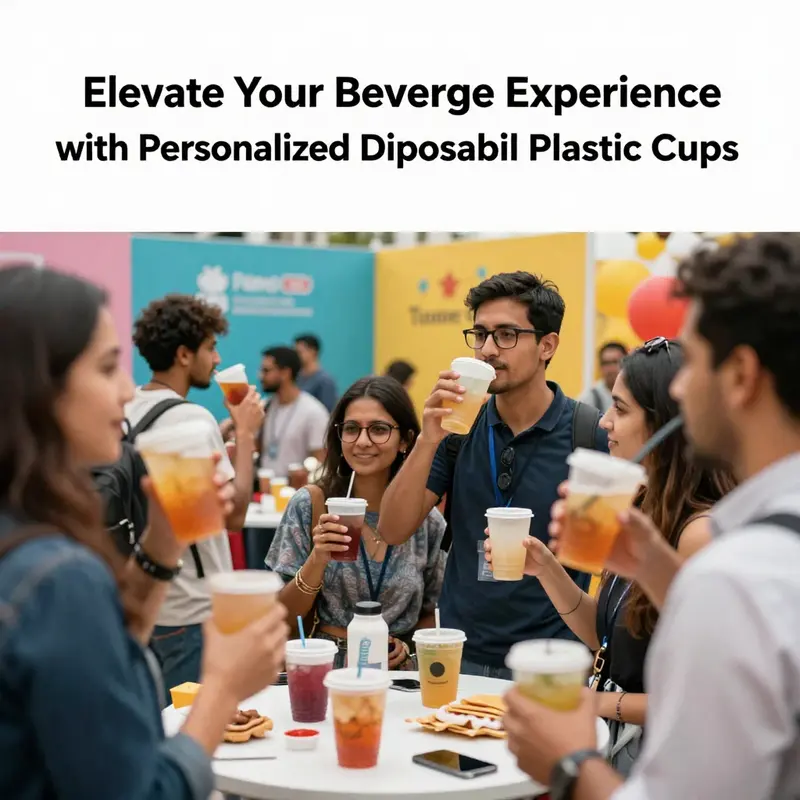
When brands and hosts stand at the intersection of practicality and perception, the humble disposable cup with a lid becomes an unlikely centerpiece. Personalized disposable plastic drinking cups with lids are more than containers; they are portable canvases that carry logos, messages, and moods across a crowded venue. In events and promotional campaigns, this dual role—functional beverage carrier and mobile advertisement—transforms every sip into a moment of brand recall. The appeal lies not only in visibility but in the tactile ritual of taking a drink from a familiar, custom-branded vessel, a moment that can deepen engagement, reinforce a theme, and spark word-of-mouth conversations long after the event ends. The cups’ value grows as they balance multiple demands: cost-effectiveness for large-scale distribution, durability for on-the-move consumption, and a surface that accommodates impactful yet enduring artwork.
Weddings often demonstrate the most intimate use of these cups. Aesthetic customization—names, dates, or wedding motifs—surrounds guests with a sense of belonging without interrupting the flow of celebration. The cups act as subtle keepsakes that guests can reuse in the moment, on site, and in photos, where the cup becomes a visual reminder of shared moments. In corporate gatherings, the same principle expands into a deliberate branding exercise. Companies leverage these cups to maintain a consistent visual language across conference lounges, coffee breaks, and reception areas. A well-placed logo and a concise message on a lid or a cup sleeve can reinforce identity amidst a crowded program, extending a sponsor’s or host’s presence in the memory of attendees. The branding is functional as well—clear, legible logos on easy-to-handle cups support smooth service, especially in high-traffic environments where lines form and attention spans waver. In both cases, the cups become talking points: guests notice the thoughtful detail, take photos, and share experiences with others who weren’t present, spreading the brand’s reach beyond the event itself.
Sports tournaments, outdoor festivals, and community gatherings reveal a broader utility. The physical design of these cups—lightweight yet sturdy, with secure, spill-resistant lids—supports hydration in active or open-air settings. Sponsors and organizers often embed sponsor logos or event-specific graphics, turning every hydration break into a small, high-visibility touchpoint. The lids—either dome-shaped or flat—protect drinks in crowded spaces and during transport, reducing the risk of spills on crowded bleachers or festival grounds. The built-in straw features, when included, address contemporary drinking preferences and can be oriented toward both individual enjoyment and sharing moments among friends and families. For attendees, the cups become familiar companions at the venue, carrying not only beverages but also the sense of the event’s mood, whether it’s a vibrant music festival, a spirited sports match, or a charitable fundraiser.
In schools and universities, these cups serve a dual role of community-building and logistics. Orientation weeks, alumni events, and campus fairs benefit from the ability to distribute beverages in standardized, customized containers. When a school or campus organization prints its colors, mascot, or messages on cups, it creates a cohesive atmosphere that unifies students and staff around a shared experience. The practical benefits are clear: standardized cup sizes facilitate quick service, reduce waste through nesting designs, and allow event teams to track inventory and reorders more efficiently. In every scenario, customization amplifies the value proposition: a logo or message is not merely decoration but a remembered cue that ties attendees to a moment, a cause, or a brand’s promise.
From a promotions perspective, these cups execute a remarkably scalable form of marketing. In trade shows and product launches, attendees often receive a complimentary cup as they sample beverages or engage with interactive booths. The airstream of branding that follows a user through the venue is amplified by the cup’s portability; it becomes a rolling billboard as people stroll from one session to another, from the expo floor to after-hours gatherings. The cost-per-unit of these cups is typically favorable for bulk orders, enabling brands to maximize reach without escalating budgets. The result is a practical marketing tool that blends seamlessly with the event experience rather than feeling like an add-on. Importantly, the customization process itself—whether through full-surface printing on the cup, laser-engraved detail, or high-contrast color blocking—must balance legibility with durability. Print quality matters because wear and moisture can degrade visual impact over the event days. Glossy or matte finishes can influence how the artwork reads under different lighting, with subtle texture sometimes helping legibility when the cup is viewed from a distance.
Material choices inform not only safety and performance but also the aesthetic and tactile qualities guests experience. The most common materials—food-grade polymers such as PET and PP—offer clarity, strength, and safety for beverages. PET provides excellent clarity for bright brand colors, while PP offers a robust, squeezable feel that’s popular for hot or cold drinks and for cups designed to be reused in compliant contexts. The lids themselves contribute to the overall impression; dome lids can convey a premium, celebratory feel, while flat lids emphasize a minimalist, streamlined look suitable for fast-paced environments. Integrated straw slots or built-in straws address modern consumer expectations for convenience, and some designs incorporate nesting features that simplify storage and transport for event organizers. The functional simplicity of a lid and straw interface with a brand’s message, translating a visual identity into a practical daily ritual that attendees perform repeatedly throughout an event.
Beyond aesthetics, there is a strategic conversation about sustainability and responsible use. While disposable by design, these cups are frequently recyclable, allowing organizers to craft a narrative around environmental responsibility. Communicating a recycling plan or offering clear recycling instructions can bolster a brand’s credibility, particularly among eco-conscious audiences who weigh not just the message but the lifecycle of the objects that carry it. At the same time, brands face a delicate balance: the demand for customizable, cost-effective cups must harmonize with evolving expectations around waste and reuse. Some organizers lean into messaging that emphasizes responsible disposal and local recycling capabilities, reinforcing a commitment to minimizing impact even as they maximize event reach. The result is a branding decision that does not rely on spectacle alone but rather on a coherent story about materials, disposal, and stewardship that travels with each cup across venues and audiences.
From a practical standpoint, the flow of event logistics intersects with design choices. Minimum order quantities (MOQs) and production timelines shape planning, especially for multi-day events, weddings with exact guest counts, or nationwide promotions that unfold across several cities. The ability to place bulk orders with rapid production times—often within a matter of days after confirmation—enables planners to respond to changing headcounts, weather conditions, or last-minute sponsorships. Certifications and compliance, such as food-safety inspections, add a level of assurance for venues that require adherence to international standards. When brands evaluate suppliers, they weigh not only the visual impact of the cup but also the reliability of the supply chain, ink longevity on moist surfaces, and the ability to deliver consistent color matching across large runs. Customization can wear over time, particularly with repeated handling, washing, or exposure to moisture. While hand cleaning is often recommended to preserve print quality and structural integrity, many event environments rely on quick turnover; thus, design considerations must account for durability in real-world use.
An important nuance in this space is the balance between novelty and practicality. The most successful event cups leverage striking, legible visuals without sacrificing ease of use. Simple color palettes with high-contrast logos remain legible even in bright sunlight or dim indoor lighting. Slender, ergonomic shapes, and comfortable grip textures can enhance guest experience, especially during long receptions or active festival hours. Some organizers opt for color-coded designs to differentiate beverage stations, dietary accommodations, or sponsor tiers, using the same basic cup to convey layered information at a glance. The lids, too, can become a canvas for subtle storytelling—tiny event motifs or date stamps that guests may notice only upon closer inspection, creating moments of discovery that contribute to the event’s memorability.
To ground these considerations in a practical pathway, many event planners turn to adaptable, scalable options that align with their theme and guest experience. The ability to tailor a single cup across different sizes—from 8 oz to 24 oz—facilitates a cohesive visual language whether guests are enjoying coffee, iced tea, smoothies, or soda. The nesting capability of empty cups minimizes storage and shipping costs, a detail that may seem small but has meaningful implications for budget planning and logistical efficiency. For organizers seeking to extend the value of the cups beyond the event, the option to print on multiple surfaces or to incorporate QR codes and social handles can bridge physical presence with digital engagement. A well-integrated strategy can transform a disposable cup into a touchpoint that supports lead generation, post-event feedback collection, or loyalty program engagement, ensuring that the investment continues to yield returns after guests leave the venue.
For readers exploring the breadth of practical resources, product listings and supplier catalogs often highlight the customizable and logistical attributes described here. A helpful reference for teams seeking theme-focused packaging and disposable tableware is a dedicated catalog that emphasizes how take-away packaging pieces can harmonize with event branding while meeting practical service needs. This resource demonstrates how a single category of items can be orchestrated to create a cohesive guest experience—from pre-event branding to on-site service and post-event recall. It illustrates the way event planners can coordinate multiple touchpoints—cups, lids, packaging, and signage—into a single, fluid narrative that travels with attendees from venue to venue. Custom takeaway packaging supplies: disposable tableware for theme party.
As the conversations around event and promotional cups continue to evolve, the future points toward greater personalization and smarter integration. Digital printing techniques can enable more complex, high-fidelity artwork without sacrificing durability or speed. Some campaigns experiment with variable data printing to tailor visuals by location, audience segment, or time-limited promotions, creating a sense of exclusivity for attendees. Additionally, printers and manufacturers are increasingly batting for sustainability narratives that do not rely solely on recycling claims but instead emphasize the responsible lifecycle of the product, from raw materials selection to end-of-life options. In this landscape, the cup becomes a living element of a brand’s story—an accessible, reusable memory that attendees can carry away, photograph, and share, amplifying the impact of events and promotional campaigns beyond the moment of consumption.
External resource: For broader industry context and supplier considerations, see a major online marketplace that aggregates customizable drinkware and packaging options, which can provide insight into current capabilities, lead times, and compliance considerations across markets. https://www.alibaba.com/product-detail/12oz-16oz-20oz-24oz-Custom_1600378592946.html?spm=a2700.12904125.0.0.5f8b3d3cUHJpZD
Rethinking the Cup: Environmental Impact and Sustainability in Personalized Disposable Drinking Cups with Lids
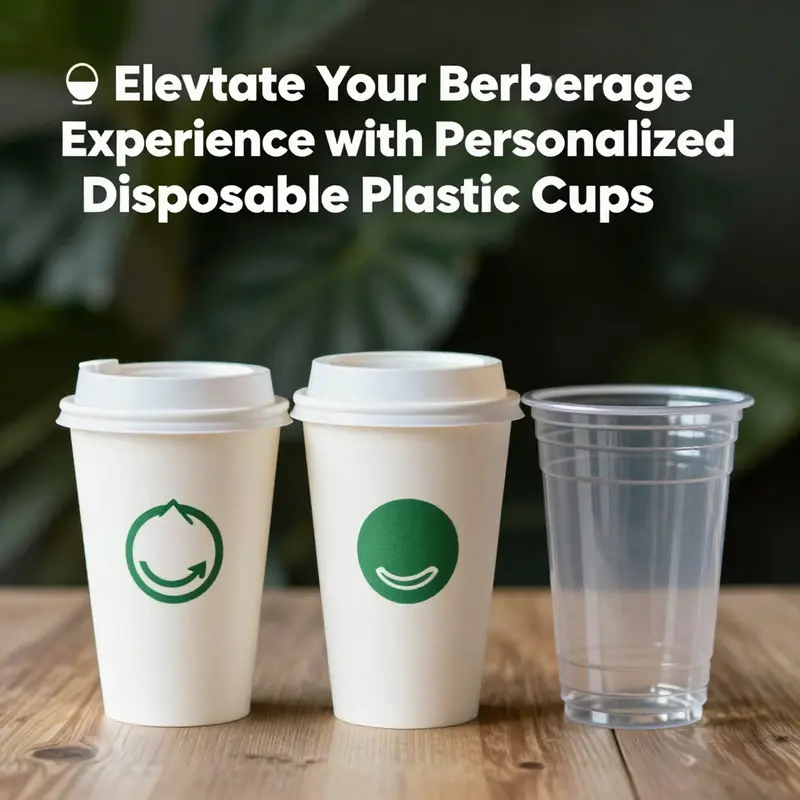
The promise of personalized disposable drinking cups with lids sits at an intersection of immediacy, memory, and material choice. In the rush of events, promotions, and everyday hospitality, a cup becomes more than a vessel for a beverage; it becomes a mobile canvas and a touchpoint for a brand, a moment of connection between user and message. Yet behind the glossy surface lies a material reality that shapes not only how the cup performs at the table or in the hand, but also how longer-term ecosystems must reckon with waste, recycling streams, and the energy embedded in production. To understand the environmental footprint of these cups is to trace a lifecycle that begins with resin and finishes, ideally, in a second life that reduces pollution and preserves resources. It is a lifecycle that forces a reckoning between customization and the responsibilities of waste management, a balancing act for manufacturers and consumers to align branding with sustainability goals. The core materials for cups are polypropylene and PET, chosen for safety, clarity, and durability; polypropylene offers heat resistance, while PET provides clarity and a strong barrier. These are well-established plastics; what matters is end-of-life. Polystyrene presents environmental challenges as it can persist and fragment into microplastics. While many cups are designed to be recyclable, the reality depends on infrastructure, collection, and participation; a fraction only is recycled in many regions, with many cups ending in landfills or the environment. Printing adds another dimension to environmental accounting, consuming energy and chemicals and potentially affecting recyclability. Advances in compatible inks and simpler finishes help, but change takes time. A growing body of work shows that branding on a disposable product can clash with environmental goals unless the system around the product redirects waste responsibly and end-of-life management is aligned with production and behavior. In places with industrial composting, some bioplastics offer potential benefits when properly managed, but if compostables end up in general waste they can lose their advantage. The practical paths forward include reusable cup systems where feasible, and maximizing recyclability and clarity in disposal guidance for single-use cups. Clear messaging about disposal, collaboration with waste-management partners, and designing for post-use reality help align branding with sustainability. The design brief should consider end-of-life outcomes from the start. Contexts such as hospitality, event promotion, and festivals illustrate different waste challenges; in all cases, transparency about lifecycle data and responsibility helps reduce the gap between ideal waste management and practice. For readers seeking tangible examples, exploring recyclable and reusable cup designs in outdoor settings can illustrate how form, function, and disposal are integrated in practice. Ultimately, the sustainability of personalized cups rests on material choice, end-of-life design, and robust waste-management systems. If single-use models prevail, they should be as recyclable and compostable as possible with accessible pathways; if reuse grows, infrastructure and logistics must scale. Branding remains valuable, but its meaning is shaped by responsibility. The chapter ends by noting that policy, technology, and culture can converge to turn a simple cup into a catalyst for sustainable practice, while preserving usability and brand impact. External resource: Reusable coffee cup vs disposable environmental impact and hygiene concerns
From Canvas to Consumer: Market Trends in Personalized Disposable Cups with Lids
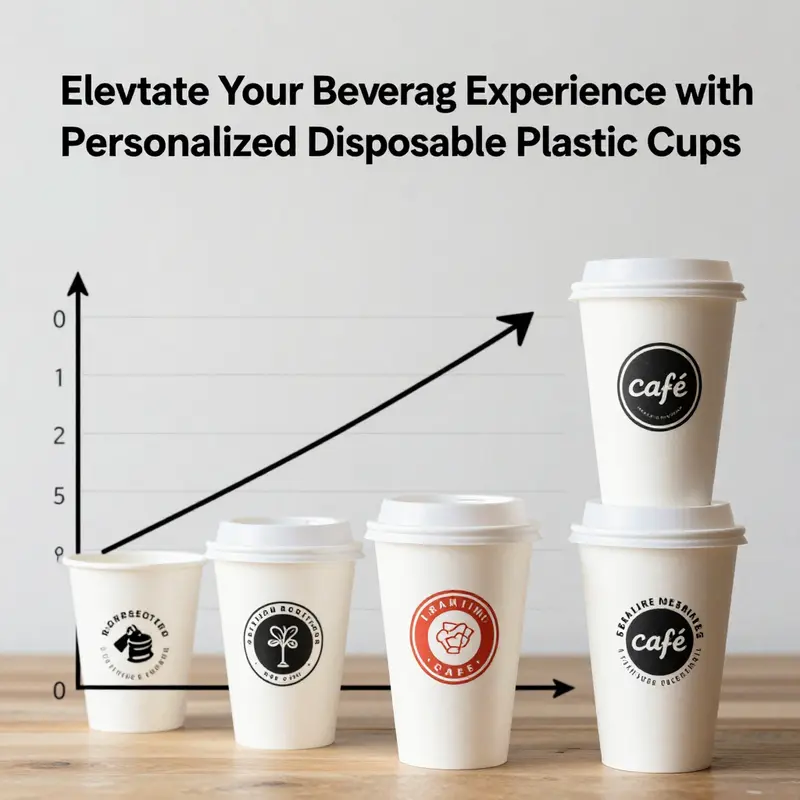
The disposable cup has evolved from a simple vessel into a canvas for branding, convenience, and data. In fast-moving settings, a cup with a lid is more than a container; it supports brand storytelling, loyalty, and streamlined service. Personalization now balances customization, performance, and responsibility. Design focuses on reliable seals, microwave-safe materials, and stackable forms, while surface customization reinforces identity without sacrificing usability. Connectivity turns cups into digital touchpoints through QR codes or chips, enabling promotions, tracking, and privacy-conscious data collection. Environmental considerations shape material choices toward bio-based options and reusable concepts, with hybrid models that blend single-use and reusable applications. Procurement emphasizes reliable print quality and scalable production, and brands seek designs that withstand moisture and handling. The consumer voice values sustainability, aesthetics, and meaningful experiences, rewarding brands that tell a coherent story across product, digital engagement, and environmental stewardship. The path forward is collaboration across design, manufacturing, and strategy to create cups that perform, connect, and inspire responsibly.
Final thoughts
In summary, personalized disposable plastic drinking cups with lids present an invaluable opportunity for beverage businesses to enhance their branding and customer engagement. By integrating personalized cups into service offerings, businesses can not only increase visibility but also foster a memorable consumer experience that aligns with modern marketing strategies. As sustainability continues to gain importance, exploring eco-friendly options within this product category can further amplify your brand’s commitment to responsible practices. By staying attuned to market trends and leveraging these versatile cups, bubble tea shops, food trucks, and event planners can ensure their beverage services are not only functional but also impactful.