
Disposable soup bowls are a practical solution for food service businesses like bubble tea shops, restaurants, food trucks, and catering services. These bowls, particularly the 16 oz variety, offer the perfect size for serving a variety of hot and cold dishes, enhancing both convenience and customer satisfaction. In a world increasingly focused on sustainability, opting for eco-friendly materials in your disposable tableware is critical. This article will guide you through the essential features and benefits of 16 oz disposable soup bowls, highlight notable products available in the market, and provide best practices for their use in your operations.
From Kraft to Bagasse: The Material, Sustainability, and Design of 16-Ounce Disposable Soup Bowls
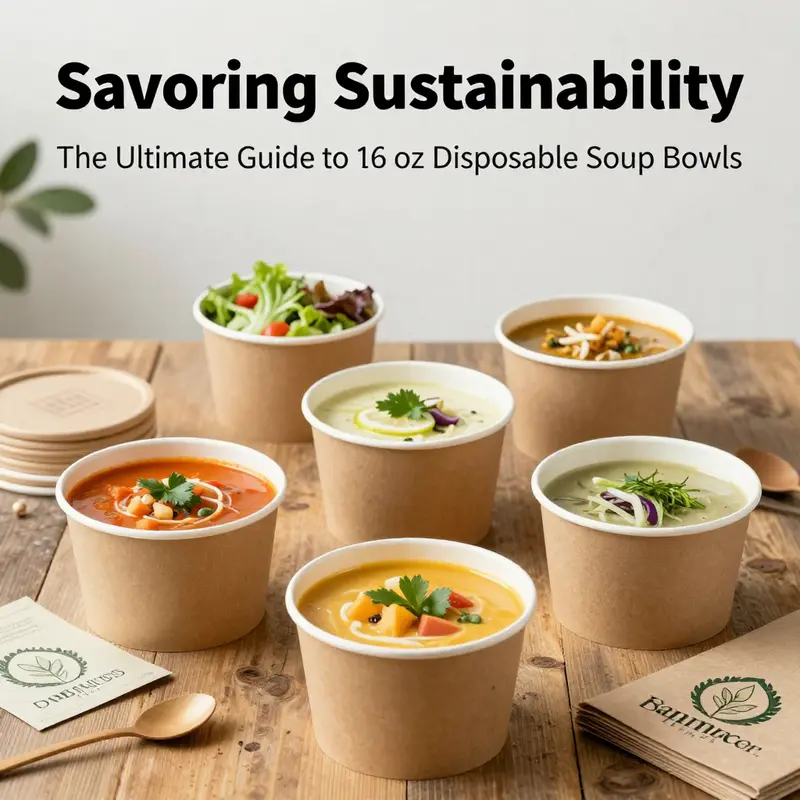
A 16-ounce disposable soup bowl is more than a single-use vessel. It is a carefully engineered interface between kitchen craft and consumer experience, a compact package that carries heat, flavor, and the story a brand wants to tell about responsibility. In the fast-paced world of takeout, catering, and home meals, the bowl must perform reliably under the pressures of busy service, frequent transport, and diverse contents, all while aligning with evolving expectations around sustainability. The material choices, the ability to withstand heat, and the design details that prevent spills—all of these threads come together to shape how a customer enjoys a hot meal, how a restaurant projects its values, and how waste streams are managed after the moment of purchase. The 16-ounce size is particularly versatile: it can cradle a hearty soup, a thick stew, or a hot cereal and still leave room for a lid that keeps contents secure during delivery or on the go. And because sustainability is no longer a niche concern but a consumer baseline, the story of this bowl is increasingly about the life cycle from cradle to compost or recycling stream, not just the moment of serving. The material choices are the starting point. They determine not only how well the bowl holds up during use but also how easily it can be disposed of, or composted, in a future where environmental responsibility is expected to be second nature. Paperboard remains a common foundation. It offers a light yet sturdy frame that can be engineered with internal barriers to resist moisture without becoming fragile under heat. The coatings that protect against leakage—PLA, derived from renewable resources, or traditional PE films—significantly influence both the environmental footprint and the practical performance of the container. PLA coatings point toward a future in which compostability plays a central role, while PE coatings often align with established recycling streams where facilities exist to separate plastic from fiber. Then there is bagasse, a byproduct of sugarcane processing. Bagasse bowls bring a natural, warm aesthetic to the table and are designed with full compostability in mind. They embody a philosophy that many operators now embrace: packaging that is not merely functional but aligned with circular economy ideals. The surface texture, color, and subtle grain of bagasse also convey a sense of premium sustainability, which can enhance perceived value for menu items that aim to emphasize natural ingredients or artisanal preparation. The third path—plastic options such as PS or PP—speaks to a different performance calculus. These materials offer excellent heat retention and shatter resistance, which can be crucial in environments where bowls might be dropped or mishandled. Yet they carry heavier long-term implications for waste streams, and they challenge brands to communicate a clear and credible commitment to responsible disposal. The choice among these materials is rarely about a single attribute in isolation. It is about the fit with a business’s operational realities, the waste-management infrastructure in its market, and the message it wants to send to customers who increasingly judge a brand by its packaging as much as by its menu. In practice, many operators now pursue a blended approach: core offerings might use bagasse or recycled paper with compostable coatings, while certain high-volume or specialty items that require extra rigidity and moisture resistance might rely on a carefully chosen paperboard with a robust barrier. This diversity allows brands to tailor packaging by application, season, and audience, without abandoning consistency for the sake of novelty. It is not unusual to see a single establishment cycling between different packaging choices across menus or events, all while preserving a unified customer experience in terms of lid design, labeling, and service pace. The lid is a key part of that experience. A secure, leak-resistant lid is not simply a convenience feature—it is a reliability feature that mirrors the promise of safety and cleanliness in a busy takeout environment. The most effective lids seal tightly, matching with a well-formed rim that accommodates the bowl’s geometry and resists deformation under pressure. This is where the engineering meets the practical: a tight seal reduces spill incidents during transit and minimizes the humiliation of a toppled order during a curbside pickup. For operators delivering meals on foot, by bicycle, or via courier services, this function can be the difference between a satisfied customer and a frustrated one. At the same time, the user experience around heating remains a priority for many households and food-service settings. The ability to heat the soup directly in the bowl, without sacrificing safety or compromising the integrity of the container, can save time, reduce dishwashing, and simplify kitchen workflows. Microwave-safe performance depends on the chosen material and its coatings. Bagasse offers natural heat tolerance, but ensure that any coating used with it is compatible with heating and composting environments. Paperboard variants may use heat-resistant coatings that allow for direct heating, but the exact guidance should be consulted on the product packaging to avoid any risk of unintended chemical release or structural failure. The result is a flexible platform that can serve diverse culinary formats—from creamy bisques to brothy soups, from oatmeal to chili—without forcing cooks to switch vessels. The design language extends beyond function into branding and customer perception. The surface remains a canvas for logos, color schemes, and messaging, and modern printing techniques enable bold visuals that withstand the rigors of hot contents and transport. The shift toward eco-friendly materials has also driven a reimagining of how packaging communicates a brand’s environmental stance. A bowl that looks and feels natural—whether due to its kraft-like color, its bagasse texture, or its clean, minimal surface—conveys a commitment to sustainability that resonates with many diners. Yet branding must be balanced with practicality; the more elaborate the print, the higher the potential MOQs for customization, and the greater the demand on production timelines. The interplay between customization and price becomes a central consideration for restaurants, caterers, and event organizers who want to maintain a strong brand while keeping packaging costs predictable. In short, the 16-ounce bowl is not merely a container. It is a modular component of a broader service system, where material selection, end-of-life pathways, and design choices converge to determine how smoothly a delivery or catering operation runs and how clearly a brand speaks about its values. The packaging ecosystem around these bowls has grown to accommodate a spectrum of choices—papers with renewable coatings, plant-based barrier systems, and fiber blends engineered for strength and stability. Each option brings with it a different balance of performance and sustainability, and each choice carries implications for waste streams, consumer education, and supply chain resilience. When a business weighs these options, it considers not only the bowl’s ability to hold hot liquids and resist leaks but also whether customers will recycle, compost, or reuse the container as part of a broader takeout experience. Consumers increasingly expect packaging to be straightforward to dispose of and, when possible, to contribute to a circular economy. This expectation empowers brands to tell a story through packaging that goes beyond the menu. It creates a narrative in which the bowl supports not just convenience but environmental responsibility as well. The material backbone—kraft paperboard with moisture barriers, bagasse with its compostable profile, or a durable plastic alternative—shapes heat performance, handling, and end-of-life outcomes. The barrier layers, coatings, and fiber blends determine how well the bowl resists leakage, whether it can withstand heating, and how easily it can break down in composting facilities or be diverted into recycling streams where appropriate. In markets with robust composting infrastructure, PLA-coated or bagasse-based bowls often achieve the most tangible environmental benefits, provided that consumer disposal follows the correct pathway. In markets where composting remains limited, paperboard options with recyclable barriers or post-consumer recycled content can help minimize environmental impact while aligning with local capabilities. Across these scenarios, the theme remains consistent: materials should serve both the dining experience and the planet’s long-term health. The best designs integrate material science with user-centric features. A well-designed 16-ounce bowl should feel sturdy yet approachable, with a rim comfortable to hold even when the contents are steaming hot, a base that resists tipping on uneven surfaces, and a lid that completes a secure closure without adding excessive weight. The ergonomics are not merely about comfort; they contribute to safety by reducing the risk of spills and burns. They also influence efficiency in high-volume settings. When a server can place a lid with one confident press and a customer can carry a meal without fumbling, service times improve and customer satisfaction rises. The aesthetics of the exterior surface communicate a brand’s position—whether it emphasizes rustic, natural vibes or a sleek, modern look. The surface finish can influence perceptions of quality, even if the contents inside the bowl are identical. Thus, packaging becomes a silent ambassador for the product inside. The potential for customization adds another layer of value. Operators seeking to reinforce brand identity can leverage semi-permanent branding opportunities on the exterior of the bowl, while still maintaining the option to switch designs for seasonal menus or promotions. This adaptability is a practical boon for caterers who must accommodate different events with a uniform service footprint. But customization carries practical constraints. Printing depth, ink durability, and the MOQs required by suppliers must be considered against the expected demand and turnover. The balance between branding and cost requires a careful assessment of projected volumes, print runs, and the expected life of the packaging in the supply chain. The broader takeaway is that the 16-ounce bowl has evolved from a simple disposable vessel into a carefully engineered, brand-aware, end-of-life-conscious component of the food-service ecosystem. For operators, the decision is less about chasing the newest trend and more about selecting a credible packaging solution that harmonizes with the menu, the service model, and the local waste-management reality. A thoughtful choice can streamline operations, reduce waste, and strengthen customer trust—factors that translate into repeat business and a clearer environmental message with every order. A practical reminder accompanies these considerations: the journey from bowl to end-of-life is not fully dictated by what is on the product page. It depends on how the consumer disposes of packaging, and on whether the waste system in the community supports composting or recycling for that material. This reality underscores the importance of transparent disposal guidance from brands and clear labeling on packaging that helps customers do the right thing. It also explains why many forward-thinking operators pair their 16-ounce bowls with a broader packaging strategy that includes clear signage in-store or on ordering apps, staff education around disposal, and partnerships with local waste facilities to ensure packaging truly fits into the local waste-management ecosystem. In this sense, the bowl becomes part of a larger system—one that prioritizes heat, safety, branding, and environmental stewardship in equal measure. The end of the life story for these bowls should not be a shrug but a deliberate choice that aligns with a company’s values and a community’s capabilities. As markets evolve, so too will the packaging solutions available for 16-ounce bowls. The material options may expand, new barrier technologies may reduce leakage further, and waste infrastructure may broaden to accommodate more compostable and recyclable streams. The beauty of this evolution is that it leaves room for brands to experiment with how best to meet customer needs while keeping a firm eye on environmental responsibilities. The chapter of packaging that begins with a simple bowl can end only when the full lifecycle—from raw material to end-of-life management—has been considered and optimized. For readers who want a concrete example of how these principles translate into practical packaging choices, consider a typical scenario in which a business balances cost, performance, and sustainability. A mid-volume operation might select a 16-ounce container made from recycled paper with a moisture barrier, paired with a secure lid designed to seal with confidence during transit. If a brand wants to emphasize premium environmental stewardship for certain menu items or events, it could opt for bagasse bowls that highlight the natural look and compostable profile. A larger operation may pursue bulk arrangements that combine the stability of a sturdy paperboard with a compostable coating and branding elements that communicate a clear sustainability story. In all cases, the decision hinges on aligning the packaging with the service model, the customer base, and the local waste infrastructure. The 16-ounce bowl thus becomes a microcosm of the broader shift in packaging: a product designed not only to serve but to contribute to a more sustainable and efficient foodservice ecosystem. It is a reminder that even small choices, made with care, can reinforce a brand’s promise and support a cleaner world for future meals. For readers seeking a tangible reference to this approach, the following supplier listing offers a concrete illustration of kraft-based soup containers with lids and the practical pairing of components that makes them functional in real-world operations. disposable kraft paper soup containers with lids. This kind of pairing is representative of the broader market, where many operators look for predictable performance and credible sustainability credentials. It is not merely about owning a product; it is about selecting a system that aligns with the business’s menu, service model, and waste-management infrastructure. The packaging ecosystem around these bowls continues to evolve, driven by material science breakthroughs, advances in lifecycle analysis, and a growing emphasis on circularity. Consumers increasingly expect packaging to be straightforward to dispose of and, when possible, to contribute to a circular economy. Brands that meet this expectation with credible information and practical disposal guidance can strengthen trust and loyalty, turning packaging into a positive differentiator rather than a mere cost of doing business. The future will likely bring innovations in barrier chemistry that improve heat tolerance and compostability, along with new fiber blends that deliver greater stiffness without added weight. End-of-life solutions will also expand, with more facilities capable of processing compostable packaging and more programs that help customers understand how best to dispose of these containers. In this evolving landscape, the 16-ounce disposable soup bowl remains a critical instrument for balancing service performance with environmental responsibility. It is a compact vessel that, when chosen with care, can support efficient operations, memorable guest experiences, and a packaging narrative that aligns with broader sustainability goals. External resource: https://www.alibaba.com/product-detail/OEM-ODM-HY-SC-Recyclable-16oz-Paper_1600487921314.html
Choosing and Using 16 oz Disposable Soup Bowls: Market Forces, Materials, and Practical Buying Guidance
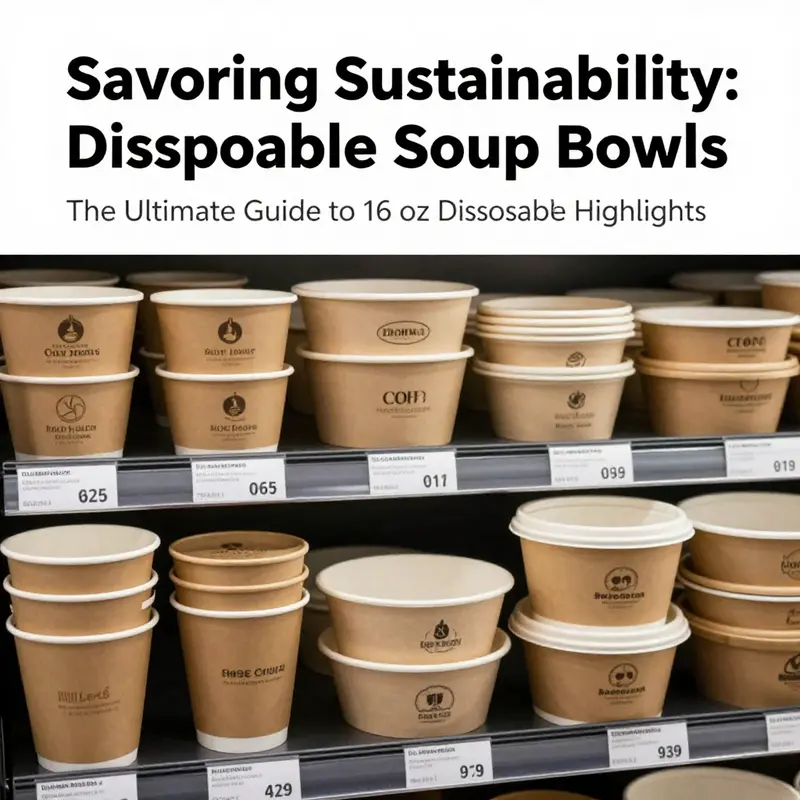
Market dynamics and how to choose the right 16 oz disposable soup bowl
A 16 oz disposable soup bowl sits at the intersection of convenience and responsibility. It must hold a standard serving of soup, stew, chili, or noodle dishes while surviving handling, heating, and transport. Buyers range from independent cafés to large caterers and event planners. Each buyer has a different mix of priorities—cost control, speed of service, brand presentation, and environmental impact. Understanding market dynamics and the technical details of materials and design reduces guesswork. It also improves outcomes for customers and operations.
Demand has shifted away from single-minded focus on low cost. Sustainability now influences procurement decisions in every market segment. Biodegradable and compostable materials like kraft paper and bagasse have moved from niche to mainstream. These materials offer a credible, lower-impact alternative to polystyrene and conventional plastic. At the same time, product performance expectations have risen. A bowl must resist leakage, tolerate heat, and pair with a secure lid. If it will be microwaved, the label must clearly state microwave safety. Buyers want packaging that performs in real-world conditions and aligns with regulatory and consumer expectations.
Material choice drives many functional and environmental outcomes. Kraft paper bowls are popular for their sturdy feel and rustic aesthetic. They can be lined with different coatings to improve grease and water resistance. Bagasse bowls, made from sugarcane fiber, are typically heavier and more heat-resistant. Both can be fully compostable, but the final environmental outcome depends on coatings and lids. For composting, certification matters. Look for industrial compostability certification and clear guidance about whether lids are compostable as well. Many suppliers list certifications such as FSC for responsible sourcing and third-party composting certifications that validate claims.
Coatings are often the trickiest element. A polyethylene (PE) finish offers reliable liquid resistance and lower cost, but it usually prevents industrial composting. PLA (polylactic acid) and other plant-based coatings can maintain compostability, but they sometimes struggle with repeated heating or very hot liquids. A recent generation of water-based barrier coatings offers a compromise between performance and compostability. When choosing a bowl, confirm the exact coating and ask suppliers for test data showing performance with boiling liquids. Insist on documentation that clarifies whether the bowl will breakdown in industrial composting systems, not just in a backyard pile.
Lid design is another make-or-break feature for takeout and delivery. A well-designed lid locks into the bowl’s rim and often includes a raised lip for stacking and carrying. Lids made from polypropylene (PP) are common; they provide a secure seal and good heat resistance. However, PP lids are not compostable unless explicitly stated. If your goal is a fully compostable solution, select lids that match the bowl’s material in compostability. Keep in mind that lids affect stack height and shipping efficiency, so confirm dimensions and stacking patterns before placing a large order.
Custom printing and branding have become accessible even at relatively low minimum order quantities. Full-color printing, logo embossing, and special finishes let restaurants and food trucks turn functional packaging into a brand touchpoint. But the more complex the printing and coating, the more you must validate compostability claims. Printed inks and varnishes can compromise composting if they contain heavy metals or non-compostable binders. Ask for Material Safety Data Sheets and composting test results when brand customization is applied.
Price remains a powerful driver, especially for high-volume buyers. Cost per unit depends on material, coating, lid inclusion, and order size. Bulk orders and OEM relationships lower unit price significantly. Be realistic about lead times. Suppliers that offer attractive per-unit prices often require larger minimum orders and longer production windows. Factor shipping, import duties, and storage into landed cost. For short-term or seasonal demand, smaller packs from distributors might be less risky than a large, custom production run.
Quality control is critical but often overlooked. Request samples and perform practical tests before approving a production run. Practical tests should include filling with hot liquid, reheating in a microwave if intended, carrying the bowl in a delivery bag, and tipping tests to check for leaks. Also check rim integrity and lid fit. Visual defects, irregular printing, and inconsistent coating thickness are tell-tale signs of lapses in manufacturing control. Consider specifying acceptable tolerances in your purchase order and require a pre-shipment inspection for large orders.
Certifications and regulatory compliance deserve a close read. Certifications such as FSC indicate responsible fiber sourcing. Industrial compostability certifications validate that a product breaks down in commercial composting systems. Some manufacturers provide safety certifications like CE or test reports showing absence of heavy metals and compliance with food contact regulations. These documents reduce risk and simplify local compliance. If you operate in multiple jurisdictions, confirm that the certifications match local regulations. For example, what passes as ‘compostable’ in one country may not be accepted by municipal composting programs in another.
Operational factors influence which bowl type will work best. Consider temperature control during delivery, average order size, and the likelihood of customers reheating items. Insulated or double-wall constructions are useful when hot foods will be carried over long distances. For food trucks and pop-up events, stackability and compact packing matter. For caterers, nesting patterns and packaging efficiency determine how much space the bowls occupy during transport.
Waste handling and end-of-life considerations are increasingly part of procurement criteria. A product labeled compostable does not guarantee that it will be composted in practice. Local infrastructure may not accept certain materials or coatings. Educate customers or event attendees on proper disposal. Provide clear labeling and, where feasible, composting stations at events. If composting is not available, prioritize recyclable materials that local programs do accept, or choose fully biodegradable options that meet waste management realities.
Pairing accessories improves the customer experience. Disposable wooden spoons offer a compostable, pleasant-feeling utensil. Insulated carriers or corrugated outer wraps protect hands and reduce heat loss. Sauce pots and condiment cups that match the bowl size create a coordinated presentation. If you master the menu-to-container fit—matching portion size and bowl depth—you reduce waste and increase satisfaction. Consider offering a slightly larger or smaller bowl if your portion sizes diverge from the standard 16 oz serving.
Supplier selection deserves strategic focus. Screen suppliers for production capacity, lead times, and willingness to share test documentation. Ask about minimum order quantities, sample policies, and responsiveness to design changes. Reliable suppliers will offer clear data on material composition, coating types, and certifications. They will also provide guidance about packaging dimensions for palletization and shipping. When possible, request a factory audit or a third-party inspection prior to full production.
Design specifications should be explicit. Define material type, coating, lid compatibility, color, printing requirements, and tolerances. Specify packaging preferences: carton size, pieces per carton, and pallet configuration. Include quality acceptance criteria and reject thresholds. If your product will be reheated in a microwave, require microwave-safe confirmation and include this on the final labeling for clarity. Clear specs reduce miscommunication and reduce the risk of receiving an unsuitable shipment.
Sustainability claims are a purchasing minefield without verification. Ask for test reports and certification numbers you can verify independently. If a supplier claims compostability, request an industrial compostability test and a certificate from a recognized body. For recycled content claims, request evidence of the percentage and source of recycled fibers. Some buyers conduct third-party life cycle assessments to compare carbon impacts. These assessments are especially useful when choosing between multiple suppliers with different material mixes.
Logistics and storage add hidden costs. Bowls must be stored in dry conditions to prevent moisture damage to packaging and product deformation. Temperature swings can affect coatings and nesting performance. For high-volume buyers, align delivery schedules to reduce warehouse dwell time. For pop-ups and seasonal operations, suppliers that offer smaller, more frequent shipments can reduce inventory risk. Factor in packaging weight when calculating freight costs; heavier, denser materials increase shipping fees.
Marketing and menu integration can multiply value. Packaging that reinforces the dining experience helps justify a higher price point. Simple touches—stenciled logos, kraft finish, or a printed message about composting—create a stronger customer connection. If you plan custom printing, design layouts with clear zones for necessary regulatory labeling. Test how the print holds up when the bowl is filled with hot liquid and when exposed to condensation from cold dishes.
Future trends point toward hybrid solutions and transparent lifecycle claims. Expect more plant-based coatings that improve barrier performance while remaining compostable. Also anticipate growth in takeback programs or supplier-led composting solutions in regions where municipal composting is limited. Reusable alternatives for controlled dining environments may grow in parallel, but disposables will remain dominant where single-use sanitation and convenience are key.
Practical purchasing checklist
- Define primary use cases: dine-in, takeout, delivery, or reheating.
- Confirm material and coating type and request test data.
- Specify lid type and confirm seal performance.
- Insist on relevant certifications and verify them independently.
- Request samples and test under real conditions.
- Agree on minimum order quantity, lead time, and packaging details.
- Set acceptance criteria and inspection terms.
- Plan for storage and distribution logistics.
- Align branding requirements with compostability and regulatory needs.
A recommended next step for many buyers is to review bowl options that are already configured for takeout and delivery. If you prefer a kraft finish, consider ready-made kraft soup containers that include compatible lids and are designed for bulk supply. For an example of such configurations and packaging details, review disposable kraft paper soup containers with lids available from specialty suppliers that focus on ready bulk solutions: https://ecocupbowl.com/product/disposable-kraft-paper-soup-containers-with-lids-ready-bulk-takeaway-bowls-noodle-soup-container/
For buyers interested in true industrial-scale cost comparisons, some supplier listings provide transparent unit pricing and production data. Those listings often show how per-unit costs fall with higher volumes, and they disclose coating and certification details. An example supplier page that details pricing for compostable paper soup bowls and includes production specifications is available here: https://www.alibaba.com/product-detail/16oz-Disposable-White-Paper-Hot-Soup_1600474387993.html
Choosing the right 16 oz disposable soup bowl means balancing performance, sustainability, and economics. The right choice improves customer satisfaction and operational efficiency. It also aligns packaging decisions with real waste management realities. When you combine clear specifications, practical testing, and verified sustainability claims, you reduce risk and create packaging that supports both your menu and your brand.
null
null
Final thoughts
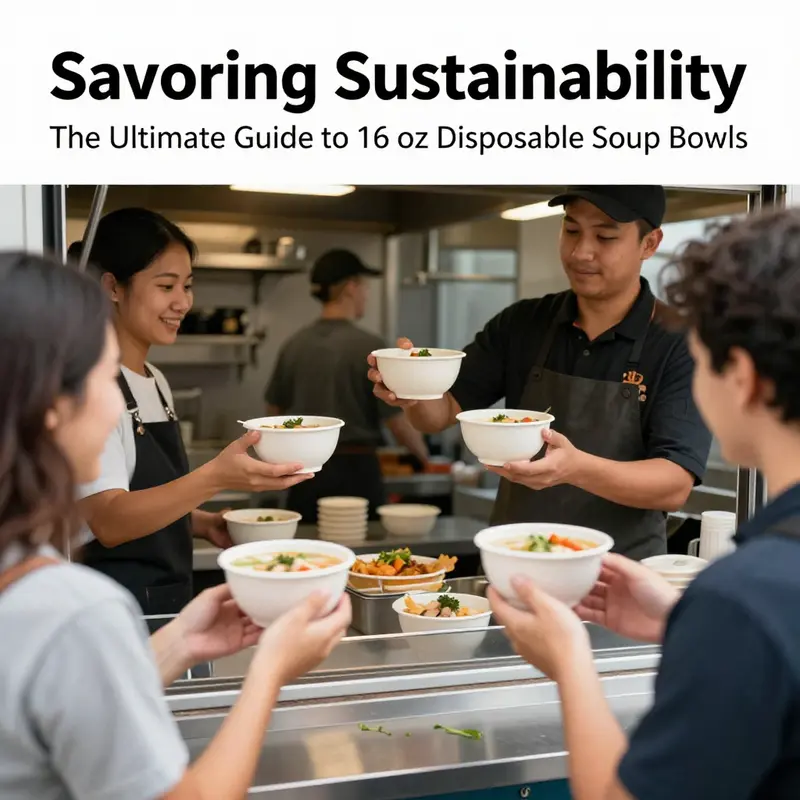
Understanding the importance of 16 oz disposable soup bowls extends beyond just convenience; it resonates with sustainability, customer satisfaction, and operational efficiency. By choosing high-quality materials and adhering to best practices, food service providers can significantly enhance their offerings while contributing positively to the environment. Equip your business with these essential disposable soup bowls, ensuring that you meet customer expectations while also supporting eco-friendly initiatives.