
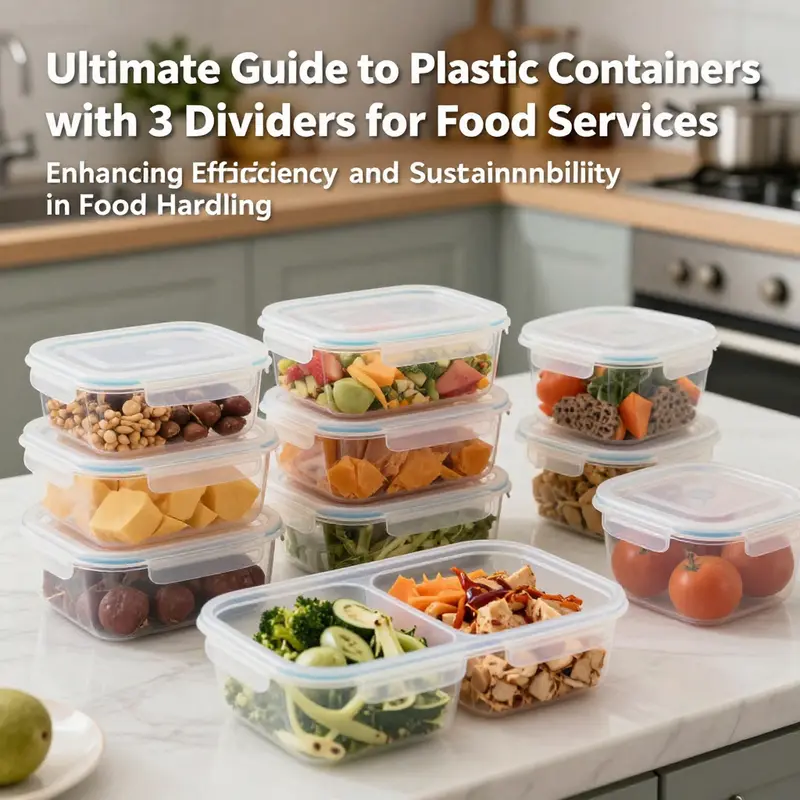
Plastic containers with three dividers are increasingly becoming essential in the food service industry. These versatile solutions are ideal for a range of businesses, including bubble tea shops, restaurants, food trucks, and catering services. As the demand for organized meal preparation and presentation rises, understanding the different types of these containers, their benefits, eco-friendly practices, current market trends, and best maintenance practices is crucial. This guide will walk you through each aspect to help your food service business thrive and adapt to changing customer expectations.
Three Compartments, One Purpose: The Practical and Planetary Impact of Three-Divider Plastic Food Containers
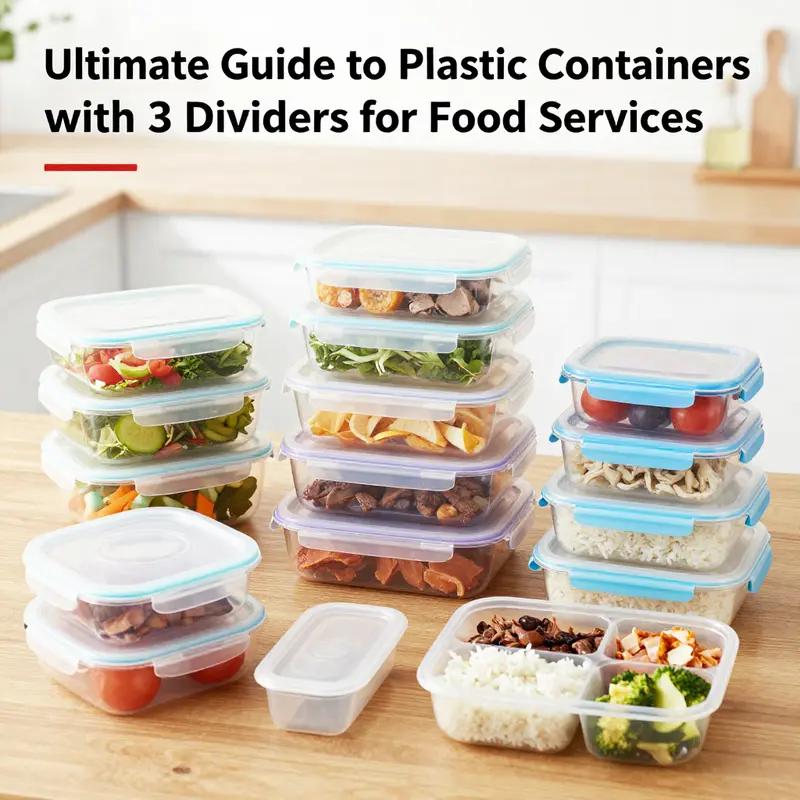
In kitchens, lunchrooms, and catering setups, the rhythm of daily meals often hinges on how we organize what we eat. A simple plastic container with three dividers can become a quiet conductor of that rhythm, guiding portion sizes, preserving flavors, and saving time. The three distinct spaces are more than a clever partition; they are a compact framework for balance. When you plan a week of meals, the three compartments support a harmony of protein, grain or starch, and vegetables, while leaving enough room for a sauce or dip that might otherwise mingle with everything else. This is not merely about keeping food neat; it’s about creating reliable, repeatable meals that reduce decision fatigue and encourage consistent nutrition. In practice, such containers turn a scattered week into a predictable routine, a mundane task into a small act of organization and mindfulness. For those who prepare meals in advance, the three-compartment design is a natural ally. It allows a single container to hold a complete meal, which translates to fewer containers to wash, fewer bags to manage, and less clutter in the fridge. This streamlined approach appeals to busy families, students, and professionals who want simplicity without sacrificing variety. The result is a transportation-friendly meal solution that travels well from kitchen to desk, from car trunk to picnic blanket, without losing the integrity of the portions inside. The three compartments are not rigidly fixed but offer a flexible canvas for different cuisines and dietary patterns, from protein-forward plates to plant-based bowls that separate legumes, grains, and greens. The capability to keep elements apart is especially valuable when dealing with foods that release sauces or have different moisture levels. A sauce that travels in the same space as solid items can cause sogginess; separate compartments mitigate that risk and preserve the intended textures and flavors. This functional separation, in turn, supports healthier choices. When a portion of vegetables stays crisp and a protein remains tender, it’s easier to stay within planned dietary boundaries. The three-compartment format is, in essence, a portable meal-planning assistant that works as long as the container is built to last. Material choices come into play here, shaping safety, durability, and performance. The most common workhorse in this space is polypropylene, or PP. This plastic is favored because it endures the heat of reheating, resists impact during transport, and remains safe for contact with food. PP’s heat resistance and stability mean you can reheat leftovers directly in the container in many cases, reducing the need to transfer food to another dish and cutting down on cleanup. Significantly, the PP used for food containers is widely recognized as BPA-free, a reassurance for people who want to minimize potential chemical exposure. This is not just about compliance; it is about everyday confidence when you reach for a container in the microwave or the freezer. The freezer-safe and microwave-safe properties of PP containers align with modern cooking and storage habits. You may prepare a batch of meals on Sunday, portion them into three-compartment trays, and then reheat portions individually on busy weeknights. The risk of chemical leaching from repeated heating is a concern that manufacturers have addressed through material selection and quality controls, and PP-based designs commonly meet safety standards that keep meals both convenient and trustworthy. In some variants, manufacturers extend the family with HDPE or PS components. HDPE can offer additional durability and rigidity, which is beneficial for long-term reuse and outdoor use. Polystyrene, while lightweight and clear in some versions, is generally less suitable for repeated heating due to potential leaching and degradation under heat. For those seeking greener paths, compostable options such as PLA-based containers exist, derived from cornstarch or other plant fibers. These provide a more eco-conscious option, but they also come with cautions: high-heat microwaving can be problematic, and industrial composting facilities are often required for effective breakdown. Returning to the three-compartment design, the structural arrangement matters almost as much as the material. Two vertical partitions typically create three independent pockets, each with a boundary that helps prevent cross-contact of flavors and odors. The lid is not an afterthought; it seals, protects, and sometimes includes venting to accommodate steam during reheating. Some designs emphasize leak resistance through tight-fitting lids and gasket-like seals, while others focus on nesting efficiency for easy storage in crowded refrigerators. The form factor—rectangular, long, or compact—also informs how you stack containers in a lunch bag or a backpack. A slim, rectangular profile maximizes space and makes it easier to organize a toolbox of meals for a week. These considerations matter when you are feeding not just one person but a family with different tastes and schedules. The material’s compatibility with dishwashers should not be overlooked. For many users, the ease of cleaning is a major selling point. Dishwasher-safe PP containers simplify hygiene maintenance, which in turn supports repeated use over months or even years. Yet, enthusiasts of zero-waste lifestyles may choose to hand-wash everything for maximum longevity and to minimize wear on seals. With proper care, the three-compartment containers can remain sturdy, free from cracks, and resistant to everyday challenges—drops, freezer cold, and reheating cycles—without compromising safety or function. It’s also worth noting the staining tendency of some strongly colored foods. Turmeric, beet, and certain spices can impart color to the interior surfaces, especially if a prompt cleaning is not performed. The interior stains do not necessarily indicate unsafe conditions, but they can affect aesthetics and, for some users, the perception of cleanliness. A proactive cleaning routine—rinsing immediately after use and thorough washing later—helps preserve both the look and the performance of the container. Durability and hygiene depend on synergy between the plastic and how it’s used. A well-designed three-compartment system balances structural integrity with practical features. The three spaces must be deep enough to contain a portion without risk of spillover, yet not so tall that the lid struggles to close. This balance supports a reliable user experience: you can transport cooked proteins, grains, and vegetables without worry, and the container remains portable enough for school lunches, office meals, or picnic stops. For those who value sustainability, the long-term advantages of reusable PP or HDPE boxes are clear. Reuse reduces waste compared with single-use alternatives, aligning with a growing emphasis on responsible consumption. Many users also appreciate the recyclability of these materials where local programs allow. When the conversation shifts toward eco-friendly alternatives, plant-based or compostable options offer a different pathway. They can be suitable for light- to moderate-heat use and shorter-term storage, particularly in contexts where the container’s end-of-life is an industrial composting facility rather than a home compost heap. In planning a shopping list or a kitchen inventory, you may weigh initial costs against long-term savings. A durable three-compartment container often pays for itself through repeated use, less waste, and the convenience of having a reliable meal-prep system. The decision is not just about price; it’s about aligning with daily routines, storage setups, and personal or family values. The internal design of such containers frequently reflects a broader philosophy of organization. Clear, visible compartments reduce the cognitive load when packing lunches or preparing meals. You can decide in advance which dish goes into which pocket, guaranteeing consistency in portion control and reducing the temptation to overfill or underfill. The three-compartment model can also promote variety by making it easier to plan meals that combine different food groups without merging textures or flavors. In a catering or event context, these trays are equally valuable. They provide a simple yet effective method for presenting a cohesive menu while maintaining separation between items that should not mingle. This is especially important in takeout or buffet-style service, where speed and portion control matter as much as presentation. The three compartments can be scaled up or down to fit different service sizes, still preserving the same functional benefits: separation, balance, and portability. Even as you embrace these practicalities, it’s important to recognize the evolving landscape of packaging design. Manufacturers continually seek to improve heat resistance, sealing capabilities, and ease of cleaning, while also exploring new materials that offer better environmental profiles. The three-compartment concept remains resilient because it addresses core user needs: reliable storage, predictable portions, and the flexibility to adapt to myriad dietary patterns. If you’re integrating these containers into a larger food system, consider how they interact with other components—lids, seals, and outer packaging—so you can optimize for transport, cleanliness, and user satisfaction. For readers navigating choices, an example of the practical path forward can be found in dedicated, three-compartment packaging boxes designed for fast-food and takeout contexts. These offerings illustrate how the intersection of function, safety, and convenience translates into everyday usability. 3-compartment packaging boxes demonstrates how a well-thought-out divider system supports diverse meals—from simple snacks to more elaborate spreads—while maintaining a compact footprint for storage and transport. While the specifics of any single design may vary, the guiding principles remain consistent: safe materials, effective sealing, user-friendly dimensions, and a commitment to reusability where possible. As with any kitchen technology, the value of three-divider containers is best understood through everyday use. They simplify packing, protect flavors, and help people manage portions in a way that supports both health goals and time management. In a culture that prizes convenience, these trays offer a quiet, dependable path to better organization, healthier eating, and lower waste. For readers who want to deepen their understanding of food packaging safety and standards, practical guidance from reputable health authorities is readily accessible. For safety guidance and standards related to food-contact packaging, see the FDA resources on food packaging materials.
Three-Compartment Plastic Food Containers: Convenience, Caution, and Everyday Meal Prep

Three-compartment plastic food containers arrive in kitchens and lunchboxes as organized spaces. They promise easy portion control and clean separation of components. In practice, they support meal planning by keeping proteins, grains, and vegetables distinct, while their compact, stackable design aids transport. The materials most often used, typically polypropylene, are chosen for heat resistance, durability, and food-contact safety when properly labeled. However, even with BPA-free claims, heat, repeated washing, and long storage can affect safety and hygiene. Heating practices should be guided by manufacturer labeling, and if in doubt, reheating should occur in a glass or metal vessel. Careful cleaning is essential to prevent residue buildup in grooves and corners created by the interior dividers. For some foods and occasions, alternatives such as glass, ceramic, or stainless steel containers may offer safer or more durable options, especially for hot meals or longer storage. The three-compartment design remains a useful tool for organization and portion control when used with awareness of its limits and proper care.
null
null
How Demand and Design Are Shaping the Market for Three‑Divider Plastic Food Containers
Market dynamics for plastic food containers with three dividers are changing fast, and the forces behind that change are practical, economic, and regulatory. Consumers, food service operators, and manufacturers now converge on a shared set of priorities: convenience, portion control, product protection, and environmental responsibility. This chapter explores how those priorities translate into measurable market trends, what manufacturers are doing in response, and how buyers can navigate choices in a market defined by growth and transformation.
Three‑compartment containers meet a simple need: they keep foods separate. That separation preserves texture and flavor, stops sauces from migrating, and supports portioned meals. Those functional benefits explain why demand is rising across several segments. Meal prep at home, office lunches, school meals, and especially food delivery and takeaway services prefer multi‑compartment formats. In delivery, presentation matters as much as safety. A neatly separated plate in transit reduces complaints and returns. For meal‑prep customers, three compartments simplify balanced meals: protein, grain, and vegetables fit naturally into the layout. The result is steady growth in unit sales and expanding product lines tailored to specific use cases.
Macro data confirms the momentum. The broader food container market is expanding at a moderate compound annual growth rate. Plastic solutions dominate because they remain affordable and easy to produce at scale. Within that space, the three‑divider format occupies an important niche that combines portion control with efficient stacking and transport. Growth is not uniform geographically. In markets with large delivery economies and dense urban populations, the uptake is stronger. For example, domestic market expansion in Asia drives significant volume increases, where rising online food ordering intensifies demand for reliable, compartmentalized packaging. These regional dynamics shape procurement strategies for both global and local suppliers.
Material selection sits at the intersection of performance and regulation. Polypropylene (PP) currently leads because it balances heat resistance, durability, and food safety. PP is microwave‑safe, freezer‑safe, and generally compatible with dishwasher use. That versatility appeals to both households and commercial kitchens. Alternatives such as high‑density polyethylene (HDPE) appear in lighter duty roles. In contrast, materials with performance limitations or higher migration risks are being phased out for reheating applications. At the same time, demand for compostable or bio‑based alternatives is rising. Bioplastics such as PLA or newer cellulose‑based materials attract businesses pursuing sustainability credentials. However, they come with trade‑offs: lower heat tolerance or a requirement for industrial composting infrastructure. Manufacturers now offer hybrid solutions, using single‑material designs where possible to simplify recycling, while exploring bio‑based resins for targeted SKUs.
Design evolution reflects both user needs and circularity goals. There is a clear move toward single‑resin constructions. Containers made entirely from PP or PE avoid the recycling complications of multi‑material laminates. That change matters in regions with strict recycling rules. Designers are also refining geometry to improve stackability, lid sealing, and divider stability. Rigid dividers can prevent cross‑contamination, while removable or flexible inserts add versatility for different meal sizes. Transparent or semi‑transparent lids help with visual inspection during delivery, reducing the need to open containers. In short, designers are optimizing form for logistics and user experience while keeping production costs manageable.
Sustainability is no longer optional. Pressure from regulators, corporate sustainability targets, and consumers drives investment in greener packaging. Manufacturers face two clear paths: make conventional plastics more recyclable and reduce virgin resin usage, or shift to alternative materials. Many suppliers now adopt recycled PP content and design for recyclability. Others develop compostable lines for single‑use takeout scenarios where reuse is impractical. Important here is transparency: supplying test results, food‑contact certifications, and end‑of‑life guidance. Buyers increasingly expect documentation that supports claims about recyclability or compostability. Those expectations push suppliers toward third‑party verification and more traceable supply chains.
Compliance and quality control are table stakes. Food‑grade certification, migration testing, and adherence to local standards drive supplier selection. Larger buyers often require formal testing and contractual safeguards to avoid reputational or legal risks. This environment favors suppliers who provide sample testing, clear material certificates, and reliable audit trails. In practical terms, companies that invest in compliance infrastructure gain advantage with enterprise clients, such as food chains and large caterers. For smaller buyers, working with certified distributors reduces procurement risk and ensures interoperability with existing systems like automated packing lines.
Distribution and procurement strategies are adapting to this evolving market. Bulk buyers prioritize cost per meal and supply reliability. They favor standardized sizes that integrate with existing kitchens and delivery systems. Small food businesses and direct‑to‑consumer meal services lean toward configurable options and smaller order quantities. Subscription models for reusable containers are also emerging where return logistics are viable. For many businesses, blending reusable and disposable lines optimizes cost and sustainability: reusable containers handle in‑house consumption, while lighter single‑use options serve last‑mile delivery.
The commercial implications extend to cost structure. Upfront costs for reusable or certified sustainable containers may be higher. But lifecycle analysis often shows cost parity or savings when accounting for reduced breakage, fewer returns, and lower waste handling expenses. Conversely, compostable or premium recyclable products sometimes carry a price premium that buyers must offset through menu pricing or operational efficiencies. Smart procurement looks beyond unit price to include handling, stacking, storage density, and compatibility with automated packing.
Marketing and differentiation matter as well. Packaging choices now communicate brand values. A container can signal convenience, freshness, or environmental responsibility. Visual cues—like clear lids or printed instructions for composting—reinforce those messages. For food delivery brands, consistent presentation reduces customer complaints and builds loyalty. For retailers, product assortments that include eco‑friendly options attract environmentally conscious shoppers. Packaging professionals work closely with marketing teams to ensure the container aligns with brand story and regulatory claims.
Looking ahead, the market will likely become more segmented. Standardized, low‑cost three‑divider trays will serve high‑volume delivery and institutional markets. Premium, verified sustainable lines will target eco‑conscious operators. Innovation in bioresins and recycling technologies may expand the middle ground, reducing the performance gap between conventional plastics and greener alternatives. Supplier partnerships will be more strategic, focusing on traceability, certification, and flexible production capabilities to meet diverse buyer needs.
For buyers and designers, the practical takeaway is clear. Prioritize single‑material designs where possible to simplify end‑of‑life management. Ask suppliers for test data, certifications, and end‑use guidance. Consider total cost of ownership rather than unit price. And align packaging choices with operational realities, such as reheating needs and delivery distances. Businesses that balance performance, cost, and sustainability will capture the strongest growth opportunities.
Manufacturers who respond to these trends by innovating materials and improving supply chain transparency will lead the next phase of market expansion. Meanwhile, buyers who integrate these containers thoughtfully into their operations will benefit from improved customer satisfaction and more efficient logistics. The three‑divider container has moved from a convenience item to a strategic component of modern food service and retail.
For businesses exploring eco‑friendly options designed specifically for takeout and delivery, consider reviewing supplier offerings such as the eco‑friendly disposable three‑compartment food‑grade packaging box for fast food and takeout. For a deeper look at market size and growth forecasts, see the underlying industry analysis from Market Research Future: https://www.marketresearchfuture.com/reports/plastic-food-container-market-1798
Guardians of the Divider: Caring for 3-Compartment Plastic Food Containers to Ensure Safety, Hygiene, and Longevity

Plastic containers with three dividers are more than a convenient way to keep meals organized; they embody a practical philosophy of portion control, hygiene, and reusability. When we consider maintenance, we are thinking not just about keeping the surface clean but about preserving the material’s integrity through repeated cycles of heating, cooling, and washing. Most widely used varieties are made from polypropylene, labeled #5 PP, and marketed as BPA-free, microwave-safe, and freezer-safe. These claims underpin everyday decisions about what can be stored where and for how long. Yet the longevity of a container rests on how we treat the material from the outset, including how we read labels, inspect wear, and clean after each use. A cautious perspective from environmental health professionals emphasizes that repeated use of non-reusable plastics raises the risk of chemical migration and bacterial contamination, especially when the container shows wear. So, at every step from packing to reheating, we must balance convenience with caution, recognizing that the design features of a three-compartment system are most effective when the user adheres to defined maintenance routines. The first habit is to check reusability labels before purchase and before reuse. Look for explicit indications such as a reusable or dishwasher-safe label and confirm the plastic type, typically PP (#5) or HDPE (#2). Containers designed for single-use, like many takeout boxes, often lack the durability and chemical resistance necessary for repeated heating, cooling, and cleaning. Reading labels becomes a practical safety practice rather than a formality because it dictates how aggressively you can heat or clean the item and whether it is suitable for stacking with other containers. Those choices influence not only safety but also the container’s physical lifespan. Regular inspection becomes a quiet routine that precedes every meal preparation. Before filling a three-divide vessel, scan for cloudiness or discoloration, which can signal polymer breakdown. Scratches and deep grooves are more than cosmetic flaws; they shelter microbes and can harbor residues that are stubborn to remove. A warped shape or a lid that no longer seals properly undermines the core promise of a multi-compartment design: distinct, contaminant-free zones where flavors stay distinct and contamination risk stays low. If you detect an odor that lingers beyond washing, that is a sign of trapped bacteria or off-gassing from degraded plastic and a cue to retire the piece. Cleaning after each use is the second discipline. Warm soapy water is the ally here, and abrasive sponges should be avoided to prevent micro-scratches that accumulate grime and contribute to microplastic release. If a dishwasher is used, the top rack is the safer option; high heat can accelerate material fatigue. Drying thoroughly is not cosmetic; moisture supports microbial growth and can spread tastes between compartments. Temperature control follows, as a practical rule of thumb: never heat a container unless its labeling explicitly states microwave suitability. Even when labeled, avoid sudden temperature shocks, such as pouring boiling liquid into a cold container, which stresses the polymer and can lead to cracks or warping. Direct sunlight and hot beverages left in the sun for hours are also hard on plastics, accelerating loss of gloss, clarity, and seal integrity. Food choice matters as well; acidic items like citrus or tomato products, and highly fatty or spicy foods, can influence chemical migration in weaker plastics. When such foods must be stored, select containers with better chemical resistance, such as those designed specifically for higher-stress environments, and keep long-term storage to moderate temperatures and shorter timeframes. In practice, three-compartment systems shine when used with careful separation of raw proteins, cooked staples, and garnish or allergen-containing items. The divider plates deserve as much attention as the base; particles can accumulate in crevices if not cleaned thoroughly. This is especially important if you frequently wash containers in a household dishwasher, where detergent residues and heat can leave a film that harbors bacteria. Storage conditions also matter: avoid stacking heavy containers on top of lighter ones, which can deform lids and seals over time. When it is time to retire a container, do so not only because a surface looks rough, but also when it fails any of the wear checks described earlier. A recent synthesis of safety studies notes that old plastic storage items, even if they once passed basic checks, can become liabilities as wear and environment accumulate over time. With that in mind, invest in high-quality, BPA-free, reusable plastic containers that are explicitly designed for multi-compartment meal prep. Look for models built to withstand regular washing, multiple reheats, and easy drying, and consider additional features like modular stacking or tighter seals that reduce cross-contamination risk. The practical benefits extend beyond safety: better-sealed systems help maintain meal quality, preserve textures, and reduce the need for additional containers when transporting meals for work or school. For a sense of practical options and extended guidance on materials, structure, and applications—especially for reusable multi-compartment systems—you might explore more technical guidance such as this resource: eco-friendly-disposable-3-compartment-food-grade-packaging-box-for-fast-food-high-quality-takeout-boxes-for-fried-chicken-french-fries-packaging. When readers seek deeper technical detail on plastics used in lunch containers, a reputable external guide provides structured information on materials, structure, and safety considerations that inform best practices for reuse and care: https://www.example.com/technical-guide-plastic-lunch-box
Final thoughts
Plastic containers with three dividers are more than just practical tools for food service; they embody efficiency, sustainability, and adaptability. As trends shift toward eco-friendly practices and innovative meal preparation, investing in these containers can significantly enhance your operational workflow and brand’s sustainability profile. By understanding the types available, recognizing their multifaceted benefits, adopting eco-friendly practices, keeping abreast of market trends, and maintaining these containers properly, food service businesses can elevate their offerings and meet modern consumer expectations.