
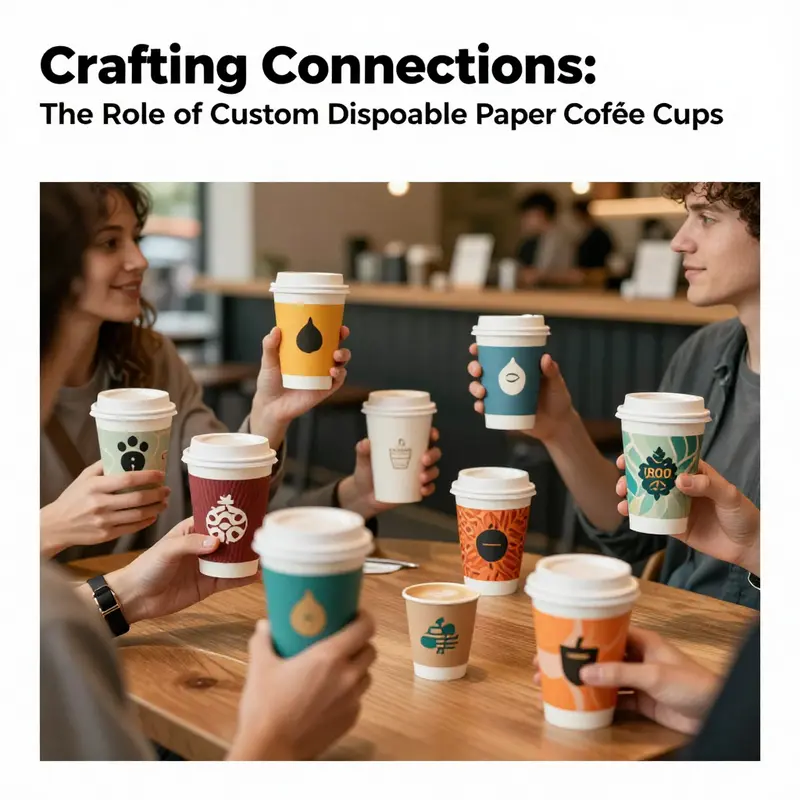
Custom disposable paper coffee cups are more than just containers for beverages; they are essential marketing tools that blend convenience with brand identity. Beverage chains, restaurants, food trucks, catering services, event planners, and corporate procurement teams are all increasingly recognizing the importance of these customizable cups. In this article, we will delve into the customization options available, the sustainability and environmental benefits these cups offer, and the market trends shaping their economic landscape. Each chapter will provide insights that highlight the practical benefits of choosing these cups for your business, making a case for why adopting custom disposables is not just a trend but a strategic move toward enhancing customer experience and environmental stewardship.
null

null
Brewing a Greener Cup: Assessing Sustainability and the Environmental Footprint of Custom Disposable Paper Coffee Cups

A discussion of the environmental footprint of custom disposable paper coffee cups, focusing on forest-sourced fibers, coatings, inks, manufacturing, and end-of-life options. It highlights FSC and FSSC certifications as signals of responsible stewardship, the impact of barrier coatings on recyclability, and the role of plant-based and compostable alternatives. The text also covers labeling, consumer guidance, and the need for transparent lifecycle data to enable credible sustainability claims, as well as the influence of regulations and circular economy thinking on cup design, production, and waste management.
Market Currents: The Economic Pulse and Branding Power of Custom Disposable Paper Coffee Cups
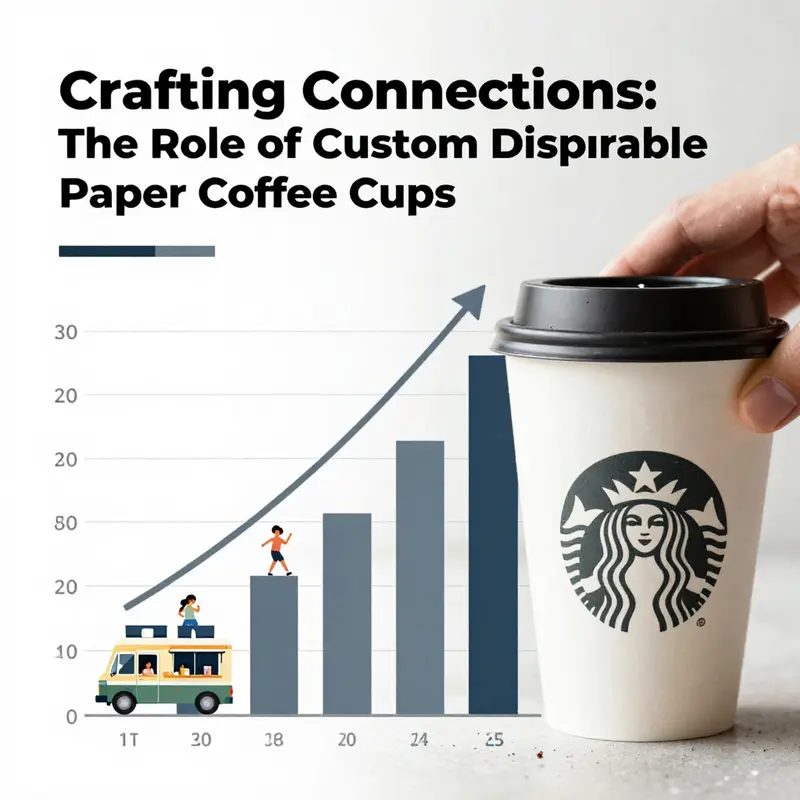
The market for custom disposable paper coffee cups is not a static shelf of containers but a dynamic ecosystem where design, material science, mass customization, and global logistics converge. As consumer behavior shifts toward quicker service, personalized branding, and more responsible packaging choices, the cup itself becomes a primary instrument of commerce. Innovation in this space is not limited to aesthetics. It also encompasses how a single cup can deliver reliable insulation, maintain leak resistance, reduce waste, and tell a brand story at the moment a customer chooses a drink. In that sense, the chapter surrounding market trends and economic factors reads less like a ledger of prices and more like a living map of how supply chains, consumer culture, and regulatory environments interact to shape every purchase decision. This contextualization helps businesses—from small cafés to large chains—see the cup not as a disposable item but as a strategic asset in branding, sustainability, and operational efficiency.
One of the clearest engines of growth in this market is the ongoing globalization of coffee culture. The rise of specialty coffee, with its emphasis on provenance, craft, and experience, has elevated the cup from a mere vehicle to a signature element of the customer journey. Across continents, consumers seek both quality and consistency, and operators respond with packaging that can protect heat, prevent leaks, and present a vivid, on-brand message. The demand for customization—logos, colors, seasonal motifs, and even tactile elements like kraft textures or color-coded walls—has become a fundamental expectation of suppliers and buyers alike. In turn, manufacturers have expanded capabilities to accommodate high-resolution printing and a broader palette of coatings that keep ink from flaking while ensuring safety for food contact. The technical coordination required to merge printing, coating, and liner materials with everyday beverage service is a testament to how far the industry has evolved from generic, one-size-fits-all solutions to tailored, brand-forward packaging.
Digitization has accelerated these shifts in meaningful ways. Online design tools and digital proofs streamline conversations between buyers and manufacturers, enabling more precise customization without sacrificing speed. When a cafe owner or franchise manager can visualize a design, approve a proof, and place an order in short order, the process becomes a loop that shortens lead times and reduces the cost of experimentation. This is particularly valuable for seasonal campaigns and limited-time promotions, where the ability to deploy new designs quickly can translate into tangible revenue opportunities. In many markets, this digital capability also supports mass customization at scale. A single production line, equipped with flexible printing plates and adaptable coatings, can accommodate a broad range of sizes, from compact 7-ounce cups to larger 22-ounce vessels, all while sustaining a cohesive brand narrative across every unit.
Size diversity remains a practical reflection of consumer needs and beverage formats. The range from 7oz to 22oz captures a spectrum of hot and cold drinks, from espresso shots and tepid brews to iced beverages and specialty drinks that require more space for ice and steam. Double-wall constructions gain traction particularly where customers value insulation and a comfortable grip, which aligns with higher price points for premium models. Yet single-wall variants still hold appeal for budget-conscious operators and bulk buyers; they pair well with efficient supply chains and competitive unit costs. The cost structure, in turn, is shaped by economies of scale. Bulk orders can reach MOQs around 50,000 pieces, with unit prices frequently quoted in the $0.008 to $0.012 range for single-wall cups. Those figures reflect a delicate balance: manufacturers must cover material and labor costs, comply with safety standards for food contact, and preserve margins while remaining attractive in a competitive field where substitutes and alternative packaging options are always present.
Material choices often crystallize at the intersection of performance, sustainability, and regulatory expectations. The cups are typically lined with either polyethylene (PE) or plant-based polylactic acid (PLA) coatings. PE offers robust moisture barriers and proven leakage prevention, while PLA aligns more clearly with environmental narratives around compostability and renewable feedstocks. Both coatings enable high-resolution branding through flexo printing with food-grade inks, ensuring vibrant colors and durable legibility that can withstand the rigors of daily handling. The choice between PE and PLA is rarely only about performance; it is also about the story a brand wants to tell and the regulatory or consumer expectations it must meet in a given market. Emerging environmental considerations have intensified scrutiny over single-use packaging, prompting more brands to seek compostable or otherwise responsibly sourced options even when immediate performance demands are nontrivial. In this climate, the coatings and liners become critical decision points, influencing not just the cup’s performance but the perceived credibility of the entire brand platform.
From a pricing and procurement perspective, the economics of customization are tightly linked to the scale and reach of the business. The market has shown resilience through specialized capacity and willingness to absorb the costs associated with higher-end options such as double-walled designs, larger capacities, and craft-inspired aesthetics. Premium variants—think double-walled insulation, kraft paper exteriors with handles, and finishes that reflect sustainability credentials—command price premiums that can offset higher base costs and align with consumer willingness to pay for perceived value and environmental stewardship. In practice, many operators balance this by deploying a mix of cup types: standard single-wall cups for everyday needs and premium, insulated models for higher-margin drinks or promotional events. This mix helps optimize both guest experience and profitability while preserving a brand’s ability to tell a consistent story across channels.
The economic horizon for manufacturers and suppliers is equally shaped by capacity, geography, and payment ecosystems. Some producers report daily capacities approaching two million units, underscoring the scalability of modern operations and the capacity to fulfill large, international orders. The breadth of geographic reach translates into resilience, as buyers no longer rely on a single supplier or region. Currency and payment structures that support USD-denominated payments and straightforward sample policies further facilitate cross-border trade and minimize friction in procurement. A typical sample policy might involve a nominal fee—around $20—to enable buyers to assess print quality, coating, and overall fit with brand standards before committing to large-scale procurement. Such arrangements are essential for establishing confidence in a supplier’s ability to meet exacting specifications while offering a predictable path to volume purchases.
Quality testing and supply chain reliability remain central concerns for retailers and foodservice operators. The presence of food-safe linings means manufacturers must certify compliance with safety standards that endure across different regions and regulatory regimes. This certification work, combined with robust quality control during production, reduces risk for buyers who rely on consistent performance in high-volume service environments. It also invites ongoing innovation in leak resistance and thermal performance, as customers increasingly pair cups with specific beverages that create unique handling and temperature management challenges. In practical terms, this translates into ongoing R&D investments and process improvements that reduce defect rates, shorten cycle times, and enhance predictability in delivery schedules. When suppliers can demonstrate reliability at scale, they win durable partnerships with operators who value consistency as a core business driver.
An important but sometimes underappreciated dimension of this market is how customization feeds broader marketing and partnership strategies. Custom cups function as moving advertising spaces that travel from shop to street, office to event, and home to workplace. For brands, the cup becomes a portable micro-billboard that reinforces identity, communicates seasonal campaigns, and drives recall. This aspect magnifies the value of reliable color reproduction, fast lead times, and the ability to adapt designs to market conditions without sacrificing quality. Promotional campaigns that hinge on limited editions, collaborations, or themed events rely on the agility of suppliers to deliver new designs quickly and at scale. The field has learned to balance the risk of short-lived print runs with the revenue opportunity they represent, often through tiered pricing structures that reward speed and accuracy while maintaining a consistent baseline profitability.
As markets expand into emerging economies, the role of packaging shifts in tandem with consumer spending and local preferences. In many regions, growth is anchored not merely in added cup volume but in the adoption of sustainable packaging practices as part of a broader corporate social responsibility narrative. Brands that can articulate a credible sustainability story—whether through the use of recycled fibers, biodegradable coatings, or responsibly sourced materials—find a receptive audience among both retailers and end consumers. The economic implications are nuanced: in some cases, sustainability attributes may lead to higher upfront costs, but they can yield long-term savings through improved waste management, reduced regulatory risk, and stronger consumer loyalty. This dynamic encourages suppliers to expand their material options and to develop coatings and liners that optimize recyclability and compostability without compromising performance. The market thus rewards innovations that align product stewardship with operational practicality.
In terms of regional dynamics, growth is not uniform but rather shaped by urban density, coffee culture maturity, and retail infrastructure. Areas with rapid urbanization and a burgeoning cafe scene tend to demand higher volumes and more diverse cup offerings, while mature markets may emphasize premium, eco-conscious variants and customization for campaigns or corporate partnerships. The ability to negotiate terms that accommodate both small independents and large multi-unit operators is a crucial competitive advantage. For suppliers, this often translates into flexible MOQs and scalable production lines that can switch between high- and low-volume runs with minimal downtime. Buyers benefit from a smoother procurement experience when suppliers can align with their inventory cycles, seasonal promotions, and co-branding initiatives. Such alignment is a practical reflection of how manufacturing ecosystems evolve in response to shifting consumer demand and the frictionless flow of information enabled by digital platforms.
The external policy environment also shapes market outcomes in meaningful ways. Regulatory frameworks that govern single-use packaging, recycling mandates, and compostability standards have a direct bearing on material choices and end-of-life scenarios. Even as markets respond to consumer interest in sustainability, policy signals can accelerate or slow the adoption of certain coatings, inks, or fiber blends. The policy landscape is not static; it evolves with scientific findings, public discourse, and the economic calculus of waste management. For buyers, staying abreast of these developments is essential to avoid stranded assets and to ensure compliance across markets. For suppliers and manufacturers, proactive alignment with evolving standards can open doors to tenders, certifications, and long-term contracts that reward responsible innovation with predictable demand.
Within this broader frame of reference, the decision to test and sample designs remains a practical step in risk management and product development. Low-cost samples—sometimes as little as a few cents per piece—offer a low barrier to entry for testing print fidelity, coating integrity, and user experience. This testing habit sustains a culture of continuous improvement, where insights gathered from a single batch can influence design choices, material selection, and production parameters for months to come. The ability to pilot new ideas before committing to large-scale orders reduces exposure to mismatches between brand expectations and product performance. It also supports a collaborative relationship between buyer and supplier, where experimentation is seen as a mutual investment in quality and market responsiveness. When a brand tests and learns, the entire supply chain benefits—from the printer to the liner supplier to the logistics partner that handles distribution across multiple regions.
From an enterprise strategy perspective, the value proposition of custom disposable paper cups extends beyond the unit economics of price per piece. The combination of branding potential, technical performance, and sustainability credentials creates a multi-dimensional return on investment. For retailers and operators, cups serve as a frontline touchpoint with customers, shaping impressions at the moment of purchase. For suppliers, cups are a vehicle for building long-term partnerships that blend design excellence with reliability and cost discipline. This perspective reframes the supply chain as an integrated system in which materials science, print technology, and trade finance work in concert to deliver consistent, scalable value. The ongoing alignment of product attributes with business goals—brand differentiation, customer loyalty, and waste reduction—illustrates how a simple cup can influence a broader strategic trajectory.
In considering future trajectories, several threads stand out. First, the push toward sustainability will likely intensify, with more brands exploring compostable or recycled-content options and seeking to demonstrate credible lifecycle benefits to consumers and regulators. Second, digital enablement will continue to lower the barriers to customization, enabling more frequent, targeted campaigns and closer alignment between local markets and global branding strategies. Third, capacity expansion and regional diversification will further reduce dependency on any single supply corridor, increasing resilience in the face of geopolitical and logistical disruptions. Fourth, the blend of cost efficiency and premium positioning will persist as brands experiment with hybrid models—standard cups for everyday use and premium variants for experiences that maximize social sharing and brand recall. Each of these threads does not function in isolation; they reinforce one another to shape a market that is as much about strategy as it is about the science of coatings and the art of printing.
For readers seeking a broader factual frame around policy and market dynamics, one resource provides timely context on how regulatory shifts influence disposable cup demand and material choices. See the external policy impact analysis linked at the end of this chapter for a concise synthesis of recent developments and their implications for suppliers and buyers alike. As markets continue to evolve, the interplay between policy, consumer demand, and corporate strategy will remain a central driver of how custom disposable paper cups are designed, produced, and deployed in diverse settings. Within this landscape, the cup’s dual role as a practical tool and a brand ambassador will persist, ensuring that these products stay essential to the commerce, culture, and sustainability narratives that define modern foodservice.
To illustrate a concrete example of how buyers navigate this landscape, consider a segment of the market that emphasizes bulk, budget-conscious procurement without sacrificing branding value. In such cases, a supply chain can offer a spectrum of options, from standard single-wall cups to more sophisticated double-walled designs, with pricing that reflects volume and the desired tier of customization. The choice often hinges on the intended venue, the expected service tempo, and the perceived premium of the cup in the eyes of customers. A café that prioritizes speed and cost containment may opt for a simple, reliable cup in a broad color family, while a brand-centric operation might invest in a bold, high-contrast print that becomes a talking point for social media among regulars and visitors alike. The interplay between price, performance, and perceived value is a recurring theme in purchasing decisions and a testament to the sophistication of modern supply ecosystems.
Ultimately, the market trends and economic factors surrounding custom disposable paper coffee cups reveal more than numbers. They reflect evolving consumer expectations, the ambition of brands to tell stories through packaging, and the practical realities of manufacturing and logistics in a global economy. The cup is a conduit for connection—between beverage and consumer, between a local shop and a worldwide network of suppliers, and between a responsible future and the choices made in the moment of service. As operators experiment with new shapes, coatings, and print techniques, they help to define not just what a cup can do, but what a cup can symbolize within a culture that values speed, customization, and stewardship in equal measure. This chapter has traced the broad contours of that landscape, highlighting how market dynamics, economics, and sustainability converge to shape every cup that leaves a counter and enters the daily life of millions.
External context and policy considerations continue to inform these dynamics, and the most successful players will be those who integrate design precision, scalable production, and a credible sustainability narrative into a coherent business model. As the market advances, operators who embrace flexibility in both product design and procurement strategies will be best positioned to capitalize on the growing demand for custom disposable cups while advancing responsible packaging practices across the global foodservice ecosystem. For readers seeking broader background on policy-driven market shifts, the following resource offers a concise analysis of how regulatory environments shape market trajectories and opportunities for innovation in disposable paper cup manufacturing and distribution: https://www.linkedin.com/pulse/disposable-paper-cup-market-policy-impact-analysis-ji9uq/.
Final thoughts
Custom disposable paper coffee cups not only serve as a practical solution for beverage businesses but also as a powerful branding tool. Their customization options allow businesses to showcase their identity while contributing to a more sustainable future. As consumers increasingly favor eco-friendly practices, investing in these cups is more than just a transaction; it’s a commitment to responsibility and customer satisfaction. Embrace the opportunity to elevate your brand and meet consumer demands with these versatile and environmentally friendly solutions.