
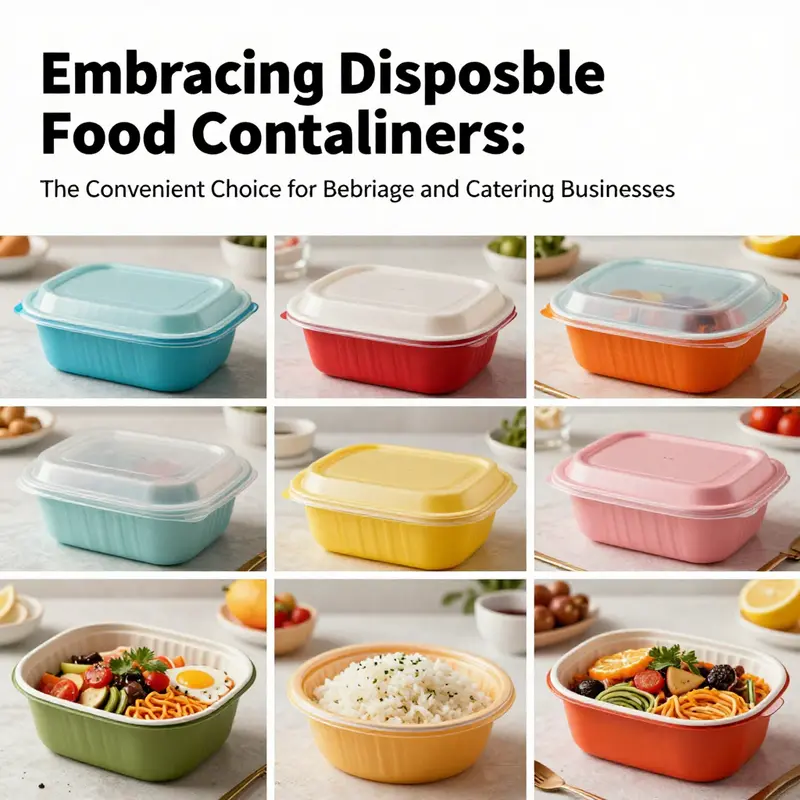
In the bustling world of food service, the right packaging can make all the difference. Disposable food containers have become a staple for bubble tea shops, restaurants, food trucks, and catering services. Their versatility in material and design caters to various needs, from securely packaging drinks to serving multi-course meals. This article delves into the essential aspects of disposable food containers, covering their material compositions, advantages in diverse applications, environmental impact, and current market trends. We will also explore the latest eco-friendly innovations that align with sustainability demands, empowering businesses to make informed choices that benefit both them and the planet.
Materials, Standards, and the Lifecycle of Disposable Food Containers

Disposable food containers form a surprisingly complex ecosystem that sits at the intersection of food safety, engineering, and environmental responsibility. When a kitchen, a cafeteria, or a delivery service selects packaging, they are weighing not just cost and convenience, but also how a material behaves in heat, how clearly it preserves flavors and moisture, and how easily it can be recycled or composted after use. This chapter unpacks the material options that define disposable containers, the regulatory frameworks that govern their safety, and the tradeoffs that guide design decisions in a world increasingly alert to sustainability. In doing so, it threads together the technical realities with the practical demands of modern food service, showing how a seemingly simple vessel carries a web of standards, performance criteria, and lifecycle consequences.
At the core of disposable container design is material choice. Polypropylene, commonly known as PP, has earned wide use because it blends heat resistance with durability. Containers manufactured in PP are trusted for both hot and cold foods, making them a staple in contexts as varied as takeout meals, noodle and rice dishes, and saucy entrees that demand a barrier against leakage. The appeal of PP goes beyond temperature tolerance; its chemistry supports relatively high stiffness and a favorable weight-to-strength ratio, which translates into lighter boxes that can still carry substantial portions. From the regulatory perspective, PP-based food contact materials are expected to comply with strict safety standards such as the U.S. FDA’s food contact substance regulations (21 CFR) and the European Union’s general framework for food contact materials (EC No. 1935/2004). These standards set out limits for chemical migration, establish criteria for mechanical stability, and require evidence that materials do not release substances that could pose a risk to human health under typical use conditions. The practical upshot is that PP containers can perform reliably in everyday food service while offering a degree of thermal resilience that supports both serving and brief reheating, albeit within the limits that customers expect from a disposable vessel.
Yet the spectrum of disposable containers extends beyond PP. Expanded polystyrene, or EPS foam, has carved out a niche where insulation is paramount. EPS’s cellular structure traps air, yielding excellent thermal retention that helps keep hot foods hot and cold foods cold during transit. The tradeoff is environmental and regulatory complexity. EPS is frequently scrutinized for recyclability challenges and persistence in ecosystems, prompting ongoing debates about its role in sustainable packaging. Regulatory regimes have responded with material-specific guidelines that address migration, compositional limits, and waste management practices, with oversight from programs modeled after FDA and EFSA frameworks. For a long-haul delivery context, the insulating value of EPS can be appealing, but businesses must balance that against evolving disposal streams and community preferences for more recyclable or compostable alternatives.
A growing family of alternatives centers on post-consumer recycled content, particularly post-consumer recycled PET, or rPET. rPET containers offer a clear, attractive appearance that helps showcase food visibility and appeal. They also promise moisture and gas barriers that are favorable for certain applications, which is why many foodservice operators look to rPET as a way to reduce virgin plastic demand. However, rPET has its caveats. It generally presents limited heat resistance and is not microwave-safe in many common configurations, which constrains reheating workflows in some segments. From a standards standpoint, rPET used in food contact must align with recycled plastics standards, such as ISO 18602, and national regulations that govern the safety of recycled materials for contact with food. The lifecycle benefits are tangible when recycled content is maintained with high purity and traceability, reinforcing a circular economy where plastics can be fed back into new packaging rather than ending up as waste.
Not all premium or specialty packaging relies on plastics at all. Glass, tempered or borosilicate, stands as a non-toxic, inert option that resists leaching and can be oven-safe. In contexts emphasizing health-conscious design or reusable kitchen practices, glass serves as a model for durability and long-term safety. Its popularity among certain consumer segments reflects a preference for materials perceived as inert and reliable. Standards for glass containers in food applications are robust, encompassing NSF/ANSI 51 for food service equipment and applicable EU food contact material regulations. The long-term durability and inertness of glass contribute to a narrative about safety and purity, even though glass cannot offer the same convenience in weight and breakage risk as plastics in disposable formats.
A more nuanced part of the material conversation centers on reusable plastics with additives. Some reusable PP products incorporate additives intended to confer antibacterial properties or other functional benefits. When such additives are present, migration and safety assessments become essential. Migration testing, guided by OECD Test Guidelines like 407, helps determine whether additives migrate into food under realistic conditions. EU regulations add another layer of scrutiny, ensuring that additives remain within defined limits to protect consumer health. In practice, these considerations matter most for containers designed for repeat use rather than single-use instances, but they color perceptions of safety and influence regulatory compliance across the broader disposable category as well.
Across these materials, regulatory standards provide a backbone for safety and performance. The overarching framework for food contact materials, whether plastic, glass, or paper-based, requires materials to be evaluated for chemical compatibility, physical stability, and microbial safety. The U.S. FDA’s regulation under 21 CFR governs materials intended for contact with food and outlines requirements for allowable substances and migration limits. The EU’s Regulation (EC) No 1935/2004 establishes general requirements that apply to all materials and articles intended to come into contact with food, including the obligation to prove that substances do not migrate at unsafe levels. When plastics are recovered and reused, ISO 18602 specifically targets recycled plastics in food contact applications, ensuring that the recycled stream maintains safety and performance. NSF/ANSI 51 provides a recognizable standard for food service equipment, including containers used in professional settings. Taken together, these standards frame a landscape in which material choice is a decision about safety, reliability, and regulatory alignment as much as about cost or aesthetics.
The conversation about materials would be incomplete without acknowledging the practical realities of use, reheating, and disposal. Most conventional plastic containers are not microwave- or oven-safe, a limitation that nudges operators toward reheating strategies that minimize risk of burns or contamination and that respect container design limits. Odor absorption can be a nuisance with some plastics, particularly after repeated uses or long storage, leading kitchens to favor materials with stable release characteristics. On the other hand, compostable and fiber-based options—such as molded fiber or recycled paperboard—are rising in popularity as eco-conscious choices. These alternatives, often marketed as compostable or biodegradable, expand the palette available to businesses pursuing sustainability targets. The challenge, of course, lies in ensuring that compostable materials are accepted by local waste streams and do not degrade into residues that complicate recycling. The regulatory picture for compostables continues to evolve as standards bodies and policymakers refine definitions, test methodologies, and certification processes.
For teams weighing these options, the decision often rests on a careful balance of performance requirements, consumer expectations, and end-of-life considerations. A rPET container offers clarity and a robust barrier in many cases but may constrain reheating, while PP provides broad compatibility with hot and cold foods but must be evaluated for regulatory compliance and potential odor retention over time. EPS provides insulation at the expense of recyclability in many contexts, and glass offers inertness and heat tolerance with different handling considerations. Each material tells a story about how a food item travels from kitchen to consumer, how it retains quality, and how it ultimately returns to the environmental stream.
As a practical note for practitioners seeking concrete illustrations of these material choices, consider the real-world packaging configurations that populate wholesale and retail channels. For example, kraft paper-based containers and bowls with lids illustrate a shift toward fiber-based packaging that can support hot meals, soups, and ready-to-eat items while aligning with growing demand for recyclable or compostable formats. These paper-based options are often designed with grease resistance and moisture barriers that enable them to perform in fast-paced service environments without relying on plastics, though performance and disposal outcomes depend on specific fiber formulations and coatings. For readers looking to explore a concrete example of such paper-based solutions, a representative reference to a kraft paper takeout container is available here: disposable kraft paper soup containers with lids ready bulk takeaway bowls noodle soup container. This link points to a product-focused portrayal of how fiber-based design can meet both functional and presentation goals, while also illustrating how businesses communicate with customers through packaging that signals sustainability, quality, and convenience.
All these material choices converge on a common objective: deliver food safely and attractively while respecting the limits and opportunities of the production and waste systems that serve the modern consumer. In practice, that means selecting materials with a transparent regulatory pedigree, verifying migration and safety through appropriate testing, and understanding how the chosen packaging behaves through the food’s journey—from hot, steaming plates to cold, crisp lunches, to the final moments of disposal. It also means recognizing that standards bodies continually refine criteria as new materials, recycling technologies, and waste management infrastructures emerge. The result is a dynamic field where packaging engineers, food safety professionals, and sustainability strategists must work in concert to align product performance with environmental responsibility.
This integration of material science and regulatory clarity creates a pathway for businesses to innovate responsibly. Fiber-based options, recycled-content plastics, and thoughtful design that minimizes leakage and maximizes recyclability all contribute to a more sustainable packaging future. Yet the path is not absolute; tradeoffs remain between heat resistance, barrier properties, weight, cost, and end-of-life handling. The ongoing challenge is to translate scientific and regulatory knowledge into packaging that is not only safe and functional but also aligned with local waste streams and the evolving expectations of consumers who want to know that their choices matter. In this sense, the chapter on material composition and standards is not a dry catalogue of substances; it is a narrative about how everyday objects—containers that cradle meals at every point of contact—embody a durable commitment to safety, performance, and responsibility.
External resource: For a comprehensive overview of food contact materials and safety, consult the U.S. Food and Drug Administration guidance on food contact materials (FCMs): https://www.fda.gov/food/food-contact-materials
Beyond Convenience: The Roles and Realities of Disposable Food Containers Across Foodservice
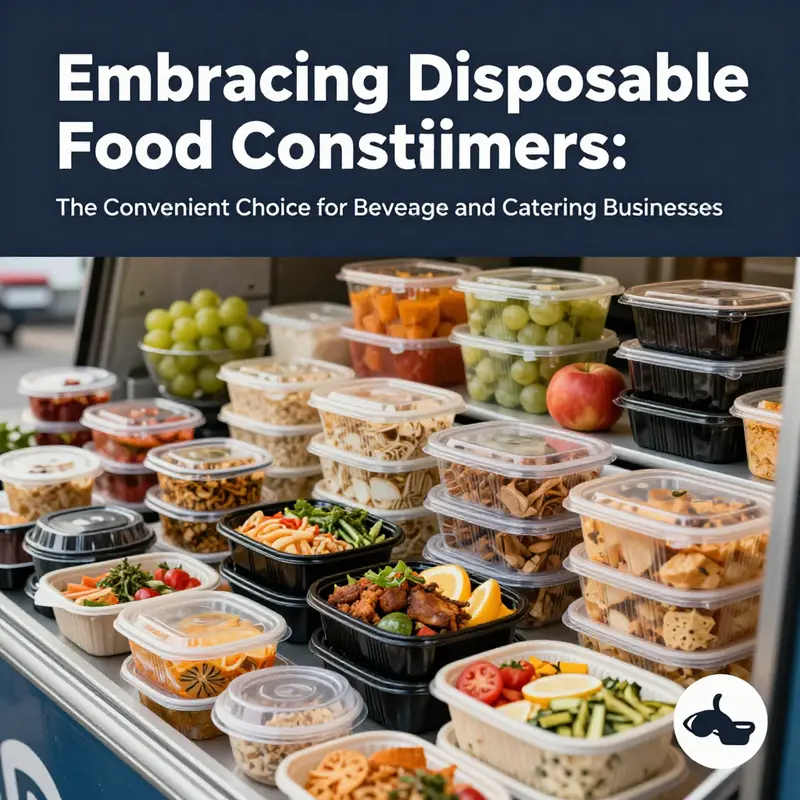
Disposable food containers have become more than a simple convenience in the modern food ecosystem. They are the interface between a prepared dish and the consumer who carries it through a busy day. Across restaurants, catering, meal-prep services, school cafeterias, and event operations, these containers perform a critical set of functions that goes beyond containment. They carry the weight of safety, presentation, temperature control, and sustainability, all while navigating a complex web of raw materials, production standards, and consumer expectations. The core materials—polypropylene, polystyrene, PET, recycled paperboard, and molded fiber—each bring distinct strengths and trade-offs. polypropylene (PP) is favored for its resilience against heat and cold, while polystyrene (PS) offers stiffness and a high barrier to temperature shifts, though it can be more fragile under mechanical stress. PET, with its clarity and rigidity, often plays a role where visibility of the contents matters. Recycled paperboard and molded fiber present a different value proposition, leaning into compostability and a lower environmental footprint. In Europe and other regions with strict safety frameworks, CE certification has become a practical signal of compliance with health, safety, and environmental standards. Even the design language of these containers speaks volumes: a 200ml disposable container with a divided compartment can separate rice, protein, and vegetables, enhancing portion control and the overall dining experience for meal-prep services, premium delivery, or school meals that require neat, compartmentalized presentation.
The advantages of disposable containers are not confined to raw materials. They are a product of thoughtful design, manufacturing precision, and a market that prizes lightweight efficiency. For many operators, the reduced weight translates into lower logistics costs because every shipment carries fewer kilograms of packaging. This matters in a world where food delivery and catering hinge on timely, affordable transportation. In kitchens and event venues, the compact footprint of stackable, right-sized containers simplifies inventory management. The practicalities extend to handling and storage: containers designed to nest neatly, resist moisture, and resist absorption of odors can streamline a service’s workflow from early morning prep to late-night wrap-up. The sense of professionalism conveyed by a clean, uniform package also matters. The container is part of the brand’s visual language, contributing to trust and perceived value when customers receive a hot, well-presented meal in a pristine, professional-looking vessel. Aesthetics intersect with psychology: a transparent PET lid or a clear window on a molded fiber box can reveal the food’s color and texture, inviting appetite and reducing postpurchase hesitation.
Thermal performance sits at the heart of many disposable packaging decisions. For hot foods, insulation remains a critical property. Some containers rely on foam-based structures, such as expanded polystyrene (EPS) or insulated composites, to slow heat transfer and maintain temperature over longer transit times. For cold items, insulating designs and vapor barriers help preserve freshness and prevent sogginess. The reach of these features extends to mobile food services, such as food trucks and large-scale events, where temperatures can swing and the distance to diners may be considerable. Yet with thermal performance comes responsibility: not all containers are microwave- or oven-safe. Consumers often assume convenience means reheating in the same container, but many disposable formats are not designed for conventional reheating, and odor retention can become a concern after repeated use or extended storage. A careful choice, aligned with the intended reheating method, is essential to maintain both safety and flavor integrity.
Beyond function, the presentation and hygiene of disposable containers influence the customer experience. A professional, clean appearance can elevate a dining occasion, particularly in premium catering or upscale takeout formats. Transparent or translucent designs allow diners to preview the product, which can boost confidence and appetite. The compartmentalized formats—whether two, three, or more sections—enable a chef to curate a balanced plate while preserving the visual appeal of each component. Pavements of color and texture in the packaging, when paired with well-structured lids, can create a cohesive, restaurant-like experience at home, heightening perceived value. Importantly, the single-use nature of these containers supports hygiene. The risk of cross-contamination is minimized when every service uses a fresh, sealed vessel, and the simplicity of disposal can relieve operations from labor-intensive cleaning cycles. For operators, the cost calculus often tilts toward disposable solutions when the price of water, sanitation, and labor for reusables factors into total cost of ownership.
Sustainability considerations increasingly frame decisions about disposable packaging. While plastic-based containers offer pragmatic advantages, environmental concerns have spurred a diversification of materials and end-of-life strategies. Eco-friendly alternatives—such as molded fiber and recycled paperboard—are gaining traction among businesses committed to reducing plastic waste and aligning with consumer expectations for responsible packaging. In some instances, compostable options that rely on polylactic acid (PLA) or certified compostable materials provide a credible pathway to waste diversion, especially in facilities equipped to manage industrial composting. Even when opting for lighter plastics, the push toward recyclability—favoring materials labeled with recyclable codes such as #1 (PET) or #5 (PP)—is shaping product development and procurement decisions. The packaging industry is increasingly transparent about certifications, with European markets commonly requiring CE marks or equivalent safety attestations to indicate compliance with safety, hygiene, and environmental standards. This certification landscape reassures buyers that the packaging not only performs well but also meets normative expectations for responsible manufacturing and material stewardship.
The market forces driving the use of disposable containers are broad and interconnected. The rise of meal kits, rapid takeout, and on-the-go dining has created sustained demand for containers that can ship well, protect contents, and present food attractively upon arrival. Where once bulk purchases were dominated by simple, low-cost designs, today’s buyers expect more sophisticated features: compartments that help with portion control, lids that seal securely to reduce leaks, and materials that resist moisture, grease, and odor transfer. In this environment, a seller’s ability to provide reliable, certifiable packaging at scale becomes a competitive differentiator. The supply chain must accommodate a spectrum of needs—from compact 200ml portions for single-serving meals to larger, multi-item trays for delis, cafeterias, and catering operations. The availability of processed options in polypropylene, PS, PET, recycled paperboard, and molded fiber—each with distinct manufacturing standards and performance profiles—means buyers can tailor packaging to the exact demands of their menus, their service model, and their sustainability commitments.
As consumer expectations evolve, so too does the regulatory and ethical framework that underpins disposable packaging. Regulations are tightening in many jurisdictions, with emphasis on recyclability, compostability, and the reduction of single-use plastics. In response, manufacturers are innovating—developing designs that ease separation in recycling streams, incorporating barrier layers to extend shelf life without sacrificing recyclability, and exploring composites that balance performance with end-of-life options. The result is a packaging ecosystem that rewards thoughtful design and transparent communication about disposal. Businesses that clearly convey whether a container is recyclable, compostable, or suitable for certain reheating methods help customers make informed choices, reinforcing trust and supporting sustainable outcomes.
Within this evolving landscape, the chapter’s practical takeaway centers on how to navigate the choices that affect cost, safety, and responsibility. For operators seeking a balance of performance and sustainability, it helps to start with the nature of the food and the service model. A hot, greasy meal that travels a short distance may perform best in an insulating, grease-resistant container with a secure lid. A cold or room-temperature dish that relies on visual appeal might benefit from a clear PET shell or a partitioned box that keeps components separate and appetizing upon arrival. A meal kit or catering package destined for longer trips may require a container with robust thermal properties and a material capable of withstanding both handling and storage constraints. In each case, suppliers often offer a range of configurations, from single-compartment to multi-compartment designs, with materials selected to optimize performance, cost, and sustainability credentials. The choice can also reflect corporate values: a restaurant that prioritizes compostable packaging signals a commitment to diverting waste from landfills, while a brand that emphasizes recyclability may encourage customers to participate in a closed-loop recycling program.
To illustrate how these considerations translate into everyday practice, imagine a service that delivers fresh meals across a campus. The operation benefits from containers that are lightweight for efficient transport, yet sturdy enough to resist crushing and leaking during transit. A multi-compartment design helps portion meals with visual clarity, so students can easily assemble a balanced plate once opened. The thermal performance ensures hot items stay warm for the ride, while the outer shell remains visually appealing and easy to carry. A move toward recyclable plastics or certified compostable options aligns with campus sustainability goals, and clear labeling helps recyclers and composters process the packaging correctly. Moreover, the ability to source containers in bulk from suppliers who provide verifiable certifications enhances confidence in compliance and quality. For teams seeking inspiration and practical options, exploring catalogs that emphasize sustainability through materials like PLA-based or recycled-content packaging can be a fruitful step. For businesses seeking sustainable takeout packaging already optimized for safety and style, see this collection of eco-friendly takeout boxes for food packaging.
As packaging designers and food-service operators look toward the future, the focus is increasingly on achieving a productive balance between functionality and environmental responsibility. The next generation of disposable containers will likely combine smart design, material science, and end-of-life clarity. We can anticipate packaging that preserves temperature and texture with less material, that signals its disposal pathway clearly to consumers, and that participates in wider circular economy initiatives. The road ahead invites collaboration among chefs, packagers, retailers, and waste-management systems to create packaging solutions that not only protect food and preserve its appeal but also reduce ecological impact. In this sense, disposable containers are not merely a transient convenience but a strategic component of contemporary food culture—one that must be reliable, adaptable, and responsible as the industry navigates evolving ethics, regulations, and expectations. External pressures—from public health to environmental stewardship—will continue to shape what is considered acceptable, desirable, and feasible in the realm of single-use packaging.
External resource: https://www.foodservicepackaging.com/disposable-food-container-guide/
Weighing Waste and Use: Environmental Realities of Disposable Food Containers
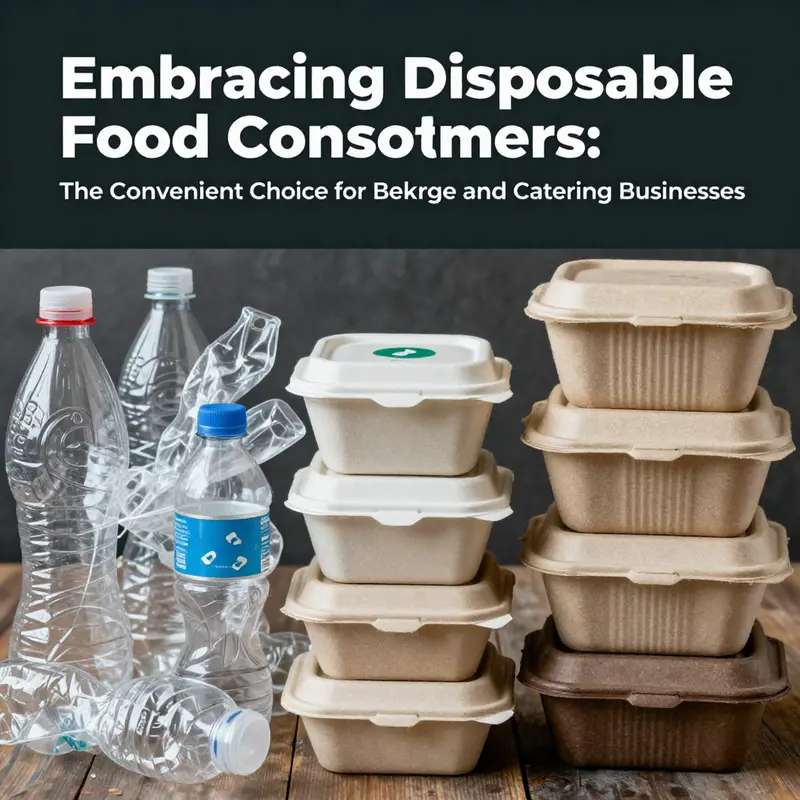
Balancing material choice, reuse and disposal
Disposable food containers promise convenience, but their environmental story is complex. Materials vary widely in their production impacts, durability, and end-of-life pathways. Choosing the right container depends on how it is used and managed after use. Life cycle assessments reveal trade-offs that often surprise both businesses and consumers. Understanding those trade-offs helps food service operators, retailers, and conscious consumers make better decisions that match operations with sustainability goals.
Production impacts are the first piece of the puzzle. Plastics such as polypropylene (PP) and extruded polystyrene (EPS) typically require less raw material and energy per unit than metals like aluminium. This can give lightweight plastics an edge in manufacturing-stage metrics such as energy intensity and material use. However, raw production is only part of the picture. For PP, several impact categories show troubling results. Some studies report that single-use PP ranks poorly for global warming potential and human toxicity. In short, a low-material footprint does not guarantee a low environmental footprint across all impact categories.
EPS often shows a lower footprint at the production stage. This occurs because EPS is extremely light and uses limited material per container. That manufacturing advantage, though, collides with post-consumer realities. EPS is not widely collected for recycling in most regions. It fragments easily and is a common marine pollutant. When it escapes waste systems, EPS causes visible and harmful litter, and it poses ingestion and entanglement risks for wildlife. So an option that looks good on a production-focused chart can be quite damaging once it reaches the environment.
Aluminium containers are another common choice. They bring high recyclability and robustness. Recycling aluminium saves large quantities of energy compared to primary production. Yet primary aluminium production is energy- and emissions-intensive and can score poorly on several environmental indicators, such as ozone depletion potential and certain toxicity metrics. The net outcome for aluminium depends heavily on whether the used containers are actually recycled and on the energy source mix used in recycling facilities.
Reusable containers change the calculus, but not always in simple ways. A reusable polypropylene box may need between three and thirty-nine uses to outperform single-use EPS on some environmental metrics. The broad range depends on which impact categories are compared and on assumptions about washing frequency, water temperature, and washing method. For “Tupperware”-style durable containers, the required number of uses can range much higher. Real-world use patterns matter: if reusable items are lost, damaged, or rarely reused, the expected environmental benefits vanish. Frequent reuse in contexts such as employee meal programs or subscription meal services can unlock significant savings. But reuse only delivers when the product remains in service long enough and is cleaned efficiently.
Compostable and molded-fiber containers offer a distinct set of benefits and limits. Made from renewable feedstocks like sugarcane bagasse, bamboo, or cornstarch, these containers reduce fossil-fuel reliance and avoid persistent plastic pollution. When composted in industrial or well-managed municipal systems, they can return to the biological cycle and reduce landfill burden. Yet their production still consumes resources and generates emissions. Compostables only realize their full advantage when collection and processing infrastructure exist. If compostable items are landfilled or contaminate recycling streams, their benefits drop sharply. For businesses with access to composting services, these materials can be a strong choice. For entities in regions without organic waste systems, the advantages are less clear.
Recycling rates and waste policy shape outcomes more than many realize. Improving recycling for PP and aluminium can reduce their life cycle impacts by more than 20 percent in some scenarios. If EPS recycling rates were raised under progressive policies, its manufacture-related advantages could be preserved while cutting pollution and litter. Policy timelines and targets matter: regional mandates for packaging recycling, landfill diversion, and composting create the conditions necessary for more sustainable choices to deliver on their promise.
Behavioral factors also play a large role. Single-use items are most damaging when they are littered or placed in the wrong waste stream. A recyclable container that ends up in landfill or the natural environment loses much of its potential benefit. Conversely, compostable packaging that is properly separated and processed can greatly lower landfill volumes. Therefore, pairing material choices with clear labeling, convenient waste collection, and staff or consumer education can be as important as choosing a lower-impact material.
For food businesses, matching container choice to service model is essential. Delivery services that need to keep food hot benefit from materials that provide thermal retention. These may be plastics or insulated molded fiber. For on-site catering where returnable programs are feasible, investing in durable reusable containers and a reliable collection system can pay environmental dividends. For takeout operations without return systems, choosing certified compostable or widely recyclable containers reduces long-term harm. The goal is to align material properties with operational realities, rather than pick materials based on a single metric.
Design decisions matter too. Containers with divided compartments can reduce the need for multiple items. Lightweighting—reducing material without sacrificing function—can cut production impacts. Lids that are compatible with the container material improve recyclability. Clear labeling that states whether a product is recyclable, compostable, or landfill-only reduces contamination in waste streams. Small changes in product design and communication often yield outsized benefits across the life cycle.
Costs and supply chains influence what choices are realistic. Compostable molded-fiber options are increasingly affordable and available. They work well for many fast-food and deli applications. For operators looking for such options, consider packaging designed specifically for takeout and reheating compatibility. One example of a suitable product family can be found among eco-friendly takeout boxes for food packaging, which combine microwave compatibility and leak resistance with compostable materials. Choosing suppliers that offer certification and chain-of-custody documentation helps businesses measure and verify improvements.
Finally, metrics and transparency help guide progress. Life cycle assessment is the right tool to compare options across production, use, and end-of-life. Yet LCA outcomes vary with assumptions. A thorough assessment includes local waste management realities, realistic reuse rates, and possible behavior patterns. Public reporting on packaging choices and on the fate of packaging waste builds trust and drives better outcomes. Collaboration with waste collectors and local governments can identify practical solutions that reduce litter and increase material recovery.
No single container is universally the best. EPS may have the lowest manufacturing footprint in some studies, but its lack of recyclability and high litter risk undermine long-term sustainability. Single-use PP often performs poorly across critical impact categories. Aluminium can be a good choice when recycling streams are strong. Reusable systems offer large gains when items are used many times. Compostables provide a promising pathway where industrial composting exists. The right decision depends on the full system: sourcing, service model, waste infrastructure, and user behavior.
Choosing wisely requires pragmatic steps. Match materials to how they will be used and disposed of. Prioritize containers that align with local recycling or composting systems. Design for compatibility and clear disposal instructions. Invest in reusable programs where repeat use is likely. Track and report outcomes to learn and improve. These actions shift packaging from a problem to a managed component of food service operations.
For readers who want the technical study behind these insights, see the comprehensive life cycle analysis in the Journal of Cleaner Production: https://www.sciencedirect.com/science/article/pii/S0959652618322476
For businesses seeking practical compostable takeout solutions that balance microwave compatibility, leak resistance, and eco-friendly materials, consider suppliers offering certified eco-friendly takeout boxes for food packaging: https://ecocupbowl.com/product/eco-friendly-takeout-boxes-for-food-packaging-stylish-food-containers-safe-microwave-craft-paper-lunch-boxes-leak-grease-resistant/
From Convenience to Commitment: Reading the Pulse of Disposable Food Containers in a Globalized Market

The market for disposable food containers is not merely a ledger of rising numbers and shifting colors of plastic; it is a living map of how modern societies eat, move, and regulate themselves. As consumer habits reshape the structure of daily meals—from grab-and-go lunches to multi-item assortments for delivery and meal kits—the packaging that carries those meals becomes a critical determinant of efficiency, safety, and footprint. The latest market signals present a compelling dual narrative. On one hand, the sector has demonstrated vibrant expansion, with reports tracking 2025 sales around $3,228.5 billion and a tightening projection toward $3,565.7 billion by 2026, a robust 10.4% compound annual growth rate. A broader forecast, however, presents a more gradual arc, predicting growth from $1,637 billion in 2024 to $2,273 billion by 2032, at about 4.19% CAGR. Taken together, these figures sketch a market that is both aspirational in its scale and nuanced in its timing, suggesting that winners will be those who align speed with sustainability, and function with foresight. The divergence in forecasts is not a mismatch but a reflection of different market lenses: one that tracks the fast-moving segments driving e-commerce and quick-service demand, and another that accounts for longer cycles of material innovation, regulation, and circular economy adoption. What remains clear is that disposable containers are embedded in the logistics and dining ecosystems of the twenty-first century, acting as both facilitators of convenience and, increasingly, as focal points for environmental responsibility and regulatory accountability.
The shift in materials and the intensifying push toward sustainability are perhaps the most consequential current features of this market. In a landscape where plastic once held near-ubiquitous dominance, the baton is gradually passing to biodegradable and compostable alternatives, alongside paper-based options and other fiber-based solutions. In large parts of China, plastic disposable containers still command a dominant share—indeed, over 60% of sales in 2024—but that dominance is eroding as both policy and consumer preference tilt toward lower-impact materials. The trajectory toward PLA (polylactic acid), starch-based composites, and recycled fiber illustrates a broader global ambition: to retain the functional advantages of single-use packaging—lightweight, cost-effective, moisture and grease resistance, and reliable barrier properties—while reducing ecological cost and end-of-life impacts. Paper-based containers are leveraging brand-led sustainability narratives to broaden their footprint, particularly in chain restaurants and fresh-delivery scenarios. Aluminum foil containers are expanding into premium segments, where their superb thermal resistance and barrier properties support high-end ready-to-eat meals and cold-chain logistics. This material shift is not just about substituting one polymer for another; it is about reconfiguring the value chain to emphasize recyclability, compostability, and design for reuse in systems that minimize waste and maximize recovery.
This evolution has a direct bearing on how products are designed and used. The consumer’s demand for enhanced functionality—strong seals, reliable insulation, leak resistance, and controllable portions—has driven innovations that move beyond simple containment. Take, for instance, the rise of multi-compartment trays that prevent cross-talk between rice, proteins, vegetables, and sauces. These designs are not merely about organization; they support portion control, reduce food waste, and enhance the dining experience in both home delivery and institutional settings. The appeal of such configurations is amplified by the growing popularity of meal-prep services and premium takeout offerings, where presentation and temperature retention are as important as flavor. Indeed, many observers note that the value proposition of disposable containers now hinges on the ability to maintain the integrity of a dish across the journey from kitchen to consumer.
Technology is entering the packaging arena in more sophisticated ways than ever before. Temperature-sensitive indicators, traceability features, and even interactive elements are finding their way into what had once been a largely passive product category. Smart packaging concepts can help ensure food safety, improve supply chain transparency, and elevate user experience by providing real-time cues about temperature history or freshness. While these innovations are still unevenly adopted across regions and segments, they signal a sector that is increasingly attentive to data-driven quality control and consumer reassurance. The regulatory layer is also thickening, with environmental policies shaping both material choices and end-of-life pathways. The EU’s Single-Use Plastics Directive, among other measures worldwide, is nudging producers toward reusable, refundable, or easily recyclable solutions. The emerging circular economy model is pushing packaging away from linear disposal toward careful stewardship: deposit-return schemes for reusable containers, and digital platforms enabling container sharing, remanufacture, and lifecycle tracking. In this context, the phrase “disposable” is being redescribed as a component of a more complex system that balances single-use convenience with a longer-term sustainability strategy.
Against this backdrop, regional dynamics reveal a market that is both diverse and converging on shared challenges and opportunities. China remains a central engine of growth, where the domestic market expanded from RMB 1,842 billion in 2023 to RMB 2,276 billion in 2025, a trajectory underscored by an 11.2% CAGR. Yet even within this expansion, structural changes are visible. The aluminum foil segment posted RMB 128.6 billion in 2025 and is projected to reach RMB 140.3 billion in 2026, signaling a move toward more premium and durable options that can withstand higher-value food-preparation and delivery contexts. In the same period, the paper container segment demonstrated striking momentum with a remarkable 52.1% year-over-year growth in 2025, a reflection of branding and consumer demand for chilled and fresh deliveries backed by sustainability narratives. Eastern China continues to command the largest share, around 37.9%, while Central and Western regions are emerging as high-growth zones, expanding at roughly 14.5% annually. These regional patterns illustrate how market opportunities are layered with cultural preferences, regulatory environments, and the maturity of local recycling systems.
For practitioners and observers, the implication is clear: while plastic still dominates many markets, a multi-material, multi-solution approach is becoming the rule rather than the exception. The top-line growth is tempered by the accelerating pace of material innovation and policy alignment. In markets with strong environmental governance, such as parts of Europe and Asia, brands and manufacturers are experimenting with packaging as a strategic interface between product quality and corporate responsibility. This is why several categories of packaging are gaining traction faster than others. Aluminum foil continues to consolidate its position in premium meals and highly regulated cold-chain contexts, while mature fiber-based options, including molded pulp and recycled paperboard, are carving out reliable share in school lunches, delis, and takeout for casual dining concepts. Meanwhile, the plastic family persists in many fast-food and convenience contexts where cost, weight, and performance are critical, but even there, the push toward recyclability, reuse, and better end-of-life outcomes grows stronger with every legislative cycle.
Market participants are increasingly aware that the long arc of growth will favor those who can couple rapid product development with a disciplined approach to sustainability. This translates into more than just green marketing; it demands a coherent material strategy, a robust supply chain for recyclables or compostables, and the ability to demonstrate circularity through credible certifications and performance data. The industry is learning to translate consumer willingness to pay a premium for eco-friendly packaging into a competitive advantage, especially when the packaging delivers tangible benefits—stronger seals, leak-proof performance, better insulation, and user-friendly designs—without compromising cost efficiency. In this sense, the market’s health rests on aligning three core capabilities: innovation in materials and design, resilient and traceable supply chains, and transparent communication about end-of-life and environmental impact. When these elements cohere, disposable containers can fulfill a critical role in a food system that values both convenience and responsibility.
As a practical touchstone for industry players looking to navigate this evolving terrain, a closer look at product design indicators helps illuminate why some formats rise while others recede. The ability to maintain hot or cold temperatures during transit, the reliability of leak-proof seals, and the comfort of handling during peak service hours all influence demand. The consumer’s willingness to accept a small premium for eco-friendly materials, coupled with the policy-driven incentive to use recyclable or compostable options, further shifts the calculus of what constitutes a sustainable choice. The research landscape is clear: the market’s growth is real, but it will be defined by how well suppliers translate environmental commitments into operational realities, from raw material sourcing through to end-of-life management. For readers seeking a broader market view, the Global Food Container Market Report (2026) offers an extensive synthesis of size, growth projections, material trends, and regional dynamics that underpin these observations. External reference: https://www.researchandmarkets.com/reports/724591/global-food-container-market-report-2026.
Within the spectrum of available packaging solutions, there is also a discernible emphasis on practical alternatives that align with evolving consumer values without sacrificing performance. A notable strand is the deployment of ready-to-use, multi-compartment kits that facilitate a balanced meal presentation and support portion control for health-conscious consumers and institutional buyers alike. To illustrate how these design choices appear in the marketplace, consider the ongoing exploration of eco-friendly, multi-compartment takeout options that integrate grease resistance, insulation, and user-friendly handling. For readers exploring specific examples of these concepts in action, a representative reference can be found at the internal resource eco-friendly 3-compartment packaging for takeout. This link foregrounds how a modular approach to packaging can support diverse menu structures while maintaining a smaller environmental footprint, an approach that many brands are now testing in pilot programs and regional rollouts.
Looking ahead, the trajectory of disposable food containers will likely continue to bifurcate along the lines of speed and sustainability. The fastest-growing segments will be those that combine heat-retention and seal integrity with clear end-of-life pathways that are easy for businesses to manage and for consumers to understand. The most resilient players will not rely on a single material narrative but will craft adaptable portfolios that include reinforced fiber-based options, carefully engineered plastics with higher recyclability, and smart packaging features that deliver measurable improvements in safety and transparency. The regulatory climate will continue to tilt toward circularity, encouraging models such as container-as-a-service and deposit schemes, which reduce waste and foster return flows. The interplay of these forces will shape investment, capacity expansion, and R&D focus in the years to come. In short, the market is expanding in depth and complexity, inviting both caution and curiosity from manufacturers, retailers, and food service operators who must navigate a landscape where convenience, safety, and responsibility are no longer optional but essential ingredients of competitive strategy.
Greener Single‑Use Solutions: Plant‑Based and Compartmental Designs Transforming Disposable Food Containers
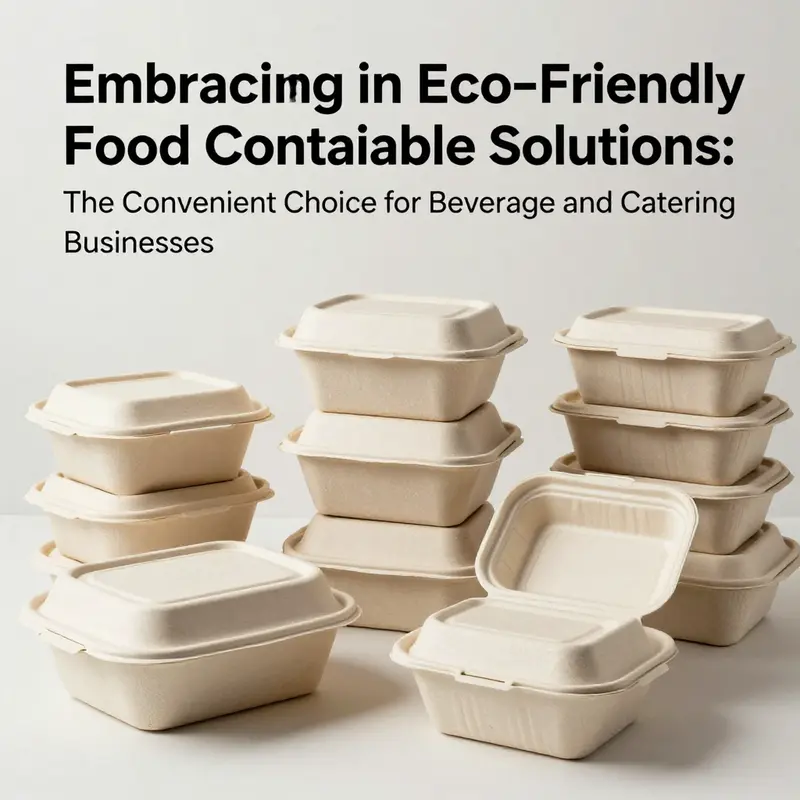
The shift away from conventional plastics is no longer optional for many food service operations. New materials and smarter designs are redefining what a disposable food container can be. These advances address performance, user experience, regulatory compliance, and lifecycle impact. Together they create practical, scalable options for restaurants, caterers, and meal providers that must balance convenience with sustainability.
Biodegradable, plant‑based materials are at the center of this transformation. Byproducts like bagasse from sugarcane and fibers from bamboo are being formed into molded pulp and fiber containers. They deliver strength and heat resistance that competes with traditional plastics. These substrates are naturally compostable and break down in industrial composting systems. They also resist deformation with hot contents and hold up well with moisture when properly processed. That performance has made them a strong choice for hot soups, noodle dishes, and oily fried foods.
Design innovations now pair these materials with functional features once exclusive to plastics. Sectioned compartments let providers separate proteins, starches, and sides in the same tray. This solves flavor transfer and texture loss during transit. Compartmentalization also supports portion control and efficient meal prep workflows. Notched lids and interlocking flanges are engineered to mate with molded fiber rims. The result is a secure, leak‑resistant package that remains simple to stack and transport.
Leak protection and oil resistance are critical challenges for compostable fiber. Advances in low‑impact barrier coatings and process engineering have reduced failures. Water‑based, plant‑derived coatings can improve grease resistance without blocking compostability certification. Some manufacturers combine a thin compostable polymer layer with molded pulp to keep liquids from saturating fiber. These hybrid constructions can be carefully selected to maintain industrial compostability while extending usable life.
Thermal performance is another priority. Meal delivery and takeaway require containers that keep temperatures steady and withstand reheating. High‑quality molded pulp and bamboo fiber designs now reach temperature tolerances comparable to polypropylene in many use cases. The ability to hold heat without warping makes these options attractive to premium food delivery services. For operations that require microwave reheating, labels and material choices are calibrated for safety and consumer guidance.
Certifications and global compliance frame buyer confidence and market access. Recognized marks such as CE and food safety approvals validate material integrity for international trade. FDA acceptance, LFGB recognition, and CIQ checks are increasingly expected by importers. Suppliers exporting from major manufacturing regions apply these certifications to demonstrate compliance. This reduces friction for buyers scaling sustainable packaging across markets.
Supply chain considerations shape feasibility for businesses. Platforms that connect purchasers with verified suppliers enable bulk procurement of compostable containers with capacities tuned for portion sizes. Sourcing options include models with 200ml capacities suitable for sides and sauces, as well as multi‑compartment trays for complete meals. Bulk availability helps transition costs align with operational budgets. It also allows consistent branding and quality across outlets and catering events.
Operational practicality matters. Compostable containers must integrate with existing waste streams. If a community lacks industrial composting, the environmental benefit declines. The best practice is to align packaging choices with local infrastructure. For cities with curbside organics or partner composters, compostable solutions substantially reduce landfill contribution. Where composting is not available, prioritizing widely recyclable plastics labeled #1 (PET) or #5 (PP) can still reduce environmental impact compared with mixed or unrecyclable alternatives.
Design for end‑of‑life is as important as design for use. Clear labeling and consumer education minimize contamination and improve diversion rates. Simple instructions on lids or sleeves—such as “compostable where accepted” or a recycling code—help consumers dispose correctly. For businesses, establishing collection programs or on‑site composting ensures materials reach appropriate facilities. Those programs often require coordination with waste haulers and careful staff training.
Economic factors influence adoption. Compostable pulp containers may carry a price premium compared with commodity plastics, particularly at low volumes. However, economies of scale narrow that gap. Volume purchasing, standardized SKUs, and longer purchasing cycles reduce unit costs. Additionally, some jurisdictions introduce levies on single‑use plastics. These policies shift total cost calculations in favor of compostable and recyclable alternatives.
Manufacturing technologies have evolved to meet demand. Molded pulp production uses automated presses and heat curing to produce consistent parts. Extrusion and thermoforming remain dominant for polymer containers but are adapting to process biopolymers. The manufacturing footprint for pulp molding can be lower in energy intensity for certain product lines. Furthermore, localized production hubs reduce transport emissions and support just‑in‑time inventory models for food service operators.
Performance testing and quality control are improving confidence among buyers. Leak tests, grease resistance assays, and stackability trials are standardized to mimic real‑world conditions. These tests help designers refine rim geometry, lid engagement, and compartment depth. As a result, many compostable containers now rival disposable plastics in terms of user experience and reliability during delivery.
Hybrid strategies often deliver the best compromise between function and sustainability. For example, a meal kit provider might use a molded fiber tray for the main course and a small recyclable PET sauce cup for wet condiments. This approach minimizes the number of materials while keeping each part in a stream where it can be properly processed. Clear instructions for separating parts at disposal further improve recovery.
Transition plans for businesses should be pragmatic. Start with pilot runs for popular menu items to evaluate material performance and customer feedback. Track key metrics such as breakage rates, customer returns, waste diversion percentage, and total packaging cost. Use this data to refine product selection and supplier contracts. Over time, broaden the program to include cutlery, cups, and secondary packaging made from certified compostable or recyclable materials.
Consumer perception also plays a role. Visual cues like unbleached fiber, kraft finishes, and simple printing communicate eco‑credentials without heavy markup. However, appearance alone is not enough. Providing transparent information on compostability, certifications, and proper disposal builds trust. Consumers want assurance that their choice has a measurable environmental benefit.
Looking ahead, innovation will continue in materials science and circular systems. Emerging biopolymers and improved coatings promise true home‑compostable barriers and higher temperature tolerance. At the same time, investments in municipal composting will expand access for businesses and residences. Regulatory frameworks that harmonize standards across regions will streamline exports and procurement decisions.
Adopting greener single‑use containers is not binary. It is an iterative process of matching material properties to product needs, supply chain realities, and local infrastructure. With careful selection, compostable plant‑based trays and thoughtfully designed compartmental lids can deliver the convenience users expect. They also reduce the environmental footprint of disposable food containers.
For procurement teams and operators, the next steps are clear: evaluate local composting access, pilot compostable options for specific menu items, and choose suppliers with robust certifications. These moves will keep food hot and separated during delivery, while advancing sustainability goals.
External resource: https://www.alibaba.com/product-detail/Disposable-Food-Containers-200ml-Capacity-CE_1600548397837.html
Internal resource: three-compartment eco-friendly takeaway box
Final thoughts
Disposable food containers play a pivotal role in the food service industry, providing convenience, functionality, and adaptability. As businesses strive to meet evolving consumer preferences and regulatory expectations, understanding the material compositions, advantages, and environmental impacts becomes essential. By staying informed about market trends and embracing eco-friendly innovations, businesses can not only enhance their operational efficiency but also contribute positively to environmental sustainability. The future of food service packaging is one where functionality meets responsibility—an approach that all businesses should adopt.