
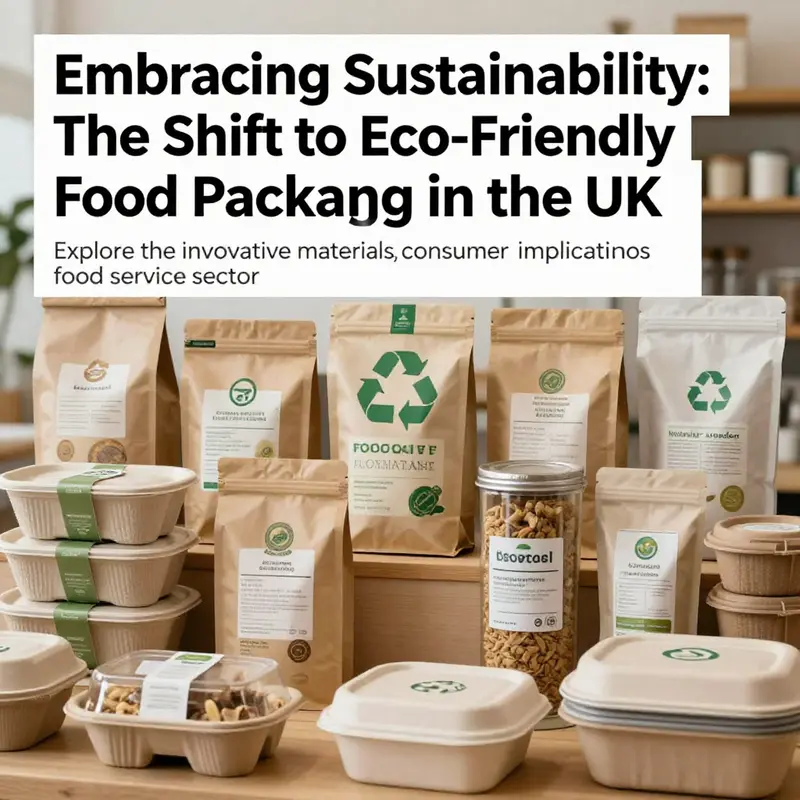
The rising urgency of environmental stewardship is driving UK food businesses to rethink their packaging strategies. Eco-friendly food packaging has moved from a niche concern to a mainstream requirement, especially for bubble tea shops, restaurants, food trucks, and corporate procurement teams. The forthcoming chapters will delve into the materials and practices that define sustainable packaging, the evolving consumer preferences driving demand, the regulatory landscape shaping compliance, and a comprehensive analysis of the economic impact of eco-friendly packaging. By understanding these aspects, businesses can align their strategies to not only meet regulatory standards but also resonate with a growing base of conscious consumers.
Practical Materials and Everyday Practices for Eco-Friendly Food Packaging in the UK
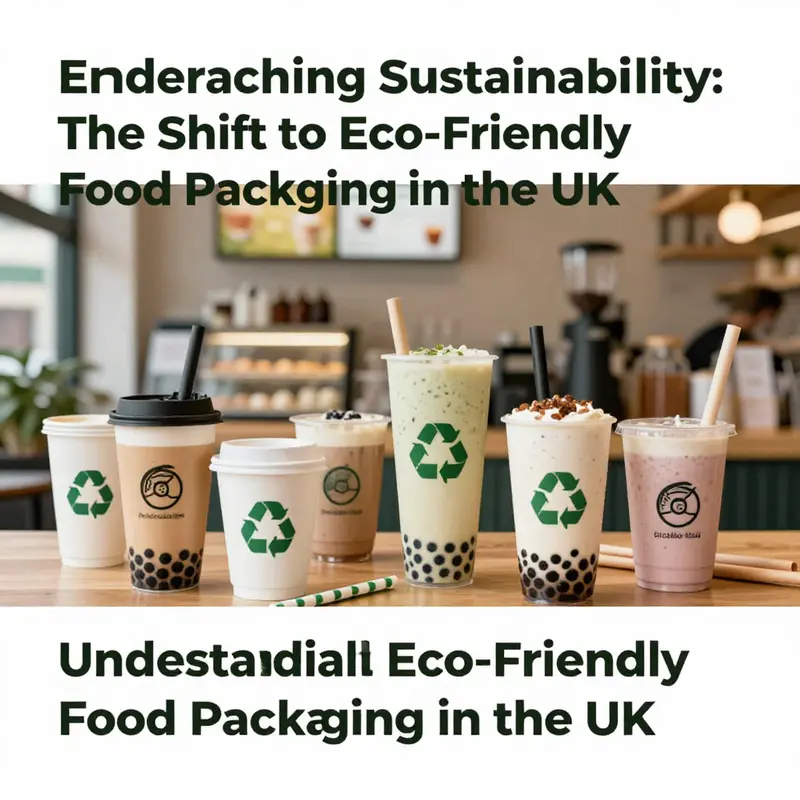
The path from concept to a truly sustainable food package requires more than swapping plastic for a green-labelled alternative. In the UK the shift towards eco-friendly food packaging combines material science, supply chain pragmatism, regulatory pressure, and consumer expectation. This chapter weaves those strands into a practical picture. It explains which materials work, why they perform the way they do, and how food businesses can adopt them without undermining food safety or commercial viability.
At the material level, sustainable packaging choices sit along a spectrum. On one end are traditional recycled fibres and uncoated cardboards. They offer well-understood recycling streams and low embodied carbon when sourced correctly. On the other end are plant-based polymers and compostable films that promise rapid breakdown in the right conditions. Between these poles are hybrid constructions — paper with thin barrier coatings, cellulose films laminated to kraft board, and moulded fibres reinforced for strength. Each option brings trade-offs in barrier performance, durability, cost, and end-of-life behaviour.
Biodegradable and compostable polymers often attract attention because they look like a direct substitute for conventional plastics. Polylactic acid (PLA), made from fermented plant sugars, and certain cellulose-based films derived from wood pulp, can provide grease and moisture resistance while offering industrial compostability. Their performance is context-dependent. PLA holds up well for chilled and dry foods, but it softens at higher temperatures. Cellulose films can be very clear and breathable, which benefits fresh produce, but their barrier properties against oxygen and water vapour are weaker than multi-layer petrochemical films unless combined carefully with coatings or laminates.
Recycled paper and cardboard remain the backbone of many sustainable food containers in the UK food sector. Properly recycled board delivers strong structural integrity for takeaway boxes, cartons and sleeves. When paired with water-based inks and minimal surface treatments, it can be widely accepted by local recycling systems. The key is avoiding plastic-lined or heavily waxed surfaces that disrupt recycling. Newer water- and solvent-free coatings can add grease resistance without undermining recyclability. They maintain the familiar advantages of card-based packaging: printability for branding, stiffness for stacking, and low cost compared with many biopolymers.
Compostable containers and bags require careful handling in practice. Most certified compostable materials need industrial composting conditions — sustained high temperatures, specific humidity and microbial activity — to break down fully. In the UK this means the waste stream and the available municipal infrastructure determine whether a compostable cup or tray really leaves no trace. When the municipal collection system lacks industrial composting or when compostable items are disposed of in general landfill, the environmental benefits vanish. For that reason, a responsible packaging strategy ties material choice to local waste collection and to clear consumer instructions.
Beyond raw materials, design choices influence sustainability more than many companies expect. Reducing material weight while preserving function, avoiding unnecessary multi-material laminates, and designing for easy separation of components at end of life all enhance circularity. For example, a sandwich box that uses a single type of kraft board with a clear cellulose window attached using water-soluble adhesive simplifies sorting. When a film window is heat-sealed into the lid, recycling becomes hard. Similarly, choosing a mono-material plastic cup that is widely recyclable in the UK often beats choosing a compostable cup that lacks a dedicated collection system.
Technical specifications matter because they tie packaging performance to food safety and waste reduction. Barrier properties determine shelf-life and food quality. Papers and boards vary in oxygen and moisture barrier. Coatings, laminates, and polymer films improve shelf-life but can complicate recycling. Sealing strength is essential for hot or greasy foods. Heat-resistant materials are required for microwaveable meals. Temperature limits, puncture resistance and grease-proofing must match the intended application. Testing protocols for migration, durability and shelf-life verification are not optional. Businesses should adopt standardised tests and document results for regulators and procurement partners.
Environmental impact assessment should guide decision-making. Life cycle thinking compares materials across production, use, and disposal. Recycled kraft board often scores well for embodied carbon and recyclability, especially when sourced locally. Biopolymers may show lower fossil-fuel inputs, but their overall footprint depends on agricultural inputs, fertiliser use and transport. End-of-life outcomes — recycling rates, composting availability, and likelihood of littering — strongly influence true environmental performance. Businesses should measure both carbon and waste impacts, and they must weigh trade-offs against functional needs like leak-resistance and durability.
Regulatory frameworks in the UK push packaging choices in a greener direction. Policies aim to reduce single-use plastics, improve recyclability, and increase recycled content in packaging. Compliance requires attention to material labelling, permitted additives, and evidence of compostability or recyclability claims. Many regulations also penalise mistaken claims. Clear, accurate on-pack communication helps consumers make the right disposal choice and reduces contamination of recycling streams. For example, a clear pictogram and simple sentence can guide whether to place the item in recycling, compost, or general waste.
Consumer preference is a powerful driver. Shoppers increasingly choose brands that show transparent commitments to sustainability. But their choices also depend on convenience. If a compostable container cannot be composted locally, consumers often place it in the general waste bin. Clear messaging and participation in collection schemes increase correct disposal rates. Packaging that balances convenience and credible environmental claims builds trust and repeat purchases. Consider sustainable design as a combination of tangible benefits — ease of use, aesthetics, and perceived environmental value.
Supply chain implications must not be underestimated. Switching to new materials affects procurement, storage and production lines. Biodegradable films may require different thermoforming settings. Paperboard with higher recycled content may have different print absorption properties. Suppliers need lead times and quality assurance. Contracts with packaging suppliers should include performance guarantees and testing routines. Smaller food operators can find transition costs significant; pooled purchasing, standardised specifications across outlets, and longer forecast horizons reduce unit costs.
Cost pressures are real but not static. Upfront costs for sustainable materials can be higher than for commodity plastics. However, total cost of ownership often favours better designs that reduce food waste, lower transport weight or enhance shelf appeal. Buying more durable, recyclable packaging can lower long-term waste handling fees and avoid regulatory fines. The emerging market for recycled feedstocks and improved manufacturing efficiencies will further narrow cost gaps.
Operational best practices help make the material choice stick. Start with a pilot programme. Test the new packaging in real operational conditions, including customer handling and waste behaviour. Measure leakage, return rates, customer feedback and disposal patterns. Train staff to present disposal advice to customers. Work with local waste collectors and composting facilities to ensure compatibility. Finally, use batch testing to confirm consistent material quality through the supply chain.
Labelling and certification offer credibility but require vigilance. Look for recognised standards for compostability and recyclability. Avoid vague claims such as “eco” or “environmentally friendly” without substantiation. Provide clear disposal instructions and, when possible, demonstrate third-party certification. Certification is a tool to build trust, but it is not a substitute for aligning packaging design with the actual waste infrastructure.
Collaboration is essential. The most effective gains come from partnerships across the supply chain: designers, material suppliers, waste managers and retailers. Shared specifications reduce complexity for recyclers. Collective purchasing can stimulate scale and lower prices. Engaging local authorities stimulates infrastructure investments that make compostable or recyclable materials more valuable. When businesses work together, innovation moves faster and infrastructure catches up.
Small changes can have outsized effects. A switch from a plastic-lined tray to a fully recyclable kraft board can reduce contamination in recycling streams. Removing unnecessary clear windows can increase recycled content. Choosing single-material constructions enables easier sorting and higher recycling yields. Each decision compounds across thousands of daily transactions.
For practical reference and guidance on implementing these practices across the UK food sector, industry bodies and advisory groups publish detailed recommendations and technical guidance. These resources explain certification criteria, recycling labels and technical testing frameworks. For more detailed insights into sustainable packaging practices and material innovations in the UK food industry, see WRAP’s official guidance: https://www.wrap.org.uk
For ready-to-use, recyclable takeaway solutions that follow the design principles above, consider switching to simple kraft paper containers with minimal coatings. One example of a commonly used option is an eco-friendly takeout box designed for food packaging, which balances durability, grease resistance and easy recycling. See this example of an eco-friendly takeout box for food packaging to visualise a practical configuration that aligns with the strategies described.
Adopting sustainable food packaging in the UK is a systems challenge rather than a single-product decision. Material choices must match food safety needs, regulatory obligations, and local waste infrastructure. Design for the end of life, test rigorously, engage supply chain partners, and communicate clearly to customers. This approach reduces environmental impact and strengthens consumer trust. Over time, it creates resilient, cost-effective packaging solutions that support a genuinely circular food economy.
From Awareness to Adoption: The UK Consumer Wave Steering Eco-Friendly Food Packaging
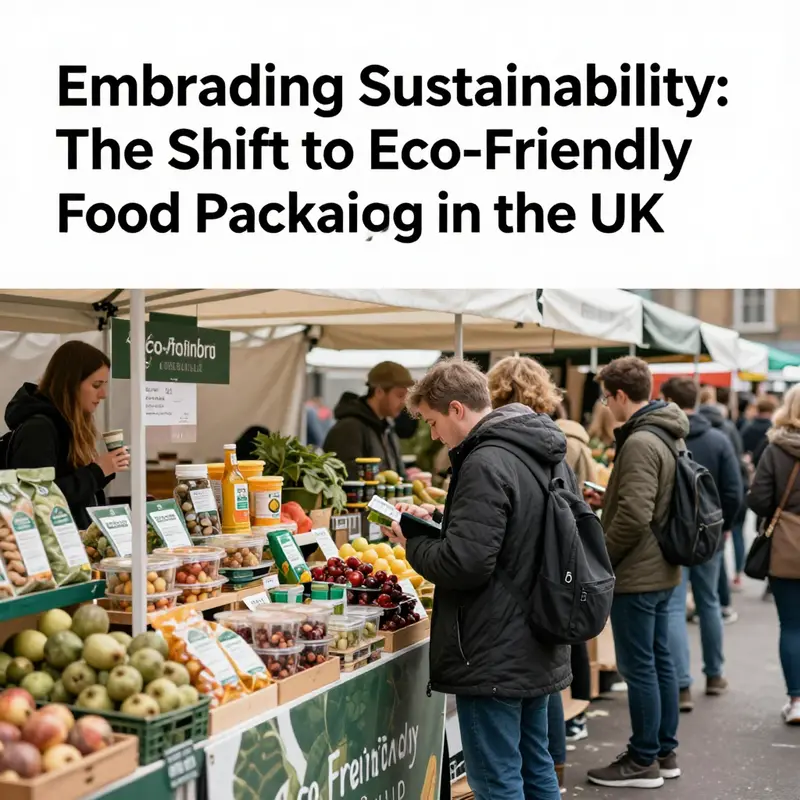
In the United Kingdom, a quiet shift has grown into a clear current: consumers increasingly demand packaging that aligns with a healthier planet. The 2024 landscape reveals a striking insight—more than seven in ten UK shoppers express concern about the fate of food packaging in the environment. This concern is not a mere mood; it translates into observable behaviors. People seek out products whose packaging signals lower ecological footprints, and they are more likely to back brands that demonstrate tangible commitments to sustainability. Yet, this is not a simplistic preference for greener boxes. It is a nuanced expectation that blends credible environmental claims with practical considerations of shelf life, hygiene, and convenience. For businesses operating in the UK, the consumer shift represents both an opportunity and a responsibility: to innovate packaging in ways that meet consumer values without compromising performance or affordability. The current moment is therefore less about a single trend and more about a recalibration of how packaging communicates value, safety, and stewardship to a public that can now see the consequences of waste with unprecedented clarity.
The spectrum of materials and designs that now attracts attention among buyers is as much about story as it is about science. The narrative begins with a broad move away from petroleum-based plastics toward materials that can biodegrade or be composted, ideally in consumer or industrial facilities. Polylactic acid, or PLA, is one material that has gained traction in the UK through its renewable origins—cornstarch or sugarcane—and its suitability for transparent windows, protective films, and cushioned packaging. PLA offers a practical route to reduce fossil carbon in the life cycle of packaging, yet it also invites a careful examination of end-of-life pathways. The reality is that industrial composting facilities, rather than household compost piles, often drive the performance of PLA-based packaging. This nuance matters for consumers who want to compost packaging at home; it matters to retailers who must align their waste streams with available infrastructure; and it matters to policymakers who seek to encourage end-of-life efficiency without creating false expectations about what compostability looks like in practice.
In parallel with plant-based plastics, more tangible forms of innovation are moving from novelty to necessity. Mushroom-based packaging, derived from mycelium and agricultural waste, has emerged as a compelling substitute for traditional foam. It delivers a strong, lightweight, and fully compostable alternative to polystyrene, which has long carried environmental baggage for its persistence in landfills. The mushroom-based approach speaks to a broader consumer sensibility: products that feel artisanal or nature-inspired in their origin carry a credibility that resonates with people who are wary of layered chemical additives in conventional plastics. There is a quiet confidence in the idea that packaging can be both protective and responsibly sourced, and that confidence is increasingly shared by shoppers who now connect the dots between material provenance and product integrity.
Cellulose-based films, produced from wood pulp, add another dimension to the sustainability toolkit. These films offer exceptional clarity, moisture resistance, and a pathway to full compostability, making them appealing for food and cosmetics packaging where visibility and protection are valuable. For consumers, the option to see contents clearly without sacrificing environmental performance can be a decisive factor, especially when shopping for staples in a world of frequent substitutions and product redesigns aimed at reducing plastic burden. The cellulose route also nudges brands toward more robust storytelling about sourcing, pulp production, and processing methods—elements that strengthen consumer trust when combined with credible certifications. Indeed, the credibility of packaging claims matters more than ever in an environment where misinformation can quickly erode confidence.
A crucial dimension of consumer decision-making in this space is certification. The UK consumer increasingly looks for independent verification that a claim—such as “compostable” or “fully recyclable”—is not merely aspirational but demonstrable. Labels like OK Compost and BPI Certified serve as benchmarks in a crowded market, helping shoppers translate vague promises into verifiable standards. Certifications also create common ground for retailers and manufacturers, enabling clearer communication across supply chains and with end users. For consumers, certifications reduce cognitive load; they provide a reliable reference point as people compare products that are otherwise similar in appearance and function.
As online shopping continues to redefine how people purchase, packaging decisions are under sharper scrutiny than ever. E-commerce shipments demand packaging that protects products during transit, preserves freshness, and minimizes waste across a longer lifecycle than in traditional retail settings. The online context amplifies the environmental footprint in two directions: first, the volume of packaging required to ship individual items securely; second, the challenge of ensuring that materials chosen for online orders meet consumer expectations for sustainability when they arrive on a doorstep. The market is responding with more compact, triply useful designs—packaging that reduces void fill while maintaining durability and barrier properties, and packaging that doubles as curbside compostable waste or is easily recyclable after use. The consumer response to these developments is telling: a visible preference for packaging that clearly communicates its end-of-life path and invites responsible disposal rather than ambiguity or greenwashing.
To understand why these shifts matter beyond individual purchases, it helps to connect consumer sentiment with the broader regulatory and waste-management context in the UK. The country’s packaging regulations and sustainability goals push brands toward more recyclable, reusable, and compostable options, encouraging innovation that reduces landfill volumes. The data illustrate a challenging starting point: the UK generates millions of tons of packaging waste annually, a figure that underscores the urgency of systemic improvements in design, material selection, and recycling infrastructure. The tension between consumer expectations and the practical realities of supply chains is not a barrier to progress but a map of where innovation must focus. Businesses are called to design packaging that is not only better for the environment but also engineered for circularity—so that materials can re-enter the economy rather than accumulate as waste. This implies a shift in the entire packaging lifecycle, from choice of raw materials to manufacturing process, distribution, and end-of-life management, with consumer engagement acting as a continuous feedback loop.
Within this evolving landscape, the relationship between consumer understanding and behavior becomes a focal point for brands seeking to align with the UK’s sustainability ambitions. Research on how people perceive sustainable packaging reveals that awareness alone is not enough; it must translate into confidence and action. The 2024 study cited in the literature shows that consumers are not only aware of the environmental implications of packaging but are actively seeking out products that demonstrate ecological responsibility. They want packaging that is easy to dispose of, clearly labeled, and compatible with local recycling or composting streams. They also want honesty about the limits of certain technologies. For example, while PLA offers a greener feedstock, it often requires specific facilities to realize its composting benefits. When consumers encounter packaging that fails to meet these realities, trust can erode. Brands that succeed in this arena tend to couple technical transparency with visible commitments—traceable supply chains, third-party certifications, and consistent messaging across channels. The result is a more informed consumer base that values brands willing to invest in credible environmental programs and that makes it easier for shoppers to participate in sustainable practices.
The consumer shift is not happening in isolation; it is reinforced by broader market dynamics and the evolving expectations of everyday life. The rise of convenience culture and the persistent demand for safe, hygienic packaging intersect with sustainability goals in ways that require clever design and robust material science. For instance, a shift toward recycled cardboard and other post-consumer materials reflects not only ecological awareness but also practical considerations about printability, barrier properties, and consumer experience. The choices brands make in this space influence how easily people can separate waste at home or in workplaces, which in turn affects the overall efficacy of recycling or composting schemes. In this sense, consumer demand functions as both compass and catalyst: it points toward packaging solutions that minimize environmental impact and accelerates the adoption of those solutions through market demand.
An important thread in this narrative concerns the credibility and transparency of sustainable claims. Consumers are more discerning than ever; they expect third-party validation and clear labeling that explains how a packaging solution behaves after use. In the UK context, consumer expectations align with the push for standardized declarations that help shoppers navigate a complex waste-management landscape. When brands pair a credible certification with a straightforward explanation of end-of-life options, they empower consumers to participate meaningfully in sustainability practices. This doesn’t merely influence purchases; it reshapes shopping habits, encouraging repeat engagement with products that demonstrate environmental integrity. Brands that fail to deliver clarity risk misinterpretation and backlash, particularly in an era when social media can amplify missteps and erode trust quickly.
The implications for manufacturers and retailers are clear. To meet rising demand and maintain competitive advantage, they must invest in packaging solutions that balance performance, cost, and environmental advantages. This involves a careful assessment of material innovations—such as PLA, mycelium-based composites, and cellulose films—and a robust strategy for end-of-life management that includes readily accessible recycling or composting options. It also means integrating credible certifications into product storytelling, ensuring that environmental claims are verifiable and aligned with local waste streams. The consumer’s voice, amplified by data and behavior analytics, becomes a guiding force for product development, packaging design, and even marketing strategies. In practice, this translates into packaging that is not just a wrapper, but a durable part of a circular system—one that can be returned, reused, or responsibly recycled in a way that reduces environmental burden over time.
As the UK moves forward, there is a compelling case for brands to embed sustainability into the core of their packaging strategy rather than treating it as a separate initiative. This approach resonates with a consumer base that has become more demanding and more educated about the lifecycle of products. It also aligns with the economic realities of modern retail, where costs, supply chain resilience, and regulatory compliance intersect. The challenge lies in achieving this integration without sacrificing the practicalities that matter to shoppers: protection during transport, compatibility with existing stores and online fulfillment processes, and clear, trustworthy messaging about how to dispose of packaging after use. The chapter’s synthesis of consumer trends and the material innovations they are driving suggests that the UK’s eco-friendly packaging chapter is not a niche trend but a substantive evolution in how products are designed, presented, and repurposed in a circular economy. For readers seeking concrete illustrations of how these principles unfold in practice, consider the broader body of research on consumer understanding and perception of sustainable food packaging, which provides a rigorous foundation for anticipating how shifts in consumer behavior translate into market opportunities and regulatory alignment. External research can be explored here: https://www.tandfonline.com/doi/full/10.1080/13562576.2024.1234567.
Within the narrative of consumer demand, several practical threads emerge for practitioners. First, there is a growing willingness to pay a premium for packaging that demonstrably reduces environmental impact, yet this willingness is conditional on reliability and transparency. Second, the credibility of environmental claims hinges on third-party verification and public communication that is neither defensive nor evasive. Third, there is a preference for packaging that blends biodegradability with functional performance—materials that protect food, maintain shelf life, and minimize waste without compromising user experience. Fourth, the online shopping channel intensifies the need for packaging that communicates end-of-life options clearly, since consumers are more likely to separate waste after delivery when they understand how to do so and why it matters. Taken together, these threads form a cohesive picture: the UK consumer is not only aware of sustainability in packaging but is actively shaping how products are designed, marketed, and disposed of, in ways that favor closed-loop thinking and real-world outcomes.
To connect the consumer lens with the material choices discussed earlier, it is helpful to imagine the packaging ecosystem as a dialogue between what people want and what science can tangibly deliver. This dialogue invites designers to think beyond aesthetics and toward systems thinking. It asks brand owners to consider supply chain compatibilities, to interrogate end-of-life pathways, and to ensure that certification marks are legible, trusted, and accessible to everyday shoppers. The result is packaging that is less a one-off product and more a component of sustainable living. In the UK context, this means building packaging that is resilient in distribution, recyclable in widespread municipal streams, and capable of being composted where infrastructure exists. The consumer’s evolving expectations create a powerful incentive for such a transformation, and the market is beginning to respond with a growing portfolio of solutions that demonstrate real environmental benefit as well as practical convenience.
For readers who want to explore specific examples of how these principles translate into consumer-facing realities, one can examine the range of choices available in eco-friendly packaging formats that align with consumer demand for clarity and convenience. For instance, takeout and bakery packaging that uses recyclable or compostable materials, with transparent labeling that explains disposal options, often accompanied by design features that minimize material use without sacrificing durability. Such designs not only appeal to environmentally conscious shoppers but also support retailers in meeting regulatory expectations and achieving waste reduction targets. As a final reflection, the chapter emphasizes that consumer trends are a powerful engine of change, but they work best when paired with credible information and robust end-of-life infrastructure. When these elements converge, the UK’s eco-friendly packaging landscape can move from incremental improvements to systemic, scalable transformations that benefit consumers, businesses, and the wider environment alike.
Internal resource note: for a practical sense of how packaging formats can align with sustainability narratives while maintaining consumer appeal, consider a look at this eco-friendly takeout packaging option featuring a multi-compartment, recyclable design: eco-friendly-disposable-3-compartment-food-grade-packaging-box-for-fast-food-high-quality-takeout-boxes-for-fried-chicken-french-fries-packaging/. This example mirrors the broader shift toward packaging that supports safe transport, responsible disposal, and clear consumer understanding, all without compromising the user experience. For a broader, external exploration of consumer perceptions and sustainable packaging, the cited peer-reviewed analysis provides a rigorous backdrop to these observations: https://www.tandfonline.com/doi/full/10.1080/13562576.2024.1234567.
Navigating the UK’s Eco-Friendly Packaging Rules: Design, Compliance, and the Path to Clean, Market-Ready Packaging
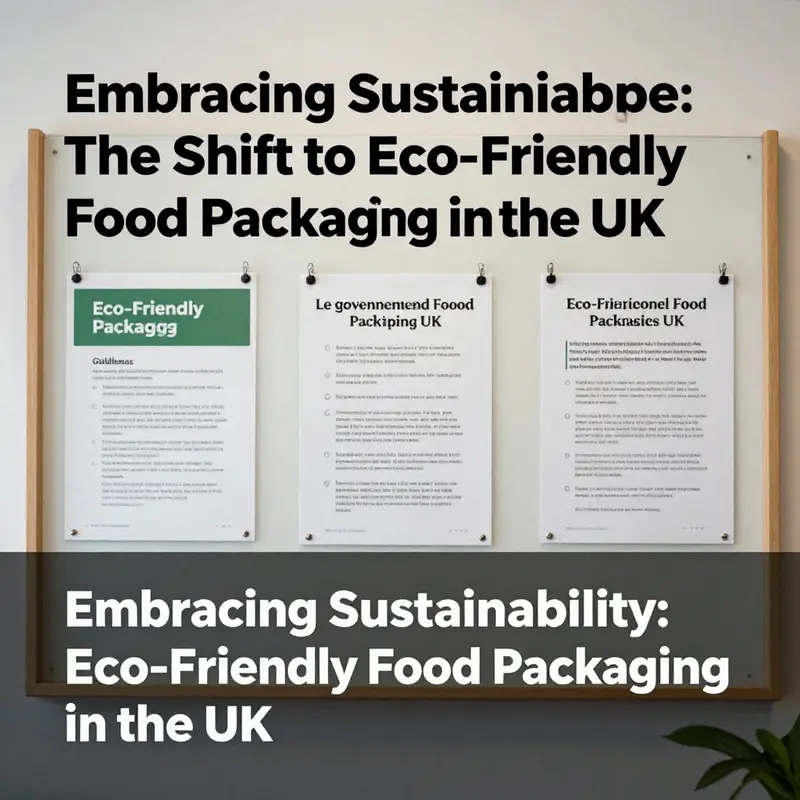
In the United Kingdom, the regulatory landscape surrounding eco-friendly food packaging has evolved from a series of evolving guidelines into a cohesive framework that shapes every stage of the packaging lifecycle. This landscape does not merely dictate what materials may be used; it steers how products are designed, labeled, and disposed of, and it presses brands to account for the end life of every package as part of a broader circular economy. At the heart of this transformation is a blend of fiscal measures, voluntary standards, and information requirements, all calibrated to reduce plastic waste, improve recyclability, and protect consumer health. The result is a regulatory environment that rewards innovations in packaging design while insisting that those innovations remain compatible with existing waste management infrastructure and environmental safety norms. For businesses that operate in the UK market, the imperative is not simply to comply with a checklist but to embed a systematic approach that anticipates regulatory shifts, aligns with consumer expectations, and sustains supply chain resilience through smarter material choices and smarter product design. A core axis of this approach is the plastic packaging tax, introduced with the aim of nudging manufacturers toward higher recycled content and a more circular use of materials. Effective from April 2022, the Plastic Packaging Tax imposes a charge on plastic packaging that contains less than 30 percent recycled content. The policy is straightforward in its intent: make recycled content economically more attractive than virgin plastic, thereby stimulating demand for recycled materials and encouraging suppliers to invest in recycling capabilities and new feedstocks. For packaging developers and producers, that means a careful audit of the content of each packaging format, a robust plan to increase recycled content where feasible, and a readiness to adjust formulations as recycled materials become more available and consistent in quality. The tax underscores a broader regulatory logic: packaging is not a mere container but a component of the resource loop that must be managed with a long-term view of waste streams, end-of-life processes, and the health of ecosystems. It nudges businesses to reframe packaging decisions around quantifiable sustainability outcomes rather than quick cost reductions. The regulatory emphasis on recyclability is reinforced by voluntary frameworks coordinated by WRAP, which provides practical guidance through the Recyclability of Packaging framework. This framework does not dictate rigid specifications; instead, it clarifies how a package can be designed to be accepted by the UK’s current waste sorting and recycling infrastructure. It helps brands avoid common pitfalls that render packaging unrecyclable or difficult to process, such as incompatible materials, multilayer constructions that resist separation, or adhesives that contaminate recycling streams. The guidance also invites collaboration across the supply chain, encouraging designers, manufacturers, retailers, and waste handlers to align on common testing methods, labeling conventions, and end-of-life pathways. The interaction between mandatory rules and voluntary standards creates a dynamic space where compliance turns into competitive advantage. Beyond design for recyclability, the Environmental Information Regulations require packaging to carry clear signals about disposal options. This labeling responsibility ensures that consumers receive accurate directions on whether an item is recyclable, compostable, or biodegradable, along with concise disposal instructions. The aim is twofold: empower consumers to make informed decisions and reduce the likelihood of misguided disposal that contaminates recycling streams or ends up in landfill. The emphasis on transparent labeling also supports the broader objective of consumer trust. When shoppers can readily identify the most sustainable option, their choices reinforce market demand for packaging that aligns with environmental goals. In parallel with these information requirements, Food Contact Materials legislation remains a cornerstone of the regulatory framework. Any packaging intended for contact with food must meet stringent safety standards to prevent migration of substances into food products. This regime ensures that while packaging innovations pursue lower environmental impact, they do not compromise consumer health or product integrity. The compliance environment is reinforced by tools and guidance offered by the Environment Agency, including the Packaging Waste Regulations and the Plastic Packaging Tax Calculator. These tools help businesses navigate reporting, quantify tax liabilities, and understand how changes in recycled content affect the tax position. The presence of such tools reflects a broader regulatory design: produce clarity for businesses while maintaining flexibility for innovation. Industry coalitions, such as the Sustainable Packaging Coalition and the UK Plastics Pact, further shape practice by encouraging shared targets, harmonized testing standards, and collaborative pilots across sectors. The result is a climate wherein consistent, cross-industry cooperation can accelerate the adoption of sustainable packaging solutions. The official government resources site provides the definitive point of reference for these regulations and accompanying guidance. For companies seeking a consolidated overview and the most current stipulations, the Plastic Packaging Tax Guidance offers detailed explanations of the tax’s scope, exemptions, and calculation methods. This guidance helps ensure that businesses can align their packaging procurement, production planning, and labeling with regulatory expectations in a coherent, auditable manner. The regulatory landscape is not static, and that is a core reason why compliance tools and ongoing training matter. Businesses are expected to maintain up-to-date records, monitor regulatory developments, and adjust packaging strategies in response to changes in recycled-content thresholds, labeling requirements, or new directives aimed at reducing waste or improving material recoverability. In practice, that means integrating regulatory considerations into the earliest stages of packaging design rather than treating compliance as a post-production step. A practical implication of this approach is a shift toward materials and constructions that harmonize durability, shelf-life, and environmental profile. Biodegradable and plant-based materials, recycled cardboard, and compostable containers are prominent in the evolving toolkit, but their regulatory acceptability hinges on how they perform in real-world disposal streams. For instance, a compostable bag might be technically compliant under certain conditions, yet fail to achieve desired outcomes if it is not collected or processed within appropriate industrial facilities. Consequently, designers must balance performance with system-level viability, selecting materials and formats that align with local waste management capabilities, consumer usage patterns, and the realities of post-consumer collection. The legal framework thus acts as a compass, guiding choices that optimize lifecycle outcomes rather than focusing solely on single-point performance metrics. In the planning stages of product development, teams can embed regulatory risk assessment into their workflows. This involves mapping out end-of-life scenarios, evaluating recyclability against the current infrastructure, and choosing labelling strategies that minimize confusion. It also means anticipating potential regulatory shifts, such as revised thresholds for recycled content or new disclosures around environmental impact, and building flexibility into packaging designs to accommodate such changes without undermining brand continuity. The design implications extend to practical considerations on the shop floor and in the supply chain. For example, choosing materials that can be readily separated in sorting facilities reduces contamination, enhances recycling rates, and lowers lifecycle environmental impact. It also supports more predictable waste streams, which in turn informs forecasting, procurement, and inventory management. Suppliers and manufacturers are increasingly required to audit their packaging portfolios to identify formats that are non-compliant with current rules or at risk of becoming non-compliant as regulations tighten. The regulatory regime thus incentivizes continuous improvement and consistent evaluation of packaging choices. The commercially minded reader will recognize that this is not simply about meeting compliance benchmarks; it is about building resilience into products and processes. When packaging is designed with recyclability in mind, a brand can maintain product integrity while reducing material waste and operating costs associated with waste management and regulatory risk. Industry-wide efforts to publish best practices and to align on standardized testing and labeling further reinforce this objective, enabling a smoother transition for businesses of different sizes and from different sectors. The practical takeaway for many operators is to start with a comprehensive materials audit and to reframe packaging design as a regulated, strategic discipline rather than a peripheral concern. The bakery, ready-meal, or takeaway segment, in particular, presents a fertile ground for applying these principles through packaging that meets regulatory criteria without compromising consumer appeal. An illustrative example can be found in the domain of cake and pastry packaging shaped by foldable boxes with windows. This packaging format, which blends visibility with compact form, can be optimized for recyclability and compatibility with UK waste streams by selecting paper-based substrates and liners that separate cleanly in recycling facilities. A case in point, represented by the internal link to foldable cake boxes with window bakery packaging, demonstrates how design choices translate into clearer labeling, easier recycling, and better shelf appeal while staying within regulatory boundaries. When planning such a solution, teams should verify that the materials and adhesives used do not hinder recycling or contaminate compost streams, and they should implement labeling that clearly communicates disposal pathways to consumers. The regulatory framework also invites ongoing collaboration with waste management partners and regulators to test and refine new formats, ensuring that innovations reach the market in a way that is both compliant and commercially viable. In this sense, the landscape is not a barrier but a map guiding sustainability-led growth. The broader ecosystem of policy, industry initiatives, and consumer expectations converges to push businesses toward packaging that is not only legally compliant but also easier to collect, sort, and reuse. The emphasis on monitoring, documentation, and transparency helps brands build trust with consumers who increasingly seek products that align with environmental values. As regulations evolve, so too does the skill set required to translate legal requirements into practical packaging solutions. Designers, engineers, compliance specialists, procurement professionals, and sustainability officers must collaborate to ensure that every packaging decision contributes to a coherent, auditable, and scalable path toward lower environmental impact. The integrated approach also aligns with the UK’s broader regulatory and policy aims, including the reduction of landfill waste and the promotion of material circularity. It is a more holistic way to think about packaging, one that recognizes the role of packaging as an essential part of the food system, yet accountable to the same stewardship principles that guide other sectors in the economy. For teams seeking concrete guidance beyond the regulatory texts, the government’s official resources provide a reliable anchor. They outline the precise applicability of the Plastic Packaging Tax, the operational steps for calculating liability, and the interplay between tax compliance and packaging design decisions. In addition, the Industry Initiatives and the Environment Agency’s compliance tools offer practical pathways for businesses to implement best practices, test their packaging against evolving standards, and document their progress for audits and stakeholder reporting. To bring this discussion back to a practical frame, consider the everyday choices a business might make when updating packaging lines. Begin by auditing current packaging formats for recyclability and end-of-life compatibility, then map each format to the local waste management infrastructure. If a pack can be captured effectively in recycling streams with minimal contamination, it is a strong candidate for scale-up. If a format relies heavily on coatings or multilayer constructions that complicate recycling, it may require redesign or substitution with more modular components. Throughout, maintain clear consumer guidance on disposal, drawing on labeling standards to reduce confusion and contamination. Finally, keep in view the regulatory horizon. The packaging tax environment, recyclability expectations, and labeling requirements will continue to evolve as technology and waste systems advance. Adapting early reduces disruption and positions brands to meet new standards without compromising quality or market position. For readers who want a practical orientation to the regulatory framework, a concise external reference provides a useful anchor: https://www.gov.uk/government/publications/plastic-packaging-tax-guidance. This resource complements the internal guidance and underscores the alignment between policy design and real-world packaging choices. Iterative review, cross-functional collaboration, and a focus on end-to-end lifecycle performance will therefore remain essential as the UK packaging landscape continues to mature. As we look toward the future, the regulatory story will likely reward those who pair robust compliance with proactive packaging innovation, ensuring that eco-friendly packaging in the UK remains both credible with regulators and compelling to consumers. External resource: https://www.gov.uk/government/publications/plastic-packaging-tax-guidance
Funding the Future: The Economic Trajectory of UK Eco‑Friendly Food Packaging—Costs, Benefits, and the Leap Toward Circularity

In the United Kingdom, the move toward eco‑friendly food packaging is becoming a defining lens through which businesses view competitiveness, resilience, and long‑term value. It is not merely a question of meeting a regulatory tick box or chasing consumer taste; it is about aligning operations with a broader economic reality in which waste, energy use, and end‑of‑life responsibility translate into dollars and strategic risk. The chapter that follows untangles this reality by stitching together the immediate fiscal pressures of sustainable materials with the longer horizon of brand equity, regulatory alignment, and market dynamics. It paints a picture of a sector that, while facing higher upfront costs, can unlock durable gains through smarter design, smarter sourcing, and smarter storytelling about what a truly sustainable product promises to the consumer.
At the core of the economic argument lies a simple but powerful tension: sustainable packaging often costs more at the point of production, but it can yield disproportionate benefits over the life cycle of a product. Biobased polymers, recycled paper, and plant‑derived alternatives frequently carry higher unit costs than conventional plastics. These costs stem from a combination of feedstock prices, capital investments in new processing lines, and the need for clean‑room or climate controls to handle more delicate materials. Yet the same materials can deliver efficiency gains elsewhere. For instance, lighter or more rigid packaging can reduce freight mass, lowering distribution costs and carbon footprints. In addition, the potential for longer shelf life, better protection against moisture and oxygen, and improved seal integrity can translate into reduced product waste and a stronger retail performance, which ultimately influences bottom lines.
The regulatory environment in the UK amplifies the cost‑benefit calculus in meaningful ways. The Plastic Packaging Tax, introduced in 2022, provides a financial signal to increase recycled content and push for recyclability. Extended Producer Responsibility (EPR) schemes, under discussion and refinement, promise to shift some end‑of‑life costs back toward manufacturers, encouraging design for recycling and more responsible packaging formats. These policies are not abstract incentives; they shape the cost architecture that firms must navigate when choosing materials, supply chains, and end‑of‑life strategies. A company that integrates recycling content, designs for disassembly, and selects materials with straightforward sorting streams is better positioned to minimize future liabilities and penalties. In practice, this means strategic choices about where to source materials, how to structure packaging geometry for recyclability, and how to communicate compostability or recyclability to the consumer without creating confusion at the waste stream stage.
Consumer expectations play a pivotal role in this economic narrative. The British Retail Consortium’s surveys show a clear willingness among a sizable majority of UK shoppers to pay a premium for products with sustainable packaging. This willingness is not merely aspirational; it translates into actual pricing power when the packaging delivers perceived value—a combination of responsible materials, credible environmental claims, and a packaging experience that reinforces product quality. When brands can justify a premium through improved product protection, perceived freshness, and a story about environmental stewardship, the premium can be embedded into the product price without eroding demand. Crucially, this premium is not universally sustainable but depends on transparent communication and consistent performance. If a packaging solution makes a claim about recyclability or compostability but creates confusion at the consumer’s waste stream or fails in real waste management, the premium evaporates and the economic argument falters.
From a procurement standpoint, the path to cost efficiency lies in strategic sourcing and scale. The market for eco‑friendly packaging has expanded from a niche to a broader supply ecosystem, which means more suppliers, more certification standards, and more potential for economies of scale. Strategic sourcing concentrates on supplier reliability, materials provenance, and process compatibility with existing manufacturing lines. The procurement lens also looks at risk—geopolitical factors, commodity price volatility, and the stability of recycling streams. By diversifying suppliers and aligning supplier capabilities with product specifications, firms can reduce disruption risk and negotiate better terms that reflect volume, long‑term contracts, and joint development efforts. The role of platforms and marketplaces in this context is not to replace supplier relationships but to augment them with verified options, standardized packaging specifications, and traceable sustainability credentials. In practical terms, this can mean reduced lead times, fewer stocking interruptions, and more predictable cost trajectories—factors that feed directly into capital budgeting and annual operating expenses.
The lifecycle economics of packaging matter deeply here. A product that uses a package with a higher upfront cost but delivers lower post‑consumer waste disposal fees, easier recycling, and clearer composting pathways forecasts a favorable net present value over a multi‑year horizon. Durability and shelf life are not trivial technicalities; they determine waste outflows and, by extension, the sustainability case. Packaging that resists puncture, heat, and moisture ingress can preserve product integrity longer, especially for perishable or semi‑perishable items, reducing returns and complaints that erode margins. On the other hand, not all eco‑friendly materials improve life cycle outcomes. Some bioplastics, for example, require industrial composting facilities to reach end‑of‑life goals that may not be widely available. This mismatch can jeopardize claims about environmental benefits and complicate the cost calculus. The engineering challenge, therefore, is to design packaging that reconciles consumer convenience, supplier capabilities, and municipal waste management realities, all while keeping total costs within a reasonable band for the brand’s positioning.
In the UK market, the sourcing strategy for packaging has become a strategic lever for growth. As consumer demand tilts toward sustainability, retailers and manufacturers that optimize procurement not only reduce waste and emissions but also strengthen resilience against price shocks and supply interruptions. A well‑structured procurement strategy for eco‑friendly packaging prioritizes long‑term supplier relationships, clear material specifications, and rigorous testing for performance metrics such as barrier properties, seal integrity, and printability. Procurers increasingly look for standardized certifications and life cycle data that help translate the environmental attributes of materials into credible, auditable claims. This is not merely about green branding; it is about instituting a reliable supply chain that can deliver the right materials at the right times, with consistent performance and traceable provenance. In a landscape where regulatory changes can rapidly alter the cost of noncompliant packaging, the ability to adapt procurement terms quickly becomes a critical competitive advantage.
Interwoven with these procurement dynamics is the practical reality of design for circularity. Packaging design can do much of the heavy lifting in reducing total cost of ownership by enabling recycling streams, enabling easier separation of components, and reducing the complexity of waste management. Simpler materials with well‑understood recycling streams can lower processing costs for waste handlers and improve the rate at which post‑consumer packaging reenters the economy as feedstock. As designers and engineers collaborate with suppliers, the trade‑offs between barrier performance, weight, cost, and end‑of‑life pathways become more transparent. The outcome is not a single best material but a portfolio of options that balance performance with environmental impact and cost trajectory. A portfolio approach also supports risk management, because switching among materials or adjusting packaging geometry in response to policy shifts or waste management realities can be done with less disruption when options are readily available and tested.
Amid this evolving framework, the consumer‑facing narrative remains essential. The branding and marketing implications of eco‑friendly packaging go beyond simply “being green.” They shape trust, influence perceived product quality, and create a language of accountability that resonates with modern shoppers. When a packaging solution is credible—backed by clear end‑of‑life information, third‑party certifications, and consistent performance—it becomes part of the product’s value proposition. In practice, this means that pricing strategies can reflect not only the material cost but also the added value of sustainability: reduced waste, stronger brand loyalty, and lower regulatory risk. Conversely, claims that are vague or contradictory can undermine the value proposition and depress willingness to pay. The balance is delicate and requires rigorous testing, honest communication, and ongoing collaboration with retailers, waste management systems, and regulators.
To illustrate how this plays out in real terms, consider a hypothetical packaging transition that prioritizes recyclability and reduced weight. The initial capital expenditure might rise as a plant shifts to recycled58 content materials and adapts lines to handle new resins. Over a five‑ to seven‑year horizon, unit costs could decline as suppliers scale up and learning curves flatten. The brand benefits from improved consumer perception, higher discretionary spend, and a safer compliance posture given the tightening regulatory environment. Even in markets where a premium price is not universally accepted, the premium can be distributed across multiple products within a brand family, creating a differentiated value proposition that supports a coherent portfolio strategy. In short, the UK market’s economic architecture for eco‑friendly packaging rewards early adopters who couple material science with intelligent design, disciplined sourcing, and transparent customer communication.
As businesses navigate these waters, they should also consider the practicalities of supplier networks and procurement platforms that can help streamline the transition. Reliable suppliers, certifications, and scalable production capabilities matter as much as material performance. A robust supplier ecosystem enables not only cost efficiencies but also collaborative research and development, joint optimization of packaging formats, and shared risk management. The goal is not simply to acquire packaging; it is to secure a stable pipeline of sustainable packaging options that align with product specifications, waste streams, and regulatory expectations. This synergy between design, sourcing, and consumer communication underpins a resilient business model that can weather shifts in policy, raw material markets, and consumer sentiment.
For practitioners seeking to deepen their understanding of procurement optimization in this space, practical guidance exists in resources that map supplier insights and strategic sourcing approaches for eco‑friendly packaging. See this external resource for a detailed examination of supplier strategies and procurement optimization: https://www.alibaba.com/product-detail/Strategic-Sourcing-of-Eco-Friendly-Food-Packaging_1600498539679.html
Ultimately, the economic case for eco‑friendly packaging in the UK rests on a synthesis of upfront investments and long‑term value creation. While the initial costs are undeniable, the trajectory toward greater regulatory clarity, consumer willingness to pay, and supplier‑driven efficiencies can produce a favorable ROI over the product lifecycle. The path requires disciplined capital budgeting, rigorous supply chain management, and a marketing narrative that convincingly links sustainability to quality and reliability. In this frame, eco‑friendly packaging is not a cost center but a strategic asset—one that can contribute to stronger market position, more predictable cost structures, and a future in which circular economy principles drive sustained profitability and environmental stewardship.
As the sector evolves, firms that harmonize material science with end‑of‑life realities, invest in scalable processing technologies, and cultivate transparent relationships with customers, regulators, and waste streams will be best positioned to thrive. The economic advantages may materialize slowly, but the combined effect of compliance, consumer trust, and supply‑chain agility can yield a durable competitive edge. The UK’s journey toward sustainable packaging thus represents more than an environmental imperative. It is a strategic reset that reshapes cost structures, revenue opportunities, and corporate resilience—an investment in a circular economy that aligns with both financial aspirations and planetary stewardship.
Final thoughts
The transition to eco-friendly food packaging is no longer just a trend—it’s a necessity for businesses looking to thrive in the current UK market landscape. By understanding the materials that help reduce environmental impact, recognizing consumer preferences that lean toward sustainability, navigating the regulatory frameworks, and analyzing the economic benefits, businesses can position themselves as leaders in the movement towards an eco-friendly future. This process does involve challenges, but the potential for enhancing brand loyalty and appealing to a conscientious consumer base positions eco-friendly practices as a strategic advantage.