
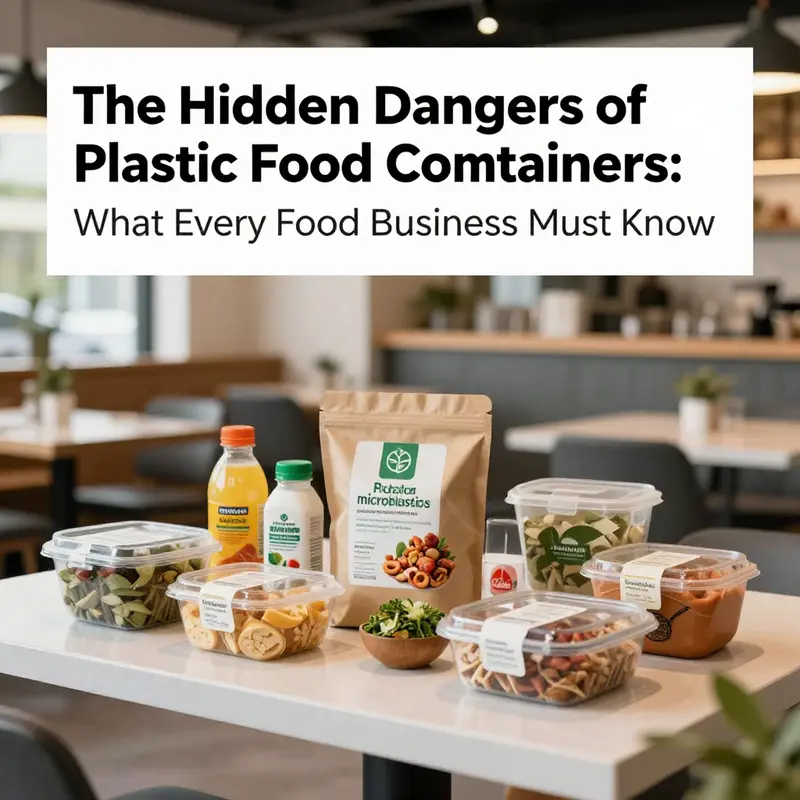
Plastic food containers are staples in the food service industry, but their convenience comes with hidden dangers, particularly the potential release of microplastics. Recent studies have raised concerns about the health risks posed by microplastics released from these containers during regular use and heating. As professionals in the food and beverage sector, understanding these risks is crucial for protecting customers and ensuring business sustainability. This article will guide you through the mechanisms of microplastic release, examine the health impacts, consider environmental consequences, and present effective mitigation strategies to safeguard your business and clientele.
Heat, Wear, and Leaching: The Hidden Routes of Microplastics from Plastic Food Containers
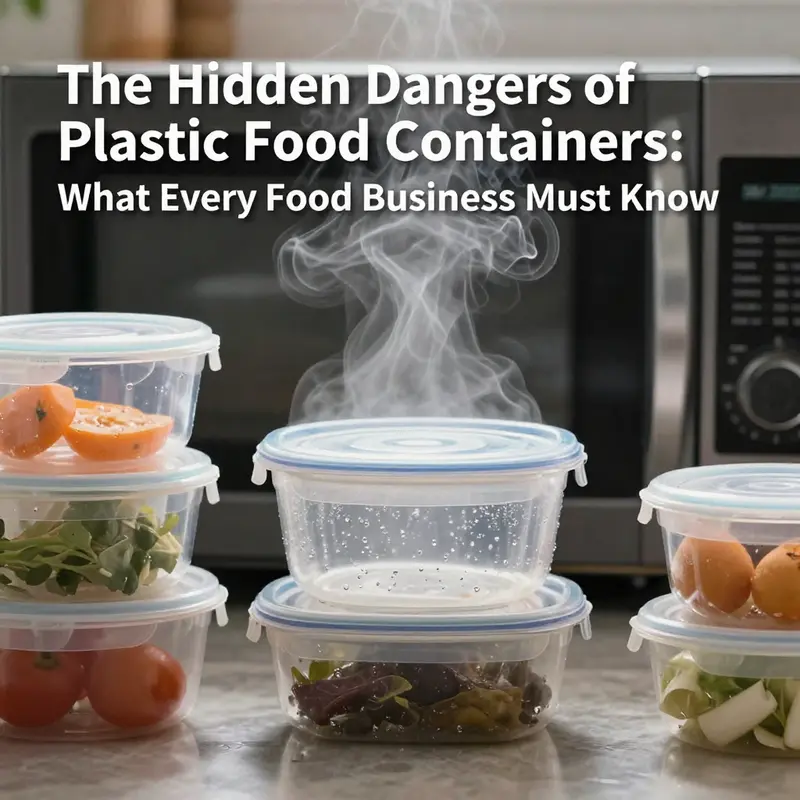
Everyday meals arrive in plastic containers, and many assume the packaging is a neutral, inert shell. Yet mounting evidence reveals that these containers can become active participants in a disturbing process: the release of microplastics and nanoplastics into food during routine use. The narrative of risk here is not about a single dramatic event but about a cascade of small, repeated interactions—heat, friction, and chemical contact—that gradually erode the very material meant to protect what we eat. The consequences, while insidious, are increasingly clear. When plastic is heated, scratched, or exposed to certain foods, its polymers can break apart into tiny fragments small enough to be swallowed, absorbed, and transported through the body. The scale of this release is often quantified in astonishing numbers, underscoring why researchers treat plastic food containers as a notable source of microplastic exposure in the human diet. In this light, the seemingly mundane act of reheating leftovers or sealing a snack becomes part of a larger conversation about food safety, industrial design, and public health.
Thermal stress emerges as the most potent catalyst for microplastic liberation. Temperature is not just a trigger; it accelerates the very physics of polymer failure. When containers are heated—whether in a microwave, a hot-water bath, or simmering soup—the polymer chains extend, vibrate, and sometimes rearrange in ways that promote fragmentation. A landmark finding from Environmental Science & Technology in 2022 showed that heating food in plastic containers could release up to 4.2 million microplastic particles per liter. The amount climbs with higher temperatures and with repeated use, creating a feedback loop where more use leads to more degradation and, consequently, more exposure. This thermal mechanism is supported by multiple lines of inquiry. Studies comparing microwave heating with conventional heat have demonstrated that the thermal environment inside the container and the food itself contributes to similar levels of micro- and nanoplastic release. In practical terms, the kitchen is a laboratory of sorts, where the act of warming a meal in a plastic container becomes a process that nudges countless polymer fragments into the surrounding food. The numbers invite caution. If a small container can shed millions of particles in minutes, imagine the cumulative exposure from daily meals across a week, a month, or a year.
Yet heat does not act alone. Mechanical stress compounds the problem. The physical life of a plastic container involves repeated cycles of handling, washing, and rubbing. Scrubbing with utensils, agitation during mixing, and even the mechanical strain of freezing and thawing can erode surfaces and create micro-scratches. Each scratch or microcrack becomes a new initiation site for fragment release. Even when a container seems sturdy, the friction between the container walls and everyday utensils can generate microscopic wear that bleeds microplastics into the food. The role of mechanical wear is particularly relevant for reusable containers, which endure dozens of wash cycles. Over time, the cumulative surface damage can be as consequential as episodic heating, contributing a steady trickle of fragments into meals and beverages. In a broader sense, mechanical degradation emphasizes that not only the extreme conditions but also the ordinary handling of containers matters. The logic is simple: repeated contact, pressure, and cleaning can harvest microplastics from the container’s surface as surely as any single high-heat event.
Chemical exposure adds another layer of complexity. The type of food stored in a container matters, because certain chemicals can interact with the polymer matrix in ways that accelerate degradation. Acidic items, like citrus juices and tomatoes, and fatty or oily foods, such as fried items or braised dishes, are especially influential. They can facilitate the leaching of additives and promote polymer breakdown. This chemical dimension helps explain why some packaging materials behave differently under seemingly similar conditions. It is not simply temperature or mechanical wear in isolation; the dietary context matters. In effect, the chemistry of the food acts as a solvent or catalyst, either enhancing fragility or altering the release pathways of microplastics and coexisting chemical contaminants. The synergy among heat, friction, and chemical exposure creates a robust hazard profile for plastic containers in real-world use.
The chapter of evidence linking these mechanisms to health risks is growing, though much remains to be understood. A 2024 study from Ningxia Medical University, reported in the Science of the Total Environment, demonstrated that single-use plastic containers exposed to boiling water for 15 minutes could induce myocardial tissue damage in laboratory mice, accompanied by a significant rise in inflammatory markers. While extrapolating from mice to humans requires caution, the finding signals a potential cardiovascular dimension to microplastic exposure, especially under conditions of optimistic usage—long heating cycles or repeated exposure to hot liquids. In parallel, researchers have detected microplastics and nanoplastics in human tissues, including the placenta, blood, and lungs, raising concerns about bioaccumulation and transport to sensitive organs. The particles themselves are not passive; they can carry a cargo of toxic pollutants, such as heavy metals, polychlorinated biphenyls, and various plasticizers. This “sponge effect” means plastics may shuttle harmful substances into the body, compounding potential health risks with each exposure event.
From a public health perspective, the implications extend beyond immediate exposure. Chronic ingestion of microplastics, even at low doses, has been associated with inflammatory responses and oxidative stress in experimental models. While a direct, dose-dependent link to human disease remains the subject of active research, the convergence of evidence from heating studies, mechanical wear, and chemical interactions paints a consistent picture: plastic containers are not passive bystanders. They are active participants in a pathway that can introduce microplastics and co-contaminants into meals and, by extension, into the human body. This recognition reframes the everyday decision to reheat or reuse plastic containers as a risk management question rather than a mere convenience choice. It invites consideration of material alternatives, safer usage practices, and more protective design standards.
The practical upshot is not to shun all plastics but to acknowledge the conditions under which they become risk factors. Temperature thresholds matter, and higher temperatures amplify release. Repeated use amplifies wear, and contact with fatty or acidic foods intensifies chemical leaching. In light of these findings, safer practice emerges as a multi-pronged stance. Limit heating in plastic whenever possible. Favor gentle, non-heated storage for fatty or acidic items when feasible. Replace aged containers that show scratches or clouding, which may indicate compromised surfaces. Consider switching to materials inherently resistant to heat and chemical attack, such as glass, ceramics, or stainless steel. The cumulative effect of these adjustments could meaningfully reduce the intake of microplastics from daily meals.
To illustrate a practical path forward, consumers can look toward packaging options designed to minimize risk without sacrificing convenience. For instance, some packaging forms emphasize safer, heat-resistant properties and robust barrier performance. As one concrete example, there are eco-friendly and safer takeout options designed to withstand typical restaurant use while reducing the leaching potential. For readers seeking safer packaging in practice, consider the option of the eco-friendly takeout boxes for fast food packaging. These designs aim to balance usability with material resilience, reducing the likelihood of surface wear and heat-induced fragmentation. This is not a panacea, but it represents a structural approach to risk reduction that aligns with the broader public health objective of lowering microplastic exposure in the food chain. The broader implication is clear: while complete elimination of microplastic exposure may be unrealistic in the near term, thoughtful material selection, safer usage guidelines, and improved product design can collectively reduce the burden considerably.
Despite the advances in understanding, the landscape remains complex. The precise dose–response relationship between microplastic ingestion and human health outcomes is still under study. What is certain is that microplastics are present in a wide range of consumer contexts and that heating, mechanical action, and chemical exposure can accelerate their release. This triad of mechanisms creates a pervasive potential for exposure across everyday dining practices. The path forward involves multiple stakeholders—from scientists who refine exposure assessments to designers who reimagine packaging, to policy makers who set safety standards, and to consumers who adjust habits. In that sense, the challenge is not only about curbing exposure but about cultivating resilience in both products and practices. A shift toward safer materials, better reuse policies, and smarter cooking and storage habits could reduce the rate at which these particles enter our meals and, ultimately, our bodies.
In summary, the release of microplastics from plastic food containers is driven by three interlinked processes: thermal stress, mechanical wear, and chemical exposure. Heat sharply accelerates fragmentation; friction and scratching compound surface damage; and the chemical environment of foods—especially acidic and fatty items—facilitates additives’ leaching and polymer breakdown. The converging evidence from 2022 and 2024 studies, alongside organ-specific health indicators in animal models and tissue-level detections in humans, underlines the health relevance of everyday choices about packaging. The message is pragmatic: reduce reliance on hot foods in plastic containers, avoid reusing aged plastics, and favor materials with strong heat and chemical resistance when feasible. The designs we favor today can shape the exposure landscape of tomorrow. For readers who want cleaner options in practice, exploring safer packaging choices offers a tangible step toward aligning daily routines with emerging science. Further reading can be found in the external study cited below for those seeking a deeper dive into the heating-related release dynamics that underpin these findings. External resource: https://www.sciencedirect.com/science/article/pii/S0048969725000245
Invisible Burdens on the Plate: The Health Impacts of Microplastics Leaching from Everyday Plastic Food Containers
Microplastics have long haunted environmental discussions, but their presence in everyday meals makes them a direct, intimate health question. Plastic food containers, designed for convenience and efficiency, are not inert vessels; they actively shed microscopic particles and chemicals as they come into contact with heat, fats, acids, and repeated use. A mounting set of studies traces a troubling thread: the very containers that hold our meals can become sources of exposure, sometimes accelerating release when temperatures rise or when surfaces are scratched, rinsed, or reused. In this chapter, we weave together the most recent findings to illuminate how these exposures translate into bodily effects, and why the health stakes extend beyond a single meal or a single container. The narrative is not merely about tiny particles; it is about how routine choices around everyday packaging can shape long-term physiological outcomes, from the heart to the liver, and even to the nervous system.
Heat, and the foods that ride on its back, emerge as a central accelerant of risk. A 2024 study conducted by researchers from Ningxia Medical University, published in Science of the Total Environment, presents a stark image: when disposable takeout containers are exposed to boiling water for as little as 15 minutes, the leachate can inflict measurable cardiac damage in laboratory mice. The researchers observed clear signs of heart muscle fiber rupture, mitochondrial swelling, and, after three months of exposure, a pronounced rise in inflammatory markers. These findings are not simply about an abstract chemical migration; they translate into real physiological stress, revealing that heat can dramatically amplify the release of harmful substances from plastic packaging into the meals we consume. The implication is straightforward: hot meals, especially those carried in single-use plastics, may pose a greater cardiovascular threat than cold or room-temperature foods. The heart, an organ that underpins everyone’s vitality, stands as a sentinel for cumulative exposure.
Thermal stress also reshapes the chemical landscape inside what we eat and drink. A 2021 study from Kingston University, published in Foods, focused on polystyrene (PS) packaging and its tendency to release styrene monomer when in contact with hot foods above 70°C. The migration rate was found to be three to five times higher than at room temperature, a rate that helps explain the characteristic “plastic smell” often reported during and after meals from containers. Styrene, classified by the IARC as a Group 2B carcinogen, raises concerns about long-term exposure, particularly for individuals who rely on takeout meals or reheated soups and sauces. The liver and nervous system are among the organs of concern when styrene exposure is chronic, suggesting that repeated meals from PS-based packaging could, over time, contribute to broader metabolic and neurological risks. The point is not to demonize one chemical in isolation but to recognize that heat alters the whole migration profile—the temperature not only increases the amount but also shifts the composition of substances that reach food.
Beyond heating, routine use itself becomes a source of microplastic shedding. The 2025 Zhejiang University of Technology study, employing sophisticated pyrolysis-gas chromatography/mass spectrometry, demonstrates that microplastics are not confined to the kitchen’s hot zone. Even during rinsing, storage, and everyday handling, MPs shed from containers into food and drinks. Materials such as polypropylene (PP) and polyethylene terephthalate (PET), ubiquitous in modern kitchenware, contribute to this continuous drizzle of microplastics when subjected to everyday friction, cleaning abrasion, or simple repetitive use. The notion that washing new plastic containers makes them safe is challenged here; the shedding can persist across the lifecycle of a container, introducing a persistent exposure that compounds with occasional heating episodes. Small, sometimes submicron particles, these MPs can pass biological barriers and circulate through the body, extending the horizon of potential health effects beyond the stomach into the bloodstream and tissues.
The narrative of harm gains depth with animal-model evidence that points to systemic toxicity from diverse microplastic types. A 2025 study published in ScienceDirect examined irregularly shaped polyethylene microplastics (PE-MPs) and polylactic acid (PLA) bioplastics. Both MP types caused inflammatory cell infiltration and mitochondrial dysfunction in the liver and intestines of mice, signaling disrupted energy metabolism and cellular stress in key organs. The PLA-MPs, often marketed as biodegradable and safer, displayed toxic effects comparable to conventional PE-MPs. This finding disrupts a simplistic dichotomy between “bioplastics” and conventional plastics, underscoring that the benign-looking label of biodegradability does not guarantee biological safety in the complex milieu of the human body. The convergence of results from PE-MPs and PLA-MPs suggests that the body does not distinguish easily between certain plastic forms when confronted with micro- and nano-scale particulates; instead, it mounts inflammatory and metabolic responses that, over time, could influence tissue integrity and organ function.
If these lines of evidence assemble into a coherent risk portrait, what does it say about humans who frequently consume food or beverages from plastic containers? The shift from exposure to harm depends on multiple factors: the concentration and form of microplastics, accompanying chemical migrants, the frequency and duration of contact, and individual susceptibilities. Microplastics are not inert; they act as carriers for a suite of toxic pollutants, including heavy metals and plasticizers, often sequestered within or onto their surfaces. They have been detected in human tissues such as blood, lungs, and even the placenta, highlighting the potential for translocation from the gut into systemic circulation and across physiological barriers. The small size that makes them unremarkable to the eye also makes them capable of traversing vascular walls and disseminating through the body. The combination of MPs with chemical migrants like styrene can be particularly worrisome, as co-exposures may impose cumulative inflammatory and oxidative stress, potentially altering vascular health, liver metabolism, and nervous system signaling over time.
The human health inference, while still evolving, moves beyond the immediate hazard of ingestion to encompass long-range implications. Microplastics and their cargo can act as irritants and insultors to tissues, provoking inflammatory cascades that persist beyond a single meal. Chronic, low-level exposure may intersect with existing risk factors—unhealthy diets high in fat, environmental pollutants, and metabolic disorders—creating a background of physiological strain. Even in the absence of acute toxicity, there is concern about subtle shifts in organ function, mitochondrial efficiency, and cellular resilience. The cardiovascular system is repeatedly called out by researchers as a critical point of vulnerability, likely because the heart and blood vessels integrate metabolic and inflammatory signals from the gut and liver. The liver, a master regulator of detoxification and metabolism, can become a hotspot for accumulative stress as MPs and chemical migrants accumulate in hepatic tissue. The nervous system, too, cannot be ignored, given the potential for oxidative stress and inflammatory signaling to influence neuronal function over long intervals.
In interpreting these findings, it is essential to balance urgency with nuance. The data convincingly show that plastic containers can release microplastics and chemical migrants under conditions typical of household use. The magnitude of risk is not uniform; it depends on how containers are used, what foods are stored, and how often heating occurs. The body’s response to chronic exposure is likely a spectrum from minimal or subclinical changes to measurable inflammatory and metabolic disturbances, with cardiovascular health appearing as a particularly sensitive endpoint. This is not a verdict on all plastic packaging but a cautionary map of how routine choices shape exposure. The evidence advances the argument for precaution, urging a shift toward safer materials for hot and fatty foods, and encouraging designs that minimize friction, heat transfer, and chemical migration. It also emphasizes the practical need to avoid reusing single-use containers for extended periods, not because every instance will cause harm, but because repeated cycles of use and cleaning increase the likelihood of microplastic release and the accompanying chemical load.
From a policy and public-health perspective, the emerging picture calls for a re-evaluation of what constitutes safe packaging, particularly for meals that are heated before consumption. Guidance that minimizes direct heating of foods in plastic, reduces prolonged exposure, and prioritizes inert materials can meaningfully reduce exposure, especially among populations with high takeout consumption and among younger consumers whose diets increasingly lean on convenience foods. The goal is not to demonize everyday packaging but to align consumer behavior with the best available science and to spur innovation in safer materials and safer food-contact coatings. In the meantime, practical steps—favoring glass, ceramics, or stainless steel for hot foods; avoiding heating fatty or acidic items in plastic containers; and limiting the reuse of fragile, older plastics—offer a prudent path forward. Even simple changes, like transferring leftovers to non-plastic containers before reheating and performing careful, gentle cleaning to minimize surface scratches, may cumulatively reduce microplastic shedding over time.
For readers seeking a succinct synthesis of the risk landscape and an accessible entry into safer choices, consider exploring packaging options that reduce exposure without sacrificing convenience. Pure Color Foldable Cake Boxes with Window Bakery Boxes Pastry Box for Cake Chocolates Cupcakes Gift Packaging Paper Boxes as an example of packaging design that prioritizes material choice and barrier properties. While this link points to a specific product category, it illustrates how design can influence the safety profile of containers and packaging used for food. The broader takeaway remains: the container choice matters not only for aesthetics or convenience but for the microscopic travelers inside every bite.
Ultimately, the body of evidence coalesces into a cautious but clear message. Microplastics and their chemical cargoes can migrate from plastic food containers into meals, especially when heat or repeated use accelerates release. The health implications span cardiovascular, hepatic, and nervous system dimensions, with inflammatory pathways and mitochondrial stress emerging as recurring themes in animal models. Translating these findings to human health warrants careful longitudinal research, but the current data are sufficiently compelling to justify protective actions now. Reducing reliance on plastic for hot or fatty foods, choosing inert materials for reheating, and rethinking single-use practices can lower exposure. As research evolves, the dialogue between scientists, regulators, designers, and consumers will determine how food packaging adapts to safeguard health without compromising the benefits of modern convenience. For readers who wish to delve into the primary literature, the Environmental Science & Technology study provides a detailed assessment of microplastics and nanoplastics release from plastic containers and reusable pouches, offering a comprehensive framework for understanding exposure pathways and health implications: https://pubs.acs.org/doi/10.1021/acs.est.4c05968
From Packaging to the Planet: The Environmental Footprint of Microplastics Released by Plastic Food Containers
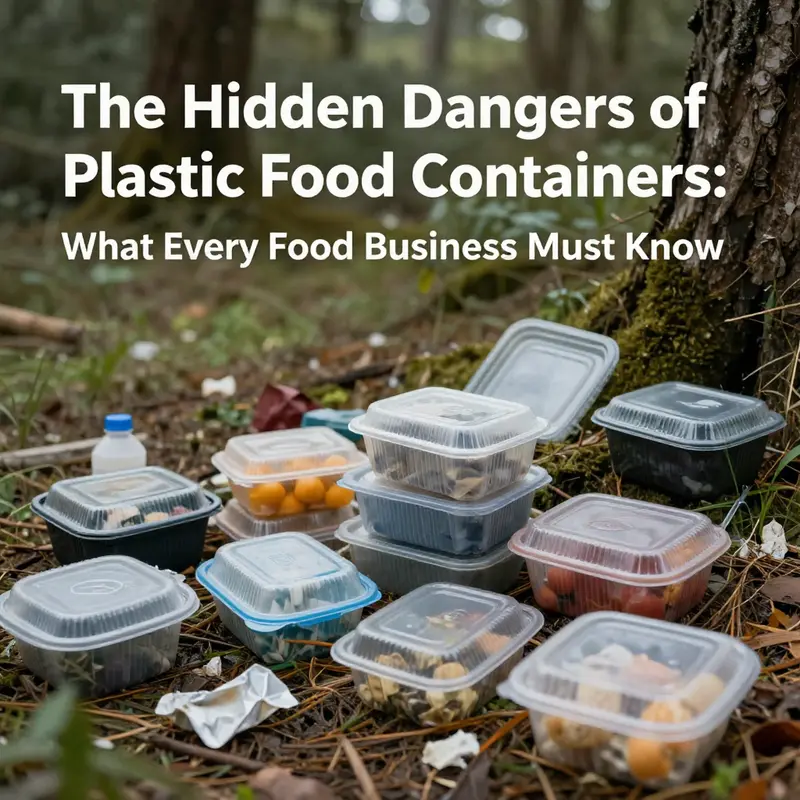
The meals that arrive hot from a kitchen or cooled in a fridge often carry more than flavor and nutrition; they carry a trace of the journey that plastic food containers take through the environment. The environmental implications of microplastics released by these containers extend far beyond the moment of use. They travel along a lifecycle that begins with raw material extraction, moves through production and consumer use, and ends in disposal and, sometimes, long-term environmental degradation. In this larger view, plastic food containers are not just consumer goods; they are active participants in a global web of pollution that reshapes ecosystems, soils, and oceans. The evidence is accumulating that the microplastics and associated chemicals shed during manufacturing, use, and waste can migrate from the kitchen to the landscape, altering habitats and entering food webs in ways that complicate the already intricate science of ecology and toxicology.
The production phase alone sets a high-stakes baseline. Plastic food containers are born from feedstocks such as petroleum and natural gas. The extraction and refinement of these resources disrupt habitats, contribute to greenhouse gas emissions, and consume vast quantities of water and energy. In many regions, the energy intensity of polymer production translates into a notable ecological footprint even before a container serves its first meal. Once manufacturing begins, the transformation from crude feedstock to finished packaging depends on processes that release volatile compounds and solid residues into air and water, influencing local ecosystems near production facilities. The cumulative effects of these operations—habitat fragmentation, air quality shifts, and water use—establish a planetary context in which downstream stages of a container’s life can have amplified consequences.
Usage, the phase closest to everyday life, is where the environmental story grows more complex. When containers are used to hold hot foods, fatty dishes, or acidic items, the physical and chemical dynamics inside the package shift. Heat accelerates the release of microplastics and nanoplastics, a reality supported by studies showing dramatic shedding under microwave heating. One remarkable estimate notes that after a brief 3-minute microwave exposure, a small plastic container can release millions of microplastic particles and billions of nanoplastic particles per square centimeter. Such shedding is not merely a laboratory curiosity; it translates into a higher ambient load of microplastics in kitchen air, wastewater streams, and eventually in soils and aquatic systems through disposal and leakage. Scrubbing, friction with utensils, and repeated cycling through the dishwasher or sink can scratch the surface of containers, creating fresh micro- and nanoplastic sources that continually seed the environment. The same factors that drive microbial and chemical exposure within a consumer’s mouth or digestive tract—fat content, acidity, and temperature—also drive the environmental dispersal of these particles when packaging fails or is discarded.
What happens after use is where the global consequences begin to accumulate most visibly. Improper disposal and inadequate waste management mean countless containers persist in the landscape for hundreds of years. They weather and fragment, producing secondary microplastics that contaminate soil and water, infiltrate sediment layers, and become part of the buffet that wildlife ingests. In marine environments, plastic debris from consumer packaging forms large accumulations that are metabolized by organisms and broken down into smaller fragments. These microplastics are not inert; they carry adsorbed pollutants—heavy metals, persistent organic pollutants, and plasticizers like phthalates or BPA—into ecosystems. Through ingestion, these particles threaten the health and functioning of organisms, from plankton to larger species, with potential bioaccumulation up the food chain. In soils, microplastics can alter microbial communities, influence soil aggregation, and affect nutrient cycling, subtly shifting ecosystem productivity and resilience. The ecological ripple effects are broad and complex, underscoring that this problem is not confined to human health alone but deeply entwined with the vitality of ecosystems that support livelihoods, food security, and climate regulation.
The chemical dimension compounds the ecological narrative. Plastic containers do not merely persist as inert debris; they are carriers of additives such as plasticizers and stabilizers. When these plastics shed particles, the accompanying chemicals can leach into the surrounding environment or onto surfaces they contact. Endocrine-disrupting compounds are among the most concerning because they can alter the development and reproduction of wildlife at very low concentrations. The environmental and ecological literature increasingly recognizes that the risk profile of plastic packaging is not limited to physical debris; it also encompasses a suite of chemical risks that can complicate toxicological assessments for wildlife and, by extension, for human health via exposure pathways that cross generations and species.
The environmental science around these processes has evolved rapidly in recent years. A 2022 study in Environmental Science & Technology highlighted that heated food in plastic containers could release substantial microplastic loads, with quantities rising alongside temperature and the number of uses. This work drew attention to how routine consumer practices—heating, storage, and repeated use—can amplify environmental shedding. A 2024 investigation from a team at Ningxia Medical University connected the dots between boiling water exposure and biological responses, reporting myocardial tissue changes and inflammation in laboratory mice when single-use containers encountered high-temperature water for extended periods. While this animal research centers on health outcomes, it accentuates the potential for chemical and physical stressors to move from consumer environments into the broader biosphere through wastewater and litter streams. And in 2025, researchers at Zhejiang University provided a stark illustration of the scale at which microplastics and nanoplastics can be released during routine use, including rinsing and everyday handling of various polymers such as polystyrene, polypropylene, and PET. The cumulative message from these studies is clear: the environmental footprint of plastic food containers extends far beyond the kitchen and into the core processes that shape planetary health.
The lifecycle perspective reveals a troubling pattern. Production consumes energy and strains ecosystems; use generates shedding that escapes into the environment through release, leakage, or improper disposal; and waste endures for centuries, fragmenting and dispersing microplastics while carrying chemical cues that can disrupt ecological function. Marine and littoral environments are especially vulnerable because they act as sinks for plastic debris. Once microplastics enter the water column, they become accessible to a broad range of organisms—from filter feeders to predatory fish—and the likelihood of trophic transfer increases. In soil, microplastics can alter microbial balance and soil structure, interfering with plant growth and nutrient availability. The net effect is a degraded capacity of ecosystems to provide services such as water purification, climate regulation, pollination, and soil fertility. As microplastics accumulate, their physical presence compounds chemical exposure, creating a dual threat that challenges conservation strategies and public health safeguards alike.
Given this landscape, the call for precaution becomes more than personal habit; it is a matter for policy and system design. The environmental burden depends not only on consumer choices but also on the design of packaging systems, the efficiency of waste management, and the availability of safer material options. One practical pathway is to reduce the frequency of single-use containers in favor of reusable, durable alternatives. Where plastics remain in use, designs that minimize shedding—such as surface coatings, improved polymer blends that shed less under mechanical stress, and barrier technologies that limit additive migration—could help. Yet even with improved design, the environmental story does not end with the container. It must address the entire loop: how plastics are manufactured, how waste is collected and treated, and how residues are traced and mitigated in natural systems. The systemic solution involves integrated strategies—stronger waste collection, enhanced recycling, litter prevention, and the promotion of materials with lower environmental footprints.
In this context, behavioral and infrastructural changes matter. Household practices that limit high-temperature cooking in containers or favor glass or stainless steel for hot foods can reduce the immediate shedding of microplastics into wastewater streams. Community-scale improvements—efficient recycling, industrial symbiosis to reuse heat and materials, and better coastal and riverine cleanup—can cut the influx of microplastics into ecosystems. Market and regulatory signals also play a role. Clear labeling that communicates not just safety during heating but environmental considerations could help consumers align their choices with ecological outcomes. At the same time, reframing packaging systems toward a circular economy—where plastics designed for easy recycling and reuse close the loop—could lessen the environmental burden of takeout culture without sacrificing convenience.
Linking the science of shedding to policy and practice requires translating laboratory numbers into systems-level insights. For example, the staggering release figures observed in controlled experiments remind us that microplastic pollution is not merely a distant concern. It is a component of daily life that accumulates across millions of meals and thousands of packaging cycles. The environmental dimension of microplastics from plastic food containers thus demands collaboration among scientists, manufacturers, municipalities, and consumers. It is not enough to study shedding in isolation; the challenge is to connect laboratory findings to real-world waste streams, to quantify how much of the shed microplastic ends up in rivers, soils, or the ocean, and to identify levers that can meaningfully reduce those fluxes.
The environmental narrative here is not a rejection of useful packaging but a call for smarter materials, better end-of-life management, and wiser consumer choices. A practical takeaway is a move toward materials that minimize ecological disruption when subjected to typical use. Another is to strengthen the safety net of waste management so that when containers are discarded, their potential to become persistent environmental pollutants is mitigated. Finally, continuing to advance research that links microplastic release with ecological and chemical consequences will help calibrate policy responses and technology development to the scale of the environmental challenge we face. The road ahead is not simply about avoiding harm; it is about redesigning systems so that the meals we enjoy do not obligate ecosystems to pay a hidden, long-term price.
For readers seeking a deeper dive into how microplastics and nanoplastics from plastic containers and reusable pouches circulate through environments and potentially affect human health, see the detailed research synthesis on this topic. External resource: https://pubs.acs.org/doi/10.1021/acs.est.4c06375
Internal link example for related packaging discussions: eco-friendly takeout boxes for food packaging
Note: This chapter maintains a continuous narrative without fragmenting into multiple subtopics, while weaving in the lifecycle perspective, ecological impacts, chemical considerations, and the policy and practice implications that follow from current research. The aim is to situate microplastics in plastic food containers within a broader environmental framework, underscoring how everyday packaging choices connect to global ecological health and to the health of communities downstream from production, use, and disposal systems.
Cutting the Risk: Practical Strategies to Reduce Microplastic Release from Plastic Food Containers
Reducing microplastic exposure from plastic food containers demands layered, realistic actions. Research shows the problem is not hypothetical. Routine heating, friction, and repeated use all accelerate microplastic shedding. Certain polymers and rough inner surfaces are particularly prone to releasing flakes and particles. High temperatures and fatty, acidic, or alkaline foods promote migration of both particles and chemical additives. Given these realities, mitigation must act at several levels at once: material choice, design and manufacture, consumer habits, cleaning practices, reuse cycles, and system-level policy and innovation. This chapter maps practical steps that food-service operators, manufacturers, regulators, and consumers can adopt to sharply reduce the number of microplastics that reach the plate.
Start with the materials. Not all plastics behave the same. Polystyrene (PS) containers often show the highest microplastic abundance due to a loose internal structure and rough inner surfaces. Choosing polymers that form smoother, more cohesive inner layers reduces the initial pool of loose fragments. Polypropylene (PP), high-density polyethylene (HDPE), and polyethylene terephthalate (PET) typically perform better in this respect. Material selection is not a perfect fix, but it removes a primary source of flakes. When sourcing containers, prioritize those made from denser, more stable polymers, and demand data on inner-surface integrity from suppliers.
Design and manufacturing deserve equal attention. Small changes at the production stage can yield large downstream benefits. Manufacturers can apply surface treatments or finishing processes that seal or smooth interior walls. Injection molding parameters, annealing steps, and post-processing polishing reduce microvoids and loose surface layers. Quality control should include simple abrasion and heat-resistance tests that mimic real-world use: repeated stirring, utensil contact, and microwave heating. Certificates and third-party test results that report microplastic shedding under standardized conditions should become procurement requirements for large buyers and food-service providers.
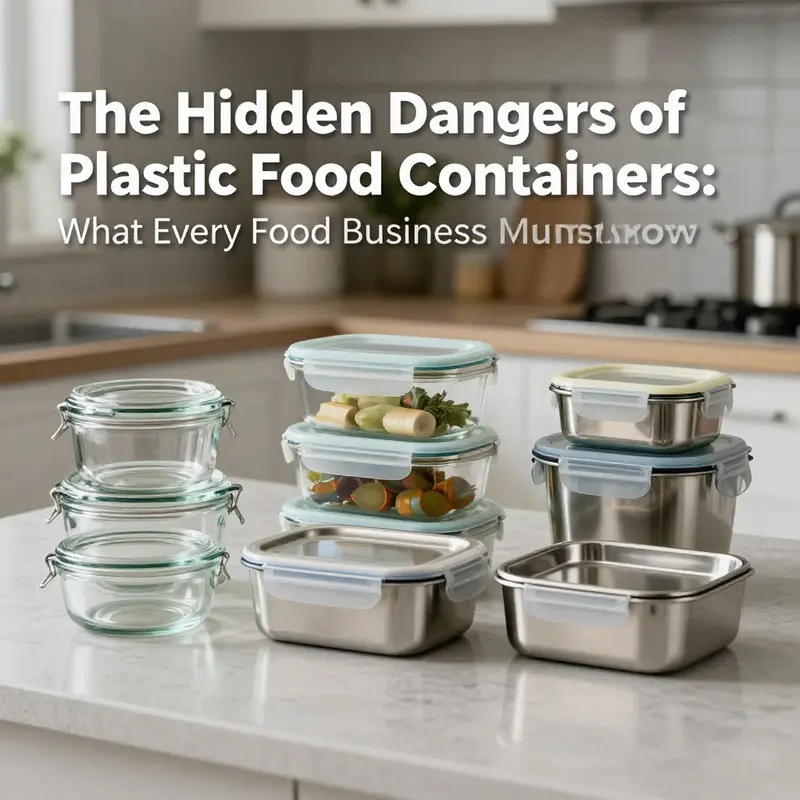
Rethink single-use plastics. Reducing demand for disposable containers addresses the problem at its source. Reusable systems made from glass, stainless steel, or durable ceramics eliminate most plastic-shedding risks for hot and fatty foods. For businesses unable to adopt reusables, high-quality compostable or paper-based packaging can provide short-term relief when designed to resist grease and liquid migration. Where a paper solution is used, choose grease-resistant, food-grade options that avoid plastic coatings. For a practical example of alternatives, consider eco-friendly takeout boxes designed for food packaging as a starting point for non-plastic options. Reducing single-use plastics is a behavioral and logistical shift, but it is the most effective long-term mitigation.
Change how containers are used. Several studies indicate that heat is a major driver of microplastic release. Avoid microwaving food in plastic containers whenever possible. Transfer hot items to glass or ceramic before reheating. When plastic must be used, keep heating times short and power settings moderate. Fatty foods and highly acidic or alkaline items accelerate migration of both particles and chemicals. For such foods, prefer non-plastic serving and storage materials from the outset. Encourage food-service staff and consumers to accept small changes: brief transfers to safe reheating vessels eliminate enormous exposure spikes recorded after just minutes of microwave heating.
Adopt smarter cleaning and handling. Routine scrubbing, high-temperature water rinses, and the use of hard utensils can abrade plastic surfaces and produce new particles. Use soft cleaning tools and lower-temperature rinses when possible. Replace abrasive pads and metal utensils with silicone or wooden tools when interacting with plastic packaging. When washing reusable plastic containers, avoid high-temperature cycles that can fatigue polymer bonds and increase future shedding. Implement clear reuse limits: set a maximum number of uses before retirement, based on manufacturer guidance or conservative testing. Visual inspections for scratches, warping, or clouding are practical triggers for disposal.
Standardize testing and labeling. Consumers and buyers need transparent information. Develop simple, standardized test methods that quantify microplastic release under common scenarios: heating, stirring, and repeated washing. Labels should disclose polymer type, microwave safety with defined limits (time and power), and recommended maximum reuse cycles. A standardized icon system can communicate risk levels at a glance. For institutional buyers and food-service chains, require supplier disclosure of microplastic-shedding test results as part of procurement contracts.
Innovation in additives and barrier layers offers promise. Coatings that form a thin, durable barrier between food and base polymer can dramatically reduce direct shedding. These barriers must be food-safe, heat-resistant, and stable across normal use cycles. Biopolymer liners and fluorine-free grease barriers are one path. Another is multi-layer constructions in which the food-contact layer is a stable, non-shedding polymer while the outer layers provide structural benefits. Encourage R&D funding and pilot programs that test such materials in real-world service conditions. Early-stage trials should measure both microplastic release and potential chemical migration from coating materials.
Regulatory and procurement levers matter. Public health agencies should consider guidance that limits plastic use for hot or fatty foods. Municipalities and institutions can adopt procurement policies that phase out high-risk single-use plastics. Food-safety regulators can require labeling that reflects microplastic risk, much like allergen or nutritional information. Incentivize manufacturers to meet stricter performance criteria through subsidies, tax incentives, or preferential procurement. Such systemic shifts align economic incentives with public health goals.
Educate end users with clear, actionable messages. Consumers and food-service workers need straightforward steps that reduce exposure. Avoid microwaving plastics. Use glass or ceramic for reheating. Prefer sturdier plastics for repeated food storage, and retire containers when scratched or deformed. Choose takeout from vendors that use safer materials or offer reusable options. Simple signage or menu notes can reinforce safe behaviors. Keep advice practical: small habit changes compound into meaningful reductions in microplastic intake.
Monitor and research continuously. Several knowledge gaps remain. We need robust, standardized metrics for counting micro- and nanoplastics released during real-world use. Long-term health studies are essential to quantify risks from chronic, low-dose exposure. Surveillance programs that track microplastic levels in common foods and packaging will inform safe-use guidelines. Encourage cross-disciplinary research that pairs toxicology with materials science and supply-chain analysis. Public-private partnerships can accelerate the translation of lab findings into market-ready improvements.
Prepare for transition costs. Moving away from risky plastics involves investment. Businesses may face higher unit costs for alternative materials or initial capital expenses to support reusable systems. Policymakers should design transition pathways that offset short-term burdens, especially for small businesses. Pilot rebate programs for reusable containers, grants for supplier upgrades, and technical assistance for packaging redesign can smooth adoption. Long-term gains include reduced health risks, potential savings from reusables, and fewer downstream waste-management costs.
A final practical layer is traceability and accountability. Encourage manufacturers to include batch-level tracking and to document surface-finish standards. Buyers should request sample testing and maintain records of container lifecycles. Where feasible, include microplastic release criteria in quality audits. Transparency builds trust and drives competition toward safer products.
Taken together, these measures form a stacked defense. Material changes reduce the source. Better design and surface finishes prevent loose fragments. Smarter use and cleaning lower stress on the polymer. Alternatives and reduced single-use consumption remove exposure pathways entirely. Standards, labels, and procurement policies amplify market signals. And ongoing research fills gaps and refines best practices. No single measure eliminates risk, but coordinated action across these fronts makes the risk manageable. For practical alternatives and disposable options that minimize plastic contact, suppliers now offer a growing range of greener packaging choices that can be explored for immediate gains. For more detailed context on the heat-driven release rates documented in the literature, see the Environmental Science & Technology journal for related reports: https://pubs.acs.org/journal/esthag
Final thoughts
Addressing the issues surrounding microplastics from plastic food containers is essential for food businesses. By understanding how microplastics are released and recognizing the health and environmental impacts, you can make informed decisions that prioritize customer safety and ecological sustainability. Transitioning to safer packaging alternatives not only protects your customers but also enhances your brand’s reputation and compliance with emerging regulations. Embrace these changes, and let’s work towards a healthier future together.