
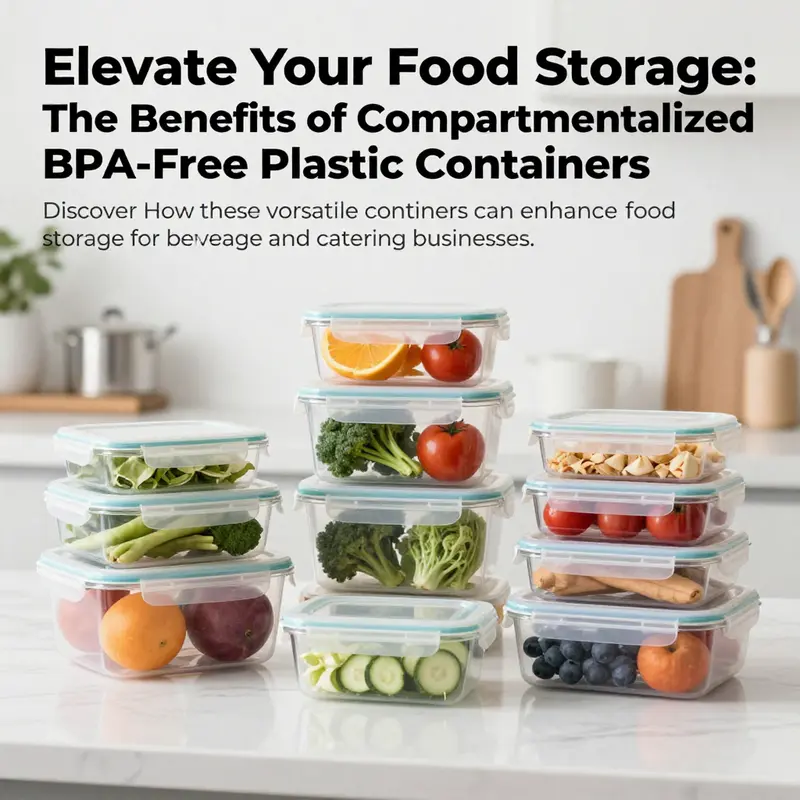
Compartmentalized BPA-free plastic food storage containers are redefining food storage solutions across various sectors, from bubble tea shops to catering services. These innovative containers are not just about storage; they’re about enhancing service efficiency and maintaining food safety. In today’s article, we will explore their key features, examine market trends, discuss health and safety aspects, and delve into practical applications relevant to your business. Whether you manage a food truck, event planning, or run a beverage chain, understanding the unique benefits of these containers can significantly impact your operational efficiency and customer satisfaction.
Inside the Segmented Shelf: How Compartmentalized BPA-Free Containers Redefine Safe, Organized Food Storage

Compartmentalized BPA-free plastic food storage containers have evolved from simple boxes into a dependable system that blends safety, organization, and daily eating routines. They are designed to keep foods fresh, protect flavors, and make meals predictable in advance. In kitchens large and small, these containers support meal prepping, school lunches, and travel, turning a routine act into a sustainable habit. The appeal sits not only in the number of compartments but in how the choice of material and the confidence in a BPA-free claim reduce risk while maximizing convenience. When a box holds everything you need for a balanced meal, it changes how you plan and how you eat.
They are typically crafted from food-grade plastics such as polypropylene PP or advanced polymers like Tritan, chosen for a careful balance of lightness, durability, and chemical stability. The BPA-free promise addresses long-standing concerns about endocrine disruptors migrating into foods, especially under heat or in contact with acidic ingredients. This safety feature is especially important for storing baby foods, snacks, and meals for children, where even small exposures can influence habits and health over time. Rigorous testing accompanies these materials, including migration studies and repeated-use simulations, to ensure that everyday use does not introduce unwanted substances into food, even after many cycles in a busy kitchen.
Beyond safety, the multi-compartment design is the core functional advantage. Separate sections prevent flavors from mingling, enable precise portions, and support varied meal combinations without cross contamination. For anyone who plans meals a day or a week ahead, this modularity translates into speed, predictability, and less waste. A single box can hold a protein, a grain, several vegetables, and a fruit or snack, all in their own lanes. This arrangement is not just about preventing messy mixes; it is about enabling dietary discipline and mindful eating by making portions visible, accessible, and easy to compare at a glance.
From a regulatory standpoint, many containers of this kind carry a food-grade certification, confirming that the materials have been vetted for direct contact with food. Certification signals that the item has passed standardized tests for leachables, migration, and overall safety under typical storage and heating conditions. For households and institutions, this reduces the guesswork involved in selecting safe gear for everyday use. It also helps kitchens and schools maintain consistent safety standards across a fleet of containers that may travel, be heated in a microwave, or sit in a freezer, creating a food handling ecosystem rather than a scattered assortment of plastic boxes.
Durability and sealing performance are the other pillars of design. Thoughtful lid geometry, locking clips, and flexible inner gaskets work together to create airtight or near airtight seals. When food travels in a bag, backpack, or tote, the risk of leaks drops dramatically. Clear, transparent bodies make it easy to identify inside contents at a glance, which reduces rummaging, food waste, and unnecessary openings during busy mornings. The look and feel of Tritan or high grade PP communicate quality at a tactile level, beyond aesthetics. These plastics resist scratching, resist stains, and maintain clarity after repeated washing, reinforcing trust in long term use.
The versatility of these containers extends far beyond food storage. They are routinely used to organize craft supplies, small hardware bits, or electronics components in drawers and tote bags. In offices and classrooms, the same segmentation logic supports project organization and snack stations alike. This adaptability follows from a simple design insight: a well conceived compartment grid can transform chaos into order, provided the materials are safe and the lids reliable. When you stack containers in a pantry or a lunch bag, the efficiency becomes tangible, and the effort required to manage meals drops noticeably.
Yet no product is perfect, and the best practice is to weigh tradeoffs as you choose. The most obvious limitation is how small some compartments can feel, especially when liquids are involved. sealing may falter if the lid is not properly aligned or if the gasket is worn. Repeated exposure to harsh cleaning methods or frequent dishwasher cycles can degrade seals and reduce effectiveness over time. Some users find that constant refilling and reconfiguring of dividers creates cognitive load, nudging them toward simpler layouts. It is crucial to inspect lid construction, the gasket, and the locking mechanism, since these elements determine long term performance more than the outer shell alone.
For everyday decision making, care and maintenance matter as much as initial selection. To extend life, avoid sharp temperature shocks and follow manufacturer care guides. Typically, top rack dishwasher safe options exist, but high heat can affect clarity of the plastic and bake in odors if not cleaned properly. Hand washing with mild dish soap can preserve the gaskets longer, while avoiding abrasive scrubbers helps prevent micro scratches that trap food particles. When it is time to replace a container, consider how many cycles it can endure, not just the upfront price. The best choices combine material resilience with an intelligent lid system that locks securely and cleans easily.
When choosing a system, most households weigh size, number of compartments, and the ability to microwave or freeze contents. A set that offers varied layouts supports flexible meal planning, while a uniform family of lids simplifies inventory management and reduces misplacing parts. The decision is about more than freshness; it is about fostering routines that reduce waste and support health goals. For families, the configuration can streamline mornings and school lunches, while for professionals it becomes a portable workstation for snacks, samples, and quick bites on the road.
At a broader level, the appeal of compartmentalized BPA-free containers lies in their alignment with responsible consumption. Reusable containers reduce disposable packaging and curb single use waste. The safety assurances, robust construction, and clear design help people trust their choices enough to reuse containers across seasons and recipes. This blend of safety and practicality supports a shift away from disposable convenience toward durable, long lasting storage habits that fit both family life and a busy professional schedule. The outcome is not merely tidier shelves but a change in how people plan, prepare, and persevere with healthy eating patterns, day after day.
Within this context an example from the wider packaging landscape echoes the same design logic. Even in takeout contexts, such a three compartment design echoes the same desire for order, and you can explore a practical example here: eco-friendly-disposable-3-compartment-food-grade-packaging-box-for-fast-food-high-quality-takeout-boxes-for-fried-chicken-french-fries-packaging. This reference underscores how modularity and reliable sealing are valued across uses, from home to professional settings, and hints at design parallels that emphasize safety, cleanliness, and ease of transport.
Ultimately, the chapter of everyday life that these containers occupy is not a single feature but a blend of safety, function, and sustainability. The materials chosen, the shape of the dividers, and the security of the lids come together to create a product that can travel from a home kitchen to a school lunchroom or a professional kitchen with minimal friction. The emphasis on BPA-free materials and food-grade certification offers a foundation of trust, while the practical aspects of leak resistance, clarity, and stackability translate into real world benefits like less spoiled food, fewer trips to the trash, and more consistent portion control. In the chapters that follow, attention will turn to how design, ergonomics, and consumer behavior interact with these containers to shape adoption, usage patterns, and long term value.
For readers seeking deeper safety standards and regulatory context, the FDA provides guidance on food contact materials and migration. This broader framework complements the user level advantages of BPA-free plastics and underscores why careful selection matters for households and institutions alike: https://www.fda.gov/food/food-contact-materials
Structured Freshness on the Rise: Market Currents in BPA-Free, Compartmentalized Plastic Food Storage
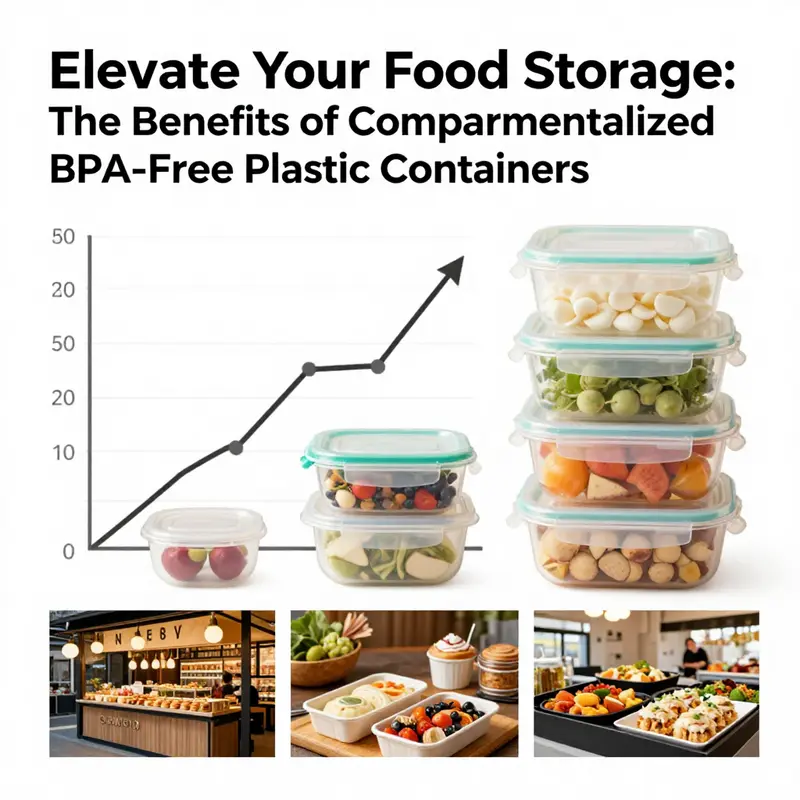
A quiet revolution has taken root in kitchens and lunchrooms around the world. It is not about flashy new gadgets, but about a simple shift in how people think about food, safety, and everyday organization. Compartmentalized BPA-free plastic storage containers have emerged as a practical convergence of health awareness, convenience, and reusable design. The broader market is responding to a set of expectations that blend wellness with efficiency. Consumers want to separate foods to preserve flavor and texture, portion meals to support wellness goals, and reuse containers in a way that respects both budgets and the planet. This convergence has fed a compelling trend: by the midpoint of the decade, the segment of plastic food storage containers that are BPA-free and feature multiple compartments is positioned to capture a substantial slice of global demand. A forecast circulating in industry analyses estimated that these options could account for roughly half of the global market by 2026. That projection signals not just growth, but a transformation in how households, schools, offices, and food-service settings approach the act of storing and transporting meals.
Underlying this momentum is a clear concern about health and safety. Bisphenol A, historically used in some polycarbonate plastics, has been linked to hormonal disruptions in sensitive populations. In response, manufacturers shifted toward safer material options that align with regulatory standards and consumer expectations. The result is a family of containers crafted from food-grade polymers such as polypropylene and BPA-free copolyester-like resins. These materials offer a combination of durability, heat tolerance, and chemical stability that makes them suitable for daily use in a wide range of environments—from home kitchens and school cafeterias to busy offices and travel-ready lunch bags. Even when exposed to heat or acidic ingredients, these containers are designed to minimize leaching risk, which matters as people increasingly rely on microwaves to heat meals and on dishwashers for quick cleaning.
The distinctive value proposition of compartmentalized designs lies in their ability to separate components within a single vessel. A typical set includes several compartments, each with its own lid or seal, enabling portions of proteins, grains, vegetables, and sauces to coexist without mingling flavors or cross-contaminating textures. This separation is more than a matter of taste; it supports portion control and dietary planning, two factors that have become central to contemporary wellness routines. For families juggling school lunches, work schedules, and after-school activities, the modular arrangement reduces the guesswork around what to pack and how to keep foods distinct during transit. The lid systems—often airtight and designed to resist leaks—further enhance the practicality of these containers, ensuring that liquids stay put and odors stay contained, even when containers are tucked into backpacks or lunch totes.
The market response to these features has been robust on the retail side. Large retailers have introduced accessibly priced sets that emphasize stackability, durability, and clear, user-friendly labeling. Such introductions reflect a broader consumer appetite for reusable kitchenware that aligns with sustainability goals without demanding high upfront costs. The design language favors transparency in the container walls, making contents visible at a glance and reducing the temptation to toss perfectly good leftovers due to uncertainty. This transparency—paired with modularity—accelerates the habit of meal prepping and planning for busy weeks. It also supports a consumer ethos of mindful consumption: fewer single-use disposables, more durable, reusable solutions that survive repeated heating and cleaning cycles.
In discussing market dynamics, it is essential to acknowledge the influence of lifestyle shifts. Meal prepping remains a dominant driver. People seek a reliable way to portion meals for the week, keep different components separate to preserve taste and texture, and transport meals without fear of spills. The compartmented format is well suited to these needs, providing a structured template for planning that reduces waste and encourages healthier eating patterns. The on-the-go nature of modern life—commuting, schooling, corporate environments—has made compact, stackable designs particularly attractive. A container set that can nest within itself when empty, and expand when full, mirrors the way households think about space and organization. The design is inherently scalable; it can accommodate a single-serving lunch or be expanded into larger configurations for families or small offices.
From a materials perspective, the emphasis has consistently been on safety and resilience. Polypropylene remains a common backbone for these products due to its chemical resistance and ability to hold up under repeated microwaving, washing, and stacking. The BPA-free claim is not merely a marketing badge; it reflects a broader standard of health-conscious manufacturing and consumer education. The trend toward BPA-free options has naturally converged with a hunger for clear and simple care instructions. Consumers want to know that a container can withstand the dishwasher without losing clarity or sealing integrity, and they want lids that resist cracking with frequent opening and closing. In practice, this means that the most successful designs balance robust outer walls with precise, reliable sealing mechanisms. The result is a class of containers that supports daily routines with confidence—whether someone is packing a school lunch, preparing a weekday dinner, or transporting a portion to the office.
The competitive landscape mirrors the demand for value, safety, and versatility. Retailers have responded with large, multi-piece sets that emphasize both function and price competitiveness. The ability to offer a range of sizes within a single purchase makes it easier for a household to adapt to evolving needs over time. The move toward transparency in product labeling is another facet of this market’s maturity. Clear indications of microwave safety, freezer compatibility, and dishwasher readiness help consumers choose configurations that fit their routines without second-guessing safety or performance. This clarity is particularly important for families with varying ages and cooking confidence, as it reduces the cognitive load associated with meal planning and storage.
Despite the positive momentum, the market is not without challenges. Some models exhibit staining over time, particularly when exposed to strongly colored or deeply seasoned foods. Leakage remains a concern for containers with smaller compartments or with lids that do not seal perfectly after repeated use. A related issue is the tendency for some plastics to degrade under harsh cleaning methods or after extended use, which can affect both appearance and performance. In response, manufacturers continue refining molding tolerances, seal geometries, and wall thickness to balance lightweight design with durability. The lifecycle of these products—how long they last, how easily they can be repaired or replaced, and how the packaging is recycled—also weighs on consumer sentiment and long-term adoption.
From a sustainability viewpoint, compartmentalized, BPA-free containers offer a tangible advantage over disposable packaging. Reusability underpins a more circular approach to kitchenware—fewer single-use containers end up in landfills or waste streams. Yet the conversation cannot stop at reuse alone. There is growing attention to the cradle-to-cradle implications of plastic materials, including how easily a product can be recycled after its best-before life ends. As a result, many manufacturers highlight recyclability and compliance with health standards as core strengths of their offerings. Consumers, increasingly mindful of environmental footprints, appreciate transparent care instructions, straightforward recycling codes, and the promise of durable performance across several years of use.
The market’s trajectory also invites a broader look at how these containers fit into the evolving ecosystem of food packaging and storage. In a world of increasing home organization and wellness-oriented dining, the appeal of compartments combines with the benefit of reduced cross-contamination and improved portion control. This combination resonates with parents who juggle school lunches, office workers seeking predictable meal sizes, and meal-preppers who prioritize consistency. The same logic extends to travelers and busy professionals who want to keep snacks and meals organized in transit, with the confidence that contents will stay fresh and separated from each other. When combined with the growing habit of batch cooking, the compartmentalized, BPA-free design becomes less a luxury and more a practical standard of daily life.
In sum, the market for compartmentalized BPA-free plastic food storage containers is expanding on the back of health-conscious choices, convenience, and sustainable reuse. The forecasted market share signals a lasting shift in how households think about food storage, portion control, and meal planning. The rise of safe, durable, and versatile packaging formats reflects a broader movement toward healthier, more organized living. As these products mature, they will likely push further improvements in seal reliability, stain resistance, and clarity, while retailers continue to offer bundles that make these containers accessible to diverse consumer segments. The result is a more predictable, more organized everyday experience—one that aligns with the goals of wellness, convenience, and environmental responsibility.
For readers seeking a concrete example of how the packaging ecosystem supports these trends, consider the broader landscape of safe, reusable food containers in both home and takeout contexts. This ecosystem also intersects with related packaging innovations that aim to reduce waste while preserving taste and texture. Such cross-pollination helps explain why consumers are drawn to a modular approach: it is adaptable enough to address varied meals, occasions, and settings, yet consistent enough to become a reliable staple in kitchens and bags alike. In turn, this consistency reinforces the confidence that makes meal-prepping a practical habit rather than a weekend project. The market, in other words, is building a culture around structured meals and safe, reusable storage—one compartment at a time.
Internal note for readers exploring complementary packaging options: eco-friendly takeout boxes for food packaging offer a parallel logic of safety, sustainability, and efficiency. This example illustrates how design thinking translates across contexts—from home meal storage to professional foodservice packaging. See here for a representative discussion of that broader packaging narrative: eco-friendly takeout boxes for food packaging.
When the conversation turns to practical decisions about purchasing, the evidence supports choosing sets that emphasize compatibility with common reheating methods, predictable sealing performance, and robust durability. Consumers tend to gravitate toward configurations that maximize space efficiency without compromising cleanliness or safety. The challenge, then, becomes balancing the allure of large, feature-rich sets with the realities of household budgets and storage constraints. As manufacturers respond with tiered product lines, buyers gain access to options that align with their particular needs—whether it is a compact single-family starter pack or a comprehensive office-ready collection.
Looking ahead, the trajectory suggests continued refinement rather than a wholesale upheaval. We can anticipate enhancements in material clarity, improved gasket designs, and smarter labeling that helps users avoid mistakes in heating or washing. The core value proposition—healthful, convenient, and reusable storage—remains intact, while the details evolve to support longer lifespans and easier caretaking. In educational settings, schools are likely to adopt standardized, BPA-free compartmentalized containers to streamline lunch programs and reduce waste. For workplaces, the same logic translates into better meal-prep habits and a more predictable, organized break room culture. Across home, school, and work, the practical benefits cohere into a broader lifestyle trend: structured meals that fit into compact, efficient daily routines.
External resource: https://www.walmart.com/ip/GPED-Food-Storage-Containers-Set-of-20-Stackable-BPA-Free-Microwave-Freezer-Safe/1135475248
Safeguarding Freshness and Form: The Health, Safety, and Practical Promise of BPA-Free Compartmentalized Storage

A shift in how we store and portion our foods has arrived with compartmentalized BPA-free plastic containers. They promise more than neatness; they offer a framework for safer eating, more disciplined meal planning, and easier on-the-go nutrition. Yet safety is not a single certificate stamped on a box. It is a fabric of design choices, material science, and regulatory oversight that must work together to protect health while supporting practical daily use. When we examine these containers closely, we see a field that blends chemistry, culinary science, and everyday logistics into a single, portable system that aims to keep flavors distinct, nutrients stable, and cleanliness straightforward, all without introducing harmful chemicals into the foods people rely on every day.
At the core of many of these products is a deliberate move away from bisphenol A toward materials billed as food-safe and chemically stable. The traditional concern with BPA centers on its ability to migrate, particularly under heat or with acidic foods, potentially disturbing hormonal balance in sensitive populations over long periods. Modern BPA-free designs often rely on polymers such as polypropylene (PP) or Tritan™-type copolymers. PP is known for its resistance to heat and chemical stability, making it a common choice for containers intended for microwaving or reheating. Tritan-like materials, engineered for clarity and toughness, are prized for durability and a perceived clean, glass-like appearance. Both grades are selected for food contact safety and low leach risk under normal use. This choice matters because the containers are designed to accommodate a spectrum of foods—from moist proteins to dry grains and crisp vegetables—without the flavors mingling or cross-contaminants seeping between compartments.
But a BPA-free label tells only part of the story. Endocrine disruption is a broad concern that extends beyond BPA alone. Some alternative substances used in what are marketed as BPA-free plastics—such as BPS or BPF—have raised questions about similar health effects. Researchers highlight that the safety of an item hinges not only on the absence of BPA but on the overall chemical profile of the plastic, its additives, and the ways it is processed. Consumers benefit when containers carry third-party verifications, since these certifications involve independent testing that exceeds basic manufacturer claims. In practice, a truly health-conscious purchase often means seeking products with credible seals or approvals from organizations that test for food-contact safety and low leach risk.
The practical upshot for daily life is clarity: choose containers that are tested for food contact safety and clearly labeled as BPA-free, while also looking for independent certification that confirms the absence of problematic additives. In the realm of safety, the absence of BPA is a meaningful baseline, but it should sit alongside other assurances. The design of these containers—airtight lids, tight seals, and well-fit compartments—plays a crucial role in maintaining safety from kitchen to table. An airtight seal helps keep contaminants out and freshness in, a core feature for meal prepping and for bringing leftovers to work or school. The compartmentalization itself reduces cross-contamination. By design, separate spaces prevent the transfer of strong flavors or allergens from one portion to another, which is especially important for families managing diverse dietary needs or for anyone cooking in bulk for others.
The physical design matters as much as the material choice. A robust lid with a reliable gasket minimizes leakage during transport, a factor not only in taste preservation but in hygiene. A well-engineered seal protects against moisture ingress that would otherwise promote bacterial growth in the nooks of a container. In many practical scenarios, the lids also reinforce heat resistance, allowing consumers to reheat meals without compromising safety or integrity. When a container is microwavable, the labeling typically specifies compatible settings, power levels, and duration to prevent overheating that could warp the plastic or drive chemical migration. This is not to imply that all plastic storage is equal in heat tolerance, but rather that the industry has moved toward plastics designed to tolerate typical reheating conditions without releasing substances that people would not want in their meals.
The topic naturally extends into the realm of consumer behavior and kitchen hygiene. With compartmentalized designs, people tend to adopt more structured eating patterns and disciplined portion control. This is appealing for those who plan meals for the week, want to manage calories, or aim to balance macro- and micronutrients. The clear, separate spaces encourage thoughtful plate composition—protein, whole grains, vegetables—without the risk that a sauce will muddy a salad or a grain will mix with a fruit that should remain separate. In a broader sense, this fosters healthier eating habits by offering a simple, repeatable method for building balanced meals. It also supports school meals, travel lunches, and workplace dining by providing a familiar, portable system that can be relied upon across environments.
Yet no product ecosystem is without caveats. Some smaller compartments have limited capacity for liquids unless kept tightly closed. When the liquid capacity is pushed too far, the risk of leakage grows, especially during bumpy transit or if the user overfills the compartment. There is also the matter of cleaning. Repeated dishwasher cycles or aggressive scrubbing can contribute to wear on seals or degrade the plastics over time. Odor and staining are familiar challenges with plastic containers. Oily or strongly aromatic foods can leave lasting impressions that are difficult to eradicate, particularly if the container is not properly cleaned or if residues accumulate in tiny crevices. The risk of odor transfer is not about safety in a direct sense, but about the continued enjoyment of meals and the ease of reuse. This reality pushes manufacturers and users toward designs that balance ease of cleaning with durability. Proper care—removing lids, washing in hot soapy water, or following dishwasher guidelines when specified—extends the functional life of the container and keeps its safety profile intact.
From an environmental perspective, the convenience of plastic storage must be balanced against long-term sustainability considerations. Plastic, by its nature, can be more challenging to recycle than glass or metal, and repeated use may involve microplastic concerns if the material begins to degrade or chip. The intersection of health and environment often leads to pragmatic choices: use these containers with a view toward longevity, follow recommended lifespan guidelines, and consider recycling options at the end of life. In some cases, households find value in alternating between BPA-free plastics for certain uses and more durable glass or high-quality metal options for others, thereby reducing overall plastic dependence while preserving food safety and portion control.
For those who prioritize health and safety in professional or semi-professional settings—schools, cafeterias, meal-prep services, and corporate kitchens—the decision matrix expands. Beyond personal use, institutions seek containers that meet stricter criteria: certified food-contact compliance, predictable performance under busy loads, and consistent sealing properties across thousands of cycles. In such contexts, procurement teams often call for documentation of material composition, heat resistance ranges, and independent test results that verify low leach risk. The goal is not merely to avoid BPA but to ensure that every container in circulation upholds a dependable standard of safety, hygiene, and reliability, an objective that becomes even more critical when meals travel through multiple hands and environments before consumption.
From a consumer standpoint, navigating this landscape means looking for a few reliable cues. Favor materials labeled as PP or Tritan-like polymers with documented food safety credentials. Seek products that advertise the presence of airtight seals and clearly designed compartments that reduce cross-contamination. If possible, opt for designs that carry third-party testing seals, and check care instructions to confirm microwave and dishwasher compatibility. Understanding these details helps a shopper compare options that might otherwise look similar on the shelf. It also reinforces the idea that safety is not a single checkbox but a cascade of features that work together to protect health while supporting daily routines.
To illustrate how a practical choice might look in real life, consider the option of a three-compartment, food-grade packaging system designed for versatile serving. This kind of design can be especially effective for meal-prep enthusiasts who need to separate protein, starch, and vegetables without risking flavor carryover. The packaging concept is not just about containment; it is a deliberate approach to managing portions, warmth, and texture across a week of meals. For readers curious about how such designs function in everyday contexts, eco-friendly 3-compartment packaging offers a tangible example of how the compartmental framework translates into real-world use. The link points to a product that embodies the practical balance of safety, convenience, and environmental consideration that this chapter has described in theory.
Moving beyond individual choices, the regulation and guidance framework also matter. In the United States, the food-contact materials landscape is shaped by the Food and Drug Administration (FDA), which provides questions-and-answers resources about what makes a given material suitable for contact with food. Independent certifications, such as those from NSF International, offer an additional layer of assurance about conformity to safety standards. When a consumer sees a BPA-free label, it is reasonable to look for a certification statement, an FDA affirmation for food contact, or a disclosed set of test results that demonstrate compliance under practical use conditions. This layered approach—material choice, design integrity, and independent validation—creates a defensible safety profile for modern compartmentalized containers.
In parallel with these safety considerations, there is a practical etiquette for storage that supports both health and satisfaction. Do not assume that a plastic container can be treated like a non-porous glass vessel. Plastics can absorb odors and dyes from certain foods, and repeated exposure to oil-rich or strongly flavored items can lead to subtle changes in taste transfer when meals are stored together with other items. The most durable fix to this problem is routine cleaning and mindful usage: use the right lid, avoid overfilling, separate high-odor ingredients when possible, and replace gaskets when they show signs of wear. Such habits reduce the risk of unwanted flavors migrating between compartments and help preserve the container’s pristine safety profile across many cycles of use. A thoughtful approach to care also aligns with the broader objective of minimizing waste. When a container is kept in good condition, it can serve a household or a business for a longer time, diminishing the environmental footprint per meal and supporting sustainable routines that many readers are actively seeking.
The conversation around BPA-free, compartmentalized storage eventually converges on a balanced approach to decision-making. It invites consumers to weigh the benefits of portion control and organized food storage against the practical realities of cleaning, heat exposure, and environmental impact. It invites professionals to demand robust safety data and third-party verification. It invites researchers to continue probing not only BPA, but the entire family of chemicals that may be used as substitutes, to ensure that a safer present does not mask a less safe future. In this space, the traceable path from material selection to table consumption becomes visible, not as a single leap but as a continuum of decisions: safe materials, thoughtful design, verified safety, conscious use, and responsible disposal. The result is a storage system that supports healthier eating habits while respecting the responsibilities we bear toward our kitchens, our families, and the planet.
External resources and ongoing compliance efforts underscore the point that health and safety in food storage are dynamic rather than static. Consumers can benefit from keeping abreast of labeling developments, updated certifications, and the evolving science around alternative plastics. Although BPA-free is a strong starting point, the field now encourages a broader view that includes the chemistry of alternative compounds, seal integrity, and lifecycle considerations. The intended outcome is simple to state in everyday terms: preserve freshness, protect health, and simplify daily routines without compromising safety. This integrated view—that safety resides in a combination of material science, design excellence, and vigilant oversight—embodies the promise of modern compartmentalized storage.
For readers who want to explore the safety framework further, official guidance from regulatory authorities remains a reliable compass. The FDA’s food-contact materials Q&A offers a practical overview of what makes a material appropriate for food contact and how to interpret safety claims from manufacturers. This resource can help readers navigate questions about migration, temperature limits, and labeling expectations, making it easier to separate marketing from evidence. In combination with independent testing and transparent care guidance, it supports a robust, health-conscious approach to choosing and using BPA-free, compartmentalized containers for everyday meals and beyond.
External resource: https://www.fda.gov/food/food-contact-materials/food-contact-materials-questions-and-answers
Portion by Portion: The Practical Reach of BPA-Free Compartmentalized Containers in Modern Food Management
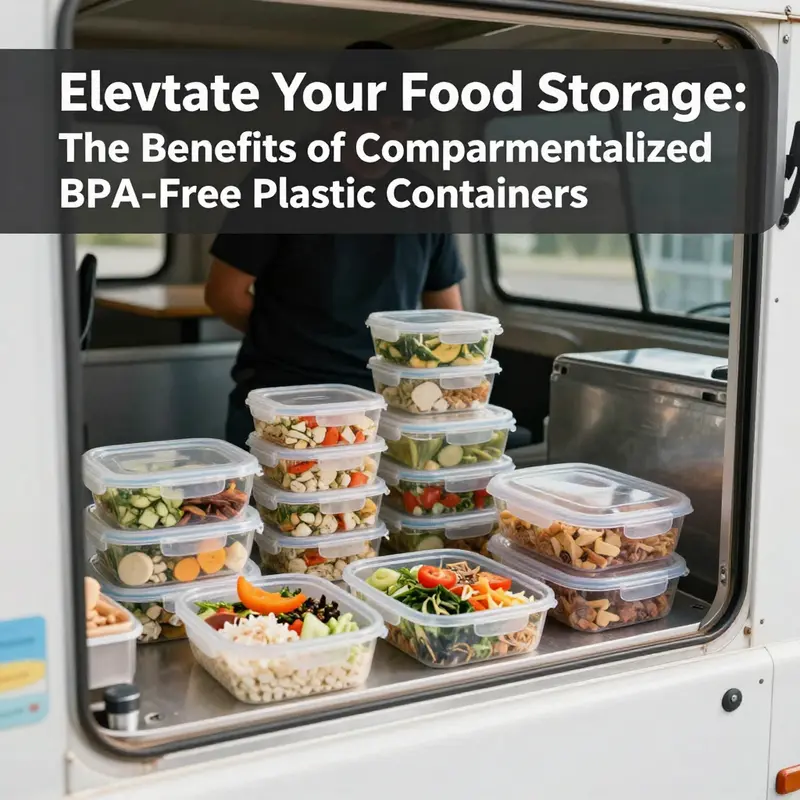
A single container can carry a philosophy as much as a meal. Compartmentalized BPA-free plastic food storage solutions embody a design choice that marries safety with everyday practicality. They are not just boxes for keeping food; they are systems that shape how we think about portioning, preservation, and planful eating. The core idea is simple but powerful: give each component of a meal its own space so flavors stay distinct, nutrients remain organized, and preparation feels deliberate rather than improvised. In practice, this translates into a single, multi-part unit that can hold a protein, a starch, vegetables, and a sauce without cross-contact or flavor bleed. For people who rely on meal prepping or who juggle school lunches and travel, this separation makes discipline easier without sacrificing variety. The containers’ value lies as much in their organization as in their safety, and that pairing is what makes them so widely adopted across homes, schools, and service settings.
At the heart of these containers is a careful choice of materials. They are typically crafted from food-grade polypropylene or a durable Tritan-based plastic, both of which can be certified BPA-free and non-toxic. The absence of bisphenol A is a non-negotiable assurance for many households that want to reduce chemical exposure, especially when containers are used with heat or acidic ingredients. These materials bring two practical advantages: they are clear enough for quick content identification, and they resist the kind of denting or warping that makes long-term storage less reliable. The transparency is not just aesthetic; it is functional. When the refracted light reveals the color and texture of each component, it becomes easier to monitor portion sizes, assess freshness, and manage inventory without opening every lid. In a kitchen where time is a scarce resource, this kind of visibility translates into fewer trips to the fridge, less guesswork, and more confidence in what is being eaten.
The modular design is more than a clever gimmick. It mirrors how people plan meals in their daily lives. A typical day benefits from a single unit that holds a pre-portioned protein, a grain or starch, vegetables, and a small serving of sauce or dressing. The distinct compartments preserve textures and flavors. A seared chicken breast can rest alongside quinoa, which in turn accompanies broccoli, all separated to prevent mix-ups or sogginess. This separation supports balanced nutrition by making portion control intuitive. When a consumer can see each component at a glance, the temptation to overeat or to substitute an item in haste is reduced. Portion control is not a punitive regime here; it is simply a practical framework that aligns appetite with dietary goals, portion sizes with meal timing, and variety with consistency.
Design extends beyond the walls of the box and into the metaphors of kitchen workflow. The lids, airtight seals, and sometimes gasketed rims guard against leaks and preserve freshness. This is essential not only for leftovers but for daily transport—whether a student carrying a lunch across campus or a professional commuting with a prepared dinner. An airtight lid acts like a miniature climate control system, slowing the dehydration of vegetables, keeping sauces from puddling into unintended spaces, and preserving the integrity of delicate components. In practice, users learn to build meals that stay intact during transit, reducing the need for additional packaging or double-wrapping. The result is a cleaner carry experience and less waste, as the container minimizes the number of separate bags and wrappers required for a single meal.
Microwave and dishwasher compatibility further extend the practical value. Many of these containers are rated for microwave heating with appropriate lid handling and are dishwasher-safe for straightforward cleaning. Heat resistance is not merely about comfort; it relates to safety and convenience. Being able to reheat directly in the same container without transferring food into another dish cuts down on cleanup time. Yet there are caveats. Prolonged exposure to very high temperatures can cause lids to warp or seals to degrade, so users learn to follow manufacturer guidelines about maximum safe temperatures and recommended cleaning cycles. This balance between usability and longevity is where the real-world performance of BPA-free plastic shines: the material stands up to regular use, yet demands sensible care to maintain its integrity over time.
In everyday kitchens, these containers are a quiet ally for meal planning and preparation. The clear walls let families see what they have on hand, turning pantry management into a visual activity rather than a guessing game. Portions are pre-determined, helping households curb impulse purchases and food waste alike. When a busy parent opens the fridge, the pre-measured sections present a ready-to-go option that supports healthier choices and a more predictable timetable. Because the compartments are separate, it is easier to reuse the same unit for a different day’s menu without cross-contamination of flavors. In this sense, the container becomes not only a tool for storage but a facilitator of mindful eating and time management.
The application is not limited to home use. In professional kitchens, restaurants, hotels, and catering operations, compartmentalized BPA-free containers contribute to efficient workflows and hygienic practices. Staff can portion and stage ingredients for service, relying on standardized units to ensure consistency across dishes and shifts. This standardization helps maintain quality in high-volume environments where timing and uniformity matter. Modular containers also optimize storage space. They stack neatly in refrigerated shelves or prep areas, creating orderly vertical and horizontal layouts that reduce clutter and make room for other equipment. The ergonomic design, with comfortable grips and secure latching mechanisms, supports rapid handling during peak service periods and simplifies training for new staff.
Yet every system has its limits, and awareness of these helps users deploy the technology more effectively. One limitation is the size of individual compartments. For recipes that rely on liquids or soups, a single-segment space may be insufficient unless the lid design is exceptionally robust and leak-proof. This constraint invites thoughtful meal planning: sauces and dressings can be allocated to small, sealed pockets within the unit, while liquids stay contained in compatible, dedicated compartments or are kept separate in a secondary vessel. Another consideration is odor and stain management. Repeated use with strongly aromatic foods or heavily colored ingredients can lead to lingering scents or staining if cleaning is neglected. Regular washing and occasional odor-neutralizing practices help preserve the container’s appearance and performance over time. Finally, even BPA-free plastics carry a lifecycle verdict. They offer long-term durability but still represent a fossil-fuel–derived material at the end of their usable life. Recycling options, local guidelines, and the willingness to reuse rather than replace play a decisive role in the overall sustainability profile of these products.
Despite these caveats, the overall value proposition remains compelling. The combination of safety, organization, and convenience reshapes how people approach food storage. The containers become a practical counterpart to a broader shift toward health-conscious, time-efficient living. They empower families to cook with intention, support children’s nutritional needs at school, and enable professionals to manage meals and ingredients with greater reliability. This is not simply about keeping food fresh; it is about shaping behavior through design. When users can trust that a meal remains separate, visible, and safely stored, they are more likely to prepare balanced, home-cooked options rather than rely on less healthy alternatives. The cycle tightens: better-prepared meals reduce impulse choices, which strengthens dietary patterns and, in turn, reinforces the habit of planning ahead.
A small but meaningful part of this story is the ecosystem around storage solutions in the market. The demand for reliable, BPA-free, multi-compartment options has spurred a broad range of sizes, configurations, and configurations, making them accessible across different budgets and needs. Buyers increasingly expect products that are not only functional but easy to clean, durable under regular use, and compatible with common kitchen routines. The design language—clear walls, modular compartments, airtight lids, and stackable forms—has become a standard against which new innovations are measured. Even as new packaging and takeout concepts rise in tandem with consumer preference for convenience, the same underlying logic of separation, safety, and efficiency continues to inform both product development and everyday practice.
For readers who want to extend the logic of compartmentalization beyond the kitchen, the concept resonates in an adjacent realm of packaging design. In the world of takeout and food-to-go, practitioners increasingly adopt multi-compartment formats to preserve food integrity during transport. One example that mirrors this approach in a different context is an eco-friendly three-compartment packaging box designed for fast-food settings. This integration of modular, sealed spaces illustrates how the same principles—segregation of components, protection of flavors, and controlled presentation—can be scaled up or down across the food system. Explore this concept here: eco-friendly 3-compartment packaging box.
As this technology continues to mature, its appeal lies less in novelty and more in reliability. In households, the promise of safer storage, easier meal planning, and cleaner transfers makes these containers a practical investment in daily life. In professional settings, the clear organizational benefits translate into smoother service, less waste, and more predictable costs. The BPA-free guarantee provides a foundational level of consumer trust, while the reusable, washable design supports ongoing use without the safety concerns that accompany some older plastics. The combination of these factors helps explain why compartmentalized containers have moved from niche curiosities into everyday essentials, bridging the gap between personal health goals and professional hygiene standards.
To close this exploration, consider how the simple act of portioning—one container, many compartments—serves as a micro-architecture of healthier eating. By prioritizing safety, clarity, and modularity, these containers enable people to translate intention into action: planning meals, protecting flavors, and reducing waste. They are a reminder that well-designed everyday objects can shape not just how we store food, but how we eat, how we budget our time, and how we think about nourishment in a busy world. For readers seeking additional technical guidance on material safety and use guidelines, a comprehensive external resource offers detailed standards and considerations: https://www.foodserviceequipment.com/food-storage-containers/bpa-free-compartmentalized-plastic-containers
Final thoughts
Incorporating compartmentalized BPA-free plastic food storage containers into your operations can promote better food organization, enhance safety, and cater to the demands of health-conscious consumers. As the food industry evolves, adopting these innovative containers not only meets current market trends but fosters a commitment to quality and safety. Whether you’re preparing meals for a bustling event or serving beverages in a trendy café, these compartments can help you streamline your processes and elevate your customer experience. Embrace the future of food storage and watch your business thrive.