
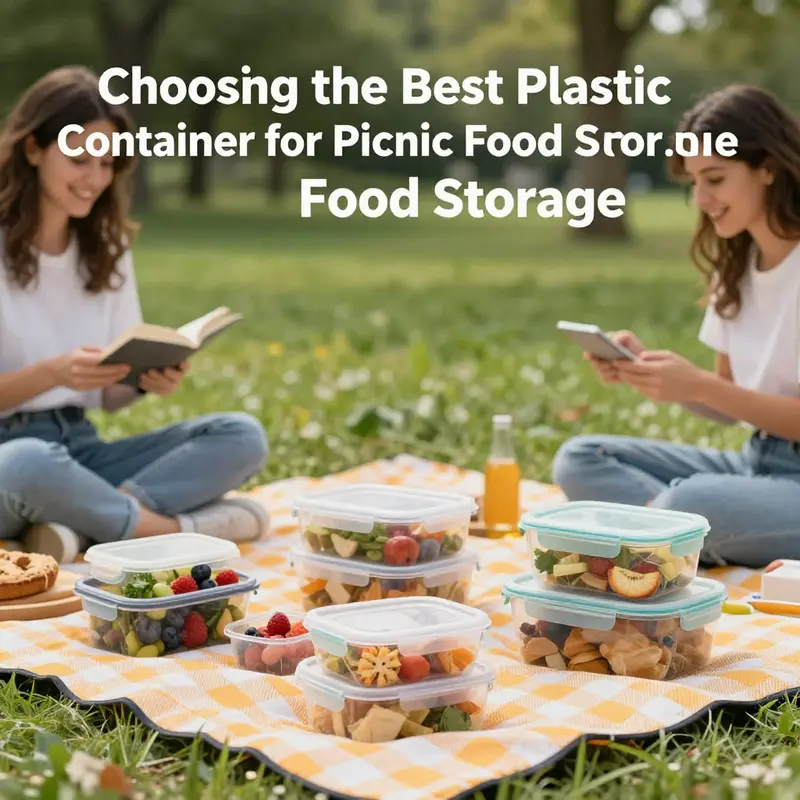
When it comes to organizing a successful picnic, the right food storage containers can make all the difference. As operators of bubble tea shops, restaurants, food trucks, catering services, or event planners, you understand how critical it is to choose products that showcase your commitment to quality and safety. This article explores top options for picnic food storage, spotlighting the Sistema Tritan container for its unparalleled safety features and practicality. It also showcases the eco-friendly Stasher Silicone Bags as a compelling alternative for smaller snacks. Lastly, we provide strategies to help you optimize your selection process for efficient and safe food storage during outdoor events.
Clear, Safe, and Space-Savvy: How a BPA-Free, Ventilated, Stackable Plastic Container Elevates Picnic Food Storage
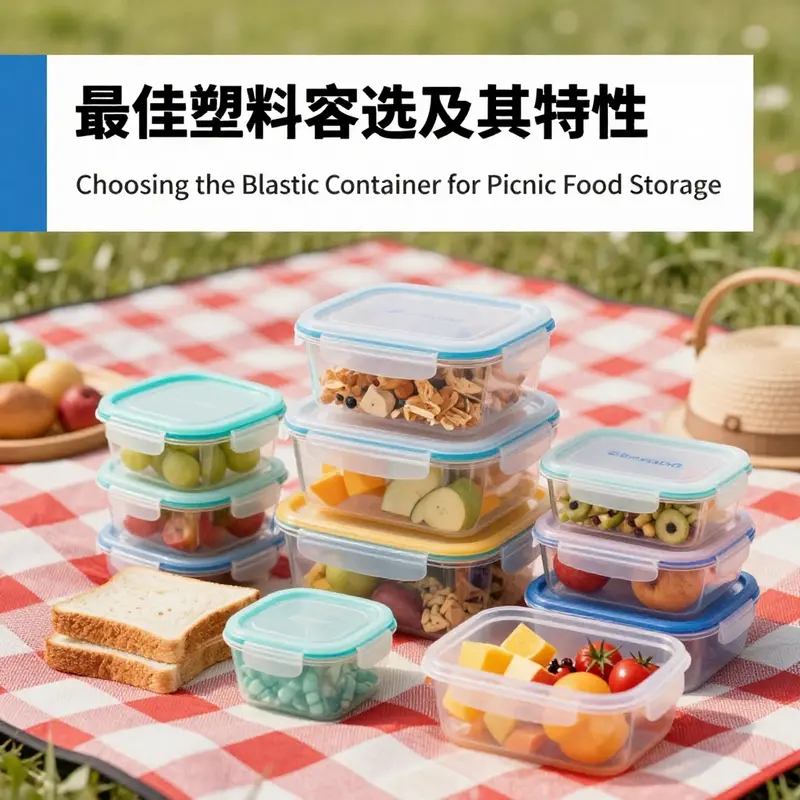
Choosing the right plastic container for a picnic is not just about capacity; it is about safety, practicality, and how the day unfolds. A durable, transparent, BPA-free option keeps flavors honest, helps manage portions, and reduces the chance of leaks during transport. The goal is to sustain freshness from packing to serving, while keeping the packing light and the setup simple.
Material matters: a high-clarity copolyester that is BPA-free and free of phthalates offers confidence that survives the trip to the park. Clarity is functional: you can see what’s inside, monitor freshness, and rotate items without opening containers. A vented lid becomes the practical heart of safe reheating on site, allowing steam to escape gradually instead of building pressure and risking spills.
Space efficiency is crucial: stackable, modular designs maximize limited bag space and car trunk real estate. Interlocking bases and compatible lids reduce clutter and prevent spills. A container that nests with others frees room for utensils, napkins, and snacks.
Versatility: it should thaw, reheat, and store from fridge to picnic table. Microwave-friendly with proper venting, it can go from home storage to warm servings at the park. The transparent body speeds assembly and keeps the focus on meals and company rather than rummaging through a tote.
Care and longevity: stain resistance, odor control, and the ability to resist cracking after repeated use matter for a daily picnic routine. Pair the main container with silicone bags for sauces or small items to reduce waste and increase flexibility.
Choosing tips: look for BPA-free, high clarity, heat tolerance, a reliable seal, and a vented lid. Ensure it stacks neatly with your other components and that the sizing matches your typical picnic menu.
With these guardrails, you can enjoy the day outdoors with confidence and less clutter, focusing on the sun, the breeze, and time with friends.
Reusable Silicone Bags: A practical, eco-conscious alternative for picnic food storage
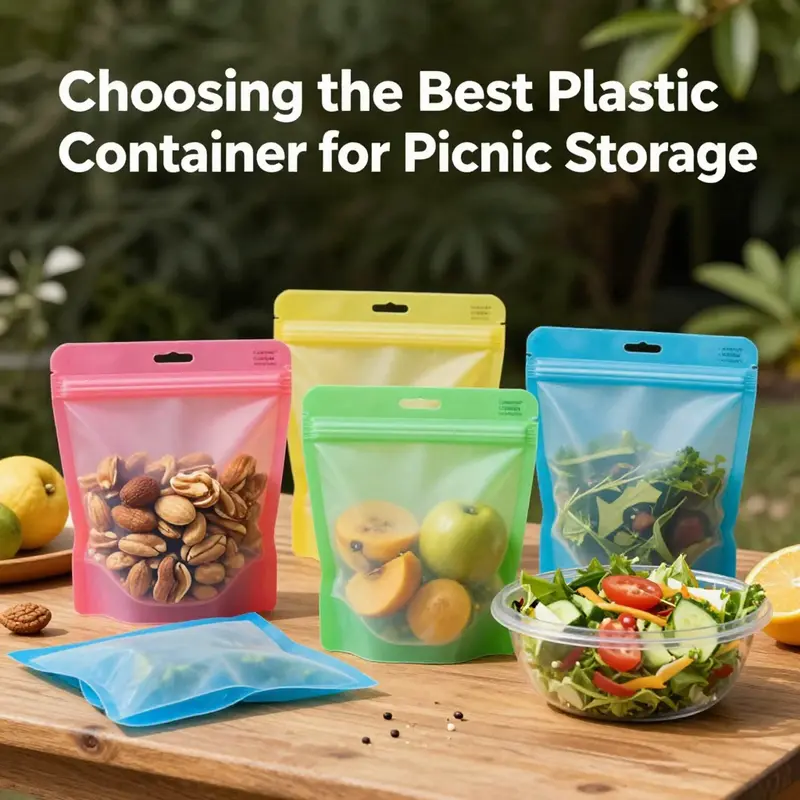
Choosing the right container for picnic food means balancing safety, convenience, and environmental impact. Reusable silicone bags present a compelling alternative to single-use plastics. They combine durable, food-safe material with flexible storage options. Yet they are not a universal solution. This chapter examines their strengths, realistic limits, and how to use them alongside rigid containers for a smarter picnic kit.
Silicone bags are made from high-purity, platinum-cured food-grade silicone. This material is nonporous and inert, which helps prevent chemical transfer to food. It resists staining and holds flavor less readily than many plastics. Many grades meet major food-safety standards and handle a wide temperature range, enabling freezing, refrigeration, microwaving, and even gentle sous-vide or boiling. For people who prioritize avoiding disposable plastics, silicone’s reusability is its biggest appeal: a single bag can replace hundreds or thousands of one-time items.
In practical picnic use, silicone bags shine with snacks, cut fruit, sauces, and small prepared items. Their flexible form makes them easy to pack around other gear. They come in multiple sizes, from snack and sandwich formats to larger stand-up pouches. The full-seal closures effectively block air and slow oxidation, which helps fruits and prepped salads remain fresher longer. Because the material is soft, packing can be compact when bags are empty, freeing space in a backpack or cooler.
Another advantage for outdoor meals is the multi-functionality of these bags. You can marinate proteins, freeze components, and reheat portions in the same pouch. That reduces transfers between containers and cuts cleanup. Dishwasher-safe models simplify after-picnic maintenance. For those who like batch prep, silicone pouches enable portioning and storage without single-use cling film or disposable zipper bags.
Beyond convenience, the environmental case is persuasive. Reusable silicone reduces the flow of single-use plastics into landfills and oceans. Over a long lifespan, a silicone bag’s cumulative waste footprint is far lower than repeatedly using throwaway items. For sustainability-minded families, building a picnic set around reusable bags signals a commitment to less waste and cleaner outdoor spaces.
However, real-world use exposes several limitations. The first is cost. Durable silicone bags are pricier upfront than inexpensive disposable alternatives. While the long-term cost-per-use is low, the initial investment can be a barrier for budget-conscious buyers. Those evaluating returns should consider how often the bags will be used and whether the household routinely replaces single-use items.
The second constraint is structural. Silicone is flexible and lacks rigidity. When filled, soft bags can fold, slump, or compress under other items. This is a clear drawback for delicate foods. Sandwiches, slices of cake, or layered salads may be crushed if placed directly into a backpack with heavier gear. The flexible profile also means that liquids or sauced items can shift and press against seals, increasing the risk of leaks if the seal is imperfect. As such, silicone bags function best for stable solids, pre-portioned snacks, or items placed inside a rigid outer box for protection.
Hygiene and cleaning are additional practical concerns. In a kitchen, bags can be rinsed, scrubbed, or run through a dishwasher. Outdoors, cleaning options are limited. Leftover oils or sticky fruit sugars can cling to the interior if not washed promptly. Even though silicone resists bacterial growth better than some porous materials, poor cleaning leads to odors or residue buildup over time. For multi-day trips or backcountry use, consider bringing a small scrub brush, biodegradable wipes, or plan to use the bags only for clean items like nuts, crackers, or whole fruit.
Durability is a strength, but it has boundaries. Sharp utensils, bones, or rough surfaces can puncture silicone. High-temperature exposure above the material’s tolerance can cause hardening or deformation. While many pouches tolerate steam or hot water, open flames or direct contact with heating elements should be avoided. Additionally, prolonged exposure to strong oils or pigments may gradually affect appearance, though function often remains intact.
Disposal and end-of-life are often overlooked. Silicone is more chemically stable than many plastics, which makes it difficult to break down in the environment. Recycling streams for silicone are not as widespread as those for common plastics or metals. That means users must plan for long-term storage and eventual disposal responsibility. Some manufacturers and local programs accept silicone for recycling, but availability varies widely. When choosing silicone for sustainability, weigh usage frequency against potential recycling limitations.
Practical packing strategies make silicone bags far more effective for picnics. Use them for portioned snacks, sliced fruit, chopped vegetables, dips in small cups, and dry items like granola. For anything likely to be crushed, pair a silicone bag with a shallow rigid tray or place it in a box to preserve shape. If you want to carry soups, gravies, or oily dressings, double-seal inside another leakproof container or use small, purpose-made sauce pots instead.
Temperature control is another useful tactic. Freeze water-filled silicone bags to create flattened ice packs that double as chillers and thaw into drinking water during a long day. Alternatively, partially freeze prepared items to keep them chilled until served. Because silicone tolerates freezing, this serves a dual purpose: food safety and space-saving. For reheating, transfer food from the bag to a heat-safe dish if unsure about even exposure to microwave energy. When reheating in the pouch, open the seal slightly to let steam escape and avoid pressure build-up.
Selecting sizes thoughtfully prevents waste and improves convenience. A small pouch is ideal for seeds, nuts, and condiments. Mid-size bags suit sandwiches and fruit portions. Large stand-up pouches work for family-style salads or larger components. Mixing and matching sizes creates a flexible kit that adapts to different picnic menus. Also consider color or label systems to identify contents quickly without opening every bag.
Maintenance tips keep bags fresh and usable. Rinse immediately after use when possible. For sticky residues, soak in warm soapy water before scrubbing. Baking soda paste neutralizes lingering odors and stains. Run through the dishwasher top rack to sanitize and remove residues. Air dry fully before storing to avoid trapped moisture, which can encourage smell or mold. For travel, keep a lightweight drying rack or foldable tray in your picnic kit.
Integrating silicone pouches into a broader picnic system is wise. Treat them as part of a mixed toolbox that includes at least one rigid, airtight container for fragile or saucy foods. Use soft bags for snacks and items that benefit from pliability. Keep small condiment pots on hand for wet dressings. If you prefer a low-waste kit, add compostable or recyclable disposables for special cases, and use kraft or paper-based dessert boxes when presenting cakes or fragile pastries. These disposable paper options offer structure and an eco-friendly aesthetic when needed; consider using picnic kraft paper cake boxes for delicate desserts or treats.
For families or groups, durability pays off. Reusable silicone reduces ongoing purchases of costly single-use seals. It also fosters consistent food-safety habits when members learn to label, portion, and clean. For occasional picnickers, the decision depends on frequency. If you picnic several times a month, the investment pays back quickly. For infrequent users, small starter sets can test suitability without significant expense.
From a safety standpoint, silicone’s inert nature minimizes risks associated with certain plastics. Yet no material is perfect. Always check the manufacturer’s temperature limits and care instructions. Avoid prolonged contact with very hot fats and oils, and never expose the pouches to direct flame. Inspect seals regularly for wear and test closure integrity before packing liquids.
Environmental thinking benefits from a nuanced view. Silicone production uses energy and resources, so the net sustainability gains depend on use duration. Widespread adoption of reusable pouches would reduce plastic waste significantly. However, users should still seek products with responsible manufacturing, clear end-of-life guidance, and transparent safety certifications. When possible, keep silicone items in use for many years and explore local recycling or take-back programs when they wear out.
Finally, consider the user experience. Reusable silicone appeals to those who value neat packing, reduced waste, and versatile reheating or freezing. It may frustrate those who need rigid protection, low upfront costs, or minimal maintenance in outdoor settings. The best picnic storage solutions accept trade-offs. Use silicone bags where they play to their strengths, and combine them with sturdier containers for dishes that demand protection.
When planning a picnic, think in terms of systems rather than single products. A balanced kit might include rigid, stackable containers for mains, a few reusable silicone pouches for snacks and sauces, insulated carriers for hot items, and small disposable or recyclable boxes for delicate desserts. This approach keeps food safe, reduces plastics, and delivers practical convenience in the field.
For further reading on the material properties, safety standards, and manufacturer guidance for food-grade silicone, consult the product material and safety page provided by a leading maker of silicone storage solutions: https://www.stasherbag.com/pages/our-material
Safe, Stackable, and Spill-Proof: How to Choose the Ultimate Plastic Container for Picnic Food Storage
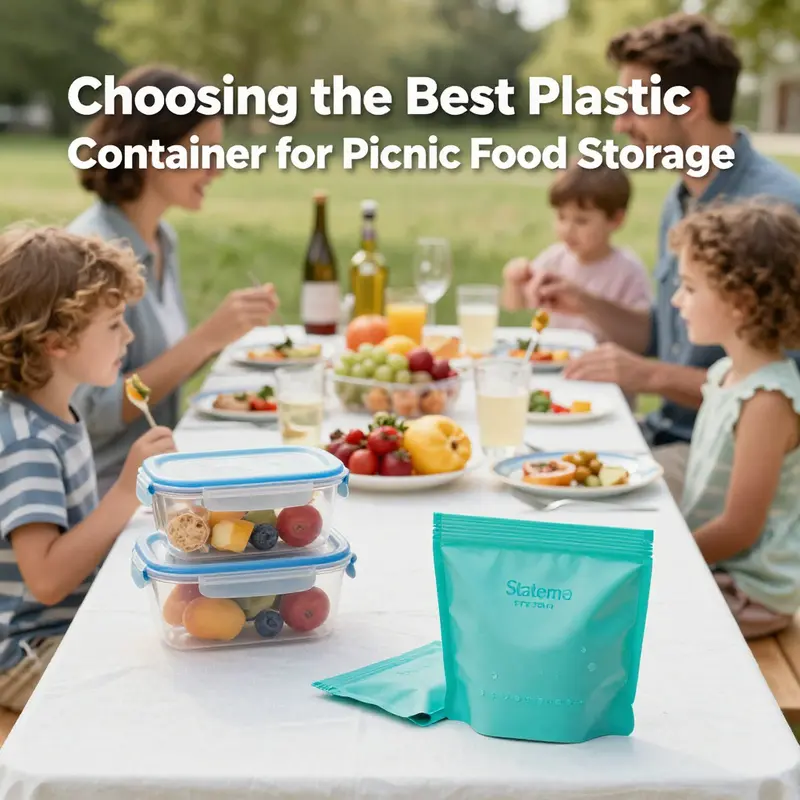
Choosing the right plastic container for a picnic is more than a matter of style or convenience. It is a careful balance between safety, practicality, portability, and the environmental footprint of your gear. When you picture a perfect picnic setup, the container of choice should disappear into the scene as a quiet workhorse: it holds your food securely, travels with minimal bulk, and transforms from storage to serving with ease. In this chapter, we explore how to select a plastics-based solution that stays faithful to those expectations. We draw on current guidelines and practical insights to illuminate a path from initial shopping instincts to real-world use at a park, a beach, or a roadside layover. The core idea is simple: prioritize a BPA-free, durable, and versatile container that can weather both cold storage and light reheating, while integrating smoothly with an insulated carry system and thoughtful food handling practices.
A starting point is to consider the material itself. In the world of food storage plastics, high-density polyethylene (HDPE) and certain forms of polypropylene (PP) are widely recognized as safe, stable options for a broad range of foods. These materials are known for their chemical resistance, meaning they resist staining or interaction with acidic or fatty foods, and they are durable enough to withstand repeated use. They also exhibit good temperature tolerance, withstanding heating near gentle ranges and cold temperatures for freezing or chilling. Importantly, they are commonly labeled with recycling codes that help consumers identify what can be recycled and what should be avoided, reducing post-use waste in the long run. When a container is described as BPA-free, it signals an important precaution against a chemical class that some people prefer to minimize in daily life. While regulatory agencies have tightened safety standards over the years, a practical approach is to choose a container marketed as BPA-free and designed for food contact, with a reliable seal and simple, clean lines that minimize crevices where food residue can accumulate.
Yet the shopping landscape can be perplexing because there are newer, more premium concepts that emphasize a different set of strengths. A BPA-free, crystal-clear plastic that is marketed for its durability and glass-like clarity can be particularly appealing for picnickers who want to quickly identify their contents without opening every lid in sight. The advantage here goes beyond aesthetics. Clear containers help you see portion sizes at a glance, reduce the time you spend rummaging through a bag, and enhance organization when you’re coordinating a potluck spread or a family outing. The ability to see what you have also supports efficient planning—knowing whether you have enough carrot sticks, whether the pasta salad is still in good shape, or if the strawberries remain fresh becomes almost automatic when the contents are visible.
But visibility must not come at the expense of safety. For a container to be truly picnic-ready, it should offer a few non-negotiable features. First, a dependable seal is essential. An airtight or near-airtight lid reduces oxidation, deters moisture loss, and minimizes the risk of leaks while you’re tossing bags into a trunk or stowing the box under a park bench. A leak-proof design matters most when sauces, dressings, or soups are involved. The best solutions for picnic use often incorporate a lid that presses down securely and includes a gasket or silicone seal that remains pliable after repeated cycles. For reheating or mixed-use applications, a venting mechanism becomes a quality differentiator. A lid that allows steam to escape during heating prevents pressure buildup that could pop the lid or compromise the seal. This is especially useful if you plan to warm food directly in the container after a short transport period.
Another critical design feature is modularity without complexity. A container that includes internal dividers or compatible add-ons can keep dry foods separate from sauces or wet ingredients, reducing cross-contamination and preserving texture. The benefit of interlocking sections is not merely convenience. It helps maintain the integrity of delicate items like greens or crunchy vegetables, while keeping heavier or saucier items from mousing into more fragile components. A well-thought-out modular design also gives you the flexibility to adapt for different meals—sandwiches and salads one day, a curry and rice another—without buying an entirely new kit each season.
Portability rounds out the core criteria. A good picnic container should nest or stack with similar boxes to save space in a bag or cooler. A low profile, stackable system reduces bulk in your trunk and enhances accessibility when you lay out the food at your destination. Handles and grips matter as well. A thoughtfully designed container includes a lid that remains easy to handle when your hands are gloved or slippery after a dip in the lake. A balanced weight is important too; you want something robust enough to survive a few bumps but light enough to carry without fatigue, especially when you’re loading a full picnic basket, a blanket, and a handful of small plates.
The environmental angle is increasingly central to decision-making. Reusability is the core virtue here. A container that lasts for years through daily use, dishwashing, and occasional travel is a far stronger choice than a disposable option that might end up in the trash after a single outing. When evaluating recyclability, look for materials labeled with widely accepted codes such as PP (#5) or HDPE (#2 or #1, depending on the exact formulation). These codes guide recycling streams and help ensure that your purchase aligns with broader sustainability goals. If you’re drawn to alternatives that minimize plastic altogether, silicone storage bags can provide a sturdy, flexible option for small items, snacks, or cut fruit. The silicone approach carries its own benefits—extreme flexibility, excellent sealing, and high resistance to temperature changes—but there are trade-offs in terms of capacity and shape that may limit its use as the primary food container for a full meal.
Within this landscape of choices, the ideal compromise is a container that blends safety, practicality, and resilience. A BPA-free, clear, durable plastic with a tight seal, optional internal dividers, and a vented lid earns its place in a well-rounded picnic kit. Such a container can accommodate a range of foods—from hot soups or stews kept warm in a dedicated insulated bag to cold salads, fruits, yogurt, or cheese—while remaining compatible with a simple microwave reheating process if needed. The key is to ensure that the container is designed for microwave use, freezer safety, and dishwasher cleaning, thereby reducing the number of separate tools you carry and simplifying maintenance after your meal.
If you want to maximize efficiency without complicating your kit, consider pairing the main container with a set of silicone storage pouches for smaller items, sauces, or accompaniments. A compact silicone pouch or two can be used for vinaigrette, sour cream, honey, or olive oil for dipping, which you can place inside the main container or alongside it. This combination minimizes the risk of leaks and cross-contamination while supporting a clean, organized layout within a cooler or tote. The silicone option also aligns with environmental stewardship since it is highly durable and can be cleaned and reused with minimal risk of odor retention when properly cared for.
In one practical sense, the decision comes down to how you prioritize the trade-offs between premium materials, long-term durability, and the realities of outdoor use. A high-quality, BPA-free, crystal-clear container with a secure, vented lid and the possibility of adding dividers offers the best combination of visibility, safety, and flexibility. It can serve for a wide range of meals—from a pre-prepared pasta salad to a warm curry with rice—while remaining easy to clean and to reuse. For those who aim to minimize plastic altogether or want to avoid plastics entirely, a silicone-based storage system can be an excellent complement, but it is typically best used for smaller portions or for packaging sides and snacks rather than as the primary meal container.
An important reality to acknowledge is that external guidelines help shape safer usage patterns, but personal practice makes the difference in everyday picnic life. Keeping hot foods hot and cold foods cold requires more than just the right box. It requires a thoughtful approach to temperature management, container handling, and the sequence of packing. The recommended strategy is simple and practical: pre-portion meals into containers, pre-chill the items that need refrigeration, and choose a good insulated bag or daysack that keeps temperatures stable for the duration of your outing. The combination of a sturdy container and a high-quality cooling system dramatically reduces the risk of foodborne issues on the go. It is not merely about keeping foods from spilling; it is about preserving texture, flavor, and safety from the moment of packing until the moment you set the table at your destination.
To illustrate how these ideas translate into real-world practice, imagine a weekend picnic with a thermos of hot soup, a container of pasta salad, a separate box for crudités, and a small silicone pouches set for sauces and dips. The main container would be BPA-free, with a clear view of its contents, and sealed tightly to prevent leaks during transit. The vented lid would help manage heat if you intend to reheat the soup briefly on-site, and the inner compartments would keep creamy dressing separate from crunchy vegetables. The insulated bag would maintain the cold items at safe temperatures, while the hot soup would stay warm enough to enjoy without cooling the entire spread. Such a setup minimizes the number of containers you juggle, reduces the chances of misplacing items, and enhances the overall experience by delivering food that tastes as good midway through a long afternoon as it did when you packed it.
For readers seeking concrete purchasing options without naming specific brands, a pragmatic approach is to search for containers described as BPA-free and suitable for food contact, with a durable, clear shell and a lid that seals well. Look for mentions of a vented lid or steam-release feature if you anticipate heating food in the container. Confirm that the container can withstand both hot and cold applications, and check whether it is dishwasher safe to simplify cleanup after a day outdoors. The best containers for picnics are those that fold into your packing system rather than complicate it, letting you focus on the people you are with and the food you brought, rather than on managing a dozen different pieces of gear.
In the landscape of complementary options, you may encounter silicone storage bags as an alternative to rigid containers. They offer flexibility and excellent sealing, particularly for small items like fruit slices, nuts, or dressings. If you decide to include silicone bags, make sure they are made of food-grade silicone and can withstand repeated heating and cooling. The advantage of silicone is its durability and sealing strength, which helps contain dressings or sauces without risk of liquid leakage. The trade-offs include volume capacity and shape retention; silicone bags may not be ideal as the primary meal container for larger portions but can be ideal as a supplementary system with the main rigid container serving as the primary vessel for the hot or cold portions.
The practical takeaway is this: the best long-term solution for picnic storage is a well-constructed, BPA-free, transparent plastic container with a secure seal, a vented lid, and optional dividers, paired with a reliable insulated carrier and, where appropriate, silicone bags for smaller items. This combination gives you the flexibility to prepare foods ahead of time, transport them safely, and serve them efficiently on site. It also aligns with a broader understanding of food safety in outdoor settings, where temperature control, separation of raw and ready-to-eat items, and careful handling reduce the risk of illness. If you are new to this approach, start with one sturdy, multi-purpose container and build around it with insulated capacity and small silicone pouches; this keeps your kit simple and practical while still offering significant protection for your picnic foods.
For readers who want a tangibly quick reference to a practical packaging option that complements a durable container system, consider exploring eco-friendly takeout boxes designed for versatility and microwave safety. Such a choice supports a cohesive, space-saving picnic kit and can be a smart companion to a main storage container. See the following resource for a concise example of this packaging category: eco-friendly takeout boxes for food packaging.
As the final word on the storage solution, the goal is to embrace a practical, health-conscious approach that keeps foods at their best from the moment you seal them until the moment you share them. The combination of a high-quality, BPA-free, clear, and durable primary container, together with a well-insulated carrying system and optional silicone accessories, stands up to the varying conditions of a picnic while safeguarding flavor, texture, and safety. It’s a system designed not only for today but for many days of enjoyable outdoor meals to come. The choice may feel nuanced, but the payoff is straightforward: fewer decisions at the park, less waste, and meals that feel as fresh as if you had just prepared them at home.
External guidance to complement these practical choices emphasizes thoughtful handling and temperature control. For authoritative safety guidelines, see the FDA’s Plastics and Food Contact guidance, which outlines current standards for materials used in direct contact with food. This resource helps you distinguish between materials that are stable and reliable for food storage and those that require caution in outdoor settings. By aligning your container selection with these guidelines, you can make informed choices that support both safety and enjoyment of your picnic experience.
External resource for further reading: https://www.fda.gov/food/food-contact-materials-industry/plastics-and-food-contact
Final thoughts
The choice of food storage containers can significantly influence the success of a picnic. By investing in high-quality options like Sistema Tritan, you ensure the safety and freshness of your food, which directly reflects the standards of your establishment. Stasher silicone bags offer a versatile and eco-friendly alternative for smaller items, catering to the growing trend of sustainability. Adopt a balanced approach by incorporating both types into your picnic planning, thus enhancing your offerings and impressing guests with your commitment to quality and environmental responsibility.