
As the food and beverage industry continues to flourish, the responsibility to manage plastic waste has never been more crucial. Bubble tea shops, restaurants, food trucks, and catering services, along with corporate procurement teams, are at the forefront of this challenge. Understanding how to responsibly dispose of plastic food containers and packaging can significantly reduce environmental impact and enhance your brand’s reputation. This guide will illuminate key approaches: reducing and refusing single-use plastics, correctly recycling plastic materials, avoiding improper disposal tactics, and safely managing non-recyclable plastics. Together, these chapters present a holistic view of sustainable practices tailored for your business.
Refuse First, Reuse Always: A Seamless Path from Reduction to Responsible Disposal of Plastic Food Containers

A practical shift begins with a simple premise: the most effective way to manage plastic food containers and packaging is not to generate them in the first place. When you look at a supply chain built on convenience, the real leverage lies upstream—in how we choose, how we shop, and how we behave at the point of consumption. This is a chapter about a mindset as much as it is about rules. It asks you to pause before the next purchase, to weigh the true cost of a shiny, single-use wrapper, and to imagine a household where less ends up as waste and more stays usable. The core idea centers on reduction and refusal as the foundational steps—to break the habit of reflexively accepting packaging we do not truly need, and to replace it with durable, reusable options that perform as well or better than their disposable counterparts. In practice, reduction begins at the grocery store and the takeout counter, but it pays off at home in calmer, cleaner habits and a lighter environmental footprint. To that end, the most effective directive is simple and honest: refuse what you can, and reuse what you already own whenever possible. The payoff is not only a smaller trash bin, but a smaller footprint across the entire life cycle of packaging, from production to disposal to eventual repurposing.
The first step is to replace disposable containers with durable, washable options. Stainless steel, glass, and silicone offer resilience that makes daily use feasible without fear of leaks or breakage. They invite a practical routine: pack leftovers in a well-sealed container for the fridge, transport meals in the same container with confidence, and wash promptly so they’re ready for the next use. If possible, choose containers with screw-top lids and wide mouths, which simplify cleaning and make it easier to inspect for any food residue that could complicate recycling later. In parallel, cultivate habits that minimize the need for new containers. Bring reusable bags, boxes, and utensils when you shop or order takeout, and opt for products with minimal plastic packaging or packaging designed for reuse or refill. This approach reshapes your domestic rhythm and reduces the stream of new plastics entering your home and the waste stream leaving it. It also has the practical benefit of saving money over time; durable items often outlast their cheap counterparts, and the cumulative savings from fewer replacements add up.
If the idea of reducing packaging seems abstract, translate it into concrete actions: plan meals to avoid waste, buy in bulk when feasible and bring your own containers for bulk goods, and select products that travel light in terms of outer packaging. These choices are more than symbolic—they’re part of a practical, day-to-day discipline. Carrying a compact, reusable container or two to work or school can eliminate the need for single-use boxes and cups during lunch breaks or quick meals. When ordering takeout, urge vendors to pack without excess wrapping or plastic liners, or better yet, choose establishments that offer container-free or reusable options. The aim is to shift the onus onto the consumer as an agent of change: if you can say no to unnecessary packaging, you reduce waste at the source and ease the burden on recycling systems that are already strained.
In addition to personal habits, there is a rich middle ground that respects both convenience and responsibility. The path from reduction to disposal is not a binary choice but a continuum. If you already have plastic containers, you can still participate in a sustainable loop by ensuring they are used to their fullest before they are retired. Clean, dry containers are far more valuable than many people realize; they are a resource that keeps the waste stream smaller and less contaminated. Before you consider discarding a container, reflect on whether it can be repurposed around the home or repurposed for non-food tasks. A well-sorted pantry can become a network of organizers created from old yogurt cups or plastic clamshells without introducing new materials into the system. The more you extend the life of each item, the less demand you place on new plastic production. A practical reminder: when you do need to replace containers, aim for products designed for long use, repairability, and recyclability. The goal is not perfection but progress that compounds over time.
When you do entertain the plastic reality, the next critical step is to understand how to recycle correctly. Not all plastics are equally easy to recycle, and contamination is a silent deal-breaker that can spoil an entire batch. The resin identification code—the number inside the triangle symbol, often called the Tri-Logo—serves as a guiding compass. Categories commonly encountered include #1 PETE, used for many beverage bottles, which is widely recycled but should not be reused for food storage after the original product is finished; #2 HDPE, found in milk jugs and detergent bottles, which is highly recyclable in many programs; and #5 PP, found in yogurt containers and some takeout lids, which is often accepted by curbside services but not universally so. The codes provide a practical shorthand for what can and cannot be processed in your local system. A clean container is critical: rinse away all food residue, as contamination can render an entire batch unfit for recycling. This may seem like a small chore, but it is the primary step that preserves the value of the material and makes it usable again.
Another detail centers on how you prepare items for recycling: remove lids and liners if they are made from a different material. A lid that is PP on an HDPE bottle, for instance, may require a different recycling process than the bottle itself. If the local program accepts both parts, you can place them both in the bin; if not, separate them so each can follow the appropriate stream. Local rules vary widely, so the best practice is to consult your municipality’s guidelines. Some places accept #5 PP but exclude #3 PVC or other plastics. A few communities have take-back or special programs for items that are not part of curbside recycling. Knowledge of these nuances is not pedantry; it is a practical route to preventing non-recyclables from entering the system under the false assumption that all plastics are equally recyclable.
The guidance on disposal becomes more nuanced as you move beyond the standard recycling bin. If a plastic item cannot be recycled through your local programs, consider alternatives that extend its life rather than pushing it toward the landfill. Some retailers and communities offer take-back programs for specific packaging types, such as plastic bags or film, which can channel materials into a more appropriate recycling or energy-recovery pathway. When such programs are not available, you still have options: you can sterilize the container through careful cleaning and repurpose it for non-food use, such as organizing small items, seed storage, or craft projects. Each reuse increases the time a plastic resin spends in a closed loop that avoids waste. This mindset of repurposing aligns with a broader, more resilient approach to waste management, in which the household acts as a micro-circular economy that minimizes waste generation at every stage.
Nonetheless, there will be plastics that simply cannot be recycled in your area. In those cases, you may encounter the phrase disposal as a last resort. Some packaging types are not widely accepted, and this is where safety and environmental responsibility intersect. Check for special programs that retailers or waste authorities offer for specific plastics or film packaging. If none exist, the general trash remains a last resort. It is far from ideal, but it is a more responsible option than burning plastics or abandoning them in unintended environments. Burning releases toxins, and improper burial can hinder soil and groundwater. The principle that emerges from these choices is that responsible disposal respects the material’s life cycle and seeks to close the loop where feasible, rather than simply ending it hastily in a landfill.
In the same spirit of careful handling, there are safety considerations that accompany plastic use and disposal. Even when you dispose of plastics properly, certain practices can undermine safety and sustainability. Avoid heating food in plastic containers, especially in microwaves or ovens, since high temperatures can cause chemicals such as BPA or phthalates to leach into food. This warning is not about fear but about a prudent boundary on heat exposure that preserves food safety and reduces potential chemical migration. Use mild cleaners and avoid abrasive scrubbers that can scratch the surface, creating microgrooves where bacteria can hide and the likelihood of chemical leaching can increase with time. When a container shows signs of degradation—cracking, cloudiness, scratching, or discoloration—it is wise to replace it. Degradation indicates a higher risk of chemical release and potential food safety issues, so letting go of worn containers protects both health and the integrity of your recycling streams.
If a container has reached the end of its usable life for food storage, you can still honor its value by considering how it may be repurposed or responsibly disposed. The overarching aim is to minimize the flow of plastics into landfills and to maximize the use of each item for as long as possible. This requires you to stay informed about your local rules and to advocate for policies that extend the life of packaging through better design, stronger recycling markets, and more robust collection systems. The EPA’s recycling basics offer up-to-date guidance on how plastics should be sorted and processed based on resin type, and they underscore the importance of aligning your actions with local capabilities. As always, knowledge is empowerment here: understanding what your community accepts prevents guesswork and reduces the accidental contamination that can cripple an otherwise recyclable item.
To bring this close to a practical pace, consider how you can translate these principles into a routine that feels doable rather than daunting. When you finish a meal or grocery trip, take a moment to assess the packaging you brought home. Can it be reduced further? Might you replace a one-time box with a reusable option next time you shop? If you discover a container that cannot be recycled in your program, ask whether there is a local take-back option or if it can be repurposed for non-food use inside your home. The process of reducing and refusing is ongoing and collaborative: it involves conscious choices, a little extra planning, and a willingness to adapt as systems evolve. It is also constructive to share these practices with family, friends, and neighbors, because collective commitment amplifies impact. Each household that commits to refuse, reuse, clean, and sort correctly contributes to a broader cultural shift that makes recycling more efficient and waste less burdensome for communities that deserve clean air, water, and soil.
For readers who want a concrete starting point, the act of choosing containers with minimal packaging can be a powerful first step. If you are seeking practical examples of durable, reusable options that work for takeout and everyday meals, you can explore examples of eco-friendly takeout boxes for food packaging. These options demonstrate how form and function can align with environmental goals, proving that responsible design can support a culture of reuse rather than a cycle of disposability. This approach does not demand perfection; it invites steady, repeatable improvements that accumulate over time. In short, the path to responsible disposal begins with a decision to reduce and refuse, and then builds on that decision with mindful recycling, careful handling, and creative reuse whenever possible. The result is not merely a cleaner home but a more resilient, circular approach to packaging that respects both people and the planet.
External resource: https://www.epa.gov/recycle/recycling-basics#plastic
From Packaging to Purpose: Mastering the Recycling and Safe Disposal of Plastic Food Containers

Plastic packaging surrounds almost every meal, from the plastic tub that held yesterday’s yogurt to the clamshell that carried a takeout burger. Its life does not end when the last bite is taken; it continues in a system that can either recover value or waste resources. The goal of responsible disposal is not merely to push a container into a bin; it is to understand the material, follow the rules that govern local recycling streams, and minimize the chance that a container contaminates an entire batch of recyclable material. When approached with intention, the act of disposing plastic food containers becomes part of a larger practice—one that reduces pollution, preserves resources, and supports a waste system that works more predictably for communities and the environment alike. This chapter threads together the practical steps, the caveats, and the options that shape that outcome, while keeping the narrative tightly aligned with the broader topic of how to dispose of plastic food containers and packaging in a responsible, informed way.
First comes understanding the material itself. Most household plastics carry a resin identification code, a number inside a triangle that signals the type of plastic and its typical recyclability. The common codes range from #1 to #7, and they tell a story about what a local program is likely to accept. #1 (PET or PETE) and #2 (HDPE) are the workhorses of curbside recycling in many places. They appear in water and soda bottles, milk jugs, and detergent bottles, and they are the plastics most programs will claim as recyclable when clean. #5 (PP) shows up in yogurt containers and some takeout containers, and it is increasingly accepted in curbside streams, though acceptance still varies by municipality. The other codes—#3 (PVC), #4 (LDPE), #6 (PS), and #7 (Other)—tell a different tale. Some are harder to recycle, and polystyrene, in particular, has a low rate of recovery and a higher risk of mismanagement if it ends up in the wrong stream. The key takeaway is simple: know your local rules and treat every resin code as a signal about where and how a container can be disposed of. The most trustworthy guide for local practice is the waste management authority in your area or a centralized recycling tool that connects you to region-specific rules.
But understanding codes is only the beginning. Real-world recycling hinges on two parallel threads: cleanliness and separation. A container that carries even a whisper of grease, sauce, or food residue can render an entire load nonrecyclable. Contamination spreads; it can strip value from entire batches and force facilities to reject otherwise good material. Rinse out containers, and do so with a straightforward approach: a quick, neutral rinse to remove most residues, followed by a drip or air dry if possible. It sounds simple, yet it is a potent filter that protects the integrity of the recycling stream. While you’re rinsing, take a moment to consider lids and liners. In many facilities, lids are made from a different plastic than the main container and may not be processed with the same stream. Removing lids helps ensure the main container moves smoothly through sorting lines, and it reduces the chance of mismatches that complicate processing. Labels and stickers can be left on in some systems, but if feasible, removing them reduces minor barriers to recycling. The overarching rule is clear: cleanliness and compatibility matter more than always assuming every component will be accepted in every program.
A crucial step is to verify what your local program actually accepts. Recycling rules are not universal; they shift by region as facilities adapt to available technology and market demand. Some areas may readily accept #5 PP, while others may not, even though the material is technically recyclable in a broader sense. The opposite can occur with plastics that are widely accepted in one city but barred in another. This is where practical tools come into play. The guidance from the Detailed Research Results emphasizes checking local guidelines and leveraging reliable resources to confirm acceptance. One widely recommended approach is to consult a local waste management authority or a national directory that maps curbside and drop-off options by ZIP code. If you’re uncertain, err on the side of caution and treat an item as nonrecyclable rather than contaminating a load.
Even when a plastic item is technically recyclable, it may still fall short if it’s not prepared properly. Removing lids made from a different polymer is a small but important step. Separating components enables recycling facilities to process each material more efficiently. In some cases, facilities can handle labels and adhesives, but they may still require certain items to be jarred into the appropriate streams. The rewriting of this practice into daily life is a simple habit: rinse, remove, and sort with intention. If you come across a container that is cracked, warped, stained, or visibly degraded—perhaps from repeated use or exposure to heat or chemicals—consider it a sign that it has outlived its usefulness for recycling and should be set aside for disposal by the rules of your locale or converted into a non-recyclable reuse or upcycling project.
When a plastic item cannot be recycled through standard municipal programs, there are still avenues to pursue. Some retailers and communities run take-back or mail-back programs for specific packaging types, such as plastic bags or other hard-to-recycle plastics. While these programs vary widely, they offer a pathway to recycle materials that would otherwise end up in landfills. If such options are unavailable, the general landfill remains the last resort. It carries its own burdens, so it’s important to minimize non-recyclable waste by choosing packaging that is more recyclable from the outset and by adopting reuse where possible. The environmental toll of waste should prompt a practical emphasis on prevention—reducing at the source, reusing where feasible, and selecting packaging that aligns with local recovery capabilities.
This brings us to an equally important axis: reuse and reduction. The most effective strategy for disposal begins with reducing the use of single-use plastics and embracing durable, reusable containers, bags, and utensils. Durable options—glass, stainless steel, and certain silicone products—offer long lifespans and reduce the pressure on recycling streams. They also create a shift in the consumer mindset from convenience to stewardship. Choosing minimal or no plastic packaging when shopping—loose fruits and vegetables, bulk grains stored in your own containers, and products with simpler packaging—further lowers the amount of plastic entering the waste stream. These choices dovetail with a broader social shift toward responsible consumption, where disposal becomes part of a system that values the lifecycle of materials as much as the moment of use.
For those who still rely on takeout and prepackaged meals, there is room for smarter choices within the current system. Packaging designed to be recycled or reused, rather than disposed of after a single use, is an important differentiator. Some packaging lines emphasize more sustainable materials, better seals, and compatibility with multiple recycling streams. In practice, that means seeking out containers that are easy to clean, have uniform polymers, and lack mixed materials that complicate processing. Businesses and households alike can benefit from prioritizing packaging that can participate in the local recovery system with minimal friction. In a small but meaningful way, this can become a shared practice across homes and workplaces that reinforces a culture of responsibility around food packaging.
Cleaning and safety are two more critical threads that deserve emphasis. Even when disposing of plastic correctly, use matters. Heating plastics—especially in microwaves or ovens—can cause chemical leaching, including substances such as BPA or related compounds in certain types of plastics. Reheating foods in the original plastic container is a hazard to health and a risk to the container’s integrity. The risk is not only about taste or safety; it also affects whether the container can be recycled afterward. The same caution applies to harsh cleaners or abrasive scrubbing tools, which can scratch containers and create niches for bacteria or microfractures that accelerate degradation. If a container becomes cracked, cloudy, or discolored, it should be retired from use and disposed of according to local guidelines. A degraded container, even if it previously held recyclable material, can compromise the integrity of the recycling stream if introduced into the wrong bin.
How does one put all of this into a practical daily routine? Start with a simple, repeatable sequence. When you finish a meal, rinse the container promptly and remove any lids or liners that may complicate processing. Check the resin code and confirm the local rules before placing the item in the recycling bin. If you’re unsure about acceptance, take a moment to search for your municipality’s guidance or a trusted recycling directory. If the item cannot be recycled locally, consider whether it can be reused for a non-food purpose, or place it into the general waste stream as a last resort—acknowledging the environmental tradeoffs and seeking to minimize future generation of similar waste.
The broader context of these practices is crucial. Recycling is not a universal, one-size-fits-all solution. It is a system shaped by technology, policy, and local behavior. Embracing the idea that disposal is a step in a lifecycle—from purchase to post-use to response—helps frame decisions that reduce waste and improve resource efficiency. The research results underscore the practical importance of adapting to local programs and seeking reliable, location-specific information. That means turning away from generic assumptions about recycling and turning toward precise, actionable steps that reflect the realities of where you live. By doing so, individuals can contribute to a more transparent, accountable system that has real environmental and social benefits.
An important nuance in this conversation is the role of packaging design and the supply chain. When choosing takeout containers or packaging for foods, consumers can favor options that lend themselves to recycling or reuse. The choice is not about perfection but about a continuous improvement trajectory. If you run a kitchen, office, or event that generates significant packaging waste, designing purchasing policies around recyclability can reduce contamination and streamline recovery. If you’re seeking practical examples of packaging that balances utility with sustainability, you can explore options such as eco-friendly takeout boxes for food packaging, which are designed to be easier to recycle and reuse in a variety of settings. These options, while not a universal answer, demonstrate how packaging choices can align with recovery systems rather than undermine them. For more on practical recycling options and regional specifics, this resource can offer additional perspectives and regionally relevant guidance: Earth911’s Recycling Search Tool.
To bring a tangible example into this narrative, consider the broader ecosystem that supports responsible disposal. In many communities, drop-off centers and specialty programs exist for harder-to-recycle items, including certain types of plastics that do not fit the curbside stream. Participation in these programs helps shift plastics from the landfill to material recovery facilities where they can be reprocessed into new products. TerraCycle, for instance, has developed mail-back and store-drop-off options for packaging that falls outside typical curbside acceptance. While not every region will have the same options, awareness of these programs equips individuals to push for better design and stronger recovery pathways in their own neighborhoods.
In closing, the act of disposing plastic food containers is not a single moment in time but a practiced sequence that carries environmental and social meaning. It starts with understanding the plastic type and local rules, moves through careful cleaning and separation, and culminates in a decision that aligns with recovery capabilities or, when necessary, responsible disposal. It is a continuous conversation about reducing, reusing, and recycling in ways that fit real-world constraints. By maintaining this mindset, individuals and households become active participants in a circular economy that values resources and minimizes harm. The path may involve tradeoffs and imperfect outcomes, but it also offers a clear route toward more sustainable behavior—a route that begins with a simple rinse, a thoughtful sort, and a commitment to choosing packaging designed with end-of-life in mind. The next chapter builds on this foundation by examining how policy, community systems, and consumer habits intersect to shape the future of plastic packaging across households and businesses alike.
Internal link reference (for further context and practical examples): To explore packaging designed for easier recycling and reuse, see the article on eco-friendly takeout boxes for food packaging. eco-friendly takeout boxes for food packaging.
For readers seeking external, region-specific guidance on recycling options, refer to Earth911’s Recycling Guide, which connects you to local facilities and accepted materials based on your ZIP code: https://www.earth911.com/recycling-guide/.
Practical Ways to Prevent Plastic Food Packaging from Becoming Pollution

Practical Steps to Avoid Improper Disposal
Improper disposal of plastic food containers and packaging turns everyday waste into long-term problems. Plastics left in the environment break down into microplastics. They contaminate soil and waterways. Recycling streams become fouled when greasy or mixed-material items are tossed in. Toxic fumes form when plastic is burned. The decisions you make at the kitchen counter matter. Small, consistent habits reduce contamination, lower landfill volume, and keep hazardous materials out of the open air.
Start with identification. Find the resin code on each container. These small numbers inside a triangle indicate the plastic type. common codes include #1 (PET), #2 (HDPE), and #5 (PP). Local programs vary in which numbers they accept. Learn the list your community uses. Keep a short, printed cheat sheet by your sink if you need to. This cuts hesitation and prevents recyclables from being tossed in the trash by mistake.
Cleaning matters more than most people realize. Food scraps, oils, and sauces are common reasons recyclers reject loads. Rinse or scrape containers before placing them in the recycling bin. A quick rinse with warm water and dish soap is usually enough. For sticky or greasy residue, soak the container briefly, then wash. Remove liners and larger food pieces first. Avoid using excessive water by collecting rinse water in a basin for later use on plants, if appropriate for your local rules.
Separate lids and mixed materials. Many lids use a different plastic than the container body. Metalized film, paper labels, and glue can also complicate sorting. When possible, remove paper labels and peel off plastic liners. If the lid is the same plastic and your local program accepts it, you can replace it. Otherwise, keep lids separate and check for take-back options. Removing these mixed pieces reduces contamination and increases the chance that the remaining plastic enters a recycling stream.
Know which items never belong in curbside recycling. Soft plastics like sandwich bags, plastic wrap, and many produce bags can jam sorting machines. Foam products such as polystyrene cups and takeout clamshells are rarely accepted. Straws and utensils are usually too small or non-recyclable in municipal systems. Coffee cups with plastic lining and greasy pizza boxes often contaminate loads. When in doubt, consult your local waste authority rather than guessing.
When a container is not recyclable at curbside, explore alternate routes. Many grocery stores and retailers run take-back programs for soft plastics and bags. Food-service packaging sometimes has brand or municipal collection programs. Compostable or biodegradable-labeled items may require industrial composting to break down. Avoid home compost for these unless the label explicitly states it is home-compostable. If you regularly get single-use takeout, ask the restaurant if they participate in a packaging return scheme or if they will use recyclable materials.
Throwing non-recyclable plastic into a community recycling bin creates a ripple effect. Sorting centers reject contaminated bales and return them to landfills. That pile-up wastes fuel and time. Be decisive at the source. If an item cannot be rinsed, is made of mixed materials, or is greasy, place it in the general trash instead of risking the whole batch. When non-recyclable plastic is unavoidable, seal it in a durable bag to keep it contained until collection. This prevents litter and reduces the chance animals spread it in the environment.
Avoid burning plastics under any circumstances. Open burning releases dangerous chemicals such as dioxins and furans. These can harm human health and local ecosystems. Incinerators designed for waste management have emission controls, but backyard burning does not. Do not bury plastics either. Landfilling is the least harmful disposal option when recycling is not possible, but burying items in uncontrolled holes speeds microplastic generation and can leach additives into soil and groundwater.
Replace single-use behavior with reusable systems. Start small. Keep a set of durable food containers for leftovers. Swap single-use sandwich bags for silicone or fabric alternatives. Carry a reusable cup and cutlery for takeout. For events, use washable plates and utensils where possible. If you must use disposable packaging, consider items designed to be compostable or made from uncoated paper. These can reduce the burden on recycling and landfill systems when managed properly.
When disposing of cookware and foodware, recognize when plastics are degraded and unsafe. Scratched, cloudy, or warped containers can leach chemicals. Discard any container that shows these signs. Do not repurpose single-use plastics for long-term storage or heating. Avoid microwaving food in old plastic; heat increases leaching risks. Replace disposable plastic items gradually with durable alternatives to cut future disposal needs.
Educate your household on simple rules. Make sorting easy with clearly labeled bins for recyclables, compostables, and trash. Hold a short family discussion about why greasy pizza boxes cannot go in recycling. Teach children to rinse beverage bottles before placing them in the blue bin. Small, clear habits prevent contamination and create a culture of care around disposal.
Leverage community resources. Many towns offer hazardous waste events and bulky-item pickups. Some municipalities provide a one-on-one recycling coaching session to residents. Local environmental groups often run workshops about waste reduction. Join or follow a local group to stay updated on seasonal programs and new drop-off points. Community action reduces confusion and improves participation.
Seek companies and retailers that accept packaging for reuse or recycling. Some manufacturers and shops run closed-loop programs. These take-back schemes often apply to certain packaging types, like soft plastics or specific containers. If your area lacks options, encourage local businesses to start programs. A polite request from a customer can motivate change. Collective local demand can bring new, practical disposal routes into being.
When shopping, prefer simpler designs. Packaging made of a single, clearly labeled plastic is easier to recycle than complex multilayer materials. Choose products in returnable or refillable containers when available. Buying in bulk reduces packaging per unit of food and lowers disposal frequency. If you need disposables, consider compostable paper options that match local composting capabilities. Many alternatives reduce the risk of improper disposal simply by being more compatible with existing systems.
Record a list of what your local program accepts. Post it near the bins. Include resin codes that are accepted, and list items that must be taken to special drop-off points. Keep web links on your phone for quick lookup. A moment of verification prevents mistakes. Over time, the list becomes second nature and lessens the mental friction of proper disposal.
If an item is accepted but frequently contaminated, try to clean it better. A little effort at home keeps the system working. For large households or small food businesses, consider a pre-rinse station. Collect leftover food into a compost or trash container rather than leaving it in recycling. Small operational changes prevent entire truckloads from being rejected at the sorting center.
Finally, advocate for improved systems. Municipal recycling rules evolve slowly. Contact local officials to encourage clearer labeling on what is recyclable. Support policies that expand collection of more plastics or fund community take-back programs. Volunteer for local cleanups and bring attention to common sources of contamination. Policy and infrastructure changes multiply individual efforts and reduce improper disposal across neighborhoods.
Adopting these practices will not eliminate plastic waste overnight. But consistent, informed choices cut contamination, improve recycling rates, and keep harmful disposal methods out of use. Your actions at the sink and during shopping ripple through the system. They determine whether packaging becomes a resource or a pollutant.
For an example of a readily available alternative to single-use plastic takeout packaging, consider exploring eco-friendly takeout boxes for food packaging offered by suppliers that focus on compostable and recyclable materials: eco-friendly takeout boxes for food packaging.
For official guidance on plastics recycling and disposal options, see the U.S. Environmental Protection Agency’s resources on plastics recycling: https://www.epa.gov/recycle/plastics-recycling
When Recycling Isn’t an Option: How to Safely Handle Non‑Recyclable Plastic Food Packaging
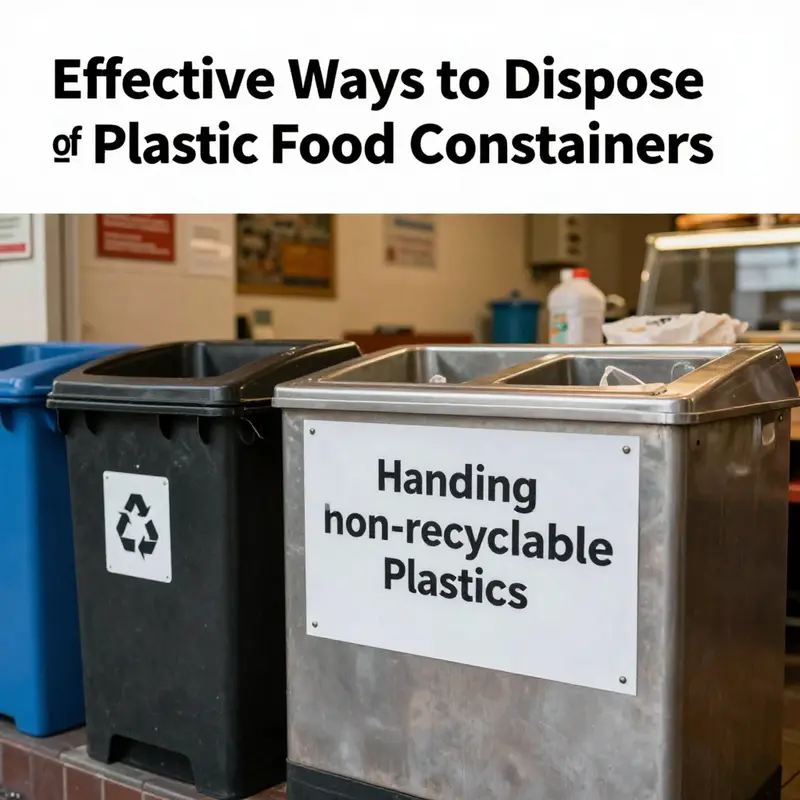
When recycling truly isn’t possible, disposal must be careful, safe, and sensible. This chapter walks through what to do with plastic food containers and packaging that local recycling programs reject. It blends practical steps to prevent contamination and nuisance, strategies to reduce harm in the short term, and everyday choices that stop these items from becoming recurring waste.
Start by accepting a simple fact: not all plastics can be recycled. Thin films, mixed-material tubs, and greasy or food-soiled packaging can foul a recycling load. When those items cannot be accepted, the first priority is to stop them from causing secondary problems. Rinsing or scraping leftover food from a non-recyclable container may not make it eligible for recycling, but it will reduce odors, pests, and leaks in your general waste. A quick scrape with a paper towel before tossing into the trash keeps your bin cleaner and safer for collection crews.
Always check the local rules before you act. Waste collection varies between cities and regions. Some municipalities accept certain rigid plastics but reject soft films. Others run special drop-off days for unusual packaging. Your local authority’s website, a waste management handbook, or a curbside guide will tell you which plastics are forbidden in curbside recycling. When in doubt, assume it belongs in the general waste stream rather than the recycling bin. Placing non-recyclable items in recycling risks contamination of an entire truckload and can cause processors to divert material to landfill.
Where possible, use existing take-back or collection programs. Many supermarkets and retailers operate collection points for plastic bags and films. Other programs accept flexible plastic packaging, even if curbside systems will not. These collections often bundle and send film to specialized facilities that can handle it. Search for community collection points, or ask your local waste office whether they work with drop-off partners. If such a program exists near you, rinse and flatten soft plastics before dropping them off. Empty and dry packaging keeps the collected material usable.
If no special collection exists, dispose of non-recyclable plastics in your general waste bin. Bagging small, lightweight pieces prevents them from blowing away and causing litter. Thicker plastic items can be placed loosely, but ensure lids and pieces are securely contained so they don’t fall out during collection. For safety, puncture thin film so it does not trap small animals. Tie or twist bags closed. These small steps reduce the chance of scavenging animals spreading waste along collection routes or in the neighborhood.
Avoid burning or burying plastics. Open burning releases toxic fumes, including dioxins and furans, which harm health and the environment. Burying plastics delays their impact but does not solve it. Plastics can last for decades underground and may still release additives into soil and groundwater. Landfills are not ideal, but when a plastic item is truly non-recyclable and there are no take-back options, placing it and similar waste into your scheduled trash is the most responsible choice.
Before disposal, consider reuse if the item is safe for repeated use. Some rigid plastics designed for food storage can be cleaned and reused many times. However, never reuse single-use plastics for hot foods or prolonged storage. Single-use containers may leach chemicals when stressed by heat or repeated washing. If you choose to reuse, inspect containers for scratches, cracking, cloudiness, or warping. These signs show degradation and signal it is time to retire the item.
When you retire nondurable plastics, cut or alter them so they cannot be mistaken for usable containers. This reduces the risk that someone will reuse them incorrectly. Cutting a thrown-out container or writing “not for food” on it can prevent unintentional reuse. For community donation programs, only offer containers that are clearly intended for multiple uses and that are in excellent condition.
If you manage waste for a business or institution, segregate non-recyclable plastics from recyclables at the source. Clear signage, designated bins, and staff training reduce cross-contamination. Collect film plastics separately in a labeled bag for drop-off programs. For food-service venues, consider compactors for non-recyclable waste. Reducing volume makes landfill disposal more efficient and reduces pickup frequency, which can cut costs and lower emissions from transport.
Another important step is reducing contamination from multilayer or mixed-material packaging. Many food containers combine plastic, foil, and paper. These layered materials are often unrecyclable because separating the layers is energy-intensive. If a product offers a recyclable alternative, choose it. If not, consider buying in bulk, using refill stations where available, or switching to brands that use single-material packaging that local recycling systems accept. Buying less-packaged products cuts down the number of non-recyclable items you will have to discard.
Whenever you can, replace single-use plastics with safer, compostable, or recyclable options. For instance, many food businesses and households successfully switch to sturdy paper-based food containers and trays that are grease-resistant and compostable. If your routine includes takeout, swapping plastic clamshells for eco-friendly takeout boxes for food packaging reduces the volume of non-recyclable plastics you encounter. Durable alternatives like glass, stainless steel, and silicone also eliminate the issue at the source. Use reusable bags and containers when shopping, and bring your own coffee cup and cutlery when possible.
If you choose compostable or biodegradable packaging, confirm how it should be disposed of. Some compostable items require industrial composting facilities and will not break down in a backyard compost pile. Others are certified to home-compost, but performance varies with temperature and moisture. Misplacing compostable items in recycling can contaminate the stream. Follow disposal directions closely, and check local composting guidelines before assuming something can go in the green bin.
When deciding whether to keep an item, weigh health and safety. Never heat food in single-use plastic containers. Heat can accelerate chemical migration from plastic into food. Avoid using containers that were not designed for reheating. For damaged containers, prioritize safety over reuse. Cracked, cloudy, or heavily scratched plastics are more likely to leach and should be discarded.
Finally, advocate for broader solutions. Local policies, producer responsibility schemes, and retailer take-back programs reduce the burden on households. Encourage stores to offer minimal and recyclable packaging. Suggest options for refill or bulk purchasing. Community pressure can spur companies to redesign packaging for recyclability and to implement take-back programs for hard-to-recycle materials.
Every item you prevent from entering the general waste stream reduces environmental risk. Simple actions—rinse before you throw, use take-back programs, choose greener packaging, and refuse single-use plastics—add up. When disposal is unavoidable, follow local guidance, secure the waste, and avoid burning or burying plastics. These choices protect the waste system, the people who work in it, and the environment.
For more practical tips on recycling and local disposal rules, consult your local waste management website. For authoritative guidance about recycling in the United States, see the U.S. Environmental Protection Agency: https://www.epa.gov/recycle
Final thoughts
In conclusion, navigating the complexities of plastic disposal in the food service industry requires a commitment to responsible practices. By adopting strategies to reduce and refuse single-use plastics, educating your team on proper recycling methods, avoiding improper disposal, and safely handling non-recyclables, businesses can lead the way in sustainability. These efforts not only benefit the environment but also enhance customer trust and brand loyalty. Let’s commit to these actionable steps to make a positive impact.