

Effective storage solutions are crucial for bubble tea shops, food trucks, and catering services to maintain an organized and efficient workspace. Utilizing plastic food containers can enhance your operational efficiency, streamline meal prep, and ensure quality service. This article will explore four key areas where innovative container storage ideas can transform your kitchen management. From stackable designs that optimize space to multi-compartment solutions that promote portion control, each chapter will provide practical insights. Additionally, we’ll cover how to effectively organize dry goods and maximize your fridge and freezer space, ensuring that your food storage needs are met with ease and style.
Stack Smart: How Stackable and Nested Plastic Containers Transform Food Storage
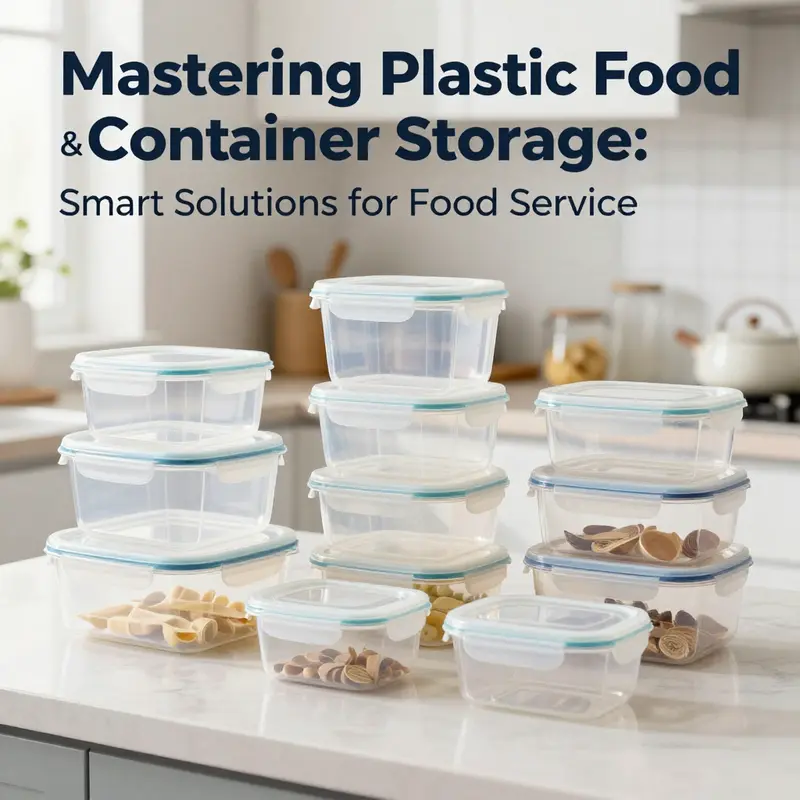
Stackable and nested plastic containers change how you use kitchen space. They free up shelves and drawers while keeping food visible and fresh. The advantage is simple: more usable storage with less searching. This chapter explains how to choose and arrange stackable containers, how nesting and collapsible designs save space when empty, and practical ways to use modular systems across the fridge, pantry, and on the go.
Start with the basic principle: vertical organization. When containers are designed to stack, every inch of the cabinet or fridge becomes useful. Rectangular and square shapes work best for this because they pack tightly. Round containers can stack, too, but their wasted gaps reduce efficiency. Look for containers with lids and bases that interlock or sit flush. Interlocking features prevent slipping when you pull one box out. Secure stacking keeps fragile glassware safe and avoids awkward toppling while reaching for other items.
Material matters. Choose food-grade, BPA-free plastics labeled microwave-safe, freezer-safe, and dishwasher-safe. These labels ensure the containers handle temperature changes and frequent washing. Polypropylene (PP) is common for its balance of heat resistance and durability. Some newer plastics replicate glass clarity while remaining shatterproof. Clear walls are beneficial for quick identification. If you can see contents at a glance, you waste less time and reduce food spoilage.
A thoughtful set of stackable containers becomes a flexible system. Start by grouping containers by height and footprint. Keep the most-used sizes where they’re easiest to reach. Reserve deeper shelves for tall, stackable bins that hold bulk items. Shallow drawers are ideal for flat, wide containers used for leftovers. Arrange containers so lids form a separate, organized stack or nest within larger bases. Many systems let you store lids upside down on top of an inverted base to keep matching pairs handy.
Nesting and collapsible options address the other half of the storage lifecycle: what happens when containers are empty. Nested sets let smaller boxes fit inside larger ones. Collapsible containers—often made from silicone—compress to a fraction of their full height. They are perfect for those who cook in batches or bring food home from events. Collapsible designs also perform well for camping and travel since they occupy minimal space when not in use. Consider keeping a compact stack of nested empties in a drawer near the stove so they’re ready for meal prep.
Stack stability and seal quality go hand in hand. Airtight lids prevent leaks, odors, and freezer burn. Look for dependable snap-lock lids or silicone-gasket seals. A good seal keeps sauces and soups contained during transport. It also slows moisture exchange in the fridge. For the freezer, rigid-sided, rectangular containers maintain shape during freezing and thawing. Soft-sided or collapsible containers can be used in the fridge but may deform if stacked with heavy items when full.
Labeling is small but essential. Even clear containers can confuse if similar foods look alike. Use a simple labeling routine: item name and date. A erasable marker or a removable label strip works well. Place labels on the shorter side of a rectangle so they remain visible in a stacked column. For deep freezers, include the day the item was frozen. Rotate stock using a FIFO approach: the earliest-prepared items should be used first. This prevents waste and keeps flavors at peak quality.
Make the most of the fridge by pairing stackable containers with smart layout strategies. Reserve one shelf for prepared meals in matching, stackable boxes. This keeps lunches and dinners in one spot and reduces rummaging. Place similar-sized stacks together to create clear visual inventory. Use stackable containers that are shallow for deli meats and cheeses, and deeper ones for cooked grain or vegetable batches. For delicate produce, swap rigid plastic for vented, stackable crisper boxes that protect brightness and texture without trapping excess moisture.
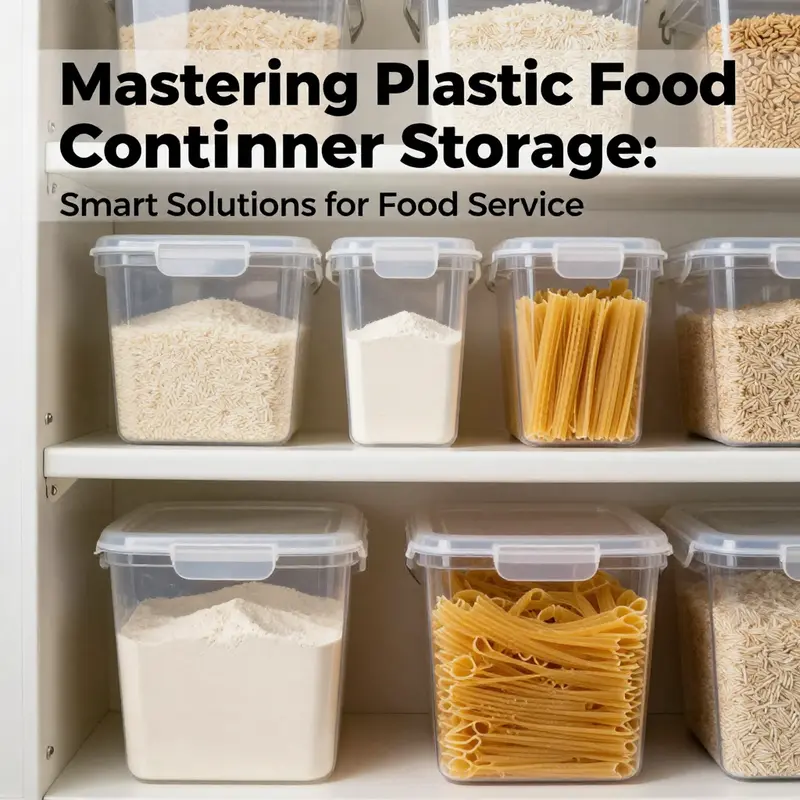
In the pantry, stackable bins reshape how you view bulk storage. Tall, rectangular containers hold rice, flour, and pasta with minimal wasted airspace. Opaque, UV-blocking containers protect light-sensitive items. Stackable canisters also make measuring and scooping easier when lids open wide. For frequently used dry goods, keep a set of smaller, stackable containers at eye level. Label them clearly and consider scoops or measuring cups stored with the container. When space is tight, stack items from heaviest at the bottom to lightest at the top to prevent crushing.
Drawers and shelves benefit from modular inserts. Use shallow, stackable trays to create tiers within a deep drawer. This lets you store contents by category while maintaining visibility. Stackable racks or shelf inserts double vertical storage without making unstable piles. For small items like sauce cups or condiment packets, mini stackable organizers keep things tidy. Because these units are modular, you can reconfigure them as needs change.
Stackable systems also make meal prep faster. Prepare several lunches in identical containers and stack them in order. This reduces decision fatigue midweek. Multi-compartment containers can be stacked, too, though choose ones with secure lids to prevent mixing. When you cook in large batches, stackable containers that fit each other allow you to portion easily and store the portions without wasted space.
On the move, collapsible and nested containers shine. For picnics, a compact nest of containers fits neatly into a tote. If you bring whole cakes or desserts, pair rigid stackable bases with protective boxes designed for transport. For events where disposables are acceptable, combine reusable containers for main dishes with single-use serving boxes for easy cleanup. For those occasions, consider keeping lightweight paper or kraft packages on hand for pastries or cakes; they fit alongside reusable containers in a picnic kit and reduce the need to bring fragile cake stands. See this selection of picnic kraft paper cake boxes for convenient transport and presentation: picnic kraft paper cake boxes.
Maintenance extends container life. Rinse containers soon after use to prevent staining and odors. For stubborn stains or smells, baking soda paste or a soak in warm, soapy water helps. Avoid harsh abrasives that can dull plastic. If lids warp after high heat, retire them from microwave use and reserve them for cold storage. Periodically check seals for cracks and replace any worn gaskets. When a set reaches the end of its life, recycle responsibly according to local guidelines.
Durability and sustainability balance often. Durable plastics reduce waste by lasting longer, while collapsible silicone parts add longevity through flexibility. If sustainability is a priority, choose containers that are recyclable and made from recyclable materials. Repair or repurpose scratched or single-misshapen containers as storage for non-food items—seeds, craft supplies, or hardware—so they avoid the landfill while still serving a purpose.
Finally, design a simple, repeatable system. Decide on two or three container sizes that cover most needs—small for snacks and sauces, medium for single meals, and large for batch cooking. Keep matching lids accessible and label stacks by category or day. Place the most-used stacks at eye level. Store rarely used sizes as nested units to save space. With these choices, your kitchen will feel organized rather than crowded, and your food will stay fresher longer.
For examples of multi-purpose stackable designs, consult a product listing for a multi-purpose storage crisper that demonstrates stackable, airtight construction and flexible nesting. The listing highlights how a well-made stackable system fits into both home and travel routines: https://www.alibaba.com/product-detail/Multi-purpose-storage-crisper-14-pieces_1600384879724.html
Smart Portioning: Using Multi-Compartment Plastic Containers to Organize Meals and Cut Waste

Smart Portioning: Using Multi-Compartment Plastic Containers to Organize Meals and Cut Waste
Multi-compartment plastic containers transform meal prep from a hurried task into a controlled, repeatable system. Their basic promise is simple: keep foods separated, portioned, and ready to serve. But the real value lies in how they change behavior, streamline operations, and protect quality from kitchen to consumer. Whether you manage a small catering operation, pack lunches for a busy household, or package meals for delivery, these containers shape the way food is prepared, stored, and perceived.
At their best, multi-compartment containers provide clear visual portion cues. Each well or chamber represents a food group or portion size. That clarity helps cooks assemble balanced plates quickly and helps eaters make mindful choices without weighing or measuring each item. For meal-prep services and grab-and-go kitchens, this visual separation reduces errors. It also prevents soggy cross-contact, so crunchy sides stay crisp and sauces do not dilute textures. The result is consistently better presentation and fewer complaints.
Design variety matters. Some containers are rigid with fixed dividers, ideal for hot entrees paired with sides that must stay separate. Other styles use removable inserts, giving flexibility for larger portions when needed. Hinged clamshells are common for single-serve takeout because they open and close easily. Multi-tiered bento-style boxes are useful when you want to stack components vertically without mixing them. For catering and events, stackable, interlocking compartments speed assembly lines and reduce the risk of spills during transport.
Material choice is crucial for safety and longevity. Look for BPA-free plastics such as polypropylene (PP) or Tritan™. These materials handle heat better and resist staining compared to lower-grade plastics. Always confirm labels for “microwave-safe,” “freezer-safe,” and “dishwasher-safe.” Not every compartment container tolerates the same extremes of temperature. Food-service operations should insist on containers with clear safety certs and supplier documentation, especially when heating or freezing meals for resale.
Portion control becomes easier when containers are paired with a consistent system. Decide standard portion sizes—protein, grain, vegetables, and sauce—and pick containers whose compartments match those sizes. For example, a three-part tray with one large and two small wells suits an entree with two sides. Pre-portioning ingredients into these compartments reduces prep time during service. It also cuts food cost by limiting over-serving. For customers on calorie-controlled plans, multi-compartment containers make compliance straightforward. For households, they simplify meal planning and reduce impulse additions.
Operationally, hygiene and reuse are practical concerns. Hinges and tight seals reduce leakage, but they also can trap food in crevices. Choose designs with smooth corners and removable lids where hygiene is critical. For establishments that reuse containers, reinforce hinge points during selection. Thick, well-molded hinges last longer. For one-time-use or delivery-focused businesses, compostable or recyclable alternatives exist, but they differ in performance. If long-term durability is required, invest in reusable polypropylene units with replaceable lids to extend service life.
Cleaning and maintenance practices lengthen container life and maintain safety. Rinse compartments immediately after use to prevent staining and odor retention. Use a soft brush to reach corners and a non-abrasive cleaner for stubborn residue. Avoid harsh scouring pads that roughen surfaces and encourage bacterial growth. For persistent stains and smells, a soak with a baking soda solution or diluted white vinegar helps. If items are dishwasher-safe, place lids and containers on the top rack to minimize warping. Allow units to air-dry fully before stacking to prevent trapped moisture.
Transport and leak prevention deserve attention when liquids are involved. Multi-compartment designs vary in sealing performance. Look for channels or gasketed lids where sauces or dressings are included. Some systems provide removable sauce cups or snap-in inserts to keep wet items separate until serving. Another option is to pack dressings or salsas in small, leak-proof pots that fit into a recessed area of the container. These strategies reduce the chance of sogginess and protect visual presentation during delivery.
Space and storage efficiency depend on nesting features and lid organization. Containers that nest inside one another save shelf and cabinet space. Some brands design lids to stack separately, so lids and bodies occupy different zones in storage. For professional kitchens, a lid organizer or pegboard helps keep lids paired with their bodies. At home, storing lids in a vertical file or using a small bin preserves counter space and speeds retrieval. When transporting large quantities, stackable designs with locking tabs minimize shifting.
Sustainability is a growing consideration. Reusable multi-compartment containers reduce single-use waste over time. When disposables are necessary, many manufacturers offer BPA-free, recyclable plastics or fiber-based compostable options. For businesses, weighing product lifecycle and waste disposal costs against initial purchase price is important. Bulk buying reduces per-unit costs and minimizes supply chain disruptions during peak periods. It also simplifies inventory tracking, especially when paired with durable, easily cleaned reusable containers.
Labeling and traceability add professional polish. For meal prep services, a clear labeling system improves accuracy and compliance. Use printable stickers or write-on lids with erasable markers. Include reheating instructions, allergen flags, and use-by dates. For batch kitchens, color-coded lids or compartment markers speed packing and reduce errors. Digital traceability—batch numbers or QR codes—can integrate with order management systems, offering customers transparency and helping with recalls or quality checks.
Customer perception is also shaped by compartment layout and material transparency. Clear walls let recipients see what they are getting. That visibility builds trust and reduces disappointment. However, transparency must be balanced with UV and light protection for light-sensitive ingredients. Opaque or UV-resistant containers are better for some dry goods. For hot meals, consider surface texture and color: matte bottoms can mask grease, while glossy interiors often look cleaner and more appealing.
Cost-per-unit and durability balance influence purchasing decisions. Multi-compartment units usually cost more than single-chamber containers. Yet proper selection can deliver savings through reduced waste, faster assembly, and fewer returns. Order samples to test real-world performance. Evaluate hinges, seals, stackability, and dishwasher resilience under your typical conditions. For event-driven businesses, maintain a buffer stock to handle surges while avoiding overstocking slow-moving SKUs.
Finally, adapt containers to use cases. For picnics or travel, lightweight, venting lids and fold-flat designs may trump rigid, heavy-duty models. For frozen meal programs, choose containers that prevent freezer burn and withstand reheating. For plated catering, multi-tiered bento boxes add an upscale feel. For quick-service restaurants, clamshells with tight seals and separate sauce wells speed assembly and reduce spillage.
For businesses that need an off-the-shelf compartment option, consider quality takeout trays that combine portion control with high performance. One practical example of this kind of packaging is available in a three-compartment format that balances grease resistance and compartment separation, useful for fast-casual foods and mixed plates. You can view an example of these eco-friendly 3-compartment takeout boxes for reference.
For technical specifications, industry standards, and more in-depth guidance on container selection and certification, consult the comprehensive restaurant packaging guide in the professional literature: https://www.foodservicepackaging.com/restaurant-guide-plastic-food-containers
null
null
Chilling Efficiency: Mastering Freezer and Fridge Organization with Durable Plastic Storage

A well-organized fridge and freezer is more than a tidy space; it is a system that preserves freshness, reduces waste, and speeds up daily meal prep. The backbone of that system rests on selecting the right plastic storage options and using them with intention. When you prioritize containers that seal well, resist temperature stress, and offer clear visibility, you create a kitchen landscape that supports consistent food quality from the moment you shop to the moment you plate a meal. The science behind this approach lies in material choice, lid integrity, and thoughtful arrangement that together minimize air exchange, moisture loss, and the smudges of guesswork that accumulate with time. In practice, it begins with choosing high-quality options that meet the practical demands of a busy family pantry, a home caterer’s cold chain, or a single person juggling multiple meals each week.
At the core of effective fridge and freezer storage is the principle of airtight sealing. When selecting plastic containers for long-term cold storage, the emphasis should be on durable, BPA-free materials and reliable locking lids or seals. Materials like high-grade polypropylene and tough, heat‑ and shatter‑resistant polymers offer structural stability through repeated wash cycles and temperature extremes. The most dependable designs maintain a uniform seal even after dishwasher heat, reducing oxygen intrusion that accelerates oxidation and stales flavors. In a well‑managed cold pantry, these sealed containers are less prone to warping or lid gaps that invite frost and freezer burn. They become the silent guardians of freshness, keeping odours contained and contents predictable from week to week.
Visibility matters as much as seal strength. Clear, rigid plastic makes it possible to identify contents at a glance without opening the lid and briefly disturbing the equilibrium of a cold system. This is especially valuable in pantries or crisper zones where the temperature is stabilized to protect produce and perishables. When you can recognize the contents instantly, you minimize door openings, which in turn helps maintain a stable internal temperature. Unlike glass, these plastics are lighter and less prone to breakage, making them safer for households with kids or a busy schedule. The transparent design also aids in inventory management, as you can spot what’s running low before you’re down to the last handful of frozen berries or the final portion of leftover soup.
Organization in the freezer benefits especially from stackable, uniform containers. A neat stack minimizes clutter and maximizes vertical space, a crucial advantage in compact kitchens, apartment freezers, or catering setups where shelves are at a premium. When you sort foods into categories—meats, soups, vegetables, sauces—you can quickly assemble meal preps and ensure a logical rotation that uses older items first. Labeling becomes essential here: a waterproof marker or removable adhesive labels with the item and date helps track shelf life without repeatedly opening each container. Leave space between containers to allow cold air to circulate, preventing partial thawing and helping each item freeze or re-freeze evenly. The result is a freezer that looks like a curated pantry—each container a clearly defined module in a larger, efficient grid.
The temptation to use plastic for every freezing need is strong, but there is a nuanced boundary to respect. For long-term storage of liquids, many material studies and practical tests show that glass containers with BPA-free lids perform better. Liquids endure fewer chemical interactions with the container material, and tempered glass resists odor retention, staining, and the negative effects of repeated freeze-thaw cycles. Conversely, plastics excel with solid foods, where rigid, leak-proof containers can handle shifting textures and temperature fluctuations without cracking or leaking. By reserving plastic for soups and thicker sauces that have been pre-portioned into screw-cap or locking-lid vessels, you maintain flexibility and minimize the risk of spillage during transport or defrosting. This is not just a matter of safety; it is a strategic choice that reduces the likelihood of flavor transfer or cross-contamination when liquids are involved.
Hygiene and container integrity go hand in hand. After each use, wash plastic containers thoroughly with mild detergent and warm water. Avoid abrasive scrubbers that can scratch the surface and create micro-pores where bacteria may hide. Scratches also become weak points where cracks can begin under repeated temperature stress. If you are using lids, ensure they close snugly and remain free of melted residue or hardened food that can impede the seal. Never heat plastic directly unless the label on the container explicitly states it is microwave-safe. When thawing frozen meals, transfer the contents to a plate or bowl rather than leaving it in the container. This practice minimizes condensation that can lead to awkward leaks and potential contamination when you eventually remove the food for reheating. A simple rule of thumb is to treat every frozen item as you would a perishable product off the shelf: inspect, label, and separate as soon as you bring it home, then rotate with older items to maintain a living inventory in your freezer.
Rotation is an almost spiritual discipline in food storage. FIFO—first in, first out—becomes less of a buzzword and more of a daily habit when you label with precise dates and contents. The water-resistant label system, even a dry-erase surface marker used on the container lid, helps you see at a quick glance whether an item needs to be used first. When you keep bulk purchases in large, stiff containers, you can portion into smaller modules that fit stack-wise on the shelf or in the freezer drawer. This approach reduces the need to juggle bulky boxes, and you can maintain a tidy, consistent row of containers whose lids align precisely. By establishing a routine that pairs clear labeling with disciplined use, you extend the shelf-life window, preserve flavors, and diminish waste.
The practical choreography of freezing and refrigerating also benefits from strategic container design. Collapsible or nesting options can be a boon for empty containers, slipping into bags or drawers with minimal footprint. Yet the core value remains the sturdy, stackable polyurethane or polypropylene structures that lock in moisture and structure. In a kitchen devoted to efficiency, you may find yourself toggling between two philosophies: the everyday, daily-use containers that stay within arm’s reach and the bulk, store-away units reserved for deep freeze seasonality. The everyday units should be sized to accommodate a single meal or a couple of servings, easily identifiable with tight-sealing lids. The deeper, bulk units can be taller or wider to hold soups, stews, and multi-portion meals with less transfer between containers as you portion out meals for the week.
On shelves and in drawers, the right arrangement can become a visual cue to healthier eating. When foods are pre-portioned into multi-compartment containers, you simplify meal prep for work or school. These containers keep components separate—starches from proteins, vegetables from sauces—while still fitting neatly into your fridge or freezer. The method supports balanced choices and helps you avoid the temptation of grabbing less nutritious options when time is short. The translucent walls allow quick identification of content; you can see tomatoes, greens, or beans at a glance and reach for what you need without opening several containers. The comparturized designs also minimize the risk of cross-flavor contamination, a small but meaningful safeguard in homes with diverse meals.
For those who want a broader ecosystem that supports lively kitchen organization, consider pairing your durable plastic storage with a complementary approach to on-the-go meals. For a complementary approach to on-the-go storage that aligns with durable, leak-resistant containers, see the eco-friendly takeout boxes for food packaging. This internal reference offers a glance at modular packaging that emphasizes leak resistance and transport-friendly design, harmonizing with your home storage where you manage portions and freshness. By seeing how portable solutions complement home systems, you can cultivate a complete storage philosophy that carries from freezer to lunch box with minimal friction.
In addition to proper materials and thoughtful design, an ongoing attentiveness to temperature dynamics makes a tangible difference. Freezers should maintain a consistent, sub-zero environment, while refrigerators hover just above freezing to keep dairy, produce, and leftovers fresh. When you load containers, avoid overcrowding. It may be tempting to jam in as many items as possible, but air circulation matters as much in a frozen state as it does in a chilled one. Uneven pockets of heat or cold can lead to partial thawing and refreezing, which degrade texture and increase the risk of freezer burn. Place taller items at the back, and align containers so their lids form a neat grid. If you can, designate a “frozen meal bank” drawer or shelf where pre-portioned portions sit in uniform units. The predictability of a well-organized space reduces the cognitive load of meal planning and reinforces consistent eating habits.
The integration of these principles into daily practice is the difference between a kitchen that looks good and a kitchen that performs well. When you combine airtight, BPA-free containers with clear visibility and disciplined labeling, you set the stage for fewer food waste moments and more reliable weeknight dinners. You avoid the last-minute scramble when you realize that you are out of a key ingredient, because your pre-portioned items and well-labeled dates tell you what to cook next. You also minimize plastic waste by choosing durable, reusable options that last through dozens of cycles, rather than disposable choices that end up in landfills after a single season. This mindset preserves both time and resources, turning the cold storage zone into a dependable ally in everyday life.
For readers curious about material standards and more technical exploration of freezer-safe containers, see the external resource on material grades and industrial applications. It provides a broader context for how different plastics behave under freezing, thawing, and repeated washing, and it can help you calibrate expectations for long-term storage. Learning About Good Freezer Containers: Grades, Material Standards, and Industrial Applications.
Final thoughts
The efficient use of plastic food containers can significantly enhance the operational success of food service businesses. By implementing stackable storage solutions, multi-compartment portions, and carefully organized pantries and freezers, you can ensure that your kitchen runs smoothly. These innovative storage ideas not only maximize space but also promote better food management practices, which can lead to an overall improved experience for your customers. With careful attention to your container choices, you will find that storage holds the key to efficiency in the fast-paced world of food service.