
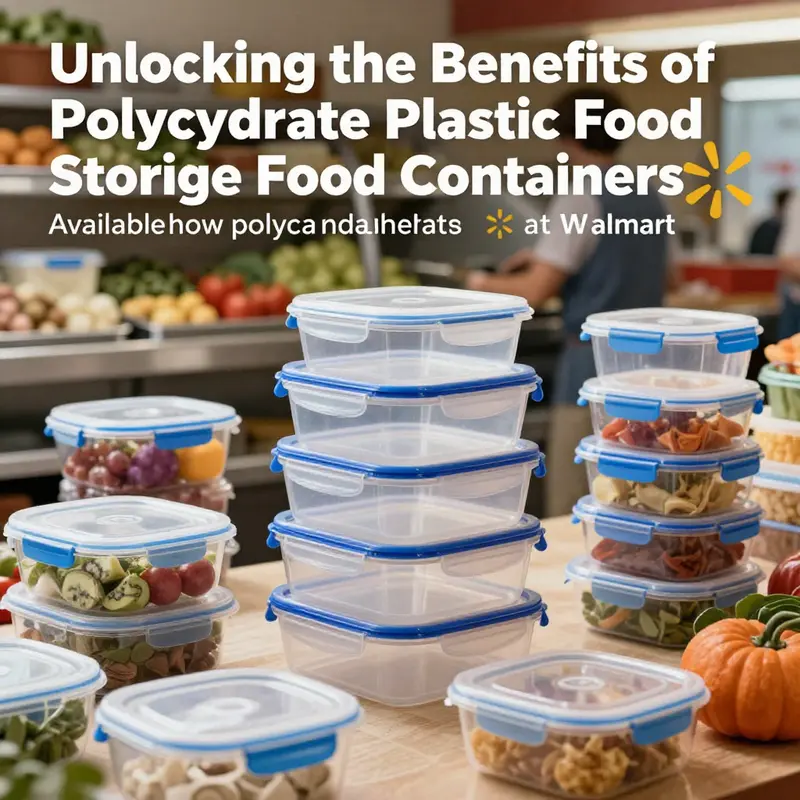
Polycarbonate plastic food storage containers, especially those available at Walmart, are gaining attention among businesses in the food sector, including bubble tea shops, restaurants, catering services, and more. With their durability, impact resistance, and versatility, these containers offer numerous advantages that align with the operational needs of food services. This article delves into the advantages and disadvantages of polycarbonate containers, highlights current market trends, addresses health concerns associated with BPA, and emphasizes the importance of sustainability in today’s world. Each chapter will provide insights to help businesses make informed choices about their food storage solutions, enhancing efficiency and safety in food handling.
Clear, Durable, and Convenient: Why Polycarbonate Food Storage Containers Lead in Big-Box Retail
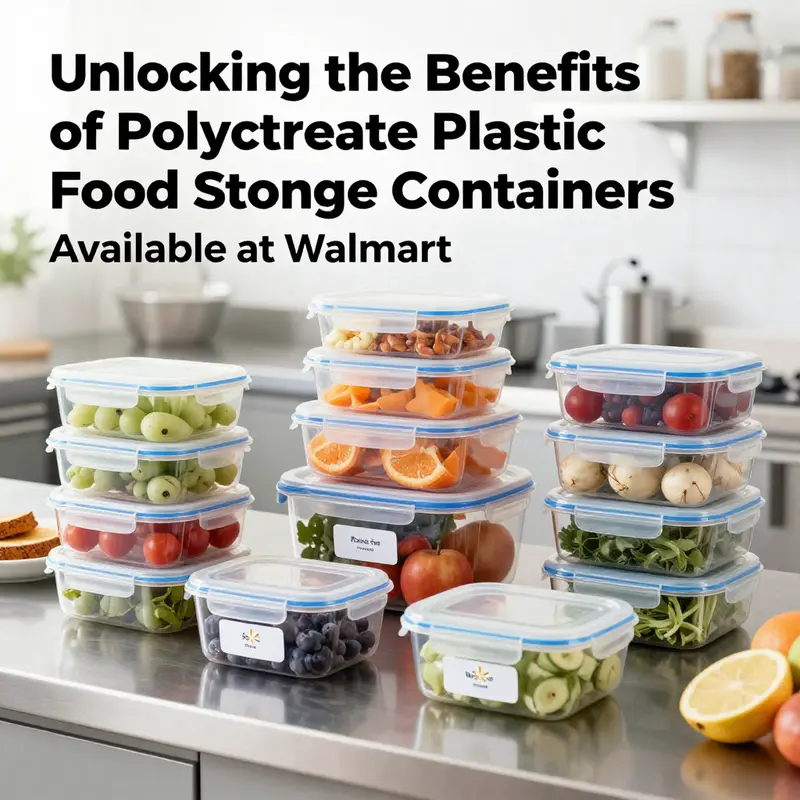
Polycarbonate storage containers have become a standard sight in both home kitchens and the back rooms of busy food operations. They are appreciated not for flashy features but for a quiet, reliable combination of strength and clarity. A shopper scanning a shelf will notice the glassy appearance and the steady feel of a well made container. The material’s resilience means fewer chipped lids, less wear on seals, and longer service life, which translates into lower replacement costs over time. This durability matters most in high volume settings where containers are banged, stacked, frozen, thawed, and repeatedly heated. The result is a product that withstands the daily grind without sacrificing performance in the process.
Durability is not just a single attribute but the foundation of several practical advantages. Polycarbonate is a tough, impact resistant thermoplastic that resists shattering when dropped or bumped. It remains clear even after years of use, maintaining visibility of contents and enabling quick checks without opening each lid. In a busy kitchen, that visibility reduces guesswork and keeps inventory moving. The resilience also supports regular cleaning, a factor that matters for hygiene in both home and professional settings. When a container withstands repeated dishwasher cycles, users gain confidence that the unit will not warp, crack, or degrade in ways that might compromise its seal or make stacking unstable during drying.
A second notable advantage is the efficient square design that many polycarbonate storage systems offer. Square and rectangular shapes maximize storage space and minimize wasted room in refrigerators, freezers, and shelves. In practice, this design can yield meaningful gains in organization, with up to a third more usable space compared with traditional round options. The more compact footprint reduces stacking height and improves accessible airflow around containers for quicker drying after washing. For families managing limited kitchen real estate, this space efficiency translates into a cleaner, more predictable workflow every day.
The third strength lies in visibility. The clear construction lets you see at a glance whether a container is full, partially used, or empty. Some models go further with built in graduations—both standard and metric—that allow quick assessments of portion sizes and inventory levels. This feature is particularly valuable for meal prep routines, batch cooking, and school lunches where precise portions help control waste and maintain consistency. The ease of inspection also supports food safety practices by letting cooks monitor color changes or sedimentation that might indicate spoilage, without moving products from their storage.
Temperature resilience is another core selling point. Polycarbonate containers can survive a broad temperature spectrum, from the cold of a freezer to the heat of hot holding, and, in many cases, they are deemed microwave safe where use permits. The ability to go from freezer to reheating zone can streamline meal prep and reduce dishwashing loads. This versatility suits households that plan ahead for the week and kitchens that manage bulk batches for service lines. Yet a caveat remains: while the material endures, heat and acidity can affect seals and containers over time. Observing guidelines for reheating and avoiding high fat acidic marinades inside closed containers helps preserve both form and function.
Hygiene features are central to the appeal. Most polycarbonate storage solutions are dishwasher safe and designed to resist staining, acids, and odors. A reliable surface resists lingering smells or staining from strong ingredients, which matters in households that store curry, pepper sauces, or strongly scented vegetables. A product that maintains cleanliness after repeated cleaning reduces the risk of cross contamination and the transfer of flavors from one item to another. In many markets, listings with recognized food safety authorities provide external assurance about suitability for food use and compliance with cleanliness standards. Those assurances matter not only to professionals but to families who want reliable performance with minimal maintenance.
Ergonomics round out the practical advantages. A lot of polycarbonate designs incorporate stackable configurations and molded in handles, which makes lifting, pouring, and drying easier. A well thought out lid design, tight sealing gaskets, and uniform dimensions contribute to quick exchanges during food prep and service. The result is a system that simplifies organization, reduces time spent on searching for the right container, and speeds up the choreography of loading and unloading in the fridge. In professional settings, these ergonomic cues support staff workflows, cutting motion waste and enabling faster turnover on line stations.
As consumers, our choices are influenced not only by performance but by safety narratives that shape confidence. Concerns about leaching substances such as Bisphenol A have driven demand for BPA free alternatives. There is a persistent market tension between the long term reliability of polycarbonate and concerns about chemical safety. In response, manufacturers and retailers have expanded offerings that emphasize safety and sustainability. Some households begin to prefer alternative materials such as Tritan copolyester or other BPA free formulations, particularly for warm or acidic foods. Even with BPA free designs, it remains prudent to follow usage guidelines and avoid heating containers that advertise aging seals or warping.
Together, these technical attributes and evolving safety expectations align with broader trends in consumer behavior. People are meal prepping more than ever, cooking at home, and seeking durable, reusable options that stand up to frequent cleaning and repeated use. The market dynamics around polycarbonate storage containers reflect this shift. Reusability and the prospect of closed loop recycling have moved from niche discussions to industry wide considerations. The conversation now includes how materials can be recycled without sacrificing performance, and how brands can demonstrate responsibility through product stewardship programs. In many regions, regulatory scrutiny has heightened the focus on chemical safety and lifecycle impact, encouraging manufacturers to document material contents and disposal pathways clearly. These developments, while challenging, drive innovation that strengthens the core advantages we started from: clarity, durability, space efficiency, and reliable hygiene.
For shoppers seeking these attributes in the real world, the shopping experience across large retailers has helped codify what works best in everyday life. The shelves reveal a landscape where square, clear, sturdy containers are accessible, affordable, and ready to integrate into a weekly routine. A single container can be a workhorse for quick meal preps, leftovers, and organized pantry sections, or a reliable asset in a kitchen that serves dozens of meals each day. The design language behind these products—clear visibility, efficient geometry, durable plastics, and easy care—speaks to a practical philosophy: keep the contents predictable, the storage compact, and the cleaning routine simple. For readers who want to explore packaging choices beyond the familiar, the broader ecosystem of container and packaging options offers parallels in durability and reuse. The internal resource linked here provides a sense of how packaging designers balance usability with sustainability, a throughline that connects home kitchen storage to the wider world of reusable containers in shopping aisles among other takeout and storage solutions. eco-friendly takeout boxes for food packaging.
The bottom line is that the appeal of polycarbonate storage containers rests on a straightforward triad: strength, space, and simplicity. They endure repeated use without demanding constant replacement, they fit into tight storage footprints, and they simplify daily routines through visibility and easy care. This is why, in a retail landscape that favors durability alongside price and accessibility, these containers remain a dependable choice for households and food operations alike. As the conversation about safety and sustainability continues, more shoppers will weigh BPA related concerns against the practical benefits of longevity and reuse, and many will discover that a well chosen polycarbonate storage system can stand up to the challenges of modern kitchen life without becoming a constant source of frugal compromise. The next chapter will examine how alternative materials compare on dimensions like safety, cost, and performance, and how these choices shape the long term trajectory of home storage and food packaging in everyday life.
External resource: https://www.walmart.com/
Weighing the Drawbacks: Understanding Polycarbonate Storage Containers Sold Through Large Retail Channels
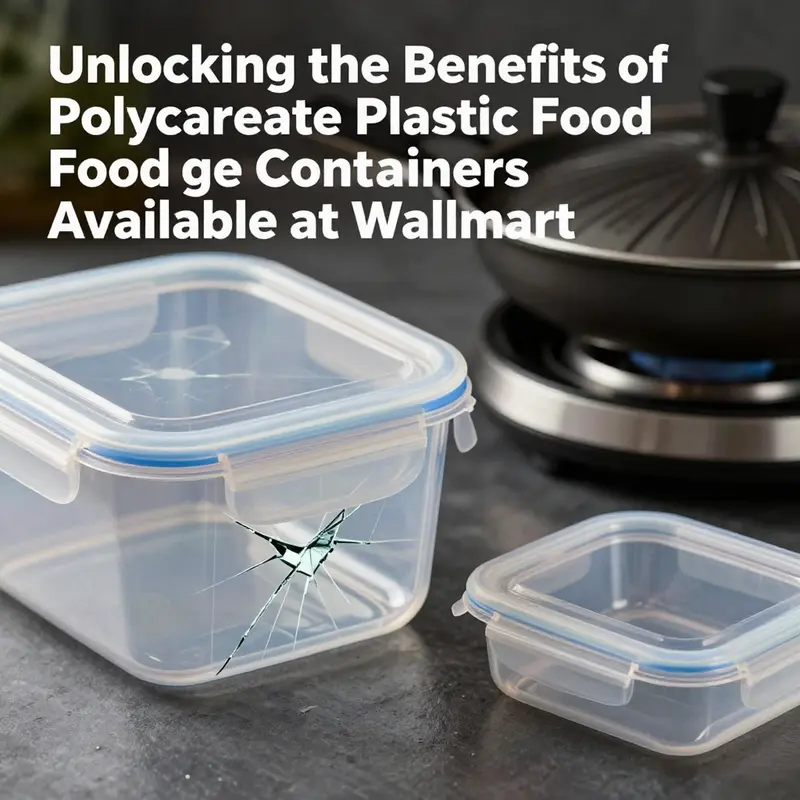
Polycarbonate storage containers have long been a common sight in kitchens and pantries that emphasize durability and clear visibility. Their reputation rests on a few core strengths: they are light, shatter resistant, and they offer remarkable clarity that lets a cook or a caregiver see what is inside without opening the lid. They can also handle a surprisingly wide temperature span, typically staying functional from freezing depths to hot dishwashing cycles. In retail settings that rely on high turnover and wide consumer appeal, these containers are marketed as versatile solutions for meal prep, batch cooking, and long term storage. Yet the same properties that make polycarbonate appealing also breed a set of practical and health related concerns. Across households and professional kitchens alike, buyers must weigh the appeal of reliability and visibility against questions about safety, cleanliness, and environmental impact. The result is a nuanced picture that rarely fits neatly into simple pro and con lists, because each use scenario can tilt the balance in a different direction.
A central tension centers on chemical leaching. The polymer structure of polycarbonate is highly stable, which helps with durability. But under certain conditions, particularly exposure to high temperatures and acidic or fatty foods, there is concern that additives used in the polymer can migrate into food or beverages. The most widely discussed contaminant in this context is a family of compounds often referred to as BPA and related derivatives. Even when containers are labeled BPA free, many health advocates urge caution because the underlying polymer chemistry may still pose leaching risks when subjected to repeated microwave heating, aggressive dishwashing cycles, or extreme heat. This is not a blanket condemnation of all polycarbonate products, but it is a reminder that consumer labels do not always capture the full complexity of material safety under diverse kitchen realities. For shoppers, the practical takeaway is to read product labels carefully, understand the expected use conditions, and consider safer alternatives when heat or acidity is part of the daily routine.
In everyday use, hygiene demands add another layer of complexity. Polycarbonate surfaces, while tough, can still acquire micro scratches with heavy use or aggressive cleaning tools. These microgrooves can become home to tiny colonies of microorganisms, especially when containers are not dried promptly or are stored with residual moisture. The risk is not merely theoretical; even dishwasher safe claims can be misleading if the machine uses high heat or harsh detergents over time. Scratches also cloud the surface, making it harder to inspect the contents and gauge freshness at a glance. A user who routinely repurposes containers for sauces, soups, or acidic leftovers may notice that even regular care does not fully restore the priority of a crystal clear appearance. The practical implication is simple: maintain gentle cleaning practices, and monitor the surface for signs of wear that could compromise visual checks and perceived cleanliness.
Aesthetic and functional aging is another factor that seldom accompanies the initial buying decision. Over time, constant exposure to sunlight or heat can cause polycarbonate to yellow or become cloudy. This is more than a cosmetic concern; the diminished clarity can erode a sense of freshness when looking at stored foods. The plastic’s transparency is a major selling point, and when it deteriorates, users may feel the containers have outlived their usefulness even if the interior remains structurally sound. The shift in appearance can also influence consumer perception of food safety, which underscores how material choice intersects with behavior and confidence in everyday meal routines. The reality is that a plastic container can remain physically robust while its appearance signals a need for replacement, a disconnect that has real consequences for how households organize and trust their storage systems.
The question of microwave safety adds a further layer of nuance. Some polycarbonate containers are marketed with microwave friendly claims, yet many are best treated with caution. The simplest approach is to treat polycarbonate as a container that can be used for reheating under limited, controlled conditions rather than as a primary vessel for frequent hot meals. Users should verify labeling before placing any container in a microwave and avoid heating while the container is empty, during high power cycles, or when dealing with highly acidic or fatty foods. The risk of deformation, plus the potential for chemical migration under intense heat, makes a conservative approach sensible. This is not a universal prohibition but a guideline born from the combination of material properties and practical kitchen use patterns.
From an environmental perspective, polycarbonate presents a different kind of challenge. Its recycling prospects are not as straightforward as those of more commonly collected plastics. In many communities, curbside recycling streams do not routinely accept polycarbonate. When recycling is possible, specialized facilities are required to process it, and access can be inconsistent. This creates a footprint that is not as easily reduced through standard recycling channels as one might hope. In addition, the presence of additives and the longer life cycle of durable polycarbonate items means a longer before they are reclaimed, which can complicate end of life planning for households seeking to minimize waste. Consumers who prioritize recyclability may therefore lean toward materials that are widely accepted by curbside programs, even if those alternatives offer different performance tradeoffs. The interplay between durability and end of life becomes a strategic consideration for shoppers who think long term about sustainability.
Market dynamics in the retail space reinforce these considerations. The appeal of polycarbonate containers lies in their promise of longevity and performance that can support busy meal prep routines. For many households, a durable, transparent container can simplify inventory management and reduce the need for multiple storage options. However, growing regulatory scrutiny around chemical safety has pushed some manufacturers toward safer materials and more sustainable designs. This shift is reflected not only in consumer choices but also in product development pipelines, where safer polymers and alternative architectures are increasingly tested and introduced. The result is a landscape in which polycarbonate remains a common, trusted option for many users, even as households explore safer, more transparent, and more easily recycled options that align with a broader commitment to health and environmental stewardship.
If a reader is weighing whether polycarbonate storage is right for a given kitchen, the decision often hinges on how the container will be used. For bulk meal prep that involves refrigerated storage and careful portioning, a polycarbonate container that has held up well through years of use may still be perfectly adequate. For hot foods, frequent reheating, or high acidity, the calculus tilts toward safer choices. Alternatives such as BPA free copolymers, glass with leak resistant lids, or stainless steel options can offer improved peace of mind in these scenarios. Each alternative comes with its own set of advantages and tradeoffs, including weight, break resistance, and cost, so the choice becomes a question of what matters most in the user’s daily routine. The essential point is that understanding the material lifecycle—from manufacturing through use to end of life—helps consumers make choices that align with their values and their practical needs.
For readers who want to explore safer packaging options beyond polycarbonate, a practical pathway is to examine packaging solutions designed with safer chemistries and end of life in mind. A resource that highlights eco friendly takeout boxes and storage solutions can offer a useful window into these alternatives while maintaining a similar level of everyday practicality. eco-friendly takeout boxes for food packaging. The goal is not to demonize a material but to present a balanced view that helps households navigate safety, hygiene, and environmental considerations without sacrificing the convenience that modern kitchens rely on. In that light, shoppers are encouraged to couple material knowledge with clear use guidelines and to stay informed as new materials enter the market. An informed approach supports both health and sustainable consumption, helping households optimize their storage strategies over time. For those who want a deeper dive into the science behind these concerns, a comprehensive review of the health implications and safety considerations surrounding polycarbonate and BPA can be found in the broader scientific literature at the external resource linked below.
For a deeper, science grounded examination of these safety concerns, see the external resource discussing the potential for chemical leaching and related regulatory considerations: https://www.ncbi.nlm.nih.gov/pmc/articles/PMC6798032/
How Walmart’s Polycarbonate Food Containers Reflect Shifting Kitchen Needs and Safety Priorities
Durability and organization meet safety and sustainability in the polycarbonate food container market at Walmart. Demand is being driven by two overlapping groups: foodservice professionals who need rugged, long-lasting storage and everyday cooks who value convenience, visibility, and efficient use of space. Polycarbonate containers answer a long list of practical needs. They are impact resistant and lightweight. They offer excellent clarity, which makes inventory management and portion recognition fast. They tolerate a wide temperature range, enabling use across freezers, refrigerators, and some heated environments. These technical strengths explain why retailers that serve both households and commercial buyers stock a broad selection.
Shelf space at Walmart reflects a deliberate focus on utility and value. Consumers find containers designed to stack securely, use square or rectangular footprints to maximize shelf volume, and include graduated markings for quick measurement. Square shapes deliver meaningful space savings compared with round designs. When combined with a modular stacking system, they reduce wasted shelf and refrigerator space. For buyers trying to organize a pantry or a prep station, these practical design choices are highly influential.
Commercial-grade durability is another clear trend. Containers marketed for heavy use emphasize shatter resistance, high-wear tolerance, and long service life. Certifications related to food safety are prominently noted. These assurances matter for institutional kitchens and small-scale caterers who must meet local health standards while controlling replacement costs. For household buyers, the same durability translates into fewer cracked lids, less warping, and containers that survive frequent handling and washes.
Product bundles and pricing strategies at large retailers make it easier for buyers to outfit an entire kitchen affordably. Value packs, multipacks, and tiered options give price-sensitive shoppers choices that align with their needs. Some customers want a single large-capacity bin; others prefer sets that cover multiple portion sizes. Retail assortments reflect a blend of single-piece value and bundled convenience, and pricing often positions multi-packs as the better per-quart investment.
Visibility and measurement features add to everyday usefulness. Clear walls reduce the need to open containers to identify contents. Molded or printed graduations support portion control and inventory management. For meal-prep enthusiasts and operators tracking yields, these small details speed workflow and reduce waste. Lids that seal tightly, sometimes with gasket designs, contribute to odor and moisture control. Good lid interfaces also improve stack stability and transport ability.
At the same time, health and material safety shape purchasing decisions. Questions about chemical migration from certain plastics into food have moved from niche concern to mainstream consideration. As a result, demand for items labeled BPA-free has grown. Retailers respond by stocking alternatives and clearly marking materials to guide cautious buyers. Independent certifications and third-party listings that indicate food contact safety have become important trust signals on product pages and shelf tags.
Material innovation is following demand. Manufacturers now offer copolyesters and other engineered plastics as alternatives to traditional polycarbonate. These materials aim to match clarity and strength while removing controversial components. The market’s shift toward such choices responds to both consumer preference and regulatory pressure. At the same time, many buyers still choose classic polycarbonate for its unmatched toughness in demanding environments where breakage would be costly.
Sustainability is emerging as a parallel concern. Reusable containers reduce single-use waste, but end-of-life disposal and recyclability remain thorny issues. Some firms and retailers are experimenting with closed-loop recycling initiatives or take-back programs to reclaim hard plastics. Complementary options—like compostable or recyclable paper packaging for certain uses—are visible elsewhere in the broader packaging ecosystem. For purchasers balancing durability and environmental impact, the trade-off between a long-lived polycarbonate container and a disposable alternative can favor the reusable option, provided recycling pathways are available.
Function-driven features remain front and center. Ergonomic handles and quick-dry designs reduce labor time. UV-resistant materials protect against discoloration and brittleness over time. Stackable rims and standardized footprints help when mixing products from different lines. All these refinements enhance the value proposition for both commercial kitchens and home users who want long-term performance.
Market dynamics at large retailers also reflect changing consumer habits. Growth in meal prepping, bulk shopping, and at-home cooking increases the need for larger-capacity, reliable storage. At the same time, more frequent concern about health and safety nudges shoppers toward clearly labeled, tested products. Retail assortments are adjusting, offering items that span budget, capacity, and material-safety priorities. Promotional displays, seasonal bundles, and back-of-house kits aimed at small businesses indicate that sellers see value in serving both markets concurrently.
Retail presentation matters as much as product features. Packaging that communicates specifications, temperature tolerance, and care instructions reduces buyer hesitation. Clear guidance on dishwasher safety, microwave usage, and freezer compatibility simplifies decision-making. When consumers can confidently assess how a container will perform in their routines, conversion rates improve and returns decline.
For shoppers weighing options, several practical considerations should guide choices. Match the material to intended use: choose the toughest materials for high-impact, high-abuse settings. Prioritize tight-sealing lids for liquids and strong gasket systems for transport. Consider the footprint for storage efficiency, and look for clear measurement markers if portioning matters. Check product labeling for food-contact certifications, and favor BPA-free or alternative-material options when health concerns are a priority.
Finally, the retail mix continues to evolve as manufacturers respond to regulation, consumer preference, and sustainability pressure. Expect to see more hybrid offerings that blend proven performance with safer resin choices. Retailers will likely increase visibility for eco-conscious alternatives alongside commercial-grade lines, providing buyers the context they need to select containers that match their values and use cases.
For shoppers who want to explore current assortments and pricing, retailer listings provide the most up-to-date view of available sizes, bundles, and specifications. For an example of the kinds of containers and offerings stocked by large retailers, see the latest product search results on Walmart’s site: https://www.walmart.com/search?q=polycarbonate+food+storage+containers
For buyers interested in complementary sustainable packaging options, consider reviewing available eco-friendly takeout and food packaging alternatives that can pair with reusable storage to reduce single-use waste: eco-friendly takeout boxes for food packaging.
Health Considerations on Retail-Sold Polycarbonate Food Storage: BPA, Safety, and the Home Kitchen

Polycarbonate has long been chosen for kitchen storage due to clarity and durability, offering shatter resistance, light weight, and clear visibility.
This chapter explores BPA concerns and how they intersect with everyday use. BPA is a chemical used to make polycarbonate plastics and epoxy resins, and trace migration into foods can occur when containers are heated, contain acidic or fatty ingredients, or experience wear over time. The degree of migration depends on container integrity, scratches, duration of contact, and the temperature of use. Even BPA-free labels do not guarantee safety under all conditions, as other additives or materials may migrate.
Retail labeling has evolved to address consumer demand for safer options, but BPA-free claims should be interpreted in the context of intended use. If a container is not explicitly marked microwave- or heat-safe for hot foods, it is prudent to transfer hot foods to microwave-safe containers. Gentle care and proper use help preserve container integrity and minimize risk. Clean with mild detergents rather than abrasive scrubbers, avoid sudden temperature changes, and inspect for cloudiness, cracks, or odor over time.
In the broader landscape, regulators, manufacturers, and researchers continue to push for safer materials and clearer labeling. Replacements for BPA-containing polycarbonate may have different performance profiles, so consider heat stability, durability, and recyclability when choosing alternatives. Ultimately, practical decisions in home kitchens balance convenience, safety signals, and the realities of everyday storage.
When in doubt about heat or acidity, opting for glass or inert containers for hot or highly acidic contents offers a cautious fallback. The consumer’s role is to read labels, use products as directed, replace aging containers, and weigh trade-offs between durability and safety in a busy pantry.
Shatterproof, Reusable, and Recycled: Navigating the Lifecycle of Polycarbonate Food Containers at Walmart
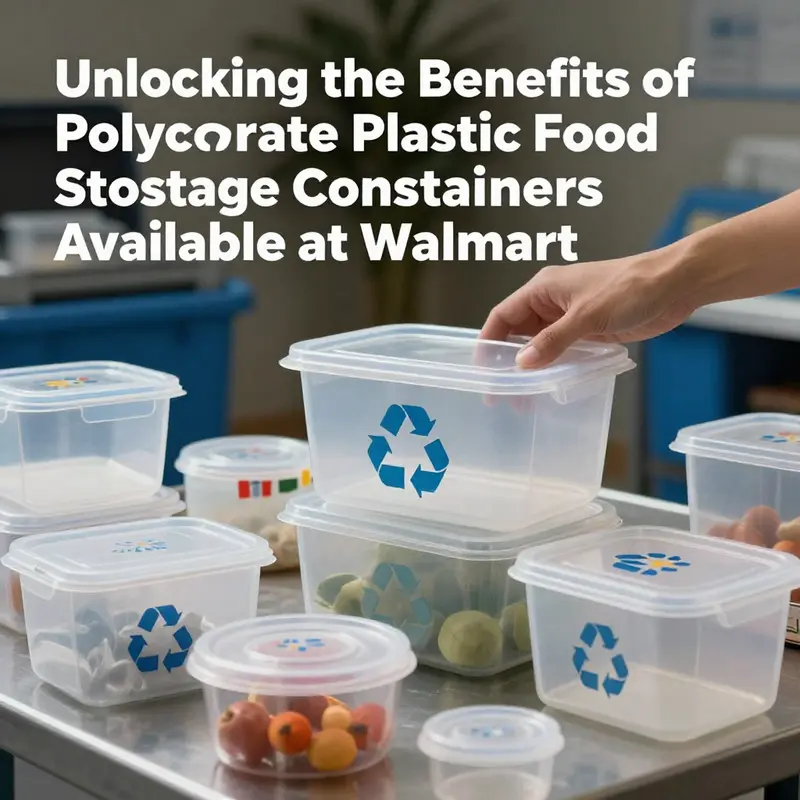
Polycarbonate storage containers sold through Walmart sit at the intersection of everyday convenience and long-term material performance. These clear, shatterproof vessels are prized for their durability, lightness, and the ability to inspect contents without lifting a lid. They withstand a wide temperature range, making them versatile from freezer to microwave. In households and cafeterias alike, they help organize bulk ingredients, batch meals, and streamline service. The aesthetic appeal of polycarbonate—its high clarity—allows users to see at a glance whether their food is still fresh, which reduces waste. In this sense, the material supports a routine of preparation and storage that many cooks rely on when planning weekly menus or feeding larger groups. Yet the same durability that makes polycarbonate attractive also invites scrutiny, because its chemistry has become a focal point for debates about food safety and environmental impact.
The health and safety concerns center on Bisphenol A, a chemical historically used in polycarbonates. When containers are heated or hold acidic foods, there is a theoretical risk that BPA could migrate into food. As consumer awareness grew, regulatory bodies and manufacturers cooperated to offer BPA-free options, and the market pivoted toward alternative materials such as Tritan copolyester, which promises similar clarity and toughness without BPA. Within Walmart’s assortment, consumers encounter clear, reusable options in a variety of sizes—ranging from compact 6-quart bins to larger 12-quart units, and even multi-gallon configurations designed for prep stations or institutional use. The emphasis is on reuse and space efficiency: stackable designs, tight-seal lids, odor and moisture barriers, and the ability to keep pantry or freezer spaces organized. The benefit is immediate: lower replacement costs and reduced waste from disposables, along with a robust, see-through design that supports inventory management in busy kitchens and school cafeterias.
These practical advantages, however, sit alongside a broader discussion of sustainability that has moved beyond the kitchen. Walmart, like many major retailers, has explicitly linked its packaging decisions to a circular economy. The company operates a Community Recycling Unit that accepts specific plastics, including clear containers that are typical of polycarbonate products. This program illustrates a targeted approach to recycling that acknowledges the limitations of curbside streams, where resin code #7 and potential contamination often hamper recovery. For consumers who want to participate, the path is simple but requires attention: rinse the containers, remove lids and any rings, and bring them to participating Walmart locations. The in-store program is not a universal fix, but it acknowledges a gap in the broader recycling system and provides a practical route for hard-to-recycle plastics to reenter the production cycle. It also signals corporate commitment to reducing landfill leakage while still meeting consumer needs for durable, reusable packaging in the near term.
In the same breath, the industry class debates sustainability by looking at alternatives that promise lower embodied energy and higher end-of-life recovery. Walmart’s sustainability communications note experiments with plant-based cellulose and fiber packaging that can provide long shelf life without conventional plastics for select products. Such innovations point to a future in which packaging choices are not tied exclusively to polycarbonate, but rather to a spectrum of materials that balance performance with compostability, recyclability, and supply chain resilience. For shoppers, this can translate into a more nuanced decision set: keep polycarbonate where its transparency and toughness are essential, especially in bulk storage or heavy-duty service, while choosing plant-based or recycled-content options for less demanding uses. The goal is to minimize the overall environmental footprint without compromising safety or convenience. In this context, the idea of closed-loop recycling—where a container returns to production after use—begins to gain traction as a strategic objective, rather than a niche ideal.
Yet reliance on recycling programs also requires practical discipline. Polycarbonate containers may not be accepted in every curbside system, and contaminants can complicate the processing stream. That reality underscores the importance of consumer education—washing, drying, and sorting clearly before recycling, and understanding what is accepted locally. Walmart’s program helps bridge these gaps by offering a dedicated channel for containers that are otherwise difficult to reclaim through standard recycling avenues. For households and institutions that rely on these containers, that channel matters: it reduces waste and signals a commitment to reuse at scale. Moreover, the shift toward safety-minded materials invites a broader conversation about design for recycling. If polycarbonate is used, it should be in a way that preserves its value in the loop, perhaps through standardized labeling, improved lid materials, and clearer instructions about cleaning and reconditioning. In turn, this supports a culture of responsible consumption, where durable goods are meant to last but also to be reclaimed and reprocessed when their useful life ends.
As consumers plan weekly meals or manage large-scale food service operations, they encounter a spectrum of choices that balance reliability with responsibility. The polycarbonate containers sold through retailers like Walmart exemplify this balance: they deliver performance, allow visibility, and promise long service life. They also embody a transitional moment in packaging, where the reassurance of durability must be matched by robust recycling options and a shift toward safer, more sustainable materials when the use case allows. The broader market trend—toward reusable packaging, a preference for BPA-free formulations, and investment in recyclable and compostable alternatives—reflects evolving consumer expectations and regulatory signals. In this frame, Walmart’s recycling initiatives and packaging pilots become not merely corporate programs but a practical infrastructure that helps households and campuses close the loop on plastic waste. They provide a model of how brick-and-mortar retailers can integrate product design, consumer behavior, and waste management into a coherent, long-term strategy. The path forward is incremental yet meaningful: continue improving material formulations where possible, expand targeted recycling channels, and communicate clearly with customers about how to reuse, recycle, or responsibly dispose of these containers after many uses.
For readers seeking greener options, the conversation points toward safer alternatives that still meet storage demands. The practical takeaway is not to abandon the benefits of durable plastics but to recognize where safer substitutes can be applied and how recycling systems can be leveraged effectively. In the meantime, consumer selection choices—such as choosing BPA-free polycarbonate-like materials when appropriate, or selecting plant-based packaging for low-temperature storage—complementary to prudent cleaning and reuse practices, help reduce the environmental footprint of daily food storage. The story of polycarbonate in Walmart’s aisles, then, is not a single verdict but a nuanced trajectory: durability, convenience, and clarity at the front end, paired with a growing suite of end-of-life options behind the scenes. It is a story about how a typical kitchen item can participate in a larger system of resource stewardship, where the goal is to keep materials circulating and out of landfills whenever feasible, and where informed consumer behavior reinforces the array of sustainability choices being developed in retail spaces. eco-friendly disposable packaging box for fast food
External resource: https://corporate.walmart.com/our-impact/sustainability/community-recycling
Final thoughts
Polycarbonate plastic food storage containers offer a blend of durability, clarity, and versatility, making them an essential choice for businesses in the food industry. While they do have some limitations regarding heat sensitivity and potential BPA concerns, understanding these factors helps make informed decisions. With growing trends towards meal prepping and sustainability, investing in high-quality containers from Walmart can enhance operational efficiency and safety in food handling. In an evolving food service landscape, choosing the right storage solutions can elevate service quality and client satisfaction.