
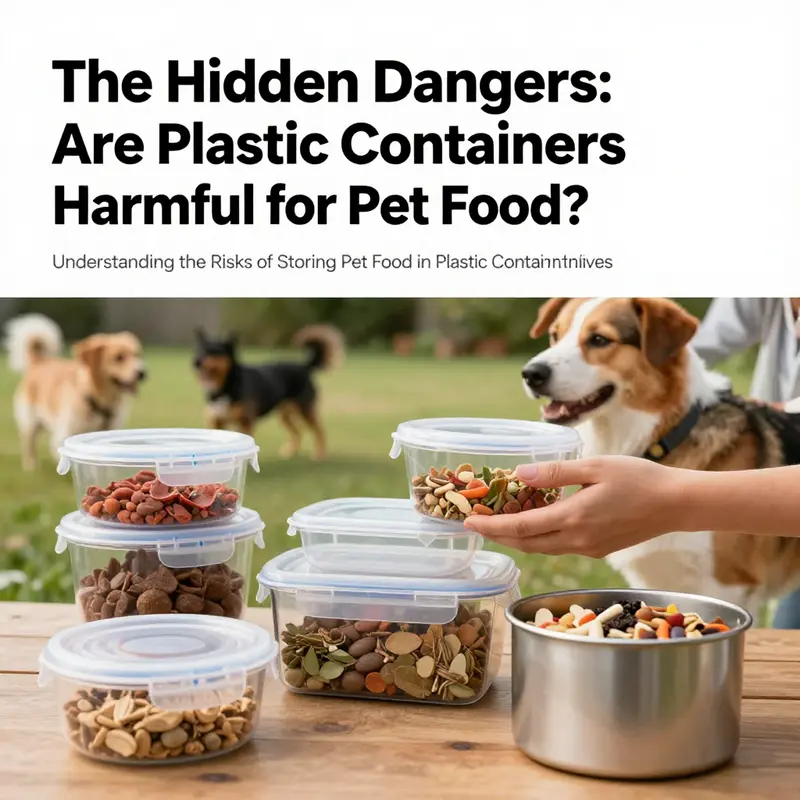
As pet owners and professionals in the food service industry, we understand the importance of maintaining quality and safety in every aspect of food storage. While plastic containers are often the go-to for pet food storage due to their convenience, emerging research reveals significant concerns about their safety. This article delves into critical aspects of plastic containers, starting with chemical leaching and its potential impacts on pet health. From there, we’ll explore the physical degradation of plastics and how it can compromise pet food quality. In understanding the risks associated with different plastic materials, we can distinguish between safer and harmful options. Finally, we will provide effective alternatives to plastic containers, ensuring both pet safety and food integrity. Join us on this informative journey to safeguard our furry companions while making informed choices in food storage.
Rethinking Pet-Food Storage: How Plastic Leaching and Microbial Risks Challenge Our Assumptions
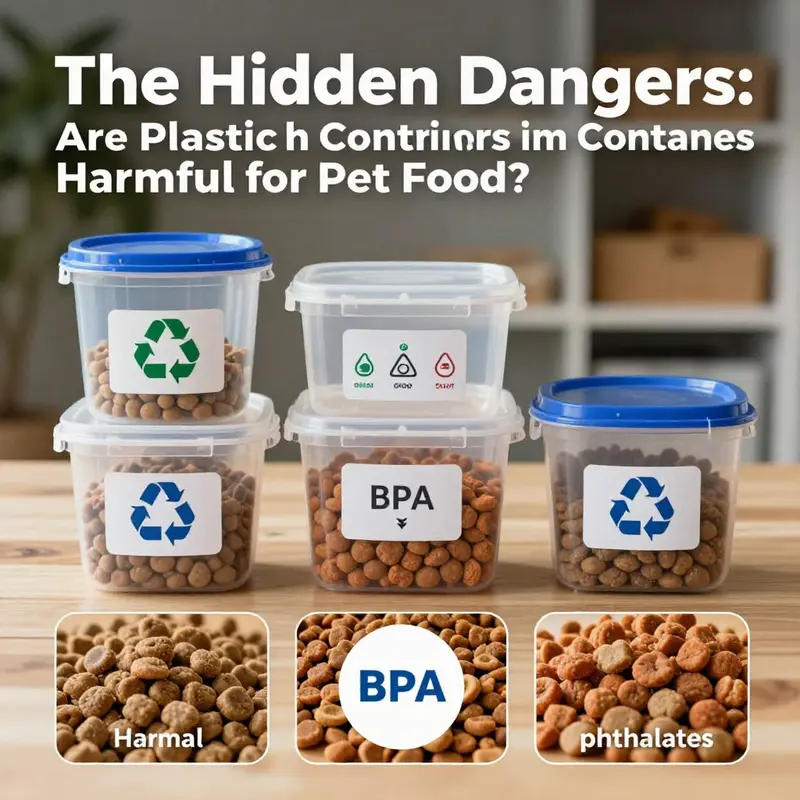
When pet food is stored, the container you choose becomes more than a simple vessel; it is a gatekeeper for what your dog or cat absorbs day after day. The temptation of plastic storage comes from convenience—lightweight, cheap, and ubiquitous. Yet a growing body of research suggests that the very materials we rely on to keep pet meals fresh may quietly introduce risks that extend far beyond a spoiled aroma or cracked lids. The practical question for every pet owner becomes not only whether plastic can hold food safely, but under what conditions it might pose a real, long-term hazard to a beloved animal’s health. The answer, while nuanced, leans away from casual plastic use and toward a more deliberate assessment of materials, storage practices, and alternatives that minimize chemical migration and microbial contamination.
At the heart of the conversation is chemical leaching. Plastic is a complex family of polymers infused with additives designed to enhance performance—softeners, stabilizers, and colorants that give plastic its shape, flexibility, and durability. Among the most scrutinized are bisphenol compounds and phthalates. Bisphenol A, long used in certain polycarbonate plastics, has earned notoriety for its ability to mimic hormones in the body. In animals and humans alike, this kind of endocrine disruption can alter metabolic signaling and reproductive development, with implications that accumulate over time. The concern does not end with BPA alone. Even plastics advertised as BPA-free often contain alternative bisphenols such as BPS and BPF. A 2019 study in the Journal of the Endocrine Society highlighted that these substitutes can exhibit estrogenic activity comparable to BPA, underscoring a broader truth: shifting the label does not necessarily eliminate risk. In pets, where physiology and metabolism can differ from humans, the same fundamental processes of endocrine interference may influence growth, fertility, and susceptibility to disease.
Phthalates—another common class of plasticizers used to improve plastic flexibility—also figure into this risk landscape. Described by some researchers as endocrine disruptors, phthalates have established links to reproductive issues in wildlife and rising concern for domestic animals. While the exact manifestation of these effects in pets can vary, the mechanism is clear: substances that perturb hormonal signals can disrupt development, sexual maturation, and even behavioral patterns over the animal’s lifetime. The broader implication is sobering: a pet’s daily meal could be a vehicle for chemical exposure, particularly if the food rests in contact with a container that leaches chemicals over time or with repeated use.
How much risk exists, and under what circumstances does it become significant? The research points to two broad pathways: leaching driven by material chemistry and leaching amplified by storage conditions. Heat is a potent accelerant. When food is warm, especially if it has fats or oils, the rate at which chemicals migrate from plastic into the food increases. Fatty components act as carriers, concentrating migratory substances so that more of the potential toxins find their way into pet meals. This means a simple practice such as leaving a plastic container in a warm kitchen or in a sunny spot can dramatically elevate exposure levels, even if the container is labeled as food-grade.
Another dimension concerns the wear and tear of containers through repeated use. Scratches, micro-abrasions, and structural aging create microenvironments within the plastic. The tiny crevices can trap fat residues, and over time these trapped fats oxidize, turning rancid and creating a habitat where molds and bacteria can thrive. For a pet with a sensitive digestive system, or for a food that already carries fat-rich ingredients, this combination of chemical migration and microbial growth can translate into gastrointestinal upset, allergic reactions, or more concerning health problems down the line. In other words, the risk is not a single dramatic event but a cumulative, long-term pattern that can quietly shape a pet’s health trajectory.
The conversation about material safety grows more nuanced when we examine the types of plastics commonly used for food storage. PVC (polyvinyl chloride, often labeled as #3) and PS (polystyrene, #6) are generally flagged as less desirable for food contact because of their propensity to release potentially toxic compounds, especially under heat or wear. In contrast, polypropylene (PP, #5) is widely regarded as a safer option for food storage because it is less prone to leaching. Yet even PP is not a perfect shield. Its performance is contingent on the container’s age, cleanliness, and how it’s used. A fresh PP container may pose a lower risk than an old, scratched, or overheated one, but it is not a guarantee of safety over the long term. The science here is not absolute; it is probabilistic. The safer choice reduces risk but does not eliminate it.
Given these complexities, many veterinary and pet-health professionals advocate for minimizing plastic exposure for pet food, particularly for long-term storage and any scenario involving warmth or fats. The practical takeaway is not a blanket ban on plastics—some plastics can perform adequately with careful handling—but a shift toward better materials and smarter storage habits. Glass and metal emerge repeatedly in expert discussions as materials with inert properties that do not leach chemicals into pet foods. Glass, in particular, offers an appealing profile: stable under heat, non-reactive with food, and easily cleaned to remove fat residues that could harbor microbes. Metal containers with tight, gasketed lids share similar virtues, though they can pose concerns about denting, corrosion in certain environments, or the need for vigilant cleaning to remove fat buildup.
Of course, the daily realities of pet ownership—cost, weight, fragility, and the need to transport meals—often steer choices toward more convenient plastics. The challenge is to balance convenience with long-term health considerations for a pet that depends entirely on what we provide in its bowl. A practical framework follows: understand the material, minimize heat exposure, avoid long-term storage in plastics, and prioritize containers that resist scratches and are easy to clean. The goal is not perfection in every meal but a markedly reduced chance that the container becomes a source of exposure over weeks and months of feeding.
In this framework, a cautious owner might adopt a simple, repeatable routine. Store pet food in a dedicated, food-grade, opaque container that is robust enough to withstand routine opening and closing without visible wear. Glass or metal options offer inertness; they do not shed chemicals into the food and tend to tolerate reheating or warm storage more safely than most plastics. Yet even these materials require attention: glass can break, and metal containers must be cleaned thoroughly to prevent oily residues that can become breeding grounds for microbes. The key is to maintain a clean, sealed, and dry environment that reduces both chemical migration and microbial risk.
If plastic must be part of the equation, the best practice is to choose newer, well-maintained containers that show no scratches and to limit their use to short-term storage, especially when the food is warm or contains fats. This is not a guarantee of safety, but it is a practical step toward reducing cumulative exposure. Labeling and routine replacement become part of the stewardship: replacing containers as soon as they show wear, and avoiding the reuse of containers that previously stored high-fat or heated pet foods. These steps align with the broader precautionary approach suggested by researchers who emphasize the cumulative nature of exposure and the aging of plastic materials.
A broader perspective on consumer packaging and storage materials helps illuminate why such caution is warranted. The discourse around plastic versus glass is not limited to pet food. It mirrors a larger conversation about how household storage practices influence exposure to chemical compounds that can interfere with hormonal signaling and metabolic processes. The pet-food question is a microcosm of this landscape: small daily decisions, repeated across weeks, months, and years, can accumulate meaningful differences in a pet’s internal environment. In an era when pet owners increasingly seek transparent, science-based guidance, the message about plastic storage is less a verdict and more a call to deliberate choice and preventive care.
What about the issue of conspicuously “safer” labeling, such as BPA-free claims? The evidence suggests that labels can be misleading if they do not reflect the full spectrum of chemicals used in the manufacture of plastics. A BPA-free product may still release other bisphenols or different plasticizers with endocrine-disrupting potential. This ambiguity reinforces the logic of favoring inert storage materials when possible and treating any plastic as a potential risk factor rather than a guaranteed solution. In the pet-food context, where the end consumer is a nonverbal, highly sensitive health component, this perspective matters: we cannot assume safety from a label alone.
In seeking safer alternatives, many pet owners arrive at a practical, well-supported recommendation: store dry pet food in a dedicated, opaque metal or glass container with a tight-sealing lid. These materials do not leach chemicals into the food, and their sealing mechanisms help keep out humidity and pests while reducing the formation of mold and bacterial colonies. While metal and glass are not without their trade-offs—weight, breakability, and the cost of replacement—their safety advantages, particularly for long-term or warmed storage, are substantial. When containers are chosen with antimicrobial cleanliness in mind, and when feeding routines are structured to avoid heat exposure, the cumulative risk reduction becomes tangible.
The conversation does not end with material choice alone. How you handle and clean containers plays a critical role as well. Fat residues left on the interior walls of a container can become a hotbed for microbial growth if not adequately cleaned. Regular washing with hot water and a detergent that removes oils is essential, as is thorough drying before repackaging. A dry, clean container is less hospitable to mold and bacteria, which aligns with the broader preventive-health approach discussed in veterinary guidance. It is also worth noting that some owners find it helpful to reserve a single container for pet food and another for treats or other kitchen items to minimize cross-contamination paths. The goal is a hygienic cycle that makes mold growth less likely and reduces the chance that any leached compounds accumulate to levels that could affect health over time.
Linking these practicalities to measurable outcomes, the research landscape emphasizes two focal points: chemical migration and microbial risk. Each of these dimensions is influenced by material choice, storage duration, and environmental conditions. The safest posture for many pets is to minimize reliance on plastic for long-term food storage and to adopt glass or metal storage solutions whenever feasible. If plastic is used, it should be in a form that is new, undamaged, and intended for short-term use, with vigilant attention to storage temperature and fat content. This balanced approach acknowledges the realities of pet care while prioritizing long-term health, rather than yielding to a compelling but ultimately insufficient convenience.
To support these ideas with a broader point of reference, readers might consider exploring resources that compare material safety across common kitchen uses. For instance, discussions that weigh glass against plastic for meal prep safety often highlight the same concerns—chemical leaching, stability under heat, and the ease of cleaning. Understanding these dynamics in a general food-safety context helps pet owners translate insights into actions that protect animal health in everyday routines. In practice, this translates to a cautious, informed posture: favor materials with inert properties for pet meals, maintain strict cleanliness, and replace aging containers before they become a source of exposure.
For pet owners who want to explore safer, non-plastic options that still support the practical needs of daily feeding, the landscape includes a spectrum of choices, from glass to reinforced metals with airtight seals. The decision becomes even more nuanced when considering travel, multi-pet households, and the variety of pet diets that may require different storage strategies. A thoughtful approach involves evaluating each scenario for heat exposure, fat content, and storage duration, then choosing a container that minimizes risk while meeting the practical demands of the household. The central takeaway remains clear: plastic, particularly in its older or more scarred forms, introduces a non-negligible risk to pet health through a combination of chemical leaching and microbial growth. Safer storage is not about perfection but about reducing risk in small, consistent ways that accumulate into meaningful health benefits over time.
For readers who want a deeper dive into the science behind container materials and food safety, broader analyses exist beyond pet food that illuminate why glass and certain metals can be preferable in many contexts. These resources help translate laboratory findings into practical household routines that protect pets without sacrificing everyday convenience. External research emphasizes the importance of material inertness and the complexity of how additives behave under real-world conditions, including repeated use and varying storage temperatures. The overarching message is consistent: when it comes to keeping pet food safe, a cautious, informed stance toward plastics—and a willingness to adopt safer storage habits—pays dividends in the long run.
Internal resources can also offer pragmatic guidance specific to packaging choices for pet-related needs. For example, among the commonly recommended options for safer, non-plastic storage, a dedicated, opaque container with a tight-sealing lid provides a straightforward shield against both chemical migration and moisture ingress. For pet owners considering packaging options beyond home storage, exploring the range of eco-friendly, non-plastic alternatives can be helpful. Learn more about alternatives and practical implementations through resources dedicated to safer packaging practices, such as this consumer-oriented overview that highlights the benefits of non-plastic storage for food products: eco-friendly takeout boxes for food packaging. While designed for takeout contexts, the same principles apply to home storage when durability, cleanliness, and inert contact with food are prioritized.
In the end, the path forward for pet owners rests on a simple premise: the safety of the pet food you provide is not a one-time choice but a series of ongoing decisions about materials, cleanliness, and storage conditions. The science underscoring chemical leaching and microbial risk, combined with practical considerations of daily life, suggests a prudent route that prioritizes glass or metal storage whenever possible and treats plastic as a compromise option to be used with care. The goal is a consistent habit—checking containers for scratches, replacing aging pieces, cleaning thoroughly, and choosing materials that minimize the likelihood of chemical migration and microbial proliferation. When these principles are integrated into routine pet care, the result is a resilient shield around a pet’s daily nourishment, reducing unknowns and supporting long-term health.
External reference: https://www.healthline.com/nutrition/glass-vs-plastic-tupperware#safety-and-health-what-s-leaching-into-your-food
Cracks, Contamination, and the Quiet Loss of Freshness: The Hidden Costs of Storing Pet Food in Plastic
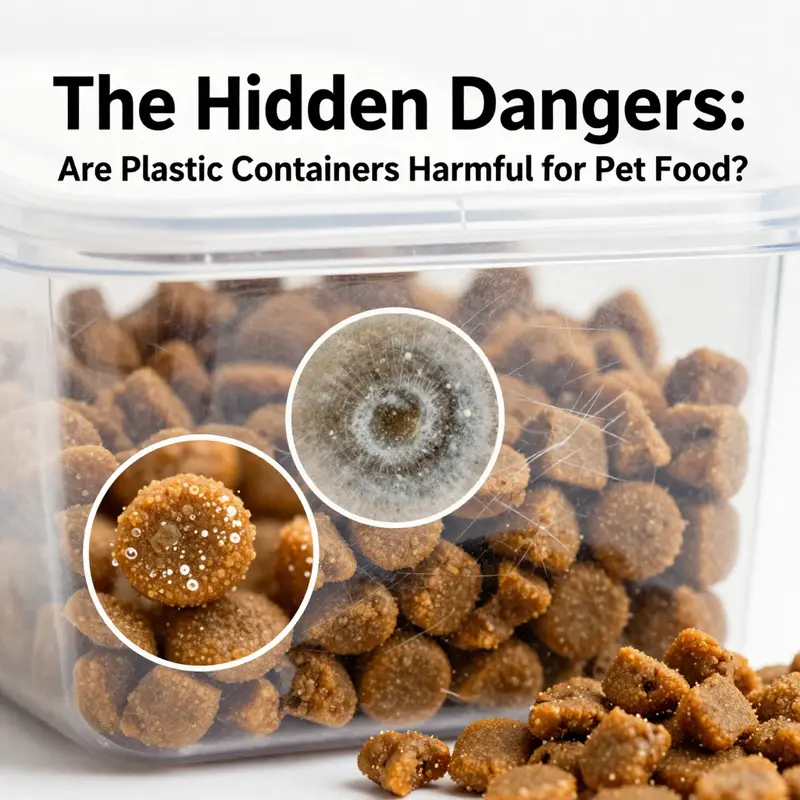
Plastic is sturdy enough to hold a physically demanding daily routine. So it’s easy to assume that a plastic container keeps pet food safe simply by being a barrier. Yet beneath the surface, the container itself can change, subtly bending to heat, light, and repeated use. Over time, microscopic fractures form, rigidity wanes, and the once-smooth interior gains a roughness that acts like a trove of tiny gateways. This is not just a matter of aesthetics or the occasional speck of dust; microcracks and degraded surfaces become functional pipelines that alter the food’s environment. The consequences unfold gradually but with real impact on the quality and safety of what pets eventually eat. When you store dry kibble or any pet food in a plastic vessel for extended periods, you invite air, moisture, and trace contaminants to interact with the food in ways that are not obvious at first glance. The story of plastic degradation is not simply about a container wearing out; it is about its evolving relationship with the food inside, the air that surrounds it, and the microbes that thrive in the crevices where fats and odors meet light and warmth. The result can be a steady, almost invisible decline in aroma, taste, texture, and nutritional integrity, which in turn can influence appetite, digestion, and long-term health in dogs and cats alike.
Aging plastics do not stay pristine even if they appear unscathed. When a container has seen repeated openings, the surface may accumulate pinhole-like fissures, or tiny scratches that are barely visible to the naked eye. Heat from a sunlit kitchen, or a warm corner of a pantry, can slightly warp the polymer chains, making the material more permeable to gases. Light can initiate photochemical reactions on the interior surface, and the mechanical stress of daily use can exacerbate this process. Each of these factors—heat, light, mechanical wear—contributes to a gradual increase in microstructural defects. These microcracks may seem inconsequential, but they alter the boundary between the inside of the container and the outside world, allowing volatile compounds to escape and ambient oxygen to seep in. Over weeks and months, this exchange changes the odds for the food’s stability. The fat components that naturally exist in pet foods tend to migrate into the tiny surface irregularities. They can oxidize, generating rancid notes and high-energy byproducts that pets may reject or that, if ingested in larger amounts, could compromise digestion. Even when a pet’s appetite remains strong, the presence of oxidative byproducts can reduce palatability and alter the food’s nutritional profile by accelerating lipid peroxidation. The smell of rancidity is a practical red flag, but its absence does not guarantee safety. A container that looks intact may still harbor microenvironments where mold spores or bacteria can take root if moisture and air filters—an invisible irritant for the gut and a potential trigger for allergies—settle.
What makes this picture more complicated is that the degradation process does not occur in isolation. The same conditions that age plastic also influence how much of the container leaches, and in some cases, how it interacts with the food’s fats and moisture. The interior surface of a plastic container does not stay neutral. It can shed additives, plasticizers, or filler residues, especially when exposed to heat or acidic components. The difference between a new, well-made container and one that has been used for extended storage matters. Degraded surfaces increase the likelihood of contact between the food and substances that, in modest concentrations, may be harmless, yet over time—especially with chronic exposure—could contribute to metabolic stress or inflammatory responses in pets. While the primary concern often centers on chemical leaching, the physical side is equally meaningful. A damaged interior can harbor lumps of food, oils, and moisture in those microcrevices that resist standard cleaning, creating a microcosm where spoilage microbes can proliferate despite an otherwise quiet kitchen.
The science is clear about one point: the cumulative effect of microdamage and material aging is not linear. A container might perform adequately for a few weeks, then begin to show signs of what seems like a nominal decline. The reason is that aging plastics interact with the specific conditions of storage. Temperature fluctuations, humidity, the presence of fats, and the frequency of opening all shape the trajectory. The fats that give pet foods their appeal can, paradoxically, become the catalysts of deterioration when they reside in cracked surfaces where oxygen is present. The resulting rancidity not only harms taste but can cause oxidative stress in the gut. Over time, repeated exposure to oxidized fats can alter the intestinal environment and potentially influence inflammation, gut microbiota balance, and nutrient absorption. These changes might be subtle, but they accumulate across weeks and months, and they are more likely to affect animals with sensitive digestion or preexisting conditions.
An often overlooked but important layer to this discussion concerns the materials themselves, particularly when recycled or mixed in with other plastics. Recycled PET, for example, may carry a higher burden of degradation products than virgin PET. Benzene and benzaldehyde, among others, have been identified in greater concentrations in some recycled plastic streams. While the exact health implications for pets depend on exposure level, duration, and the species in question, the presence of these compounds in degraded plastics associated with food contact raises valid concerns about long-term safety. This finding underscores a broader principle: the safety of a storage container is not a fixed attribute pegged to a material type alone. It also depends on the container’s history, its exposure to stress, and the degree to which its microstructure has changed over time. The practical implication is clear. Even when choosing a plastic container believed to be safer or more stable, daily reality—the way food is stored, the frequency of use, and the storage environment—will influence outcomes in ways that may not be immediately visible but are biologically meaningful for pets.
These dynamic interactions reinforce a broader narrative about pet food storage: containers matter not only for containment but also for the food’s internal chemistry and its microbial ecosystem. The interior’s roughened surface can trap crumbs and fats, forming micro-harborage zones where microbes hide from routine cleaning. In such niches, moisture and warmth can support the growth of molds and bacteria that would not flourish on a smooth, properly cleaned surface. The result can be a slow, cumulative degradation of the food’s texture and aroma, and in some cases a modest but real risk to pet health. Food that loses its aroma and palatability may compel owners to mix in flavor boosters or supplements, inadvertently increasing the food’s moisture and fat exposure, which may further encourage spoilage. The chain reaction begins with a simple act—storing pet food in plastic—and ends with a multifaceted cascade of quality and safety concerns that may not be obvious at the moment of purchase.
From a practical standpoint, the message is not not to store food in plastic at all, but to approach storage with an informed mindset. First, consider the container’s condition. A new, clean container with a smooth interior offers the best starting point for minimizing microbial harborage and the early onset of oxidation. Scratches should be minimized, and the container should be used within its design life. Second, pay attention to storage conditions. Keep containers in cool, dry areas away from direct sunlight and temperature swings. A consistently stable environment reduces the rate at which microcracks worsen and reduces the likelihood that fats will migrate into those tiny crevices. Third, be mindful of the duration of storage. Even the most robust plastic can degrade more rapidly when used for long-term storage at room temperature or in warm kitchens. For majority of dry pet foods, transferring to a food-grade, non-plastic vessel after purchase—especially if the original packaging is bulky and designed for short-term use—can be a prudent step. There is value in choosing materials known for inertness and ease of cleaning. A metal or glass container with an opaque design helps guard against light-induced photochemical changes and provides a non-porous, easy-to-clean interior that does not readily harbor fat residues.
The dialogue around material safety also invites a broader look at consumer packaging trends. To minimize the risks associated with all plastics, some households turn toward storage options that are explicitly designed as food-grade and free of problematic additives. When plastic is unavoidable, ensuring it is brand-new, free of scratches, and used only for short-term storage is a practical compromise. In this balancing act, the challenge remains to retain the convenience that makes plastic attractive while reducing the risk of long-term exposure to degraded surfaces and their potential consequences. If a household is examining long-term storage needs across multiple pets, a metal or glass option with a tight-fitting lid becomes particularly compelling. These materials do not leach chemicals in the same way as evolving plastics and invite thorough cleaning without the crevices that accumulate fat. And for those who still want to leverage plastic for short-term use, a careful protocol—inspecting for cracks, avoiding heat, and rotating containers to prevent aging from becoming chronic—can help keep risk levels reasonable.
The science supporting these conclusions comes from a body of work that highlights how degradation products and polymers can interact with food under realistic storage scenarios. For those who want a deeper dive into how packaging material aging translates into real-world outcomes for food safety, a recent study on degraded polymers in food contact materials provides a rigorous foundation. The study notes that recycled plastics, while environmentally advantageous in many contexts, can carry higher levels of degradation products, including volatile compounds that may migrate into stored contents under certain conditions. This evidence matters because it reframes the conversation around safety from a simple “leach vs. not leach” dichotomy to a more nuanced understanding of how aging, exposure, and storage duration collectively shape risk. In other words, even if a plastic container is labeled as safe for food contact, its safety profile can shift as it ages and is exposed to heat and fats. The practical takeaway is to pair informed material choices with sensible storage habits, rather than relying solely on brand promises or the presence of a single safety label. The overarching goal is to preserve the food’s nutritional value and palatability while minimizing the pet’s exposure to potentially problematic substances that accumulate over time in the container’s micro-environments.
These ideas resonate with broader trends in packaging science, where the emphasis is shifting toward materials designed to resist aging, resist fat absorption, and facilitate easy, thorough cleaning. An important move in this direction is the adoption of packaging that reduces permeability to gases and moisture and that features smooth, non-porous interiors. When owners want to maintain optimal food quality without frequent replacement of entirely new containers, the best option is to select storage systems that maximize inertness and minimize surface irregularities. The takeaway for pet guardians is practical and precise: ask questions about how a storage solution handles heat, light, and moisture, and how easy it is to clean completely. If the container has any visible scratches, or if it has a history of storage in a warm environment, consider replacing it with a more durable alternative. A straightforward practice—transferring dry pet food from a questionable plastic vessel into a clean metal or glass container with a tight seal—can make a meaningful difference in how long the food remains palatable and safe, thereby supporting digestive health and overall well-being.
In the end, the chapter of plastic’s aging is not about fear but about informed care. It invites a disciplined approach to storage that respects the food’s chemistry and the animal’s biology. The micro-world inside a seemingly simple container matters: every crack is a potential harbor for oxidation, mold, and microbial growth; every transfer or exposure event can influence the rate at which freshness fades. It is a reminder that the best way to safeguard pet food is to combine material literacy with practical storage practices, recognizing that the container is part of the food’s ecosystem, not merely a passive vessel. For those who seek to trace the science behind these observations, the literature on degradation products in recycled plastics and their potential presence in food-contact contexts provides a useful lens through which to view everyday decisions about what materials we choose to store our pets’ meals in. It is not a warning against all plastics, but a call to choose—and use—storage solutions with awareness of how aging and environment can transform even the simplest culinary staple into something less than perfect for our companions’ health. As with any nutrition-and-health decision, the goal is to maximize safety, preserve quality, and support long, healthy lives for the animals who rely on us for their meals.
For readers seeking a deeper dive into the science, a pivotal study available online explores how degradation products in recycled PET can differ from virgin PET and how these differences may influence food-contact safety. This resource helps connect the everyday practice of food storage with the underlying chemistry and materials science, providing a bridge between kitchen habits and research-informed decisions. External links to the broader literature reinforce the practical takeaway: while plastic is a ubiquitous, convenient solution for pet-food storage, the best outcomes arise when storage choices align with food safety principles, environmental considerations, and the realities of aging plastics. To support ongoing learning, explore additional perspectives on food packaging materials and their interaction with stored contents, which can help pet guardians tailor storage practices to their unique needs and environments.
One practical reminder embedded in this discussion is the value of diversifying storage materials when possible. A non-plastic alternative offers a straightforward path to reducing exposure to plastic-derived compounds altogether, especially for long-term storage. If plastic cannot be avoided, use the simplest, cleanest, least aged option available and avoid reusing containers beyond their intended life span. The goal is to minimize the cumulative risk—of chemical interaction and of microbial growth—through careful material choices and disciplined storage routines. And while the science continues to evolve, what remains consistently clear is that thoughtful storage decisions matter for pet health as much as proper feeding and balanced diets. The path forward is practical, scalable, and within reach for most households: select containers designed for food storage, prioritize opaque and non-porous materials when possible, and commit to rotating and cleaning storage gear with vigilance.
If you’re curious about how packaging choices relate to broader trends in consumer packaging design and waste reduction, a useful reference point is a resource that discusses eco-friendly, safe takeout and storage options. It provides a lens for understanding how modern packaging designs aim to minimize risk while preserving usability. You can read more about such approaches here: eco-friendly takeout boxes for food packaging. This contextualizes the practical advice offered in this chapter within a broader movement toward safer, more sustainable food-contact materials.
External resource for those seeking scientific grounding on the topic can be found in the study available at ScienceDirect, which examines how recycling and aging influence the presence of degradation products in plastics used for food contact. This resource offers a rigorous look at the chemistry behind these concerns and helps connect everyday storage practices with the underlying material science. https://www.sciencedirect.com/science/article/pii/S004896972500317X#f0005
Material Matters: Which Plastics Are Actually Safe for Pet Food Storage—and Why It Matters
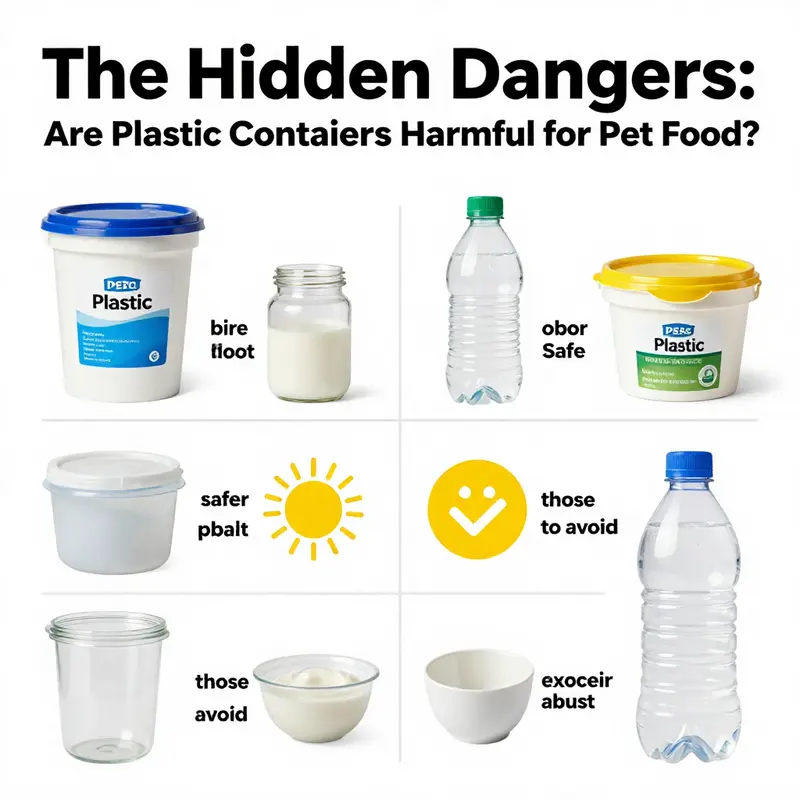
Plastic containers are a mainstream convenience for pet parents. They come in a spectrum of shapes, sizes, and seals, promising airtight freshness and long shelf life. Yet when it comes to storing pet food, the convenience can mask a set of questions that reach beyond odor or appearance. The core issue is not simply whether a container can hold kibble, but how its material interacts with pet food over time. The science points to two broad, intertwined risks: chemical leaching and physical degradation. Each pathway can subtly undermine nutrition, promote spoilage, and potentially affect a pet’s health over months and years. Understanding these material-specific risks helps explain why not all plastics are created equal for food contact, and why the safest approach is to favor containers designed with pet food stewardship in mind.
At the center of chemical leaching are two families of substances that have historically drawn attention for their endocrine effects: plasticizers that make plastics flexible and stabilizers that help plastics withstand heat and light. In many polycarbonate and other industrially produced plastics, compounds such as Bisphenol A (BPA) have been associated with hormonal disruption. BPA has the capacity to mimic estrogen and, in some animals, has been linked to disruptions in metabolic and reproductive pathways. While the landscape of risk is nuanced—varying with exposure, temperature, fat content, and time—the takeaway is not a simple ban on all plastics. It is a reminder that certain plastic types have a higher probability of releasing potentially harmful compounds into food, especially when food is stored for long periods, kept warm, or comes with fats and oils that can solubilize additives. The complexity of plastic safety is further illuminated by BPA-free labels. Some BPA-free plastics can exhibit estrogenic activity comparable to or even higher than BPA-containing variants under certain conditions, a finding that underscores the need for a more nuanced safety assessment than a single chemical label can provide. In practical terms, this means that a “ BPA-free” designation is not a universal guarantee of safety for pet food storage, particularly for extended storage.
Linked to these chemical questions are the realities of how plastics interact with food over time. Pet dry kibble is not an inert material. It often carries residual fats and oils that are attractive to microbes and that can become trapped in microscopic scratches and fissures that inevitably develop in even high-quality containers with use. Those tiny crevices are not merely cosmetic imperfections; they are potential reservoirs where fat oxidizes, turning rancid and creating a microenvironment that supports mold and bacterial growth. When fats oxidize, the flavor and aroma parameters we rely on to entice our pets can shift in ways that reduce palatability and, more importantly, can compromise gut health if ingested. A stale, rancid-coated kibble is not just an unpleasant scent. It can contribute to gastrointestinal upset, allergic reactions, and in some cases more serious health concerns for dogs and cats with sensitive digestive systems or compromised immune responses.
The material itself matters as much as the presence of food in the container. PVC and PS, for example, have been flagged as less suitable for long-term food contact due to their tendency to release toxic compounds under various conditions. PVC, in particular, has emitted concerns about potential leaching of hazardous substances, especially when subjected to heat or prolonged contact with fatty foods. PS, another plastic sometimes found in consumer packaging, shares similar cautions because it can shed styrene and other byproducts under stress. The take-home message is clear: not every plastic is equally safe for pet food storage, and the long-term safety profile depends on both the type of plastic and how it is used.
On the other side of the ledger, some plastics are considered comparatively safer for food contact under typical consumer use. Polypropylene, known in the field as PP (often labeled as #5), is widely regarded as a safer option for food storage. It is less prone to leaching chemicals than many other plastics and tends to better resist fat absorption, a key factor given the fat-rich coatings sometimes used in dry pet foods. Yet even PP is not a universal guarantee of safety for extended storage. While it may pose a lower risk of leaching, it is still susceptible to physical degradation over time. Scratches, micro-abrasions, and temperature fluctuations can undermine the integrity of a PP container, allowing air to infiltrate and accelerating the rate at which kibble loses freshness. In other words, a container can feel sturdy in the moment but fail to preserve quality as weeks turn into months.
Another common point of confusion concerns PET, or polyethylene terephthalate. PET is widely used in food packaging because it combines clarity with strong barrier properties against moisture and gases. From a chemical-exposure perspective, PET is often described as relatively safe for short- to medium-term food storage, and its barrier properties can help preserve kibble better than some other plastics. However, PET is not a panacea for long-term storage, and the reality is that the safety of any plastic container depends on context—how it is stored, how long the food remains inside, and whether the container is used in a way that encourages leaching or contamination. The broader implication is that while PET may present fewer immediate risks, it is still essential to consider the overall storage environment and the duration of contact between food and plastic.
With these material-specific profiles in mind, the decision to use plastic for pet food storage should move from a default assumption to a calculated choice. The reality is that even a seemingly airtight plastic container can fail to maintain freshness if its structural integrity is compromised. A container marketed as airtight with silicone gaskets and locking lids may still allow air to seep in if the lid does not seal evenly, if the threads wear down, or if the container develops a shallow warp over time. Warping is more than a cosmetic problem. It can defeat the vacuum seal that helps keep kibble crisp and free from moisture, which is a critical factor in both flavor and safety. Inexpensive or lower-grade plastics are especially prone to this problem, particularly in households where the container is exposed to temperature fluctuations—think sunlit kitchens, garages, or car compartments. The result is not just a loss of freshness but an increased risk of microbial growth and allergen exposure if the container is repeatedly opened and closed, allowing intermittent air exchange.
All of this feeds into a broader pattern: the storage environment itself matters as much as the material. Dry kibble stored in a container that remains consistently cool, dark, and dry is going to fare better than kibble left to heat, humidity, and repeated handling. In this sense, the role of the container is not simply to hold food but to contribute to a controlled microclimate that minimizes fat oxidation, moisture ingress, and microbial activity. The practical implication for pet owners is that a label claiming airtightness does not guarantee long-term protection against spoilage. The seal’s efficacy depends on the entire system: the container’s wall thickness, the quality of the seal, the material’s propensity to warp, and the environmental conditions in which the container resides.
When weighing the decision to store pet food in a plastic container, many readers wonder about short-term versus long-term storage. The evidence suggests a nuanced stance. Short-term storage in a clean, new plastic container with a smooth surface and a reliable seal can be acceptable for periods spanning days to a few weeks, especially for households that prefer portioning portions for convenience. Yet the longer the storage period, the greater the risk that leaching, oxidation, and microbial growth will erode the quality and safety of the food. The oils and fats in dry kibble, which are often prized for flavor and texture, can paradoxically become a liability if they interact with scratches and micro-cracks in the plastic. This is a core reason why veterinary and pet health advocates commonly recommend minimizing plastic storage for pet food and pivoting toward materials that offer greater inertness and ease of cleaning.
So, what should a conscientious pet owner do if plastic storage seems simply unavoidable? The guidance is both practical and disciplined. If plastic must be used, select a container made from PP (#5) and ensure it is brand new, with no prior scratches or signs of wear. Avoid reusing containers that have housed different foods or substances, and replace any container that shows visible wear, cracks, or warping. Store the container in a cool, dry, and dark place to minimize heat exposure and fat oxidation. Regularly inspect seals, gaskets, and lids for integrity, and consider rotating stock so that kibble spends less time in storage. Importantly, do not rely on a plastic container alone to ensure safety. Pair plastic storage with vigilant hygiene practices: wash the container with hot, soapy water between refills, rinse thoroughly, and allow it to dry completely before refilling. The goal is to minimize any opportunity for fat-derived rancidity, moisture ingress, and microbial colonization.
For readers who want to explore the broader context of plastic use in pet food storage, a helpful real-world example illustrates how consumer plastics intended for one use may not be ideal for others. A disposable clear plastic cup marketed for diverse activities—including outdoor use and pet-related occasions—highlights how packaging designed for short-term convenience may carry implications that extend beyond immediate use. In this chapter, we focus on pet food, but the underlying principle applies: material choice matters, and the same plastic can behave very differently depending on the application. See this particular example of a disposable clear plastic cup for pet use to visualize how plastic materials can be encountered in everyday settings, even when not explicitly labeled as food storage gear. disposable clear plastic cup for pet use.
Despite the complexities of material science, there is a straightforward, practical conclusion that aligns with the health-first approach many veterinarians advocate. Plastic containers used for pet food storage carry legitimate risks that accumulate with time—chemical leaching, fat oxidation, mold growth, and seal degradation all contribute to a higher probability of compromised food quality and potential health impacts for pets. The risks are not uniform across all plastics, but the safest general guidance is to minimize plastic contact with dry pet food for extended periods and to favor materials with inert properties, robust sealing, and straightforward cleanliness. Metal and glass containers that are opaque or nonreactive provide a notable reduction in leaching risk and are easier to sanitize thoroughly. They also resist the fat-related considerations that plastics struggle with, offering a longer-term solution for preserving kibble quality and pet health. If plastic is the only option due to space, budget, or convenience, the best path is to choose a high-quality PP container, keep it pristine, and limit the storage duration to short-term windows while maintaining strict hygiene and proper storage conditions.
The broader message extends beyond a single container choice. It touches on the intersection of material science, food safety standards, and everyday pet care. Our understanding of plastics in contact with food comes from a combination of toxicology, food packaging science, and practical veterinary observations. The dialog is ongoing, and new research continues to refine recommendations, particularly as manufacturers explore safer alternatives and as new plastic formulations enter the market. The FDA’s Complete Guide to Food Container Plastics provides a comprehensive framework for evaluating plastics used in food contact materials. It emphasizes the importance of the material’s identity, its intended use, and the safety testing standards that govern consumer products. For readers who want a broader, regulatory reference, this guide is a valuable resource to complement the practical guidance offered here. https://www.fda.gov/food/food-contact-materials-standards/complete-guide-food-container-plastics
In sum, plastic containers for pet food can be problematic, particularly when used for long-term storage. The risks of chemical leaching, coupled with physical degradation that promotes rancidity and microbial growth, create a compelling case for cautious use. The most robust safeguard is a dedicated, food-grade, opaque metal or glass container with a tight-sealing lid. This approach minimizes leaching risk, reduces the likelihood of fat oxidation in trapped residues, and yields a more thorough sanitation routine. If plastic must be used, prioritize PP (#5), ensure the container is new and free of scratches, and use it only for brief storage periods. The prudent pet caregiver will balance the ease of plastic storage with the equally important obligation to protect the long-term health of the animal companion. The goal is not to vilify plastic in all contexts but to recognize its limits and to make storage choices that align with the best available science and the welfare of pets.
From Plastic Pitfalls to Safer Shelters: Rethinking How We Store Pet Food
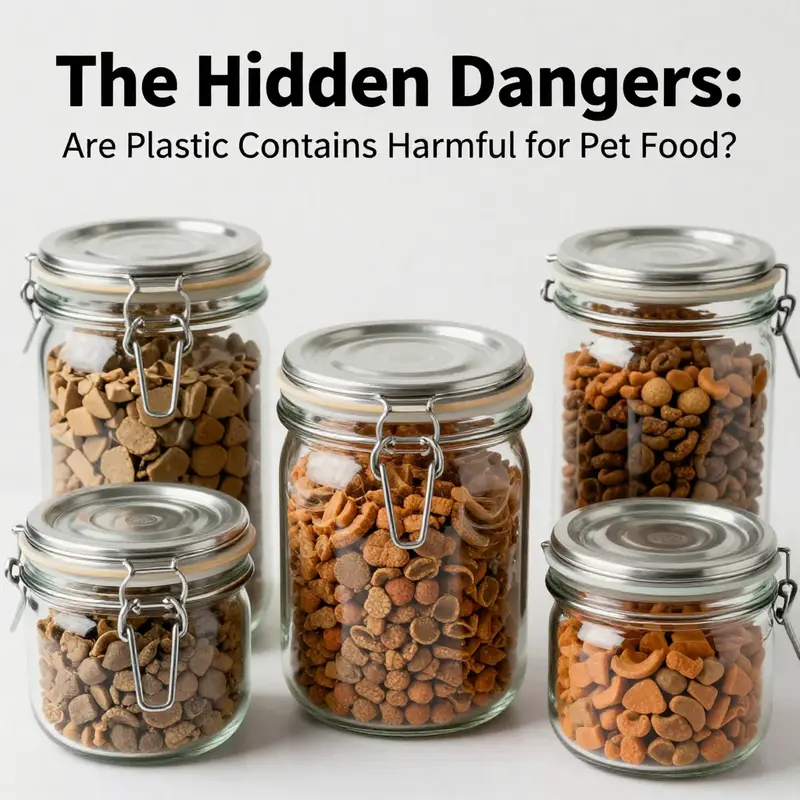
Pet food storage is more than convenience—it can influence your pet’s health. Plastics are common, but exposure to heat, fats, and moisture can cause some plastics to shed chemicals into food. BPA-free does not automatically mean safe, as some plastics may have estrogenic activity.
A safer approach emphasizes materials that are inert and easy to clean, such as stainless steel or glass, used with well-sealed lids. If you must use plastic, choose high-density polyethylene (HDPE) and ensure the container is new, scratch-free, and used for short-term storage with a reliable seal. Vacuum sealing or nitrogen flushing can also extend freshness by reducing oxygen, slow fat oxidation, and deter pests.
Practical tips: store in a cool, dry place away from direct sunlight; keep containers dry before refilling; rotate stock so older bags are used first; and clean containers thoroughly between refills. A balanced storage plan blends practicality with pets’ safety, rather than relying on a single material.
Final thoughts
In conclusion, while plastic containers may offer some convenience for pet food storage, the potential risks associated with chemical leaching, physical degradation, and material-specific hazards cannot be overlooked. It is imperative to prioritize the well-being of our pets by opting for safer storage solutions. By understanding the dangers and choosing alternatives such as glass or food-grade metal containers, we can protect our pets’ health while maintaining the quality of their food. As we continue to innovate in food storage practices, let’s ensure that our beloved pets are kept safe and healthy.