
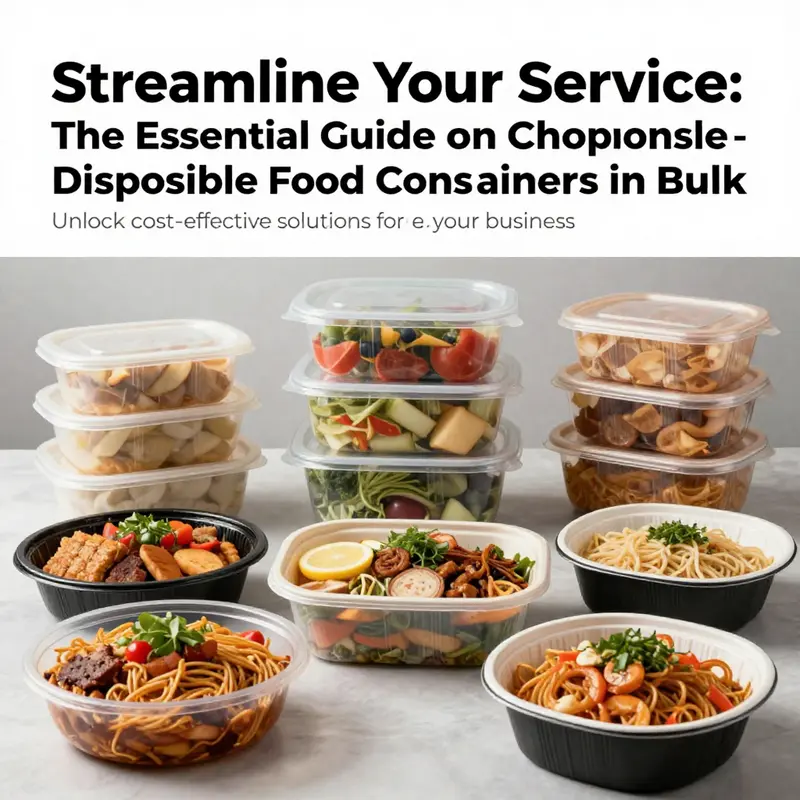
In today’s booming food service industry, the demand for practical and budget-friendly solutions is at an all-time high. Cheap disposable food containers in bulk are not just a trend; they’re a necessity for Bubble Tea shops, beverage chains, restaurants, food trucks, catering services, event planners, and corporate procurement teams. These versatile, budget-conscious products play a vital role in enhancing operational efficiency, ensuring food safety, and catering to the diverse needs of consumers. This article will delve into the current market for bulk disposable food containers, their key benefits, and important sustainability considerations, providing a comprehensive understanding for businesses looking to optimize their meal service solutions.
Bulk, Budget, and the Box: The Ecosystem of Cheap Disposable Food Containers in Bulk
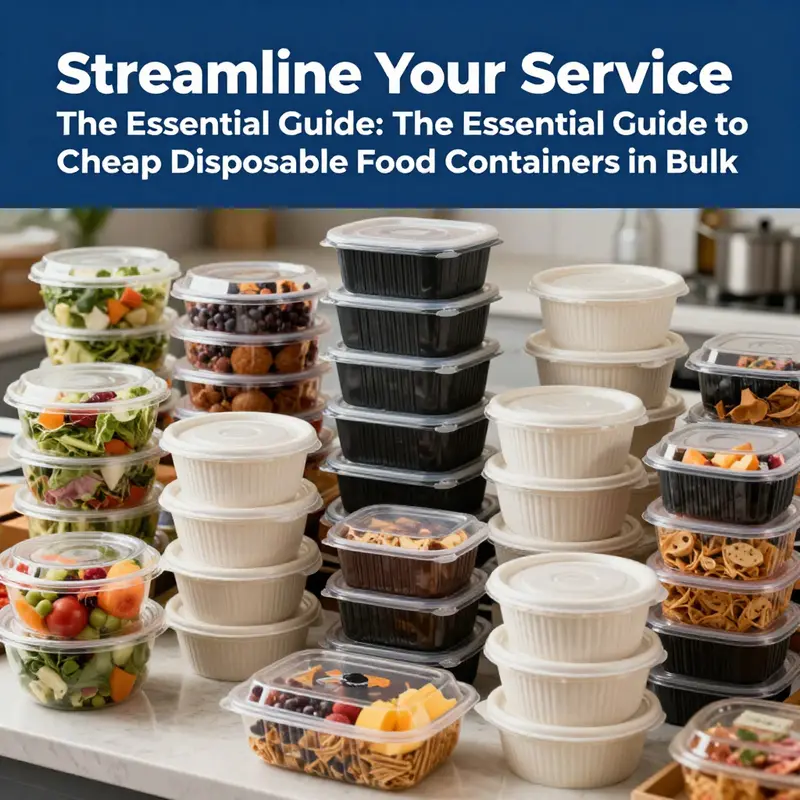
In the busy logic of modern kitchens, the packaging decision is never just about wrapping a meal. It is a strategic lever that can influence speed, cost, safety, and the customer’s overall impression. The market for cheap disposable food containers, especially when purchased in bulk, sits at a unique intersection of operational discipline and consumer expectation. Operators large and small seek containers that are light enough to lift repeatedly, sturdy enough to withstand the rough rhythms of a busy service, and affordable enough to scale with volume. The appeal is not merely the price per unit; it is the certainty that a bulk order will align with turnover, menu variety, and the rhythms of peak hours. A bulk pack of 150 BPA-free plastic clamshell containers, for example, can be found at a price point that looks almost conservative against daily labor costs, with a minimum order quantity that keeps procurement predictable. Such price anchors matter because they translate into predictable per-meal packaging costs, which in turn helps kitchen managers forecast margins, set takeout pricing, and maintain a reliable supply chain during periods of demand volatility. The practical takeaway is simple: when orders scale, unit economics begin to resemble the economics of the restaurant floor itself, and packaging becomes a lever rather than a footnote in the P&L.\n\nThe materials used in these containers tell a story about trade-offs between cost, performance, and environmental responsibility. Plastic variants—particularly those made from PET, PP, or PS—dominate the cheap end of the market because they combine affordability with durability. They are lightweight, resistant to impact, and surprisingly versatile across cold and warm applications. They also tend to be microwave-safe in many cases, which aligns with the growing demand for ready-to-heat meals and convenient reheating at home. Yet the same attributes that make plastic containers so attractive raise questions about heat exposure, safe reuse, and, in some cases, the potential for chemical leaching when foods are exposed to high temperatures or oily contents. Not all plastics are suitable for every heating scenario, and even when they are, the consumer’s perception of safety and quality matters. In a market where trust is built as much through packaging as through the food inside, suppliers and operators must communicate clearly about what the container can do and what it cannot.\n\nIn recent years, recycled paperboard and molded fiber have grown in relevance as eco-conscious alternatives for bulk orders. These materials address a rising consumer demand for packaging that signals responsibility and aligns with broader sustainability goals. Recycled or fiber-based options can be compostable or industrially compostable, and they often carry a different shelf life and durability profile compared with plastic. The trade-off is not only in how they perform under heat or with moisture but also in how they age over time. Paper-based containers may absorb odors or stains, and their robustness under repeated handling can be less than that of plastic in certain contexts. For caterers and school meal programs that emphasize environmental stewardship, these trade-offs are weighed against the benefit of reduced plastic footprint and the appeal of compostability to end consumers. In bulk procurement, this balance often translates into a mixed portfolio of container types, each selected for the specific service scenario it will serve.\n\nAcross the materials spectrum, the market has also seen a push toward more sophisticated design features that amplify utility without a dramatic price uplift. Three-compartment designs, leak-resistant lids, and standardized sizes have become more common as suppliers respond to the needs of meal prep and takeout operations. Three compartments enable portion control and the neat separation of components, minimizing cross-contact of sauces or side dishes and supporting cleaner presentation for customers. This is not merely a hygienic advantage; it translates into practical benefits for kitchens that bundle meals or tailor portions for different dietary needs. The ability to pre-portion sauces, sides, and mains in bulk packaging supports faster assembly at the point of sale or during catering events. Lightweight yet sturdy construction remains a critical attribute. Even the most robust takeout order benefits from containers that resist crushing during transport, preventing the sort of customer-facing issues that can damage a brand’s reputation in the minutes after a meal is picked up.\n\nOn the procurement side, bulk packaging has become a logistics enabler. Vendors increasingly offer ready-to-ship bundles that include leak-resistant lids, stackable designs, and standardized sizes that fit into existing storage and transport workflows. The emphasis on stackability reduces warehousing footprint and makes it easier to manage inventory in kitchens and distribution centers that juggle dozens of SKUs. In addition, the integration of airtight seals and freezer-safe properties extends the utility of these containers beyond fresh meals to pre-prepared and freeze-thaw menus. The ability to store a batch of meals for a future service window, or to ship frozen entrees for off-site events, expands the role that disposable packaging plays in menu planning and business resilience.\n\nThe market dynamics also reflect a broader economic calculus: acting on cost reductions in packaging can ripple through the entire operation. When a restaurant or catering service reduces waste, improves portion control, and stabilizes takeout pricing, the impact can be felt in labor efficiency, order accuracy, and customer satisfaction. Bulk purchasing reduces the per-unit cost and provides a buffer against price fluctuations that are common in food service supply chains. It is not merely about saving pennies; it is about creating consistent, predictable packaging costs that can be integrated into forecasting models and financial plans. In this context, the packaging decision becomes a strategic component of profitability, rather than a peripheral concern.\n\nThe sustainability conversation surrounding cheap disposable containers has evolved from a simple “plastic versus paper” debate to a more nuanced assessment of life-cycle impacts, recycling infrastructure, and consumer behavior. Eco-friendly options—biodegradable or compostable fibers, for instance—are increasingly offered as part of bulk catalogs. Brands and buyers alike recognize that sustainability is not a fixed attribute but a continuum that depends on disposal pathways, local regulations, and the performance demands of the food service environment. The strongest solutions in bulk markets are often those that blend cost-effectiveness with responsible choices in materials and disposal. They are not solely about meeting regulatory mandates; they are about aligning with a growing segment of consumers who expect companies to demonstrate stewardship through packaging choices. In many operations, this translates into a mixed strategy: keep the most economical options for everyday use while reserving more sustainable forms for events, corporate programs, or markets where environmental credentials carry extra weight.\n\nDespite the advantages, the limitations of cheap disposable containers remind operators to calibrate expectations against real-world use. Some plastic variants may leach trace substances when exposed to certain oils or high heat, and not all are safe for oven or high-heat microwaving. Paper-based options, while appealing for their lower plastics footprint, can show reduced durability under heavy stacking or rough handling and may not withstand long-term sogginess. In addition, the perception of disposability persists even as recycling and composting streams expand, so a portion of consumers may still favor durable, reusable containers for certain settings. These caveats do not erase the value of bulk, but they underscore the need for clear labeling, appropriate heating guidance, and careful alignment with the specific service model. For instance, a fast-casual concept focused on rapid turnover might lean heavily on durable PET or PP clamshells for takeout, while a catering operation with a high-volume event calendar might integrate molded fiber or paperboard options for eco-conscious clients, pairing them with composting programs where available.\n\nOpportunities for operators extend beyond simply choosing a container type. Bulk suppliers have responded with innovations in design that improve handling, storage, and processing efficiency. Standardized sizes streamline procurement and reduce the complexity of inventory management. Leak-resistant lids reduce the incidence of cross-contamination and mess during transit, while vented designs help maintain food quality for items that might release steam. Some bulk packaging systems emphasize modularity, enabling a single container to fill multiple menu items with minimal adjustments. The ability to adapt quickly to changing menus or seasonal offerings is a practical advantage for operators who need to pivot in response to demand patterns or supply constraints. In this light, the container becomes a flexible tool in an operator’s kit, not a fixed constraint.\n\nThe customer experience loops back into the operational calculus. Packaging shapes and materials influence the perception of value and quality at the moment of purchase. A customer who receives a meal in a well-sealed, neatly labeled container expects reliability in temperature, aroma preservation, and presentation. Conversely, a flimsy lid or a leaky seam can undermine trust and reduce return visits. In bulk procurement contexts, branding considerations can also play a role. Some operators choose neutral packaging to maintain a consistent brand feel across all channels, while others opt for subtle branding that communicates a corporate identity without overpowering the dining experience. The trade-off between visibility and cost continues to shape decisions about whether to invest in custom-printed elements, clear labeling for nutritional information, or simple, unbranded options that keep prices down.\n\nAs the market continues to evolve, the scalability of cheap disposable containers in bulk remains a core driver of their appeal. Industry forecasts point to a robust expansion of the foodservice disposable packaging segment, underscoring the continued demand from restaurants, caterers, meal-prep outfits, and retail outlets that rely on cost-effective, scalable packaging. The aggregate market size and projected growth reflect a landscape where procurement teams and kitchen staff collaborate closely to optimize both price and performance. This collaboration often yields a layering of decision-making: on the front line, cooks and servers experience tangible benefits from reliable packaging; in the back office, procurement managers balance supplier terms, lead times, and inventory controls; and in the market, consumers respond to the overall packaging experience in ways that influence brand perception and loyalty.\n\nFor operators seeking practical guidance on navigating bulk packaging choices, several pathways emerge. One pathway emphasizes practical testing: running pilots with a small batch of container types to observe performance under typical service conditions, recording issues like leakage, deformation, or heat tolerance, and then deciding which options to scale. Another pathway highlights logistics: evaluating how containers fit into the kitchen’s storage, prep workflows, and delivery routes, ensuring that the chosen solutions do not create bottlenecks in packaging or order fulfillment. A third pathway centers on sustainability: examining disposal options, local recycling or composting capabilities, and whether the packaging aligns with the brand’s environmental commitments. In all cases, the aim is to harmonize three strands—cost, performance, and responsibility—so that bulk packaging supports growth rather than becoming a friction point in service delivery.\n\nFor readers exploring concrete examples of bulk packaging choices that combine practicality with a nod to sustainability, the practical catalog of bulk options often includes alternatives that can be used across different service formats. In the takeout segment, for instance, operators frequently evaluate containers that are compatible with both quick-serve settings and more formal catering arrangements. They consider not only the price per unit but also the ease of use for staff and the end-user experience. They think about how well a container holds up to being carried through crowded dining areas, how it performs under refrigeration or freezing, and whether it communicates a brand’s values through its material and design. The result is a carefully considered mix of containers that can be rotated through menus and services as conditions demand, ensuring that the business remains agile in a market that prizes speed, cost control, and consistent quality.\n\nAn understanding of this market also speaks to the broader narrative of how modern foodservice scales with consumer expectations for convenience and responsibility. The ecosystem of cheap disposable containers in bulk reveals that packaging is not a minor cost center but a strategic component of service design. It shapes how meals travel from kitchen to customer, how margins are protected, and how brands are perceived in a crowded marketplace. The balance between cost savings and environmental stewardship remains dynamic, and operators who stay attuned to this balance can drive both profitability and trust with their audiences. In this sense, the packaging decision mirrors the broader evolution of the foodservice industry: a continuous negotiation between efficiency, sustainability, and the human experience of sharing a meal.\n\nInternal resource for further exploration: bulk kraft paper bowls with lids for takeout, a category that illustrates how paper-based options can be integrated into a bulk strategy without sacrificing portability or performance. bulk kraft paper bowls with lids for takeout\n\nExternal resource: industry analysis from Grand View Research, which provides a comprehensive market size and growth outlook for the foodservice disposable packaging sector and supports the scale and trajectory described here. https://www.grandviewresearch.com/industry-analysis/foodservice-disposable-packaging-market
Bulk, Budget, and the Takeout Tray: The Strategic Role of Cheap Disposable Food Containers in Modern Food Service
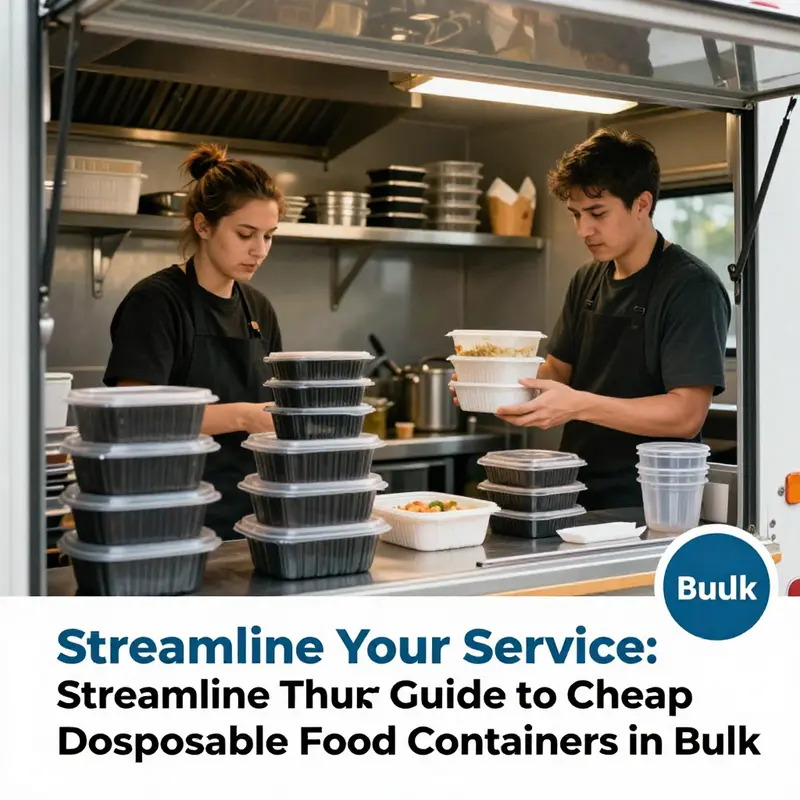
Cost is the initial and most tangible advantage of bulk disposable containers. The cost argument is not merely about the sticker price on a box; it is about the cumulative savings over the course of a week, a month, or a season. When containers are purchased in bulk, economies of scale kick in, and the per-unit cost falls accordingly. This is especially impactful in high-volume operations where thousands of containers may be used every day. For instance, a bulk pack of 150 BPA-free plastic clamshell containers can be purchased for approximately $15.75, with a minimum order quantity of 50 units. Such a calculation—even with modest margins and fluctuating material costs—illustrates how bulk buying shifts the financial model. It allows a business to set more stable unit costs for takeout meals, catering packages, and event services, which in turn simplifies pricing strategies and reduces the need for frequent price adjustments to accommodate packaging changes. In practice, many operators find that the cheapest option per unit is not always the best fit, but the overall cost framework becomes more predictable when containers are consistent in size, material, and geometry. This predictability reduces the time spent on procurement and minimizes the risk of stockouts during peak demand windows. In addition to plastic clamshells, thermoformed molded fiber products—made from natural fibers like wood pulp—emerge as another category that is often noted for low production costs at scale. These materials can be surprisingly economical in bulk scenarios, especially when compared with more elaborate packaging solutions, and they carry the added benefit of appearing more environmentally approachable in customers’ eyes, even as cost structures vary with fiber composition and processing methods. The broader implication is clear: bulk purchasing unlocks a cost structure that makes high-volume packaging feasible without eroding margins, a point that matters most to fast-service concepts, catering outfits, and event organizers who rely on tight cost control to maintain price integrity across menus and services.
Operational efficiency follows closely. Disposable containers eliminate the labor required for washing, sanitizing, and storing reusable dishware. In practical terms, this translates into tangible time savings for kitchen staff and front-of-house teams. Time saved on dishwashing can be redirected toward faster food preparation, quicker service, and more responsive customer interactions. The labor cost savings compound with water and energy savings, which can be meaningful in facilities with large dishwashing footprints or in regions where utilities are priced aggressively. The ease of use also reduces the physical risk to staff and the potential for breakage that accompanies glassware or ceramic ware, a factor that carries both safety and replacement-cost considerations. This simplicity helps standardize operations across multiple shifts and locations, a feature especially valuable for chains, kiosks, and pop-up formats that require reliable, drop-in packaging that can be picked up by any team member without specialized training. The downside, of course, is the environmental footprint of single-use items. The industry is now increasingly aware that disposal habits must be reconciled with sustainability goals. In the context of rising consumer awareness and stricter regulatory scrutiny, the choice of material, the likelihood of recycling, and the possibility of composting are all part of a broader decision matrix. Yet in many scenarios, the cost and time savings of disposable packaging still stand as a compelling case for bulk adoption, provided operations are paired with responsible waste management practices and a preference for materials that minimize the environmental impact where possible.
SCALABILITY AND CONSISTENCY ARE THE NEXT DIMENSIONS. For any business that experiences fluctuating demand, bulk procurement ensures a steady stream of containers, which is essential for maintaining service quality during seasonal peaks, promotional campaigns, or large events. The uniformity of disposable containers—a single shape, size, and color—also helps preserve a professional, cohesive appearance across a network of locations. When customers encounter uniform packaging, the impression is one of reliability and efficiency, reinforcing brand consistency even when different crews are serving meals across multiple venues. Consistency is not merely aesthetic; it reduces the cognitive load on staff who would otherwise need to manage multiple packaging formats for different menus or service channels. That simplicity translates into fewer errors, faster order fulfillment, and a more predictable supply chain footprint. Bulk orders also support inventory planning that aligns with procurement cycles and seasonality. Rather than scrambling to source containers in small batches, food service operators can schedule deliveries that synchronize with menu changes and event calendars, ensuring there’s always a ready supply for the expected mix of meal kits, grab-and-go boxes, and catering trays. The risk of stockouts during a lunch rush or at a large event is mitigated, which strengthens customer trust and operational reliability. This level of reliability is particularly critical for operations that must execute precise timing across multiple service points, such as campus dining halls, hospital cafeterias, or corporate catering teams. The geometry and structure of many bulk options—three-compartment designs, clear viewing windows, secure lids, and grease-resistant walls—are engineered to meet these demands, enabling staff to package orders quickly while maintaining portion integrity during transit.
Beyond efficiency and consistency, a core consideration is safety and hygiene. Disposable packaging creates a barrier between food and the surrounding environment that, when used correctly, reduces cross-contamination risks compared with reusable wares that must be cleaned and sanitized to high standards. In a landscape where food safety protocols and traceability are under scrutiny, single-use containers provide a straightforward hygiene model: each container is a fresh unit, and the integrity of the barrier is preserved by the packaging itself as long as it is stored and transported properly. This is particularly relevant for items that travel across kitchen lines, during deliveries, or into catering setups where multiple vendors and handlers may touch the product before it reaches the consumer. The hygiene advantage, however, is balanced against concerns about chemical safety and environmental impact. Recent trade actions and regulatory discussions have highlighted worries about certain foreign-produced containers potentially containing “forever chemicals” such as PFAS. The discussion in policy circles emphasizes that domestic, PFAS-free manufacturing has a potential safety and reputational advantage, which can factor into a buyer’s supplier evaluation. In this sense, purchasable peace of mind—knowing that the product adheres to certain safety criteria—becomes part of the total value proposition of bulk disposable packaging. For many operators, this translates into a sourcing preference for suppliers who clearly communicate material safety profiles and testing outcomes, even if those options carry a modest premium. The overarching takeaway is that safety and hygiene do not exist in a vacuum; they are part of a broader ecosystem that includes regulatory alignment, supplier transparency, and the downstream consumer perception of packaging choices.
Design and functionality are where the potential of bulk disposable containers truly shines. Modern disposable options are not monolithic in form; they are engineered for specific uses. Expanded polystyrene EPS foam, for instance, is renowned for superior thermal insulation, which helps keep hot foods hot and cold items cold during transit. Yet the market has diversified to include a range of materials and constructions that balance insulation, rigidity, and weight. A three-compartment design is one of the most durable examples of functional packaging that fits the takeout and meal-prep workflows. By dividing a single container into multiple sections, food service operators can better manage portion control, separate sauces or sides, and present a more visually appealing meal. The need to separate components is not merely about aesthetics; it reduces the likelihood of sogginess or cross-flavor contamination, which can affect customer satisfaction and repeat business. In addition to separation, many containers in bulk lines are designed to be microwave-safe or freezer-safe, which broadens their compatibility with a wide array of menu items and service models. For example, some bulk options are designed with grease resistance to prevent oil and sauces from seeping through the walls, an important feature for fried items or oily dishes. The combination of insulation, portioning, and durable construction helps ensure that meals arrive intact, which in turn supports a positive customer experience and reduces the volume of customer complaints related to packaging.
The environmental dimension of this topic deserves careful attention, especially given growing concerns about recyclability and biodegradability. The convenience of single-use packaging must be weighed against long-term ecological considerations. A substantial portion of disposable containers uses materials that are not readily biodegradable and are challenging to recycle in many areas. This reality has sparked a wide-ranging debate about sustainable packaging solutions. Operators who are mindful of environmental impact often explore a mix of approaches: choosing lighter-weight or more recyclable materials, supporting compostable options where available, and partnering with waste-management programs that can handle these packages responsibly. The conversation in the industry continues to evolve, driven by consumer expectations, regulatory developments, and new material science breakthroughs. In practice, many buyers adopt a pragmatic stance: they pursue bulk savings and operational benefits while actively seeking ways to minimize waste, such as optimizing container sizes to match menu portions, encouraging proper disposal, and choosing packaging lines that offer improved end-of-life pathways. The result is not a one-size-fits-all mandate but a nuanced procurement philosophy that aligns with a brand’s values, service model, and geographic waste-management infrastructure.
From a supply-chain perspective, bulk packaging is as much about reliability as it is about price. The ability to forecast demand accurately and maintain a steady supply reduces the risk of disruptions that can ripple through a service operation. In a world where suppliers experience fluctuating raw material costs, freight delays, and shifts in global trade patterns, bulk procurement with clear minimums and lead times provides a buffer against volatility. This is especially valuable for businesses that coordinate multiple service channels—dine-in, takeout, and events—where misalignment between packaging availability and service demand can result in delayed launches or throttled service levels. To manage this, operations teams often implement a procurement rhythm that ties packaging orders to production schedules, event calendars, and seasonal menus. They also build supplier relationships that emphasize consistency, quality control, and clear communication about any changes that could affect performance, such as lid fit, seal integrity, or surface finish. In a best-case scenario, suppliers provide consistent product specs, responsive support, and reliable delivery windows, which translates into fewer surprises for kitchen staff and managers who juggle countless moving parts on a busy service day.
Procurement is also about aligning packaging choices with customer expectations and brand storytelling. The packaging experience can reinforce a message about affordability, convenience, and care for the customer’s eating experience. A bulk program that emphasizes consistent sizing, stable lids, and clean, simple graphics on the exterior can reinforce a brand’s message of efficiency and reliability. Conversely, a mismatched or constantly changing packaging lineup can erode customer confidence, particularly for customers who rely on takeout or delivery as their primary food channel. In this light, the value of bulk containers is not only financial but symbolic: packaging mirrors the quality of the food inside and contributes to the overall perception of the brand. Some operators may even explore eco-friendly or recyclable options within their bulk ranges as a way to align packaging choices with sustainability commitments, while maintaining the same economies of scale that make bulk purchasing attractive in the first place.
There is a practical, less glamorous but equally important dimension to this topic: the selection process itself. Choosing the right bulk packaging involves assessing multiple criteria beyond price alone. Size and shape compatibility with menu items are critical; containers must accommodate typical portions without forcing adjustments to recipes or packing methods. Lid compatibility, sealing reliability, and spill resistance are essential for safe transit. Material compatibility with various foods, especially acidic sauces or high-fat items, is nontrivial, as is the container’s performance in microwaves or freezers if the use case requires reheating or storage. Vendor support matters too—questions about material safety data sheets, PFAS status, and end-of-life options are increasingly standard. The most effective procurement strategies emphasize a balanced portfolio: a core, standardized bulk line for everyday use, supplemented by a smaller, strategically selected set of specialized containers for peak events or unique menu items. This approach minimizes complexity while preserving the flexibility that high-volume operations demand.
Looking forward, a practical path for many operators is to pursue bulk do-it-all options that pair reasonable insulation and separation with straightforward disposal profiles. The market continues to evolve toward mixes of traditional plastics, molded fiber, and other conjugate materials that aim to optimize both cost and performance. While cost remains a powerful driver, the total value proposition increasingly includes safety assurances, compatibility with existing kitchen workflows, and a transparent environmental narrative. In this sense, bulk disposable containers become not just packaging but a strategic lever that supports scale, ensures a consistent customer experience, and helps businesses weather the volatility of food-service demand. For those who want to see how specific packaging options translate into real-world choices, many operators are drawn to three-compartment configurations that offer practical benefits in portion control and meal presentation. For a closer look at an eco-friendly, disposable, three-compartment option that many operators find useful for fast-food and takeout service, see this example: eco-friendly 3-compartment packaging options.
As with any strategic choice in operations, the ultimate decision rests on balancing cost, efficiency, safety, and environmental responsibility. Bulk disposable containers in the right combinations can unlock predictable cost structures, reduce labor intensity, and improve service consistency in a way that supports growth and resilience. The decision is never purely about price per unit but about the broader value delivered across the lifecycle of a meal—from the moment the order is placed to the moment it is enjoyed by the customer and responsibly managed at the end of use. The path forward for many food-service operators is thus not a single packaging solution but a carefully orchestrated mix of bulk quantities, material choices, and end-of-life considerations that collectively align with a business’s operational goals, customer expectations, and environmental commitments.
External reading that complements this discussion on safety and packaging trends can be found here: https://www.epa.gov/pfas
Balancing Cost and Care: The Sustainability Paradox of Bulk, Cheap Disposable Food Containers
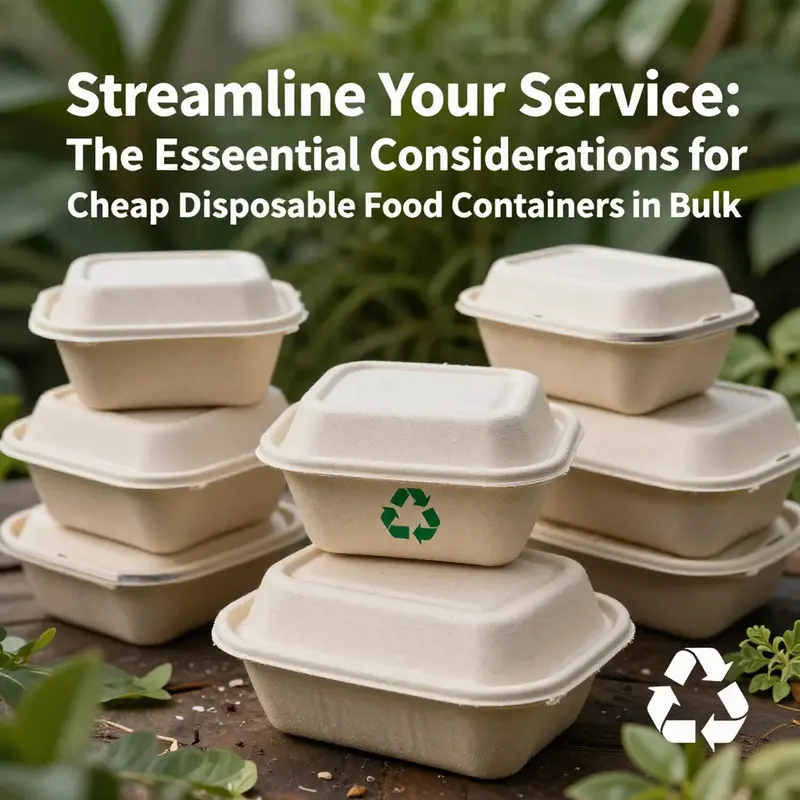
In the fast-paced world of food service, the appeal of cheap disposable containers bought in bulk is clear: high throughput, predictable pricing, and a simple way to standardize service for takeout, meal prep, and delivery. Yet beneath the convenience lies a set of sustainability questions that increasingly shape how businesses source and use these packaging options. The core tension is not simply about choosing plastic over paper or vice versa; it is about navigating a complex lifecycle that begins with low prices and ends with end-of-life outcomes that matter to customers, regulators, and the planet. The research landscape emphasizes that bulk disposable containers—whether plastic or paper-based—are driven by the practical needs of kitchens designed to move large volumes quickly. They must be light enough to transport without burden, sturdy enough to hold meals without failure, and affordable enough to justify frequent disposal in high-velocity environments. A representative snapshot from the material shows that bulk packs can be priced around modest figures, with sizable quantities such as 150 units in a pack and minimum order quantities that suit small-to-mid-size operators. A three-compartment design, common in many bulk options, supports portion control and keeps components separate. These features make the containers particularly attractive for meal prep and takeout, where cold or room-temperature items dominate and where the weight-to-strength ratio matters for both cost control and logistics. Still, the same traits that enable efficiency can complicate sustainability. The lightweight plastics and paperboard derivatives that enable low price points often carry an environmental footprint that extends beyond the dining table to landfills, recycling streams, and composting infrastructure that varies by region. The environmental stakes of disposable packaging are not abstract; they connect to real-world waste streams, recycling capabilities, and evolving consumer expectations around corporate responsibility. A 2025 review of packaging materials underscores that food packaging plastics contribute a substantial portion of environmental plastic waste. Even when labeled as disposable, a significant share of plastic containers are not easily recyclable or microwave-safe, leading to disposal patterns that leave a long tail of pollution and resource use. This reality forces operators to confront the trade-offs embedded in bulk purchasing: how to balance short-term cost savings with longer-term environmental considerations. The bulk- or economy-focused logic that makes these containers appealing can inadvertently reward designs that are optimized for price rather than end-of-life outcomes. When evaluating sustainability, several factors come into play. First, the material itself matters. Plastic containers—such as those made from PET or PP—are popular because they are light, strong enough for many foods, and inexpensive to manufacture at scale. However, their recyclability is uneven. Some facilities accept these plastics, but many containers that are multilayered, mis-labeled, or contaminated with greasy residues do not recycle easily. The result is a paradox: containers designed for convenience can end up as waste that is challenging to process, particularly when customers do not separate or clean items prior to disposal. Second, alternatives such as recycled paperboard, molded fiber, and compostable pulp are gaining traction, especially among operators who publicly commit to greener practices. These options can reduce reliance on conventional plastics and often align with consumer expectations for environmental stewardship. Yet even these materials carry limitations. Paperboard containers may struggle in wet conditions, requiring moisture barriers or inner liners that complicate compostability. Molded fiber and pulp-based designs offer durability and a more natural aesthetic, but their performance in hot or wet scenarios can be less predictable, and supply chains for these materials must be managed carefully to ensure consistent quality at bulk quantities. The reality is that sustainability is not a binary choice but a spectrum of choices that must be weighed against service requirements, price points, and ecosystem capabilities. In bulk purchasing, the cost variable often dominates the decision, but that emphasis must be tempered by a lifecycle mindset. Consider a typical bulk takeout container: it may be light enough to optimize space during shipping and be effective at maintaining moisture separation thanks to its three-compartment geometry. These strengths serve operational goals—speed, portion control, and predictable presentation. Yet their environmental profile is the other side of the coin. If the packaging relies on multilayer plastics or coatings to achieve grease resistance or moisture barriers, recyclability can become a fragile promise dependent on local infrastructure. If it relies on paper-based materials with inner liners, compostability may be feasible only in facilities equipped to process liner materials separately from the liner-free paper pulp. These nuances underscore why sustainability discussions around bulk, cheap disposable containers must go beyond the label “biodegradable” or “recyclable.” True sustainability requires transparency about material composition, the presence of any coatings or liners, and the realities of end-of-life processing in the operator’s region. The core questions for buyers then expand beyond price and immediate function. Are the materials certified for recycling or compostability where our customers are located? Do suppliers provide documentation demonstrating responsible sourcing and adherence to environmental standards? Is there a path to closed-loop systems where containers can be collected, cleaned, and reused or properly reprocessed? The practical path toward sustainable bulk purchasing begins with clear criteria. First, prioritize materials that carry credible certifications for compostability or recyclability. Certifications such as compostable or recyclable labeling help buyers distinguish products that align with regional waste streams. Second, demand transparency about sourcing practices. Responsible sourcing isn’t only about the container itself; it’s about the raw materials, the production process, and the social and environmental standards of the supplier’s supply chain. Third, design for end-of-life in the customer’s ecosystem. If a business serves communities with robust curbside recycling but limited composting capacity, a recyclable plastic formulation may be a better choice than a compostable variant that cannot be accepted locally. Conversely, in markets with advanced industrial composting or home compostability, compostable pulp or molded fiber options may perform better in practice than a plastic alternative. The capacity to implement closed-loop systems is a powerful sustainability lever. Some operators explore collaborations with packaging programs that collect used containers, process them through appropriate facilities, and, where feasible, repurpose or recycle the materials. This approach can reduce waste volume and build consumer trust, signaling a commitment to the lifecycle of packaging rather than a one-way use-and-dispose model. Of course, the pull of bulk pricing remains a practical driver. The economics of bulk purchasing can either enable or constrain sustainable choices. When suppliers offer lower per-unit costs at large volumes, buyers have the opportunity to invest in higher-grade materials without sacrificing price competitiveness. Yet the same price pressures can also tempt compromises—such as selecting materials with questionable end-of-life performance or accepting thinner walls that may fail under heavy loads, increasing the likelihood of spills and waste. In practice, the most robust sustainability strategies in bulk purchasing combine cost discipline with disciplined material choice and end-of-life planning. They require dialogue with suppliers about the composition of the product, the presence of any moisture barriers or coatings, and the feasibility of responsible disposal in the customer base. They also require an honest assessment of the local waste infrastructure and how customers actually dispose of packaging after use. As operators weigh these considerations, it is helpful to look at concrete pathways that align economic viability with environmental responsibility. For instance, some businesses have found value in choosing paperboard or molded fiber options when the supply chain supports reliable moisture protection without heavy reliance on inner liners. These materials can offer a more readily separable end-of-life stream in many regions, provided that the packaging is designed to minimize multi-material complexity. In other cases, high-performance plastics with clear recyclability streams, coupled with explicit consumer guidance on sorting, can deliver lower environmental impact when the local recycling rate is high and contamination is kept to a minimum. The regional dimension matters greatly. A packaging choice that works well in one city may perform poorly in another if the waste management infrastructure differs. This variability reinforces the need for buyers to engage in local, evidence-based assessments rather than apply a universal best-practice rule. It is also worth noting how consumer expectations have evolved. Customers increasingly associate sustainable brands with concrete actions and verifiable results. They want to understand how packaging aligns with broader environmental goals and what steps the business is taking to minimize waste. Communicating a credible sustainability story—one that includes supplier certifications, end-of-life options, and progress toward waste reduction—adds value beyond the packaging itself. In the longer view, the sustainability of bulk disposable containers intersects with broader systemic questions about how society produces, uses, and recycles materials. The end of a container’s life should not be the end of its story; it should be a transition to another usable step in a circular economy. This is where external research, like comprehensive reviews of packaging materials, informs practice. The cited external resource offers a rigorous framework for understanding the trade-offs across different materials and end-of-life pathways. Operators who integrate such insights into procurement decisions can move beyond one-off price comparisons toward a more resilient, transparent, and responsible packaging program. For readers seeking a deeper scientific lens on the environmental trade-offs of various packaging materials, the study at the ScienceDirect platform provides a thorough overview of the lifecycle implications and the environmental costs associated with different packaging choices. Environmental Impact of Food Packaging Materials: A Review. In translating these insights into practical steps, one effective route is the inclusion of targeted internal guidelines that align procurement with sustainability goals. The internal guidelines can require that a bulk order, while maintaining cost efficiency, also includes supplier documentation that verifies compostability or recyclability, and that the product is compatible with the region’s waste streams. A thoughtful approach to bulk purchasing would also involve evaluating the need for inner liners, evaluating the necessity of grease-resistant coatings, and exploring multi-use or reuse-oriented programs where feasible. It is not merely about selecting an option labeled as green but about ensuring that the option genuinely dovetails with the local waste landscape, consumer behavior, and measurable environmental outcomes. Consumers, in turn, respond to clarity and accountability. When a foodservice operation communicates that it has chosen packaging with verified end-of-life pathways, and when customers see visible signs of responsible disposal in practice, the perceived value of the brand increases. The moral of the sustainability narrative is not about abandoning cost-aware procurement but about enriching the decision with lifecycle thinking. The bulk market remains a central engine for meal delivery, takeout, and catering, and its champions are increasingly those who can marry price with responsibility. The path forward involves more than choosing between plastic and paper. It requires a robust framework of supplier accountability, material transparency, and alignment with regional waste systems. It also invites ongoing experimentation—testing new materials, collaborating with suppliers to improve performance without sacrificing recyclability, and investing in consumer education about proper disposal. If packaging choices can be made predictable, resilient, and transparent, bulk procurement can support both business viability and environmental stewardship. For practitioners seeking to explore concrete examples of responsible packaging design and procurement, the resources above offer a foundation of evidence and practical considerations. The interplay of material science, waste management, and consumer expectations will continue to shape how cheap disposable containers function in bulk. The aspiration is not only to reduce the environmental footprint but to do so in a way that preserves the efficiency and reliability that operators rely on every day. In the end, the sustainability of bulk disposable containers is a shared responsibility among manufacturers, suppliers, operators, and customers. It is a dynamic balance of cost, performance, and end-of-life outcomes that must be navigated with data, transparency, and a commitment to deeper ecosystem thinking. By approaching bulk purchasing with this broader lens, the industry can move toward packaging solutions that are not only affordable and practical but also accountable to the communities they serve and to the planet that supports them. eco-friendly-disposable-3-compartment-food-grade-packaging-box-for-fast-food-high-quality-takeout-boxes-for-fried-chicken-french-fries-packaging provides a concrete example of how a design can balance portion control with material choices, while still signaling a pathway toward more responsible packaging decisions in bulk purchasing. The ongoing challenge remains: to choose with a mind toward end-of-life, to verify suppliers’ claims, and to translate this into real improvements for customers, communities, and the environment. For readers seeking to expand their understanding beyond the immediate trade-offs, the external research mentioned earlier offers a comprehensive lens to compare packaging materials and their environmental footprints. By weaving together price, performance, and planetary health, businesses can chart a course that preserves operational efficiency without compromising the future of the ecosystems that sustain them.
Final thoughts
The food service industry is rapidly evolving, and the need for cheap disposable food containers in bulk is becoming increasingly critical. By understanding the market dynamics, recognizing the benefits, and committing to sustainability, businesses can leverage these products to enhance efficiency and comply with consumer expectations. Companies of all sizes, from food trucks to large catering services, can benefit from making informed choices about bulk disposable food containers, ultimately leading to improved service and customer satisfaction. As we move toward a more eco-conscious future, embracing these solutions will be vital for staying competitive in this thriving sector.