
The safety of storing dog food in plastic containers is a concern that resonates with many pet owners and businesses that cater to them. Ensuring the health and well-being of dogs is paramount, but what about the potential risks associated with the materials we choose for storing their food? This guide dives into the intricacies of chemical leaching, fat absorption, and nutrient loss when using plastic containers for dog food. Ultimately, we will uncover safer alternatives that can enhance food preservation and ensure our furry friends receive meals that are as healthy and nutritious as possible.
Rethinking Safe Storage for Dog Food: Plastics, Glass, and the Shelf Life of Kibble
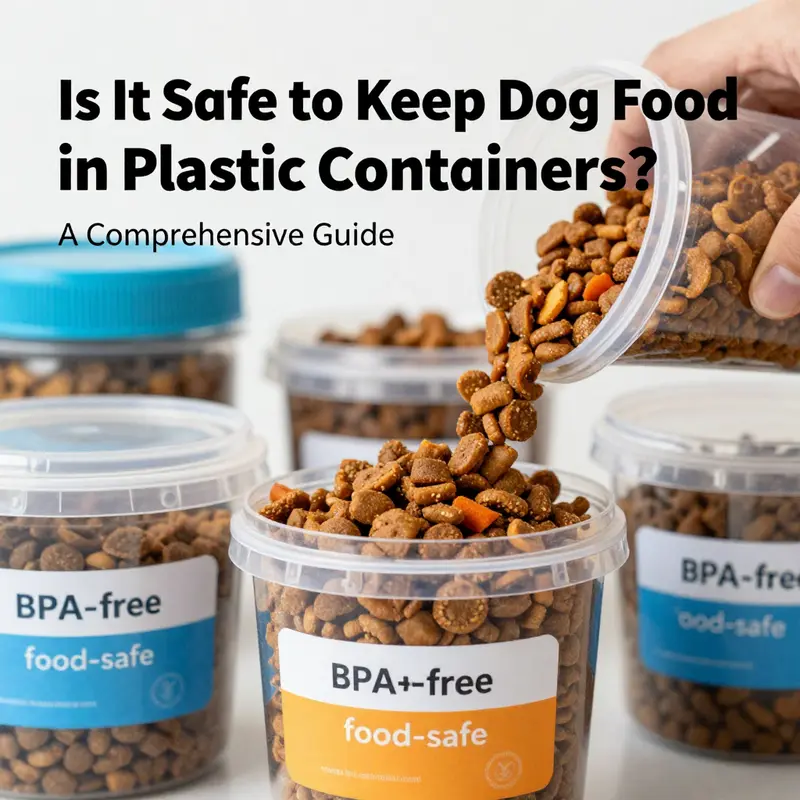
Storing dog food in plastic containers can feel convenient, but evidence suggests plastic is not always the best guardian for a dog’s dinner. The risk of chemical leaching increases with heat, repeated use, and oily kibble. Even containers labeled BPA-free may still release endocrine-disrupting chemicals from alternative bisphenols. For safety and palatability, glass or stainless steel offer inert interiors that resist fat absorption and odor absorption, helping preserve freshness and nutrients. If plastic must be used, choose food-grade options such as HDPE #2 or PP #5, avoid heating, and minimize reuse. Keep the original bag inside a clean, airtight glass or stainless container whenever feasible to reduce exposure and contamination. Regularly inspect containers for cracks or cloudiness. The broader guidance is to align storage with real-world feeding habits, maintain a cool, dry environment, and stay informed about evolving scientific findings.
Fat, Leach, and Longevity: How Plastic Containers Challenge Safe Dog-Food Storage
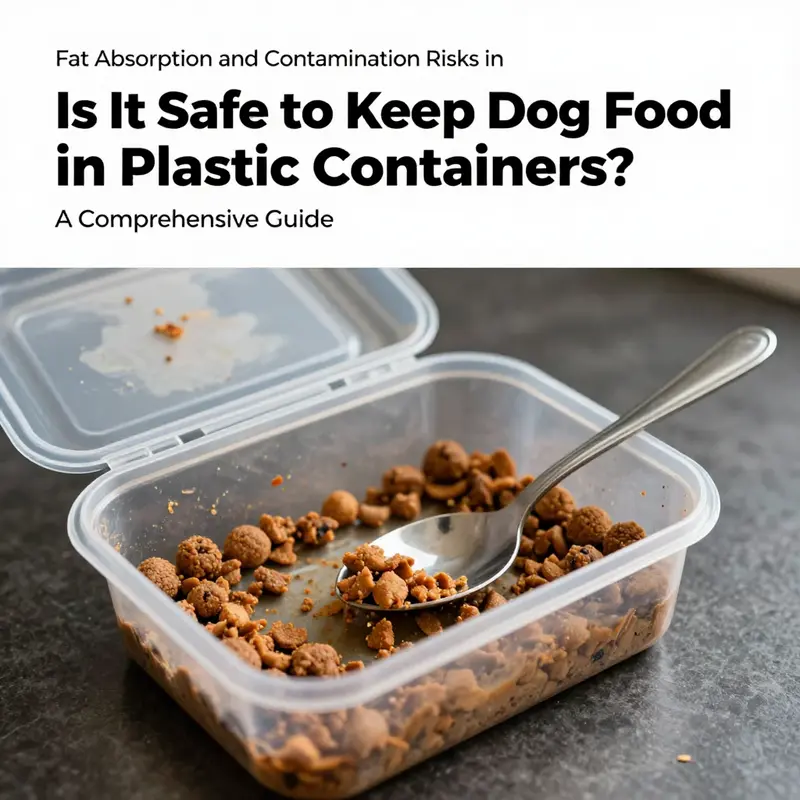
The appeal of plastic storage for pet food is understandable. It is lightweight, inexpensive, and readily found in households around the world. Yet the very properties that make plastic convenient can undermine the safety and quality of what ends up in a dog’s bowl. This chapter follows a single thread through the broader discussion of storage safety: fat, heat, and contact—how oils in dog foods interact with plastic, how that interaction can invite contaminants, and what that means for keeping a dog’s meals both fresh and safe over time. The story is not about clever hacks or quick fixes. It is about the chemistry of storage and the everyday choices people make when stocking a pet’s pantry, choices that can ripple through weeks, months, and across multiple meals.
A dog’s food is not a uniform substance. Dry kibble tends to be leaner, but even dry foods carry small amounts of fats and oils. Wet or semi-moist foods are substantially richer in fats. Those fats are lipophilic, meaning they are attracted to oily substances and challenging for some plastics to resist. When a container is not explicitly designed to withstand fatty contact, the fats can migrate into the plastic matrix or become trapped in microscopic pores. Over time, the container can lose structural integrity, and the trapped fats become a reservoir for odors and micro-organisms. The effect is twofold: prior food residues cling to the container’s interior and invite cross-contamination with future batches, and the container’s surface can release its own compounds into fresh food. In practical terms, this means that even if a container looks clean after washing, it may still harbor fats and contaminants that compromise taste, smell, and safety for a dog’s next meal.
This problem is not merely about odor. The fats that leach into the polymer can accelerate the breakdown of the plastic itself. Repeated exposure to oils and fluctuating temperatures can degrade plastic faster than simple water exposure would. When degradation occurs, tiny compounds may migrate into the food. Among the chemicals of concern are phthalates and bisphenols, substances historically linked to hormonal disruption and potential carcinogenic effects in both humans and animals. The repeated heating or warming of stored food, a common practice for convenience or meal prep, can intensify this risk. While not every plastic container will release these chemicals in harmful amounts, the potential is real enough to warrant caution and informed choice.
A pivotal study in this area, published in the Journal of Environmental Health in 2023, underscored how storage conditions influence chemical migration. It found measurable migration of potentially hazardous substances into pet food after as little as four weeks when low-quality plastics were used, particularly when heat or fatty content was involved. The finding is a reminder that time matters in storage. Short-term storage may seem safe, but the cumulative exposure over weeks can become meaningful, especially in households that feed pets high-fat diets or routinely repackage meals for the week ahead. The study also emphasized a simple mitigation strategy: select food-safe, BPA-free, non-porous plastics and, ideally, limit the duration of storage. In other words, the risk is not binary but graded, increasing with the quality of the container, the fat content of the food, and the length of storage.
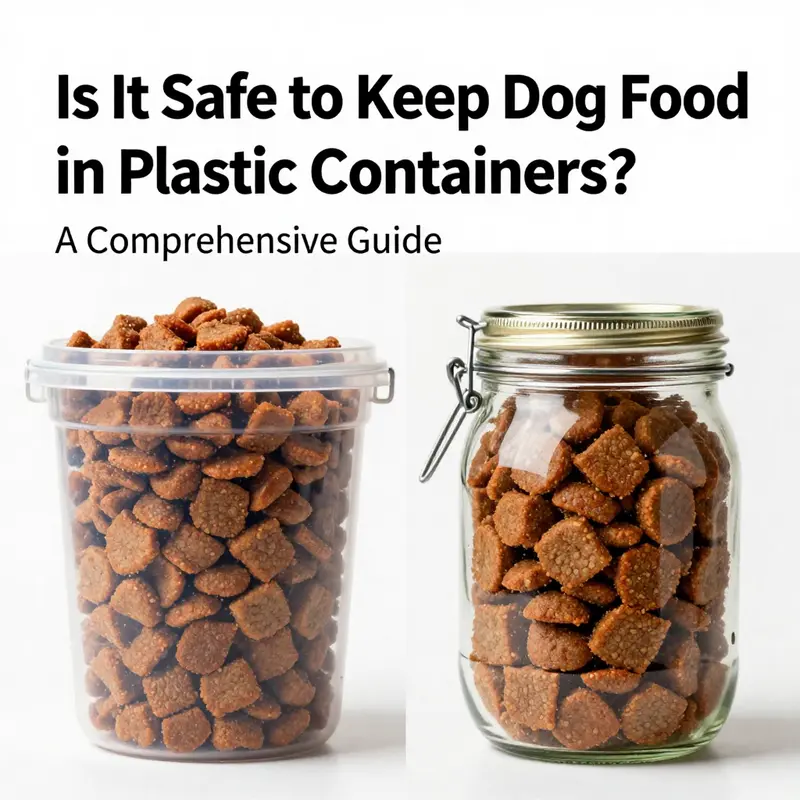
If there is a broader takeaway beyond the chemistry, it is this: the safest long-term option for most households is to minimize plastic exposure for dog food and to rely on materials that are non-porous and inert. Glass and stainless steel containers are among the most trustworthy choices because they do not leach chemicals, do not absorb fats in a way that shelters bacteria, and offer a superior barrier against air and moisture. The original packaging—the bag inside the bag, so to speak—often provides a strong initial barrier. When combined with a secondary, airtight container made from glass or stainless steel, it creates a storage system that preserves freshness and nutrition far better than most plastic setups can achieve.
Of course, many people will still opt for plastic. The chapter does not demand perfect adherence to a single material but rather informed decisions. If plastic must be used, there are guidelines that can reduce risk substantially. First, look for containers explicitly labeled as food-safe and BPA-free. The best plastic choices are high-density polyethylene (HDPE, labeled #2) and polypropylene (PP, labeled #5). These materials are more resistant to fat absorption and more durable against the kind of chemical exposure that fatty foods can provoke. Even with HDPE or PP, though, the risk never vanishes. The internal surface may still be porous at a microscopic level, and the fats themselves can contribute to degradation over time. Cleaning becomes crucial in this scenario. It is not enough to rinse the container; it must be washed thoroughly with hot water and a mild detergent, then air-dried completely before refilling. Residual moisture can foster mold, and any residual fats can remain a magnet for odors and microbes if not fully removed.
The literature consistently points to the same practical recommendation: whenever possible, keep the food in its original sealed packaging and place that packaging inside a larger, airtight, food-grade container made of glass or stainless steel. There is a logic to this two-layer approach. The outer container minimizes exposure to air and moisture, and the inner bag helps maintain barrier properties that plastics alone sometimes struggle to sustain over weeks. Glass and stainless steel act as inert shells, resisting fat absorption, staving off chemical leaching, and withstanding repeated opening and closing without degrading. The outer container’s seal becomes the last, best defense against environmental factors that can erode food quality.
For households that are balancing multiple pet diets or who rotate between dry and wet foods, the decision to embrace metal or glass can also be practical in terms of hygiene and convenience. Stainless steel, in particular, offers advantages beyond chemical safety. Its non-porous surface resists fats absorbing into tiny crevices, making it easier to sanitize between different foods or dietary needs. A single stainless steel container with multiple compartments can store kibble and treats for different dogs without mixing, reducing the risk of cross-contamination. The durability of metal is another factor; it resists cracking or denting from accidental drops in ways that glass may not, though care is still required to prevent damage. A growing body of guidance from industry reviews underscores stainless steel as a robust, long-term storage solution for pet foods, combining hygiene with practicality and sustainability.
Even with the best choices, the broader narrative remains essential: material matters, but so does storage duration, environment, and the nature of the dog’s diet. Heat accelerates chemical migration and fat breakdown, so avoiding heat exposure—such as leaving containers in a sunny kitchen cabinet or near a warm appliance—adds another layer of protection. Moisture is an enemy as well; high humidity can compromise seals and promote mold. Rotating stock, using the oldest food first, and monitoring for changes in smell or texture are simple but powerful habits that help owners catch problems early. The goal is not to fear every grain of food but to be mindful of how storage choices interact with the fatty components of dog diets and the physical properties of the chosen container material.
To connect this discussion to real-world decisions, consider the packaging ecosystem surrounding pet foods. The storage container is not an isolated choice; it operates within a system of how food is packaged, shipped, and consumed. Some households opt for packaging that minimizes plastic exposure entirely, selecting containers that align with more robust food-safety standards or that emphasize longevity and ease of sanitation. For readers seeking options that extend beyond plastic, there are broader packaging choices in the market that emphasize sustainability and hygiene. For instance, one resource highlights eco-friendly takeout boxes for food packaging that prioritize safety and leak resistance in non-plastic formats. While aimed at human food use, the underlying principles—non-porous surfaces, airtight seals, and materials that do not readily interact with oils—translate well to pet food storage as a practical mindset. See eco-friendly takeout boxes for food packaging.
In the end, the safest long-term approach for most pet households is a layered strategy: keep the original bag inside a glass or stainless steel storage container with a tight, airtight seal; use plastic only if it is explicitly food-safe, BPA-free, and made from HDPE or PP; and never overlook the impact of storage duration, temperature, and cleanliness. This approach minimizes the chance that fats will cling to the container’s interior, reduces the likelihood of cross-contamination, and lowers the risk that any leaching compounds will migrate into the food. It is a practical synthesis of the science and the everyday realities of feeding a dog.
For those who want to explore the science more deeply, recent research underscores the importance of material selection and storage duration in shaping outcomes. The Journal of Environmental Health’s 2023 study provides a rigorous reminder that even seemingly minor choices—how you store, for how long, and in what material—can influence chemical migration and food quality. The takeaway is clear: when it comes to dog food, safeguarding nutrition and safety hinges on understanding the interaction between fats, plastics, and time. Embracing metal or glass storage, especially for longer-term storage, aligns with this goal and reduces the need to weigh potential chemical concerns against daily convenience.
External resource for further reading: https://www.jehjournal.org/article/10.15748/jeh.2023.012
null
null
Beyond Plastic: Safer Storage Solutions for Your Dog’s Food
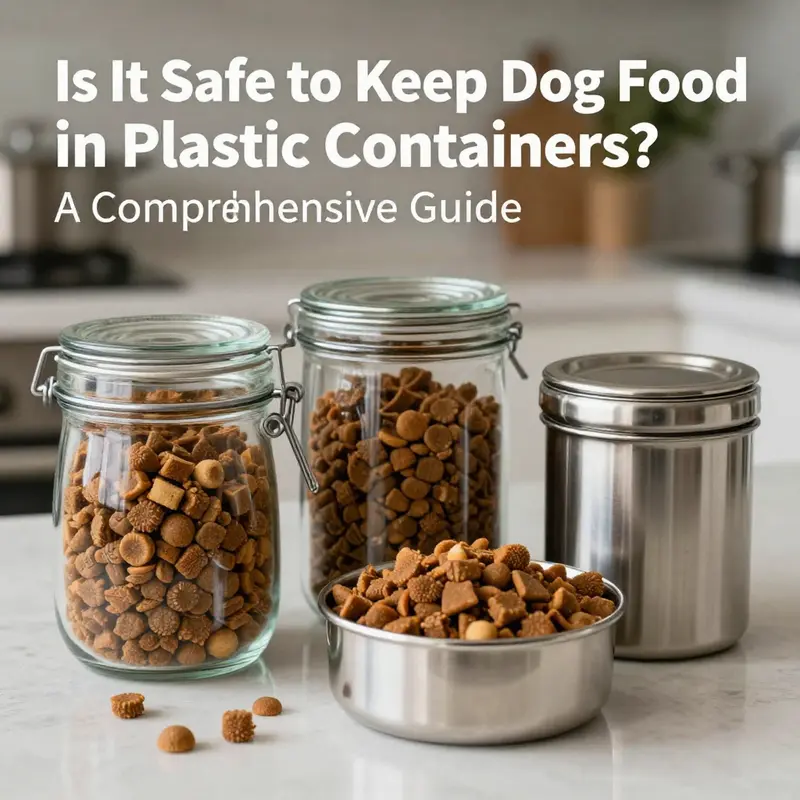
When you bring home a bag of dog food, a simple question often sits in the back of your mind: does it matter what container you store it in? The science nudges us toward caution. Plastic storage containers can pose risks to pet health, especially when they are not designed for food or when temperatures fluctuate. Oils and fats in dog foods can interact with some plastics, potentially increasing chemical exposure. Additives such as phthalates or bisphenols have been linked to hormonal disruption in some studies, and longer term exposure remains a concern. Not every plastic is dangerous, but not all are equally safe for long term food storage, particularly for pet foods stored weeks in a typical pantry.
Opened bags leave behind residue and oxygen exposure, and poorly cleaned containers can harbor bacteria, molds, and pests. Fat rich dog foods are prone to rancidity if oxygen and moisture seep in. Rancidity can alter flavor and reduce nutritional value. Even a robust barrier may not block oxygen as effectively as glass or metal, and moisture can creep in during temperature fluctuations. In short, the container itself can become a partner in the spoilage process rather than a shield against it.
Given these realities, the safest option is to store dog food in its original sealed packaging and place that bag inside a larger airtight container made of glass or stainless steel. This double barrier helps protect nutrients and aroma and reduces environmental contamination. Glass and stainless steel are inert; they do not leach chemicals or absorb fats, and they help prevent cross contamination between batches. The outer container also mitigates odor spread in the kitchen and resists pests.
If you must use plastic, choose containers explicitly labeled as food grade, BPA free, and made from HDPE or PP. There are trade offs though; leaching or fat absorption can still occur, and many BPA free plastics use substitutes with similar concerns, especially when heated or stressed. For long term safety, prefer glass or stainless steel whenever possible.
A practical compromise is a BPA free silicone sealed container. Silicone provides a tight seal and thermal stability, though it is not a perfect shield; ensure the outer packaging and environment are favorable. Some researchers argue silicone is a safer option for repeated food contact, particularly when heating small portions.
Environmental angle: plastic production and waste, recycling rates are low; switching to glass, steel, or responsibly designed silicone sealed plastics reduces plastic waste and the risk of microplastics. The sustainability argument aligns with health benefits.
Practical tips: keep the dog food inside the bag inside a sturdy outer vessel; store in a cool, dry place away from sunlight; clean containers thoroughly between batches; for plastic, avoid heat and prolonged sun exposure; allow a short acclimation period when switching storage materials to a dog’s routine; observe appetite and digestion.
Final takeaway: safety and sustainability converge on one principle: inert materials, true airtight seals, and diligent maintenance. When possible, opt for glass or stainless steel; if plastic is necessary, choose food grade options and monitor heat exposure.
Final thoughts
In summation, while plastic containers offer convenience, their associated risks—chemical leaching, fat absorption, and nutrient loss—question their safety for storing dog food. Adopting safer storage alternatives, such as glass or stainless steel containers, not only mitigates these risks but also helps maintain food quality and nutritional value. Protecting our pets’ health is a responsibility many of us cherish, making informed choices about food storage essential for their well-being. By prioritizing safety and nutrition, we can foster healthier habits for our beloved companions.