
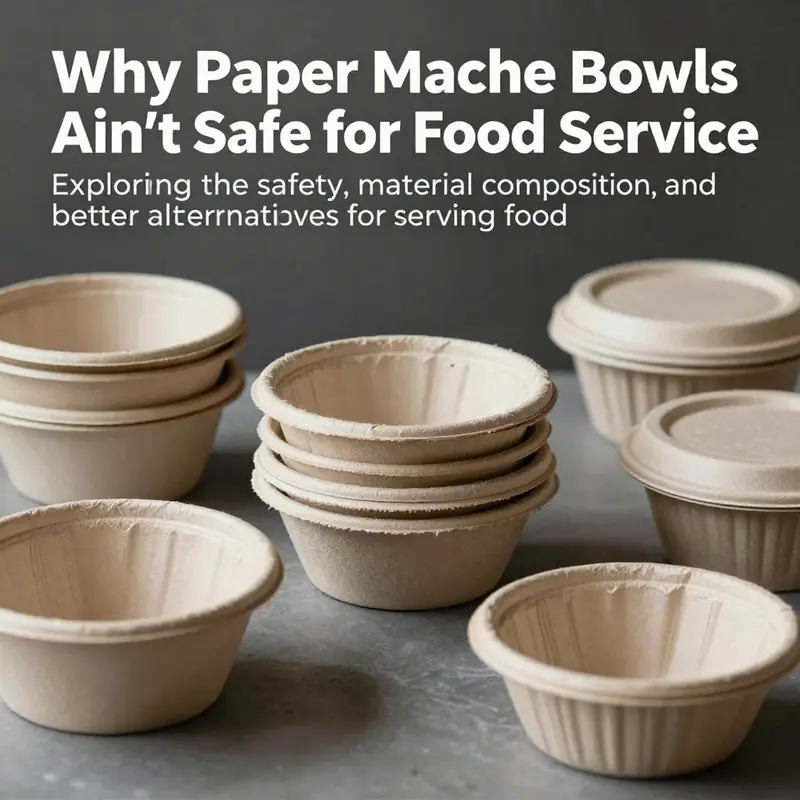
When it comes to serving food in creative containers, the allure of handmade items like paper mache bowls can be tempting. However, for beverage chains, restaurants, food trucks, and event planners, understanding the safety and material implications of using such crafts for food service is crucial. In this exploration, we will uncover the safety concerns related to paper mache bowls, delve into their material composition and its implications for food safety, and ultimately highlight reliable alternatives that align with health regulations and customer expectations.
Beyond Aesthetic: The Regulatory and Safety Realities of Serving Food in Paper Pulp Bowls
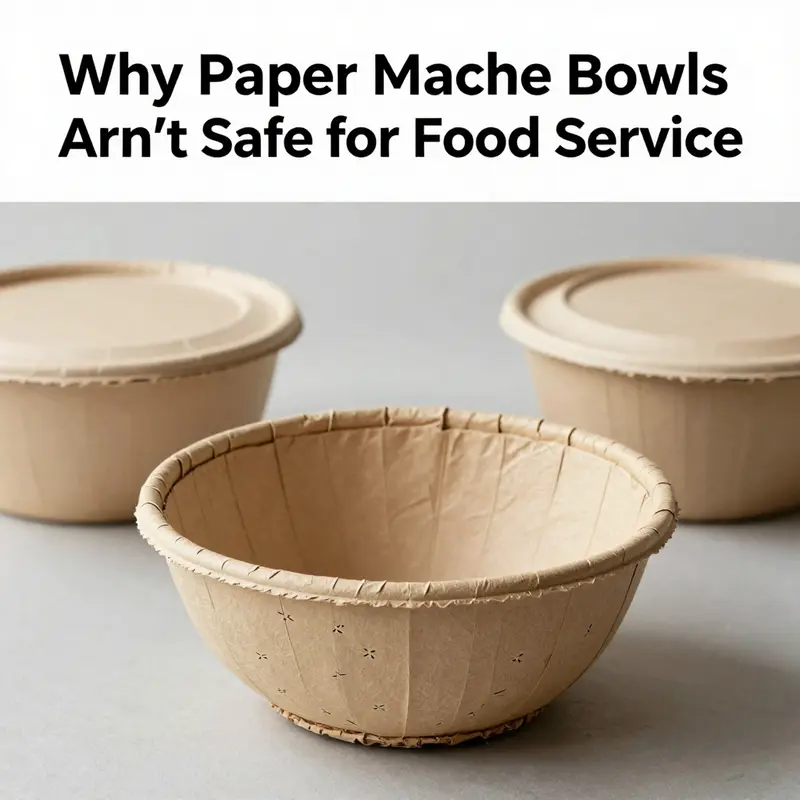
The question of serving food in paper pulp bowls sits at the crossroads of craft, sustainability, and public health. While paper pulp bowls can be visually appealing and inexpensive, direct food contact requires rigorous safety assurances. In practice, decorative or display uses are common, but for serving food the vessel must be explicitly certified for food contact and tested for chemical migration, microbial risk, and mechanical performance. Without such certification, hot, fatty, or acidic foods can cause coating migration, deformation, or barrier failure, creating safety concerns. Migration is affected by temperature, duration, and the composition of coatings, adhesives, and fillers, and even seemingly inert whitening agents can raise regulatory concerns. Microbial risk is another factor: paper pulp is a fibrous matrix that can harbor microbes if manufacturing, storage, or handling is not controlled. Physical integrity matters too: a bowl that deforms under heat or weight can leak and expose underlying materials. Therefore, the safe path is to treat paper pulp bowls as non-food-contact only unless verified, and to use certified food-contact containers or barrier liners when serving edible contents. Consumers and designers should seek third-party certifications, disclose materials, and select packaging designed for food use. The overarching message is that craft and safety can coexist, but direct food contact requires documented evidence and trustworthy standards. For practical practice, consider using paper pulp bowls only for dry or non-moist foods with barriers, or transferring foods to certified containers for hot or greasy items. This approach protects eaters while preserving the craft’s environmental and aesthetic goals.
From Craft to Kitchen: The Safety Boundaries and Practical Alternatives for Serving Food in Paper Mache Bowls
Handmade paper mache bowls carry a quiet magic. They evoke childhood projects, the tactile satisfaction of pulp and glue transformed into curved forms, and the gentle irregularities that signal human touch. Yet as alluring as this craft’s aesthetic is, the question of whether food can or should be served in such vessels shifts the conversation from artistry to safety. Craft bowls are typically built from moistened paper pulp—often recycled paper or cardboard—mixed with an adhesive such as white glue or a flour-based paste. This combination is excellent for shaping, drying, and maintaining a certain stiffness, but it is not designed for direct contact with food. Unlike commercially produced, food-contact–rated bowls, paper mache lacks the engineered barrier systems that protect both the food and the consumer from substances that could migrate from the container into the contents. The distinction is not merely semantic; it tracks the kinds of materials used, their intended uses, and the regulatory expectations that govern everyday dining. To ignore these distinctions risks normalizing a practice that can compromise health as easily as it can charm the eye. In a world where meals are shared and safety standards are increasingly explicit, understanding what makes a container food-safe is essential to navigating the boundary between craft and cuisine.
The core concern centers on material composition and how it interacts with food over time. Paper mache bowls rely on moisture to keep the pulp pliable during forming and drying, but this same moisture becomes a conduit for chemical migration once the bowl meets a real-world food scenario. White glue, flour pastes, and other adhesives often contain compounds that can leach into liquids, acidic ingredients, or hot foods. When a bowl is touched by a liquid-rich soup, a warm sauce, or a citrusy acidity, the very substances that hold the bowl together can begin to migrate outward. The risk is not solely about taste; it is about potential exposure to chemicals that are not intended for ingestion. While some readers may assume that the drying process sterilizes or neutralizes any residual contaminants, drying does not equate to food safety. Sterility and food-safety compliance require controlled conditions, validated materials, and regulatory oversight—factors that DIY paper mache projects simply do not guarantee. The absence of such guarantees means that even a seemingly pristine, dry surface can harbor dyes, inks, or contaminants from the original paper stock. Those traces may remain on the interior surface or migrate over time, particularly if the bowl is used to hold liquids or foods with higher moisture content.
A further dimension of risk lies in the manufacturing and preparation practices, which can vary widely in the DIY sphere. The paper pulp in a home workshop might be moistened with water from a kitchen tap, and the adhesive could range from traditional white glue to improvised pastes that rely on flour, salt, or yeast. Each of these components carries its own profile of potential hazards. Food-grade standards are not simply a matter of whether something looks clean; they hinge on confirmed safety data, approved contact matrices, and documented performance under conditions typical of food use. When adhesives are heated, come into contact with oils, or are repeatedly exposed to moisture, they can break down or change properties in ways that introduce new risks. Moreover, the paper itself may carry residual inks or dyes from recycled sources, or microleakage can occur as the surface becomes wet and permeable. Even when a sealed piece is crafted with careful attention to detail, it is the combination of all materials and the predictable realities of home use—dishwashing, microwaving, and repeated handling—that determine whether a container is truly food-safe.
The drying or curing phase of paper mache does not automate safety. In a bowl that has fully cured, the interior may appear firm and dry, yet the microscopic pathways created by the porous matrix can still allow moisture and small molecules to travel through the surface over time. This is particularly relevant for acidic or fatty foods, which can interact with both the paper fibers and the adhesives in unpredictable ways. The potential for mold growth, albeit a lower probability in well-ventilated spaces, also lingers. Mold spores thrive in damp, organic substrates, and a porous interior can provide a foothold in environments where humidity fluctuates. The presence of mold not only affects flavor and texture but raises concerns about inhalation of spores and exposure to mycotoxins in rare circumstances. While a decorative bowl might be left to dry in a sunlit corner and used only for display, the moment it enters the kitchen with a potential food load, these latent risks become active considerations. In short, the craft’s beauty does not absolve it of the safety demands that apply to food contact.
What follows is not a rejection of craft or a fatalistic dismissal of handmade vessels. It is a call to recognize the practical boundary that separates a decorative object from a food-contact container. The literature on food-contact materials is clear: only materials tested and certified for such use should be used to hold or serve food. Paper mache simply does not appear in the FDA’s list of permitted food-contact materials, and that absence signals why cautious households and professional kitchens alike treat it as inappropriate for direct serving. The principle here is not about a single hazard but about a framework of risk assessment. In this framework, the onus falls on the consumer to choose vessels that align with food-safety standards, ensuring that every bite travels from plate to mouth without any unintended guest along the way—whether that guest is an adhesive component, a dye residue, or a damp intrigue from the craft’s porous interior.
If the impulse to preserve the aesthetic of paper mache remains strong, the path forward is to decouple the craft from direct food contact while preserving the visual and tactile appeal. For decorative displays, the bowls can be left as objects of art or used to create visual centers on a table setting without ever resting food on their interior surfaces. When the social context involves shared meals, a safer approach is to use foods in protective, food-grade barriers. For example, one might place parchment, waxed paper, or a food-safe liner inside a clean, dedicated serving dish before placing it into the paper mache frame. This barrier acts as a shield that stops liquids and foods from touching the porous interior, mitigating migration risks and preserving both the food’s integrity and the craft’s aesthetic. The barrier must itself be food-safe and compatible with the intended food. It should not introduce new flavors or contaminants that would distort the dining experience. In practice, this means selecting a liner that is explicitly designed for contact with food and that remains intact under the expected serving conditions. While this approach can maintain the bowl’s beauty as a centerpiece, it also heightens the care required to ensure that replacements occur when the liner shows wear or degradation.
The broader takeaway is that safety hinges on alignment with established food-contact standards. When we encounter a craft object that is not designed to hold food, the responsible path is to reframe its use. The culinary world benefits from the same creativity that drives paper mache, but it also relies on trust. Consumers deserve to know that the vessel in which their meal rests has been designed, tested, and certified to meet food-safety criteria. In the absence of such certification, the default position is one of caution. This is not an indictment of craft; it is an invitation to reimagine how we present food in ways that honor both the appetite and the artifact. Decorative bowls can still set the tone of a table without compromising safety by serving as visual focal points, with edible food carried on approved, food-grade tableware that supports both hygiene and enjoyment.
For households that want to bridge craft and dining, practical alternatives exist that preserve the spirit of handmade presentation. Commercially manufactured compostable or recyclable paper bowls, designed for direct food contact, offer a path forward that respects both environmental considerations and safety standards. These products are typically made from materials such as sugarcane bagasse or bamboo, or they employ kraft paper with a food-safe coating designed to minimize moisture absorption and chemical migration. The regulatory backbone for these choices is robust: the FDA maintains a Food Contact Substances (FCS) Database that lists which materials are approved for direct contact with food. Paper mache, by contrast, does not appear on that list, which helps explain why the default recommendation is to avoid direct serving in those crafts. If one seeks to maintain a similar texture, warmth, or rustic look, it is acceptable to opt for the look of natural fiber bowls while using food-safe alternatives for actual serving. The goal is to preserve the experiential quality—the way a table feels, the shadow of a handmade form, the sense of a crafted moment—without compromising safety. In this sense, serving food moves from a confrontation with an uncharted material to a careful, informed choice grounded in regulatory clarity and practical prudence.
From a design perspective, it is possible to convey the aesthetics of paper mache in edible contexts by embracing surface finishes and forms that do not require direct contact with food. A bowl that is airy, organic, and sculptural can still anchor a table setting when it functions as a frame for a separate, food-grade vessel. For instance, a paper mache-inspired shell might cradle a ceramic or stainless-steel serving dish, which then holds the edible items. Alternatively, a decorative centerpiece can be paired with removable, disposable, or reusable food-safe containers that align with safety guidelines. These configurations let hosts celebrate the craft’s visual language—its texture, its imperfect curves—without inviting food-safety risks into the dining experience. In settings that prize sustainability, the emphasis on compostable or recyclable options becomes even more meaningful, since the packaging and tableware as a whole can reflect a consistent environmental ethic while staying within regulatory boundaries.
The regulatory perspective shines a clear light on the relationship between material science and consumer protection. Regulators emphasize that materials intended for direct food contact must be proven to limit chemical migration, withstand common handling conditions, and endure repeated use or appropriate disposal. This is why the existence of a material on an official list matters; it signals that testing and oversight support safe interaction with food. In practice, this means that a consumer should look for explicit statements on packaging or serving vessels that they are food-safe and compliant with recognized standards. When a craft object lacks such certification, it remains in the realm of display, art, or special ceremonial use rather than everyday serving. The FDA’s guidance on safe use in packaging (and its broader materials database) provides a framework for evaluating materials and making informed choices. It is a reminder that safety is not about fear of risks but about applying established criteria to everyday decisions in the kitchen.
For readers who are curious about sustainable, decorative, and functional alternatives, there is a path that respects both craft sensibility and food safety. One option is to turn to compostable or recyclable paper bowls that are explicitly labeled as food-safe and designed to minimize chemical migration. These vessels often use coatings or barrier layers that prevent moisture transfer while maintaining a clean, neutral flavor profile. The look of natural fiber and the tactile warmth of handmade textures can still be achieved with commercial liner options that are specifically engineered for contact with food. This balance between form and function is not a compromise but a recalibration: it acknowledges the value of artisanal aesthetics while recognizing the non-negotiable requirements of food safety. By choosing containers that are purpose-built for contact with food, hosts and culinary professionals can deliver an experience that delights the senses without compromising health. The philosophy is simple: the vessel should either be food-grade by design or be used in a way that never brings food into direct contact with non-food-grade materials.
To ground this discussion in practical terms, consider a kitchen or event setting where presentation matters as much as safety. The objective is to preserve the craft-inspired mood while ensuring the chain of contact remains compliant with food-safety expectations. A table centerpiece that features paper mache forms can be reimagined as a sculptural frame for a separate, safe container. The inner dish can be a standard, certified food-grade bowl, while the outer shell provides the visual narrative. If you want to present a homemade-looking experience without risking exposure to potentially unsafe materials, this approach preserves both the artistry and the healthful eating experience. When hosting with family or guests who have dietary sensitivities or allergies, the stakes are even higher. An entirely safe serving surface reduces the likelihood of cross-contamination or unexpected reactions, a consideration that underscores the wisdom of choosing risk-averse containers for foods that are consumed directly. The culinary world respects the craft, yet it also respects the science that governs what touches the food going into mouths.
As you navigate choices about paper mache and serving food, it helps to anchor your decisions in accessible sources of guidance. The FDA’s resources on food-contact materials and the associated guidance documents provide a grounded reference point for assessing what is permissible and what is not. While DIY projects are valuable and enjoyable, their safety implications for food contact must be considered with care. The simplest way to honor both the craft and the kitchen is to separate the roles: use paper mache for display or for non-food purposes, and rely on food-grade containers for actual serving. This separation not only minimizes risk but also invites a broader exploration of how design and policy converge in everyday life. In doing so, you preserve the value of handmade forms while keeping meals safe, approachable, and enjoyable for everyone at the table.
For readers seeking a direct, practical pivot, consider a path that combines sustainability, aesthetics, and safety. The environmental argument for compostable bowls remains strong, especially when these bowls are sourced from renewable fibers and carry explicit food-safe labeling. These options align with contemporary expectations for responsible consumption, while also offering a tactile and visual complement to the handmade vibe many people love. The key is to verify the labeling and documentation that accompany these products. Food-safe labeling, barrier properties, and disposal pathways should be transparent and accessible. By prioritizing vessels that meet regulatory expectations, you reduce the guesswork that can accompany DIY approaches and provide a reliable dining experience. When in doubt, choose the path that keeps food safe, people healthy, and craft spirit intact through indirect means—through presentation, through texture, and through the careful selection of the “right tool for the right moment.”
In sum, while a paper mache bowl can captivate the eye and elevate a setting as a piece of art, it should not be used to serve food directly. The risks associated with chemical migration, contaminants, and microbial concerns are real and well-documented in the framework of food-contact materials. The more comfortable route honors both safety and creativity: present food in standard, food-safe vessels and allow the paper mache piece to contribute its beauty in non-contact ways. By embracing alternatives that are designed for direct contact with food, you protect guests and uphold the integrity of the diner’s experience. If the goal is to celebrate handmade tradition while maintaining the highest standards of hygiene, the solution lies in thoughtful separation, appropriate barriers, and a willingness to adapt the presentation to the realities of food safety. Through this approach, the craft remains a living, inspiring practice rather than a hazard to be managed.
For readers who are exploring safe, craft-conscious choices, one practical route is to look toward packaging and tableware designed explicitly for food contact. Eco-friendly takeout boxes and bowls that are manufactured with food-safe materials and tested coatings offer the best of both worlds: they support sustainable practices and deliver confidence that the packaging will not introduce unwanted substances into meals. These options preserve the visual and tactile appeal of natural textures while ensuring compliance with safety standards. To explore options that align with both style and safety, see the resource on eco-friendly takeout boxes for food packaging. (https://ecocupbowl.com/product/eco-friendly-takeout-boxes-for-food-packaging-stylish-food-containers-safe-microwave-craft-paper-lunch-boxes-leak-grease-resistant/)
As a closing reflection, the question of whether food can be served in paper mache bowls is not merely a yes-or-no decision. It is a doorway into understanding the relationship between material science, regulatory expectations, and everyday dining practices. It invites a cautious, informed approach that honors both craft and cuisine. The path forward is not to abandon handmade vessels but to reimagine how they participate in a meal: as striking, non-contact displays, as frames for food-safe containers, or as part of a broader table narrative where safety and aesthetics coexist. In that balance lies the richest expression of both culinary appreciation and artisanal skill. For readers who want to deepen their understanding of regulatory guidance and safe-use standards, consult the FDA’s guidance on food-contact materials for a comprehensive overview of what constitutes permissible materials and how they are tested. This context helps frame practical decisions in kitchens, classrooms, and event spaces where the allure of handmade forms meets the imperative to protect health.
External resource: https://www.fda.gov/food/food-contact-materials
From Paper to Plate: Safer Serveware Alternatives
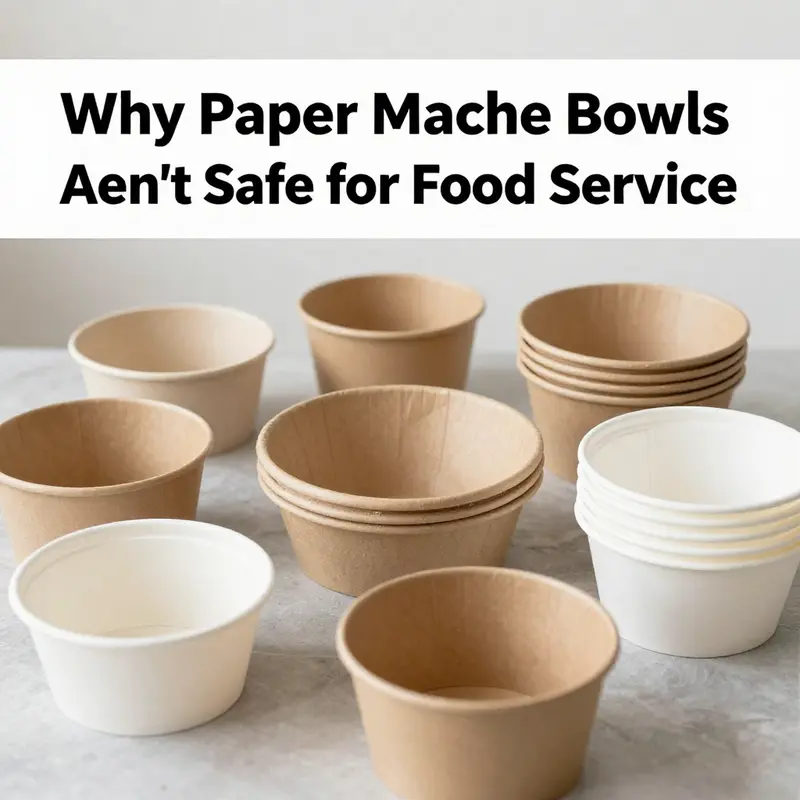
Paper mache is not designed for direct food contact due to porous surfaces and adhesive residues. Safer serving options include bagasse- and bamboo-pulp molded tableware, which are certified for food contact and compostable. For display, paper mache can shine; for serving, opt for food-grade alternatives and clearly label disposal paths to protect guests and the environment.
Final thoughts
In summary, while the aesthetic appeal of paper mache bowls may be enticing for food service, the significant health risks associated with their use cannot be overlooked. Understanding the material composition and the associated safety concerns is essential for businesses looking to maintain high health standards. Fortunately, viable alternatives exist that ensure both safety and sustainability, allowing food establishments to serve with confidence and style. By prioritizing food-safe containers, you not only comply with health regulations but also enhance your customers’ dining experience.