
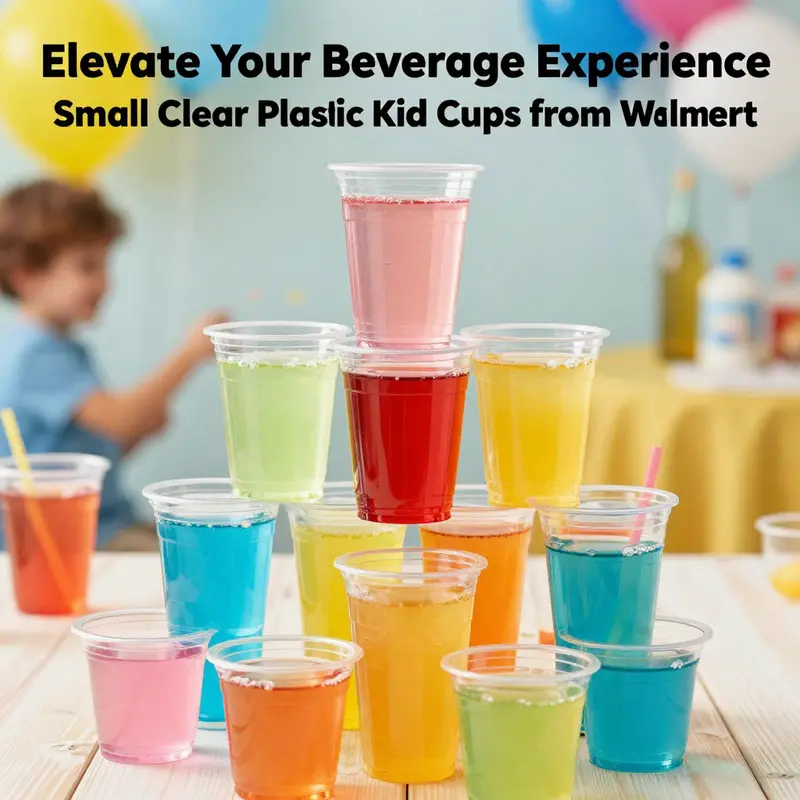
Small clear plastic kid cups have made a significant mark in the beverage industry, especially within bubble tea shops, restaurants, and catering services. These 5 oz cups, available at Walmart, offer a fantastic solution for businesses looking to provide convenient, safe, and appealing drink options for children and families. In this exploration, we’ll review the product specifications, the benefits of its material, and the various scenarios where these cups shine, giving you a comprehensive understanding of how they can enhance your service offerings.
Clear, Small, and Kid-Safe: A Practical Guide to Small Clear Plastic Kid Cups at Walmart
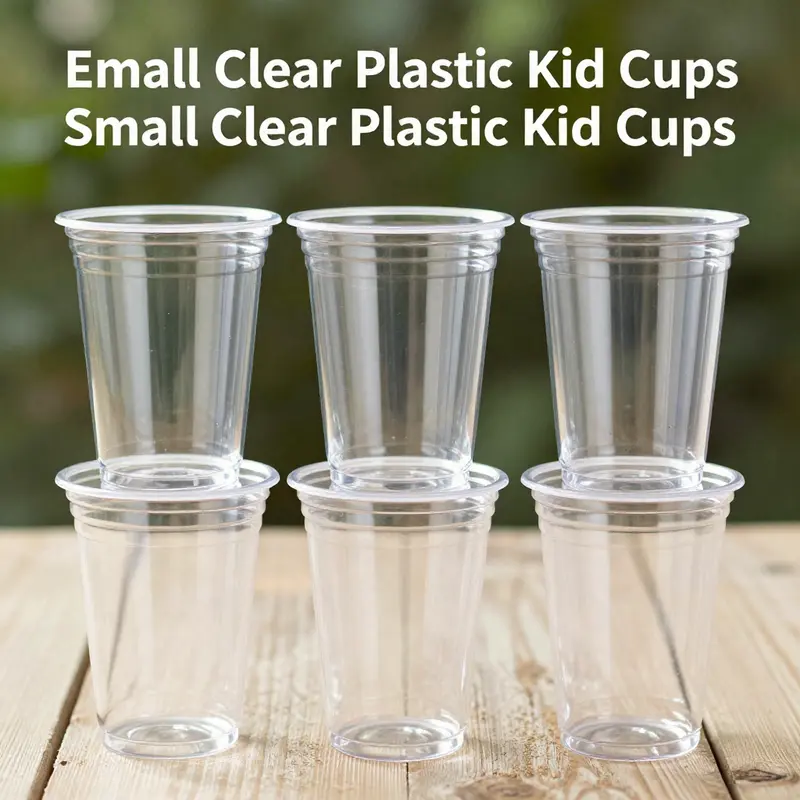
Small clear plastic cups designed for children balance simple utility with safety and convenience. When shoppers search for small clear plastic kid cups on Walmart, they expect affordable, durable options that fit everyday life. This chapter explains what those products offer, which specifications matter, and how to match a purchase to real use. It presents an integrated view of common features, material choices, capacity options, storage and cleaning considerations, and practical tips for family, school, and party use.
Most entries in this category share a common goal: provide a small, transparent vessel that is safe for children and easy for adults to manage. The typical capacity falls in the modest range, often around 5 to 7 ounces. That size suits small hands and small servings. It is large enough for a modest drink of water, milk, or juice, but small enough to reduce waste and spills for younger children. Packaging commonly ships in multi-packs. Families buying for daily use, classrooms stocking supplies, or hosts preparing for a party will find packages of a dozen or more cups useful.
Material and safety claims are central to purchasing decisions. Most small clear kid cups in mainstream retail listings are made from BPA-free polypropylene (PP) or similar food-grade plastics. These materials are chosen for their durability, low weight, and resistance to cracking or shattering if dropped. Sellers typically emphasize that the plastic is non-toxic and odorless. For parents, key phrases to look for are BPA-free, food-grade, and dishwasher safe. These markers indicate a baseline of regulatory compliance and convenience in everyday cleaning.
Design choices focus on visibility, grip, and storage. Transparent walls let caregivers see liquid levels instantly. Some versions use a lightly frosted or textured surface to improve grip for little hands. A simple cylindrical profile minimizes edges that can trap residue, and stackable rims save cupboard space. Stackability is not just a convenience feature. It makes transport and storage efficient for schools and party planners. Look for cups that nest cleanly without sticking when stacked; this reduces the chance of warping or trapped moisture that could lead to odors.
Cleaning and maintenance matter for longevity and hygiene. Many of these small cups are labeled as dishwasher safe, typically on the top rack. Heat resistance varies, however. While polypropylenes resist moderate heat, high-temperature commercial dishwashers or repeated boiling should be avoided unless the product explicitly lists such tolerance. Hand washing with mild detergent will reduce long-term wear. Check for rounded interiors and smooth seams, which reduce areas where bacteria or residue can accumulate. Avoid abrasive scrubbers that may scratch the surface and create microgrooves that trap grime.
Functionality beyond simple sipping depends on optional accessories and variants. Some listings offer companion lids and straws. Lids and straws can make cups more spill resistant and more appealing to toddlers. When choosing lids, inspect seals for snug fit and minimal leakage points. Removable straws simplify cleaning. Silicone or polypropylene straws that come apart are easier to sanitize than fixed straws.
Capacity labeling is usually clear. Common sizes are close to 5.5 ounces (around 160 milliliters) and 7 ounces (about 207 milliliters). Those two sizes cover most needs for snacks and beverages. A 5.5-ounce cup is ideal for toddlers and short snack times. A 7-ounce cup provides more flexibility for slightly older children or when serving flavored drinks. If you plan to serve thicker liquids, such as smoothies, choose the larger size or select models that accommodate wider straws.
Packaging often reflects intended use. Multi-packs of 12, 18, or 24 cups are common. A 12-pack is a practical household quantity, balancing spare cups for messes with compact storage. Larger packs are economical for classrooms, daycare centers, or event planners. Packaging may also indicate whether the cups are intended for single use or repeated reuse. Many of the clear plastic cups marketed for kids are explicitly reusable, not disposable. This distinction affects both product quality and environmental impact.
Durability is a selling point. Plastic cups designed for children emphasize being unbreakable or shatter-resistant. Drop tests and durability claims are sometimes mentioned in product descriptions. These cups rarely crack into sharp shards. Instead, they dent or flex under pressure. Still, repeated long-term sun exposure can weaken plastics, so store cups away from direct sunlight to preserve integrity.
Age recommendations are practical rather than strict. For non-spill cups with no small parts, even toddlers can use them with supervision. For cups with detachable lids and small stoppers, check choking hazard warnings. For infants and very young toddlers who still put items in their mouths frequently, a cup made from a single piece of molded plastic without detachable parts reduces risk. When in doubt, prefer simpler designs for the youngest users and reserve specialized cups with lids and straws for older toddlers who can handle them safely.
For party use, clear small cups offer visual advantages. They showcase layered desserts, colorful drinks, or small fruit portions. Transparent walls make portioning consistent. Their stackability simplifies setup and cleanup. Consider pairing clear cups with coordinating disposable plates or utensils for easy organization. If you prefer an eco-forward event, select options that are labeled reusable and wash them between uses.
Environmental considerations are becoming more prominent. Even when cups are reusable, they are still polymer-based and have a lifecycle. Reusable clear plastic cups typically last many months to years under household use. If minimizing plastic is a priority, look for thicker-walled options that resist deformation and tolerate multiple wash cycles. While recycling programs differ regionally, polypropylene items are often recyclable where facilities accept them. Verify local recycling rules before assuming disposability. Choosing durable, reusable cups reduces single-use waste over time.
Label reading helps avoid surprises. Manufacturers usually include care instructions, maximum temperature ratings, and material codes. Material codes like the PP resin identification number indicate recyclability. Look for explicit statements about dishwasher safety and microwave tolerance if you plan to use either. Many small clear kids cups are not intended for microwave use, so avoid reheating liquids in them unless the label allows it.
A practical comparison point is weight and wall thickness. Thinner cups are lighter and cheaper. Thicker walls add sturdiness and a more pleasing hand feel. For rougher use or longer life, choose a thicker option. Pay attention to rim finish too. Smooth, rounded rims increase comfort and reduce the chance of chipping, even with plastic.
Stability against tipping is another usability factor. Shorter, wider cups have a lower center of gravity and are less likely to tip. Taller, narrow cups may hold more liquid but tip easily when a child bumps a table. When shopping for common areas like a classroom or playroom, prioritize low-profile designs.
Cost considerations should align with expected lifespan. Multi-packs spread the unit cost across many items. A modest price per cup can be economical if the cup is genuinely reusable and durable. Conversely, very low-cost thin cups may tear, warp, or cloud after a few cycles, turning a low initial cost into frequent repurchase.
Storage and transport are practical concerns that customers often overlook. Stackable cups in a sturdy pack save space and reduce time spent organizing. If you plan to carry cups to outdoor events, check that they nest securely and won’t fall apart in transit. Some packages include a carrying sleeve or box that keeps nested cups together. That small feature makes setting up at picnics or parties much easier.
Safety certifications or compliance notes are helpful when present. Look for phrases that indicate compliance with food contact regulations. While specific certification names vary by region, clear statements about food-safe materials are reassuring. The absence of claims does not necessarily mean the product is unsafe, but it does increase the need for buyer caution.
Use-case examples highlight how these cups fit into family life. For everyday hydration, a 5.5-ounce clear cup minimizes spill volume while keeping kids hydrated. For snack time, the same cup can hold small fruit portions, yogurt, or pudding. For parties, a larger set in a 7-ounce size provides flexibility for different beverages. For daycare or classroom settings, bulk packs provide redundancy for accidental breakage or loss.
Simple maintenance routines prolong cup life. Rinse cups promptly after use to prevent stains and lingering odors. Use warm soapy water and a soft sponge for regular cleaning. For stubborn residues, soak in a baking soda solution to refresh the plastic without harsh chemicals. Avoid abrasive cleaners that can dull transparency and create micro-scratches.
When selecting small clear plastic kid cups at Walmart, prioritize a few core criteria: material safety, appropriate capacity, stackability, and clear care instructions. These attributes ensure the cups will meet real needs. Packs that emphasize durability, smooth rims, and dishwasher safety provide the best balance of convenience and longevity.
For those seeking related disposable or reusable servingware, pairing clear cups with coordinated packaging options simplifies event planning. If you need outdoor-friendly disposable cups for a picnic or large gathering, consider an option tailored for outdoor use and parties for one-time convenience. See a relevant picnic-friendly disposable clear cup product for ideas: disposable clear plastic cup for outdoor picnic.
For complete details, product listings include full specifications, customer reviews, and purchasing options on retailer pages. A representative listing that aligns closely with the category described here provides a practical reference for current models and availability: https://www.walmart.com/ip/Bexikou-12-Pack-Clear-Plastic-Kids-Cups-530ml-18-fl-oz-Reusable-BPA-Free-PP-Plastic-Dishwasher-Safe-Stackable/594827318
Material Truths and Practical Upside: Small Clear Plastic Kid Cups Explained
Material Properties and Everyday Benefits of Small Clear Plastic Kid Cups
Small clear plastic kid cups occupy a surprisingly useful place in family life. They are small in size, easy to handle, and usually designed to be safe for children. Beyond their basic role as vessels for drinks, their material choices, shape, and construction determine how well they perform over time. This chapter examines the materials used, how those materials behave in common household conditions, and the practical benefits families gain from choosing well-made small clear plastic cups.
The starting point is the primary material most manufacturers use: food-grade polypropylene (PP). This polymer is widely chosen for small drinking vessels because it combines several important traits. It is inherently resistant to chemical leaching when used as intended. Food-grade PP is produced to meet safety standards, and when it is specified as BPA-free, it means the material does not contain bisphenol A, a compound once common in some plastics that raised health concerns. For parents, BPA-free food-grade PP translates to confidence that the cup will not impart unwanted tastes or compounds to beverages.
Polypropylene also performs well mechanically. It is lightweight yet tough, which is crucial for items intended for child use. The plastic can flex under stress and return to shape without cracking, so a dropped cup rarely shatters the way glass would. Many small clear cups benefit from slightly thickened rims and bases. These features dampen impact and increase resistance to wear. When the cup walls are mildly frosted or treated, grip improves without sacrificing transparency. That subtle texture helps little hands hold the cup securely, reducing spills.
From a thermal perspective, PP has practical limits and advantages. It tolerates normal warm liquids and is often safe in dishwashers, but it is not the same as heat-resistant glass or high-temperature plastics designed for boiling water. Manufacturers typically recommend avoiding direct, prolonged exposure to very hot beverages. This is because extreme heat can soften the plastic temporarily and increase the chance of deformation. For everyday drinks such as water, juice, and milk, these cups perform reliably. Their utility in quick cooling or room-temperature service is where they excel.
Cleaning and maintenance are simple. Most small clear plastic kid cups are dishwasher-safe on the top rack. That makes them easier to sanitize than many disposable cups while reducing manual effort. Because they are reusable, they require fewer repeated purchases than disposable alternatives, making them more economical over time. The combination of durable material and dishwasher compatibility extends their working life across many wash cycles if properly cared for.
An important part of why families choose these cups is safety by design. Reusable clear plastic cups intended for children are often labelled unbreakable or shatter-resistant. That reflects the material choice and manufacturing process. Unlike glass, they do not create sharp fragments if dropped. Beyond the impact resistance, the absence of small detachable parts like lids or straws in many basic cup designs reduces choking hazards. Cups sized roughly 5 ounces, about 147 milliliters, are small enough for toddlers to manage yet large enough for a proper serving. This size also helps limit spills by reducing the volume a child can hold at once.
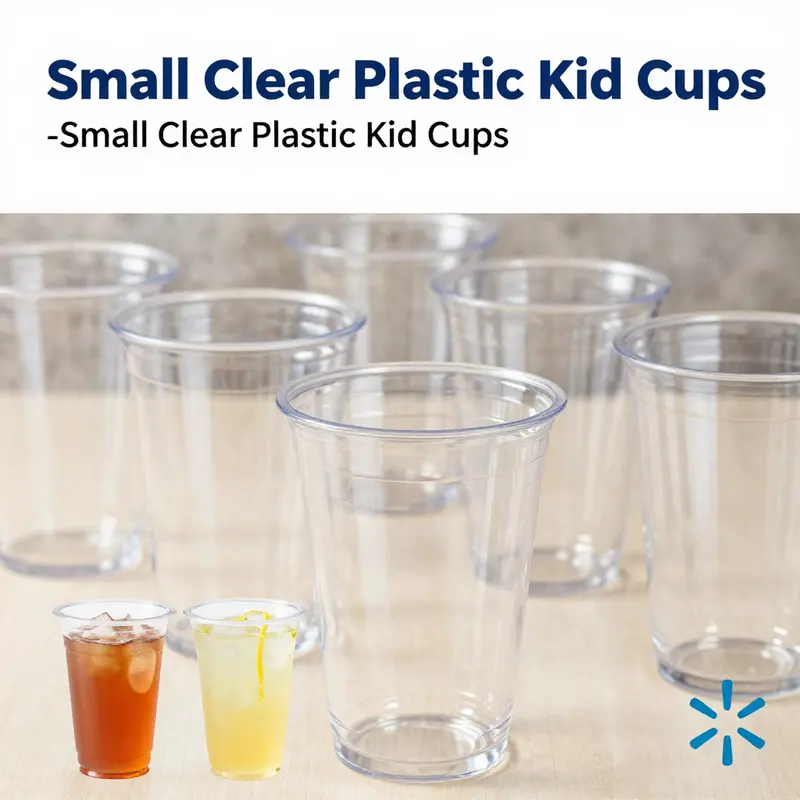
Transparency serves both aesthetic and practical roles. Clear walls let caregivers see how much liquid remains and whether a drink is clean. Clarity also makes it easier to spot residue from sticky juices, prompting timely washing. The visual cue helps with portion control and monitoring hydration. Some designs add a slightly frosted outer surface while keeping the interior visible. This balances grip and visibility, offering tactile confidence to little users without hiding what is inside.
Material safety and environmental considerations often guide purchase choices. High-quality PP is recyclable in many municipal systems under resin code 5. Recycling rates vary by region, but the recyclability of food-grade PP gives families a better end-of-life option than mixed or contaminated disposable plastics. Reusability itself reduces single-use waste and the energy embedded in continuous production of disposable cups. When comparing lifecycle costs, reusable small cups often win: a single set that endures many months or years replaces hundreds of disposable cups. That results in lower ongoing costs and less packaging waste.
Durability also ties into cost-effectiveness. A reusable set typically appears as an upfront purchase but spreads that cost over many uses. Durability means fewer replacements and less landfill contribution. For parties or large families, sets of a dozen or more make organizational sense. Stackability reduces storage footprint. The ability to nest cups neatly in a cupboard or a party bin saves space and simplifies cleanup after events.
Functionality extends beyond basic drinking. Small clear cups are versatile for small portions at parties, arts and crafts, and kitchen prep. They can measure small amounts of liquid for recipes, hold dips or toppings, and even be used for sorting small game pieces. When they are clearly marked as food-grade and free from harmful additives, they are safe for these secondary uses. Their transparency makes them practical for display at events, where hosts can present colorful beverages or layered desserts attractively.
Practical design elements influence everyday usability. A slightly weighted base helps prevent tipping. Smooth, rounded rims are comfortable for children’s mouths. Stackable geometry—tapers that allow cups to nest without getting stuck—facilitates storage. Attention to seam finishing prevents rough edges that might irritate mouths or catch on fabric. Good product design balances child-friendly ergonomics with durability and cleaning ease.
The user’s routine determines the best material features. For households that rely on a dishwasher, confirm that cups are dishwasher-safe and place them on the top rack. For those who need the cups for outdoor use, look for thicker walls and a base that resists tipping in wind or on uneven surfaces. If cold drinks with condensation are common, cups with a textured outer surface help maintain a firm grip. Families who travel with cups should weigh the value of stackable, lightweight designs that pack flat.
Safety testing and labeling are worthwhile checks before purchasing. Look for phrases indicating food-grade plastic and compliance with safety standards. While labels vary, trusted regulatory language often references BPA-free materials and suitability for food contact. If a manufacturer specifies microwave safety, follow the instructions carefully. Even when a cup is microwave-safe, the small size and thin walls of some models can cause hot spots; use caution, stir liquids, and test temperatures before serving to children.
Maintenance tips extend the life of these cups. Avoid exposing them to very hot liquids frequently. Rinse promptly after sticky or sugary drinks to prevent staining and odor buildup. If staining occurs, soak in warm water with baking soda or a mild, food-safe bleach solution following package instructions. Avoid abrasive scrubbers that can create micro-scratches. Micro-scratches harbor bacteria and cloud the surface. When clouding occurs, evaluate whether it is surface wear or deeper damage; if the cup develops cracks or persistent warping, retire it to avoid potential safety risks.
Environmental trade-offs deserve attention. While reusable PP cups reduce single-use waste, end-of-life recycling depends on local facilities and the cup’s cleanliness. Rinsing before recycling helps. Choosing recyclable or compostable alternatives for some applications might make sense, but for everyday family use, the durability and washability of small clear plastic cups generally offer the best balance between convenience and environmental impact.
For families deciding between options, consider size, grip, durability, and cleaning method. A 5-ounce cup suits toddlers and preserves portion control. A slightly thicker wall and a textured outer finish improve handling. Clear plastic gives visibility, while safe, labeled materials provide peace of mind. Buying in a set reduces the need for frequent purchases and makes parties and group meals easier to manage.
Finally, small choices in product selection add up. Investing in a quality set of small clear plastic kid cups gives families a reusable, durable, and child-safe solution. Their material properties—food-grade, BPA-free polypropylene—pair with thoughtful design to reduce spills, increase longevity, and simplify care. Reusable cups reduce ongoing costs and waste compared with disposables. The result is a practical household staple that supports daily routines, family gatherings, and child development through independence in drinking.
If you want to compare related clear cup styles for outdoor or event use, consider exploring disposable clear plastic cup options for outdoor picnic settings that match the convenience of transparent vessels while adding one-time convenience.
For a specific example of a small, stackable, clear plastic kid cup designed for repeated use, see the product listing here: https://www.walmart.com/ip/Kids-Drinking-Cups-5-oz-Clear-Plastic-Kids-Cups-Stackable-and-Reusable-Plastic-Cups-12Pcs-Small-Plastic-Cups-for-Kids-Unbreakable-Water-Drinking-Cup/690034284
Why Small Clear Plastic Kid Cups Sell So Well at Walmart: Practical Uses, Parent Preferences, and Everyday Value
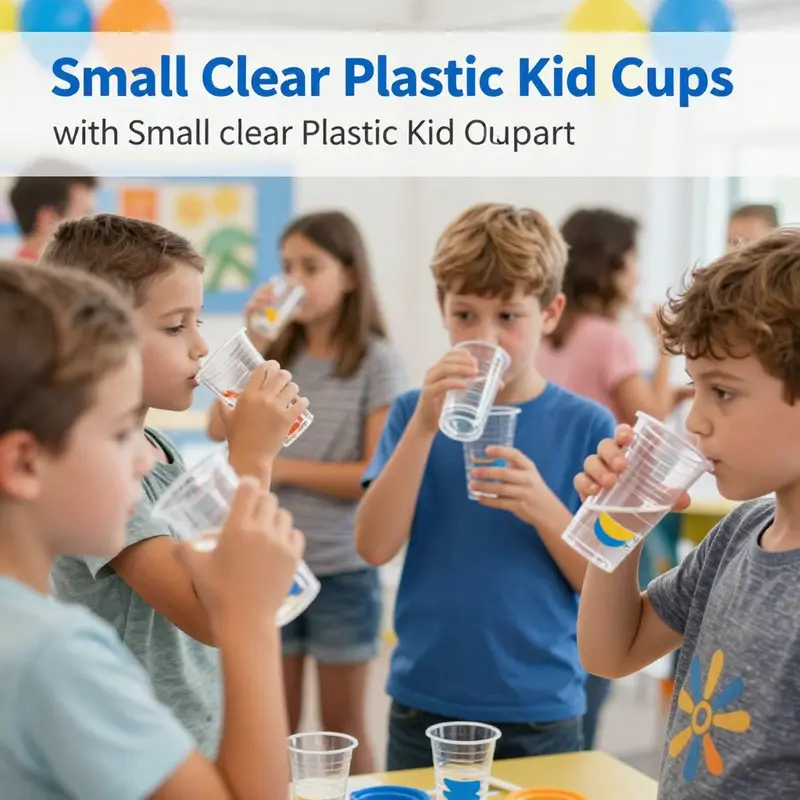
A single cup can solve many small problems in a busy household. Small clear plastic kid cups bridge practical needs and simple pleasures. They serve portions sized for children. They minimize spills and breakage. They make storage easier. They keep events running smoothly. Across homes, daycares, and community gatherings, these cups have earned steady demand. This chapter explores the everyday reasons for their popularity, the wide range of scenarios where they excel, and the qualities shoppers look for when choosing them from a major retailer.
Parents and caregivers often choose small clear plastic cups for three practical reasons: portion control, safety, and convenience. The modest 5 to 8 ounce capacity naturally limits servings. That helps prevent waste and reduces mess when kids drink. Lightweight plastic lowers the risk of dropping and shattering. This increases safety compared with glass. Reusable options add daily convenience. Many stacks of small cups fit into small cabinets. Stackable designs reduce clutter and speed up cleanup. These straightforward benefits form the core value proposition that attracts shoppers in a large retail environment.
Beyond the basics, the clear appearance of these cups adds a subtle but meaningful advantage. Transparency lets adults monitor contents at a glance. Caregivers can spot the volume left, any ice, or contaminants. For kids, seeing colorful juices or smoothies inside a clear cup makes drinks more appealing. Clear cups also match diverse tableware and party décor. Without bright patterns or cartoons, clear cups adapt to multiple themes. That adaptability increases their usefulness across different uses and extends their lifespan in a household.
Events highlight another dimension of their appeal. Small clear plastic cups are reliable workhorses at parties and gatherings. They are light to transport and easy to distribute. For children’s birthdays, they eliminate the worry about fragile drinkware. At outdoor events, disposable or reusable clear cups reduce cleanup time. Careful hosts can prepare drinks in advance, stack cups, and keep serving simple. In institutional settings like daycares and school activities, packs of small cups allow staff to serve many children quickly. Large-pack options help facility managers plan for high-volume needs.
Sustainability decisions shape modern shopping choices. Many families now prefer reusable small plastic cups that are dishwasher-safe. Reusable cups cut waste and lower recurring costs. They can be sterilized, kept for daily use, and replaced only when worn. For single-use scenarios, recyclable or compostable options help reduce impact. Retailers often offer multiple variants, enabling shoppers to balance budget, convenience, and environmental concern. Understanding the product lifecycle helps consumers choose the right style for their priorities.
Durability and safety features are central to buyer confidence. A child’s cup should resist cracking and chipping. Durable plastics maintain shape under rough use. Unbreakable materials reduce cuts and sharp edges if a fall occurs. Many cups are BPA-free, meeting modern safety expectations. Clear plastic performance varies by resin type and thickness. Shoppers often read descriptions and reviews to verify claims. Practical markers like stackability, smooth rims, and moderate weight matter just as much as the materials themselves. These features reflect how well a cup will perform in everyday hands.
Storage and organization matter for small households. Stackable sets let families store a dozen cups in a compact space. A twelve-pack is useful for a single family. Bulk packs are helpful for community events or large households. The ability to nest cups tightly avoids wasted cabinet space. Lightweight cups also simplify transport for picnics. When stored upright or nested, they keep pantry shelves neat. Many caregivers value products that reduce kitchen chaos without adding extra work.
Kitchen workflows are smoother with cups designed for easy care. Dishwasher-safe labels make routine sanitation simple. Cold beverages, juices, and smoothies rinse clean in modern machines. Some reusable small plastic cups also tolerate gentle handwashing when needed. The choice of dishwasher-safe plastics matters for longevity. If a cup can endure repeated cycles, it offers better overall value. For families juggling schedules, this endurance translates to reliable performance across weeks and months.
Affordability plays a major role in selection at large retailers. Reasonable unit prices make it easier to buy in needed quantities. Families with energetic toddlers prefer to replace inexpensive items when wear appears. Retailers often present value packs that reduce per-cup cost. That pricing model suits shoppers who anticipate heavy use, seasonal parties, or classroom needs. When value aligns with usable features, consumers feel confident making bulk purchases.
Design simplicity fosters versatility. A smooth, cylindrical cup is easy for small hands to grasp. Slightly flared rims help prevent drips and aid pouring. Minimal ornamentation reduces cleaning complexity. For parents seeking multi-use drinkware, neutral designs work best. Clear plastic keeps aesthetics unobtrusive. That versatility lowers the need to buy different sets for different occasions.
Consumer feedback often highlights reliability and convenience. High average ratings on retail pages reflect consistent satisfaction. Shoppers praise sturdiness, stackability, and suitable portion size. Many reviews note the cups’ performance at parties. Users report easier cleanup and fewer breakages. Top-rated listings tend to combine durability with low cost. They also emphasize trusted safety practices. Reading reviews helps new buyers anticipate real-world use and outcomes.
Small clear plastic cups also serve niche household roles. They can function as measuring containers for recipes. They hold dips and snack portions during playdates. Crafters repurpose them for paints, beads, or small parts. Teachers use them as counters or project organizers. Their low price and disposability make such reuses practical. That functional flexibility increases the number of use-cases per purchase.
For event planning, these cups simplify logistics. Party hosts can pre-fill cups with safe beverages. They can arrange servings on trays for rapid distribution. Color-free cups fit varied party themes. The cups make table setups predictable and manageable. Outdoor events benefit from both reusable and disposable types. Hosts choose based on cleanup preferences and waste management policies. Either way, these cups remove friction from event flows.
Institutional buyers focus on supply consistency and compliance. Facilities require reliable stock to meet daily needs. They evaluate pack sizes, material safety, and storage efficiency. Schools and daycares often prioritize unbreakable, dishwasher-safe options. Procurement decisions favor vendors that supply predictable quality. Bulk cartons and value packs reduce ordering frequency. This combination of features makes small clear plastic cups a pragmatic choice for institutional buyers.
When selecting between disposable and reusable varieties, consider lifecycle costs. A reusable cup may cost more upfront, but saves money over repeated use. Disposable cups can be less costly per unit. However, long-term use increases expense and waste. Households weighing these trade-offs factor in cleaning time and storage. If dishwasher cycles are frequent, reusables often win on total cost and environmental impact.
Care and maintenance extend product life. Store cups nested to avoid deformations. Avoid high heat that can warp thin plastics. Use gentle detergents as recommended. Replace cups showing cracks or clouding. Regular inspection prevents hygiene issues. Simple maintenance habits deliver longer service life and better safety.
Safety during use extends beyond material composition. Supervision for very young children reduces spill risks. Avoid filling cups with very hot liquids. Use insulated containers for warm drinks when needed. Check for small detachable parts that pose choking hazards. For community settings, label cups to prevent cross-use if hygiene is important. These small precautions increase the suitability of plastic cups for child-centered environments.
Practical alternatives exist, but small clear plastic cups hold a distinct place. Paper cups work well for single events but lack durability. Stainless steel and silicone cups offer durability, but cost more and require different storage. Clear plastic strikes a balance between accessibility and performance. For many buyers, that balance is what makes these cups the recurring choice.
Smart shopping tips help buyers get the best fit. Compare ounce capacity and rim diameter. Confirm dishwasher-safe claims. Check whether packs include lids where needed. Choose sturdy wall thickness for frequent use. Read customer feedback for real-life performance notes. Consider how many cups the household uses weekly. These steps reduce buyer remorse and ensure purchases meet actual needs.
Practical use cases reinforce the idea that small clear plastic cups are a utility staple. They ease daily routines, reduce breakage concerns, and simplify event logistics. Their neutral look supports versatile styling. Their low cost enables regular replacement when necessary. For families, caregivers, and event planners, these cups represent a reliable, pragmatic option.
If you plan outdoor gatherings or need disposable options for events, explore disposable clear plastic cups for outdoor events for complementary serving supplies. For product details and the most relevant listing on a major retailer’s site, see the product page provided in the research materials: https://www.walmart.com/ip/Kids-Drinking-Cups-5-oz-Clear-Plastic-Kids-Cups-Stackable-and-Reusable-Plastic-Cups-12Pcs-Small-Plastic-Cups-for-Kids-Unbreakable-Water-Drinking-Cup/690034284
Final thoughts
Small clear plastic kid cups from Walmart are more than just a beverage container; they symbolize convenience, safety, and versatility in your service offerings. Their unbreakable and reusable properties, combined with a compact size, make them an excellent choice for businesses catering to families, such as bubble tea shops and catering services. As you consider options for your drinkware needs, these cups stand out for their quality and functionality, promising to enhance the experience for both your customers and your business.