
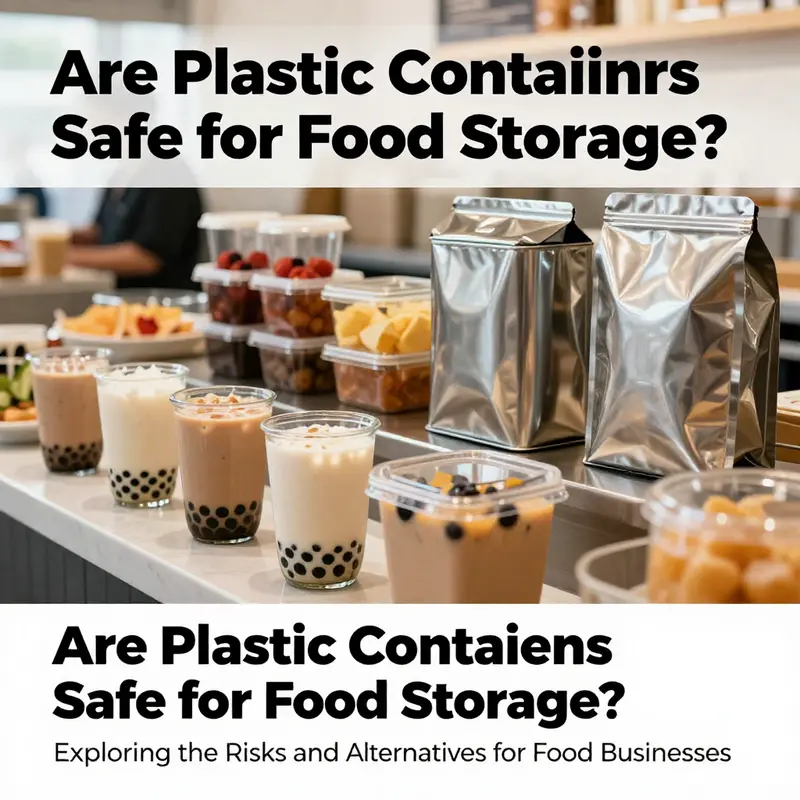
In the vibrant world of food service, whether you operate a bubble tea shop, restaurant, or food truck, the safety and quality of food storage is paramount. As businesses increasingly rely on plastic containers for food storage and service, it is essential to understand the implications of this choice. This article delves into the complex landscape of food storage in plastic containers, focusing on chemical leaching, food-specific risks, plastic degradation, and environmental concerns. By thoughtfully exploring these areas, food businesses can make informed decisions that ensure safety, satisfaction, and sustainability.
Chemical Leaching: How Plastic Storage Can Subtly Alter What We Eat
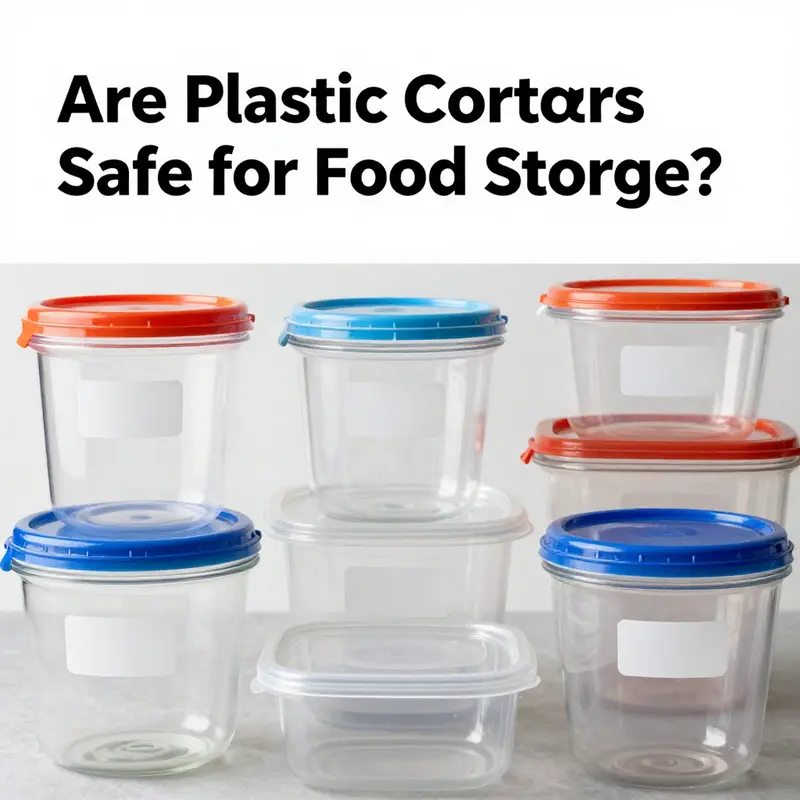
Plastic containers offer undeniable convenience for storing, reheating, and transporting food. They are lightweight, affordable, and come in a wide range of shapes and sizes. Yet beneath that practicality lies a complex chemistry that researchers have been tracing for years. The central question, in the light of contemporary science, is not simply whether plastic can hold food safely, but under what conditions it might contribute unwanted chemicals to the food we eat. The risk is not an all-or-nothing verdict; it is a spectrum influenced by the food itself, how long it stays in contact with plastic, and, crucially, how heat, acidity, and oils interact with the material. When we examine the science closely, it becomes clear that plastic storage is best understood as a set of trade-offs rather than a universal solution. In households and workplaces where plastic remains a primary option, awareness of these trade-offs can guide safer practices and help people make better choices about what to store, how long to store it, and what to reheat it in.
At the heart of the leaching concern are additives that give plastic its desirable properties—flexibility, durability, and clarity. Among these, bisphenol compounds and phthalates have drawn particular attention. Bisphenols, including BPA and its commonly discussed successors like BPS and BPF, are connected to endocrine disruption in laboratory models, and researchers caution that replacements do not automatically eliminate risk. Phthalates, another class of additives, function as plasticizers and also carry signals of potential hormonal interference. The public safety conversation becomes more nuanced when considering that many containers marketed as BPA-free may still contribute to chemical migration, particularly under conditions that involve heat or prolonged contact with food. The potential for these substances to migrate into food is not hypothetical; it has been demonstrated under conditions that mirror real-world use, which means recommendations must address everyday habits, not just laboratory scenarios.
Heat acts as a catalyst in the chemistry of migration. When plastic containers are exposed to microwaving, simmering soups, or hot beverages, the elevated temperatures can accelerate the degradation of the polymer structure. As the matrix of the container softens even slightly, the barriers that typically slow chemical movement become less effective, allowing additives to transfer into the food more readily. This is not only a theoretical risk. Research summarized in recent studies shows that, under real-world conditions, endocrine-disrupting compounds can migrate from a wide range of plastic food-contact materials when heated. In some investigations, containers that were advertised as microwave-safe still released measurable levels of chemicals into food after heating. The practical implication is straightforward: heating food in plastic when it is not strictly necessary increases the chance that the meal carries a chemical signature beyond its original ingredients. Even smaller, more routine tasks—such as storing hot leftovers or warming a lunch in a plastic container—should be approached with heightened caution.
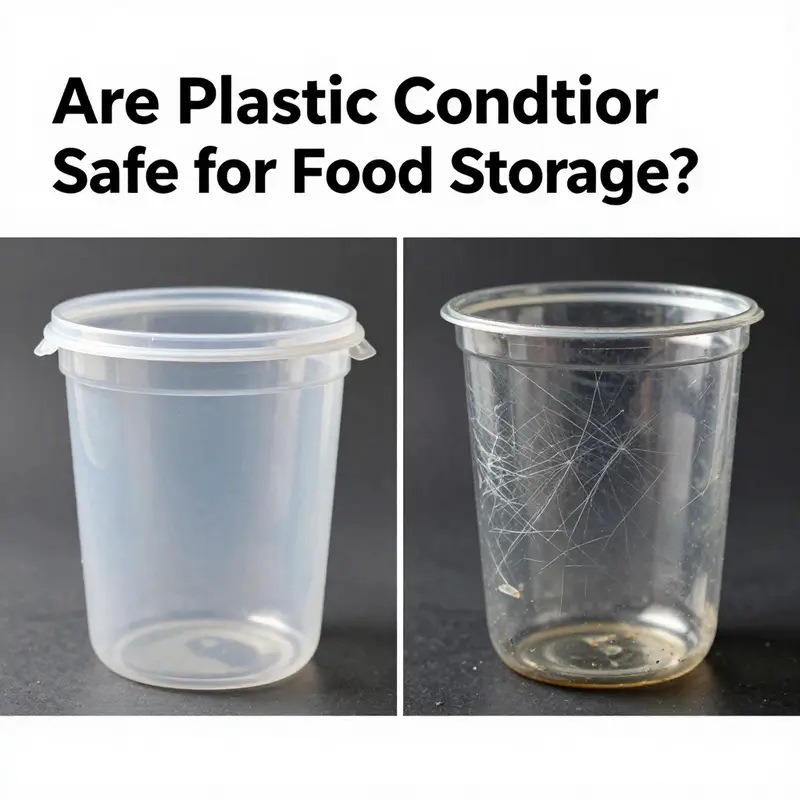
Long-term use compounds the problem. Repeated washing, scraping, and general wear create micro-scratches and micro-abraded surfaces that can harbor bacteria and create tiny crevices where residues accumulate. These imperfections not only pose hygiene concerns but can also act as pathways for more sustained chemical leaching. A container that looks intact can still harbor microscopic damage that becomes more problematic with time. In this sense, the life cycle of a plastic storage vessel matters as much as its initial safety label. The more a container is used and cleaned, the greater the cumulative potential for leaching, especially if the container is exposed to heat or to acidic or fatty foods on a regular basis. The practical upshot is that presumed durability does not guarantee safety over the long term; it calls for regular assessment and prudent replacement when wear becomes evident.
Regulatory frameworks offer a cautious backdrop to these debates. The FDA maintains that food-contact plastics sold in the United States are safe under their intended conditions of use. However, this stance sits alongside a broader critique from scientists and public health advocates who argue that current safety assessments may not fully account for chronic, low-dose exposure or the cumulative effects of multiple contaminants. In other words, even if a single exposure appears small, the real-world scenario often involves repeated, ongoing contact with various additives across a lifetime. This perspective helps explain ongoing calls for more comprehensive testing and clearer labeling, so consumers can gauge not only whether a product is labeled as safe, but how safe it actually is over time.
Experts commonly emphasize that labels such as microwave-safe or BPA-free do not guarantee zero migration. The spectra of risk are broad enough that a simple label cannot capture them. In one widely cited view from an environmental health scientist familiar with these debates, better labeling and stricter testing protocols are needed to give consumers a meaningful sense of risk. This sentiment reflects a broader push in the field for more transparent information about what exactly is in a plastic product, how it behaves under typical household conditions, and what kinds of foods or temperatures might be more problematic. It also aligns with the intuition that risk is not a single device’s fault but a system of materials, environment, and human behavior. When people understand this, they can tailor their storage habits to reduce risk rather than simply assume all plastics are equally risky or safe.
What does this mean for everyday storage choices? First, heat is a central pivot. Hot foods and liquids are best kept out of plastic containers whenever feasible. The practical rule that emerges from the science is straightforward: refrain from storing hot soups, stews, coffee, or tea in plastic containers and allow hot foods to cool to room temperature before transferring them to storage. The same logic extends to oily foods and acidic items such as tomatoes or citrus-based sauces, which can both promote chemical migration and, in some cases, cause staining or degradation of certain plastics. For dairy products, the guidance often leans toward temperature stability and hygiene; glass or ceramic containers are favored by many because they are less likely to absorb odors or support microbial growth associated with temperature fluctuations.
Second, food type matters. While a dry staple like rice or pasta stored in a high-quality plastic container might pose limited risk under cool, dark storage conditions, perishable items—especially those intended for reheating—demand more caution. Raw meats and fish, for example, should be separated from other foods and ideally stored in non-plastic, easy-to-clean vessels to minimize cross-contamination and to simplify sanitation. The issue is not only about the material’s potential to leach but also about the plastic’s surface properties, which may retain juices and make thorough cleaning more challenging. In many households, this practical hygiene consideration alone motivates a shift toward glass or metal alternatives for raw proteins and other highly perishable items.
A broader takeaway centers on the principle of diversification. Some people rely heavily on plastic for convenience; others blend storage options to balance accessibility with safety. The science suggests that for short-term, cool storage of dry goods, high-quality containers can be acceptable if they show no signs of wear, are kept in a cool, dark place, and are used within their intended lifespan. For longer-term storage, or for foods that are hot, acidic, or fatty, substituting safer materials—particularly glass, stainless steel, or ceramic containers—reduces exposure to leaching and supports easier cleaning and sterilization. The key is to translate the science into everyday practices that minimize risk without sacrificing the practical benefits of organizing and protecting food.
A practical touchstone for households and institutions alike is to recognize when a container has reached the end of its useful life. Repeated dishwasher cycles, microwaving, and general handling can gradually erode the container’s integrity, creating a longer-term risk profile than a pristine container would have. Replacing worn plastic storage becomes less a judgment about one bad container and more a proactive maintenance choice that aligns with safer food handling. In that sense, safe storage is less a single decision and more a habit of ongoing evaluation that accounts for temperature exposure, the nature of the stored food, and the container’s wear and tear over time.
For those seeking a broader context beyond household tips, more nuanced discussions of plastic leaching are available through ongoing research and public health resources. While the FDA sets the baseline for safety, independent organizations and researchers point to gaps in the current evaluations and advocate for clearer labeling and more comprehensive testing. In this landscape, it helps to approach plastic storage as a spectrum of risk rather than a binary yes-or-no verdict. When stored food is heated, acidic, or fatty, the science consistently points toward a higher likelihood of chemical migration. When food is dry, stored coolly, and kept in containers in good condition, the risk is comparatively lower, though not entirely absent. This nuanced stance enables informed decisions about how to structure meal prep and storage in ways that preserve quality while limiting potential exposure.
In practice, many households and food-service operations respond to this information by integrating safer options alongside plastic where appropriate. This might include choosing glass or metal containers for reheating, using ceramic or glass for dairy products, and reserving plastic for non-perishable dry goods stored in a cool, stable environment. It is also common to see kitchens adopt labeling practices that track container age and condition, creating a routine of inspection that can catch wear before it becomes a risk. The cumulative effect of these strategies is a more resilient approach to food storage—one that honors the benefits of convenience while acknowledging the science of chemical leaching and the responsibility to minimize exposure.
If you are looking for practical, example-focused guidance shaped by these findings, consider exploring resources that discuss eco-friendly packaging options and their real-world applications. For a concise overview of safer takeout and storage possibilities, you can read about eco-friendly takeout boxes for food packaging. This resource highlights how design choices—such as materials, coatings, and ventilation—can influence safety and practicality in everyday use, offering a bridge between consumer concerns and the ongoing research into plastic migration. For more general insights and ongoing updates, consult external research from public health organizations and environmental groups that compile data on chemical leaching from plastics. A widely cited external resource is the Environmental Working Group’s ongoing research on plastic food containers and chemical leaching, which provides context for how current science translates into consumer guidance and policy discussion.
Internal link: eco-friendly takeout boxes for food packaging
External resource: Environmental Working Group (EWG) – Plastic Food Containers and Chemical Leaching (published updates and analysis, including discussions of BPA-free and heat-related migration): https://www.ewg.org/research/chemical-leaching-plastic-food-containers
Plastic Storage: When It Makes Sense and When It Doesn’t
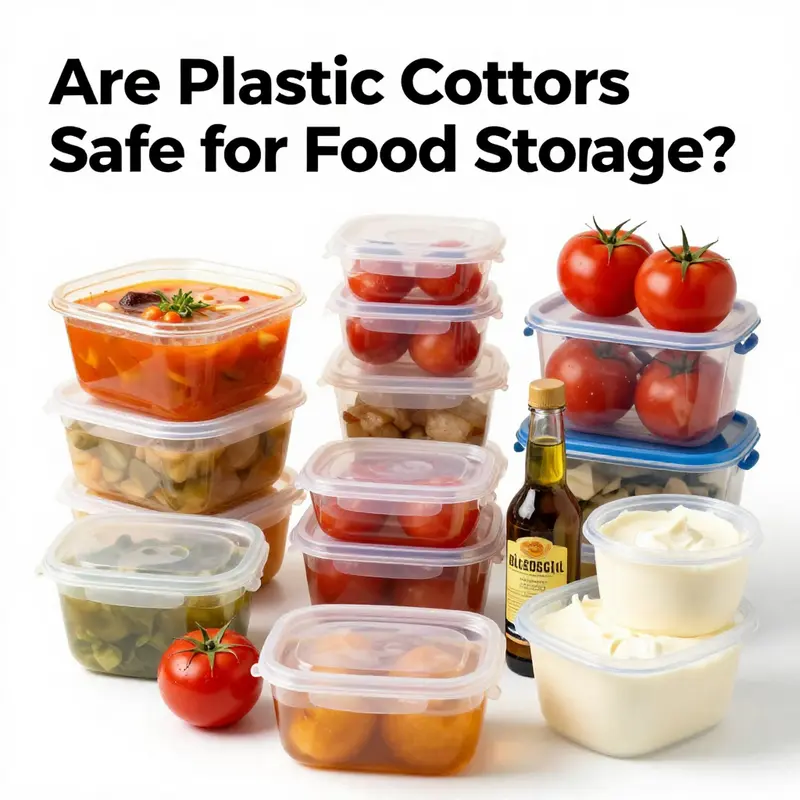
Plastic containers offer convenience but carry safety questions.\nThey are affected by heat, acidity, and fat: heat can increase chemical migration and promote microplastics, acidic or fatty foods can carry additives more readily.\nFor hot or long-term storage, safer materials like glass or stainless steel are advised. For short-term storage of non-hot, non-fat foods, plastic may be acceptable if containers are undamaged and used appropriately.\nRegularly inspect containers for scratches, cloudiness, or warping and replace worn pieces. Follow manufacturer guidelines for microwave or dishwasher use. Allow hot foods to cool before transferring to plastic when possible. Consider environmental impact and favor reusable glass or metal when feasible. If in doubt, choose a safer material and avoid reheating in plastic.
When Plastic Fails: Degradation, Leaching, and the Hidden Risks in Everyday Food Containers
Plastic containers are a fixture of modern kitchens and takeout routines, prized for their light weight, airtight seals, and ease of stacking. Yet beneath their convenient surface lies a more complicated story about how plastics age, how they interact with food, and what that means for long-term safety. This chapter examines the process of plastic degradation in the context of food storage, tracing how heat, light, and repeated use can transform a seemingly inert container into a source of chemical leachates and microplastics. It is not merely a technical excursion; it is a practical exploration of how storage choices ripple through daily eating and long-term health, and it culminates in a cautionary but hopeful message: awareness and informed material choices can significantly reduce risk without sacrificing everyday practicality.
The core mechanisms of degradation begin with the basic physics of storage and use. Plastics are long chains of polymers, designed to be strong yet flexible under normal conditions. When exposed to heat, light, and mechanical stress, those molecular bonds can break in places. Heat accelerates molecular movement, allowing additives to migrate more readily toward the surface. Light, particularly ultraviolet radiation, can initiate photo-oxidative reactions that weaken polymer chains. And mechanical stress — the bending, squeezing, or scraping that happens during everyday use and dishwasher cycles — creates micro-scratches and microcracks. Together, these factors produce two troubling outcomes: microplastics shedding into food and chemical leachates seeping into the contents. Each pathway carries distinct risks and is amplified by certain foods and storage practices.
Chemical leaching is the more studied and widely discussed of these pathways. Plastics are not pure polymers; they contain additives to achieve desired properties, such as flexibility, color, and durability. Some of these additives are known to migrate under stress. Bisphenol A (BPA) is the most infamous; even though many brands now label products as BPA-free, substitutes like BPS have raised new concerns about endocrine disruption. Phthalates, a class of plasticizers, have historically been linked to hormonal disruption and developmental effects. The leaching of these substances is not uniform; it depends on the polymer type, the presence of residual monomers, the fat content of the food, acidity, and the temperature at which storage occurs. Fatty foods tend to tease out more leachates because lipophilic compounds have a greater affinity for oily matrices. Acidic foods, such as tomato products or certain dressings, can also promote leaching and discoloration of plastic surfaces. The result is a practical message: when in doubt, avoid heating or long storage of hot, acidic, or fatty foods in plastic containers and favor materials that resist such transfer.
A second, equally important risk pathway is microplastic contamination. As plastics degrade, fragments break away and may become suspended in liquid or adhere to the surface of foods. The health implications of ingesting microplastics are still under study, but accumulating evidence suggests potential physical and chemical interactions with the body, including inflammatory responses and the ability to carry attached contaminants into the gastrointestinal tract. In many cases, microplastic formation is most pronounced when containers are repeatedly used, cleaned, and exposed to microwaves or other heat sources. A practical takeaway is that microplastics are not only a function of the plastic’s age but of the conditions it endures during storage and use.
Certain foods and storage contexts amplify these risks. Heat remains a recurring villain: hot soups, stews, or beverages stored in plastic containers can accelerate both leaching and microplastic shedding. Acidic foods, like tomato sauces or citrus-based marinades, can erode the surface where additives reside or migrate through microabrasions. Oily or fatty foods pose their own set of challenges, as fat-soluble additives are more likely to migrate into the food. Raw meats and fish introduce additional hygiene concerns, because surface plastics can harbor bacteria or retain juices that are difficult to clean away after storage. The end result is a spectrum of risk that is not uniform but moves along with temperature, time, and the specific plastic and food combination involved.
Safety profiles vary by plastic type, and this nuance matters in daily choices. Some commonly used plastics, such as polyethylene terephthalate (PETE), are considered marginally safe under ordinary conditions. However, their safety can deteriorate when exposed to higher temperatures or longer storage durations. Other polymers may carry different concerns, and the presence of recycled content can complicate safety as well. The takeaway is not to demonize plastic altogether but to understand that its safety is conditional. Proper labeling, conscientious material selection, and consumer education play vital roles in ensuring that what you store and how you store it aligns with food safety goals. When plastic is used, it should be undamaged, kept cool and dry, and used for appropriate foods and durations as indicated by manufacturer guidance.
Given these complexities, many experts advocate a cautious approach to plastic in food storage, especially for hot, acidic, or perishable items. In practice, this translates into a willingness to segment your storage strategies: reserve plastic for dry or cold items, keep hot foods out of plastic altogether, and prefer safer materials for high-risk scenarios. This is not an all-or-nothing recommendation. Plastic containers handle many everyday tasks well, particularly for short-term refrigeration of non-acidic foods or for dry goods stored in a cool, dark place. But for situations with heat, acidity, or long storage, switching to safer materials becomes a sensible default.
If one were to translate this into concrete behavior in a kitchen, it would look like a continuum rather than a single rule. For dry products such as grains, legumes, or non-perishable snacks, a high-quality, food-grade plastic container may suffice, provided it remains undamaged and is stored in a cool, dark area. For short-term storage of leftovers in the fridge, a clean, undamaged plastic container is generally acceptable, as long as the food is not hot and not highly acidic. When heat is involved — whether reheating, microwaving, or hot storage — the risk profile shifts, and switching to glass or stainless steel becomes a prudent choice. Some containers are marketed as microwave-safe or dishwasher-safe; in these cases, consumers should strictly follow the manufacturer’s instructions and be mindful of any guidance about heating and serving temperatures. In short, the safety of plastic storage hinges on using the right container for the right food and the right duration, and on recognizing when safer alternatives are warranted.
For those seeking safer packaging options beyond plastics, it is worth considering material families known for inertness and ease of cleaning. Glass stands out for its chemical stability and non-porous surface, which resists staining and supports straightforward sterilization. Stainless steel offers durability, resistance to corrosion, and adaptability from refrigeration to on-the-go transport, with the added advantage of resisting odor retention. Ceramic can be suitable, particularly for dry goods and dairy, though it should be used with caution for hot liquids or microwaving unless the product is explicitly designed for such use. Each alternative has its caveats — weight, breakability, or heat tolerance — but for many households, the benefits in safety and hygiene justify the trade-offs. The practical question is how to balance convenience and risk according to personal eating patterns, family needs, and storage habits.
A concrete step in closing the gap between risk and everyday practice is to minimize reuse of damaged containers. Scratches, cracks, and discoloration can harbor bacteria and create niches where chemicals accumulate. Containers that show wear or have been subjected to harsh dishwasher cycles or microwaving without appropriate labeling should be retired. Inspection becomes a routine habit: look for cracks, cloudiness, clouded hinges, or dullness; replace any container that shows wear and avoid reusing containers that are not explicitly designed for repeated heating. When in doubt, err on the side of caution and switch to safer materials for the foods and circumstances described above. The goal is not to eliminate plastic from storage but to elevate how we use it so that it remains a practical tool rather than a risk factor.
In the end, the degradation story is not purely about hazard; it is about informed choice. The science underscores that chemical leaching and microplastic formation are influenced by the material’s intrinsic properties and the conditions to which it is subjected. By aligning your storage practices with these insights, you preserve convenience while reducing exposure to potentially harmful substances. This alignment is achievable through a combination of mindful selection, careful use, and a willingness to adopt safer materials for higher-risk scenarios. It also involves a subtle shift in everyday thinking: containers are not merely vessels but participants in the storage process, and their interaction with food is shaped by how they are used as much as by what they are made from.
For households seeking safer packaging options, consider eco-friendly takeout boxes for food packaging as a practical example of how design choices can reduce reliance on conventional plastic. These alternatives demonstrate that it is possible to retain convenience while prioritizing hygiene and safety. You can explore such options here: eco-friendly takeout boxes for food packaging. This kind of shift, when tailored to daily routines, helps create storage environments that are easier to sanitize, less prone to leaching, and more aligned with a health-conscious approach to food handling.
For those who want deeper scientific grounding, the topic of microplastics and their effects in food systems offers a more detailed overview of the pathways by which plastics can influence the food we eat. While the long-term health implications are still under investigation, the accumulating evidence supports a precautionary stance and reinforces the value of choosing safer storage materials where feasible. A comprehensive external resource on this topic is available here: https://www.sciencedirect.com/science/article/pii/S245186742300009X.
Beyond Convenience: The Environmental Toll of Plastic Food Storage
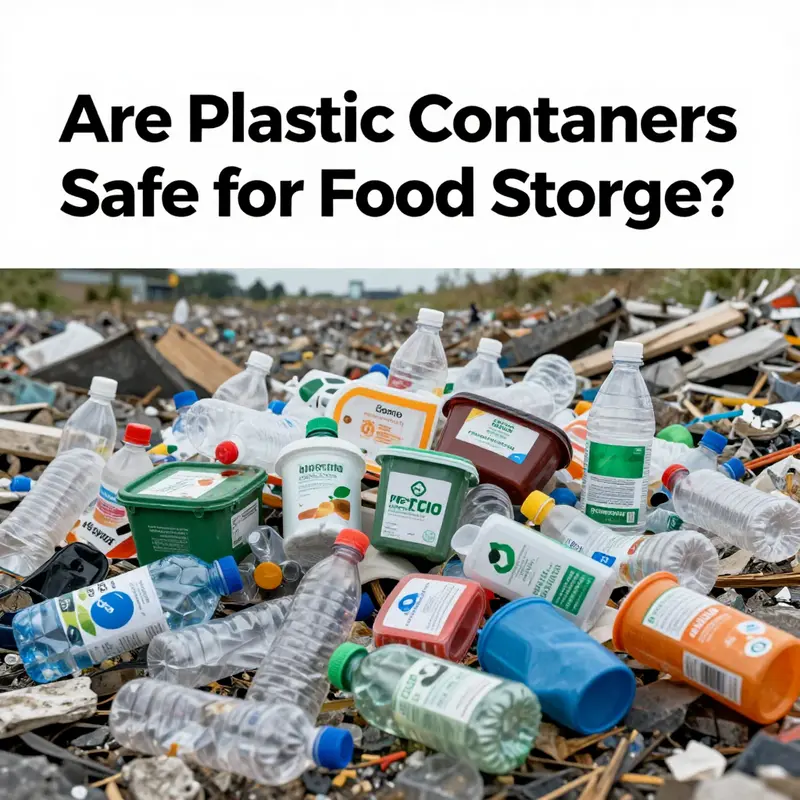
Plastic containers have become a quiet backbone of modern kitchens and pantries. Their lightness, stackability, and resistance to shattering make them convenient for everything from meal prep to on-the-go snacks. Yet as households fill drawers and shelves with these ubiquitous vessels, a larger story unfolds—one that threads together waste, ecosystems, and health in ways that challenge the notion that plastic storage is simply a neutral, harmless choice. Reading the environmental ledger alongside the everyday practicality reveals a responsibility that long outlives a single meal. The chapter that follows considers how the environmental footprint of plastic storage informs the broader question of whether plastic containers are good for storing food at all, especially when weighed against the many safer and more sustainable alternatives that exist today.
From the moment plastic enters the storage cycle, it leaves a trace that extends far beyond the kitchen. A global picture emerges: plastic waste has become a persistent pollutant that infiltrates far-flung habitats and food webs. A 2025 report from the United Nations Environment Programme estimates that more than 14 million metric tons of plastic waste enter the oceans each year. This is not just a distant problem for remote shorelines; it affects coastlines, fisheries, and the tiny organisms at the base of marine ecosystems. Plastic debris can be ingested by sea creatures, causing physical harm or false signals of fullness that lead to malnutrition or starvation. The story is not confined to the sea; plastic fragments accumulate in soils, wetlands, and agricultural fields, where they interfere with nutrient and water uptake and, in some cases, reduce crop yields. A 2023 study highlighted precisely this risk, showing that plastic waste in agricultural contexts can hinder plant growth and function, with knock-on effects for food security. The environmental footprint of plastic storage is slow and stubborn: plastics degrade over centuries—estimates range from two hundred to four hundred years—leaving long-lasting residues that complicate land management and wildlife protection across generations.
The environmental calculus of plastic storage intersects with questions of health and safety, but the link runs through the same material world: the way plastics are manufactured, used, and disposed. When plastics are used to hold food, they introduce a suite of concerns that demand attention long after the container is emptied. The concern about chemical leaching—chemicals migrating from the container material into food—gathers significance when we widen the lens to consider environmental exposure and lifetime use. In many cases, the risk is amplified not by a single exposure but by repeated contact across meals and seasons. For example, while many brands now tout BPA-free labeling, substitutes such as BPS and other additives may carry their own health considerations. The presence of phthalates, used to make plastics more flexible, has been linked to endocrine disruption in some studies. While these concerns are often framed around consumer health, they are not separate from the broader environmental narrative: additives can migrate not only into a single meal but into the environment through waste streams, weathering processes, and microstructural wear that occurs during washing and reuse.
The practical implications for everyday storage become clearer when we ask: what are the long-term costs of relying on plastic containers for hot foods, acidic dressings, or fatty leftovers? Heat accelerates the migration of chemicals from certain plastics, so hot soups, stews, or coffee stored in plastic containers are not only a risk to the individual eater but also a reminder of the container’s finite lifecycle. The humanity of the problem rests in the fact that plastics collected in homes eventually make their way into broader ecosystems, where leached substances and microplastics become part of environmental media that animals and humans may encounter repeatedly. The idea of a disposable solution, then, persists only in the short term; the long-term costs—environmental degradation, potential health implications, and broader ecological disruption—accumulate with every use and every discarded container.
The environmental aspect of this topic is not merely a cautionary tale; it is a call to consider the materials and systems that shape our storage choices. Plastic’s durability is both an asset and a liability. While it supports long shelf life for certain products and enables efficient packaging, those same characteristics contribute to its persistence in the environment. A key point emerging from the evidence is that the harm is not isolated to the act of storage but is found in the whole lifecycle: extraction and production of feedstocks, manufacturing energy, distribution, consumer use, and end-of-life management. In other words, plastic storage has implications that ripple through air quality, soil health, water systems, and the biodiversity that sustains food chains we depend on. This wider perspective is essential when weighing the question of whether plastic containers are good for storing food.
Microplastics have sharpened the conversation about plastic use in recent years. In 2026, a study published in Nature highlighted a troubling possibility: microplastics can cross biological barriers, potentially reaching sensitive tissues at a pace that alarms researchers. While the direct health implications for every individual remain complex and context-dependent, the study underscores a broader concern: microplastics are not confined to polluted beaches or distant waterways. They are part of a global cycle that begins in consumer products and ends, in part, in human bodies through diet and inhalation. This line of inquiry links the personal choice of what to store in plastic to the collective health of ecosystems and populations. It is not a stretch to see this as a feedback loop—more plastic use can contribute more microplastics in the environment, which in turn can re-enter the food system in ways that we are only beginning to understand.
If the environmental risks are substantial, what can households do to align convenience with stewardship? The shift begins with recognizing that plastic storage is not a one-size-fits-all proposition. For many dry goods—pasta, rice, flour, or non-perishable snacks—a sturdy, food-grade plastic container can be acceptable when it remains undamaged and is kept in a cool, dark place. Short-term storage of cold leftovers in clean, undamaged plastic may be permissible under careful conditions, provided the food is not hot or highly acidic. Yet the chapter’s core message remains: for hot foods, acidic items, or long-term storage, safer alternatives not only minimize health concerns but also reduce environmental burdens. The safer options—glass, stainless steel, and ceramic containers—offer inert characteristics, durability, and a lifecycle that supports reuse and easy cleaning. Glass, in particular, is prized for its inertness and visibility; stainless steel is celebrated for its resilience and sanitary properties; ceramic can be practical for certain dry goods when properly used.
A practical way to navigate this shift is to reframe the decision in the context of both personal health and planetary health. Home storage becomes a small, daily act of stewardship. To support this, households can explore packaging options that replace or reduce plastic use. For example, durable, reusable containers designed for cold storage, or alternative packaging materials for carryout and meal prep, can significantly cut the amount of plastic entering the waste stream. When considering alternatives, it can help to weigh not only the immediate cost or convenience but the broader ecological footprint across the lifecycle of the packaging. In this vein, there are packaging solutions that emphasize sustainability and safety without sacrificing usability. For instance, options such as eco-friendly takeout boxes crafted from craft paper and other recyclable materials provide a viable route away from single-use plastics while preserving the practical benefits of portable meals. The idea is not to demonize convenience but to direct it toward choices that harmonize daily living with long-term environmental resilience. For households seeking safer, sustainable alternatives, there are packaging options like the eco-friendly takeout boxes for food packaging, which aim to balance usability with reduced environmental impact. These options are not a perfect shield against all concerns, but they illustrate a pathway toward lower waste and fewer chemical exposures without sacrificing practicality. If readers wish to explore this type of alternative further, a concrete example can be found in resources that curate sustainable packaging options such as this one: eco-friendly takeout boxes for food packaging.
The environmental case for rethinking plastic storage is reinforced by the broader responsibilities of waste management and policy. Individual decisions matter, but systemic change is essential for meaningful progress. Reducing reliance on plastics in home storage can complement public strategies that improve recycling rates, foster safer material choices, and encourage design for reuse. The transition involves both behavior and infrastructure: designing, collecting, sorting, and processing plastics in a way that minimizes leakage into ecosystems, while investing in durable, reusable materials that can safely replace single-use plastics. In the kitchen this translates into habits like choosing long-lasting containers, avoiding heating foods in plastic when possible, and replacing worn containers promptly. It also means embracing reusable alternatives that can be used across meals and seasons, reducing the need for new plastic production and, ultimately, the volume of waste that escapes into the environment.
In sum, the environmental toll of plastic storage extends beyond the confines of the pantry. It is a story of persistence and exposure, where the convenience of today interacts with the ecological and health consequences that accumulate over time. The evidence invites a reconsideration of how we store, transport, and consume food. It suggests that the best way forward blends informed precaution with practical options that support reuse, minimize leaching, and reduce environmental leakage. The choice is not simply whether to use plastic, but how to use it responsibly and where possible to substitute it with safer and more sustainable materials. The result is a kitchen culture that honors both personal well-being and the health of the planet, a balance that ultimately matters to every table and every season.
External resource: https://www.unep.org/
Final thoughts
In conclusion, while plastic containers provide convenience for food storage in various settings, it’s crucial to weigh their potential risks against alternatives. From chemical leaching to food-specific risks and environmental concerns, understanding these factors can guide food service businesses in making safer and more sustainable choices. Transitioning to materials like glass or stainless steel can enhance the safety and quality of food storage. By prioritizing health, safety, and sustainability, you not only comply with health standards but also elevate your brand’s commitment to quality.