
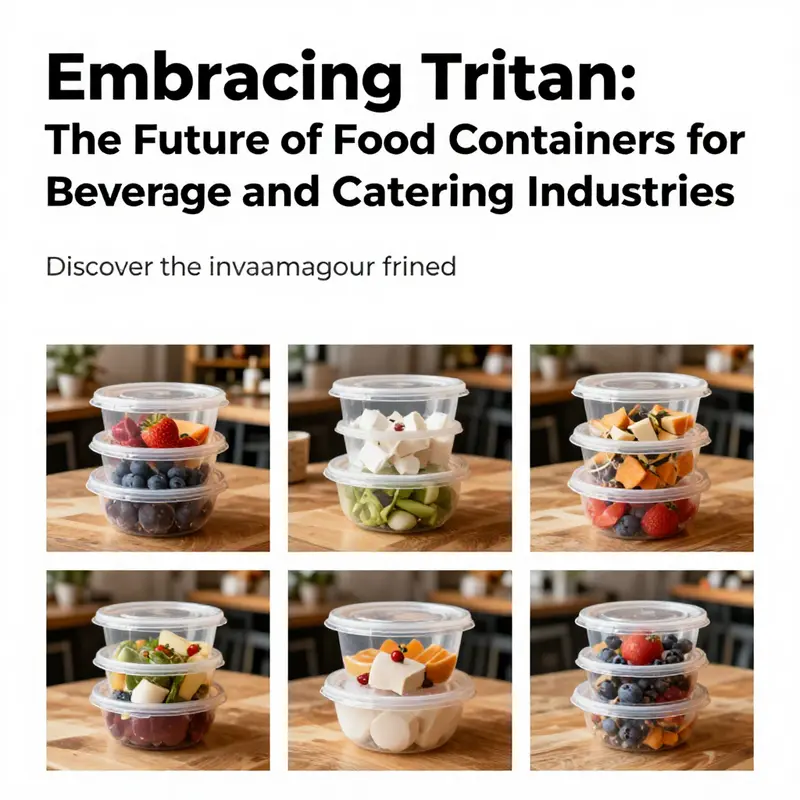
In the fast-evolving landscape of food service, selecting the right materials for food storage and service is crucial. Tritan plastic food containers, made from high-performance PCT material, stand out for their remarkable durability and safety features. Free from BPA and designed for heavy-duty use, these containers are ideal for bubble tea shops, restaurants, food trucks, and catering services. In this exploration, we will delve into the safety and durability of Tritan containers, examine their wide-ranging applications, analyze the current market landscape and pricing options, and conduct a comparative analysis with other materials. Together, these insights will illuminate why Tritan containers are an excellent choice for your business needs.
Crystal Clarity, Unyielding Strength: The Real Safety Story of Tritan Food Containers
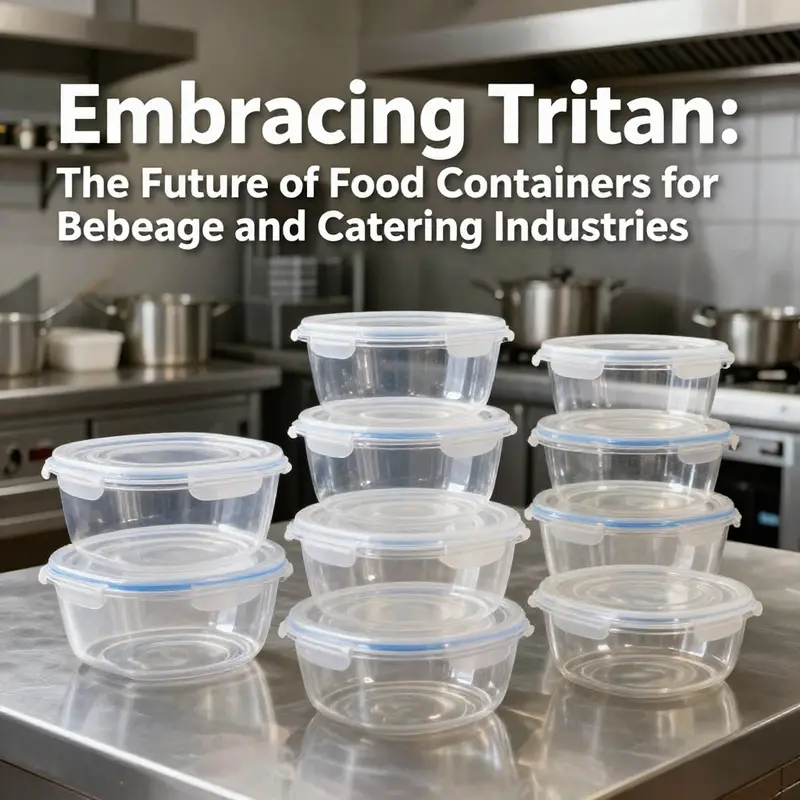
Tritan plastic food containers sit at the intersection of everyday practicality and modern safety standards. Born from a polymer system built to combine lightness with strength, Tritan is often described as a high-performance, food-grade solution that redefines how households store, transport, and prepare meals. At the heart of its appeal is a material identity that has been shaped to answer two persistent kitchen questions: Can I trust what touches my food, and can I count on my containers to endure a busy life? The answer, as many families discover, hinges on three closely intertwined qualities: safety, durability, and convenience, all wrapped in a deceptively simple package of transparency and ease of use. Tritan material is noted for being BPA-free, a feature that resonates with contemporary concerns about long-term health and the potential effects of endocrine disruptors. In practical terms, this means a container that looks and behaves like traditional plastic while minimizing the risks associated with certain older plastics. The absence of bisphenol A is not merely a selling point; it is a foundational expectation for many consumers who want a reliable option for everyday food contact. The result is a product that reassures as it performs, a quality that becomes particularly important when meals are prepared in advance, packed for school lunches, or carried on commutes and family trips.
Beyond safety, Tritan’s reputation for clarity parallels the familiar allure of glass without its fragility. The material’s optical properties make contents easy to identify at a glance, granting a practical advantage in fast-paced kitchens where time matters. Yet Tritan’s charm is not limited to appearance. The same molecular framework that provides optical clarity also contributes to remarkable impact resistance. Compared with glass, Tritan containers absorb and dissipate energy rather than shatter, offering a safer option for households with children or for anyone who relies on on-the-go meals. This resilience translates into real-world peace of mind: a spill or drop does not become a sinking feeling about broken glass or fragile components. It is this blend of safety and portability that makes Tritan especially attractive for meal-prep routines, school lunches, and workplace nourishment alike. The overarching narrative here is one of balance—glass-like visibility and plastic-like toughness—crafted to support a modern, busy lifestyle while reducing the risk of accidents or compromises in safety.
In the language of everyday use, the practical implications of safety and durability unfold through design details that matter at the kitchen counter and on the road. A defining feature is the locking lid system, which is often described as airtight and leak-proof. This isn’t merely a marketing term; it describes a mechanism that minimizes fluid leakage during transport and helps preserve the freshness of contents. The seal, coupled with the inherent chemical stability of Tritan, contributes to an overall confidence that food will stay secure whether the container sits in a lunch bag, a backpack, or a car’s trunk during a long day of errands. The emphasis on leak resistance is particularly relevant for liquids, soups, and sauces, where even a small breach in containment could lead to a messy spill or an unwanted taste transfer. In practice, this means more reliable meal planning and less waste, as people can carry homemade meals with greater assurance that flavors and textures will be preserved until they are ready to reheat or enjoy them.
Another dimension of safety that deserves attention lies in the material’s resistance to common kitchen hazards. Tritan is reported to resist chemical leaching, a feature that aligns with broad consumer expectations for health-conscious food storage. The absence of BPA, coupled with the polymer’s robust molecular design, reduces concerns about long-term exposure during repeated use. While no plastic is perfectly inert, Tritan’s performance in this regard is widely regarded as favorable, especially for consumers who routinely place containers in dishwashers or freezers. The claim that the material maintains its integrity under repeated thermal cycling and during harsh cleaning conditions is a central part of its safety narrative. It suggests a durability that can withstand the rigors of daily life—hot and cold cycles, frequent washing, and the occasional aggressive scrub—without releasing harmful substances or losing essential properties. For many households, this translates into an accessible form of long-term use, where safety and resilience are not mutually exclusive but mutually reinforcing.
The durability story extends beyond chemical safety to physical endurance. Tritan’s impact resistance and resistance to wear set it apart in a crowded field of plastics. Containers that resist scratches, staining, and odor retention offer tangible benefits over time. Scratches can trap residues and harbor odors, undermining both hygiene and flavor quality. Tritan’s surface properties, however, have a mitigating effect, helping to keep interiors cleaner and easier to sanitize. It is not a flawless guarantee against damage—heavy use or improper tools can still cause harm—but the lane it occupies is characterized by longevity and consistent performance. This durability is particularly valuable in households with young children or in environments that demand portability, such as workplaces, schools, or travelers who need reliable containers for on-the-go meals.
Another practical consideration is temperature tolerance. The literature surrounding Tritan emphasizes safe use across microwave, dishwasher, and freezer environments, with a note about oven-safe operation up to a modest threshold. This range of compatibility supports diverse culinary routines: meal preps that end up in the fridge, reheating in the microwave, and perhaps even brief oven-use for warming snacks in a controlled manner. This versatility is not a luxury but a functional response to how modern eating patterns have evolved. People now plan, prepare, and refrigerate meals well in advance, then reheat portions in a few minutes. Having a container that can progress through multiple stages of this cycle without compromising safety or structural integrity is, for many, a decisive factor in choosing Tritan. The narrative here is not about a single feature but about a cohesive system of properties that together reduce friction in daily routines.
The broader implications extend into how households approach waste, reuse, and sustainability. The story is not simply about a container that lasts longer but about one that supports repeated reuse with minimal compromise to safety or cleanliness. In this sense, Tritan aligns with a growing preference for durable, reusable options that can substitute for single-use plastics in many contexts. When families plan meals in advance and keep leftovers in transparent, sturdy containers, they also create a more predictable and organized kitchen environment. The clear walls and even lighting help track portions and freshness, facilitating better inventory management and reducing the likelihood of forgotten leftovers. The end result is a kitchen that operates with both efficiency and mindfulness, where the choice of material contributes to healthier habits and less waste without demanding sacrifices in convenience or safety.
Of course, no material is without its caveats. The durability story comes with a practical caveat about care. While Tritan resists heat and impact, it remains susceptible to damage from sharp utensils or abrasive scrubbers. A mindful approach—using non-metal utensils, avoiding harsh scouring pads, and adhering to recommended washing and handling practices—extends the life of these containers. This is not a narrative of unlimited invulnerability but a realistic portrait of responsible use. In everyday terms, you can count on the container to survive the daily hustle, but a bit of care goes a long way toward preserving its original clarity and leak-proof performance. The combination of safety, durability, and practical care guidance makes Tritan a credible option for families seeking a reliable, long-term solution for food storage, meal prep, and travel.
What emerges from this synthesis is not a single attribute but a coherent philosophy of use. Tritan embodies a balance that many consumers seek: safety without sacrificing practicality; transparency without fragility; and durability without heavy weight. The material’s reliance on BPA-free chemistry and its resistance to leaching are meaningful for those who cook for families, for caregivers who pack lunches for children, and for anyone who wants to minimize the risk of cross-contamination in a busy kitchen. The ability to move from the freezer to the microwave to the table, all within the same container, is a feature that can influence how people plan meals, how they store ingredients, and how they approach the rhythms of daily eating. In short, Tritan’s safety and durability are not just technical specifications; they are an enabling logic for a more resilient and organized kitchen culture.
As this chapter threads safety, durability, and everyday practicality together, it also points toward a longer conversation about how materials influence habits. The clarity and resilience of Tritan encourage cooks to think beyond disposal and toward reuse, maintenance, and thoughtful selection. The result is a kitchen landscape where high-performance plastics support healthier choices, consistent food quality, and less waste without forcing compromise on ease of use or portability. For anyone who wants a kitchen that travels with them through busy mornings and long afternoons, while still keeping meals safe and fresh, Tritan provides a compelling narrative of reliability that is hard to ignore. The material’s promise is not merely about what it can do in a single moment but about how it performs across repeated uses, across different contexts, and across the many small decisions that shape daily life in the modern home.
External resource for deeper technical context and contemporary evaluations: https://www.agilian.com/blog/tritan-polymer-properties-pros-cons/
Beyond BPA-Free: The Broad Versatility of Tritan Plastic Food Containers Across Home and Industry
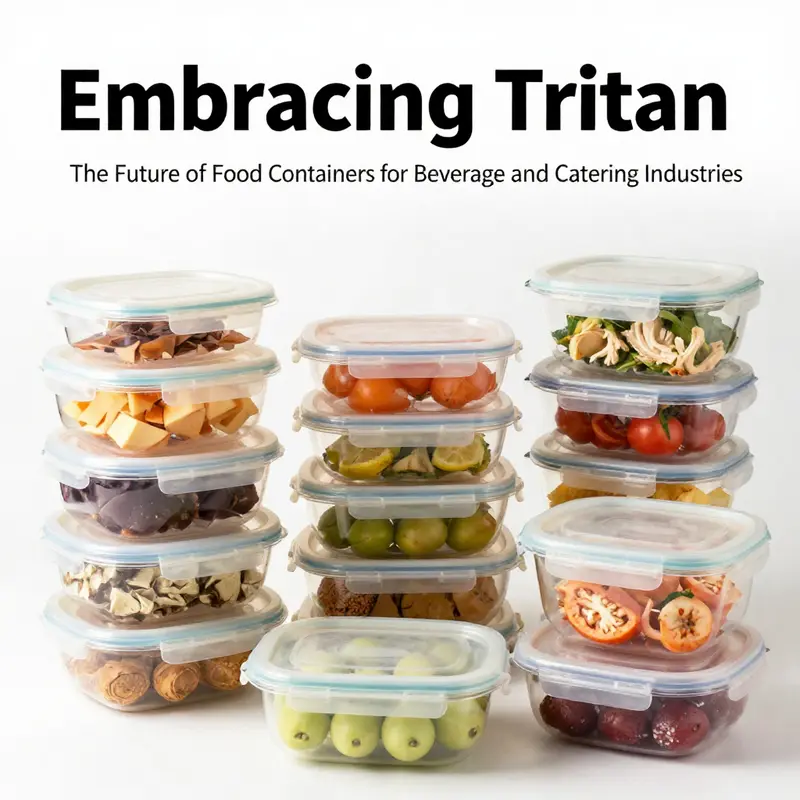
Tritan plastic food containers have quietly become a keystone in modern food storage, not merely as a single-purpose solution but as a flexible system that adapts to the rhythms of daily life. Their appeal rests on a careful balance of safety, durability, and clarity, a combination that supports both cautious kitchen habits and high-demand professional routines. In the eyes of a home cook, these containers promise a reliable home for meals, ingredients, and snacks. In the hands of a chef or operations manager, they translate into efficient workflows, cleaner facilities, and consistent product presentation. The result is a material that moves beyond a simple vessel and into a dependable framework for how people plan, prepare, transport, and preserve food.
In the home kitchen, the most immediate value of a Tritan-based container lies in its airtight seal and robust lid design. Food keeps longer when moisture and air exchange are minimized, a factor that matters whether you’re portioning yesterday’s leftovers, packing a lunch for tomorrow, or organizing a week’s worth of ingredients. The seal is not just about keeping a lid shut; it is about creating a controlled microenvironment that suppresses the processes that degrade flavor, texture, and color. Dry goods like rice, quinoa, and pasta benefit from dry, light-excluding storage, while fresh produce benefits from containment that reduces exposure to ambient moisture and odors. The transparent walls of these containers are not mere aesthetics. They empower quick visual checks, sparing daily rummaging through crowded cupboards and warming the brain for meal planning. When you see the family’s staples lined up in tidy, uniform compartments, the kitchen becomes a quiet partner in reducing waste and streamlining routines.
Yet the home kitchen is only one arena where versatility shines. In a busy kitchen that feeds many people, containment must be resilient against everyday mishaps. Tritan containers stand up to the rigors of frequent opening and closing, stacked storage, and repeated cleaning. Their chemistry resists staining and lingering odors, which matters when you switch from onion-heavy preparations to citrusy or herb-forward dishes. This resilience translates into practical benefits: fewer replacements, less frustration during prep, and a quieter, more efficient workflow. For families who balance packed lunches, school snacks, and after-school meals, the ability to repurpose the same containers across different tasks reduces clutter and simplifies decision-making at the crate-drawer level. The ability to withstand dishwasher cycles without degrading or warping further reinforces their role as a dependable everyday tool, one that endures the rhythm of a household without demanding constant maintenance.
In commercial environments, the demands are different but the underlying needs align with the home experience. Commercial kitchens, meal prep services, and catering operations require containers that can handle high volumes, frequent sanitization, and a variety of food profiles without transferring odors or colors. Here, the value proposition extends beyond personal convenience to tangible operational gains. The odor and stain resistance of Tritan materials makes them well-suited to heavy throughput settings where containers encounter diverse ingredients, from aromatic sauces to fatty proteins. They’re also prized for their light weight and toughness, which reduces hand strain during repetitive tasks and minimizes breakage—an important consideration in high-traffic prep lines. In retail packaging scenarios, the clarity of Tritan containers adds a layer of consumer appeal; seeing the contents clearly without opening the package supports quicker decision-making on the shelf. This combination of performance and perception matters equally in food packaging and courier-ready portions, where consistent presentation can influence trust and repeat business. In this context, the choice of container becomes a strategic logistics decision as much as a safety choice, shaping how efficiently a kitchen transitions from prep to service.
The broad versatility of Tritan also manifests in outdoor and travel contexts, where durability and portability take center stage. Picnic boxes, portable meal containers, and camping kits demand vessels that resist impact and shattering in the face of inevitable bumps and drops. Tritan’s toughness helps ensure that a container survives a bag rummage, a tossed backpack, or a stack of travel gear without the contents suffering. The lightweight nature of the material reduces fatigue during long outings and makes it practical to bring multiple containers for varied meals, snacks, or leftovers. The ability to withstand cold temperatures in freezers and coolers, alongside reliable performance in microwaves or conventional ovens within recommended limits, expands the scenarios in which these containers can be used while traveling. The outcome is a practical system for explorers and families alike: meals and ingredients can be prepared ahead of time, neatly stored, and transported with confidence that they will arrive at their destination intact and presentable.
Childcare applications illustrate another facet of Tritan’s versatility. Parents and caregivers seek containers that can endure repeated sterilization and accommodate frequent dishwashing, while remaining safe for children who handle them daily. BPA-free status is essential here, but it’s only part of the equation. The material’s chemical stability means it resists leaching or degradation under typical sterilization regimes, a reassuring factor for households prioritizing rigorous hygiene. Containers used for baby bottles, toddler sippy cups, and snack portions must also hold up to the rough-and-tumble reality of a child’s routine—drops, tosses, and the inevitable curiosity that accompanies early independence. Tritan’s combination of sturdiness, safety, and ease of cleaning helps families maintain consistent routines that support healthy eating habits, from early meals to school-day lunches.
The broader utility of Tritan containers extends to everyday household routines as well. Compatibility with dishwashers, microwaves, and freezers—when used within recommended limits—creates a flexible backbone for most kitchens. The ability to transition from freezer to microwave without transferring flavors or textures is a practical advantage for households that rely on batch cooking and meal-prep strategies. The high transparency of the material remains a consistent convenience, letting contents become visible at a glance. This visibility supports both organization and aesthetic appeal, as uniform containers line shelves and drawers, forming a visually calm and efficient kitchen landscape. In sum, the material’s performance is not confined to a single use; it adapts to the ebb and flow of daily life, turning routine storage into a streamlined, models-of-use system that minimizes waste, maximizes freshness, and reduces the cognitive load required to manage food.
Beyond kitchens and home use, Tritan containers have found a place in medical and laboratory settings, where non-reactive containment and clear visibility are valued for reliability and safety. In these environments, the scale tips toward precision and predictability. Storing non-reactive samples or supplies requires a material that won’t interfere with the contents, a standard that Tritan meets through its BPA-free composition and chemical stability. Although such applications may be less visible to household users, they underscore a broader truth: the versatility of Tritan lies in its consistent performance across contexts where safety, cleanliness, and predictable behavior matter most. This cross-domain reliability reinforces consumer confidence and broadens the material’s acceptance as a standard for contemporary storage.
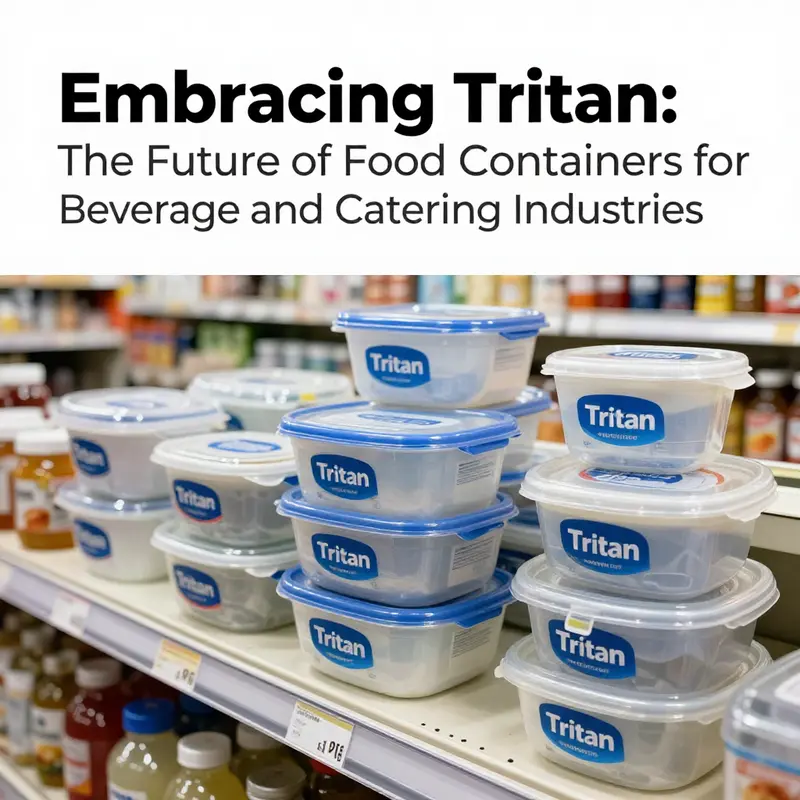
A practical way to verify authenticity and quality in the marketplace is the presence of clear branding on containers. Genuine Tritan products are often marked with a Tritan logo on the base or label, signaling adherence to the material’s defined properties. Marketing messages emphasize the core assurances—BPA-free, durable, and safe for children—while the physical cues of the logo provide reassurance in a crowded market. This branding, coupled with transparent walls and robust sealing systems, helps consumers distinguish truly durable, safe storage from lower-quality options. The result is a consumer landscape where informed choices are easier to make and where the performance expectations tied to Tritan containers align with real-world use.
The breadth of applications also invites reflection on design philosophy. A successful Tritan container is not merely a single-purpose tool but a modular element within a broader ecosystem of food storage. It should stack efficiently, be easy to clean, and accommodate a spectrum of meal sizes and types. It should also be compatible with common kitchen practices—washing, reheating, freezing—without compromising safety or sensory quality. This design philosophy helps explain why Tritan has become a preferred material for households, hospitality, and professional kitchens alike. Each container embodies a philosophy of durability and clarity, inviting users to imagine new ways to plan, prepare, and protect food across diverse settings.
As this narrative of applications widens, it is worth acknowledging how the material’s properties intersect with evolving consumer expectations. People increasingly demand containers that are not only safe and practical but also visually appealing and easy to integrate into existing routines. The sheer range of contexts—from the quiet routine of a weekday lunch at home to the high-pressure tempo of a professional kitchen or the unpredictable cadence of outdoor travel—highlights why the versatility of Tritan matters more than any single feature. The containers become a unifying thread, enabling consistent storage experiences that reduce waste, safeguard freshness, and help people reclaim time in a busy world. In this sense, the containers do more than hold food; they enable a smoother, more reliable rhythm of daily life, wherever the journey takes a person.
For readers who want to explore packaging solutions that share a similar ethos—durability, safety, and ease of use—there is a practical reference that speaks to the broader landscape of portable food packaging. eco-friendly takeout boxes for food packaging illustrate how durable materials and thoughtful design translate into convenient, hygienic, and customer-friendly containers. While these boxes inhabit a different material family, the underlying principles—clear labeling, reliable sealing, and safe handling—resonate with the Tritan experience and help frame a holistic view of modern food storage across settings.
As with any material choice, there is always more to learn. A deeper look into the science behind Tritan, including its processing, applications, and comparative pros and cons, can enrich understanding and support informed decision-making in both consumer purchases and professional procurement. For readers seeking a broader technical perspective, a detailed resource on Tritan materials offers a structured overview of how the polymer behaves under different conditions and why it has become a standard in many sectors. This external resource provides context for the practical observations described here and invites readers to evaluate performance in light of specific needs and environments.
External reference for further reading: https://www.made-in-china.com/products-search/hot-products/Tritan-Material-Explained-Process-Applications-and-Pros-Cons.html
Clarity, Durability, and the Economics of BPA-Free Copolyester Food Containers
The modern kitchen increasingly relies on containers that balance visibility, resilience, and safety. A category of BPA-free copolyester food containers has risen to meet the demands of home cooks, office staff, school cafeterias, and professional caterers. These containers promise a convincing blend: clear material so contents are easily seen, a toughness that withstands daily knocks, and a safety profile that reduces concerns about evolving regulations and consumer expectations. In markets that prize practical, reliable packaging, such containers have become a cornerstone of daily food management. They fit neatly into the choreography of meal prep, storage, circulation, and even delivery, where every drop of leakage or every chipped edge can disrupt workflows and erode trust. The material behind this class of containers is carefully engineered to avoid the typical drawbacks found in some plastics. It offers high impact resistance so trays and lids stand up to the inevitable bumps of a busy kitchen or a bustling delivery route. It also exhibits strong high temperature performance, remaining stable in microwave or oven-assisted reheating scenarios that are common in homes and food service operations. Additionally, its resistance to odors and stains means a single container can be reused across a week of different meals without retaining the scent of the last one. All of these properties contribute to a practical narrative: containers that look good, endure heavy use, and safeguard the flavors and freshness of food with minimal fuss. The emphasis on a transparent, glass-like clarity is not merely cosmetic. The ability to view the contents at a glance reduces the need for unnecessary handling, which can lower the risk of cross-contamination and speed up routine tasks in busy kitchens. This fusion of aesthetics and function is a recurring theme in the design and marketing of BPA-free copolyester containers. It reassures users that they are choosing a modern, health-conscious option that aligns with a broader shift toward safer, more sustainable packaging. The safety story is central. BPA-free formulations address long-standing consumer concerns about chemical exposure, a concern that has only grown as households expand recycling and waste reduction efforts. In many regions, regulators and manufacturers alike emphasize that consumer-grade food storage solutions should minimize risk factors without sacrificing convenience. In this sense, the material choice signals a deliberate stance: safety need not be sacrificed for performance, and performance need not be sacrificed for aesthetics. The practical upshot is a versatile tool for food storage, meal preparation, and food service logistics. For home cooks, these containers simplify the rhythm of planning and leftovers. A family can prepare a week’s worth of lunches in a few batches, seal each portion reliably, and know that the presentation will remain appealing upon retrieval. For meal-prep enthusiasts and working professionals, the containers offer a reliable, reusable option that keeps food fresh through fridge or freezer cycles and through the varied temperatures of daily routines. In workplaces where lunches are provided or where employees bring meals, the clear, sturdy design helps reduce waste and streamline the flow of food distribution. For students and classrooms, the durability and easy-clean properties encourage repeated use, even in environments where containers face rough handling or frequent dishwashing. The emphasis on leak-proof seals and compatibility with common reheating methods broadens the scope of what is feasible in fast-paced settings. When a lid snaps shut with a confident click, a sense of security follows: liquids stay put, and foods stay fresh longer. This is not merely a convenience feature; it translates into measurable reductions in waste, a practical advantage for households watching every dollar and every nutrient. The economic layer beneath these benefits is nuanced. The market for BPA-free copolyester containers shows a tiered pricing pattern that reflects both scale and specification. In practice, wholesale procurement can start with small batches where the unit cost hovers around a modest range. For orders as small as two pieces, prices typically float in the vicinity of a dollar seventy-five to two dollars per piece. This is the entry point for households testing different sizes, families seeking a starter set, or small offices stocking basic meal-prep kits. As orders scale to larger volumes, the economics shift noticeably. For orders around one hundred pieces, unit prices commonly fall to roughly five dollars and fifty cents to six dollars and fifty cents. This tier reflects not only the economies of scale but also the efficiency gains realized in manufacturing, packaging, and distribution when demand grows. Ordering five hundred pieces further nudges the unit price to about five dollars and ninety-five cents, illustrating the incremental savings that accompany bulk procurement. The most pronounced price signals appear in customized or large-volume agreements. When customers seek brand personalization, specialized lids, premium sealing systems, or bespoke packaging, the minimum order quantity can climb into the thousands, with prices starting from around thirty dollars per set. In other words, the cost curve widens at the top to accommodate added features and branding, while the midrange continues to offer strong value for a broad spectrum of buyers. Across the mainstream market, the typical price band centers in the seven to thirty-dollar range per set, shaped by brand perception, container capacity, structural design, and the presence of features like air-tight seals, microwave compatibility, and leak-proof architecture. These attributes are not mere marketing hooks; they translate into measurable differences in the user experience. An air-tight seal reduces the risk of leaks during transit, a critical factor for takeout operators and catering services that rely on dependable containment. Microwave compatibility expands the containers’ utility, allowing reheating directly in the same vessel without transferring contents, an efficiency gain cherished by families and workplaces alike. Stackable and nesting designs offer logistical advantages, enabling more efficient warehouse storage and easier transport in bulk. Each feature contributes to a composite value proposition. The efficiency gains extend beyond the kitchen. Lightweight containers, compared with glass or heavy-duty alternatives, reduce freight costs and energy consumption during distribution. In a landscape where takeout and group dining are persistent growth drivers, the ability to transport more meals with less weight is more than a convenience; it is a strategic asset. This is especially true for catering companies, campus meal plans, and multi-site food service operations that move large volumes across cities or regions. The economics of these containers mirror the broader transition toward safer, more sustainable packaging solutions. Consumer demand centers on several converging trends. First is safety: households want packaging that supports healthy food handling without introducing suspect chemicals into daily life. The BPA-free attribute is central to this narrative, and it resonates with a growing awareness of how packaging choices align with health and wellness goals. Second is transparency and appeal: the clear material provides a visual cue that content is fresh and unadulterated, which is particularly valuable for meals, salads, and prepared foods where appearance matters for appetite and trust. Third is adaptability: containers that tolerate freezer cold, refrigerator storage, and microwave reheating without degrading are highly valued in busy homes and professional kitchens alike. Fourth is ease of cleaning and reuse: the materials should withstand frequent washing and the dishwasher cycle, reducing maintenance time and encouraging reuse. Fifth is sustainability in practice: although plastic remains controversial in public discourse, durable, reusable options with cleanable surfaces contribute to waste reduction when used responsibly and disposed of through appropriate channels after their lifecycle. The intersection of safety, efficiency, and cost creates a compelling case for BPA-free copolyester containers as a practical standard in modern food handling. They fit not only into apartment kitchens and dorm rooms but into the workflows of food-service operations that demand reliability and speed. For caterers and delivery services, the ability to segment inventory into clearly visible, leak-proof units simplifies packing, reduces returns from damaged containers, and can improve customer satisfaction through consistent presentation. The ability to see the contents without opening the lid cuts down on handling, which in turn reduces the chance of contamination and temperature loss during the day’s service. The design emphasis on clarity also means that contents can be displayed or labeled with minimal effort, an advantage when managing multiple meal options or dietary accommodations in a single service window. As the market evolves, designers and manufacturers refine these containers to meet even stricter requirements. The trend toward modular sizing means customers can mix and match lids and bases to suit varied portions, while maintaining the benefits of a single family of containers. The emphasis on air-tight sealing is not merely about preventing leaks; it is about preserving moisture, texture, and aroma, which are essential to consumer satisfaction. In a competitive landscape, packaging that keeps a lasagna from drying and a soup from thinning while still offering a straightforward cleanup cycle is a meaningful differentiator. To illustrate how these packaging considerations translate into real-world choices, consider the broader ecosystem of food packaging used in takeout and meal-prep operations. The same priorities that drive the appeal of BPA-free copolyester containers—durability, safety, and practicality—are mirrored in other packaging formats that prioritize leak resistance, microwaving capability, and ease of sanitation. For businesses and households alike, that alignment matters because it creates a coherent set of expectations about performance, reuse, and end-of-life handling. Within this landscape, a practical takeaway for consumers and organizers is the importance of aligning container choices with actual usage patterns. If the goal is weekly meal-prep and daily office lunches, investing in a robust set with patently strong seals, dishwasher compatibility, and clear visibility makes sense. If the use case centers on occasional travel or school lunches, lighter sets with reliable lids and compact, stackable designs can maximize portability without compromising safety or cleanliness. In all scenarios, the central takeaway remains consistent: containers that combine safety with practical design empower better food management, reduce waste, and support efficient routines. A broader reading of market data confirms that demand for these BPA-free copolyester containers has been steadily rising. The consumer emphasis on safety, eco-friendly packaging, and convenience continues to propel both household adoption and professional usage. This demand supports diverse supply chains and drives continued innovation in material formulations, sealing technologies, and ergonomic lid designs. It also underscores the value of achieving a balance between cost, performance, and sustainability. The industry response consolidates around a few enduring principles: clarity of content, resistance to leaks, resilience under temperature variations, and an uncomplicated cleaning profile. These principles shape product development and influence purchasing decisions across segments, from individual buyers seeking reliable lunch storage to distributors outfitting cafeterias with scalable, dependable solutions. For readers contemplating the move to BPA-free copolyester containers, the message is pragmatic rather than promotional. Consider the typical use scenarios you face, the temperatures and handling the containers must endure, and the level of repeated use you anticipate. Then weigh the benefits of air-tight sealing and microwave compatibility against any incremental upfront costs. The answer often lies in a thoughtful trade-off: investing in durable, reusable containers can yield savings over time through reduced waste, fewer replacements, and streamlined service. If you want to explore real-world packaging options that align with these principles, you can learn more about eco-friendly takeout boxes for food packaging, which share the same design philosophy of leak resistance, microwave safety, and easy cleaning. eco-friendly takeout boxes for food packaging. External research that informs these market dynamics includes broader industry data on BPA-free copolyester packaging and its pricing, such as the external reference found in major wholesale marketplaces. External resources echo the pricing patterns noted above and provide additional context for buyers navigating supplier catalogs and customization options. External reference: https://www.alibaba.com/product-detail/Tritan-Plastic-Food-Containers-Wholesale-999_1600558376765.html
Clear Comparisons, Practical Choices: Tritan in Everyday Food Storage
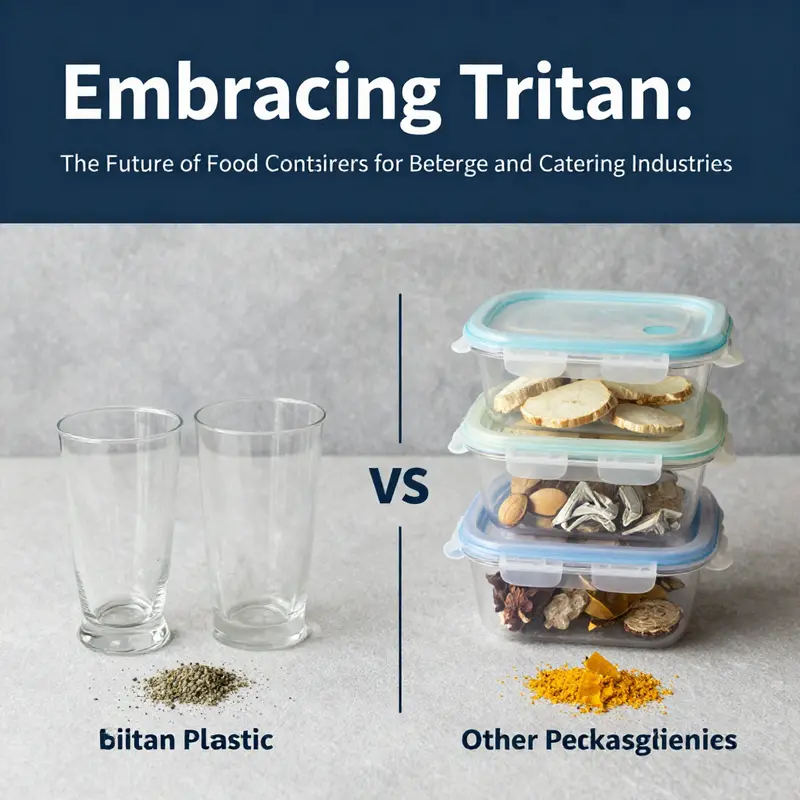
On the shelf, Tritan stands out as a BPA-free copolyester that combines clarity, toughness, and heat tolerance.
It offers glass-like transparency with lighter weight, bold resistance to impact, and suitability for microwave, freezer, and dishwasher use.
Against common plastics—PET, HDPE, and polycarbonate—Tritan often delivers a balanced mix of visibility, durability, and reliability.
In practice, containers made from Tritan tend to resist scratches, odors, and staining over repeated cycles, while maintaining clarity.
Safety-wise, Tritan is designed to minimize leaching under typical kitchen conditions and is BPA-free, addressing consumer concerns and regulatory expectations.
The result is a material that supports everyday meal-prep, storage, and re-heating with a practical, cost-conscious mindset for families, schools, and offices.
Final thoughts
In summary, Tritan plastic food containers emerge as a compelling choice for businesses ranging from bubble tea shops to catering services. Their renowned safety features eliminate concerns of harmful chemicals like BPA, while their excellent durability ensures long-lasting use in high-demand environments. The versatility of Tritan containers allows them to seamlessly integrate into various applications—whether storing prepared meals or serving delicious drinks. As we explored the market landscape, it’s evident that these containers offer competitive pricing and valuable performance characteristics. By choosing Tritan, businesses not only invest in quality and safety but also enhance their operational efficiency and aesthetic appeal.