
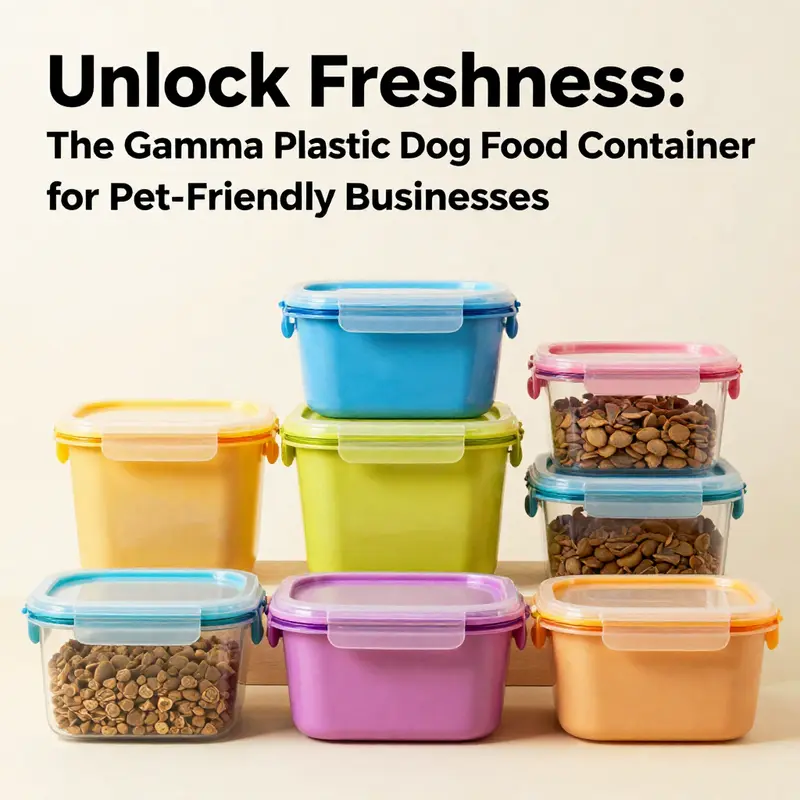
For businesses catering to pet lovers, maintaining the freshness and safety of pet food is paramount. The Gamma plastic dog food container stands out as a reliable solution, combining innovative technology and durable materials to enhance storage efficiency. This article delves into the container’s unique features, market analysis, health benefits, and best practices for usage and maintenance. By understanding these aspects, businesses such as bubble tea shops, restaurants, food trucks, and event planners can ensure that they meet the highest standards of food safety and storage minimalism in their operations.
null
null
Guardians of Freshness: Market Dynamics and Consumer Choices in Gamma-Style Plastic Dog Food Storage
The market for gamma-style plastic dog food storage is not a niche curiosity but a lens on how households manage pet care in a landscape defined by rising ownership, premiumization, and a persistent demand for convenience. Across households large and small, owners want products that protect freshness, preserve flavor, and simplify daily routines. In this sense, the category sits at the intersection of practical function and consumer psychology: storage solutions are not merely containers, but small investments in pet health, household organization, and time saved. The global pet care packaging arena mirrors this convergence. Projections show the broader market for pet food packaging advancing over the next decade, driven by more pets per household and a willingness to pay for durable, easy-to-use storage that can elongate shelf life and reduce waste. Within that frame, gamma-style plastic dog food containers emerge as a compelling option, delivering a combination of material durability, airtight sealing, and space-efficient design that resonates with today’s buyers who juggle busy lives and multiple responsibilities for their animal companions. These containers are typically manufactured from high-density polyethylene and marketed as BPA-free, features that address significant safety and regulatory concerns. In practice, owners value the reassurance that the contents remain uncontaminated, and the packaging remains free from oxygen, moisture, and odors that can erode palatability and nutrition over time. While the exact branding may vary, the essential promise remains consistent: a reliable, reusable, and food-safe solution that can be integrated into a kitchen, pantry, or utility area with minimal fuss. The emphasis on safety extends beyond the material itself. Modern consumers scrutinize how a storage solution performs under real-world conditions: exposure to heat, moisture, and daily handling. In response, gamma-style containers are designed with a tightly sealed lid and a resealing mechanism that minimizes air ingress and odor escape. The result is not only longer shelf life but a more stable flavor profile, which matters for pet owners who notice even subtle changes in a dog’s enthusiasm for meals stored over weeks or months. This emphasis on practical longevity aligns with broader packaging trends toward durability and reliability, where a product’s value is judged by how well it preserves quality from the moment a bag is opened to the last portion scooped into a bowl. The material choice—HDPE in many models—supports a robust interior that resists cracking and warping, traits that give households confidence in repeated use and stackable storage without compromising the container’s integrity. The BPA-free claim, while reassuring, sits alongside a more nuanced conversation about safety. In the literature and consumer surveys, plastics can under certain stress conditions release trace compounds. While such findings vary by polymer grade, heat exposure, and cleaning methods, the practical takeaway is clear: caregivers are now more attentive to usage guidelines, ensuring that containers stored away from excessive heat and subjected to gentle washing remain within safe operating conditions. This awareness is not a cautionary tail but a pathway toward informed, responsible use, and manufacturers are increasingly aligning product instructions with these realities to minimize risk while maximizing performance. The market environment for these storage solutions is further shaped by the economic logic of value. Gamma-style containers carve out a competitive position through price-conscious design that does not force a trade-off with durability or sealing reliability. In other words, consumers can gain meaningful savings relative to alternative storage options—such as larger, bulkier bins or specialized metal containers—while still achieving air-tight performance and long-term freshness. This balance between affordability and functionality is particularly alluring in households with multiple pets or variable intake patterns, where the cost of spoiled food or frequent repurchases could otherwise erode perceived value. As the packaging ecosystem leans into flexible formats, the narrative around durable plastic storage remains strong. The segment benefits from the broader momentum toward flexible plastic packaging, a category projected to grow substantially in the coming years. While many households still rely on rigid containers for pet food, the incremental advantages of rigid or hybrid designs—air-tight seals, pest barriers, and space-saving stackability—continue to drive adoption among buyers who want reliability, even in crowded kitchens. The economic story, then, is not simply about price tag but about cost of ownership: the initial investment, the retrieval of shelf life, and the avoidance of waste across months of feeding. In the context of consumer preferences, the health and safety discourse surrounding plastics emerges as a critical driver. Even as BPA-free plastics offer a level of reassurance, studies and consumer reports highlight that plastics can release estrogenic compounds under stress, such as microwaving or aggressive dishwashing. This nuance matters because pet owners increasingly treat pet food storage as part of a broader care routine that includes careful handling of food products and adherence to temperature guidelines. The practical implication for gamma-style containers is twofold. First, the materials and sealing system must maintain integrity under normal household conditions, ensuring that repeated opening and closing does not compromise the barrier properties. Second, clear usage guidelines should accompany the product to minimize scenarios that might elevate risk, such as exposing the interior to heat or using harsh cleaners. In response, the design ethos emphasizes both a robust barrier against air and moisture and user-friendly care instructions that help owners preserve the container’s performance over time. The consumer narrative around these products also reflects lifestyle realities. A growing portion of pet households orders or refills food in relatively large quantities to minimize trips to the store or to take advantage of bulk pricing. For such households, a container that accommodates substantial volumes—think capacities around the mid-range or higher end of the practical spectrum—offers tangible benefits. Yet this must be balanced with the desire for space efficiency. Hence, the appeal of stackable, modular designs with ergonomic lids and intuitive access points. The integrated measuring feature, often included in several models, translates to portion control that supports both feeding guides and business-like planning in multi-pet homes. The combination of capacity, sealed protection, and space-saving form factors helps explain why these gamma-style storage solutions hold a steady foothold in households that prize both practicality and the dignity of keeping food fresh. Beyond the home, these containers resonate with a broader market trend toward sustainable, reusable packaging. Reusability matters not only for environmental reasons but also for ongoing cost savings and convenience. In a world where waste reduction and resource efficiency increasingly shape consumer decision-making, durable storage solutions that can be used repeatedly across feeding cycles gain credibility. This aligns with the broader packaging narrative that values performance, longevity, and ease of upkeep. For readers curious about how packaging trends evolve in a wider sense, the external context provided by studies on flexible plastic packaging offers a useful backdrop. It is worth noting that the evolution of storage solutions in pet care mirrors these macro-shifts: from single-use or disposable arrangements to resilient, multi-use designs that users can rely on year after year. The emotional resonance of freshness—paired with the practical lure of simplicity—helps explain the continued demand for reliable containers that can protect pet meals much as a pantry keeps humans’ staples safe. In considering these dynamics, one can also reflect on the variety of materials and formats available to consumers who want to compare options. The packaging landscape includes a spectrum of choices, from classic plastic storage to more sustainable or alternative materials. Even as plastics remain dominant for their combination of cost, light weight, and barrier properties, the conversation about safety and environmental impact continues to shape how owners evaluate products. A practical takeaway for readers is the value of following guidelines that maximize product life while minimizing risk. For instance, storing pet food in a clean, cool, dry place and avoiding exposure to heat or moisture can preserve odor and flavor. Regular inspection of seals and lids helps catch wear before it translates into spoilage. These practices, coupled with a well-designed, durable container, create a reliable system that supports both pet welfare and household efficiency. To connect with broader packaging conversations, consider resources that discuss the direction of packaging innovation and how durable storage forms fit into consumer expectations for safety, convenience, and value. As you explore the options in this category, remember that the most enduring solutions are those that harmonize material resilience, airtight performance, and practical usage guidance, all while aligning with the evolving preferences of pet caregivers who seek trustworthy, time-saving products. For readers seeking further context on packaging trends beyond pet care, the external resource link below offers a comprehensive overview of the flexible plastic packaging market and its growth trajectory. External resource: https://www.marketsandmarkets.com/Market-Reports/flexible-plastic-packaging-market-1222.html. In addition, for a concrete example of how packaging options are marketed toward convenience and safety in the broader food sector, you may explore related packaging formats such as eco-friendly takeout boxes that emphasize leak resistance and microwave compatibility via this internal example: eco-friendly takeout boxes for food packaging. This connection underscores how durability, safety, and ease of use propel consumer choices across domains that share core packaging challenges.
Guardians of the Kibble: BPA-Free Gamma-Seal Storage for Safer, Fresher, and More Sustainable Pet Food
The act of feeding a dog is simple on the surface—a daily routine of bowls, scoops, and meals. But beneath that routine lies a complex web of decisions about safety, freshness, and waste. When pet owners choose how to store dry kibble or canned food, they become stewards of something more than convenience. They influence a pet’s health, a household’s exposure to chemicals, and the environment’s long-term well-being. In this chapter, we explore how BPA-free, reusable gamma plastic containers redefine what responsible storage looks like for pet food. Rather than treat storage as a passive act, these containers invite a mindful, evidence-based approach that aligns with both the science of food safety and the daily realities of pet care.
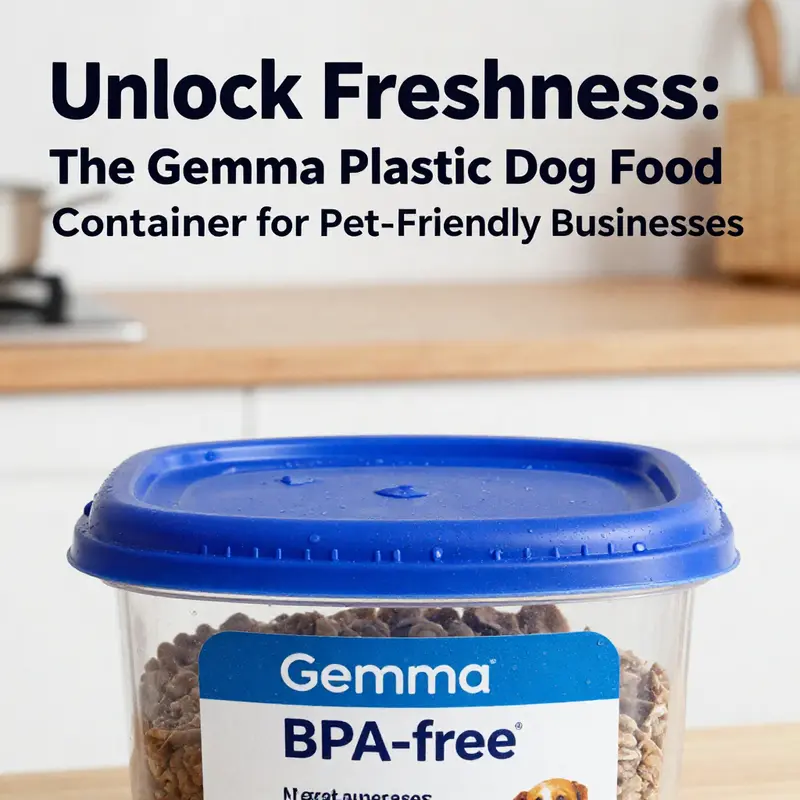
At the heart of this approach is a material and design pairing that has earned trust in many kitchens: high-density polyethylene, or HDPE, crafted into a container that pairs strength with safety. HDPE is widely recognized for its stability and relatively inert behavior when used for food contact, especially compared with other plastics that may leach chemicals under certain conditions. The BPA-free designation is more than a label; it signals a deliberate shift away from bisphenol A, a chemical that has raised concerns about hormonal disruption and longer-term health effects in both people and animals. For pet owners who routinely store kibble for days or weeks, and who often obey temperature guidelines by season or climate, choosing BPA-free storage reduces the potential for chemical migration into food, even when containers endure occasional heat exposure, like sunlight through a kitchen window or the incidental warmth of a stove back-splash area.
The gamma-seal mechanism, a defining feature of these containers, is both pragmatic and protective. It is designed to create an airtight, moisture-resistant barrier when the lid is closed in a specific way. The result is a preserve-for-longer environment where oxygen and humidity are curtailed, odors are contained, and the risk of spoilage diminishes. For families that juggle multiple bag sizes or different dog needs, this sealed environment translates into more predictable shelf life. Food remains fresh longer, which means fewer trips to replace stale kibble and less waste from uneaten portions that lose flavor and nutritional integrity over time. The ability to maintain flavor is not merely about taste; it reflects a broader concern for palatability and nutrient preservation, especially for pets with sensitive stomachs or particular dietary requirements.
A practical frame for understanding these benefits comes from the daily routines of households that weigh their storage choices against the realities of life with pets. Kibble often sits in a bag for days after opening, and open-air exposure can invite caking, crumbs, and odors that migrate into the living space. The gamma seal system, when engaged properly, minimizes those exposures. It acts as a tamper-evident barrier of sorts, signaling to every family member that the food inside is kept in a controlled environment. This is especially meaningful in homes where multiple animals share a pantry or where a rotating cast of caregivers handles meals. The seal’s effectiveness is a function of both the lid’s geometry and the precision of the threading on the container’s neck. A well-made gamma seal—not just the lid, but the entire mating surface—creates a snug, uncompromising seal that reduces the ingress of air and moisture while keeping the interior contents shielded from external odors that could otherwise cross-contaminate the taste profile of the food.
The environmental and practical virtues of reusable gamma containers extend beyond safety. Reusability is a deliberate counterweight to the single-use plastic cycle that plagues modern households. Instead of discarding bags and large plastic tubs after a few weeks, many pet families benefit from multiple cycles of use that stretch the life of one container. This aligns with broader sustainability goals, reducing the overall plastic footprint in kitchens and minimizing waste sent to landfills. In addition to reuse, these containers are typically designed for durability. Robust construction withstands daily handling, regular cleaning, and routine moves from pantry to shelf, or from a garage to the kitchen. They resist cracking and wear that could compromise the seal, a critical factor since any breach in the airtight barrier can invite moisture, mold, or pest intrusion. In practical terms, durability translates to safety: a sturdy container that can be wiped clean, dried thoroughly, and stored away from heat and direct sunlight protects the contents and supports a long, safe storage life.
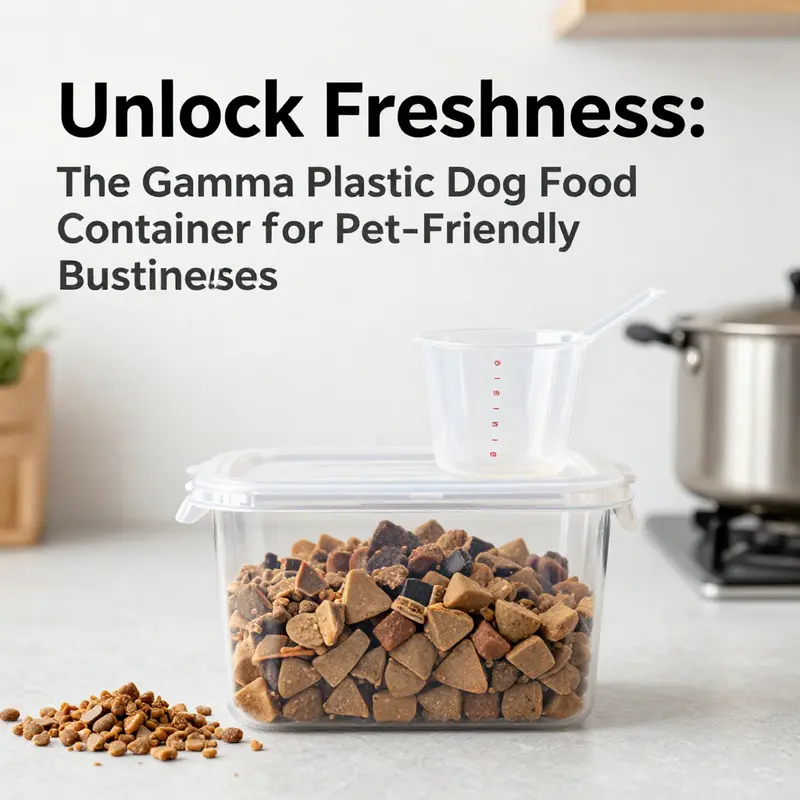
An often-overlooked advantage is visibility. Many gamma plastic containers embrace transparent or translucent sides, enabling quick visual checks of food levels. This reduces the temptation to open a container more frequently than necessary just to assess how much food remains. Less rummaging and less exposure to air can help sustain the integrity of the kibble’s dryness and aroma over time. The combination of visibility and airtight sealing creates a storage environment in which owners can monitor inventory without compromising safety. It also makes it easier to plan portions for households with multiple dogs or changing schedules, helping to minimize waste while ensuring each pet receives consistent nutrition.
Choosing the right size also matters for safety and convenience. The available capacity options—ranging from mid-size to larger storage needs—let households tailor storage to their dog’s appetite, age, and activity level. Large breeds, or homes with several dogs, may benefit from bigger containers that reduce the frequency of bag openings and the number of bags carried into the kitchen. Smaller households can opt for more compact sizes, enabling precise portioning and easier rotation of food. In every case, the goal is to preserve freshness without requiring a complex or burdensome storage routine. A well-chosen gamma container helps a family create a routine that keeps food secure, minimizes waste, and supports consistent feeding practices—factors that can have a meaningful impact on a dog’s day-to-day health and energy.
Alongside safety and convenience, the design ethos of gamma plastic storage embraces ease of maintenance. The materials and the sealing mechanism are built to withstand regular cleaning, a critical consideration given the potential for crumbs, dust, or incidental spills. Users can typically wash the container with mild soap and water, ensuring thorough drying before resealing. The ease of cleaning helps prevent the accumulation of residual odors, which is important because odor can signal food quality to both pets and humans. When odor is controlled at the source, dogs are more likely to approach meals with a positive demeanor, and owners enjoy a calmer kitchen environment. The seal itself also resists wicking and seepage that could otherwise trap moisture in crevices, a feature that reduces the likelihood of mold and bacterial growth at the interface between lid and body.
The health angle extends beyond the container’s immediate interaction with dog food. BPA-free materials, coupled with durable, food-safe manufacturing standards, contribute to a broader culture of informed choice in pet care. For consumers who actively seek guidance, reputable health and safety authorities emphasize minimizing exposure to potentially harmful chemicals in food contact materials. The BPA-free status reduces the risk that the container will contribute any leaching under typical storage conditions. Meanwhile, the gamma-seal system’s airtight performance minimizes moisture intrusion, a factor that can accelerate spoilage and encourage the growth of spoilage organisms in kibble, particularly in humid environments. The net effect is a storage solution that supports safer, longer-lasting food without resorting to preservatives or additives that might alter a dog’s diet balance.
For households that are mindful of environmental impact, the reusable nature of these containers offers a practical pathway to reduced waste. Rather than discarding bags or single-use containers after they’ve been opened, families can reuse the same storage vessel for months or even years with proper care. This approach aligns with broader goals of responsible consumption and waste reduction. The durability of HDPE and the longevity of the gamma seal system work together to provide a sustainable option for daily pet care. And because the containers can be stacked, they help conserve kitchen space, a welcome feature for urban homes or smaller living areas where storage efficiency matters just as much as safety.
From a practical standpoint, responsible storage also means thoughtful placement and stable conditions. It is wise to store pet food in a cool, dry location away from direct sunlight and heat sources, which can accelerate the degradation of dry kibble and potentially affect the effectiveness of the seal over time. While the gamma-seal design offers robust protection, a stable environment minimizes the risk of warping, which could affect the lid’s seal. Regular inspection of the container’s exterior and lid interface can catch early signs of wear before a breach occurs. If you notice cracks around the sealing edge or if the lid becomes misshapen, it is a cue to replace the container or to use the lid with great care to preserve its protective properties. A consistent routine—checking seal integrity, ensuring the container is fully closed, and cleaning components regularly—helps sustain safety and freshness across seasons.
In this light, the decision to invest in BPA-free, reusable gamma plastic containers becomes a practical, evidence-based step in ensuring pet health and household well-being. It reconciles a desire for convenience with a duty to reduce chemical exposure and waste. The goal is not to complicate feeding but to elevate it: safer materials, smarter design, fewer open bags, and a storage system that respects both the pet and the planet. To further explore related considerations in food packaging and material safety, you can look at other contexts where durable, reusable containers play a role in protecting contents and reducing waste, such as eco-friendly takeout packaging. For example, eco-friendly takeout boxes for food packaging illustrate how thoughtful design can maintain integrity while supporting sustainability, a principle that translates well to pet food storage as well.
As you plan how to incorporate a gamma plastic storage solution into your home, consider not only the immediate benefits for safety and freshness but also the broader context of ongoing care. A well-chosen container becomes part of a daily ritual—a reminder to verify ingredient quality, monitor expiration dates, and keep feeding routines consistent. The simple act of closing a lid becomes an act of stewardship, a small but meaningful contribution to a pet’s vitality and longevity. In this way, the gamma plastic container is more than a receptacle for food; it is a partner in responsible pet care, a quiet guardian that protects nourishment from the moment a bag is opened to the moment the last scoop is served.
External resources and authoritative guidance on safe storage materials can provide further reassurance. For those seeking official, science-backed information on chemical migration and food-contact materials, a reliable starting point is a government resource that consolidates current guidelines and risk considerations. See FoodSafety.gov for accessible, authoritative information on safe food storage practices and material choices that minimize exposure to potentially harmful chemicals. This chapter has framed a practical, real-world application of those principles in the pet domain, where the health of a beloved animal often motivates more careful daily decisions.
In sum, BPA-free and reusable gamma plastic containers offer a compelling combination of safety, freshness, and sustainability for pet food storage. They address the core concerns of pet-owning households: protecting a dog’s nutrition from environmental factors, reducing the risk of chemical exposure, and supporting a cleaner, more organized kitchen. They also invite a broader reflection on how everyday objects—containers, lids, and seals—interact with health science to shape better outcomes for pets and people alike. The result is not merely a more efficient pantry but a practical embodiment of responsible care that honors the trust placed in us by our canine companions.
Guardians of Fresh Kibble: Preserving Flavor and Nutrition with Gamma-Seal Storage for Dog Food
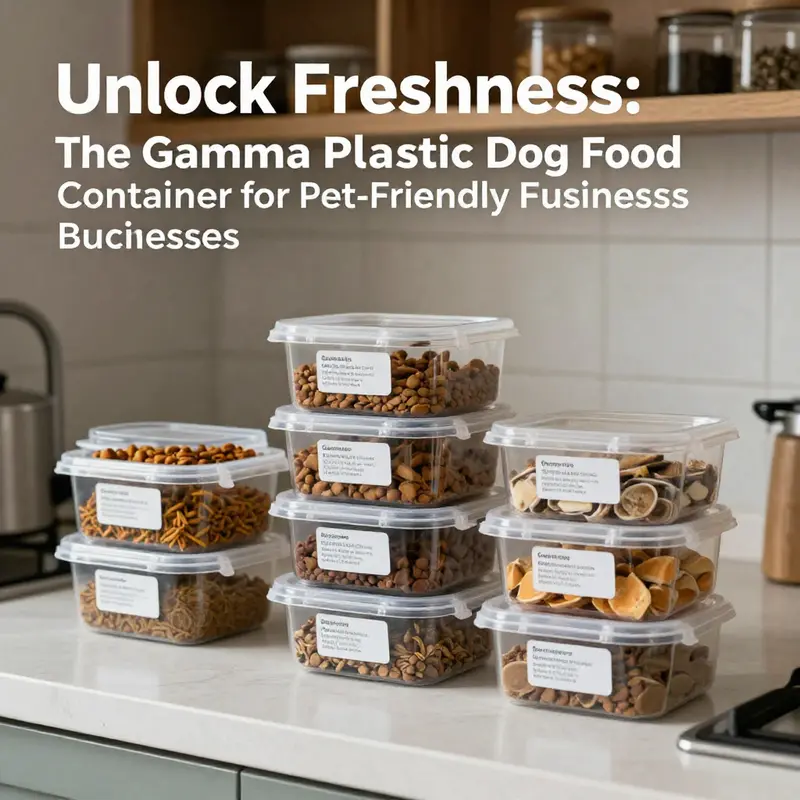
Keeping a dog’s meals flavorful, nutritious, and safe rests on more than choosing a good kibble. It depends on the storage that protects every bite from the everyday enemies of freshness: moisture, air, heat, and little critters that drift through pantry corners. The gamma-style plastic dog food container rises to meet this need with a design philosophy built around a simple but powerful idea: seal in what matters most while fitting cleanly into busy kitchen routines. These containers are crafted from high-density polyethylene that is BPA-free and reusable, a practical backbone for households that want reliable, long-term storage without compromising safety. The material choice is more than a detail; it informs how the container behaves in real life. HDPE is sturdy, resilient to daily handling, and unlikely to crack under the weight of a big bag of kibble or a stackable pantry system. BPA-free status addresses a common consumer concern about contact with food, adding a layer of reassurance that the container is designed with pet health in mind without raising new worries about chemical exposure. In this light, the container becomes less about a fashionable accessory and more about a dependable tool that supports a regimen of consistent feeding and predictable meal times for a family of pets. The most striking feature, however, is the gamma-seal technology—a patented sealing system that aims to shut the door on the factors that can erode both the food’s freshness and its flavor profile over time. When air is kept at bay and moisture is kept out, the kibble is less likely to lose its aroma, and the fats within the food stay closer to their original state. The result is a tangible difference in the aroma that greets a hungry dog and in the way kibble performs when it hits the bowl. This is not only about smell; it is about preserving the structural integrity of the food as well. Freshness matters in texture, which can influence a dog’s willingness to chew and enjoy each meal. A sealed container helps prevent the softening or staleness that can become a problem after weeks of storage in a pantry or kitchen cabinet. For households that juggle multiple dogs or seasonal feeding needs, the container’s design emphasizes a balanced approach to space, function, and simplicity. The gamma-style seal works with a space-saving, stackable form that can accommodate two containers in a vertical arrangement, an option that makes efficient use of limited floor space in smaller kitchens or apartment pantries. This stacking capability is more than a clever gimmick; it is a practical solution to storage constraints that many pet owners encounter. A compact footprint means fewer trips to the garage or basement to retrieve kibble, which translates into less risk of leaving an open bag exposed to air, humidity, or pests during transfers. It also supports a tidy, organized storage strategy that can simplify household routines, especially when different family members share responsibility for feeding schedules or shopping tasks. In a broader sense, these containers embody a philosophy of dynamic storage that respects the realities of domestic life. They acknowledge that the way people live—often in compact spaces, with busy calendars and a desire to minimize waste—should shape the tools used to store food. The integrated design can include a measuring aid, a small convenience that reduces the guesswork involved in portioning meals. While not every version includes this feature, the option to have an integrated measuring cup aligns with practical feeding habits, particularly for households that want to maintain portion control or tailor meals to different dogs’ needs without sacrificing speed or accuracy. In the day-to-day rhythm of pet care, such details matter. They translate into fewer trips to the store, less overfeeding or underfeeding, and a more predictable feeding routine that supports both health goals and household harmony. The gamma-seal concept also addresses the problem of odors—an issue that can quietly become a nuisance in a home with multiple pantry items. An airtight seal minimizes the escape of kibble scent, which in turn helps maintain a calmer kitchen environment and reduces the likelihood that other household foods will attract pests simply by inadvertent scent trails. All of these points come together to deliver a simple promise: when food is stored in a gamma-style container, the quality of what goes into the bowl is more likely to remain faithful to what was originally formulated by the manufacturer. That fidelity translates into a more satisfying meal experience for the dog, where texture, aroma, and taste align with expectations and training or dietary plans remain consistent over time. Capacity options play a practical role in how a family chooses a storage solution. A 40-pound version suits households with larger dogs or several pets, offering substantial space without turning the pantry into a maze. A 50-pound variant pushes that storage envelope further, a choice frequently favored by households that want a single container to cover longer intervals between restocks or to reduce shopping frequency. A 30-pound option provides flexibility for medium- to small-dog households or for owners who prefer tighter portion control and easier handling. The ability to stack, while preserving lid integrity and seal performance, means these containers adapt to kitchens where vertical space matters as much as floor area. It is a practical synergy: robust sealing meets space-conscious design, and the result is a reliable system that supports a routine rather than complicating it. When maintenance becomes part of the habit, the container’s longevity and effectiveness are preserved. Regular cleaning with warm, soapy water and a soft sponge ensures residues do not accumulate at the seam or inside the lid where moisture might otherwise linger. Abrasive cleaners or harsh chemicals are a misfit here; they can mar the plastic, degrade the seal, or leave residues that might affect future contact with food. Thorough drying before refilling is essential; any residual moisture can become a seedbed for mold or mildew that would disrupt freshness and could compromise the seal’s effectiveness. The storage location matters too. A cool, dry place away from direct sunlight protects the plastic from heat and UV exposure that can degrade the polymer over time, dulling its appearance and potentially affecting its long-term integrity. These maintenance steps, while straightforward, create a cycle of care that extends the container’s life and preserves the very benefits that make it attractive in the first place: lasting freshness, reliable aroma, and crisp texture in every bowl. The overarching aim is straightforward: to minimize waste and maximize value, especially for families who want their dog’s meals to stay close to original expectations from the moment the kibble is poured into the container until the last portion is served. That continuity—across weeks or months of storage—depends on a container that is designed not only to seal but to endure. It is a practical marrying of form and function, where the material choice, the sealing technology, and the thoughtful, space-conscious design converge to support responsible food storage for pets. For readers who wish to explore deeper technical details, user experiences, or specifications, a trusted reference point is available on the official product page, which provides broader context on design intent, user feedback, and performance data. This resource helps translate the general principles discussed here into concrete expectations about how a gamma-style container can integrate with a household’s daily routines. As with any storage solution for pet food, the key is to view the container as a long-term partner in the care of a companion animal. When one builds routines around proper sealing, careful cleaning, and mindful placement, the benefits unfold gradually: fresher meals, fewer trips to restock, less waste, and a calmer, more predictable mealtime for dogs and their humans alike. And while the specifics of model choices will vary, the core advantages remain consistent—air, moisture, and pests held at bay by a seal that is designed to endure, a material that is safe and reusable, and a design that respects the practical realities of modern kitchens. For those who want a starting point to learn more about the technology and its real-world implications, the broader conversation around airtight food storage in households continues to evolve, with feedback from pet owners and food-safety researchers guiding improvements and innovations. To see how this philosophy translates into a real-world product page, readers can refer to the official overview provided by the linked resource: https://www.amazon.com/dp/B07V5X1QKZ
Final thoughts
Understanding the multifaceted benefits of the Gamma plastic dog food container allows businesses in the food and beverage industry to pick a product that not only preserves food quality but also enhances operational efficiency. By leveraging Gamma Seal technology and BPA-free materials, companies can appeal to health-conscious consumers while simplifying their storage solutions. The reliability and convenience offered by Gamma containers will ensure that they meet the high expectations of pet owners and food service professionals alike.