
As the world shifts towards more sustainable practices, China’s disposable paper bowl manufacturing industry has become a beacon of growth and innovation. With a surge in environmental awareness and stringent regulations against single-use plastics, businesses in the food and beverage sector are increasingly turning to eco-friendly packaging solutions like disposable paper bowls. This article delves into the key players shaping the industry, explores growth trends, and highlights technological innovations that are revolutionizing production processes. Furthermore, it examines the market dynamics that affect beverage chains, restaurants, food trucks, catering services, event planners, and corporate procurement teams, providing a comprehensive understanding of this rapidly evolving market.
Navigating Pioneers and Technological Frontiers in China’s Eco-Friendly Disposable Paper Bowl Industry
China’s disposable paper bowl industry is not only a thriving manufacturing sector but also a testament to innovation and sustainable practices in a world increasingly focused on environmental conservation. At the heart of this burgeoning field are industry leaders whose commitment to eco-friendly production, technological advancement, and large-scale operation has set high standards for competitors at home and abroad. In this landscape, several key players have made their mark by combining advanced machinery, streamlined production processes, and a keen sensitivity to global ecological imperatives.
One of the prominent names in this sphere is Anhui Mingde Medical Care Products Co., Ltd. Recognized as a wholesale manufacturer specializing in disposable printed takeaway paper bowls, the company has built a robust reputation based on its ability to cater to diverse commercial needs. Serving restaurants, hotels, and catering services, Anhui Mingde’s product range includes not only paper bowls but also printed lids designed for secure food storage and efficient takeaway service. The company has capitalized on market tendencies by offering customized solutions that meld aesthetic printing with high functionality. This dual focus on visual branding and practical design not only appeals to food service providers but also demonstrates a broader commitment to a cleaner environment by reducing reliance on single-use plastics. The scale of production and dedication to hygienic standards position Anhui Mingde as a pivotal contributor to China’s reputation as a leader in sustainable disposable tableware.
In a complementary role, T Pac Enterprises Ltd. has emerged as an integral intermediary within the supply chain of the disposable paper bowl industry. Acting as a supplier with access to a wide array of products—including paper cups and other disposable tableware—T Pac operates at the fulcrum of order facilitation and product distribution. As market demands shift rapidly, T Pac’s agility in coordinating logistics and ensuring seamless delivery across diverse outlets externally supports many factories and retailers in the domestic and international markets. Their active involvement in aggregating orders and facilitating transactions underscores the importance of a robust and responsive supply chain. In an industry where efficiency can directly influence environmental outcomes, T Pac’s role further accentuates the collective efforts made by industry players to reduce waste, minimize energy usage, and optimize the production process for better scalability.
A notable example of a company blending sustainability with technological advancement is Shaoneng Group Guangdong Luzhou Eco Technology Co., Ltd. Hailing from Guangdong Province, this organization not only boasts the status of an audited supplier but also carries a strong reputation for its environmentally conscious production methods. The inclusion of the word ‘Eco Technology’ in its name is more than mere branding; it reflects a deep operational commitment to producing eco-friendly products in alignment with internationally recognized safety and environmental standards. The company leverages advanced manufacturing techniques to produce biodegradable food containers and bamboo-pulp derived disposable products. Certification by bodies such as the US FDA and the Biodegradable Products Institute underscores its adherence to rigorous safety protocols while simultaneously ensuring that its products meet high standards for compostability. By merging environmental stewardship with technological progress, Shaoneng Group exemplifies the direction in which the industry as a whole is heading.
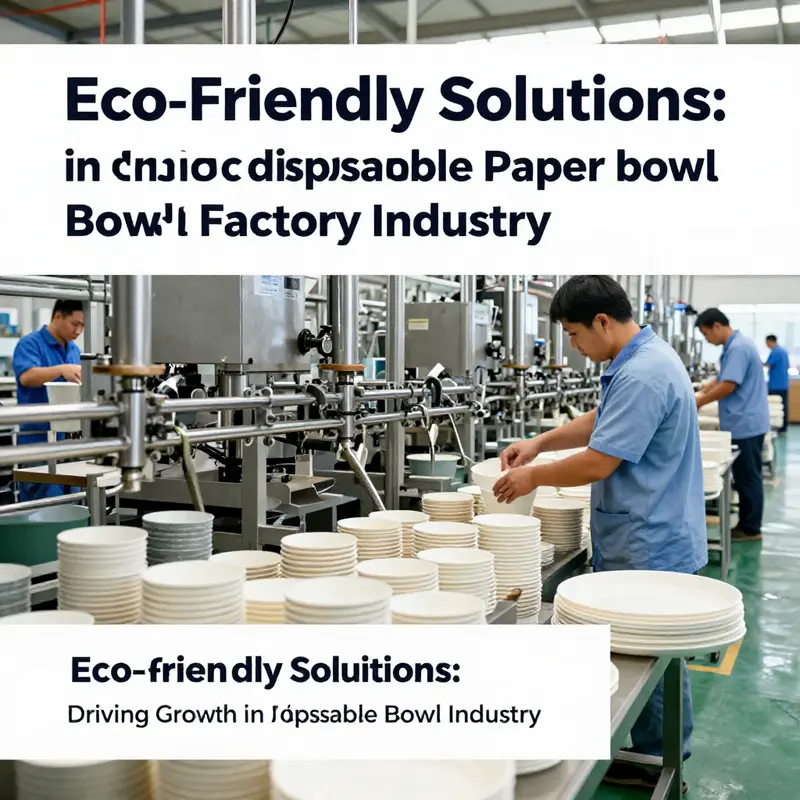
In contrast to companies that focus primarily on the finished products, a separate yet equally critical element of the industry is represented by large manufacturing entities often referred to simply as Group Corporations. One such entity operates with over one hundred advanced pieces of production equipment across multiple high-speed production lines. The massive facility not only produces paper bowls at an impressive rate—up to 600,000 paper products daily—but also manufactures complementary items such as ice cream cups and double-wall coffee cups. This scale of operation is enabled by the integration of high-speed printing and molding machines, which ensure that product quality and production efficiency remain uncompromised even as volumes surge. Such advancements are a direct result of investments in state-of-the-art automated systems, which include programmable logic controllers (PLC), sensors for real-time monitoring, and data analytics tools for ongoing process optimization. The successful deployment of these technologies has allowed manufacturers to reduce labor costs, mitigate human error, and achieve margins that allow the industry to thrive under stringent environmental regulations.
The story of China’s disposable paper bowl industry is not solely one of high-volume production or technological wizardry; it is also one marked by an evolving commitment to environmental sustainability. As global awareness about reducing plastic waste continues to rise, manufacturers in this sector have been quick to innovate and develop products that are not only efficient but also eco-friendly. The transformation of raw materials—from conventional pulp to biodegradable alternatives—demonstrates a deliberate pivot towards sustainability. Many companies in the industry now use plant fibers, such as bamboo pulp and sugarcane pulp, which are naturally resistant to heat and can be processed under high temperatures to enhance durability without compromising environmental integrity.
This commitment to environmental stewardship has become an essential competitive advantage in both domestic and international markets. Consumers and businesses across the globe are increasingly seeking products that reduce ecological footprints, and China’s disposable paper bowl manufacturers have been quick to meet this need by delivering products that are oil-resistant, waterproof, and capable of withstanding the rigors of microwave or oven use. The convergence of these functional benefits with biodegradability and sustainability has positioned Chinese manufacturers as ideal partners for companies striving for greener supply chains. Indeed, the efforts made by enterprises such as Anhui Mingde Medical Care Products and Shaoneng Group mirror the broader industry trend where technology and sustainability converge, enabling the production of safe, high-quality disposable tableware that can meet rigorous environmental and functional standards.
Beyond the individual success stories, the overall market trend in China has been one of significant growth, buoyed by rapid advancements in production technology and increasing domestic as well as global demand. From the steady expansion of food delivery services to the rising insistence on environmentally responsible packaging solutions, the disposable paper bowl sector has evolved into a sophisticated market characterized by a blend of high-production capacity and bespoke product offerings. In this environment, investments in automation and robotics have brought about impressive leaps in production efficiency. Companies now dedicate considerable resources to integrating automated equipment that not only streamlines the manufacturing process but also enhances product consistency—a critical factor given the diverse applications of disposable tableware.
The synergy between technology and environmental consciousness manifests itself in the design of production lines that accommodate various production specifications, including custom printing options, size variations, and material configurations. For instance, the integration of high-speed printing presses with modern molding machinery allows companies to produce printed paper bowls that are both visually appealing and functionally robust. Such innovations reflect a deep understanding of market dynamics, where consumer preferences are equally influenced by branding and sustainability. Manufacturers have responded by developing products that can be easily disposed of or recycled, thus offering a viable alternative to traditional plastic counterparts. These efforts are further bolstered by internal process optimizations and energy-efficient practices adopted by manufacturing units, ensuring that the drive towards mass production does not come at the expense of the environment.
As companies continue to push the boundaries of what is possible with disposable paper bowl manufacturing, technological breakthroughs remain a critical pillar of success. The integration of sensor-based operations and real-time monitoring systems allows quality control processes to be embedded within every production line. These systems not only detect and rectify faults in real time but also facilitate the collection of production data for further process refinement. In turn, such capabilities drive down production errors and result in products that meet the high standards expected by modern consumers. The future of this industry is likely to be shaped by further innovations, such as the use of artificial intelligence to predict maintenance needs and dynamically adjust manufacturing parameters based on real-time demand and raw material availability.
In this context, the evolution of the paper bowl industry is emblematic of a broader shift in manufacturing paradigms. While traditional methods focused on manual oversight and standard production protocols, modern techniques emphasize automation, precision, and environmental compatibility. The gradual phasing out of outdated materials in favor of those that are environmentally benign, combined with improved production efficiencies, paves the way for a practical yet eco-friendly approach to disposable tableware. Moreover, the collaborative efforts among suppliers, manufacturers, and intermediaries have evolved into a tightly knit ecosystem where each stakeholder plays a critical role in meeting the dual mandates of market competitiveness and ecological sustainability.
While the advances in production technology are indeed impressive, the key to long-term success in this industry lies in the ability to adapt to ever-changing market conditions and regulatory frameworks. The global regulatory environment is increasingly favoring products that minimize environmental harm, and manufacturers have had to adopt proactive strategies to ensure their products comply with international standards. The integration of eco-friendly production methods, along with rigorous quality assurance processes, confirms that China’s disposable paper bowl industry is not just a reactionary measure to current trends but a well-considered move towards a sustainable future. Companies continue to invest in research and development, ensuring that their products are not merely functional disguises but are also demonstrative of a broader commitment to reducing the environmental footprint.
In addition to these technological and environmental shifts, the industry’s market dynamics are also influenced by the infrastructure that supports the manufacturing process. The domestic landscape is marked by numerous small-to-medium enterprises (SMEs) that are nimble and flexible enough to quickly adapt to new trends, as well as larger conglomerates that possess the resources required for extensive research and high-volume production. For businesses looking for products that blend quality and sustainability, the interplay between these different types of companies is reassuring. The competitive landscape creates a scenario where innovation is rewarded, and cost-effective, high-quality, environmentally responsible products have become the norm rather than the exception.
This dynamic environment is further enriched by the continuous flow of new ideas and process improvements. For example, many manufacturers are exploring alternative raw materials and innovative production techniques that will further reduce the carbon footprint of their operations. Efforts in this direction often include collaborations with research institutions, investments in renewable energy sources, and improvements in waste management processes. Such measures not only reduce production costs over the long term but also ensure that companies remain compliant with evolving environmental regulations both at home and in export markets. Indeed, the link between sustainable production and market resilience is becoming increasingly clear. For businesses in this arena, the ability to innovate in production methods represents a key driver for maintaining long-term competitiveness in an increasingly eco-aware global marketplace.
These advancements are mirrored by a growing interest among end users who appreciate the dual benefits of eco-friendly and high-performance products. Consumers are now more informed and demand transparency in both production processes and product materials. The detailed tracking of production quality, the assurance of biodegradability, and the robust performance of the final product all contribute to a higher level of trust. In many ways, the evolution observed in China’s disposable paper bowl industry directly reflects the broader cultural shift towards sustainability, where economic growth and environmental responsibility are no longer seen as mutually exclusive. The narrative of this industry is thus deeply intertwined with the narrative of global sustainability, a message that resonates well with environmentally conscious consumers and businesses alike.
For companies on the cutting edge of these developments, innovation is a constant journey rather than a one-time achievement. The willingness to invest aggressively in both hardware and software components of production machinery underscores a long-term commitment to excellence. From the integration of advanced sensor networks to the embracement of lean manufacturing practices, this industry continues to redefine operational paradigms. Those manufacturers who have decisively committed to innovation have not only improved their market share but have also been instrumental in shaping the content and direction of global sustainable practices. In this context, even the smallest improvements in production efficiency can translate into significant environmental benefits when applied on a massive scale.
Throughout these sweeping changes, it is important to see that the human element remains central to the process. The dedication of technicians, quality inspectors, production managers, and innovation strategists all contribute to the success story of China’s disposable paper bowl industry. Their collective expertise has helped transform raw materials into finished products that excel in both functionality and sustainability. As digital technologies blend seamlessly with traditional manufacturing methods, the synergy between man and machine epitomizes a model that is likely to endure, regardless of shifts in consumer trends or regulatory pressures.
For those interested in exploring more about how production efficiency and design innovation converge, consider reading about disposable paper bowl trays and innovative packaging solutions. This integrative approach, combining design innovation, operational efficiency, and sustainable material use, illustrates well how the industry adapts to meet evolving market demands while staying committed to reducing its environmental footprint.
Ultimately, the strength of China’s disposable paper bowl industry lies in its ability to continuously evolve and adapt. The combination of progressive manufacturing technologies, strategic supply chain partnerships, and a deep commitment to environmental responsibility has created a robust ecosystem that is well-equipped to handle future challenges. As this industry continues to expand and refine its processes, the lessons learned here are likely to have significant implications for industries worldwide that are grappling with similar challenges of scale, sustainability, and technological integration. For a broader understanding of how advanced production practices are transforming the market landscape, further insights can be found at disposable kraft paper bowls for takeaway.
In essence, the journey of China’s disposable paper bowl industry is marked by relentless innovation and a compelling drive towards sustainability. The leaders in this field have shown that by embracing state-of-the-art manufacturing processes and prioritizing eco-friendly materials, it is possible to create products that are both economically viable and aligned with global environmental goals. Their achievements serve as a blueprint for future developments in the disposable tableware market and beyond, solidifying China’s position as a key hub in the global movement for sustainable production. Through continued dedication and adaptation, the industry is poised to offer innovative solutions that not only meet current market demands but also anticipate the needs of a greener tomorrow.
Emerging Horizons: Navigating the Booming Evolution of China’s Disposable Paper Bowl Industry
China’s disposable paper bowl manufacturing landscape is at the forefront of a striking transformation that mirrors global shifts in sustainability, innovation, and consumer behavior. Over the past few years, this industrial sector has evolved from a traditional manufacturing hub into an arena of technological advancements and environmental stewardship. From the growing prominence of eco‐friendly materials to the rapid automation of production lines, the evolution of China’s paper bowl sector is a multifaceted story that intertwines market demands, regulatory drivers, and a commitment to environmental preservation.
One of the most compelling aspects of this narrative is the clear impact of global environmental awareness on the industry. Governments and regulatory bodies around the world are increasingly placing stringent controls on single-use plastics, pushing both consumers and businesses to seek sustainable alternatives. This regulatory momentum has been a direct catalyst for the accelerated investment in biodegradable and compostable materials such as kraft paper, polylactic acid (PLA), and plant-based fibers. Manufacturers have had to adapt swiftly to these changes, retooling production lines to process materials that not only meet international safety standards but also enhance the sustainability credentials of disposable paper bowls. With automation systems that integrate PLC controls, sensor technology, and real-time data analysis, production facilities are now designed to minimize energy consumption while ensuring precision and efficiency. Even as these innovations catalyze increased production capacities, the technology also underpins a reduction in the environmental footprint of manufacturing processes.
The industrial growth in China is deeply intertwined with the evolving landscape of consumer demand. Rising environmental concerns have spurred a broader shift in consumer mindset, encouraging a deliberate move away from single-use plastics toward more sustainable, yet equally functional, alternatives. In a market where over 61.5% of global production value in paper pulp molded tableware is attributed to China, manufacturers have shown an extraordinary level of responsiveness by incorporating innovative design and performance features into their products. The introduction of advanced paper bowl formations, such as heat-resistant and oil-resistant constructions tailored for the booming food delivery and fast-food sectors, has demonstrated a keen understanding of market needs. In addition, the evolution from basic paper bowls to products that are capable of withstanding the rigors of microwave and oven usage has further solidified the industry’s position as a reliable partner for food service establishments worldwide. This alignment of design, functionality, and eco-conscious production represents a significant competitive edge in the global market.
Innovation within China’s disposable paper bowl industry is not limited to material science or production methodologies alone. It embraces an entire ecosystem that includes pioneering machinery, robust supply chains, and streamlined quality control measures. Enterprises are investing heavily in state-of-the-art automated presses that deliver consistent, high-quality outputs at impressive speeds—some machines now produce over 120 bowls per minute with minimal human intervention. This operational efficiency resonates with the broader strategic ambition of manufacturers to scale sustainable production without compromising quality. Moreover, stringent quality assurances and adherence to international standards such as FDA and BPI certifications have ensured that these products are not only environmentally sound but also safe for food contact. In today’s interconnected global market, these capabilities enable Chinese manufacturers to export to multiple countries, fostering a network of sustainability that transcends geographical boundaries.
Despite the impressive technological strides, the journey has not been devoid of challenges. Manufacturers face the dual pressures of meeting increased production quotas while optimizing their supply chains to source sustainable raw materials at competitive prices. The domestic market, particularly in regions like Guangdong, Zhejiang, and Shanghai, demands both versatility and reliability due to the high concentration of restaurants, fast-food chains, and takeaway businesses. This local demand has ignited a wave of innovation where small-to-medium enterprises are stepping up to offer specialized services and customized designs that cater to niche markets. These agile businesses often outpace larger conglomerates on responsiveness, quickly adapting to market trends and customer preferences. At the same time, partnerships between industrial giants and technology providers have created a collaborative environment where cutting-edge machinery and eco-friendly raw materials combine to produce high-performance, sustainable tableware. For those looking for innovative disposable paper bowl solutions, there is a range of options available, from those engineered for high heat resistance to those designed with intricate aesthetics in mind, such as distinctive octagonal shapes that merge functionality with visual appeal. Explore more about these disposable paper bowl solutions for further insights.
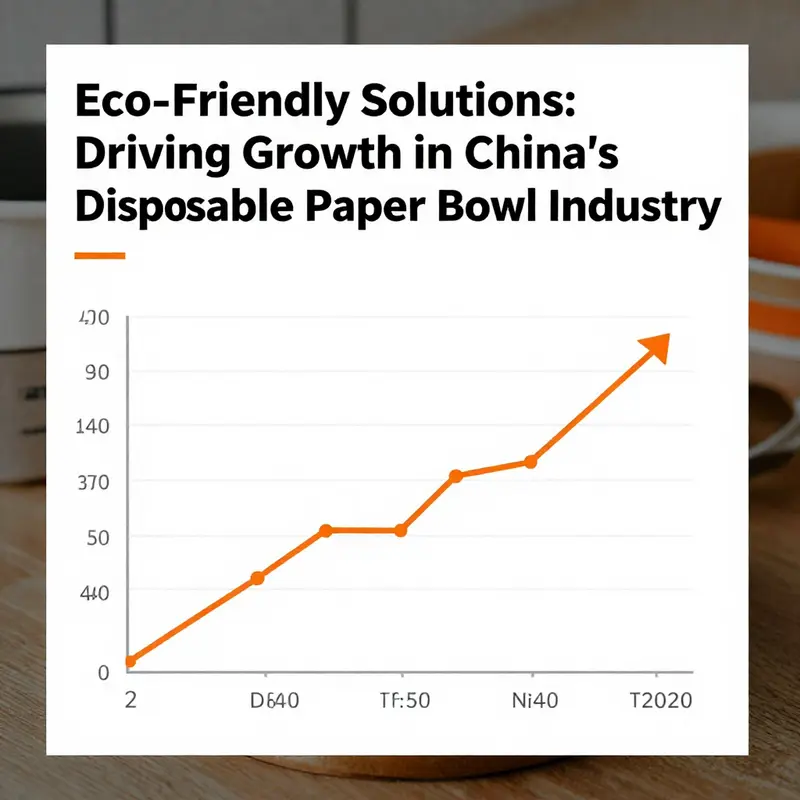
Central to this transformative journey is also a remarkable change in the scale and economic impact of the market. The market size surged from an estimated 3.5 billion RMB in 2018 to approximately 6 billion RMB in recent years, with forecasts predicting an escalation to 16 billion RMB by 2025 and potentially doubling to 32 billion RMB by 2030. This sharp growth is underpinned by the accelerating expansion of the food service sector, particularly the online food delivery segment that has become a staple consumer behavior in urban centers. The rapid expansion of this customer base mandates manufacturers to deliver products that are not only sustainable but also meet the functional demands of everyday use. This intertwined growth of economic and ecological metrics positions the industry as a potent force capable of driving both profit and environmental benefits simultaneously.
As we delve deeper into the market’s operational framework, the emphasis on technological integration becomes strikingly clear. Advanced robotics combined with digital control systems have ushered in a new era for production facility management in China. These facilities operate with a near-seamless integration of hardware and software, capable of handling large volumes without compromising on the delicacy needed for precise manufacturing. The ability to monitor production variables in real time allows for immediate troubleshooting and ensures minimal downtime during operations. Energy efficiency has also become a core goal, with new machinery designed to lower power consumption while maintaining high output levels. In a global context where sustainability is a competitive advantage, the implementation of energy-saving procedures contributes to both cost reductions and a favorable environmental impact. This is not merely a story of industrial scale; it is one of merging pragmatic technological advancements with the visionary pursuit of sustainable production.
The transformation of China’s disposable paper bowl sector also holds broader implications for the global market. As consumers worldwide become more attuned to the environmental consequences of their choices, the demand for sustainable packaging has reached unprecedented levels. This shift is not confined to developed markets; emerging economies are also embracing eco-friendly products as part of their modernization strategies. In response, Chinese manufacturers have positioned themselves as central players in a network of international trade that increasingly values environmental responsibility. The export markets, particularly those in Europe and North America, have shown a strong appetite for eco-friendly disposable tableware that meets rigorous health and safety standards. This growing acceptance and reliance on recycled and biodegradable materials are reshaping global supply chains, where sustainability is the common denominator across markets. As global challenges such as climate change gain urgency, the contributions of industries like disposable paper bowl manufacturing become even more critically important.
In addressing these global trends, manufacturers have recognized the importance of proactive supply chain management. Securing a stable flow of raw materials that are both sustainable and cost-effective is crucial for maintaining competitive advantages in a crowded market space. To this end, companies have developed robust relationships with suppliers and have invested in research to expand the range of eco-friendly materials available for production. Such investments are not only geared towards the current market but also serve to fortify the industry against potential resource constraints in the future. Embracing the principles of a circular economy, many manufacturers are now exploring options for the reuse and recycling of production waste, thereby further reducing their overall environmental impact. This circular approach embraces efficiency, ensuring that every stage of manufacturing, from raw material sourcing to final product delivery, is conducted with a focus on sustainability and low environmental disruption.
In addition to resource management, the evolution of design aesthetics in disposable paper bowls is emerging as both a branding tool and a method of enhancing user experience. Contemporary trends in design now favor not only functional attributes but also the visual appeal of tableware. Manufacturers have started to explore innovative shapes and structural reinforcements that elevate the standard look and feel traditionally associated with disposable paper products. This design evolution is driven by the knowledge that presentation matters, especially in sectors like boutique cafes and upscale take-out services where the consumer experience is closely tied to product appearance. Moreover, a visually attractive product often facilitates improved customer engagement, adding intangible value that extends beyond mere utility. In this regard, the industry has successfully merged performance with presentation, ensuring that every disposable paper bowl acts as a subtle ambassador for sustainable innovation.
The relentless pace of technological and market evolution has also impacted the workforce and organizational structures within manufacturing companies. The transition towards automation and digitally driven machinery has necessitated a reskilling of the labor force. Employees now engage with sophisticated control systems and must adapt to rapidly changing technological environments. This transformation has led to enhanced job profiles within the industry, where expertise in data management, robotics troubleshooting, and digital quality control is in high demand. While automation reduces the need for manual intervention in production, it simultaneously opens avenues for specialized roles that are instrumental in maintaining and optimizing these new systems. Companies that invest in continuous training and professional development for their operational teams often realize a marked improvement in both efficiency and product quality. The human element, therefore, remains an integral part of this high-tech ecosystem, reinforcing the notion that technological progress and human expertise can coexist harmoniously in pursuit of sustainability.
Beyond the operational and technical realms, broader economic and policy frameworks have played a decisive role in shaping the industry’s trajectory. Government initiatives aimed at combating environmental degradation have resulted in incentives for industries that adopt green technologies and sustainable materials. Subsidies, tax rebates, and supportive regulatory environments have all contributed to reducing the financial risks associated with transitioning from traditional plastics to biodegradable alternatives. As national and local governments align their economic goals with environmental priorities, manufacturers find themselves empowered to innovate without being unduly burdened by compliance complexities. The strategic integration of these policies into business models has fostered a climate of mutual benefit—where industry growth is coupled with environmental conservation. Such a policy landscape not only supports current manufacturing needs but also lays the foundation for long-term, sustainable economic development—a development model that has resonated well both locally and on the international stage.
The convergence of these technological, economic, and regulatory trends points to a future that is exceedingly promising for China’s disposable paper bowl manufacturing sector. As the global community continues its shift towards more sustainable consumption patterns, the industry stands as a prime example of how innovation, when guided by environmental imperatives, can lead to robust growth. The synthesis of cutting-edge automation, advanced material science, and strategic market positioning creates an ecosystem where progress is measured not just in economic metrics but also in positive environmental outcomes. This holistic approach has enabled manufacturers to efficiently scale up production in response to escalating market demands, all while preserving the integrity of natural resources. As new challenges emerge and consumer preferences continue to evolve, companies within this sector are uniquely positioned to redefine industry standards and set new benchmarks for eco-friendly manufacturing.
For those interested in gaining further insights into the advanced trends and sustainable methodologies that are revolutionizing the landscape of disposable tableware, additional research is available from comprehensive external studies. In particular, one notable analysis on biodegradable tableware trends, which sheds light on the market dynamics and future projections of this vibrant sector, can be found at biodegradable tableware trends. As the industry continues its robust momentum, it remains a compelling example of how innovation and environmental responsibility can combine to create sustainable, high-performance products that meet the needs of a global marketplace.
Revolutionizing Sustainability: How Technological Innovations Are Transforming China’s Disposable Paper Bowl Factories
China’s disposable paper bowl manufacturing industry is undergoing a profound technological transformation that not only redefines production processes but also lays the groundwork for a more sustainable future. In recent years, this sector has embraced cutting-edge automation, digital control systems, and innovative materials research to create products that meet the increasing global demand for eco-friendly packaging. As manufacturers in China harness the power of technology, they are revolutionizing every step in production—elevating efficiency, reducing waste, and producing paper bowls that can withstand high temperatures, remain resistant to water and oil, and biodegrade naturally without compromising functionality.
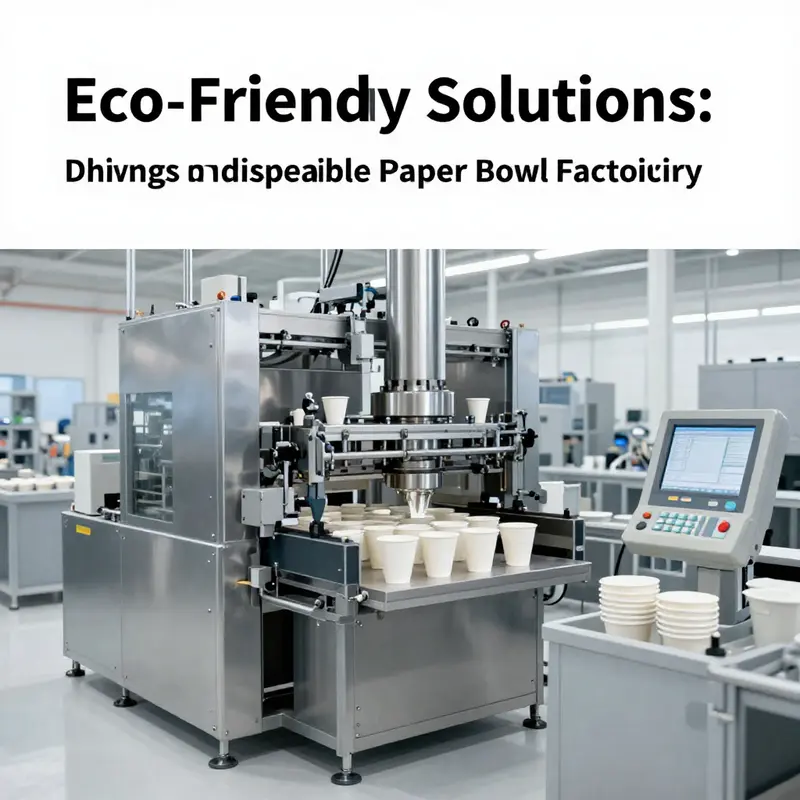
The journey of innovation in these factories begins with the integration of smart digital interfaces paired with advanced programmable logic controllers (PLCs). Modern equipment utilizes sensors and real-time data analysis to monitor the entire production line with impressive precision. These digital systems automatically adjust machine operations to maintain optimal performance and produce items with uniform quality. This precise control over production not only minimizes human error, but it also ensures that every paper bowl produced meets the exacting standards demanded by both regulatory bodies and environmentally conscious consumers. The level of accuracy achieved with these technologies has disrupted traditional production methods, setting a new benchmark for quality and consistency throughout the industry.
Advancements in automation have further streamlined the manufacturing process. High-speed machines, carefully engineered to operate continuously, are equipped with feedback mechanisms and remote monitoring capabilities. This allows operators to not only manage processes from a distance but also make rapid adjustments when anomalies occur. The impact of automation extends beyond improved efficiency: it reduces labor costs, enhances safety, and helps manufacturers meet the expanding market demand driven primarily by the booming food delivery sector. Additionally, the integration of automation means that factories can operate for longer periods without significant manual intervention, which is especially crucial in an industry where time and precision are of the essence.
One of the most remarkable technological developments is the exploration of novel materials and nanoscale engineering. Researchers and technologists are exploring the use of nanotechnology to enhance the inherent properties of paper bowls without resorting to harmful plastic coatings. By incorporating nanoscale additives into paper fibers, manufacturers are able to improve water resistance, durability, and overall performance. This innovative approach aligns perfectly with efforts to reduce plastic waste and enables the creation of packaging solutions that are both sustainable and practical for everyday use. Through such scientific advancements, the industry is able to deliver a product that satisfies rigorous safety and performance norms while emphasizing an eco-friendly profile.
In this environment of continuous improvement, factories have also begun to experiment with bio-based materials. Leveraging abundant natural resources such as sugarcane pulp and bamboo fibers, companies are creating solutions that not only boast excellent mechanical properties but also naturally decompose with minimal environmental impact. These bio-based materials are often combined with improved machinery that is specifically designed to handle their unique characteristics, making the entire production process more adaptable. The transition toward natural fibers demonstrates a clear commitment to reducing reliance on synthetic materials and aligns the industry with global sustainability trends. It also highlights the dual focus on both technological innovation and environmental responsibility—a hallmark of modern manufacturing in China.
The digital revolution in China’s paper bowl factories is supported by constant research and development. Industry leaders invest heavily in upgrading their production facilities, integrating sophisticated computer control systems and sensor arrays. These elements ensure that every detail, from the temperature and humidity inside the production line to the pressure applied during molding, is meticulously recorded and adjusted. Real-time monitoring allows for immediate responses to operational discrepancies, guaranteeing that each product leaving the line maintains high quality. This approach not only maximizes output but also significantly reduces off-spec production and waste. Enhanced process visibility further enables manufacturers to identify trends or potential issues before they escalate, which is vital for sustaining long-term growth in a competitive market.
The rise of Industry 4.0 has also brought with it a reimagining of traditional workflows. With an increased focus on energy efficiency, many factories are now implementing systems that monitor energy use, reducing both operational costs and the carbon footprint associated with production. Automated energy management systems help in forecasting consumption, allocating resources efficiently, and even predicting potential equipment failures before they occur. This proactive approach to energy management is proving to be extremely beneficial in an industry where production lines run continuously and energy costs can accumulate rapidly. By focusing on reducing energy consumption, manufacturers not only benefit economically, but also contribute to a broader ecological strategy aimed at conserving natural resources and cutting greenhouse gas emissions.
Moreover, the digitalization of operations has significantly altered the landscape of quality control. Traditional inspection methods, once reliant on periodic human oversight, are increasingly supplemented or replaced by high-resolution cameras and sensor networks. These systems capture and analyze visual and performance data on the fly. When discrepancies or defects are detected, the system immediately intervenes, either by adjusting the machine settings or by flagging the batch for further review. This continual monitoring process ensures that only products that meet stringent criteria are allowed to continue along the production line, thus maintaining consistent product quality and building customer trust in the sustainability and reliability of these eco-friendly tableware options.
An important aspect of this technological evolution is the close collaboration between machinery manufacturers and paper bowl producers. For instance, companies that design paper container machinery are continuously developing more robust and efficient automated systems that cater to the specific needs of disposable tableware production. In these collaborations, machinery manufacturers work hand in hand with industry players to design equipment that can process biodegradable films, handle eco-friendly materials, and adjust dynamically to production demand. Such alliances not only speed up the rate of technological advancement but also ensure that the latest machinery remains versatile and suitable for a variety of paper-based products.
The concentration of technological excellence in areas like the eastern coastal regions, particularly in Zhejiang Province, underscores the critical role of local innovation ecosystems. Regions that once specialized in traditional manufacturing are now leading innovators in packaging technology. In these hubs, state-of-the-art machinery and advanced research facilities coexist, fostering an environment where continuous innovation is the norm rather than the exception. The integration of these local ecosystems into the global supply chain underscores China’s pivotal role in modernizing sustainable packaging and enhancing the competitiveness of its export markets.
Flexibility in manufacturing is another benefit of technological innovation in the paper bowl industry. When market demands shift, such as during seasonal variations in the food service sector or fluctuations in consumer preferences, companies with advanced, programmable machinery can quickly adapt their processes to produce new designs or react to increased orders without significant delays. This agility is crucial in an era where sustainability, quality, and speed must operate in tandem. As production lines shift from merely maximizing output to conforming with environmental guidelines and consumer expectations, the adoption of rapid prototyping and flexible manufacturing techniques becomes indispensable.
The impact of these technological improvements extends into the realm of design innovation. With digital design software and simulation tools, engineers can now model physical behaviors of paper bowls under different conditions. This digital modeling reduces the necessity for multiple physical prototypes, saving both time and resources. Virtual iterations help refine bowl designs to ensure that they achieve a harmonious balance of strength, heat resistance, and biodegradability. Such simulated testing is now routinely used by facilities that strive to minimize their environmental footprint while still producing high-quality, durable tableware. The interplay between digital design and tangible manufacturing processes epitomizes the modern approach to innovation—a blend of theory and practice that paves the way for a smarter, more agile production ecosystem.
In this new landscape, sustainability is not a secondary concern but a core component of production. Manufacturers are increasingly focused on ensuring that the environmental benefits of their products do not come at the cost of reduced performance. By investing in next-generation technologies and energy-efficient systems, they are setting new standards for what eco-friendly packaging should look like. The extensive use of real-time process management, precision automation, and bio-based input materials reflects a holistic strategy that integrates environmental stewardship with industrial efficiency. The success of this strategy is evident in the growing global acceptance of eco-friendly disposable tableware, as industries ranging from fast food to high-end catering seek sustainable alternatives.
Maintaining product integrity while embracing technological shifts requires a careful balance. Factories utilize feedback loops that combine data from sensors with operator insights to continuously calibrate machinery. In doing so, they ensure that innovations do not disrupt the reliability of the final product. Technological advancements are leveraged to enhance molding techniques, improve drying processes, and optimize finishing procedures. Every innovation is tested rigorously under production conditions to confirm that it delivers real benefits over traditional methods. This rigorous approach to technology adoption ensures that the benefits of automation—be it in reducing material waste, increasing throughput, or enhancing overall energy efficiency—are fully realized throughout the manufacturing process.
Beyond the factory floor, digital integration plays a pivotal role in linking manufacturers with distributors and end-users. Online platforms now offer manufacturers a global stage to showcase their technologically advanced products and highlight the eco-friendly attributes that distinguish them from conventional plastic alternatives. For businesses and consumers seeking sustainable packaging solutions, these digital connections provide transparency, detailed product specifications, and the assurance of quality control rooted in state-of-the-art production techniques. For example, by following links to resources such as the innovative presentation of disposable paper bowl technology, one can see firsthand how these practices are making a tangible impact on global sustainability efforts. Interested readers can explore more about these advancements by visiting an article on innovative eco-friendly paper bowls here.
The broader implications of these technological trends are clear. They highlight a paradigm shift in industrial manufacturing where increased automation, digital oversight, and scientific innovation go hand in hand with environmental sustainability. Chinese manufacturers have demonstrated that it is possible to enhance production capabilities while reducing the ecological footprint, enabling a promising future for disposable tableware made from biodegradable and renewable materials. This transition is an encouraging sign for other industries that face similar challenges, proving that when technology and environmental responsibility are combined, the resulting innovations serve both commercial and ecological objectives effectively.
Looking ahead, the trajectory of technological innovation in China’s disposable paper bowl factories appears robust and filled with potential. Manufacturers continue to research new materials that can further improve product performance while reducing environmental harm. They are also developing more sophisticated automation modules that integrate artificial intelligence and machine learning algorithms to predict and prevent defects before they arise. These smart systems are rapidly becoming a reality in production lines, where self-learning machinery can adapt to changing conditions and optimize the manufacturing process in real time. This proactive and predictive approach holds the promise of further reducing waste and contributing significantly to the circular economy.
The transformation experienced by these factories is underpinned by a strategic focus on sustainability. By investing in research and deploying the latest technological advancements, the industry is transitioning towards a more resilient and eco-friendly future. This alliance between technology and sustainability is not a transient trend; it is a fundamental shift that is redefining manufacturing standards across the globe. As the adoption of smart digital systems and environmentally conscious materials continues to spread, the industry is poised to deliver even greater efficiencies and environmental benefits in the years to come.
For those interested in the continuous evolution of manufacturing technologies in the eco-friendly packaging arena, further details and additional insights can be explored through reputable resources such as the comprehensive overview available at this external link: China Disposable Paper Bowl Machine Technology.
In summary, the infusion of modern technological innovations in China’s disposable paper bowl factories has transformed the sector into a model of sustainability and efficiency. The collaborative efforts between digital systems, automation, and material science have not only fortified the production process but have also set the stage for future advancements in eco-friendly packaging. As these factories continue to innovate and evolve, they hold the promise of a greener future where functionality and sustainability are seamlessly integrated into every disposable paper bowl produced.
Navigating Innovation and Sustainability: The Dynamic Landscape of China’s Disposable Paper Bowl Manufacturing
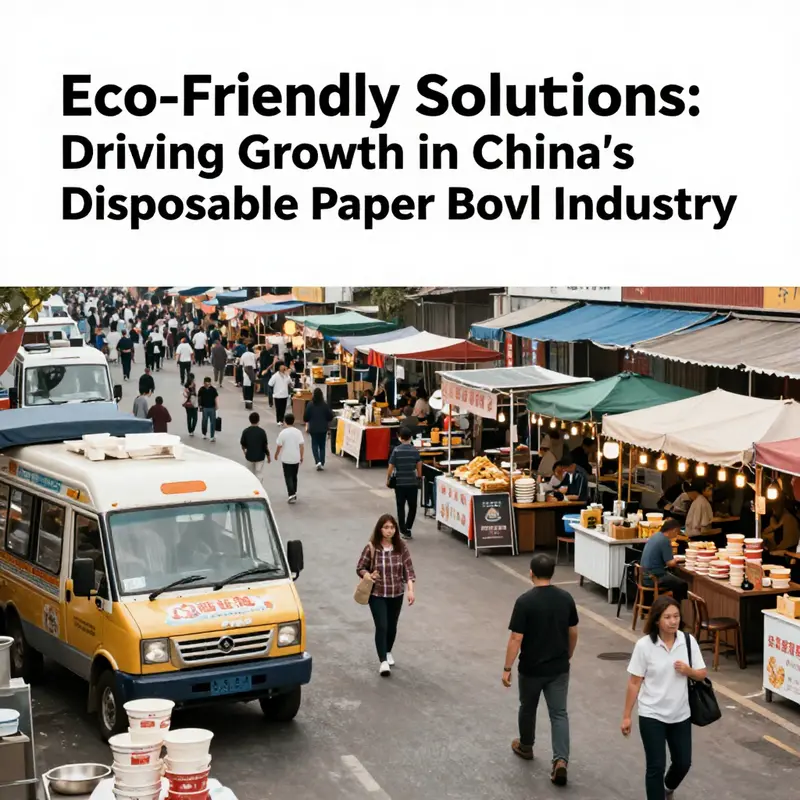
China’s disposable paper bowl manufacturing industry stands at a crossroads, its evolution driven by robust market dynamics, rapid technological innovations, and an unwavering commitment to sustainability. Today, manufacturers in China have embraced automation, advanced production techniques, and environmentally responsible materials to position themselves as leaders in a fiercely competitive marketplace. The transformation within this sector is not only a response to domestic demand but also a clear indication of the industry’s global ambitions. This chapter offers a comprehensive exploration of the multifaceted landscape of disposable paper bowl factories in China, highlighting key market dynamics, regional manufacturing hubs, and the interplay between innovation, cost efficiency, and environmental standards.
At the heart of this evolution is a market that has gradually expanded from a local manufacturing focus to a globally export-oriented industry. Over the past few years, Chinese factories have reaped the benefits of stringent environmental regulations and changing consumer preferences, facilitating a strategic shift from single-use plastics to biodegradable alternatives. Manufacturers are capitalizing on their expertise in processing natural materials such as sugarcane pulp and other plant fibers. These materials not only reduce environmental impact but also enhance product performance by being odorless, hygienic, waterproof, oil- and heat-resistant, and fully biodegradable. The integration of such high-quality, eco-friendly materials signifies an industry that is rapidly aligning its production standards with international requirements.
Key players in the industry have made significant investments in automation and digital technologies to optimize production processes. Traditional manual methods have given way to state-of-the-art equipment that features programmable logic control (PLC) systems, real-time data monitoring, and advanced sensor technologies. This digitization of manufacturing not only boosts production speed and precision but also lowers labor costs and resource waste. For instance, automated machines capable of producing up to 150 paper bowls per minute have set new benchmarks in efficiency. These technologies ensure that factories maintain high-quality outputs while scaling operations to meet both domestic and international demand. The adoption of such innovations is pivotal for companies that are striving to remain competitive in a market characterized by rapid technological change.
China’s manufacturing hubs, particularly in regions like Jiangsu Province and the eastern coastal areas, have emerged as powerhouses of production due to their well-established infrastructure and strong local industry networks. In Changzhou, for example, a robust packaging industry infrastructure has fueled the growth of disposable paper bowl production. The region not only benefits from extensive logistical networks and skilled labor but also fosters a collaborative environment where manufacturers, designers, and technology developers work together to push the envelope on product quality. This ecosystem has propelled Chinese factories to the forefront of innovation, enabling them to offer a diverse range of products that are tailored to meet specific market needs ranging from the 32oz kraft paper bowl used for salads and lunches to custom-designed packaging solutions for specialty food items.
A prominent trend within this sector is the rapid increase in demand for sustainable packaging. Driven by heightened environmental awareness among consumers and stricter international regulations, manufacturers are prioritizing the development of biodegradable and compostable products. The emphasis on sustainability has led to significant improvements in raw material processing techniques and elevated product standards. Companies have invested in green technologies to ensure that their production lines adhere to environmental guidelines while meeting the market’s demand for products that minimize ecological impact. In some cases, factories have secured certifications such as those from the Forest Stewardship Council (FSC) and the Biodegradable Products Institute (BPI), signalling their commitment to maintaining internationally recognized environmental standards. This dual focus on environmental stewardship and efficiency has redefined the concept of competitive manufacturing, where cost-effectiveness harmonizes with sustainable practices.
Customization has emerged as another major competitive factor. The market today is highly segmented, with consumers demanding tailored solutions that reflect unique branding, sizes, and material properties. Factories are increasingly offering OEM (Original Equipment Manufacturing) and ODM (Original Design Manufacturing) services. They work closely with clients to develop products that meet varied requirements, such as disposable paper cups for hot beverages, uniquely designed bowls for fast food takeaway, and custom tableware for events. These bespoke solutions have broadened the industry’s appeal, enabling manufacturers to create mutually beneficial relationships with both domestic businesses and international clients. The ability to deliver tailor-made products positions Chinese manufacturers as versatile and adaptive, capable of quickly responding to market trends and innovative demands.
In addition to product customization and technological upgrades, the expansion of digital platforms and e-commerce has redefined market access for many Chinese suppliers. Previously, smaller manufacturers often faced challenges in reaching global markets due to limited networking channels and high barriers to entry. However, in an era marked by digital transformation, these challenges have diminished considerably. Online platforms now allow even smaller factories to showcase their products, pool their expertise, and access a broader clientele. This digital revolution has spurred further innovation in product design, sustainability certifications, and supply chain transparency. As a result, consumer trust has grown steadily, and international buyers are increasingly confident in sourcing high-quality, eco-friendly products directly from Chinese factories. For those looking to learn more about these sustainable products, check out this resource on disposable paper bowl white dinner plates.
The market dynamics are further shaped by a well-defined balance between large-scale enterprises and small-to-medium-sized businesses. Large enterprises leverage significant capital investments in research and development (R&D) to build extensive sales networks and streamline production processes. These companies often set the pace in technological innovations and are quick to adopt automation solution trends. On the other hand, small and medium businesses are agile and can pivot quickly to adapt to market changes. They tend to specialize in niche markets or develop rapid prototype solutions that address specific consumer demands. This mix of competitive strengths creates a vibrant market landscape where collaboration and competition coexist, driving overall industry growth. Consequently, while industry giants set strategic standards and invest in cutting-edge technology, smaller manufacturers contribute through specialization and rapid responsiveness to shifting consumer trends, offering flexible and custom solutions that meet the evolving needs of a global market.
The technical advancements in production have ramifications that extend deep into the supply chain. Factories are now not only concerned with the manufacturing process but also with the upstream procurement of raw materials and downstream distribution logistics. Investments in clean energy, waste recycling, and energy-efficient machinery have become standard practice. The push towards digitization has enabled real-time tracking of inventory levels, quality checks, and product delivery schedules. This level of integration ensures that the entire production cycle, from raw material sourcing to the final product shipment, maintains high operational standards while significantly reducing waste and carbon footprint. These improvements underscore the transformation of China’s disposable paper bowl factories from traditional assembly lines into sophisticated, eco-friendly production units that meet the rigorous standards of modern consumers and regulatory bodies alike.
Environmental compliance plays a pivotal role in defining manufacturing protocols in China’s paper bowl sector. Against the backdrop of growing environmental pressures in regions such as Europe and North America, Chinese manufacturers are proving to be highly adaptive. They are increasingly investing in green technologies to ensure that every facet of their production adheres to stringent environmental regulations. In the face of challenges posed by international sustainability protocols, factories have proactively sought various environmental certifications to bolster product credibility and market appeal. This proactive attitude not only supports global efforts to reduce the environmental impact of single-use products but also positions Chinese manufacturers as reliable partners who can offer eco-friendly alternatives in the global marketplace.
Technological innovation and environmental stewardship have also fostered an ecosystem of continuous product improvement and innovation. As research into biodegradable materials advances, factories are relentlessly optimizing their production techniques to enhance durability, thermal resistance, and overall product quality without compromising the biodegradability of the items. These improvements have had a ripple effect across the supply chain. Raw material suppliers are exploring novel organic composites that further reduce the environmental footprint of these products. Designers are experimenting with innovative configurations to boost both functionality and aesthetics. In turn, this innovation cycle is supported by a feedback loop from global consumers who are increasingly attentive to the environmental credentials of the products they use daily. Such a dynamic environment has solidified the reputation of Chinese manufacturers as leaders in designing high-quality, sustainable disposable tableware.
However, the rapid growth and global expansion of China’s paper bowl sector are not without challenges. Competition on both price and innovation continues to intensify. Factories are pressed to invest continually in new technology and upgrade their systems, even as raw material costs and environmental compliance expenses rise. There is also a constant need to balance production speed with complex quality control measures to ensure that every product meets international standards for environmental safety and functional performance. The market’s future will likely hinge on how effectively manufacturers can integrate sustainable practices with cost-efficient production methods. Maintaining this balance is essential not only for the long-term viability of individual companies but also for building a resilient industry that can withstand the pressures of rapid globalization and stringent regulatory environments.
Another factor that has dramatically influenced the market landscape is consumer behavior. With the significant shift towards environmentally friendly products, consumers worldwide now demand higher levels of transparency regarding product origins, manufacturing practices, and environmental impact. This heightened level of scrutiny has compelled factories to enhance traceability measures and provide detailed certifications accompanying their products. As consumer expectations continue to evolve, manufacturers are investing in research to further minimize waste during production and to introduce lifecycle assessments as part of their product offerings. It is a market where even the smallest improvements in sustainability credentials can translate into significant competitive advantages in international markets.
The evolution of China’s disposable paper bowl sector is also closely intertwined with the rise of the food delivery industry and the growing on-the-go culture in urban areas. As the food service industry expands to accommodate a more mobile consumer base, the demand for efficient, hygienic, and environmentally safe disposable tableware has surged. Food delivery services rely heavily on packaging that preserves food quality while mitigating the environmental impact of single-use plastics. In response, manufacturers are not only scaling up production but also diversifying their product lines to include custom solutions that cater to the specific needs of foodservice providers. These innovations range from paper bowls engineered for easy heat retention to specially designed containers that minimize leakage, ensuring that takeout meals are not only convenient but also environmentally sustainable.
Beyond the traditional markets, manufacturers are exploring innovative ways to tap into emerging segments by offering multi-functional and aesthetically appealing designs. This trend has fostered new collaborative models whereby designers, engineers, and marketing experts work closely together to create products that marry functionality with visual appeal. The resulting designs not only satisfy customer expectations but also serve as a platform for branding opportunities in both local and international markets. As consumer awareness of sustainability deepens, these collaborations become vital in differentiating products within a competitive market, ultimately paving the way for future growth and diversification.
Moreover, the comprehensive supply chain management strategies adopted by these factories further enhance their competitive advantage. Companies have recognized that the challenges of meeting high-volume orders while maintaining product consistency and sustainability require integrated supply chain solutions. They now employ sophisticated logistics networks and strategic partnerships with raw material suppliers, which allow them to anticipate challenges and adjust production schedules promptly. The digitalization of supply chain management has led to a more resilient framework where forecasting, demand planning, and adaptive manufacturing converge seamlessly. This integrative approach is essential in a fast-paced industry where timely delivery, cost control, and product quality remain paramount.
Looking to the future, the market forecasts for China’s disposable paper bowl factories are highly encouraging. Projections suggest that the market, which experienced significant growth in recent years, is poised to expand further—potentially reaching billions in revenue by the end of the decade. Industry experts foresee a future where continuous improvements in technology and further adoption of sustainable practices will drive unprecedented growth. As environmental regulations tighten and global consumer preferences veer towards eco-friendly products, Chinese manufacturers are uniquely positioned to lead and shape the next wave of innovation in disposable tableware.
This journey of transformation is not only about adapting to new technologies or meeting consumer demand—it is also a deep commitment to environmental preservation. In matching innovation with sustainability, Chinese factories are setting new standards for the industry worldwide. They serve as a testament to how traditional manufacturing can be reimagined through the lens of modern technology, responsible resource management, and a keen understanding of global trends. For those interested in observing how these sustainable practices are applied in tangible products, further information can be gathered from the detailed supplier listings available on platforms such as Alibaba.
In synthesizing market competitiveness, technological innovation, and environmental commitments, China’s paper bowl factories have evolved into more than mere production facilities. They are now centers for sustainable innovation with the capacity to transform global markets. The combined forces of innovation, rigorous quality control, digital integration, and environmental stewardship have redefined the parameters of what it means to manufacture disposable paper bowls. In this dynamic setting, every factor—from the sourcing of natural fibers to the execution of automated production lines—contributes to a collective movement towards more socially responsible consumption.
As the industry continues to burgeon, manufacturers face the dual challenge of scaling operations while maintaining environmental integrity and technological excellence. Through strategic investments in new technologies, enhanced production methodologies, and continuous product innovation, China’s disposable paper bowl factories are not only responding to current market pressures but are also preempting future shifts in global retail and industrial standards. This delicate balancing act underscores a broader narrative of transformation and resilience, where conventional practices are overhauled in favor of agile, eco-conscious methodologies.
In conclusion, the narrative of China’s disposable paper bowl manufacturing landscape is one of compelling transformation. Driven by competitive market dynamics, innovative production techniques, and an enduring commitment to environmental sustainability, the industry continues to push boundaries. It serves as a shining example of how traditional manufacturing sectors can embrace change through strategic modernization and dedicated environmental stewardship. This revolution in production practices points to an exciting future, where the convergence of digital technology and sustainability opens new horizons for eco-friendly packaging solutions on a global scale.
Final thoughts
The landscape of China’s disposable paper bowl manufacturing industry is not only reflective of current market demands but also a symbol of a shifting paradigm toward sustainable practices in the food service sector. As key players, growth trends, and technological innovations coalesce, the opportunities for businesses remain abundant. Whether you’re a bubble tea shop, a restaurant, or part of a corporate procurement team, embracing eco-friendly options like disposable paper bowls is not just a choice but a necessity in today’s environmentally-conscious market. The future is bright for this industry, and it’s time to align your business with the values that resonate with today’s consumers.