
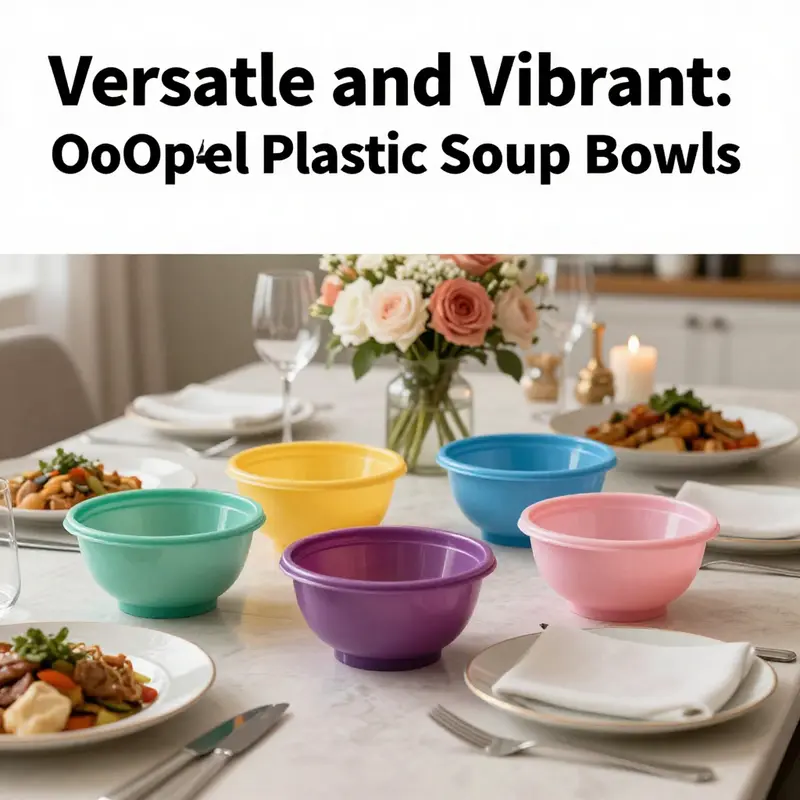
Disposable colored plastic soup bowls combine functionality and style, making them an essential item for bubble tea shops, restaurants, food trucks, and catering services. Provide an exceptional dining experience, whether it’s elegant events or casual gatherings. In this guide, we’ll explore the various aspects of these bowls, from their materials and construction to their practical applications and usability. Additionally, we’ll address the environmental considerations that influence current trends, helping your business make informed choices.
Elegant Revelations: The Multifaceted World of Disposable Colored Plastic Soup Bowls
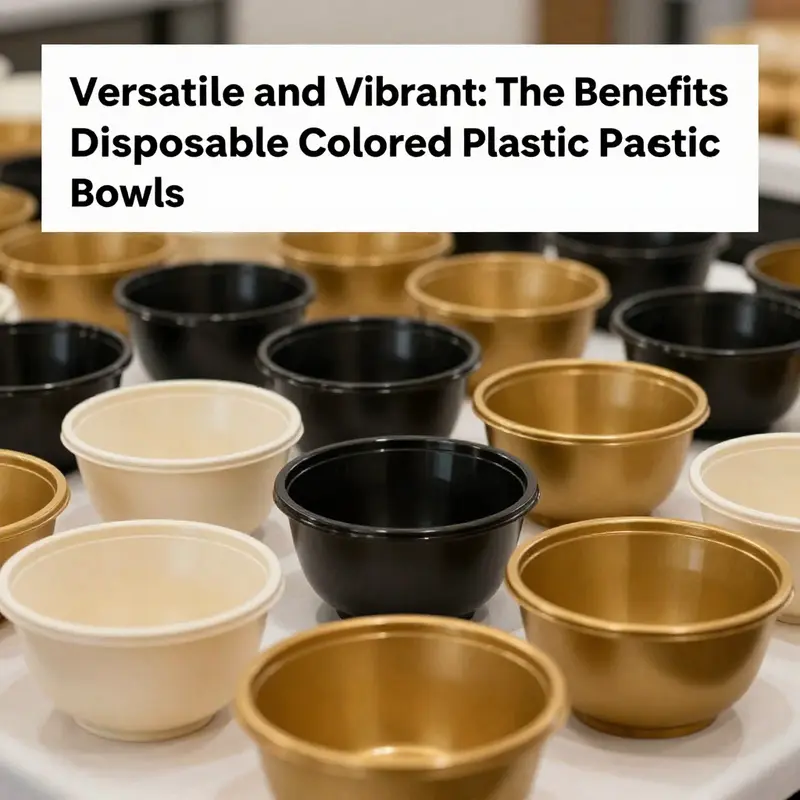
Disposable colored plastic soup bowls represent a remarkable fusion of practicality, aesthetics, and innovation in modern tableware. They emerge as a standout option for events both big and small because of their inherent convenience, vibrant appeal, and durable nature. Produced from food-grade plastics that guarantee safety, these bowls are engineered to endure both hot and cold contents. Their design is thoughtfully balanced between strength and affordability, making them an ideal choice for hosts who are keen on maintaining a visually appealing display without sacrificing functionality.
The manufacturing process often begins with premium-grade materials, ensuring that each bowl is resistant to leaks and deformations. The use of food-safe polymers such as polypropylene and polystyrene assures buyers that every dish served is safe for consumption. Designers pay meticulous attention to the glossy finishes and rich hues available, ranging from sleek blacks to luminous golds, pristine ivories, and even clear variations. This vivid spectrum not only enhances the presentation of foods like soups, salads, and dips but also allows hosts to create theme-coordinated table settings that resonate with the event’s aesthetic. The bowls embody both form and function, combining an attractive exterior with reliable performance.
A significant advantage of these disposable bowls is their versatility. They are adept at handling a variety of culinary tasks in settings that extend from casual family dinners to sophisticated corporate events. Whether it is for serving piping hot chicken noodle soup on a chilly day or a refreshing chilled fruit salad during a summer cocktail party, these bowls are engineered to adapt seamlessly. Their design enables them to hold liquids without leakage while remaining sturdy enough to accommodate chunky ingredients and sauces. In environments where ease of service and cleanup are as essential as the appearance, this versatility becomes a major selling point.
In addition to their functional attributes, disposable colored plastic soup bowls provide a canvas for creative event planning. Their broad palette of colors offers design flexibility that aligns with any event theme. For example, a formal wedding may call for elegant black or gold bowls which add an extra dimension of sophistication to the table settings. In contrast, a festive gathering may benefit from brighter colors that infuse energy and vibrancy into the atmosphere. This blend of form and functionality means that whether one is hosting a high-end corporate luncheon or a backyard picnic, there is a disposable bowl to suit every need.
The robust construction of these bowls is not only beneficial for individual entertaining but is also critical for commercial applications. In many instances, caterers and food delivery services rely on disposable tableware to comply with hygiene standards and meet high-volume demand. Their resistance to warping or breaking under the strain of heavy meals and savory soups makes them particularly popular among service providers who need reliable tableware on a large scale. Moreover, certain bowls are designed with features that ensure user comfort such as easy-grip rims and handles, which reduce the risk of spills and improve the overall experience for guests. This functional design supports not just convenience but also safety during consumption.
Considering the environmental impact of disposable products is an unavoidable topic in today’s world, and disposable colored plastic soup bowls are no exception. Traditional plastic bowls offer undeniable performance benefits; however, their reliance on synthetic materials contributes to the global waste problem if not managed properly. For those who are eco-conscious, the market has slowly begun to respond. There are now alternatives made from biodegradable materials such as PLA, a plastic derived from renewable resources like cornstarch. Although these eco-friendly variants may have limitations regarding heat resistance and durability, they signal an ongoing shift towards sustainable practices in the disposable tableware industry. Consumers must balance environmental considerations with performance requirements and select products that best suit their event needs and sustainability goals.
Customization options further enhance the appeal of disposable colored plastic soup bowls. For businesses and event planners in particular, the ability to imprint logos, brand names, and thematic designs on these bowls infuses a personalized touch that elevates the entire dining experience. Some suppliers offer advanced flexo printing techniques which ensure that even intricate designs remain sharp and vibrant when applied to the surface of the bowl. This capability allows brands to promote their identity seamlessly during events and can serve as a conversation starter or a lasting reminder of a notable occasion. Moreover, the flexibility in size, with popular capacities ranging from 12 oz to larger variants, means that these bowls are suitable for a wide range of dishes and presentation styles. When events are designed with a consistent theme in mind, every element, including tableware, contributes to a cohesive visual narrative.
Beyond aesthetics and functionality, there is an inherent appeal to the ease of use and convenience provided by these bowls. They are designed not only for beauty and durability but also for simplicity. Once an event is over, the bowls can be discarded without the hassles of intensive cleaning routines. This cold practicality is especially appreciated in scenarios where the volume of guests is high and time is at a premium. The disposable nature of the bowls frees hosts from the burdens of post-event dishwashing, making them an optimal choice for large-scale functions, catered receptions, or outdoor gatherings where washing facilities might be limited. For those who value a blend of functionality and design, these bowls quickly become indispensable party supplies.
User safety, a paramount aspect of any food container, is rigorously maintained in the production of these bowls. They are manufactured with strict adherence to quality standards ensuring that harmful chemicals, such as BPA, are not present. This careful regulation is essential for any product that comes into contact with food, particularly where both hot and cold items might be served. The reliability of the bowls in terms of both structural integrity and chemical safety provides peace of mind—not only for home users but also for commercial operators who are held to particularly high standards of hygiene and safety. Each bowl stands as a testament to meticulous manufacturing processes that ensure every piece is as reliable in performance as it is attractive in appearance.
The user experience is further enhanced by the practical design choices that have gone into these bowls. Their ergonomic construction often includes smooth surfaces that ensure both ease of use and smooth handling. This minimizes the risk of accidental spills and helps maintain the presentation of the food. Some models even feature recessed edges or small indentations that allow for secure stacking. These design choices, though subtle, contribute significantly to operational efficiency during busy serving times. They enable a fluid transition from table service to cleanup; each bowl can be quickly collected, minimizing waste and reducing labor costs for event organizers. The overall design philosophy champions efficiency and elegance simultaneously.
In the realm of modern disposable tableware, the evolution of design and technology represents a critical turning point. Manufacturers are continuously pushing the boundaries by experimenting with new materials, surface finishes, and digital printing techniques to further enhance the aesthetic appeal and functional performance of soups bowls. Advances in polymer chemistry have resulted in bowls that not only meet the demands of today’s dynamic hospitality industry but also offer options that better align with modern eco-conscious values. The ongoing innovations promise even greater variety in colors and designs in the future while potentially incorporating more biodegradable components.
As trends shift towards customization and instant usability, the integration of these bowls into specialized themes has become increasingly common. Events that seek a tailored, branded experience often rely on bowls that mirror the overall decor and message intended by the host. For instance, a corporate seminar or a themed party may incorporate personalized bowls that reflect the company’s colors or the event’s overarching motif. This attention to detail can set the ambiance and elevate guests’ overall perceptions of the event. In settings where the disposable aspect is as much about convenience as it is about presentation, the impact of these carefully designed bowls extends far beyond mere functionality.
In practical terms, the ease with which these bowls fit into diverse service scenarios is unparalleled. Many venues utilize disposable bowls as a part of an overall strategy to deliver food in an efficient, hygienic manner. This is particularly true for buffets and take-out services where high turnover rates necessitate quick and reliable food service items. For busy food courts, sedate hotel banquets, or bustling community events, the combination of vibrant appearance and robust performance makes disposable colored plastic soup bowls an indispensable tool. Their application is ubiquitous, demonstrating a successful melding of aesthetics and practicality in everyday use. Even establishments that typically use reusable ware find that disposable options serve as a convenient alternative when circumstances call for an emphasis on efficiency and speed.
An aspect that continues to draw attention to these bowls is their role in modern culinary presentation. At gatherings where presentation is paramount, having tableware that complements the food can be a game-changer. The glossy surfaces of certain bowls capture reflections and enhance the visual appeal of the food served. Whether a soup is served piping hot with a swirl of cream or a chilled dessert is presented in a crystal clear vessel, the bowl’s color and finish are key elements in the overall aesthetic. Hosts and event planners who desire a cohesive look will appreciate that these disposable bowls easily blend into any table setting, proving that disposability does not have to come at the expense of sensory appeal.
A noteworthy consideration in the use of disposable colored plastic soup bowls is their capacity for integration into themed event designs. As part of a broader strategy to create memorable moments, these bowls offer a unique opportunity for customization. Beyond just holding food, they act as a medium for creative expression. Businesses in the hospitality sector have recognized the potential for these bowls to function as miniature billboards for branding. This synergy between utilitarian design and marketing is particularly advantageous during large-scale events where every detail counts. For those planning themed parties or corporate events, exploring options for custom disposable tableware can be a proactive step towards achieving a harmonious ambiance. Interested readers can learn more about innovative approaches to personalized event design by checking out this article on custom disposable tableware. With each event, the role of design continues to evolve, and disposable bowls stand ready to meet these emerging trends.
In summary, the evolution of disposable colored plastic soup bowls is a compelling narrative of innovation, functionality, and aesthetic dynamism. They merge the convenience of disposability with the visual and practical benefits needed in a wide range of settings. Whether in the hands of a busy caterer or a detail-oriented host, each bowl is a testament to modern manufacturing, safe culinary practices, and the creative potential of everyday materials. As the culinary and hospitality industries continue to evolve, these bowls remain a trusted and versatile option, capable of adapting to shifting demands and diverse event themes. Their enduring appeal lies at the intersection of design and functionality, ensuring that each dining experience is served not only with taste but with flair.
For further details on product specifications, users can explore more on the excellent performance of these versatile bowls here: View the Exquisite 12 oz Black Plastic Bowls on Walmart.com
Crafting Durability and Vibrant Design: The Science Behind Disposable Colored Plastic Soup Bowls
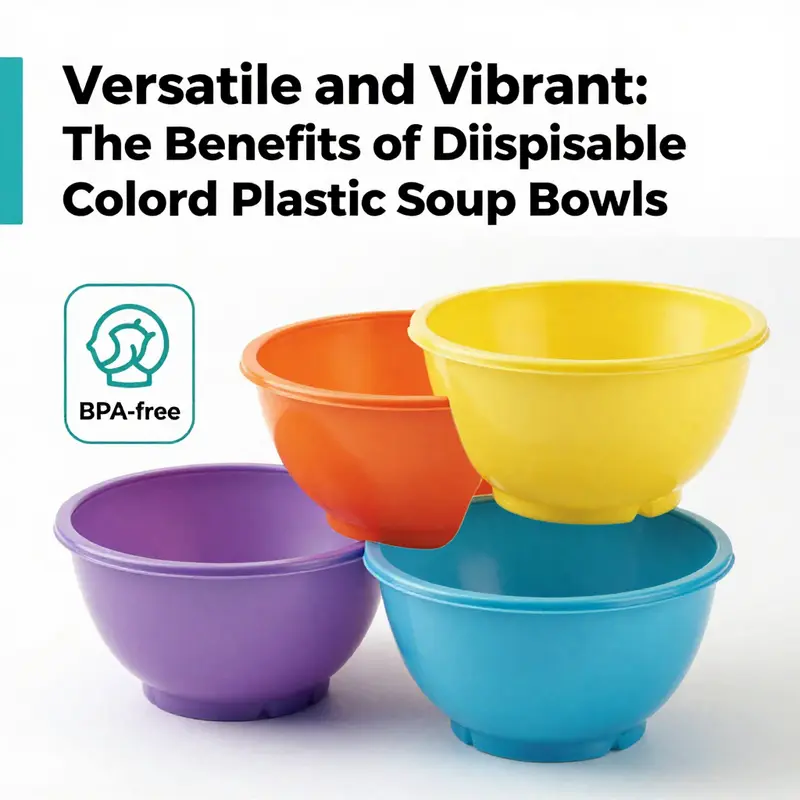
Disposable colored plastic soup bowls are far more than a simple convenience; they embody years of material engineering and design evolution that combine functionality with aesthetic appeal. In the modern marketplace, the use of advanced plastics and innovative manufacturing techniques creates disposable tableware that is not only safe for food consumption but also versatile enough to meet the varied demands of events ranging from casual family gatherings to elegant formal affairs.
At the heart of these bowls is a careful selection of thermoplastic materials. Among the most prevalent is polypropylene (PP), which stands out for its superior heat resistance and resilience. Manufacturers value PP for its ability to hold hot soups and other warm dishes without bending or warping. This material, when molded under controlled conditions, produces a product that is both durable and safe for microwave and dishwasher use. Manufacturers incorporate pigments directly into molten PP during the extrusion process, resulting in vibrant, uniform coloration that resists fading and chipping. This integration of color at the material level not only enhances the bowls’ aesthetic charm but also ensures that the finish remains intact even when the bowl is used in environments where temperature variations are significant.
In contrast, polystyrene (PS) finds its niche in applications where cost-effectiveness and clarity are top priorities. While PS offers adequate rigidity and allows for clear or vividly colored products, it does have its limitations. Its lower heat tolerance makes it less suitable for holding very hot liquids, which can lead to deformation or even melting if exposed to extreme conditions. Nonetheless, the inherent cost advantages and ease of production mean PS remains an attractive option for products intended for single-use applications. Manufacturers aiming for a balance between cost and reliability must carefully consider these performance metrics to decide which material best suits the intended use of the bowl.
Another material that sometimes finds application in the construction of disposable bowls is polyethylene terephthalate (PET). Known for its strength and clarity, PET offers a pristine appearance that emphasizes the product’s modern design. Although PET is more commonly associated with beverage containers due to its shatter-resistant properties, its application in food service products is a natural extension of its utility. However, PET’s diminished heat resistance compared to polypropylene restricts its use to scenarios where the contents of the bowl are not excessively hot. Manufacturers must therefore weigh the visual appeal of PET against the functional demands of holding warmer materials, making it a choice that is as much about design as it is about performance.
The construction process of these bowls is a finely tuned operation, reflecting years of technological advancement. The process begins with the careful mixing of raw plastics with color pigments, ensuring a homogeneous blend that promises consistent color throughout the final product. This blend is then melted and injected into precision-engineered molds. The injection molding process not only confers structural integrity but also allows for the introduction of various design features. For instance, some bowls incorporate ribbed bottoms to enhance grip, or specially designed rims that add both ergonomic value and visual appeal. The uniform distribution of pigment and the precision of mold design lead to a product that is both stable and attractive. After molding, the bowls are cooled, trimmed, and subjected to quality control measures to ensure that every piece meets rigorous standards.
The seamless blending of materials and design processes has led to a product that perfectly balances durability with visual exuberance. Manufacturers are constantly innovating to improve the bowl’s performance and expand its functional capabilities. Some designs have integrated compartments to neatly separate components of a meal, catering to trends in buffet-style presentations or food delivery services. This incorporation of practical design features into disposable tableware is reflective of broader trends in the food service industry, where convenience and functionality must coexist harmoniously.
Environmental considerations also play a vital role in the choice of materials and construction methods. As concerns about plastic waste and sustainability have grown, there has been a noticeable shift towards the adoption of eco-friendly alternatives. Some manufacturers have begun experimenting with bioplastics like polylactic acid (PLA), which is derived from renewable resources such as cornstarch. While compostable versions of these bowls offer environmental benefits, they are not without their trade-offs. For example, the heat resistance of bioplastics may be lower than that of their traditional plastic counterparts, posing challenges when the bowls are used for hot foods. The push for sustainable options has also spurred manufacturers to adjust their formulations to achieve a balance between environmental responsibility and the rigorous demands of food safety and durability.
The technical construction of these bowls is governed by industry standards and guidelines that ensure both performance and safety. Adherence to specifications laid out by organizations such as the American Society for Testing and Materials (ASTM) is crucial for manufacturers, who must continuously ensure that their products meet stringent requirements regarding chemical stability, heat resistance, and durability. These standards not only provide a benchmark for quality but also offer consumers reassurance that the bowls they use are safe. In practice, the detailed testing and certification process helps identify any potential weaknesses in the material or design, fostering an industry-wide commitment to continuous improvement and innovation. For more precise technical standards and performance details, interested readers can refer to detailed guidelines available at ASTM.
Beyond the raw materials and fundamental manufacturing methods, the sophistication seen in today’s disposable colored soup bowls is also the result of thoughtful design enhancements that improve the user experience. Subtle modifications such as slightly textured surfaces help improve grip for users, making the bowls not only visually attractive but also ergonomically sound. Moreover, design evolution aimed at reinforcing structural strength has led to bowls with improved leak resistance that maintain their integrity even when subjected to the rigors of a bustling catering event. These enhancements are testament to the continuous innovation in the sector, driven by consumer demand for products that are not just disposable but also dependable.
The careful balance between cost efficiency and product performance has seen manufacturers employing strategies that optimize production without compromising quality. The decision to integrate pigments directly into the plastic rather than applying an external coating is a prime example of this optimization process. This method eliminates the risk of the color wearing off over time and ensures that even if the bowl is handled roughly, the vibrant finish remains intact. In addition, this approach reduces the environmental footprint by minimizing the need for additional chemical treatments. Such forward-thinking production techniques underscore a commitment to both technical excellence and sustainability, which are critical in today’s eco-conscious market.
Manufacturers are also attuned to the diverse requirements of various markets. Depending on the intended use—whether at a high-end event or a casual backyard party—the design, color palette, and even the thickness of the plastic can be adjusted. For instance, while a thicker, more rigid bowl might be preferred for outdoor picnics to prevent accidental spills, a slimmer, more elegant design might be chosen for upscale events where presentation is as important as functionality. This agility in production not only ensures that the bowls are fit for purpose in any setting but also enables suppliers to offer customized solutions that cater to niche demands. In this way, the evolution of disposable colored plastic soup bowls reflects broader trends in personalized and event-specific dining experiences.
A prime example of this level of customization in the disposable tableware market can be seen with products designed specifically for themed parties or events. These products often feature colors and finishes that complement the overall event décor, enhancing the visual impact of the presentation. Careful coordination between designers and manufacturers results in bowls that are not only practical but also serve as an extension of the event’s aesthetic narrative. Those interested in exploring similar innovations in disposable tableware can find additional insights on custom disposable tableware, which demonstrates how traditional products are being re-imagined to meet contemporary demands.
The sheer variety in available color options allows event planners and consumers to match the bowls seamlessly with other tableware and decorative elements. Whether the prevailing theme calls for a subtle elegance with ivory or imbues a dramatic flair with bold colors like black or gold, the material’s capacity for customization plays a significant role. Manufacturers can adjust the pigment concentration and production parameters to deliver exactly the shade and texture required for any event. The reliability of these adjustments speaks to a mature understanding of both material science and consumer psychology, ensuring that every bowl contributes to a cohesive dining experience.
Significant research and development efforts are continually directed toward enhancing both material performance and environmental safety. Companies invest in sophisticated testing facilities and leverage cutting-edge production technologies to refine their formulas. This scientific approach helps identify the most efficient methods to produce high-quality, disposable products that do not compromise on durability or safety. The convergence of research in polymer chemistry, materials engineering, and industrial design has resulted in products that are robust enough to handle a variety of practical demands while still being economically feasible for single-use applications. The ongoing dialogue between environmental needs and technological advancement ensures that innovation remains at the forefront of the disposable tableware industry.
Parallel to developments in product design is a growing awareness of the need to streamline production methods to reduce waste. Advanced manufacturing techniques such as injection molding allow for precision and minimal material wastage, a factor that contributes to a product’s overall sustainability. In this process, careful calibration of temperature and pressure ensures that each bowl is consistently manufactured to optimal standards. The reduction in scrap rates and the efficiency of the molding process not only lower production costs but also minimize the environmental impact. These improvements echo a broader trend within the industry, where performance criteria are continuously balanced against the need for responsible production practices.
Innovation in the design and construction of disposable colored plastic soup bowls directly influences the user experience. As consumers increasingly demand products that are both aesthetically pleasing and highly functional, manufacturers are compelled to integrate features that address practical challenges such as stability, grip, and leak resistance. The resulting bowls are designed to be intuitive, offering a seamless transition from storage to service. Each design tweak, from the curvature of the bowl to the reinforcement along its base, is informed by feedback from event organizers and everyday users alike. Such customer insights push manufacturers to refine their products continuously, ensuring that every iteration meets the dual demands of style and substance.
The journey from raw material to finished bowl is a story of meticulous engineering and creative design. Starting with carefully selected polymers and finishing with precision molding and detailed quality control, the creation of disposable colored plastic soup bowls is a process that marries science with art. The bright, enduring colors that characterize these bowls are not merely decorative; they are the result of a systematic integration of pigments into the plastic matrix, ensuring that the end product remains visually appealing even after exposure to frequent use. The technological expertise required to achieve this level of consistency and reliability underscores the significant advancements made in the field of disposable food service items.
Over time, consumer expectations have evolved; the modern user expects not only convenience but also a certain degree of personalized style and environmental stewardship. This has spurred manufacturers to innovate at every step of the production chain. From selecting raw materials that safely interact with food to refining molding processes that minimize waste and energy consumption, each element of production is scrutinized for both performance and sustainability. As the market continues to mature, continuous improvements in material technology and design are expected to drive further enhancements in the overall quality of disposable colored plastic soup bowls, ensuring that they remain a relevant and highly valued part of modern tableware.
In summary, the construction and design of disposable colored plastic soup bowls embody a fusion of material science, innovative manufacturing, and thoughtful design. Each bowl is a testament to advancements in polymer technology and production precision, tailored to meet the diverse needs of consumers around the world. Whether through the robust performance of polypropylene, the cost-effective production of polystyrene, or the aesthetic clarity of PET, these bowls stand as a symbol of modern engineering meeting everyday utility. They offer a solution that is as visually appealing as it is functionally reliable. Furthermore, ongoing efforts in sustainable production and eco-friendly alternatives continue to push the envelope, ensuring that convenience does not come at the expense of the environment.
This chapter has delved into the detailed methods and material choices behind disposable colored plastic soup bowls, revealing how every design decision—from pigment integration to mold precision—contributes to a product that meets the rigorous demands of modern food presentation. Manufacturers and designers work hand-in-hand to create a product that is not only practical but also enriches the overall dining experience, reminding us that even disposable tableware is the product of carefully orchestrated innovation and precision. As technology and environmental priorities evolve, the legacy of these engineering marvels will continue to influence the landscape of food service, setting a gold standard for durability, design, and sustainability in disposable solutions.
A Spectrum of Practicality: Exploring the Versatile World of Disposable Colored Plastic Soup Bowls
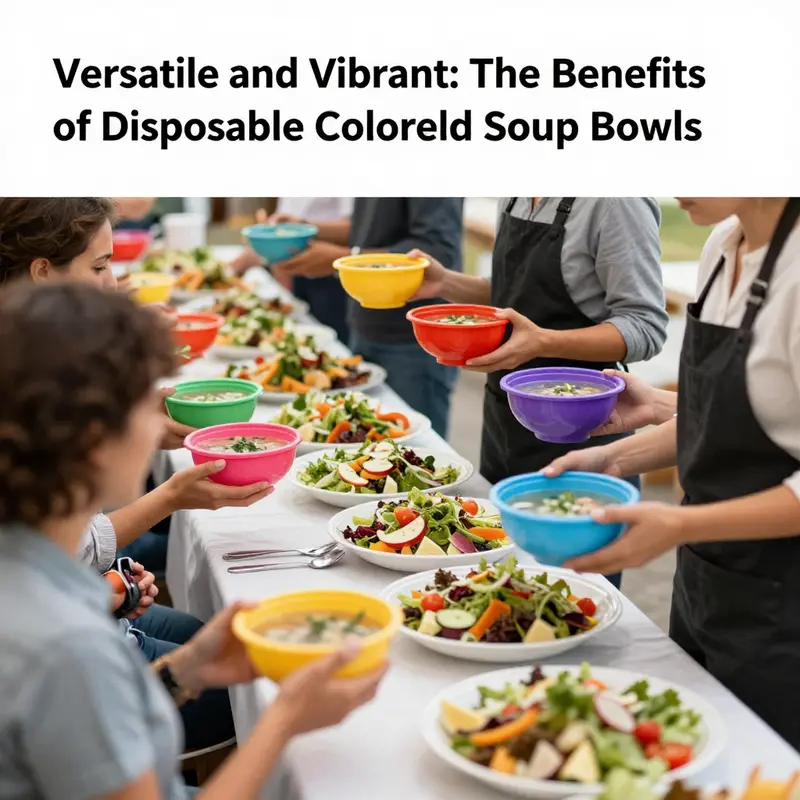
Disposable colored plastic soup bowls have transformed the way food is presented and managed across a myriad of settings. Combining striking aesthetics with unmatched practicality, these bowls cater to both sophisticated events and everyday food service needs. Designed with the modern consumer in mind, they present a unique blend of durability, safety, and visual appeal, making them an excellent choice for everything from upscale gatherings to busy cafeterias. Their vibrant colors add a touch of personality to any table setting, while their utility extends from holding hot, savory soups to crisp, cool salads. In this chapter, we delve into the versatility and usability of these bowls, exploring how they not only meet functional demands but also enhance event themes and brand experiences.
When it comes to food service operations, the role of disposable colored plastic soup bowls is multifaceted. In bustling cafeterias and large-scale catered events, the emphasis is on efficiency and ease of use. The single-use design means there is no need for washing up afterwards, which can significantly lower labor costs while reducing the likelihood of cross-contamination. Their stackable design allows for straightforward storage and transportation, making them an ideal solution for establishments that need to serve large volumes of food quickly. Additionally, in food delivery services and buffet arrangements, these bowls help streamline packaging and presentation, allowing for quick assembly lines and a consistently polished aesthetic.
Apart from professional environments, these bowls shine brightly in the realm of themed events. Imagine a formal dinner set under a starlit sky where sleek, monochromatic bowls accentuate a refined ambiance, or a playful birthday celebration where a burst of vibrant colors ignites the festive spirit. The varied color palette means that event organizers can coordinate tableware perfectly with a specific color scheme or thematic decor. Their design allows the table setting to communicate a story—whether it is elegance at a wedding reception or fun at a children’s party. The bowls not only serve as practical containers but also act as decorative elements that frame the overall event narrative.
Central to their widespread appeal is the careful selection of materials. Typically, these bowls are produced using food-grade plastics such as polypropylene (PP) or polyethylene terephthalate (PET), which provide both heat resistance and durability. This material choice ensures that the bowls are well-suited for holding hot soups, stews, and even dishes that require microwave reheating without warping or leaking. Their robust construction means that even dishes with chunky ingredients or high liquid content remain secure within the bowl, alleviating concerns about spills or breakage in high-stress environments. Furthermore, the use of BPA-free plastics reassures users about the safety of the material in contact with food, a crucial factor when serving meals to children or in settings where food safety is paramount.
The ease of usability extends well beyond the single-use advantage. The bowls’ lightweight structure and compact packaging not only simplify transportation but also make them convenient for on-the-go scenarios. Consider their use in outdoor events such as picnics or camping trips, where carrying heavy utensils is impractical. They provide a carefree alternative that does not compromise on quality or presentation. Even when integrated into comprehensive disposable tableware sets, these bowls can be custom-printed with logos or themed designs. For instance, businesses seeking to reinforce brand identity can choose options that allow for color matching or bespoke packaging solutions. Interested parties may explore additional insights on custom packaging approaches through this resource on disposable tableware, which further underscores the adaptability of disposable food service products.
Another significant advantage of these plastic bowls lies in their impressive resilience under varying temperature conditions. Their design ensures that they are not only microwave-safe but also capable of withstanding the rigors of freezer storage. This versatility means that whether employees are warming up a hot, hearty soup in a microwave or storing chilled desserts for a later course, the bowls maintain their form and function. The material properties provide a reliable barrier against leaks, which is particularly important in food delivery services where shaking and movement could otherwise result in spills. This kind of reliability is indispensable in professional kitchens and catering operations, where safety and consistency are non-negotiable.
Despite their many advantages, users of disposable colored plastic soup bowls need to balance convenience with environmental responsibility. Traditional plastics, while robust, contribute to waste challenges that many are striving to mitigate. The industry has responded by introducing compostable versions made from biodegradable polymers like PLA (polylactic acid), which derive from renewable resources such as cornstarch. Although these eco-friendly alternatives might not offer the same high heat resistance as traditional plastics, they represent a progressive step toward sustainability. Consumers who are particularly eco-conscious must weigh the need for durability and visual appeal against the environmental impact, especially in regions with strict waste management policies. This intersection of functionality and sustainability invites a thoughtful evaluation of product choice based on the specific needs and priorities of each event.
Beyond their inherent practicality, disposable colored plastic soup bowls serve as a catalyst for customization and creative expression. The range of colors available is a deliberate design choice aimed at providing users with myriad options that align with a diverse spectrum of events and moods. From muted shades that exude sophistication to bold hues that command attention, the color spectrum enriches the overall dining experience, turning an ordinary meal into an engaging visual banquet. The aesthetic versatility not only benefits individual hosts but also offers businesses the ability to tailor their food service presentations to mirror seasonal trends or thematic promotions. This degree of customization ensures that the bowls are not merely functional objects, but integral components of an event’s decor. In market segments where presentation is as important as function, these bowls demonstrate that disposable does not have to mean dull or uninspired.
In professional catering and event planning, where time and resources are often at a premium, the logistical benefits of using disposable colored plastic soup bowls are undeniable. Their design eliminates the need for post-event cleaning, thereby streamlining operations and reducing the turnaround time between events. Furthermore, they minimize the risk of contamination, which is especially pertinent in environments where multiple dishes and large crowds are involved. Their convenience significantly reduces the labor and water consumption traditionally associated with dishwashing, contributing to both operational efficiency and cost savings. This practical aspect is particularly appealing to managers and event planners who must juggle multiple priorities while ensuring that every detail, down to the soup bowl, operates flawlessly.
The functional design of these bowls extends to specialized uses in the fast-paced world of food delivery and takeout. In an era where consumer preferences lean towards convenience without sacrificing quality, the role of these bowls is increasingly vital. They facilitate the safe and effective transport of foods that might otherwise suffer from temperature fluctuations or physical agitation. Packaging innovation in this sector has led to the development of bowls that can securely house multi-component meals, ensuring that sauces, soups, and solid ingredients remain separated until the moment of consumption. Their reliability in holding both hot and cold foods without deforming is a testament to the advancements in disposable tableware design. As the food service industry continues to evolve, the importance of such versatile, adaptable packaging solutions is only expected to grow further.
While many appreciate the sheer practicality of these disposable bowls, the nuanced development of their design deserves recognition as well. Engineers and designers labor over the delicate balance between aesthetics, strength, and environmental considerations. Every curve, thickness, and finish is calibrated to ensure that the finished product performs admirably under various conditions. For instance, the glossy finish found on certain bowl models does more than just enhance appearance—it also plays a role in preventing food residues from adhering too strongly, thus maintaining the bowl’s structural integrity during service. The ease with which these bowls can be filled, carried, and disposed of speaks to a design philosophy that values both user experience and operational efficiency. In this light, these soup bowls epitomize how well-designed disposable products can elevate everyday dining situations into something remarkably functional and visually stimulating.
In examining the cumulative benefits of disposable colored plastic soup bowls, it becomes clear that their utility is enhanced by careful attention to detail throughout the design and manufacturing process. Their ability to accommodate a diverse range of food types—from piping hot soups to crisp salads and even multi-component meals—demonstrates a level of adaptability that is rare in disposable tableware. At the same time, their visual appeal adds a layer of sophistication to any event they grace. This synergy of form and function is what makes these bowls a favored choice among organizers and restaurateurs alike. Their place in the modern food service landscape is secure because they embody a philosophy of convenience without compromising on quality. For establishments juggling high-demand operations, the bowls represent an optimal solution that harmonizes efficiency, cost-effectiveness, and style.
Finally, while the current market for disposable colored plastic soup bowls is robust and innovative, users remain mindful of future trends. As consumer awareness about environmental sustainability continues to rise, manufacturers are increasingly exploring ways to reduce the environmental footprint of these products without sacrificing performance. This has led to a gradual shift toward eco-friendly materials and production processes. Even as countless events continue to benefit from the plethora of color, design, and usability features these bowls offer, the broader industry is evolving to meet new environmental standards and expectations. For those interested in understanding standard food-contact materials and regulations, further information is available from the U.S. FDA guidelines on food-contact materials. This ongoing evolution highlights the dynamic nature of the industry, where innovation and responsibility are driving forces toward a more sustainable future.
In summary, disposable colored plastic soup bowls stand as a testament to innovation in the realm of food service solutions. They provide far more than mere convenience; they enhance visual appeal, streamline operations, and offer a customizable interface that can elevate any dining experience. From high-volume catering events to intimate themed celebrations, these bowls reliably meet a wide array of practical needs. Their ability to bridge the gap between functionality and style makes them indispensable in today’s fast-evolving food service industry. As the demand for efficient, safe, and pleasing tableware continues to grow, these bowls are poised to maintain their prominence, reflecting a harmonious blend of aesthetics, durability, and practicality. Their story is one of continual adaptation and improvement, mirroring the dynamic demands of modern dining and event management.
Transforming Traditions: Eco-Innovations and Sustainable Alternatives in Disposable Colored Plastic Soup Bowls
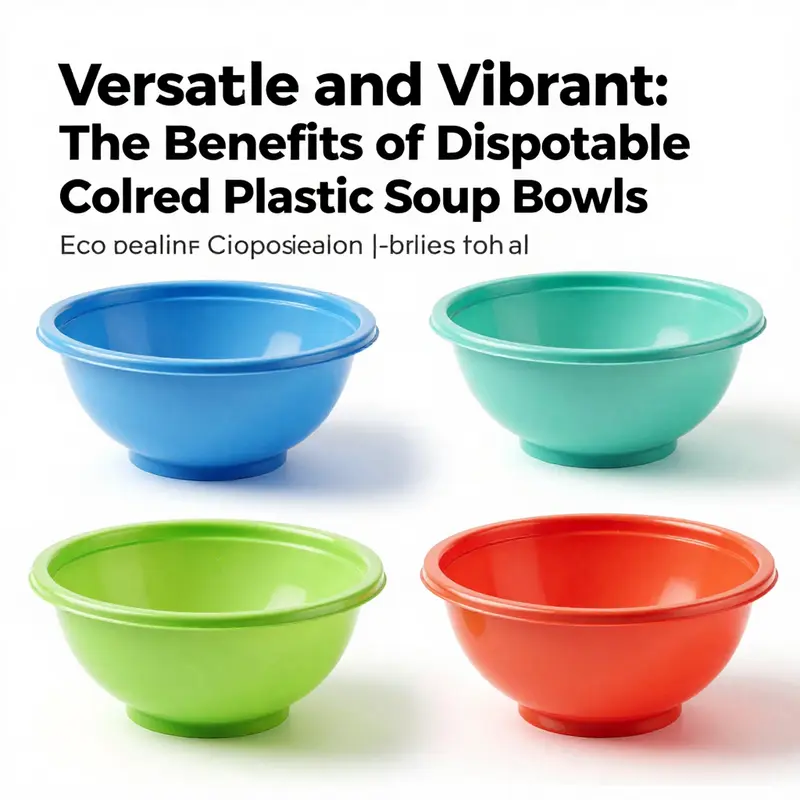
Disposable colored plastic soup bowls have long been celebrated for their convenience and visual appeal, offering a versatile option for events ranging from intimate family gatherings to large-scale banquets. Yet behind this practicality lies a complex tapestry of environmental concerns and a pressing need for sustainable alternatives. In this comprehensive narrative, we delve into the environmental impact of these widely used products and explore innovative, eco-conscious alternatives that are beginning to reshape the landscape of disposable tableware.
The allure of colored plastic soup bowls is undeniable. Their vibrant hues, durability, and resistance to leaks have made them a preferred choice for many. Typically constructed from food-grade plastic, these bowls are manufactured to safely serve both hot and cold dishes without compromising food quality. Their design is optimized to provide strength and stability even when holding liquids or chunky contents, allowing hosts to achieve an elegant presentation with little fuss over cleanup. However, this convenience is not without consequences.
The primary material used in many disposable bowls—polypropylene (PP) and sometimes even polystyrene (PS)—is derived from fossil fuels. This reliance on non-renewable resources contributes significantly to environmental depletion. The manufacturing process itself tends to generate considerable carbon emissions, which add to the overall ecological footprint of these products. As the production scales up to meet the demands of both casual and formal settings, the cumulative environmental impact becomes a stark reminder that convenience often comes at a steep ecological cost.
Waste management poses another significant challenge. Once these bowls have fulfilled their utility, they are typically discarded. Owing to the durable nature of plastics, these items can persist in landfills for hundreds of years without decomposing. Over time, the break down of these materials can lead to the formation of microplastics, tiny fragments that infiltrate soil and waterways, jeopardizing wildlife and disturbing delicate ecosystems. The pervasive issue of microplastic pollution is not isolated; it is part of a broader pattern of environmental degradation linked directly to single-use plastic products.
Beyond waste persistence, there is also the potential for chemical leaching. The dyes and additives used to achieve the vibrant and varied color palettes available in these bowls may interact with food substances, particularly when the containers are exposed to heat. Although these additives are generally regulated, concerns remain about the possibility of chemicals migrating into the food, especially under suboptimal conditions. It is a dual-edged sword—while the bowls provide an aesthetic quality that can enhance any table setting, they inadvertently raise questions about long-term health impacts and food safety.
In response to these environmental and health challenges, the market for disposable tableware has begun to pivot toward more sustainable solutions. This shift is driven by both regulatory pressures and evolving consumer expectations. Modern consumers are increasingly aware of the environmental costs of disposable plastics and are demanding products that align with a more circular, sustainable economy. As manufacturers innovate, a variety of eco-friendly options have emerged that promise to reduce the harmful effects traditionally associated with disposable tableware.
One promising avenue is the development of biodegradable alternatives. These products are designed to break down more rapidly than conventional plastic, thereby mitigating the long-lasting waste problems. A common breakthrough in this category is the adoption of plant-based materials, such as polylactic acid (PLA), which is derived from renewable resources like cornstarch. PLA bowls are engineered for industrial composting, where they decompose under carefully controlled conditions. Although these biodegradable options may have restrictions in terms of heat resistance, particularly when compared to their plastic counterparts, they represent a significant stride toward reducing the environmental persistence of single-use products.
In addition to PLA, other natural materials are being harnessed to create disposable tableware. Sugarcane bagasse, for instance, is a by-product of sugar production that is both renewable and biodegradable. This material offers a sturdy alternative that resembles the firmness of plastic while being entirely compostable. Similarly, bamboo fiber has emerged as a favored material among environmentally conscious manufacturers. Owing to bamboo’s rapid growth rate and minimal need for chemical intervention, bowls made from bamboo fiber offer durability and a green appeal that suits many eco-friendly initiatives. These innovative materials are at the forefront of the move away from traditional plastics, demonstrating that sustainability and convenience can coexist in the same product category.
Alongside biodegradable innovations, the market is also witnessing a resurgence in the popularity of reusable containers. The concept of reuse is particularly attractive from an environmental perspective. Materials like stainless steel, glass, and ceramic offer longevity that disposable products cannot match. Although these options may require more intensive cleaning and handling, they serve as a reminder that discarding a product after a single use is not the only viable path. Reusable alternatives, often available in designs that still cater to aesthetic considerations, reduce waste generation and cut down on the production energy associated with manufacturing single-use items. The choice between reusability and disposability might well become a defining factor for consumers seeking to balance practicality with ecological responsibility.
The transition towards sustainable options is also reflective of broader market trends. Businesses across various sectors, from hospitality to event catering, are increasingly aligning their practices with principles of environmental stewardship. In many cases, establishments are opting for products that showcase both functionality and a commitment to reducing their ecological footprint. For instance, some companies have begun to incorporate custom takeaway packaging supplies for themed events into their offerings. These products are specifically designed not only to provide the convenience of disposability but also to be more in tune with modern sustainability standards. Embracing these alternatives can signal to customers that a business is conscientious about its impact on the environment, fostering a positive reputation and building customer loyalty.
Market forces are indeed beginning to favor sustainability, and this trend is supported by advancements in environmental science and consumer advocacy. As more studies shed light on the consequences of non-biodegradable waste, industries are motivated to reexamine longstanding production methods and invest in green technologies. Manufacturers are now employing lifecycle analysis to better understand the true cost of their products over time, factoring in not just the immediate benefits but also the long-term environmental implications. This holistic approach has spurred innovations that blend the appeal of disposable colored soup bowls with environmentally sustainable practices.
The conversation around disposable tableware is not solely about mitigating harm; it also encompasses the pursuit of systemic change. Policy makers and industry leaders are working together to strike a balance between consumer convenience and the urgent need to protect natural resources. Regulations are being considered that would encourage the use of materials with a lower environmental impact, and in some regions, incentives are provided for businesses that switch to biodegradable or reusable alternatives. These policy measures aim to create a framework within which sustainability is not just an optional extra, but an integral part of the production and consumption cycle.
From an economic perspective, the push towards greener alternatives is proving to be a sound investment. While initial costs for biodegradable or reusable products may sometimes exceed those of traditional plastic bowls, the overall cost savings become apparent when factoring in waste management and environmental remediation expenses. In addition, consumers are increasingly willing to pay a premium for products that align with their eco-conscious values. This willingness has spurred growth in the green technology sector, prompting further innovation and competition among manufacturers. The resulting diversity of products ensures that there are now more choices than ever before for those who wish to reduce their environmental footprint without sacrificing quality or convenience.
Industrial innovation also plays a critical role in this transition. Research into novel production techniques is uncovering ways to reduce the energy consumption associated with manufacturing disposable products. For example, some companies are exploring the use of renewable energy sources in their production lines, thereby lowering the overall carbon footprint of their manufacturing processes. Alongside energy considerations, advancements in material science are enabling the production of bowls that are not only stronger and more durable but also entirely recyclable or compostable. These technical developments underscore the possibility of achieving a truly sustainable solution that addresses both the needs of modern consumers and the imperatives of environmental conservation.
Equally important is the role of consumer education in driving change. As awareness grows about the environmental impacts associated with single-use plastics, more individuals are seeking out information on sustainable practices and products. Educational campaigns have been instrumental in shifting public perception, highlighting the ecological benefits of alternatives such as biodegradable materials and reusables. Consumers are becoming more discerning, often researching the lifecycle of products before making a purchase. This informed decision-making encourages manufacturers to prioritize eco-friendly practices, thereby creating a feedback loop that benefits both the environment and the economy.
It is also important to acknowledge that the environmental considerations associated with disposable colored plastic soup bowls extend beyond waste and raw material consumption. The entire supply chain—from extraction of raw materials to end-of-life disposal—carries a cumulative environmental impact. Transportation, for instance, contributes significantly to the overall carbon footprint of these products. The logistics involved in shipping large quantities of bowls often rely on fossil fuels, which further exacerbates the challenges of sustainability. A comprehensive approach to environmental stewardship must therefore address every stage of the product lifecycle, from production and use to disposal and potential reuse.
As the industry continues to evolve, collaboration among various stakeholders is proving crucial. Manufacturers, environmental scientists, policy makers, and consumers are working together to identify and implement practices that mitigate harmful impacts. This interdisciplinary approach promises to deliver solutions that are not only technically feasible but also economically viable and socially acceptable. It is a journey that requires ongoing dialogue, innovative thinking, and a willingness to challenge the status quo in pursuit of a more sustainable future for disposable tableware.
The shift towards sustainable practices in disposable colored soup bowls reflects a broader cultural transformation. It embodies a growing recognition that convenience should not come at the expense of environmental integrity. As communities, businesses, and governments take steps to reduce plastic waste and embrace greener alternatives, the narrative is gradually shifting from one of disposability to one of responsibility and stewardship. The story of these bowls is a microcosm of a larger global movement—one that aspires to create a world where products are designed with an awareness of their long-term impact on our planet.
In rethinking disposable colored plastic soup bowls, innovation is key. Advances in biodegradable materials are not the only promising development; innovations in design also contribute substantially to sustainability. For instance, some new designs incorporate partitioned structures that can serve multi-component meals without requiring additional packaging. Such designs help reduce overall waste by eliminating the need for separate containers for each food item. These multifaceted solutions demonstrate that functionality and environmental responsibility can coexist effectively in a single product.
Furthermore, consumer demands are increasingly influencing manufacturers to reconsider their packaging strategies. Businesses that once relied heavily on conventional plastics are now exploring creative ways to minimize waste without compromising the aesthetics or utility of their products. In this context, even the production process is being reimagined through the lens of sustainability. Efforts to reduce energy consumption, use renewable resources, and develop materials that degrade harmlessly after use are all part of a transformative movement that is redefining the market landscape.
The importance of this paradigm shift cannot be overstated. Every innovation in the field of disposable tableware contributes to a larger narrative of sustainable progress. Each step forward—whether it involves a switch to biodegradable raw materials or the adoption of a reusable alternative—brings us closer to a future where convenience does not conflict with environmental responsibility. For consumers who are skeptical about the efficacy of green solutions, the growing body of research and empirical evidence provides reassurance that sustainable choices are both practical and effective in reducing the long-term impacts of disposable products.
This movement towards eco-innovation is not isolated to any single region or market segment. It is a global phenomenon that resonates with the environmental challenges faced by communities around the world. From large urban centers to small rural towns, the call to reduce plastic pollution is reaching a diverse audience, mobilizing change on multiple fronts. As the story of disposable colored plastic soup bowls continues to unfold, it offers hope and tangible avenues for mitigating the adverse effects of our reliance on single-use plastics.
As we look to the future, the role of research and development in this sector remains critical. Continued investment in sustainable technologies promises to yield breakthroughs that could further revolutionize the industry. Innovations in biodegradable formulations, recycling processes, and energy-efficient manufacturing methods are just a few of the areas where significant progress can be made. By embracing these advancements, manufacturers can not only reduce their environmental impact but also compete more effectively in a market that increasingly values sustainability.
In summary, the journey from conventional disposable colored plastic soup bowls to sustainable alternatives is a multifaceted and evolving process. It challenges long-held assumptions about convenience and cost, urging us to consider the full spectrum of environmental impacts associated with our everyday products. The integration of biodegradable materials, the promotion of reusable options, and the thoughtful redesign of product lifecycles are all testaments to a broader commitment to environmental stewardship. For stakeholders at every level—from product designers to end consumers—the imperative is clear: thoughtful innovation and responsible choices can pave the way for a healthier planet.
For those eager to learn more about the strategies and technologies driving this transformation, further insights can be found by exploring resources dedicated to sustainable packaging and eco-friendly product design. A particularly useful resource on this topic is the work presented by the Ellen MacArthur Foundation, which provides in-depth analysis and practical guidance on embracing circular economy principles. Embracing these insights and applying them to everyday products, such as disposable colored plastic soup bowls, represents one of the most promising avenues for creating a more sustainable future for all.
In this age of innovation and heightened environmental awareness, the evolution of disposable tableware symbolizes not just a change in product design, but a transformation in values. It is an acknowledgment that every choice we make, from the materials we use to the way we dispose of them, has an impact on the health of our planet. As manufacturers and consumers alike become more deliberate and informed in their decisions, the legacy of disposable colored plastic soup bowls may well transition from one defined by waste and environmental strain to one characterized by ingenuity, sustainability, and a profound respect for the natural world. This transformation is not only necessary but inevitable, as it aligns with our collective responsibility to nurture and preserve the environment for future generations.
Ultimately, the story of disposable colored plastic soup bowls is a microcosm of the broader struggle between convenience and conservation. It challenges us to rethink traditional practices and explore innovative alternatives that honor both our immediate needs and our long-term obligations to the Earth. Through conscientious design, rigorous research, and collaborative efforts across industries, the path forward is illuminated by a commitment to sustainability that resonates across the globe. This evolving narrative serves as a powerful reminder that while the materials and methods of the past may have served us well in moments of convenience, the future belongs to those who dare to innovate responsibly and embrace change in pursuit of environmental harmony.
Final thoughts
Incorporating disposable colored plastic soup bowls into your service offerings can enhance the aesthetic and practical aspects of your business. Their versatility, durability, and the range of colors available can appeal to diverse clients while ensuring convenience and ease of use. As environmental considerations become increasingly important, opting for quality materials and eco-friendly alternatives is essential. By understanding these products, you can make informed decisions that benefit your business and cater to modern consumer preferences.