
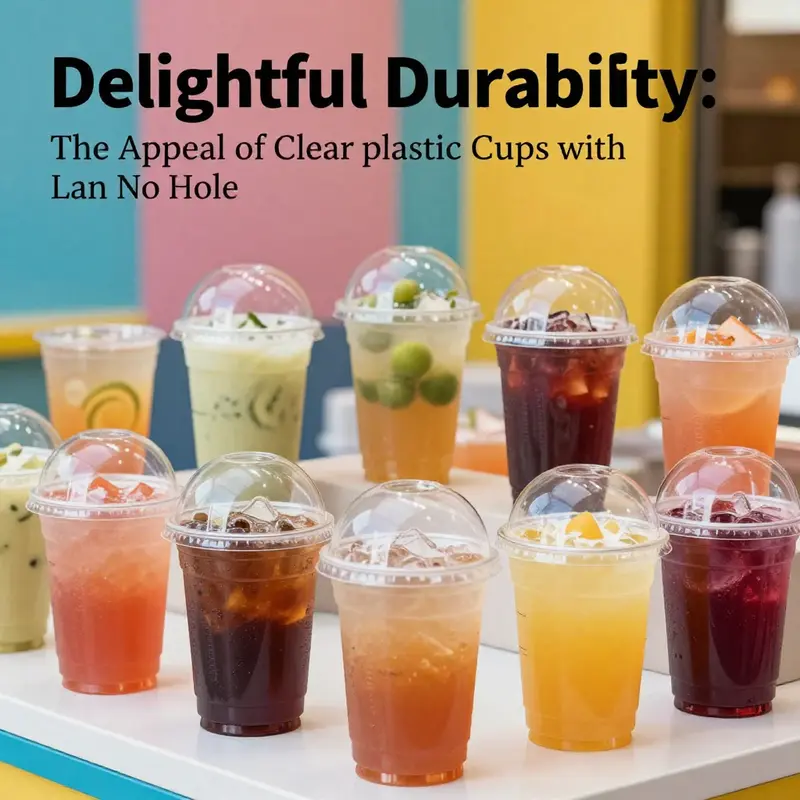
In today’s culinary landscape, clear plastic cups with dome lids no hole serve as a shining example of functional design meeting aesthetic appeal. Food service operators, including bubble tea shops, beverage chains, restaurants, food trucks, catering services, event planners, and corporate procurement teams, recognize the value in these cups. With their ability to present beverages and desserts with elegance while preventing spills, they have become indispensable in the industry. This article will explore the applications, advantages, customization options, and environmental considerations of these versatile cups, equipping food service professionals with the insights needed to enhance their product offerings.
Maximizing Culinary Presentation and Efficiency with Spill-Proof Dome Lidded Clear Cups
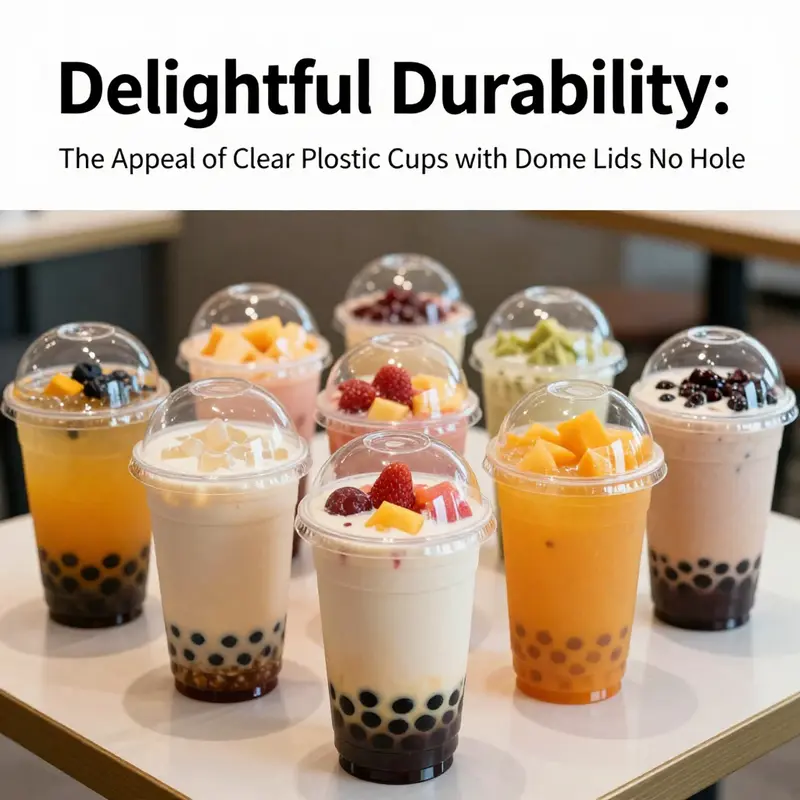
Clear plastic cups with dome lids that have no hole have rapidly emerged as a favorite among culinary professionals and food service operators alike. Their ingenious design and versatile function have created a paradigm shift in the way desserts, cold beverages, and various semi-solid treats are served and transported. Constructed from food-grade materials such as PET and PP, these cups offer both breathtaking clarity and remarkable durability. This not only ensures that every serving is presented in an attractive manner, but also guarantees safety when the cup comes into direct contact with consumable goods.
At the heart of these cups’ popularity is the dome-shaped lid. Unlike traditional lids that incorporate a hole for inserting a straw or spoon, the dome lid in this design is completely sealed. This ensures an airtight closure that prevents spills and leaks during movement or transport. For food service providers, this means that whether the cup contains a layered dessert, a frothy milkshake, or even a savory chilled soup, the presentation remains pristine and the contents secure. The design is particularly suited for items that feature robust toppings such as whipped cream, fruit chunks, or mousse. By providing extra space over the product, the dome lid accommodates thicker textures without compromising on the overall presentation or the cup’s structural integrity.
The functionality of these cups extends far beyond just maintaining a clean and elegant presentation. They are designed to keep the contents fresh and safe by providing a secure environment that limits exposure to contaminants. This feature is especially critical in settings like catering events or busy takeout operations, where maintaining hygiene and preventing unintended spills could be the difference between a positive customer experience and a costly mishap. Because the sealed construction minimizes air exchange, flavors and temperatures are preserved for a longer duration, making them suitable for both cold and moderately hot preparations. This preservation quality is particularly beneficial when serving items like ice cream, parfaits, or freshly prepared beverages during high-traffic periods.
Another notable advantage of these cups is their visual appeal. With a completely transparent body made from premium plastics, the food inside is presented as a feast for the eyes. Customers can easily appreciate the vibrant colors and textures of their meals, which adds an element of excitement to food service. In an era where visual appeal often drives customer satisfaction, this transparency offers a unique selling point. The simplicity of the design, coupled with its ability to showcase culinary artistry, endears these cups to both upscale restaurants and fast-casual dining experiences. Restaurants have increasingly moved towards packaging that not only serves its functional purpose but also acts as a promotional tool, highlighting the quality and creativity of the food they serve.
In addition to their utility in traditional food service outlets, these cups have found a niche in various specialized settings. For instance, they have made their mark in applications such as serving yogurt parfaits, fruit desserts, layered ice cream creations, mousse, and even small servings of jello. Chefs and food stylists appreciate that the dome lid design creates an elevated visual space that draws attention to the unique layers of each dessert. This means that a customer who views a well-styled parfait through a clear cup is not only tempted by the flavors but also enticed by the artistry behind the presentation. The ability to accommodate thick toppings without the risk of overflow or mess makes these cups a practical and aesthetic win in any culinary scenario.
The versatility of these cups also shines in environments that demand high standards of hygiene and ease-of-use. In fast-paced environments such as dessert kiosks, outdoor festivals, and children’s parties, the no-hole dome lid ensures that food remains contained during movement. This is a significant advantage when food is being served in portable settings where spills could lead to safety hazards or unpleasant messes. Moreover, their design lends itself well to single-serving applications, which are increasingly popular in the modern food service industry. As portion control and individualized servings have grown in importance, especially in settings like food trucks and takeout services, these cups have become indispensable tools for maintaining consistency and quality in serving sizes.
Not limited to just the culinary sector, clear plastic cups with dome lids without holes are also finding utility in medical and clinical environments. In instances where small volumes of liquids need to be dispensed safely, such as dental procedures or hydration in a healthcare setting, the cups’ airtight seal ensures that the liquids remain uncontaminated. Their clear construction not only provides a quick visual inspection but also adds an element of trust when hygiene is paramount. In these scenarios, every detail matters, and a design that prevents accidental spilling while ensuring product integrity becomes an unexpected but valuable asset.
When it comes to managing a bustling food service business, cost efficiency and scalability are critical considerations. Manufacturers recognize the growing demand for these specialized cups and offer them in a variety of sizes—ranging from mini servings to options that can hold up to 12 oz of contents. Businesses benefit from bulk purchase options that allow them to scale their operations without compromising on quality. With minimum order quantities starting at economical levels and delivery approximations often between 30 to 45 days for first orders, these cups present a reliable, cost-effective solution for high-volume operations. For instance, food trucks and cafes have capitalized on the practical design, using them in bulk purchases to reduce overall supply chain expenses while ensuring that each serving meets the stringent standards that today’s discerning customers expect.
Beyond simple cost savings, investing in these cups can also serve as a subtle yet effective marketing tool. The clear design allows for the opportunity of customization through flexographic printing, enabling restaurants and brands to imprint their logos, slogans, or creative designs on each cup. This kind of customization not only reinforces brand identity but also turns a routine takeaway item into a conversation starter. As customers are increasingly drawn to brands that offer a seamless blend of functionality and aesthetic appeal, these personalized cups help businesses build a lasting relationship with their clientele. In this way, the cups become more than just a container; they are a part of the overall brand experience that drives customer loyalty and repeat business.
Considering sustainability, the materials chosen for these cups—whether PET or PP—are continually being refined to meet higher environmental standards. Although the primary focus for many operators is durability and cost-effectiveness, there is a growing emphasis on the recyclability of these plastics. Manufacturers are investing in cleaner production techniques and enhanced recycling processes to ensure that these cups do not contribute unnecessarily to landfill waste. In many jurisdictions, food service providers are now incentivized to choose packaging solutions that align with broader sustainability goals, and the evolving production methods for these cups are a testament to the industry’s commitment to environmental stewardship.
Furthermore, the design of these cups facilitates efficient storage and handling. Their shape enables easy stacking, meaning that even in a busy back-of-house environment, the cups can be stored without risk of breakage or damage. This reliability in handling is particularly useful in high-demand environments where space optimization is as key as functionality. When a restaurant or deli orders thousands of these cups for daily use, the ease with which they can be handled and stored translates directly to better operational efficiency and reduced overhead costs. The uniformity in design also means that automated dispensing systems and modern packing machines can work in harmony with these cups, streamlining the workflow in high-volume establishments.
One of the most notable examples of the cups’ practicality is seen at large-scale events where each port of call must maintain stringent food safety standards. At outdoor carnivals or sporting events, where the environment can be unpredictable, the secure dome lid ensures that both staff and customers experience minimal disruptions due to spills or contamination concerns. The elevated design not only protects the integrity of the food item but also plays a role in maintaining its ideal temperature during transit. In scenarios where food needs to stay fresh for extended periods—such as catered events or takeaway meals—the ability of the cup to retain freshness is crucial. Operators frequently report that these cups help maintain the visual and gastronomic quality of their offerings even when conditions are less than ideal.
A case in point can be found in the rapid rise of specialty beverage kiosks that serve products like bubble tea, iced coffee, and smoothies. Traditionally, such beverages would suffer from exposure to the environment, resulting in dilution or temperature changes. However, when served in these dome lid cups, the beverages retain their original consistency and flavor profile. The fully sealed lid acts as a barrier against airborne contaminants and physical disturbances, ensuring that every sip is as intended by the bartender or chef. This commitment to quality is what has driven many providers to integrate these cups into their core service offerings, confidently knowing that they can deliver a product that is both appealing and consistent with consumer expectations.
The benefits of these cups also extend to their role in optimizing customer service experiences. In high-paced environments such as fast-casual dining or takeaway counters, the ability to quickly serve a perfectly packaged dessert or drink can have a noticeable impact on service speed and overall customer satisfaction. Because the cups are robust and have an inherently secure design, staff members can handle them with greater ease and less worry about accidental spills during peak hours. This not only improves operational efficiency but also enhances the overall dining experience, as customers receive their orders without the frustration of having to deal with messy spillages.
As the food service industry continues to evolve, so does the technology behind packaging solutions. Modern innovations have increasingly centered on combining aesthetics with functionality. For example, by offering options for flexographic printing, these cups provide an exceptional canvas for creative branding initiatives. Local cafes and national chains alike have taken advantage of this opportunity, turning an everyday disposable cup into a marketing asset. In essence, the simplicity of the container becomes a platform upon which brands articulate their identity and values. Such dual-purpose design transforms a utilitarian item into a storytelling medium that resonates with customers on both a practical and emotional level.
Of course, no discussion of spill-proof dome lid cups is complete without mentioning the significant factor of customization in today’s market. Manufacturers now offer a range of sizes—from the mini 8 oz drinks for children at birthday parties to the generous 12 oz servings perfect for lunch orders. This range means that almost any culinary need can be met without compromise. Whether the goal is to offer a refreshing smoothie, an indulgent dessert, or an innovative savory treat, there is a cup format that fits the bill. This adaptability has made these cups an indispensable feature not only in traditional restaurant settings but also in emerging niche markets where bespoke serving sizes are required.
In addition to the convenience and functionality provided by the sealed design, the overall cost-effectiveness of these cups has propelled their popularity in the competitive food service industry. Bulk packaging options, often with thousands of cups per carton, contribute to lowering the cost per unit. For business owners operating on tight margins, reducing overhead without sacrificing quality is paramount. Offered at competitive prices and designed for high-volume distribution, these cups enable operators to scale up their operations effectively. As a result, many food service entities have integrated these cups into their daily operations, knowing that they deliver both consistent quality and economic value over time.
Commercial kitchens and event organizers have also noted that the cups’ robust, leak-proof design minimizes waste. The secure sealing mechanism means that even if a cup in transit is jostled or subjected to minor turbulence, its contents remain securely in place. This reliability translates directly into cost savings, as fewer products are lost to spills or compromised during handling. In addition, the clear visibility of the food inside dramatically reduces the likelihood of misidentification or delivery errors in busy operational settings. With fewer variables to manage, the workflow is smoother, leading to an overall increase in both efficiency and customer satisfaction.
By offering an internal solution that caters to the demands of modern culinary presentation, these cups have also positioned themselves as a strategic asset for businesses committed to health and safety. The uncompromised seal of the dome lid ensures that there is no exposure to airborne bacteria or accidental contaminants, which is crucial in a post-pandemic world. For establishments that prioritize food safety and operational excellence, investing in packaging that supports these values has become a key aspect of their strategy. The dual benefits of ensuring both hygiene and visual satisfaction allow these cups to seamlessly integrate into a broad spectrum of service settings, ranging from high-end restaurants to everyday fast-casual dining experiences.
For those curious to explore more about high-quality packaging options designed for such applications, there are several resources available. One useful internal resource is the article on a disposable clear plastic cup for outdoor events, which provides insights into how similar products enhance customer experiences through thoughtful design and reliable functionality.
As the industry continues to innovate, the focus on user-friendly design and operational excellence promises to further refine these spill-proof dome lid cups. Their benefits in terms of visual appeal, hygiene, cost-effectiveness, and adaptability ensure that they remain at the forefront of food service packaging solutions. For culinary professionals, the clear, sealed design offers not only an immediate aesthetic advantage but also long-term operational benefits that streamline service and enhance customer satisfaction.
For a comprehensive look at detailed specifications, performance metrics, and firsthand supplier information, readers may find additional insights by exploring this external resource: View Product: 12 oz Clear Plastic Cups with Dome Lids No Hole.
Enhancing Beverage Service: The Multifaceted Benefits of Clear Plastic Cups with Dome Lids and No Holes
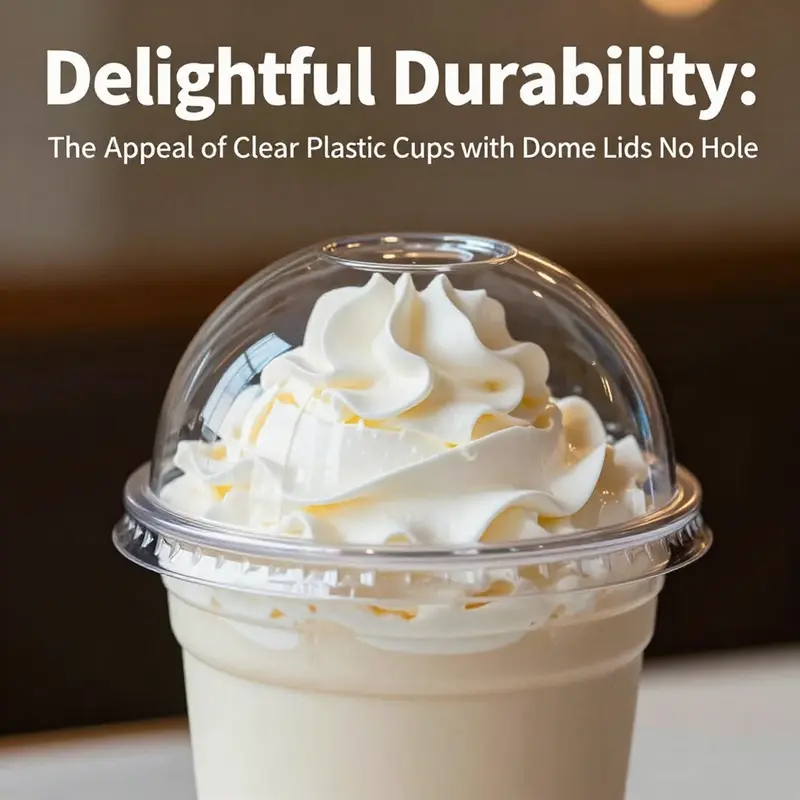
Clear plastic cups equipped with dome lids that have no hole not only provide an elegant solution for modern beverage service but also incorporate a series of advanced features that elevate the overall experience for both providers and consumers. These cups have been thoughtfully designed to meet contemporary demands in food service, combining practicality, hygiene, and visual appeal into one comprehensive package. With a cup built from food-grade, durable materials such as PET or polypropylene, businesses can maintain the integrity and freshness of both hot and cold beverages, making them ideal for a variety of applications ranging from indulgent desserts to everyday drinks.
One of the most prominent advantages of these cups is their secure, spill-free transport capability. The dome lid, without a drinking hole, creates a tight, secure seal that minimizes the risk of leaks or accidental spillage. This feature is particularly essential for establishments that cater to events, deliver beverages over long distances, or simply wish to ensure that their product arrives in pristine condition. In many scenarios, whether it is during the hectic hustle and bustle of a busy cafeteria or while navigating crowded streets with a takeout order, the prevention of spills can be more than just a convenience – it can become a critical factor in user satisfaction and operational efficiency. The absence of any openings in the dome lid keeps the contents secured, even when moved vigorously, thereby reducing mishaps and offering peace of mind that the beverage will remain contained until it reaches the customer.
Temperature preservation is another key factor that makes these cups stand out. Because the dome-like lid seals the cup completely, the beverage inside experiences minimal exposure to ambient air. This sealed environment helps maintain the beverage’s desired temperature for longer periods, ensuring that hot drinks such as coffee remain warm, and chilled liquids like iced tea or smoothies retain their refreshing coolness. In settings where beverages may be exposed to fluctuating environments—such as outdoor events or delivery services—this ability to retain heat or cold can significantly enhance the consumer experience. The insulating properties, though not designed for extremely hot drinks, provide a balance between functionality and convenience, making them suitable for a vast majority of everyday applications.
The consumer experience is further enhanced by the simple, yet highly effective, design of these cups. Without any additional openings or a separate drinking mechanism, consumers are encouraged to sip directly from the cup’s rim. This design not only simplifies the interaction between the customer and the product but also reduces the need for additional accessories such as straws. For individuals who are environmentally conscious, this reduction in disposable components is an additional benefit since it minimizes plastic waste and simplifies the cleanup process. Moreover, the unobtrusive design contributes to a streamlined aesthetic that appeals to modern sensibilities. Businesses that prioritize sustainability and minimalism will find that these cups align with their brand values while still delivering on performance.
Beyond consumer convenience, the hygienic benefits of using a fully sealed cup cannot be overstated. In an era where a sanitary presentation is of paramount importance, the sealed dome lid acts as a barrier against environmental contaminants. Dust, airborne particles, and even small insects are kept at bay, ensuring that the beverage remains uncontaminated from the moment it is sealed until it is opened for consumption. This is particularly valuable in outdoor settings or in scenarios where the product undergoes transportation over long distances. Food safety standards are rigorously maintained with a sealed design, giving both vendors and customers an added level of assurance regarding the cleanliness of the product.
In addition to functional advantages, the visual appeal of these clear plastic cups adds a sophisticated touch to any beverage presentation. The transparency of the plastic not only allows customers to see the drink’s texture, color, and even the level of contents inside, but it also enhances the overall aesthetic experience. Seeing the beverage in its complete form, from the carefully blended layers of a parfait to the vibrant hues of an iced beverage, increases consumer trust and excitement. This clarity can also serve as a subtle marketing tool; when potential customers see a beverage that looks as good as it tastes, it can drive both word-of-mouth promotion and repeat business. The elegance of a well-presented drink in a clear cup encapsulates a blend of function and form that resonates well with today’s consumer who is interested in both quality and style.
Cost-effectiveness is a central benefit that appeals to business owners in the food service industry. Manufacturers have optimized the production processes to ensure that these cups are not only reliable and durable but also economical on a large scale. The ability to order in bulk quantities, often with customizable options like flexographic printing for branding purposes, means that companies can tailor the product to fit their unique business needs while remaining within budget. The durability of the cup further ensures that the product performs exceptionally well under different conditions—whether it is used in high-turnover fast food outlets or in more upscale, event-specific catering setups. This efficiency in production and overall performance translates into lower waste levels and a higher return on investment, especially in industries where presentation and precision are key.
Durability is a critical factor in the performance of these cups and is achieved through careful selection of materials and design. The inherent strength of PET or polypropylene means that the cups can be used for both cold and moderately hot beverages without compromising their structure. Despite the light and inexpensive appearance of disposable plastic cups, the design takes into account the stresses of transportation, rapid temperature changes, and incidental bumps or knocks. Over the course of extensive use, these cups resist deformation and leaks, making them particularly valuable in high-paced environments like catering events, sports stadiums, and busy takeout counters. Durability also reduces the likelihood of customer dissatisfaction caused by malfunctioning product components, which can harm a brand’s reputation in the competitive food service market.
The design of these clear plastic cups with dome lids and no holes also offers added flexibility for customization and branding. Businesses have the option of tailoring the cup with custom prints, logos, and colors that can harmonize with their overall brand image. This customization not only adds an element of uniqueness to the product but also serves as a mobile advertisement for the business. When a customer holds a cup that is clearly branded, it reinforces brand identity and promotes a professional image. The flexibility to customize, combined with the cost efficiency of mass-production, makes these cups an attractive proposition for companies looking to extend their marketing reach and strengthen customer loyalty. One can also explore additional packaging solutions, such as integrating disposable clear plastic cups into a broader suite of products designed for takeout and delivery. For more details on sustainable packaging for takeout products, consider visiting the collection of offerings on disposable clear plastic cups for outdoor and indoor events.
From an operational perspective, the use of these cups can lead to improved efficiency in the food service industry. With a product designed for seamless transport and extended temperature retention, staff can focus more on the quality of service rather than having to constantly manage issues related to product integrity. This efficiency is further bolstered by the reduction in handling requirements that a sealed, no-hole design permits. For instance, when serving beverages at busy events or rush hours in busy outlets, employees can quickly distribute drinks without worrying about the need to manage additional accessories or worry about spills. As a result, there is less disruption in service, leading to increased customer satisfaction and smoother operational flow.
Furthermore, the overall concept behind these cups demonstrates a thoughtful balance between functionality and presentation. While many traditional beverage containers may offer similar physical properties, the holistic design approach that integrates a secure dome lid with a clear, durable body distinguishes these cups in the marketplace. The careful consideration of factors like transport stability, temperature retention, ease of consumption, and even aesthetic display collectively contribute to a superior product that can elevate a business’s beverage service. It is this integration of multiple benefits—which on their own might seem ordinary—that together give these cups their unique competitive edge and significant appeal both to end consumers and to providers.
It is also important to acknowledge that these cups cater well to modern environmental considerations. Although they are disposable, the materials used when manufactured in food-grade and recyclable plastics make them a responsible choice for businesses attempting to balance convenience with ecological accountability. The use of energy-efficient production processes and adherence to safety certifications helps to further endorse the product as both economically viable and environmentally responsible. Customers increasingly appreciate establishments that are aware of their environmental impacts, and the introduction of eco-friendly disposable options can serve as a tangible expression of this commitment. In an increasingly competitive market, the ability to present a product that is not only high performing but also designed with ecological sustainability in mind is a notable advantage that can set a business apart.
Another dimension to consider is the multifaceted use of these cups beyond the realm of beverages. Due to their robust construction and neatly sealed lids, these cups have found application in servings desserts like parfaits, milkshakes, and even elaborate layered drinks. The elevated platform created by the dome lid allows for the addition of thick toppings such as whipped cream, fruits, or even foam, providing a delightful twist to standard beverage presentations. This multiplicity in application not only diversifies the product’s usability but also widens the market for businesses looking to offer innovative and aesthetically pleasing food options. When used creatively, these cups can serve as both a functional container and a canvas for culinary artistry, further enhancing their appeal in gourmet and casual settings alike.
The engineering behind these cups also takes into account the practical challenges of modern day food processing and service. Every design decision, from the type of plastic used to the shape and fit of the lid, has been made with an eye towards optimizing performance under real-world conditions. This precision ensures that the cup will handle variations in temperature and pressure without compromising its seal or the overall user experience. The versatility of these cups makes them a consistent choice for different environments, whether it is in a restaurant dining room, a bustling outdoor food market, or a delivery service trying to maintain product quality from preparation to consumption.
In summary, the advantages of using clear plastic cups with dome lids and no holes for beverages are manifold. They combine reliable, spill-free transport with superior temperature retention to offer a complete solution to the modern food service challenge. The design not only prioritizes consumer convenience and hygiene but also enhances visual appeal and provides opportunities for efficient branding and customization. Such cups deliver reliable performance across a range of settings, from high-paced fast food environments to upscale catering events, making them well-suited for a variety of applications. As businesses continue to strive for a balance between functionality, cost-efficiency, and customer satisfaction, these cups stand out as a testament to thoughtful design that meets contemporary demands.
For those interested in deeper insights into food contact materials and industry standards for disposable beverage containers, the U.S. Food and Drug Administration offers comprehensive guidelines that can be found at FDA guidelines on food contact materials. This resource provides further validation and information on standards that ensure such products are safe for direct contact with consumables, reinforcing the importance of quality and compliance in the food service industry.
Ultimately, by integrating features that protect the product during transport, preserve temperature, and maintain hygiene, clear plastic cups with dome lids and no holes have redefined the standards of beverage service. Their combination of aesthetics, performance, and customization possibilities not only addresses the practical challenges in the beverage industry but also creates enhanced consumer experiences. As businesses aim to elevate their service offerings and reduce operational hassles, these cups symbolize a smart upgrade—a solution that mirrors the current trends of quality, sustainability, and customer-centric design in the food service sector.
Navigating Customization and Global Sourcing for Premium Clear Plastic Cups with Dome Lids
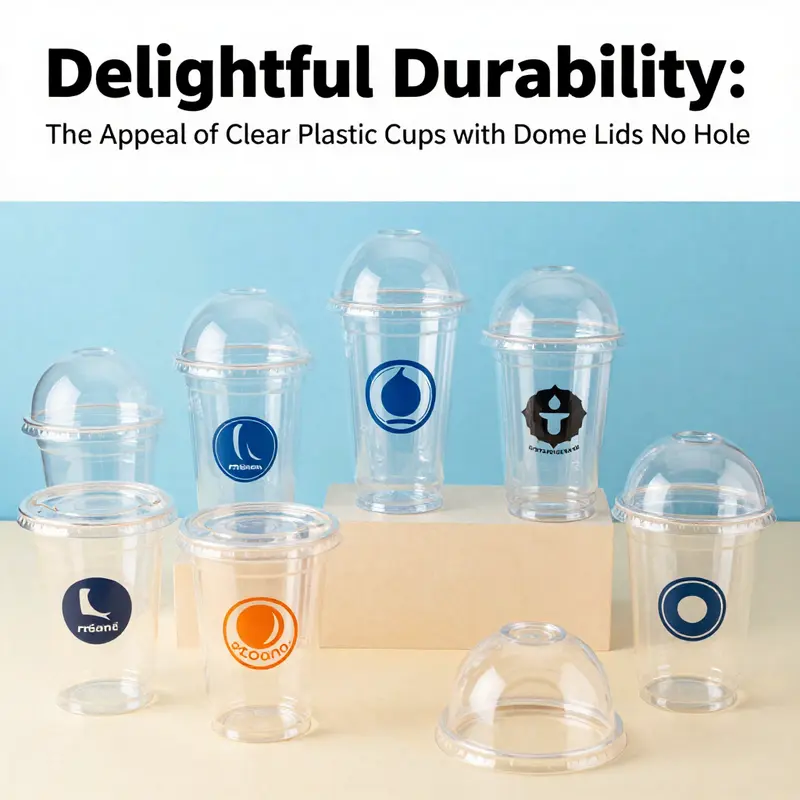
Clear plastic cups sealed with dome lids and featuring no hole are rapidly becoming the choice for businesses seeking both functionality and visual appeal. The absence of a hole in the dome lid means that the products not only protect contents from accidental spillage but also offer a clean, professional look that elevates the presentation. In an era where customer experience is prioritized, the option to customize these cups, coupled with a plethora of global sourcing channels, has opened up new paradigms for the food service and beverage industry. This chapter takes an in-depth look at the various customization possibilities available on the market and demystifies the global sourcing process, offering detailed insights into material types, minimum order quantities, design options, and the certification standards that ensure quality.
For many establishments, the choice of packaging is not merely about function but also about brand identity. The clear, food-grade material—often PET or PP—ensures that customers see the vibrant colors of a fresh fruit smoothie or the luscious layers of a parfait. Its inherent clarity exudes cleanliness, while the dome-shaped lid lends an association with innovation and meticulous attention to detail. The elevated dome design is not just functional in accommodating decadent toppings like whipped cream or foam; it has become a canvas for creative presentation and brand messaging. Businesses can imprint their logos, incorporate distinctive color schemes, or even choose specialty insert features that make the packaging uniquely theirs. The possibilities presented by this product allow companies not only to serve a drink or a dessert but also to tell a story about quality and innovation.
Sourcing these specialized cups involves a careful balancing act between quality, cost, and supplier reliability. The global market in plastic packaging is diverse, and potential buyers benefit from a broad range of offers available on international trading platforms. Suppliers based in China, India, Pakistan, and Vietnam each bring their competitive advantages to the table. Practically every supplier lists comprehensive product specifications including the type of plastic used—whether it is the robust and crystal-clear PET or a food-grade variant of PP—and details about the product’s capacity and packaging stability during transport. The ability to choose from different sizes, such as 8 oz, 9 oz, 12 oz, or even custom dimensions, means that retailers and food service businesses can cater perfectly to their specific needs.
An important consideration for buyers is the minimum order quantity (MOQ) required by suppliers. Some manufacturers are open to taking smaller orders, which is ideal for startups and specialized cafes that want to experiment with premium beverage packaging for limited editions, while larger chains may procure in bulk. This flexibility makes it easier to test the market without the daunting risk of huge upfront investments. Moreover, the global sourcing network offers competitive prices that, when combined with the customization options, ensure that buyers can achieve economies of scale without compromising on quality. Through platforms like Alibaba, detailed technical sheets for clear plastic cups with dome lids are readily available, allowing buyers to compare different suppliers based on MOQs, pricing scales, and production times. The transparency offered by these platforms fosters a trustworthy market environment where meeting quality certification standards—such as ISO, BRC, or HACCP—is the norm rather than the exception.
When it comes to customization, the true value lies in the flexibility to tailor packaging to the unique needs of a brand. Full customization from printing and branding to the careful selection of design details provides an edge in a marketplace crowded with choices. Many manufacturers now offer options to print directly on the cup or lid via techniques such as flexographic printing. This approach ensures that the design remains vibrant even under various storage and handling conditions. The benefits of such customization extend beyond simple aesthetics. For instance, a well-branded cup not only reinforces a company’s identity but also has the potential to enhance customer recall and loyalty. In a competitive landscape where differentiation is crucial, a simple cup can serve as a mobile marketing tool—one that is both utilitarian and visually appealing.
Beyond the graphic elements, customization also offers practical design modifications. While the standard dome lid is already engineered to provide extra room for toppings, some suppliers have taken this a step further by designing lids that incorporate spoon holders, or even integrating features to better insulate the contents. In some cases, bespoke options such as double-walled construction allow the cup to maintain a more consistent temperature during transit, making them ideal for both cold drinks and moderately hot beverages. Although these insulated versions may have limitations regarding the handling of extremely hot liquids, they do offer a compromise between portability and freshness, which is particularly appealing for takeaway orders. These specialized variants demonstrate that customization is not solely about aesthetic branding but also about enhancing the functionality of the product in alignment with specific use cases.
Packaging plays an equally pivotal role in the overall appeal and safety of the product. Most suppliers provide these cups in bulk packaging, often sealed in cartons that protect the product during shipment. Certain vendors even offer ready-to-ship inventories which can be critical for businesses operating on tight schedules or seasonal spikes in demand. An interesting facet of packaging customization is the option to design cartons with specific branding or ecolabels that align with a brand’s sustainability values. With an increasing focus on environmentally friendly products, some manufacturers have started offering alternatives made from recyclable materials or even biodegradable plastics like PLA. Though PET and PP remain the dominant materials due to their superior clarity and durability, the growing demand for eco-friendly solutions is driving innovation in the manufacturing processes used in this sector.
Certification stands as a crucial checkpoint for anyone intent on sourcing quality products. Reputable suppliers will often display a variety of certifications that attest to the health, safety, and environmental compliance of their cups. Such certifications might include ISO for quality management, HACCP for food safety, and even specific sustainability marks like FSC or Sedex. For businesses concerned with regulatory compliance or those wanting to bolster customer confidence, these certifications offer reassurance that the products they receive are manufactured to stringent standards. The connectivity between a supplier’s certification portfolio and their customization offerings underscores the reliability and safety of the product throughout its lifecycle—from manufacturing to consumption.
Moreover, buyer flexibility is enhanced by the diversity of material options available on the market. While PET and PP are the most common, some manufacturers offer clear plastic cups made from more sustainable alternatives. The use of biodegradable plastics such as PLA, which is produced from renewable resources, not only meets consumer demands for eco-friendly products but also aligns with a growing trend toward corporate sustainability. For companies looking to make an environmental impact, exploring these alternative materials presents an opportunity to reduce the carbon footprint associated with product packaging. This blend of functionality, aesthetics, and sustainability represents the future of food service packaging and is increasingly influencing purchasing decisions.
In addition to these practical benefits, the customization options available for clear plastic cups with dome lids carry substantial marketing and operational advantages. With the limitless possibility of brand-specific designs, companies can use these cups as powerful marketing mediums. Consider an artisanal beverage shop that uses a custom-printed cup to showcase intricate designs or local cultural motifs. Such a cup not only protects the beverage but also acts as a mini advertisement that can catch the attention of passersby and encourage repeat business. When consumers see a product that is both functional and thoughtfully designed, it reinforces a positive brand image. This integration of product performance and marketing appeal is a testament to the dynamic interplay between design and utility in modern packaging solutions.
For those looking to explore this domain further, it is worthwhile to visit detailed supplier listings, which often provide comprehensive insights into product specifications, pricing, and available custom features. For instance, prospective buyers can review listings on global marketplaces, where detailed product descriptions outline everything from the dimensions of the cup to the durability of the dome lid. Understanding these aspects is crucial, particularly when balancing the dual requirements of visual appeal and material performance. In these environments, buyers have the opportunity to negotiate specifications, sample products, and even place trial orders to assess suitability before committing to larger volumes. This open dialogue between buyer and supplier is instrumental in forging long-term partnerships that benefit both parties.
The significance of a well-tailored product extends into the realm of operational efficiency as well. For example, when a cafe or fast-food outlet standardizes on a brand-specific cup with a unique dome lid, it not only cultivates brand consistency but also streamlines inventory management. Such standardization can reduce waste and minimize the learning curve for staff, thus enhancing overall operational efficiency. Additionally, the secure seal provided by the dome lid helps prevent contamination, ensuring that the product remains hygienic from production through consumption. In environments where food safety is paramount, every detail counts and contributes to the establishment’s reputation.
International sourcing of customized clear plastic cups involves navigating diverse regulatory, logistical, and market-specific challenges. For businesses involved in global trade, establishing relationships with suppliers who understand local compliance and who value transparent communication is crucial. Often, these interactions are facilitated by large B2B platforms, where extensive supplier profiles, customer reviews, and performance histories are available to guide purchase decisions. The ability to cross-check certifications, verify production capabilities, and even negotiate customized shipping logistics makes these platforms an invaluable resource for businesses that depend on high-quality, reliable packaging solutions.
The evolution of these products over time highlights an essential trend: modern consumers expect functionality and sophistication in the products they use. The clear plastic cup with a dome lid no hole is not merely a container; it represents a carefully engineered balance of design, performance, and market appeal. Every element—from the choice of material and the intricacy of the design to the secure yet functional dome lid—has been refined to meet the demands of a fast-evolving food service landscape. Companies that invest in these innovative products not only offer their customers a superior experience but also gain an edge in terms of operational efficiencies and brand differentiation.
Customization has also been deeply influenced by the rising trend of personalization in today’s market. Customers now expect products that feel personalized and unique. This demand has pushed suppliers to offer further customization features beyond just printing. For instance, some manufacturers have introduced additional elements such as lids with integrated compartments for condiments or tools that enhance the eating experience. This level of innovation turns ordinary disposable cups into versatile instruments for both presentation and function. By integrating creative design features, businesses are able to distinguish themselves in competitive sectors like cafes, dessert parlors, and fast-casual restaurants.
For those who are new to sourcing such innovative packaging solutions, it is advisable to start by exploring detailed product listings and supplier reviews on platforms that host verified suppliers. Access to transparent ratings, in-depth product descriptions, and even digital samples can demystify the procurement process. With quality and customization being paramount, engaging directly with suppliers to discuss specific needs can ensure that the final product aligns perfectly with a brand’s identity and operational demands. For a more detailed exploration of similar eco-friendly packaging solutions, you can learn more about disposable clear plastic cups.
Ultimately, the journey from initial product concept to the final, customized clear plastic cup is one marked by attention to detail, thorough market research, and a commitment to maintaining high standards of quality. As businesses continue to seek packaging solutions that offer both design flexibility and robust functionality, the clear plastic cup with a dome lid and no hole stands out as a leader in its class. Its versatility across applications—from serving ice-cold beverages to displaying elaborate desserts—ensures that it remains a perennial favorite for industry professionals striving to provide both aesthetics and safety. Moreover, the adaptability in customization means that whether you are a boutique café or a large-scale distributor, you can find a solution tailored to your needs.
With an ever-increasing focus on precise branding and operational excellence, modern procurement departments are increasingly receptive to innovative packaging solutions. No longer seen as a mere afterthought, the choice of a well-designed disposable cup can elevate a brand’s status almost instantaneously. This chapter has essentially covered the multifaceted aspects of customization and global sourcing, emphasizing that the production techniques, material choices, and design enhancements must all work in harmony to deliver a product that meets market demands.
For industry insiders and newcomers alike, the synthesis between creative design and practical functionality lays the foundation for a successful product launch and sustained market presence. As you navigate supplier portals and engage with manufacturers, remember that clear communication about your customization preferences—be it the aesthetic appeal of branded printing or the technical demands of a spill-proof dome lid—can forge a partnership that translates into a superior final product. For those ready to dive into the complexities of modern food packaging and learn more about supplier credibility and product innovation, detailed listings on marketplaces are an indispensable next step. For further exploration of these ideas, consider reviewing detailed listings on Alibaba.com – Wholesale clear plastic cups with dome lid no hole which provide comprehensive technical and logistical information.
In conclusion, the intersection of cutting-edge customization and robust global sourcing is defining the next generation of food service packaging. The clear plastic cup with a dome lid and no hole epitomizes this trend by integrating secure design, brand-enhancing aesthetics, and diverse material options into a single, highly adaptable product. It is an exemplar of how attention to seemingly minor details—like the absence of a hole in the dome—can have major implications for both customer satisfaction and operational efficiency. By leveraging these design strengths through thoughtful customization and intelligent sourcing, businesses can significantly enhance the customer experience while also reinforcing their brand’s reputation as one that values innovation and quality.
In an environment where each touchpoint contributes to the overall brand narrative, investing in well-designed, customizable, and reliably sourced packaging is not just a logistical decision—it is a strategic imperative that resonates with today’s discerning consumer.
Balancing Utility and Sustainability: Environmental Reflections on Clear Plastic Dome Cups

Clear plastic cups with dome lids crafted without holes are renowned for their impeccable design and user-friendly features. These cups not only provide exceptional presentation for desserts and beverages but also deliver a secure seal that prevents spills, contamination, and accidental leakage. Their transparent nature, achieved through the use of high-quality food-grade materials such as PET and PP, openly showcases the contents, enhancing the overall visual appeal of a product. However, while their functional benefits contribute to an elevated consumer experience, a closer look at their environmental impact reveals a complex picture that requires both manufacturers and consumers to balance utility with sustainability.
From the moment these cups are produced, the environmental discussion begins. The majority of these clear plastic cups are manufactured using petroleum-based plastics like polypropylene (PP) and sometimes even polystyrene (PS). They provide strength, clarity, and an appealing finish yet come at a cost to the environment. The production process of these plastics inherently involves the use of non-renewable fossil fuels, leading to significant greenhouse gas emissions. In a world striving to reduce carbon footprints and transition to renewable energy sources, this reliance on fossil fuel–derived plastics poses a fundamental sustainability challenge.
Waste management of these disposable cups further compounds the issue. Although it is possible to recycle some varieties of PP cups, recycling infrastructure varies across regions and frequently fails to keep pace with the rapid rate at which these cups are discarded. Once they enter the waste stream, these products can accumulate in landfills or, worse, end up polluting natural habitats and oceans. The dome lids, with their specialized design that intentionally omits any holes, add layers of complexity to the recycling process. Standard recycling facilities may not be equipped to handle the unique configuration of these lids, which can prevent the efficient sorting or recycling of the plastic components. This design characteristic, while optimal for preventing spillage and contamination, inadvertently becomes a barrier to sustainable recycling efforts.
In many regions, even when clear plastic cups with dome lids are labeled as recyclable or even eco-friendly, the intended environmental benefits are negated by improper disposal practices. Consumers, often unaware of local recycling protocols, may toss these cups into general waste streams. The result is a growing accumulation of plastic waste that is neither fully recycled nor composted, thereby undermining the potential benefits of using food-grade materials that were originally intended to be safer alternatives. Educating consumers on proper waste management practices is as crucial as the innovation in product design. The lack of consistent recycling guidelines and inefficient sorting systems further exacerbate plastic pollution in communities around the world.
The environmental challenges extend beyond production and waste management to involve broader ecological and economic implications. The high demand in the food service industry for single-use items like clear plastic cups has created a culture of disposable convenience. This convenience comes with hidden environmental costs. The energy consumption during the manufacturing process, combined with the transportation of these retail items to various markets, results in a significant ecological footprint. Furthermore, the ongoing cycle of production and disposal places additional burdens on municipal waste management systems, often increasing operational costs and straining limited resources.
In response to these challenges, manufacturers and innovators are exploring alternative materials that might bridge the gap between user functionality and environmental stewardship. One promising avenue is the development and adoption of biodegradable alternatives, such as polylactic acid (PLA). Derived from cornstarch and other renewable resources, PLA can offer a reduced carbon footprint under the right industrial composting conditions. These alternatives are particularly appealing due to their ability to break down in controlled environments, thereby reducing the long-term buildup of waste. However, it is important to note that biodegradable does not always mean the product will degrade under everyday environmental conditions. Many PLA-based materials require high temperatures and specific composting conditions, conditions that may not be readily available at home or in regions with less developed industrial composting facilities.
The design of the dome lid itself has stimulated discussion among designers and sustainability experts. The dome lid’s purpose is to prevent spillages and to allow the accommodation of thick toppings like whipped cream, fruit, and even foam. This elevated design is particularly beneficial for presentations and helps maintain the optimal condition of the beverage or dessert contained within. Yet, while this design achieves a high degree of functionality by ensuring cleanliness and freshness, it further complicates material recovery processes when the product reaches the end of its life cycle.
This conundrum reflects the broader challenge of reconciling an item’s design for user satisfaction with the imperatives of sustainable production and disposal. It is an intricate dance between form and function—a dance that requires manufacturers to revisit their choice of materials and to invest in technologies that support circular economies. The idea of a circular economy is based on reusing resources, recycling materials, and minimizing waste. When applied to the domain of disposable cups, this rethinking might involve improvements in sorting technology, enhanced recycling capabilities, or even changing the material composition so that the cups and lids can be more readily deconstructed and repurposed.
Moreover, the single-use nature of these products presents both a challenge and an opportunity. While disposable items maximize convenience for on-the-go consumption, they also contribute to the rapidly growing global plastic waste crisis. In an era where environmental regulations and consumer preferences are shifting towards greener options, manufacturers face increasing pressure to rethink their product lines. One possible solution is to limit the single-use formats by promoting the use of reusable alternatives whenever possible. However, the challenges in maintaining hygiene and presentation in reusable systems, especially in commercial settings, make this a complex issue.
One effective strategy to reconcile these opposing needs is to design products that retain their user-friendly characteristics while minimally impacting the environment. This may include advances in biodegradable polymers or the integration of waste-reducing initiatives within production and supply chain management. For instance, some industry players are exploring take-back programs that facilitate the recycling of used products, thereby closing the loop. Such initiatives not only help reduce the environmental footprint of disposable items but also foster a responsible culture among both businesses and consumers.
In the competitive landscape of food service and packaging, the call for sustainable production methods has grown louder. Increasingly, companies are being scrutinized for the environmental implications of their packaging decisions. As consumer awareness heightens, many now actively search for brands that prioritize eco-friendly practices. This societal shift in preference is prompting manufacturers to invest in research and development to create packaging solutions that are both aesthetically pleasing and environmentally responsible. The integration of life cycle assessments in the designing phase now allows manufacturers to pinpoint critical stages that contribute most to environmental degradation and to develop strategies to minimize those impacts.
The economic implications of switching to sustainable alternatives are considerable. Initially, costs may be higher due to research and development, modification of production lines, and the use of alternative raw materials. However, the long-term benefits include stronger brand loyalty, better compliance with environmental regulations, and the reduction of waste management costs. Governments in various regions are beginning to offer incentives for companies that adopt greener practices, thereby transforming what was once seen as a financial burden into an opportunity for innovation and competitive advantage.
The interplay between design, functionality, consumer habits, and environmental sustainability in the context of clear plastic cups with dome lids is a microcosm of the larger challenges facing the packaging industry today. As manufacturers attempt to strike a balance between preserving product integrity and taking socially and ecologically responsible actions, it becomes evident that there is no simple solution. The potential for innovation through biodegradable alternatives and improved recycling infrastructures highlights a promising horizon. Yet, the effectiveness of these measures will ultimately depend on a combined effort from regulators, industry stakeholders, and consumers.
In everyday scenarios, the use of these cups is often taken for granted. Whether in a bustling café or at a family gathering, the ease with which these cups secure their contents and prevent spills is a fundamental element of their appeal. The aesthetic transparency enhances the experience by showcasing the quality of the contents. Nonetheless, such everyday utility can overshadow the environmental implications. Many consumers remain unaware of or indifferent to the lifecycle of the disposable items they use. This gap between performance and environmental stewardship is increasingly being bridged through education and innovation. Companies that invest time in educating their customers on proper disposal practices, recycling, and the benefits of alternative materials contribute significantly to mitigating the environmental footprint.
It is also worthwhile to consider the multifaceted role that packaging plays in our society. Beyond mere functionality, packaging facilitates communication. Through innovative design, a brand can impart its commitment to quality and sustainability. The clear plastic cup with a dome lid, for instance, is not just a container; it is a medium through which the product’s freshness, quality, and attention to detail are communicated to the consumer. When such packaging is aligned with sustainable practices—such as the use of recyclable or biodegradable materials—it reinforces a company’s dedication to environmental responsibility. Consumers, in turn, become more informed and discerning about the products they purchase, creating a demand for items that do not compromise on ecological values.
One way in which the industry is beginning to demonstrate its commitment to eco-friendly practices is by exploring partnerships and innovative solutions that transcend traditional recycling methods. Some companies have initiated programs to collect and recycle used disposable cups, transforming what once was waste into new products or raw materials for other applications. These programs, while still in their infancy, illustrate the potential for a more sustainable lifecycle. Additionally, research into alternative materials continues to yield promising results. For instance, biodegradable compounds that break down under specific conditions and the development of new recycling technologies that can handle more complex product designs offer hope for the future. In this evolving landscape, even products designed with a focus on maintaining product integrity—such as clear plastic cups with dome lids—can be reimagined as part of a broader movement towards sustainability.
The journey toward sustainable packaging is an ongoing process, one that necessitates collaboration at every level. Consumers are encouraged to make more environmentally conscious choices by properly recycling, reusing, or disposing of materials. Manufacturers are increasingly aware of the need to integrate sustainability from the initial design phase all the way through to end-of-life management. Investments in research, the adoption of cutting-edge materials, and innovations in waste management are critical factors in driving this transformation.
Retailers and food service providers, too, play a key role in this ecosystem. By choosing suppliers who demonstrate a commitment to sustainability, they can drive market demand for greener products. One relevant example is the increasing availability of eco-friendly disposable packaging solutions that not only ensure functionality but also reduce environmental impact. Such choices can encourage the entire supply chain to adopt more sustainable practices, ultimately leading to broader positive environmental outcomes.
Innovation in packaging design, therefore, is as much about aesthetics and functionality as it is about addressing the environmental consequences of mass production and disposal. As the industry moves forward, it is essential to continually reassess the balance between what consumers expect from their products and what the planet can sustain. The challenge lies in identifying areas where design improvements can go hand in hand with an enhanced environmental profile. This balance is critical for ensuring that everyday conveniences do not come at the expense of long-term ecological well-being.
Ultimately, the discussion around clear plastic cups with dome lids is a reflection of society’s broader struggle with disposable culture. While these products offer undeniable advantages in terms of freshness, presentation, and protection, they also illustrate the challenges of managing a global waste crisis. The evolution of such products—from an emphasis solely on consumer convenience to a focus that also incorporates eco-friendly initiatives—demonstrates the potential for significant progress. It is a call to action for manufacturers, regulators, and especially consumers to consider every stage of a product’s life, from production and usage to disposal and eventual recycling.
Many steps remain in the journey toward truly sustainable disposable packaging. Yet, by integrating innovations in biodegradable materials, embracing comprehensive recycling programs, and fostering consumer awareness about responsible disposal, the industry can create a more sustainable path forward. It is through these combined efforts that the environmental challenges associated with clear plastic cups and dome lids can be mitigated, paving the way for a future where convenience and sustainability are not mutually exclusive.
For those interested in exploring more about the environmental impacts and management strategies associated with plastic waste, further information can be found through resources like EPA’s guide on plastic waste management. This comprehensive resource offers valuable insights into the lifecycle of plastics, providing a broader context for understanding and addressing the challenges posed by disposable packaging.
Final thoughts
Incorporating clear plastic cups with dome lids no hole into your beverage or dessert offerings not only enhances visual appeal but also provides functional benefits critical to minimizing spills and maintaining the integrity of your items. Their versatility and professionalism can elevate any food service experience, making them an indispensable asset for your business. By staying informed about their applications, advantages, customization options, and environmental impact, you can strategically leverage these cups to meet your operational needs and customer demands.