
Introduction
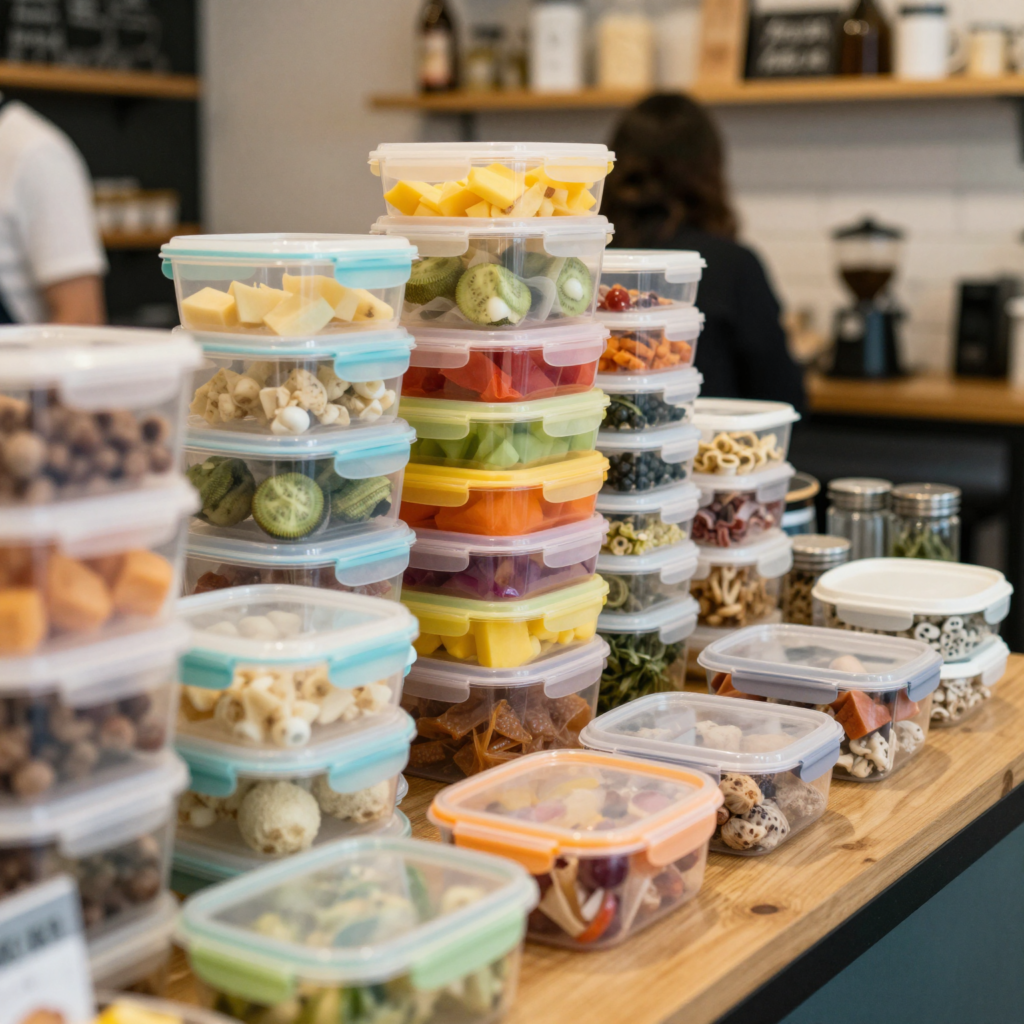
In the vibrant world of bubble tea shops and restaurants, colored plastic food storage containers have become essential tools that elevate both functionality and the customer experience. These containers not only provide a splash of color that attracts the eye but also offer numerous benefits that are crucial for food service operations. Durable and resilient, they are designed to withstand the rigors of daily use, ensuring that beverages and snacks remain fresh and secure. The use of food-safe materials guarantees that safety remains a top priority, enabling operators to serve their products worry-free. Aesthetically pleasing, these colorful containers enhance the overall presentation of offerings, creating an inviting atmosphere for customers. By incorporating these versatile storage solutions, establishments can significantly enhance their customer service and showcase their vibrant brand identity. Learn more about food storage containers in the industry and discover how they can aid in your food presentation.
Uses for Colored Plastic Food Storage Containers
Colored plastic food storage containers offer a variety of applications in catering services, beverage chains, food trucks, and more. Here are some key uses:
- Elevating Food Presentation: Bright colors enhance the visual appeal of meals, making dishes more inviting. This is especially useful in buffet settings.
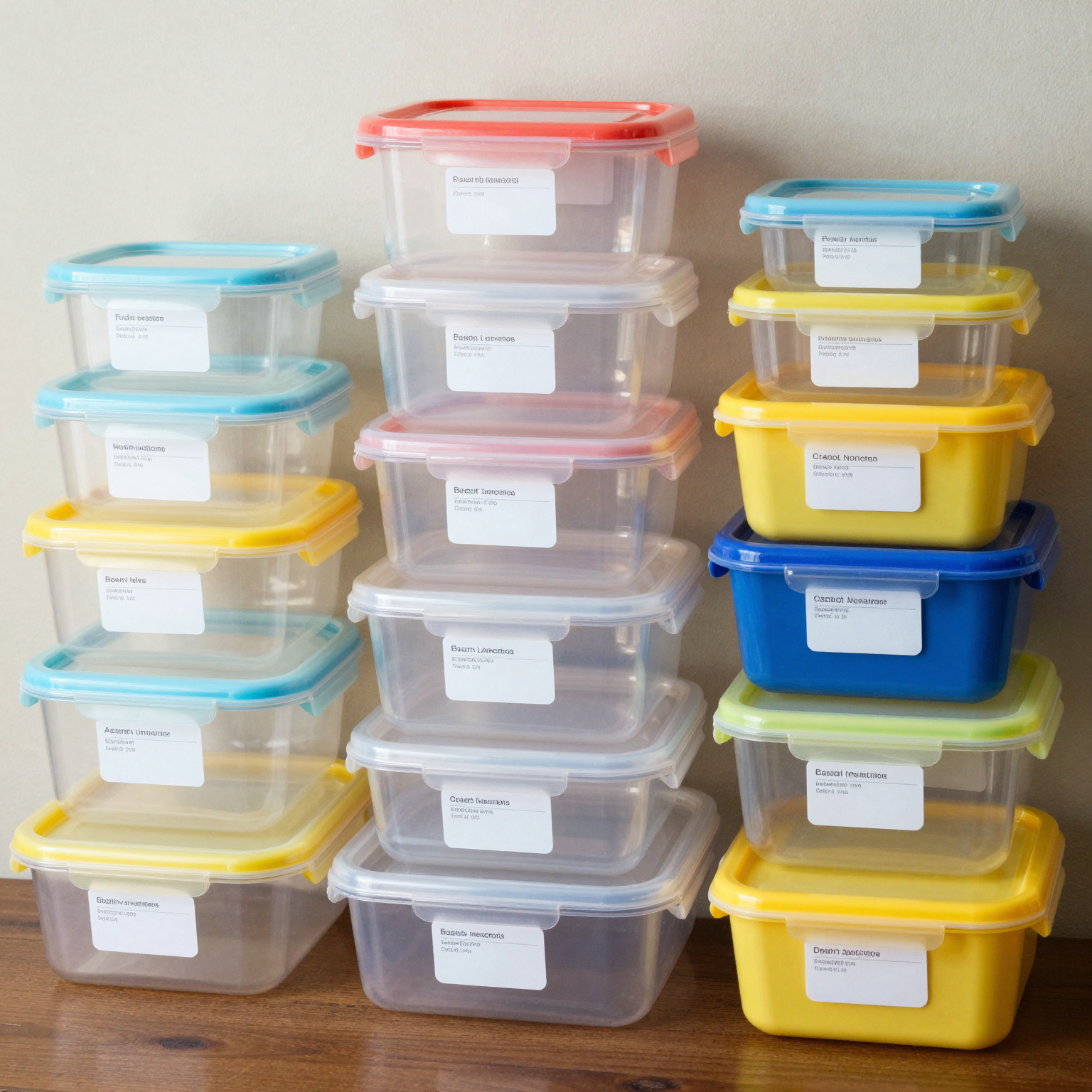
- Streamlining Operations: Color-coding helps staff quickly identify different food types, reducing errors during meal preparation and serving. For example, red for proteins, green for vegetables.
- Portion Control: Pre-portioning meals in colorful containers ensures consistency and helps in managing food costs efficiently.
- Convenient Transport: Their stackable design and secure lids make them ideal for safely transporting hot and cold items without spills.
- Brand Recognition: Customized colors can reinforce brand identity and enhance customer engagement during events.
For more on this topic, check out our article on the benefits of colored plastic storage containers.
Safety and Compliance Standards for Plastic Food Storage Containers
When it comes to storing food safely, especially in businesses like bubble tea shops, restaurants, and catering services, the choice of plastic containers is critical. Adhering to safety and compliance standards is essential to ensure the health of your customers and the integrity of your products.
Key Regulations
The U.S. Food and Drug Administration (FDA) has established several regulations for plastic materials intended for food contact. For example, FDA 21 CFR Part 177.1520 specifies requirements for polystyrene (PS) plastics, ensuring they don’t migrate harmful substances into food. Likewise, FDA 21 CFR Part 177.1680 covers polypropylene (PP) plastics, detailing acceptable materials and conducting safety tests for these containers. For a comprehensive overview, check out the FDA’s regulations.
In the European Union, compliance with regulations like EU Regulation (EC) No 1935/2004 and Regulation (EU) No 10/2011 is necessary. These regulations ensure that food contact materials do not affect food safety or quality by releasing harmful substances. The strict adherence to such regulations is vital for businesses operating within the EU market.
Eco-Friendly Certifications
Choosing eco-friendly plastic food containers not only shows your commitment to sustainability but also helps in complying with emerging regulations. Look for products that hold certifications like BPA-free, compostable, or those adhering to the EU Ecolabel standard. These certifications indicate that the materials are not only safe for food use but also environmentally responsible, making them preferable choices for modern food service operations.
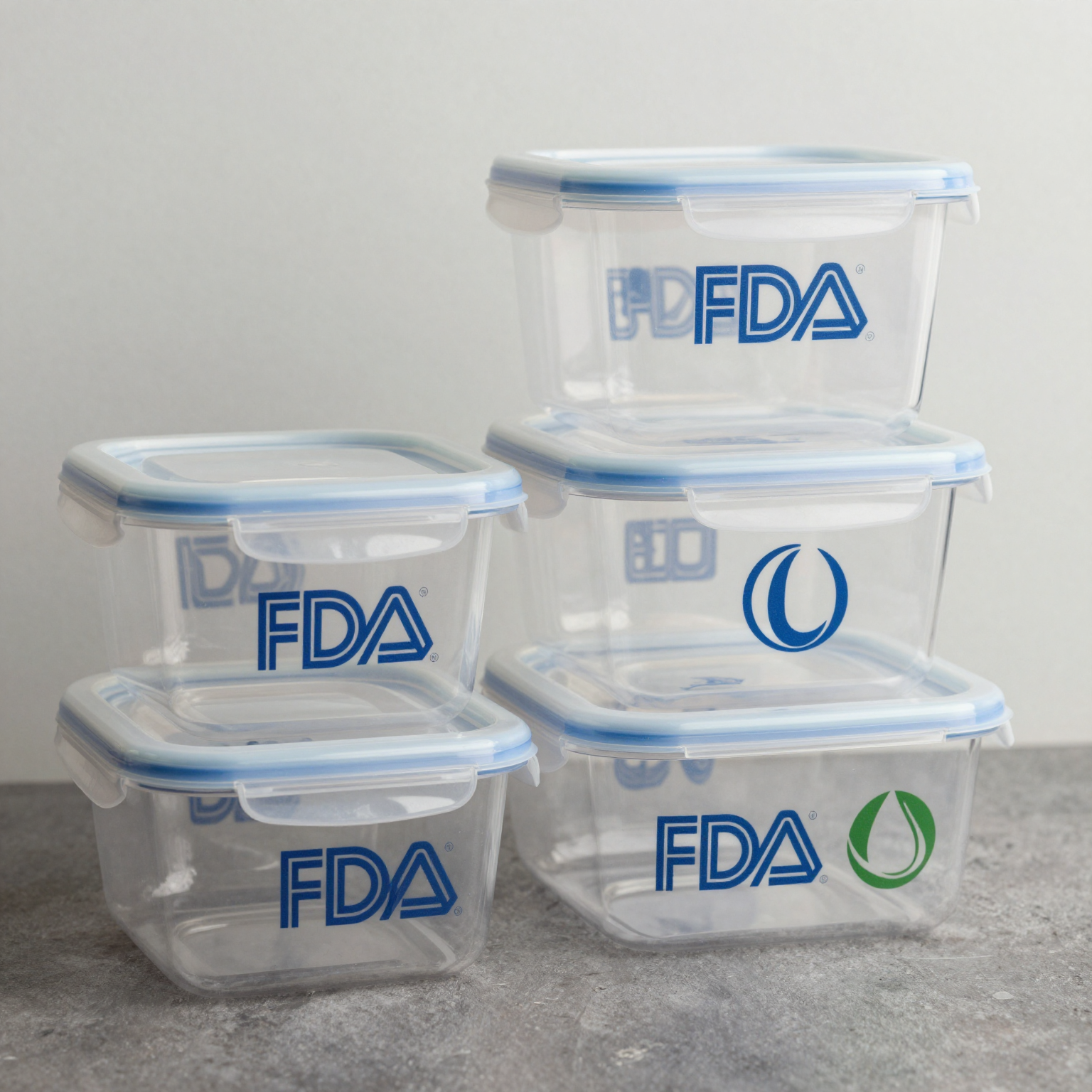
In summary, selecting plastic food storage containers that meet safety regulations and carry eco-friendly certifications protects your customers and enhances your brand’s reputation. To learn more about the importance of safety standards, visit our article on plastic food storage container safety for detailed insights and guidelines.
Client Testimonial
“The colored plastic food storage containers from Ecocup Bowl have completely transformed our operations! They are not only vibrant and visually appealing, but their reliability is unmatched. We’ve found them incredibly easy to use and they keep our ingredients fresh. Highly recommend them for anyone in the food industry!”
- Jane Doe, Owner of Bubble Tea Bliss
Learn more about our durable plastic containers in the food industry and explore different types of wholesale food storage options.
Color psychology plays a significant role in how consumers perceive food products, especially in areas such as food packaging and presentation. Research has shown that colors can evoke specific emotions and perceptions that influence purchasing decisions and appetite.
Color Associations and Their Impact
-
Red and Yellow: These warm colors are often associated with appetite stimulation. Red can evoke feelings of excitement and energy, making it ideal for fast food branding and snack packaging. Yellow, on the other hand, is viewed as cheerful and inviting, frequently used in restaurant interiors to create a warm atmosphere. Brands like McDonald’s use these colors effectively to attract attention and stimulate hunger.
-
Green: Green is synonymous with health and freshness, making it a popular choice for organic and health-oriented products. When consumers see green, they often associate it with vitality and natural ingredients. This is particularly relevant for beverages, salads, and snacks marketed as healthy, as it reinforces their perceived quality.
-
Gold and Silver: These colors are often used to signal luxury and high quality. Packaging that features gold accents typically suggests premium products, such as gourmet chocolates or fine wines. This association can lead consumers to perceive these products as more valuable, enhancing their willingness to pay a higher price.
-
Cool Colors (Blue and Purple): Blue can evoke a sense of calmness and tranquility, but it has also been found to suppress appetite in certain contexts. This explains why most restaurants avoid blue as a primary branding color; it can lead to decreased consumption. However, purple tends to be associated with richness and indulgence, often used in desserts and confectionery.
These color associations are not only rooted in psychology but also influenced by cultural perceptions, making color selection in food packaging a critical decision for marketers and food businesses.
Benefits of Using Colored Containers
Colored food storage containers offer several advantages that align with these psychological principles:
-
Enhanced Appeal: Using vibrant, appropriately colored containers can make food items look more appetizing. This aligns with the color expectations consumers have based on their previous experiences with food.
-
Segmentation of Food Types: Different colors can help customers quickly identify different types of foods or preparations. For instance, a red container could signify spicy foods, while a green container might be used for salads or healthy options, making it easier for customers to make informed choices.
-
Mood Influence: Colorful containers can create a positive emotional context around food, enhancing the dining experience. For example, a visually appealing, brightly colored container might uplift consumers’ moods, making them more likely to enjoy their food.
-
Brand Recognition: Consistently using specific colors for packaging can help establish brand identity. This approach not only aids in brand recall but also attracts prospective customers through visually cohesive marketing strategies.
In conclusion, understanding the psychological effects of color in food presentation is crucial for businesses in the food and beverage industry. By leveraging color psychology in packaging and colored containers, brands can enhance the appeal of their offerings and positively influence consumer perceptions. For more tips on how colored storage solutions can benefit your business, learn more about colored plastic food storage containers.
For event planners and catering services, utilizing colored containers can elevate the overall presentation of a spread, ensuring that guests are not only satisfied but also impressed.
Understanding Consumer Trends for Colored Plastic Food Containers
As the food and beverage industry evolves, consumer preferences have taken a notable shift towards colorful food containers. Particularly in beverage shops and catering operations, the appeal of colored options plays a significant role in brand identity and customer engagement.
Key Consumer Insights
-
Preference for Soft and Natural Tones: Recent trends indicate a consumer preference for soft color palettes, including pinks, yellows, blues, mint greens, and greens. These colors evoke feelings of tranquility and health, making them ideal for beverage shops and catering services. For example, pink is extensively used by brands like Nayuki Tea to enhance brand recognition while promoting a welcoming atmosphere.
-
Popularity of Bold and Bright Colors: On the contrary, vibrant colors such as dreamy purple, Barbie pink, deep sea blue, and vibrant orange have also surged in popularity. These hues are particularly favored among younger generations, reflecting a desire for innovation and creativity. They are often seen in limited-edition drinks and are heavily promoted through social media to boost shareability and engagement.
-
Social Media Impact: Brightly colored containers resonate well in the social media landscape, where visually striking images generate higher interaction. Beverages served in colorful containers encourage more shares and posts, enhancing the brand’s visibility and customer interaction.
-
Applications across Market Segments: The application of colored containers varies by the type of establishment. Beverage shops favor bright, playful designs, whereas catering services may lean toward more subdued, professional tones that convey quality and health benefits.
For a deeper dive into the benefits of colored plastic containers in your offerings, read more here. The accompanying insights underscore the importance of aligning container color with the overall brand strategy and customer preferences, ultimately enhancing the consumer experience.
Comparison of Colored Plastic Food Storage Containers
When it comes to colored plastic food storage containers, businesses need to consider various aspects such as size, material, pricing, and ideal uses. Below is a comprehensive comparison table that outlines different types of colored plastic food storage containers available on the market:
| Container Type | Size Options | Material | Pricing | Ideal Uses |
|---|---|---|---|---|
| Standard Storage Jars | 16 oz, 32 oz, 64 oz | High-Density Polyethylene (HDPE) | $1.50 – $4.00 | Ideal for beverages, snacks, condiments, and salads. |
| Stackable Containers | 4 oz, 8 oz, 16 oz, 32 oz | Polypropylene (PP) | $0.75 – $3.00 | Perfect for meal prep and space-saving storage solutions. |
| Microwave Safe Containers | 12 oz, 24 oz, 48 oz | Polypropylene (PP) | $1.00 – $3.50 | Great for reheating food and leftovers. |
| Airtight Food Storage | 16 oz, 32 oz, 64 oz | BPA-Free Plastic | $2.50 – $5.00 | Suitable for dry food storage and keeping ingredients fresh. |
| Color-Coded Food Jars | 8 oz, 16 oz, 32 oz | PET (Polyethylene Terephthalate) | $1.00 – $3.00 | Helps in quick identification of ingredients in a busy kitchen. |
This table provides essential information for businesses looking to purchase plastic food storage containers that are colorful and functional. Each type of container serves different purposes, whether it’s for prepping, storing, or serving food. For more insights on choosing the right food storage containers for your business needs, learn more about different types of plastic containers and how to buy wholesale food storage containers.
Conclusion
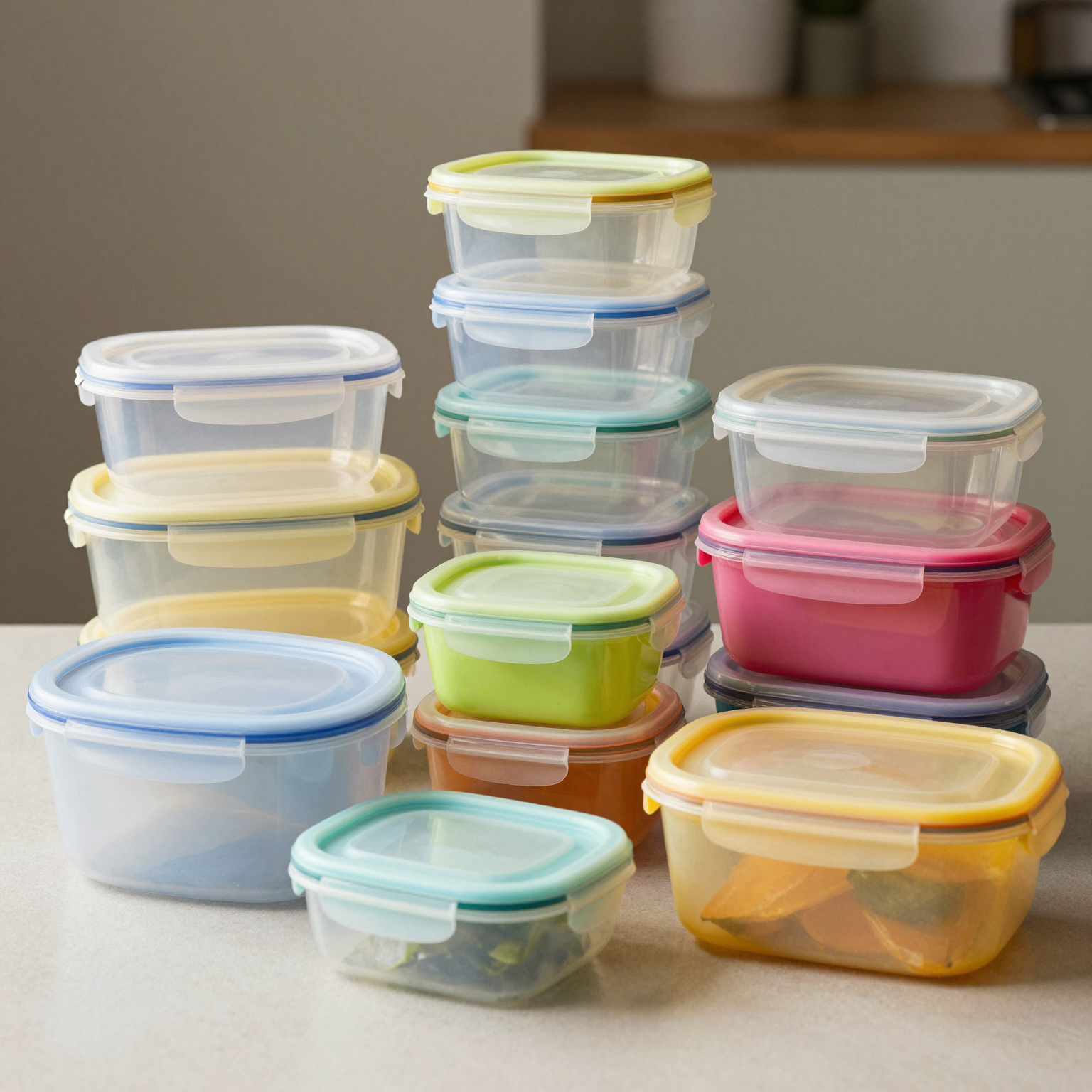
In conclusion, colored plastic storage containers play a pivotal role in the food service industry, particularly for establishments such as bubble tea shops, restaurants, food trucks, and catering services. These containers not only help in maintaining the quality of the food but also enhance safety by preventing cross-contamination and ensuring that different types of food are stored separately. The use of color-coded containers allows for a more organized kitchen, minimizing errors and improving efficiency during food preparation and service.
Moreover, their durability and ease of cleaning make them a practical option for busy food service environments. Importantly, these containers meet safety and health standards, ensuring that they do not leach harmful substances into the food. For businesses that care about quality, usability, and compliance, investing in colored plastic storage containers is a no-brainer.
If you’re ready to elevate your food service operations with high-quality colored plastic storage containers, partner with us at EcoCupBowl. Our products are designed with your needs in mind, offering reliability and compliance with all food safety standards. Explore our collection today and see how we can help you streamline your food storage solutions!
FAQ Section for Colored Plastic Food Storage Containers
1. Are colored plastic food storage containers durable?
Yes, the durability of colored plastic food storage containers largely depends on the material used. Containers made from #5 polypropylene (PP) are renowned for their heat resistance and stability. Further, high-density polyethylene (HDPE) containers are light yet tough, making them suitable for long-term use.
2. Is it safe to use plastic food storage containers?
When selecting plastic containers, prioritize those labeled as BPA-free to avoid harmful chemical leaching into food. It is also recommended to choose products certified by the FDA for food safety. To ensure safety over time, avoid using such containers in microwaves or for highly acidic foods.
3. What customization options are available for colored plastic containers?
Many manufacturers offer customization options such as various color choices, sizes, and even logos for branding. This makes them ideal for a range of commercial scenarios, including catering and retail. Some containers also come with airtight sealing features to maintain food freshness effectively.
4. How can I properly care for my plastic food storage containers?
To maintain the longevity of your containers, wash them with mild detergent and avoid harsh chemicals. Ensure to store them in a cool place to prevent warping and degradation over time.
For additional insights, explore our blog on plastic food container safety.